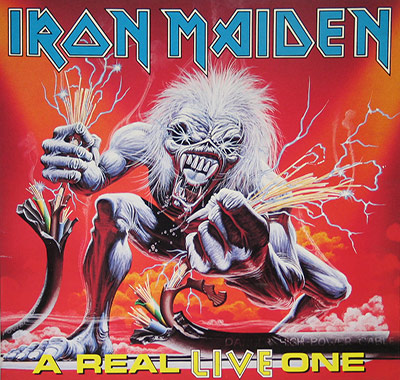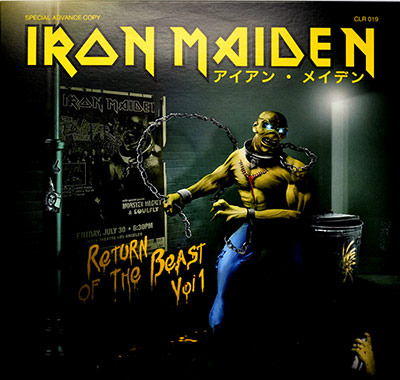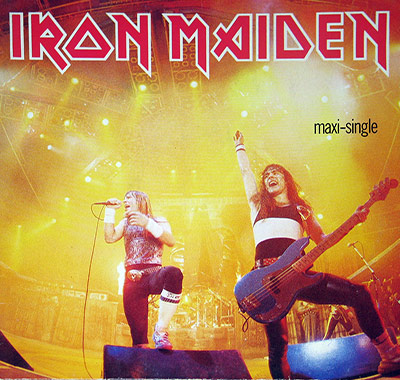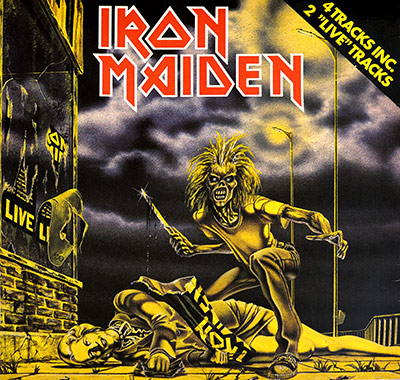
Bruce Dickinson, Bruce Dickinson is the rare frontman who can sound like a human air-raid siren and still tell a story. Before the arenas, I track him in Samson (1979–1981) , where the voice sharpened into steel. He joined Iron Maiden in 1981 and powered their classic run through 1993, then returned in 1999 and has stayed ever since. Between the big chapters he kept moving: a solo career from 1990 onward, plus the short, sharp Skunkworks detour in 1996. On stage he’s theatrical without slipping into pantomime—commanding, precise, and oddly disciplined for heavy metal. Timeline: Samson ’79–’81; Maiden ’81–’93 and ’99–now; solo from ’90; Skunkworks ’96. And yeah, never boring.
Introduction: Iron Maiden's Rise to Metal Legend: The Journey to "Best of the Beast"
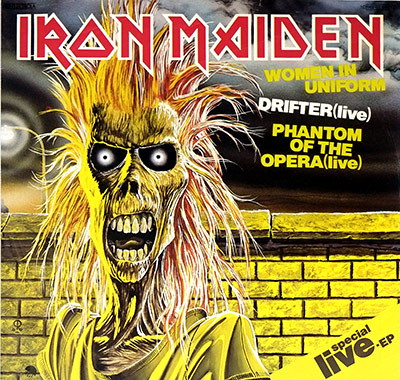
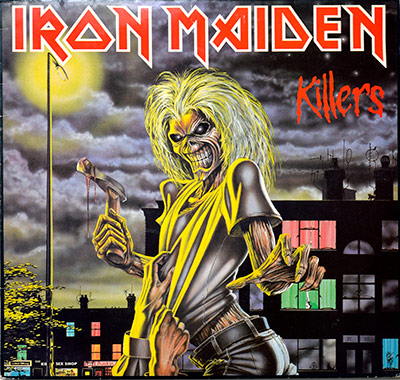
Iron Maiden emerged in the late 1970s as a driving force in the New Wave of British Heavy Metal (NWOBHM), a movement that revitalised hard rock and heavy metal with a darker, edgier, and faster sound. Founded by bassist Steve Harris in East London in 1975, Iron Maiden quickly set themselves apart with their aggressive style, complex song structures, and epic, storytelling lyrics. Their self-titled debut album, released in 1980, immediately struck a chord with metal fans, introducing the world to their signature mascot, Eddie, who would become an iconic figure in heavy metal culture.
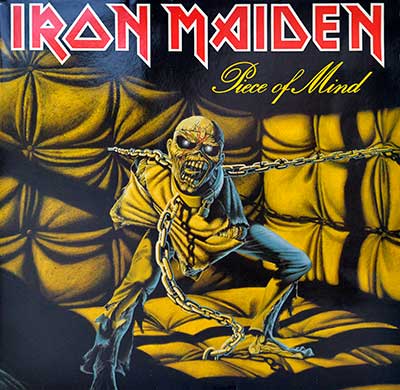
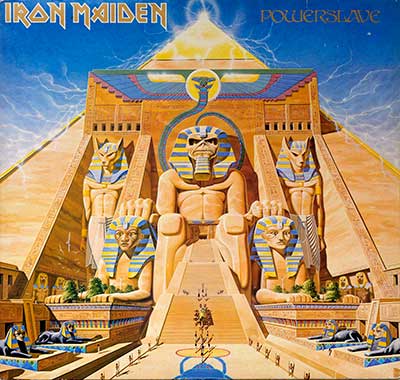
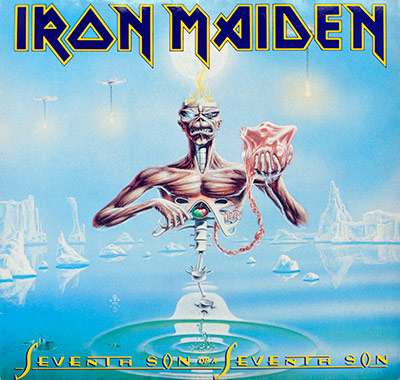
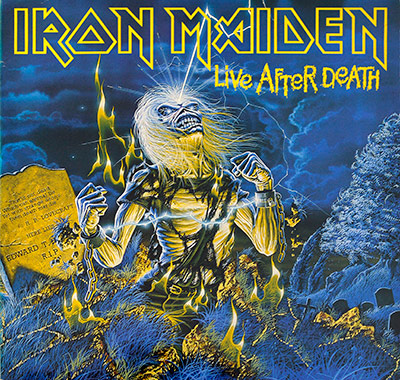
By the time Iron Maiden released their third album, The Number of the Beast in 1982, the band had reached new heights. This release was the first to feature vocalist Bruce Dickinson, whose powerful voice became central to Maiden's sound. The album topped UK charts and stirred controversy with its dark themes, but it solidified the band as metal legends, with singles like "Run to the Hills" and the title track becoming anthems of the genre. Throughout the 1980s, Iron Maiden continued to build their influence with albums like Piece of Mind, Powerslave, and Seventh Son of a Seventh Son, all marked by technical prowess, bold artwork, and elaborate live performances.
In the early 1990s, Iron Maiden faced transitions with the departure of Dickinson and the arrival of Blaze Bayley as the new frontman. Albums like The X Factor (1995) presented a darker, more introspective sound, but the band's reputation remained intact.
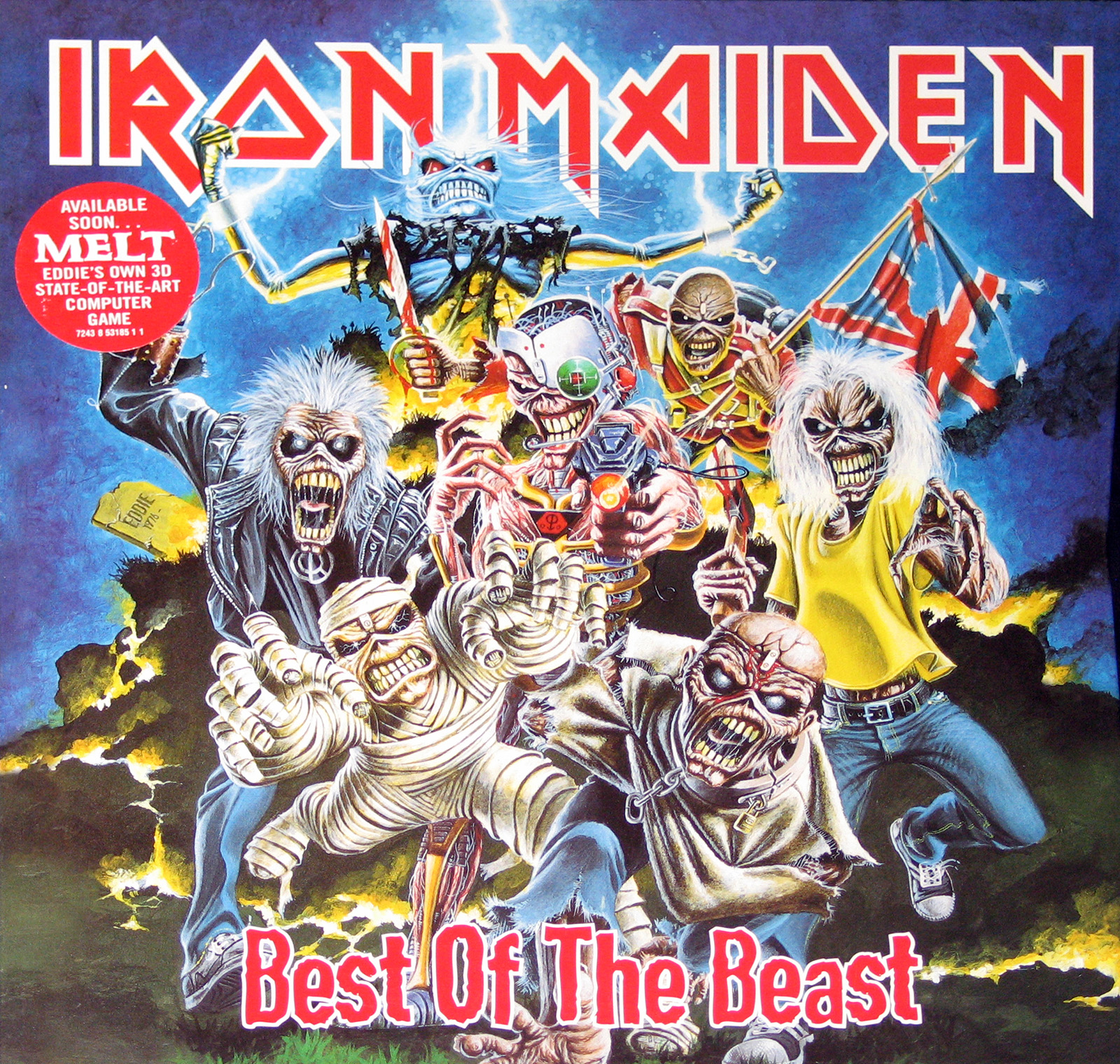
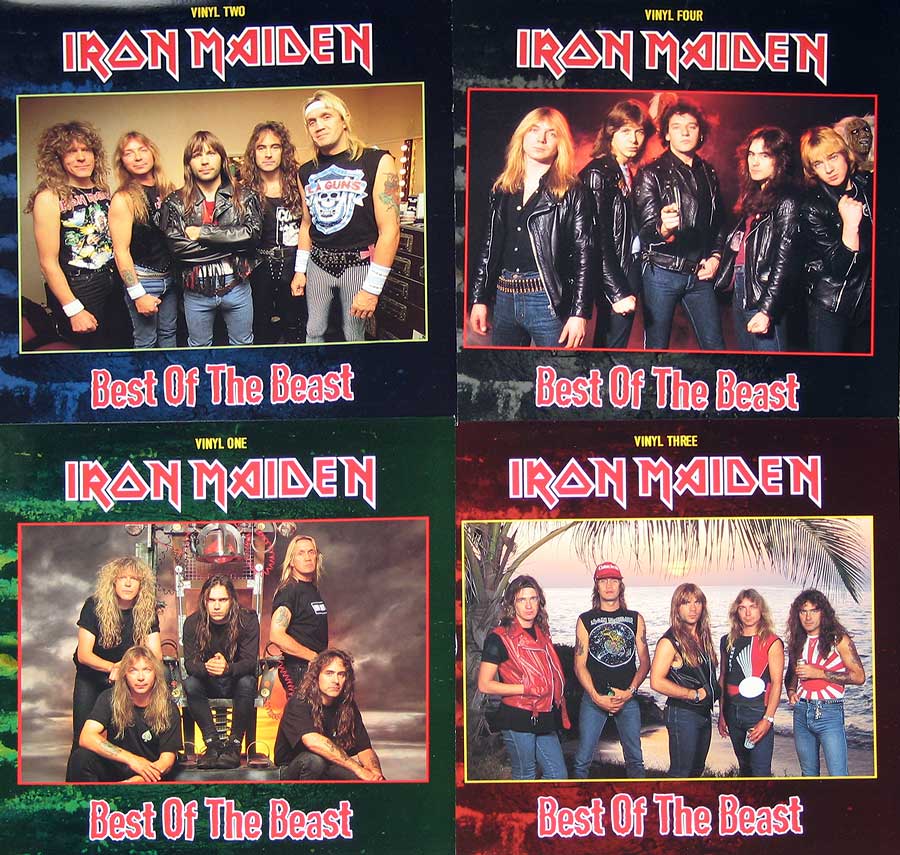
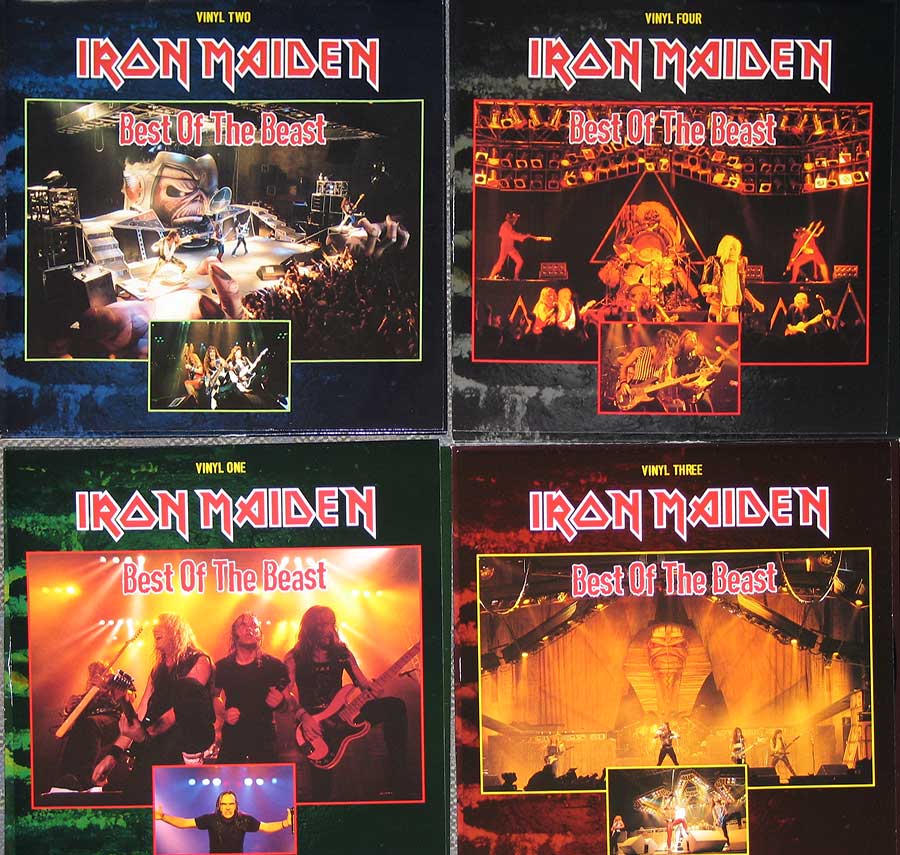
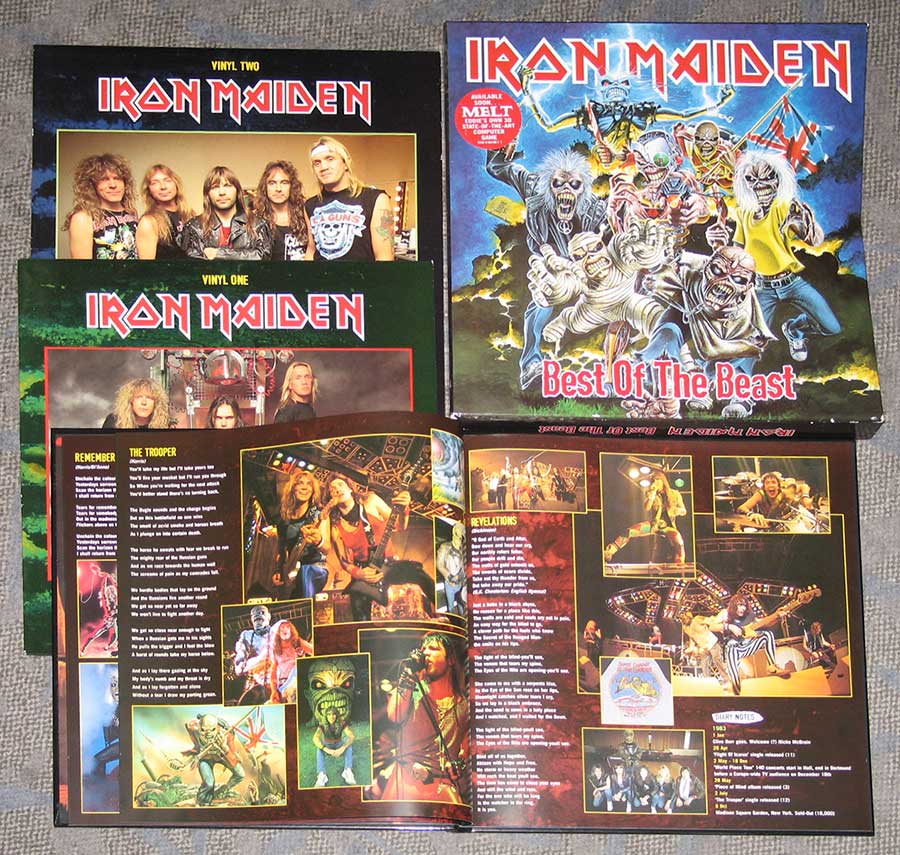
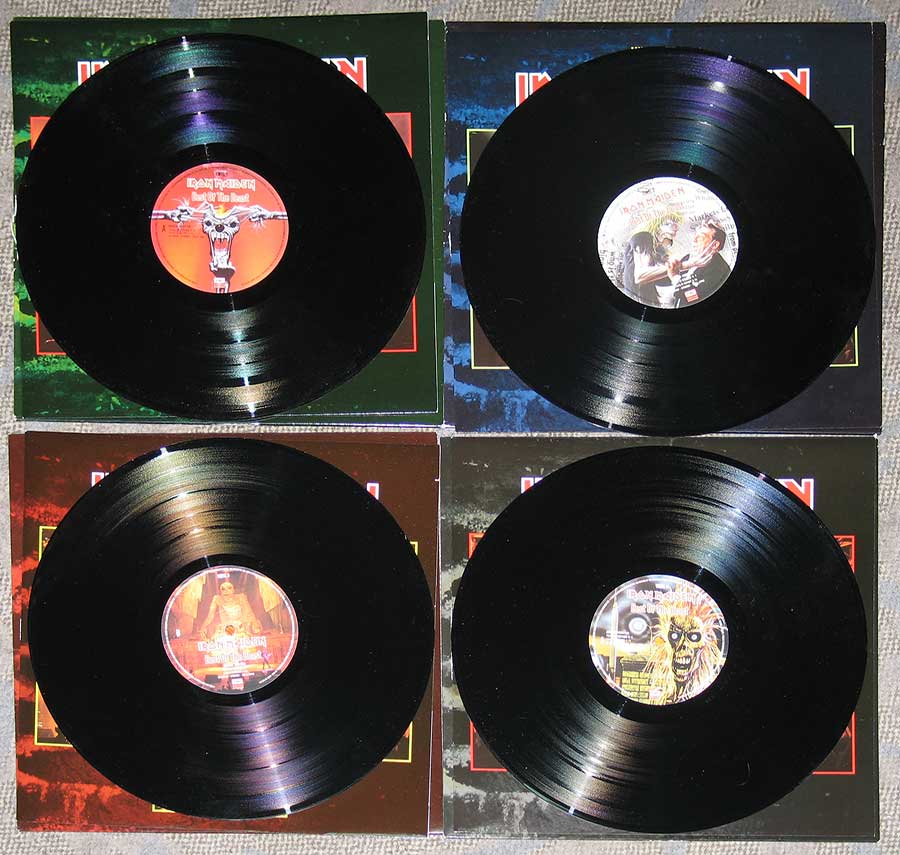
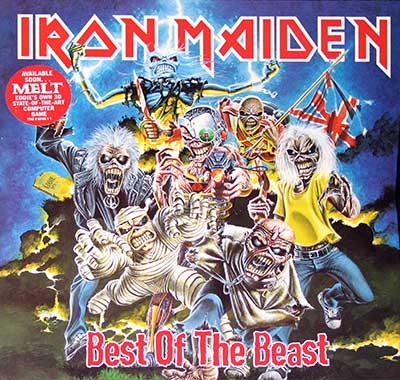
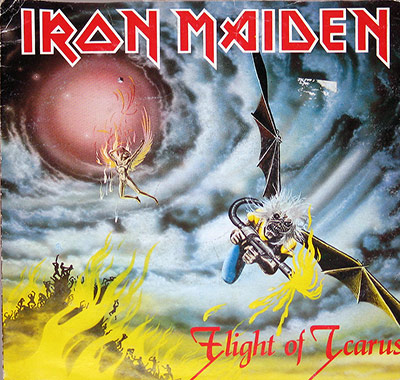
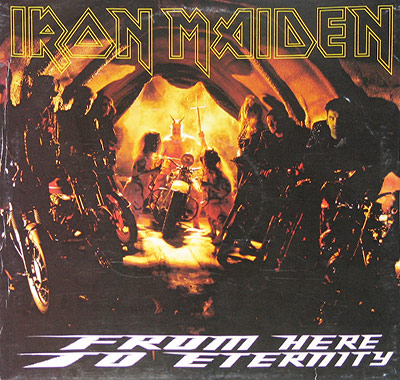
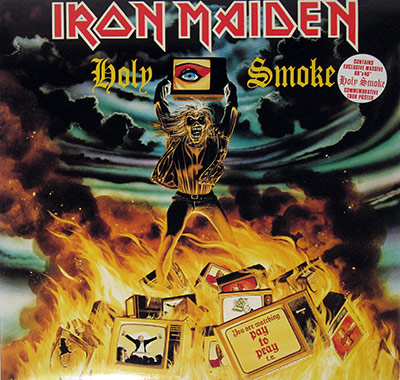
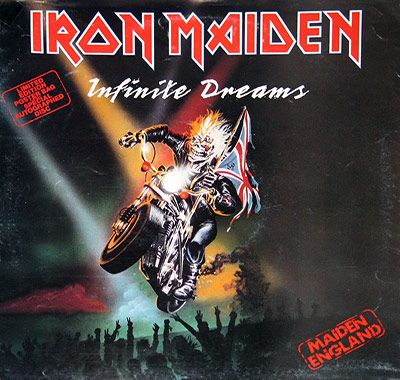
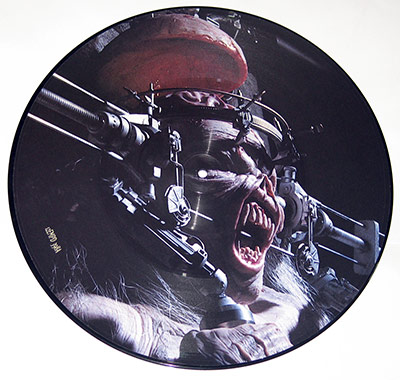
Released in 1996, Best of the Beast marked Iron Maiden's first official compilation album, celebrating nearly two decades of groundbreaking music. This collection spanned their greatest hits, beloved classics, and even included new material like the single "Virus." Best of the Beast became a milestone in Maiden's catalog, offering fans both a retrospective of the band’s evolution and a testament to their enduring impact on heavy metal.
-320med.jpg)

-280med.jpg)