In fields of thought, a battle cry, Piece of Mind, where eagles fly.
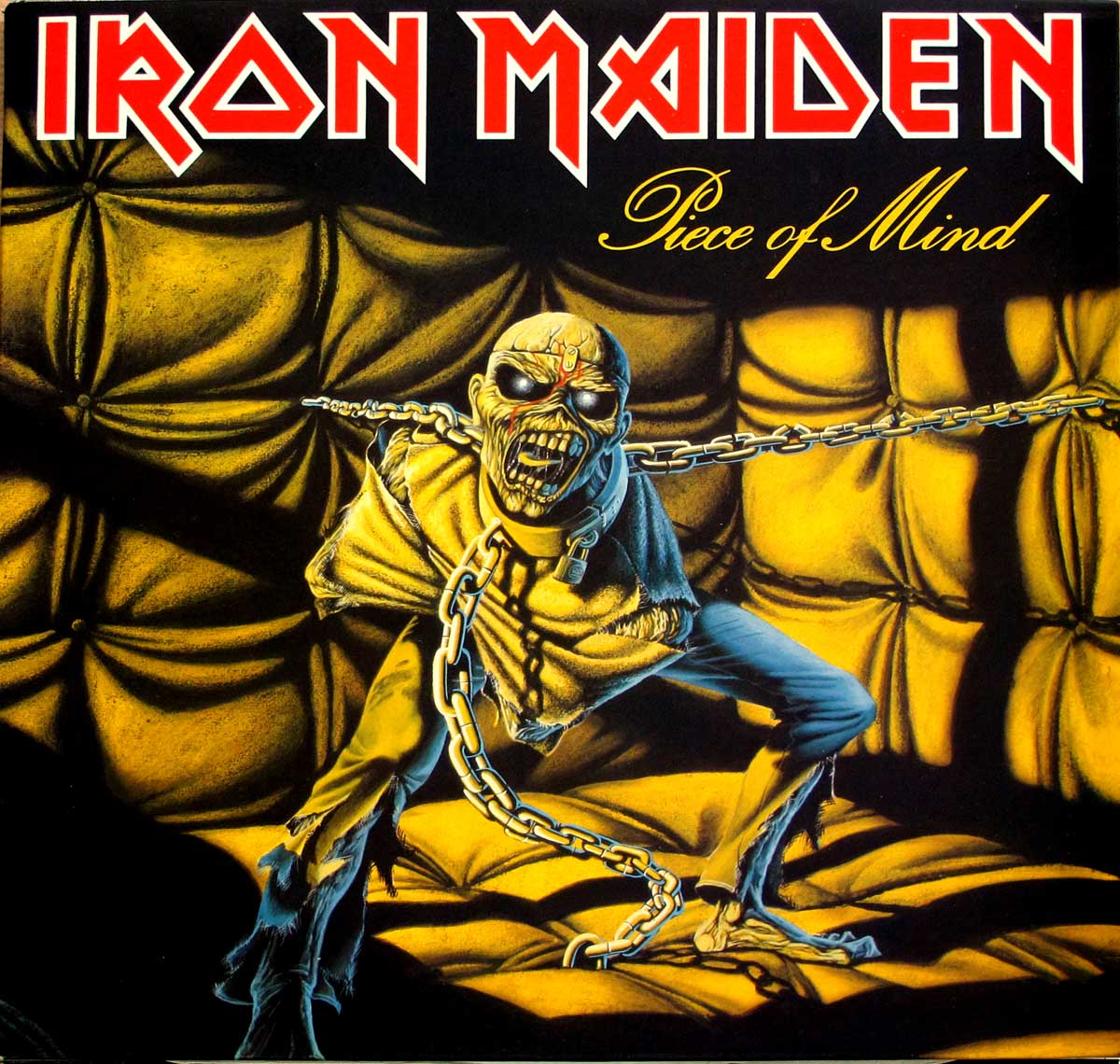
The year 1983 marked a turning point for Iron Maiden, a time of transition and triumph. With new drummer Nicko McBrain behind the kit, they unleashed "Piece of Mind" upon the world, a sonic odyssey that soared to new heights. The French release, adorned with a majestic gatefold cover, became a treasured artifact, a testament to the band's artistic evolution and global reach.
A Sonic Tapestry Unfurled: Exploring the Depths of the Mind
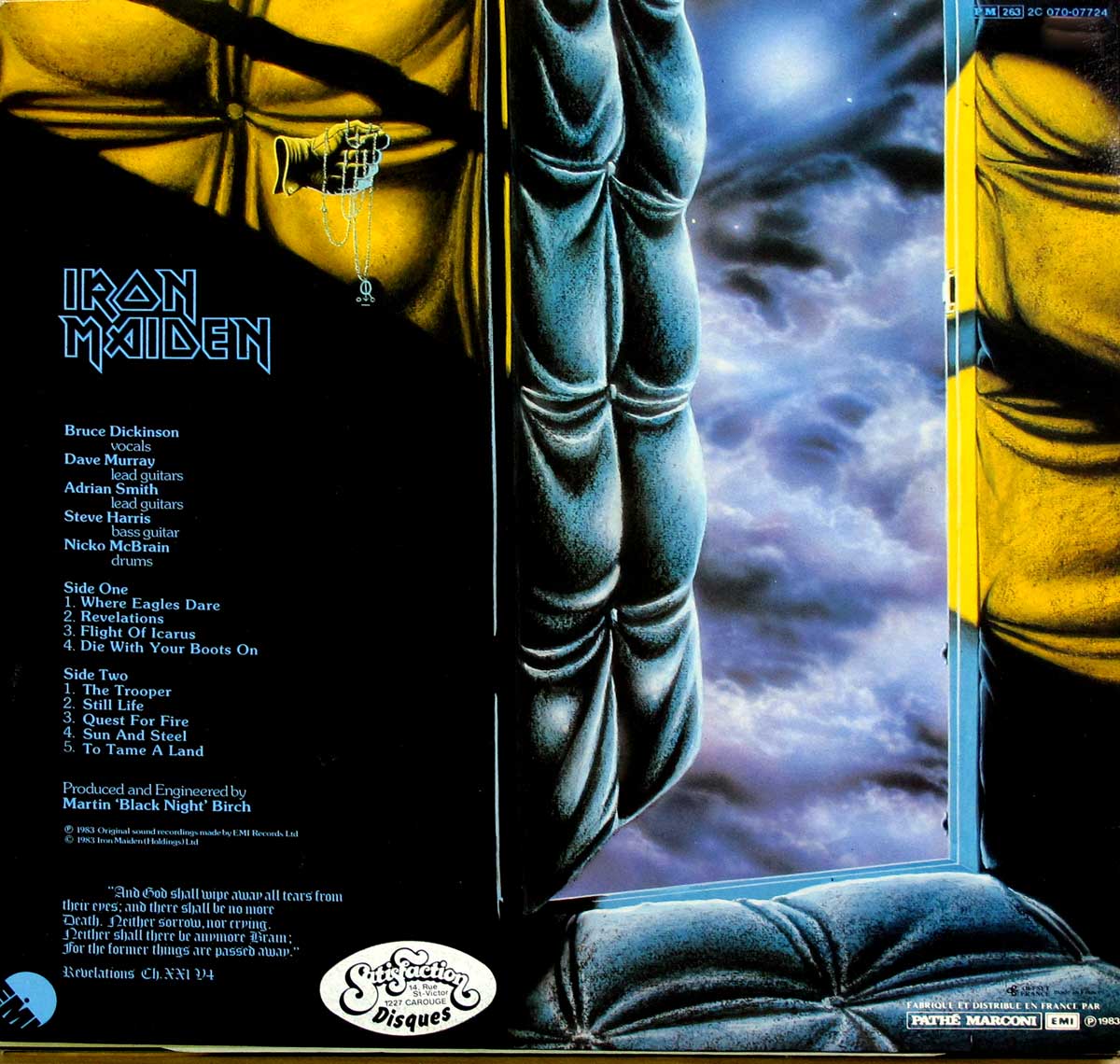
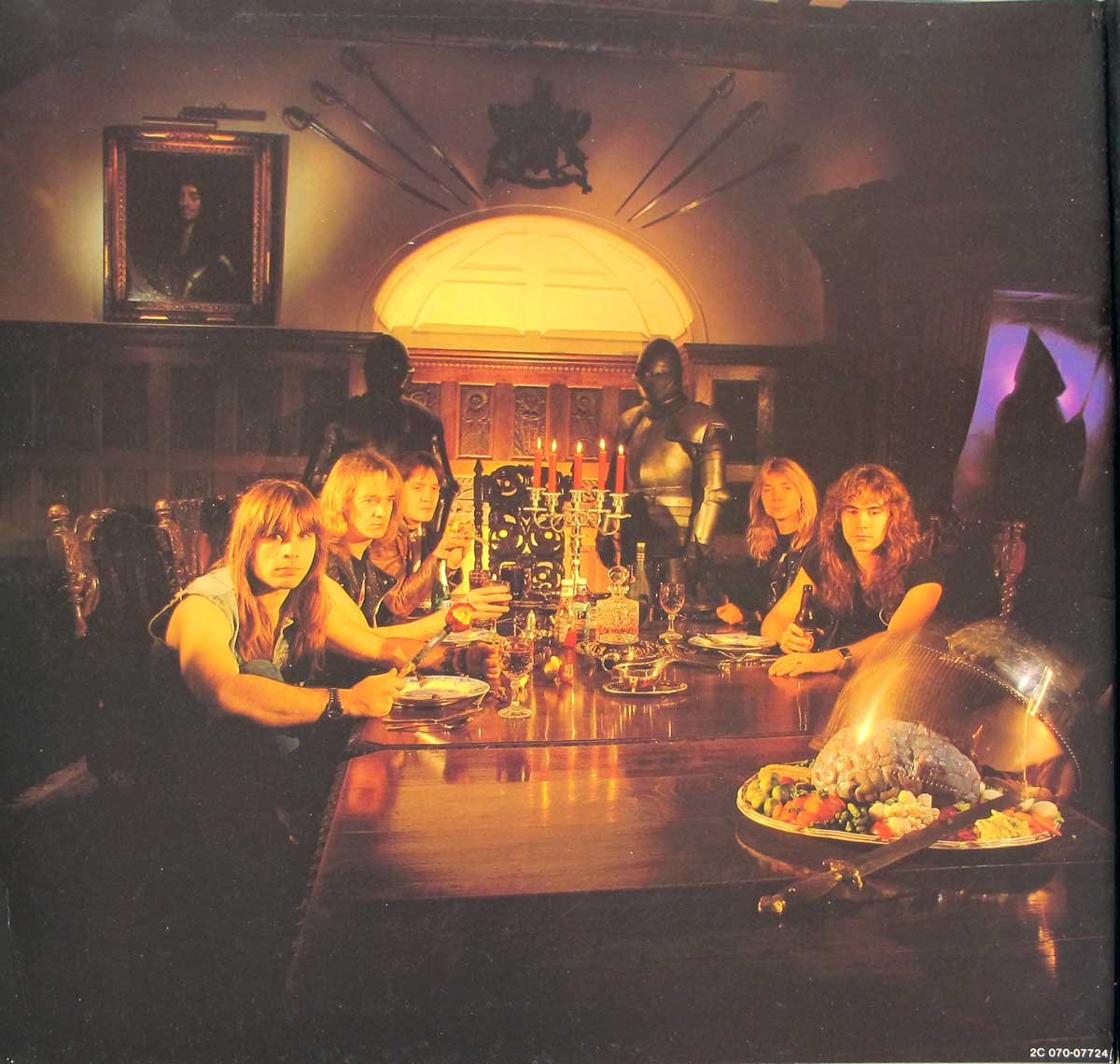
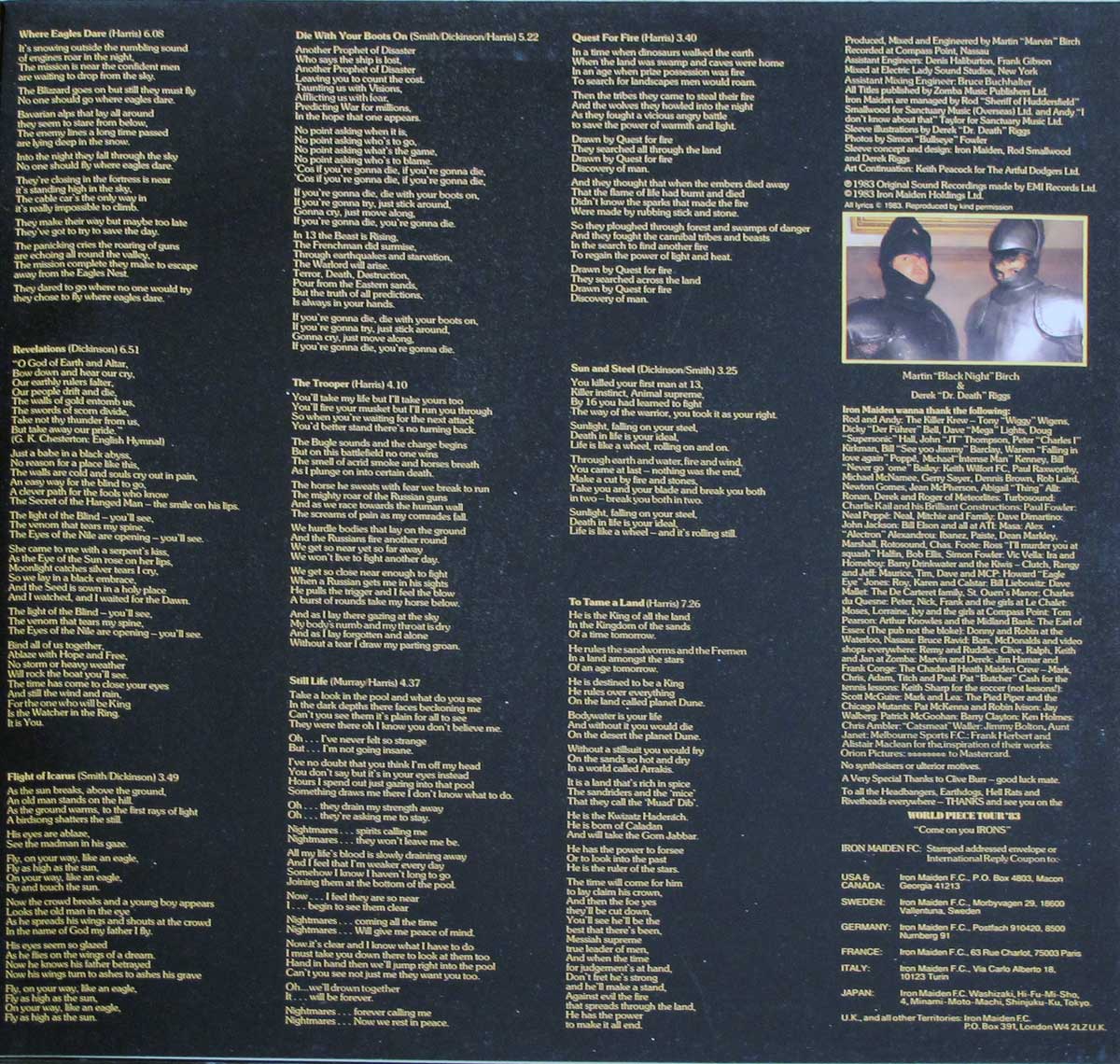
The French pressing, with its gatefold sleeve revealing a panoramic vista of Eddie's tormented psyche, invited listeners to explore the depths of the mind. Each track, a sonic chapter in a grand narrative, delved into themes of war, religion, mythology, and the human condition.
From the galloping riffs of "Where Eagles Dare" to the introspective melodies of "Still Life," "Piece of Mind" showcased Iron Maiden's musical versatility. The album's progressive song structures, intricate harmonies, and Bruce Dickinson's operatic vocals pushed the boundaries of heavy metal, solidifying the band's reputation as innovators.
Genre-Defying Fusion: A Heavy Metal Renaissance
The French release of "Piece of Mind" transcended genre limitations, embracing a fusion of heavy metal, progressive rock, and even elements of classical music. This eclectic blend of styles resonated with French audiences, who embraced the album's complexity and depth.
The band's willingness to experiment with different sounds and textures, while staying true to their heavy metal roots, set them apart from their contemporaries. "Piece of Mind" marked a new era for Iron Maiden, one defined by artistic ambition and a refusal to be confined by genre conventions.
Controversy and Triumph: The Beast's Unwavering Spirit
The release of "Piece of Mind" was not without its controversies. The album's dark themes and graphic imagery sparked debate and outrage in some quarters. However, Iron Maiden, undeterred by criticism, continued to push the boundaries of their art, embracing the darkness and exploring the complexities of the human experience.
The French audience, known for their appreciation of artistic expression and intellectual curiosity, embraced the album's challenging themes and embraced Iron Maiden as a band that dared to be different. The controversy surrounding "Piece of Mind" only served to amplify its impact, solidifying its place in French heavy metal history.
Production and Recording: A Transcontinental Collaboration
The French release of "Piece of Mind" was a testament to the global nature of the music industry. The album was recorded at Compass Point Studios in Nassau, Bahamas, a tropical paradise that provided a unique backdrop for the creation of this metal masterpiece.
The album was produced by Martin Birch, a legendary figure in the world of rock and metal production. Birch's expertise in capturing the raw power and energy of Iron Maiden's music was instrumental in creating a sonic experience that transcended borders and cultures.
Legacy and Impact: A Mind-Altering Odyssey
The French release of "Piece of Mind" cemented Iron Maiden's status as global icons. The album's impact on the French heavy metal scene was undeniable, inspiring countless bands and fans alike.
The mind awakens, its secrets unfold, a French masterpiece, a story untold.