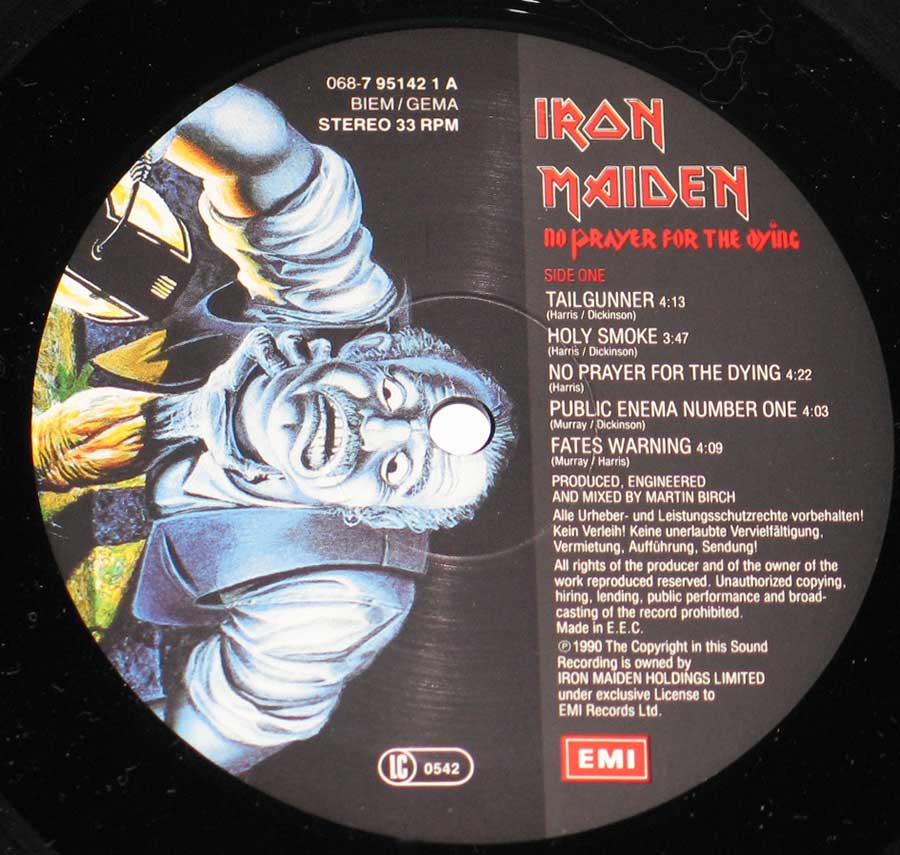
In a world aflame, a beast reborn, No Prayer For The Dying, a metal storm.
The year was 1990, a time of shifting sands in the heavy metal landscape. Grunge was clawing at the gates, threatening to dethrone the titans of the genre. Amidst this turmoil, Iron Maiden, the British stalwarts of metal, unleashed their eighth studio album, "No Prayer For The Dying".
A Sonic Shift: Back to Basics
Departing from the progressive complexities of its predecessor, *Seventh Son of a Seventh Son*, "No Prayer For The Dying" embraced a rawer, more direct approach. This back-to-basics ethos was evident in the stripped-down production and the abundance of straight-ahead rockers that populated the tracklist.
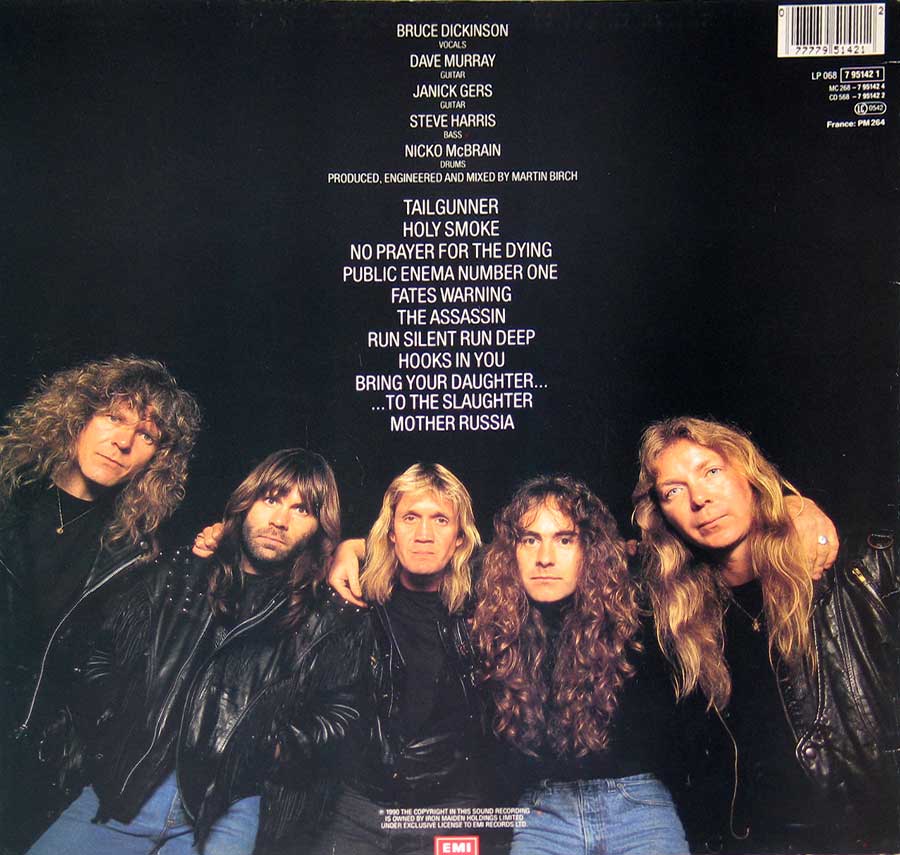
The album's opening salvo, "Tailgunner," set the tone with its galloping riffs and Bruce Dickinson's soaring vocals. Other highlights included the infectious "Holy Smoke," the anthemic "Public Enema Number One," and the hauntingly beautiful "Run Silent Run Deep."
Genre and Exploration
While firmly rooted in heavy metal, "No Prayer For The Dying" showcased Iron Maiden's willingness to experiment. The album incorporated elements of hard rock, blues, and even punk, resulting in a diverse and dynamic listening experience.
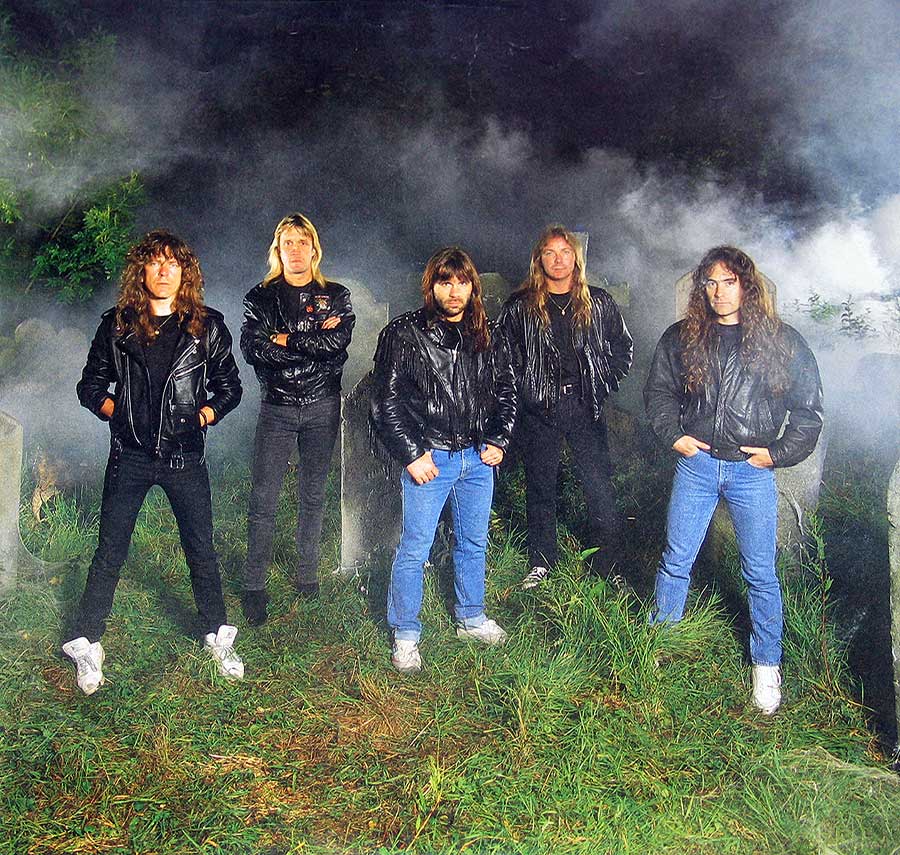
This sonic exploration was further amplified by the band's new guitarist, Janick Gers, who replaced Adrian Smith during the pre-production phase. Gers' energetic playing and flamboyant stage presence injected a fresh dose of adrenaline into Iron Maiden's sound.
Controversies and Challenges
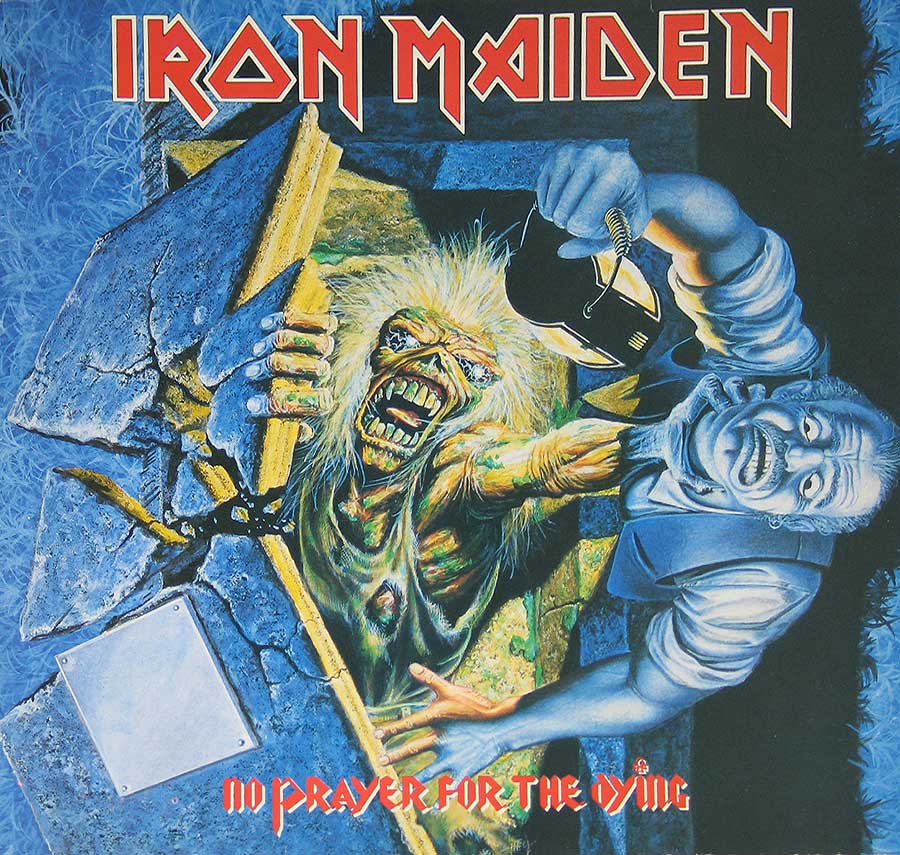
Despite its commercial success, "No Prayer For The Dying" faced its share of controversies. The album's cover art, depicting Eddie emerging from a grave, was deemed too gruesome by some retailers, leading to censored versions being issued.
The album also marked a period of transition for Iron Maiden. The departure of Adrian Smith, a key songwriter and guitarist, left a void that was difficult to fill. While Janick Gers brought his own unique style to the band, his presence inevitably altered the chemistry that had defined Iron Maiden's earlier works.
Production and Recording
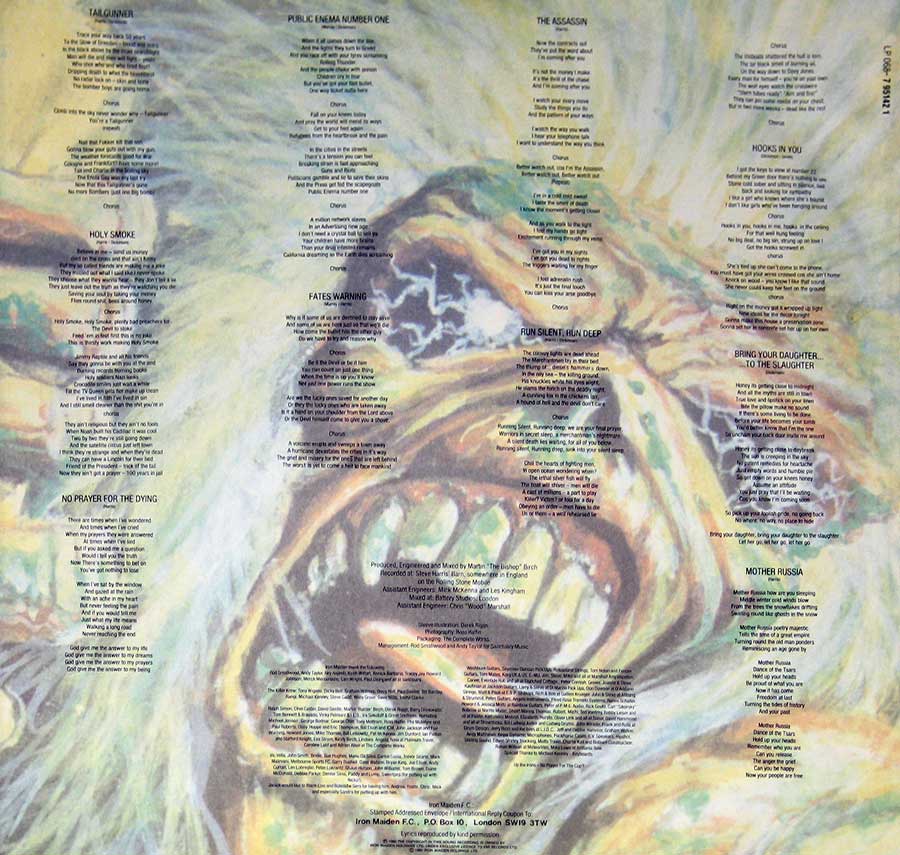
"No Prayer For The Dying" was produced by Martin Birch, a longtime collaborator of Iron Maiden. Birch's signature sound, characterized by its raw power and punchy drums, was evident throughout the album.
The album was recorded at Barnyard Studios in Essex, England, using the Rolling Stones Mobile Studio. This unconventional approach allowed the band to capture a more spontaneous and live feel in their performances.
Legacy and Impact
While "No Prayer For The Dying" may not be regarded as one of Iron Maiden's most groundbreaking albums, it remains a significant entry in their discography. The album's raw energy and back-to-basics approach resonated with fans who craved a return to the band's earlier, more visceral sound.
Moreover, "No Prayer For The Dying" marked a turning point in Iron Maiden's career. The album's commercial success solidified their status as one of the leading heavy metal bands of their time. However, the departure of Adrian Smith and the changing musical landscape signaled a new era for the band, one that would be fraught with challenges and uncertainties.
The beast roars on, No Prayer For The Dying, a metal legacy born.