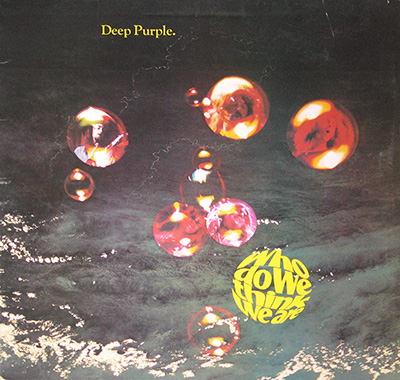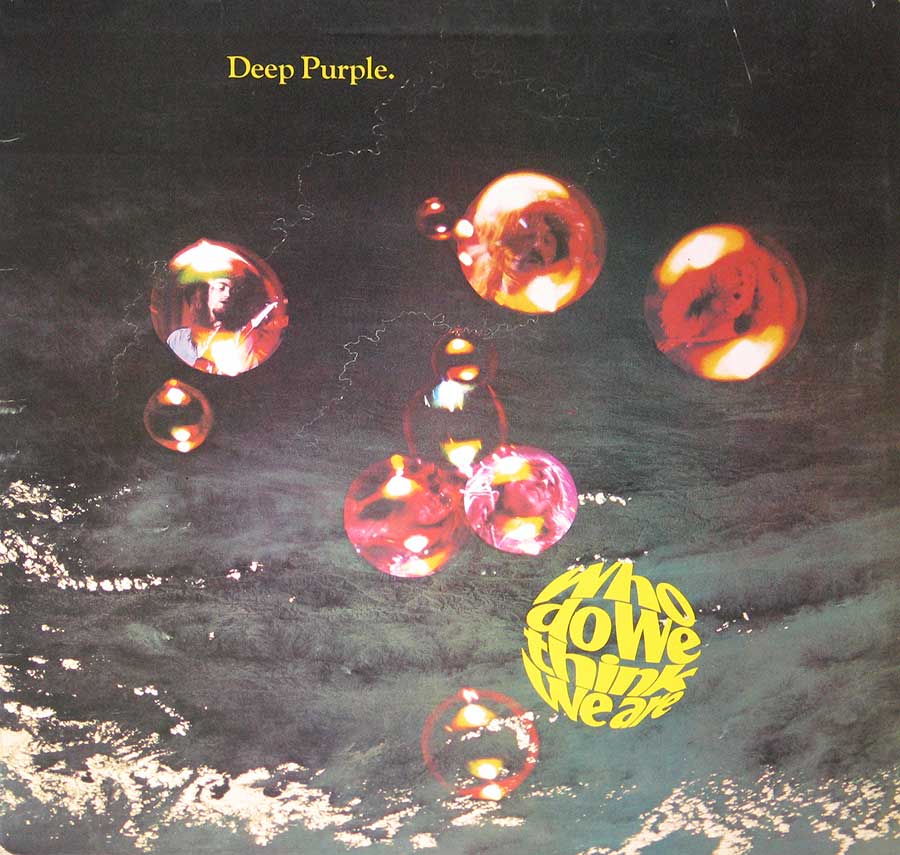
Deep Purple's "Who Do We Think We Are"
Album Description:
I never file "Who Do We Think We Are" under “triumph.” I file it under “proof.” Proof that even the loudest band in the room can sound tired, irritated, and still dangerous when you crank the amp and stop pretending everyone’s getting along.
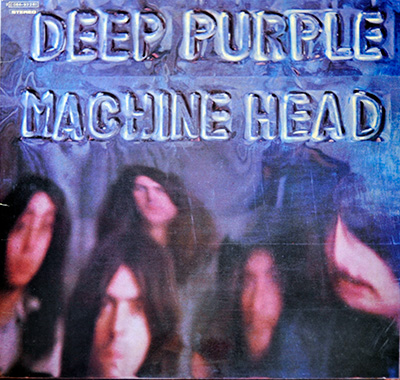
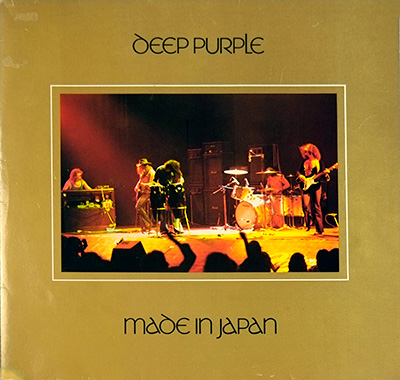
By early 1973 the Mark II machine had been worked like a rented mule: albums, tours, airports, encore after encore. You can hear the burnout in the gaps between the punches. The riffs still land. The chemistry just doesn’t always spark the way it did on "Machine Head" or on the live blaze of "Made in Japan."
The funny part? They didn’t even cut this thing in one clean studio stretch. The Rolling Stones’ mobile rig gets dragged in like a traveling surgeon: Rome in July ’72, then Walldorf near Frankfurt in October. Different rooms, different air, same band trying to keep the wheels on. You don’t get a neat story. You get a record that sometimes feels bolted together at 2 a.m., because it basically was.
And yes, it opens with "Woman From Tokyo" because of course it does. That riff walks in first, shoulders squared, cigarette already lit. Gillan sounds like he’s still got some fuel left, and Blackmore plays like he’s daring the rest of the band to keep up. When that track hits, you remember why people were lining up to have their faces melted.
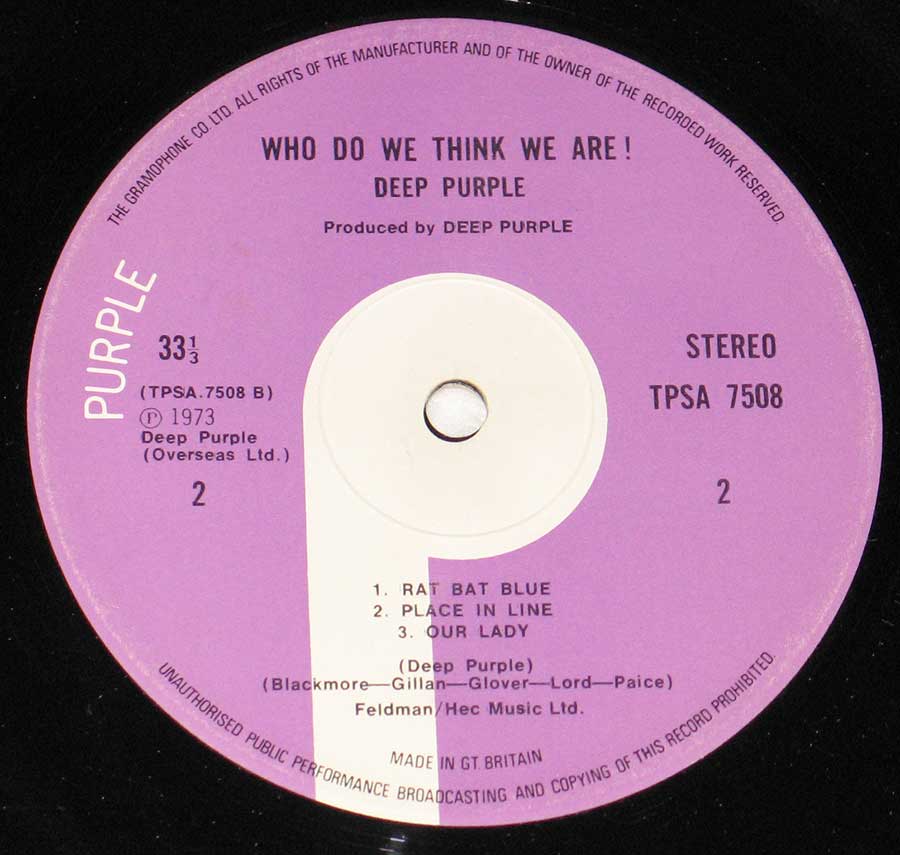
After that, it gets… human. "Mary Long" stomps and sneers. "Smooth Dancer" lunges forward with that restless, slightly funky tension in the rhythm, like the band is trying to outrun its own mood. "Rat Bat Blue" is the nasty little blues workout where they stop polishing and start swinging elbows. I’ll take that grit over “perfect cohesion” any day.
But I’m not going to pretend it’s all gold bars and fireworks. Some cuts feel like the band is playing in the same room while mentally living on different planets. That’s not “eclectic.” That’s friction. That’s five brilliant musicians doing the job while quietly counting the exits.
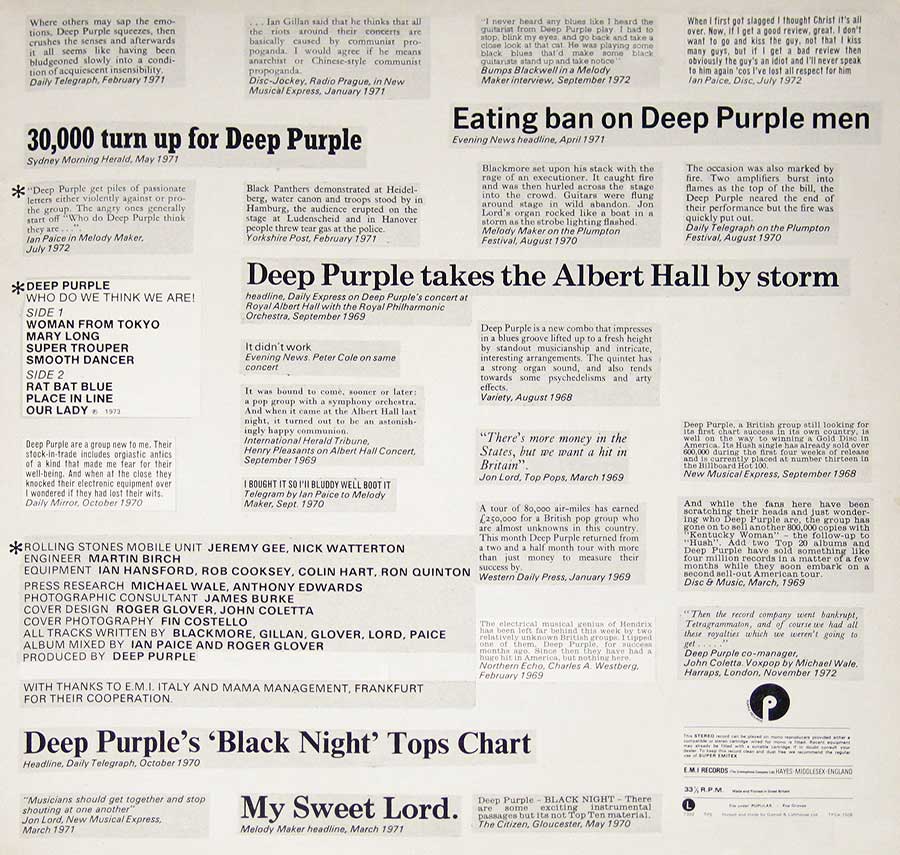
The credits tell their own story: produced by the band, engineered by Martin Birch. Birch keeps the sound sturdy and present (thankfully), but he can’t manufacture goodwill. Nobody can. When a group is this big, this busy, and this exhausted, the tape doesn’t lie — it just records the glare.
Critics noticed the fatigue, and plenty of fans did too. Yet the public still showed up: the album reached No. 4 in the UK and No. 15 in the US. That’s not a flop. That’s momentum, muscle memory, and a fanbase that hadn’t learned the word “overexposed” yet.
The title itself is basically a shrug with teeth — pulled from that “Who do Deep Purple think they are…” hate-mail vibe that Ian Paice had joked about. Which makes the whole thing feel even more on-the-nose: a band at the top of the mountain, staring down at the mess, and not feeling especially grateful about any of it.
Then the crack finally splits open. Gillan announced he was leaving after the Japan dates in the summer of 1973, and the original Mark II run ended in Osaka that June. It’s not some romantic “end of an era” ribbon-tied moment. It’s a working band hitting the wall at full speed.
The best part is the aftertaste: this wasn’t the final word. Mark II got a second life in 1984. So "Who Do We Think We Are" sits there in the catalog like a sweaty, half-grinning snapshot — not the clean portrait. The one where you can actually see the strain in the face paint.
References / citations
- Ultimate Classic Rock: Why Deep Purple's Mark II burned out on "Who Do We Think We Are" (recording timeline, burnout, chart peaks, breakup, reunion)
- Official Charts Company: Deep Purple album history (UK peak shown for the 1973 entry)
- Chart-History.net (PDF): Deep Purple chart chronology (UK/US peaks listed)
- Wikipedia: "Who Do We Think We Are" (credits, recording locations/dates, general release details)
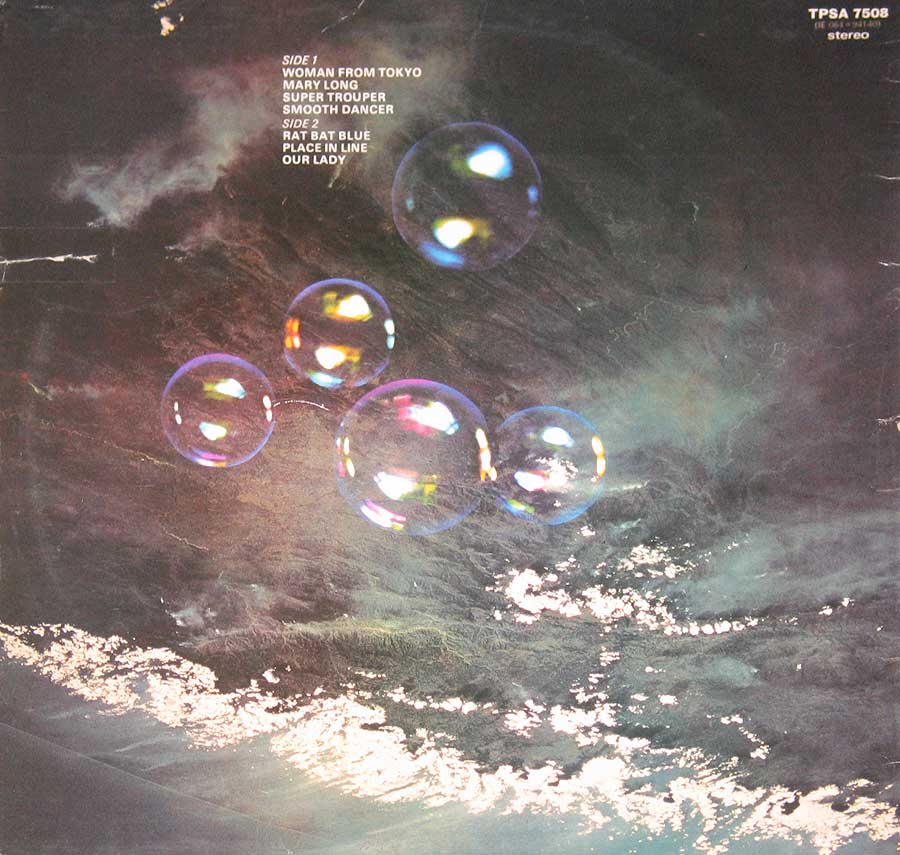
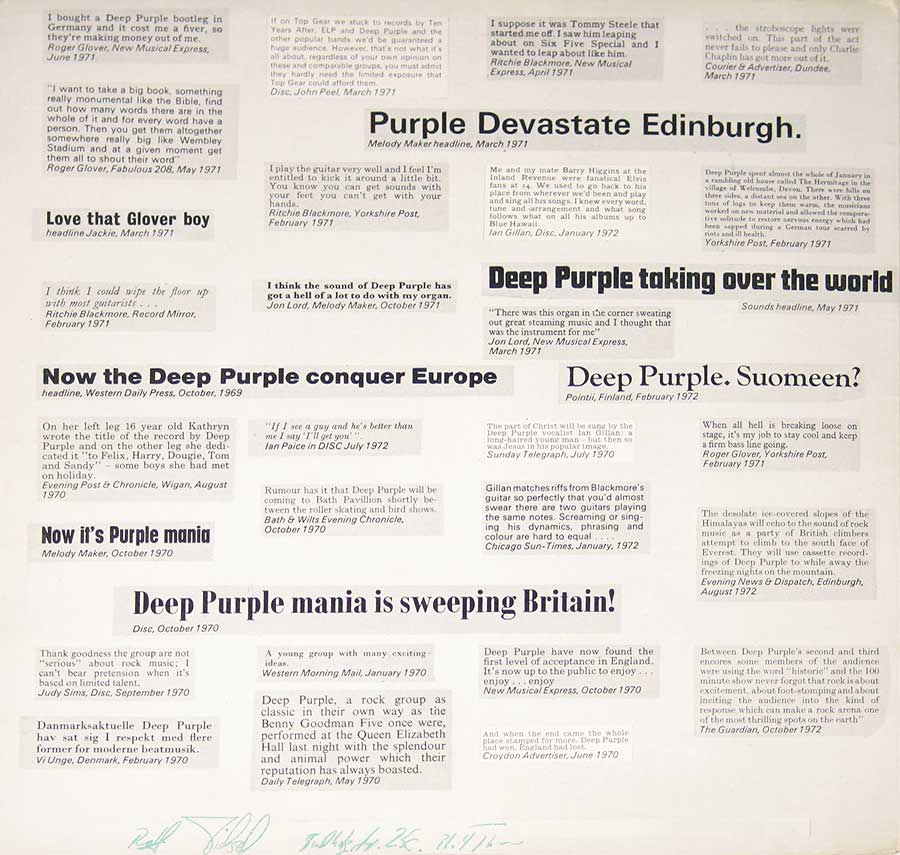
- Vinyl Records (high-resolution album cover photos): Deep Purple - "Who Do We Think We Are"





.jpg)