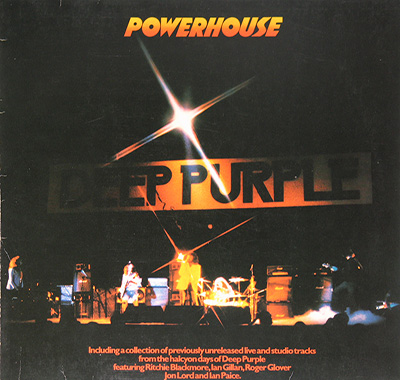
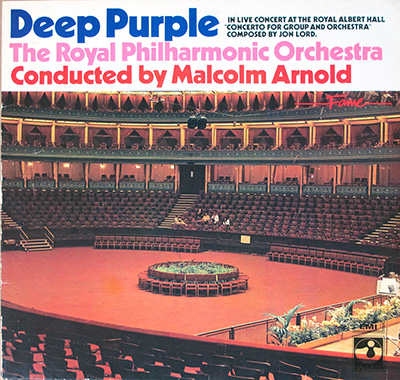
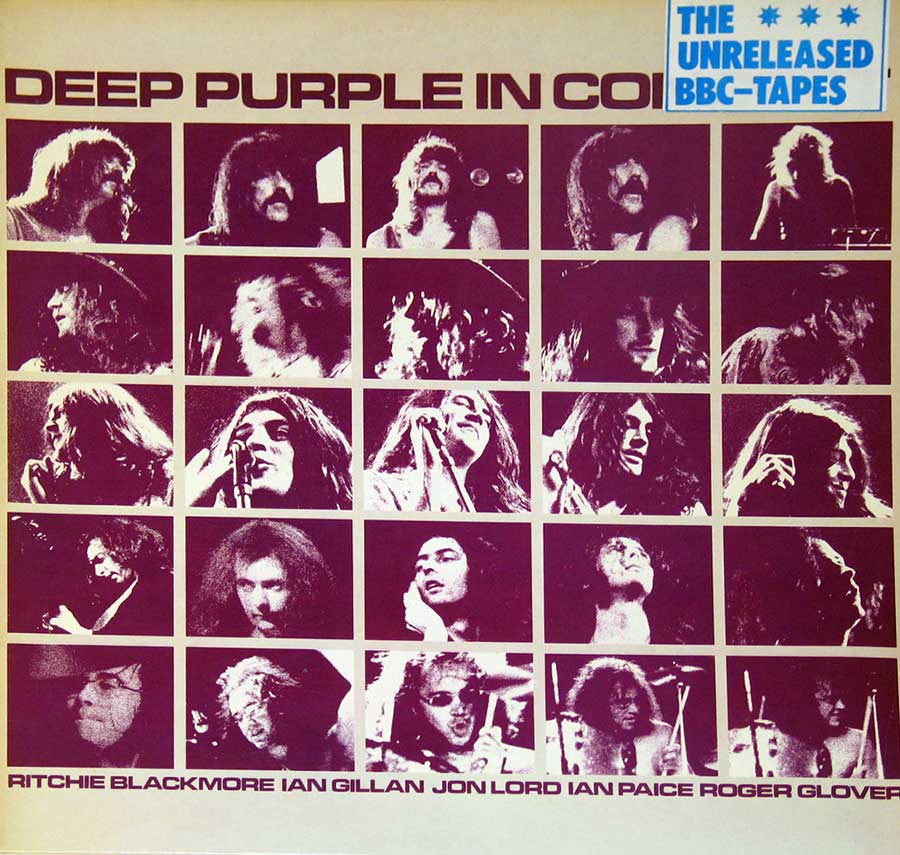
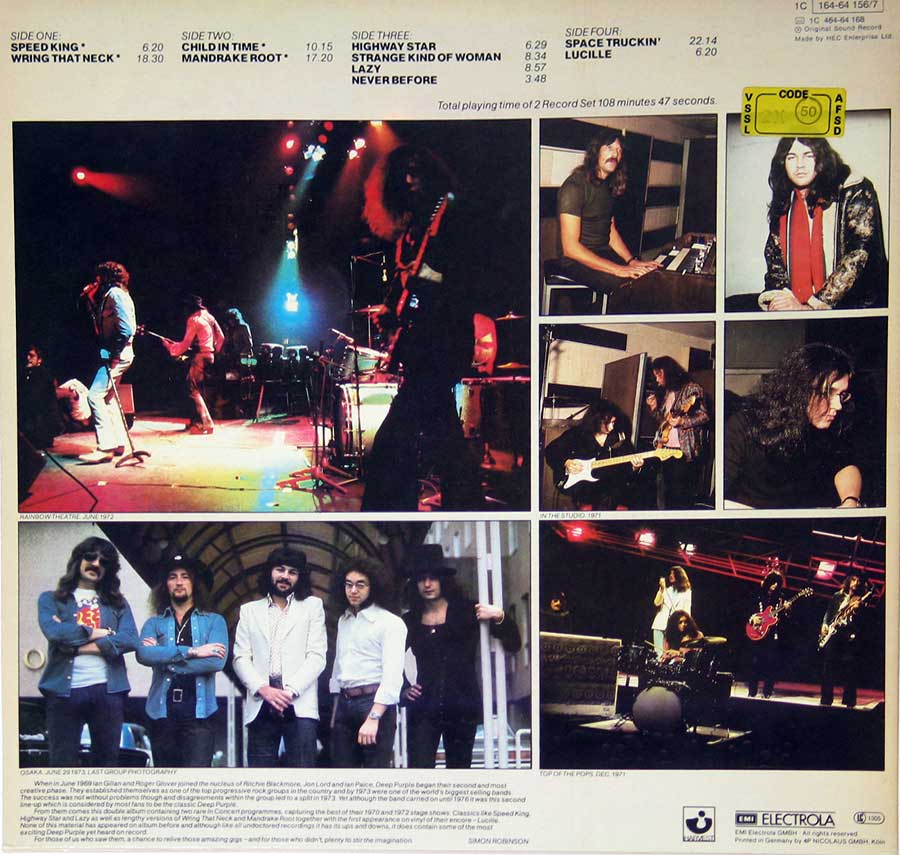
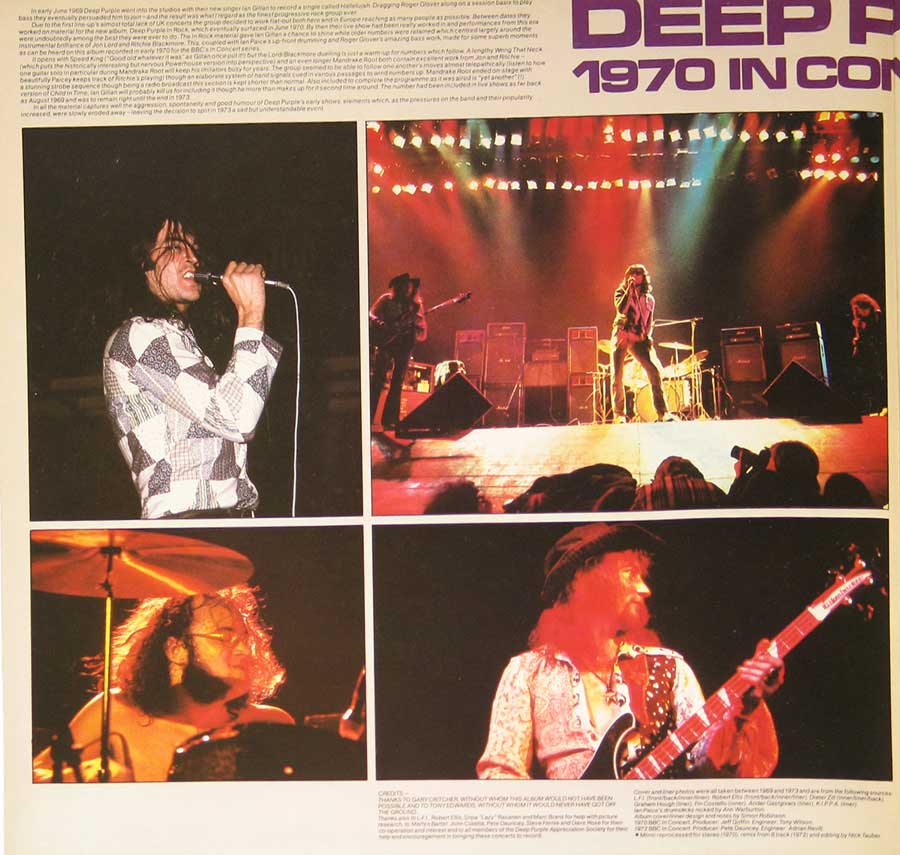
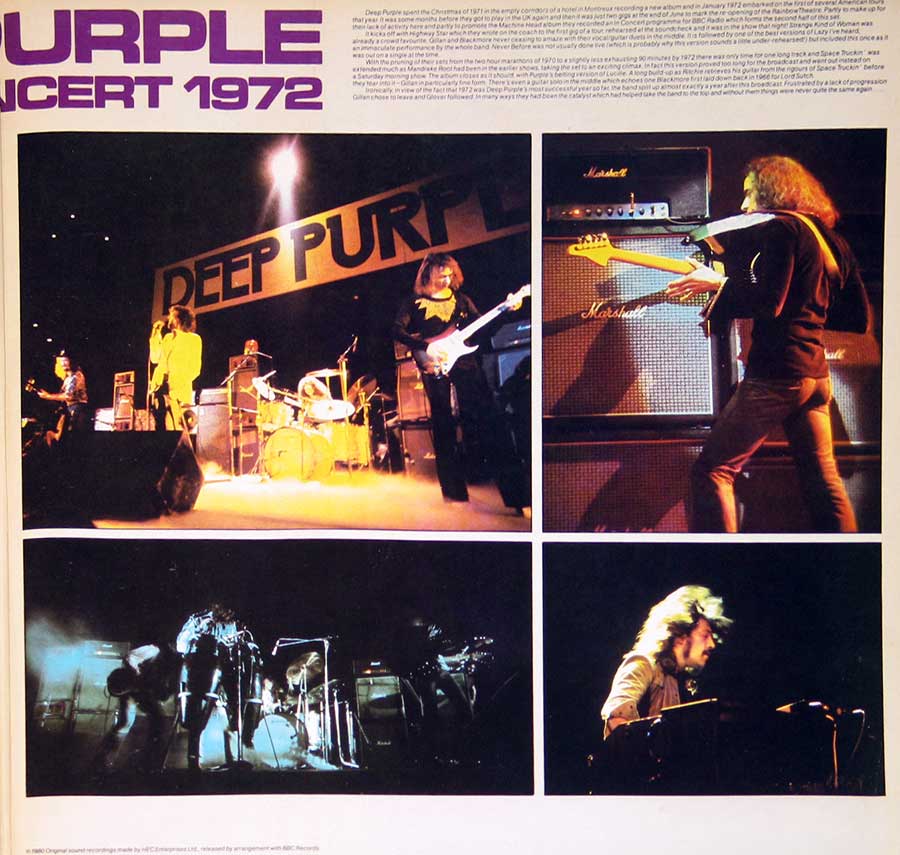
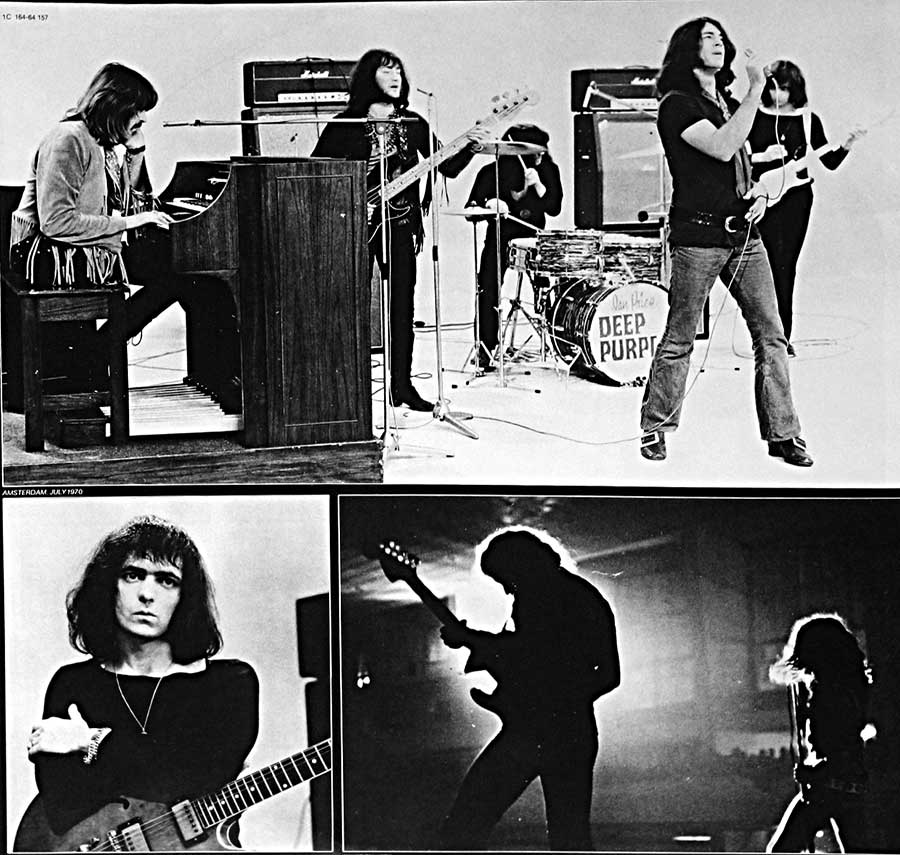
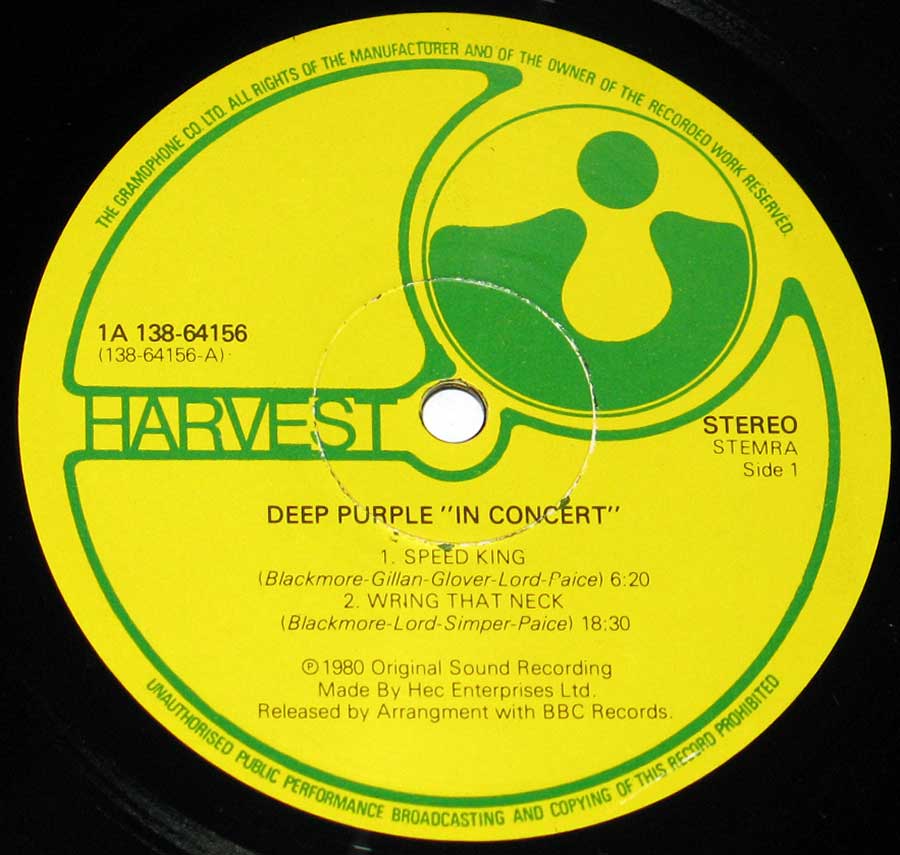
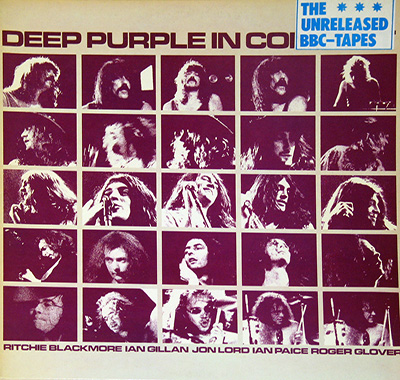
Deep Purple's "In Concert," a double LP released in 1980, isn't just an album; it's a time capsule, a raw snapshot of a band at their zenith, captured in the intimate setting of the BBC studios. Recorded in 1970 and 1972, these unreleased tapes capture Deep Purple's legendary Mark II lineup – Ian Gillan, Ritchie Blackmore, Jon Lord, Roger Glover, and Ian Paice – at the peak of their creative powers.
Historical Context and Musical Exploration
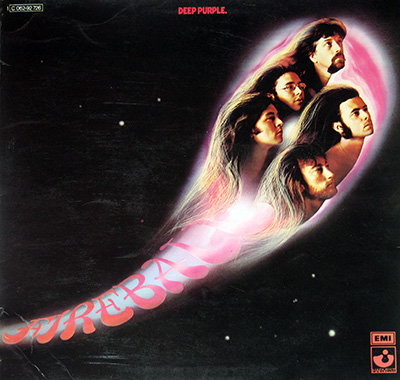
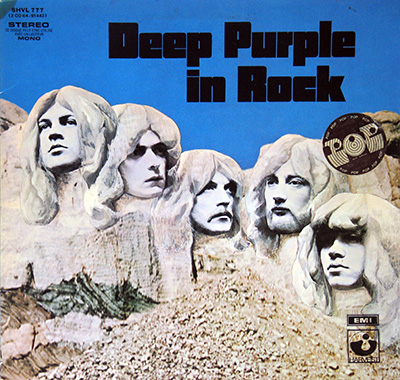
The early 70s were a transformative period for Deep Purple. They had already achieved significant success with their groundbreaking albums "In Rock" and "Fireball," which solidified their status as pioneers of hard rock. "In Concert" captures the band in this fertile period, experimenting with their sound and pushing the boundaries of their musicality.
The album opens with a blistering rendition of "Speed King," a track that perfectly encapsulates the raw energy and unbridled power of Deep Purple's live performances. Gillan's soaring vocals, Blackmore's virtuosic guitar solos, and Lord's organ wizardry create a sonic maelstrom that is both exhilarating and overwhelming.
From there, the album delves into extended jams, showcasing the band's improvisational skills and their willingness to explore new sonic territories. "Wring That Neck" and "Mandrake Root" are particularly notable for their free-flowing structure and their experimental nature. These tracks, often considered highlights of the album, are not simply live versions of studio recordings; they are unique sonic explorations that capture the essence of Deep Purple's live performances. Fans often point to the interplay between Blackmore and Lord on these tracks as some of the finest moments in their recorded history.
Music Genre and Controversies
Deep Purple's "In Concert" is a testament to the band's genre-defying sound. While they are often categorized as hard rock or heavy metal, their music transcends these labels. They incorporate elements of classical music, blues, and psychedelia, creating a unique sonic tapestry that is both powerful and nuanced. This fusion of genres is particularly evident in the epic "Child in Time," a song that has become synonymous with Deep Purple's live shows.
The album's release was not without controversy. Some critics accused the band of overindulgence, citing the extended jams and improvisational nature of the recordings. However, these elements are precisely what make "In Concert" such a compelling and unique album. They capture the raw energy and spontaneity of Deep Purple's live performances, showcasing their musical prowess and their willingness to take risks. Additionally, the inclusion of lesser-known tracks like "Into The Fire" and "Strange Kind of Woman" gave fans a glimpse into the band's evolving catalog.
Production Team and Recording Studio
The BBC's recording studios provided the perfect setting for Deep Purple's sonic explorations. The intimate atmosphere and high-quality recording equipment allowed the band to capture their raw energy and sonic nuances in stunning detail. The production team, led by Martin Birch, deserves credit for their skillful work in capturing and preserving the essence of Deep Purple's live performances. Birch's ability to balance the rawness of the live recordings with a polished sound is evident throughout the album.
Popular Topics
"In Concert" is often cited by fans as one of the best live albums of all time. The album's popularity is due in part to its historical significance, capturing a band at a pivotal moment in their career. The album's tracklist is also a major draw, featuring classic tracks like "Speed King," "Child in Time," and "Black Night," as well as lesser-known gems like "Into The Fire" and "Strange Kind of Woman." The album's raw energy and unfiltered sound also appeal to fans who crave a more authentic live experience.

.jpg)