DEEP PURPLE – Made in Japan Live Netherlands 12" Vinyl 2LP Album
- The Legendary 1972 Performances Captured on Vinyl
Deep Purple’s "Made in Japan" is a monumental double live album recorded during their first tour of Japan in August 1972. What began as a project met with reluctance from the band turned into one of the most acclaimed live albums in rock history — a sonic document of a group at the height of its power. With “Highway Star,” “Smoke on the Water,” and “Space Truckin’,” this album immortalized the band’s unmatched energy and musicianship.
Deep Purple – "Made in Japan" (Netherlands, Purple Records 5C 188-93915/16
A milestone in live rock recording
Deep Purple’s double-live album “Made in Japan” captures the band at its creative and technical peak. Recorded during their 1972 tour of Japan, it distilled the energy, improvisation, and virtuosity that defined the era of monumental live rock. In Nederland and far beyond, fans felt they were experiencing more than a concert — they were hearing history pressed onto vinyl.
1972 – a world in transformation
The year 1972 was turbulent and electric. The Vietnam War dragged on, the Cold War kept the world uneasy, and yet youth culture exploded with self-expression. In music, rock was splitting into fascinating branches: progressive rock with Yes and Genesis, heavy blues from Led Zeppelin, and darker riffs from Black Sabbath. Deep Purple thrived right at that crossroads — loud, fearless, and ambitious.
The Netherlands was a lively musical hub: record shops in Amsterdam, Utrecht, and Rotterdam stocked imports within days of release. Dutch audiences, already enthusiastic for bands like Golden Earring and Focus, instantly embraced Deep Purple’s brand of high-octane hard rock.
Hard rock turning into heavy metal
Deep Purple’s sound on this album sits between hard rock and what soon became heavy metal. Alongside Led Zeppelin and Black Sabbath, they defined the power-trio ethos expanded into a five-piece storm. The combination of Ritchie Blackmore’s aggressive guitar tone and Jon Lord’s roaring Hammond organ created a sonic wall that few bands could rival.
At the time, other groups like Uriah Heep, Blue Öyster Cult, and Thin Lizzy were exploring similar ground, but “Made in Japan” stood out because it was entirely live — no studio polish, just raw musicianship.
Inside the performance
The album opens with “Highway Star,” charging forward like a jet engine. Ian Gillan’s voice slices through the mix, while Blackmore and Lord duel through guitar and organ solos. “Smoke on the Water,” recorded only months after its studio debut on “Machine Head,” becomes an anthem for crowd participation.
“Child in Time” stretches beyond ten minutes, building from a soft organ introduction to a thunderous climax. Roger Glover’s bass locks with Ian Paice’s precise drumming, grounding the chaos in rhythm. Every moment feels spontaneous — proof that the band’s live interplay was as important as their compositions.
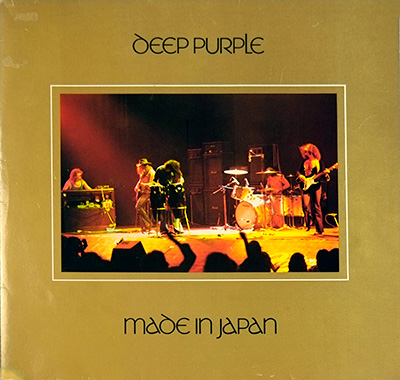
Dutch gatefold edition with the gold finish and centered live stage photograph.
The people behind the sound
The Mk II lineup — Ian Gillan (vocals), Ritchie Blackmore (guitar), Roger Glover (bass), Jon Lord (keyboards), and Ian Paice (drums) — produced the album themselves. Their chemistry was born from years of relentless touring and the studio triumphs of “In Rock” (1970) and “Machine Head” (1972). Lord’s classically trained precision met Blackmore’s unpredictability; Gillan’s soaring range carried lyrics with both drama and irony.
The recordings were made at Osaka’s Festival Hall and Tokyo’s Budokan in August 1972. Engineers used mobile equipment to capture the concerts directly to 8-track tape — a demanding task in the days before digital editing. The result was a vivid snapshot of a band fully in command of its power.
A band on the edge of change
Deep Purple had formed in 1968, evolving from a mix of psychedelic pop into one of Britain’s heaviest acts. By 1972, internal tensions had started to simmer. The success of “Made in Japan” ironically arrived just before turmoil: Gillan and Glover would depart the following year, making this recording their final statement with the classic Mk II formation.
Later versions of the band, including the Mk III lineup with David Coverdale and Glenn Hughes, took a funkier direction, but the sound captured here remains the blueprint for hard rock performance.
Controversies and critical reactions
At the time of release, critics questioned whether any live album could truly represent Deep Purple’s intensity. Rumors circulated that overdubs had been added in the studio, though the band maintained it was almost entirely live. This debate gave the record an extra layer of mystique.
Some reviewers also dismissed the project as a label-driven attempt to cash in on the group’s Japanese success. Yet audiences disagreed: in Nederland, fans queued in record stores, drawn by the raw power of the cover photo — five musicians caught mid-blast under molten stage lights.
The Netherlands Purple Records label with catalogue 5C 188-93915 and STEMRA rights notice.
The roar of the crowd, the crackle of the amps, and Deep Purple firing on all cylinders — “Made in Japan” wasn’t just recorded, it was unleashed. You’ve felt the story and the sound; now step behind the curtain. Discover how this electrifying live album was captured, pressed, and wrapped in that iconic golden gatefold.
Album Key Details: Genre, Label, Format & Release Info
Music Genre:
Classic Rock, Hard Rock
Hard Rock combines heavy guitar riffs, blues-inspired melodies, and powerful vocals. Emerging from the late 1960s rock explosion, this genre became the foundation of both heavy metal and arena rock, defining a sound that dominated the 1970s.
Label & Catalognr:
Purple Records – Cat#: 5C 188-93915/16
Album Packaging
Fold Open Cover (Gatefold) with gold-tinted exterior, featuring a centered live photo of the band performing.
Inside contains concert photography, track details, and recording credits.
Media Format:
Record Format: Double 12" Vinyl Stereo
Total Weight: 460g
Year & Country:
1972 – Netherlands
Production & Recording Information:
Producers:
Deep Purple – Producers
The band took full creative control of the project, ensuring the live recordings captured the raw energy of their 1972 performances in Japan.
By 1972, Deep Purple had achieved global success with albums like “In Rock” and “Machine Head,” solidifying their reputation as one of the loudest and most technically accomplished rock bands in the world.
Sound & Recording Engineers:
Martin Birch – Sound Engineer
Martin Birch – Producer, Sound Engineer
I first noticed Martin Birch on those early Iron Maiden sleeves—the ones with the typography that felt like a threat. At twelve, I didn’t care about "production value"; I just liked that the guitars didn't sound like mud. He was the man behind the sound mixer, the one who made the snare snap like a dry branch in a cold forest. He was "The Headmaster," and we were all just students of his high-voltage curriculum.
Read more...
Birch didn’t just record noise; he organized aggression. By 1972, he was already wrangling the messy brilliance of Deep Purple’s Machine Head, turning Ian Gillan’s banshee wails into something that didn't just clip the tape but lived inside it. In 1980, he pulled off the ultimate renovation, giving Black Sabbath a much-needed shower and a new spine. Heaven and Hell shouldn't have worked, but Martin polished that Birmingham sludge into something operatic and gleaming. It was a pivot that felt like fate, mostly because he refused to let the mid-range get lazy.
Then came the long, obsessive stretch with Iron Maiden from 1981 to 1992. It was a twelve-year marriage to the fader. From the moment Killers (EMC 3357, for those who care) hit the shelves, the sound was physical. He knew how to let Steve Harris’s bass clatter like a machine gun without drowning out the melody—a sonic miracle that still feels fresh. You can almost smell the ozone and the dust on the Marshall stacks when the needle drops on The Number of the Beast. He stayed until Fear of the Dark, then simply walked away. No victory lap, no bloated memoir. He preferred the hum of the desk to the noise of the crowd, leaving us with nothing but the records and a slight sense of abandonment. But then, when you’ve already captured lightning on tape for twenty years, why bother hanging around for the rain?
K. Flegg contributed to the technical setup and maintenance of the recording equipment during the Japan concerts, assisting in achieving the clarity and balance that defined the final mix.
Recording Location:
Festival Hall – Osaka, Japan (15 & 16 August 1972)
Budokan – Tokyo, Japan (17 August 1972)
These venues were chosen for their superior acoustics and enthusiastic Japanese audiences, whose precise attention and respect for live performance created the perfect setting for a definitive concert recording.
Mixing Studio & Location:
Mixed by Roger Glover and Ian Paice in London.
Roger Glover and Ian Paice personally oversaw the mixing process to preserve the authenticity of the live sound. Their hands-on involvement ensured that each solo and audience reaction remained as vivid as the night it was played.
Album Cover Design & Artwork:
Roger Glover – Album Design
In addition to his role as bassist, Roger Glover contributed significantly to the visual presentation of Deep Purple’s releases. His design for “Made in Japan” reflected the album’s golden tones and live grandeur, emphasizing elegance over excess.
Photography:
Fin Costello – Live Photography
Fin Costello – Art Direction, Photography
Fin Costello is the guy behind the lens who made loud bands look even louder—caught mid-stride, mid-sweat, mid-myth. I always pay extra attention when his photos are printed on album covers and inner sleeves.
Read more...
Fin Costello hit my radar the way the best photographers do: not with a signature, but with a feeling. You’re staring at a sleeve and suddenly you can hear the room. Hot lights. Hair stuck to foreheads. That thin layer of sweat that says the set is only halfway done.
He comes out of late-1960s London photojournalism—learn the craft fast, get close, don’t ask the moment to repeat itself. And when the rock caravan starts dragging its cables across Europe, he’s already in the right place. Deep Purple (1972–1975) looks like volume you could measure with a broken window. Rainbow (1975–1977) looks sharper, richer, a little more dangerous in the fantasy costume. Then Ozzy Osbourne (1980–1983) arrives like a headline that won’t calm down.
The thing I like is that Costello doesn’t “capture legends.” He catches people working. There’s a difference. Legends pose. Working musicians forget you’re there—until the flash reminds them, and even then he’s already moved on.
Band Members / Musicians:
Band Line-up:
Ian Gillan – Lead Vocals
Ian Gillan – Vocals
Fun bit: the guy who hit those stratospheric notes also played Jesus (1970) before he went full purple thunder. Read more...
Ian Gillan, the razor-throated storyteller who helped turn Deep Purple into a stadium engine (1969–1973), then came back for the 1984 reunion and later tours. Before the purple thunder I cut my teeth in Episode Six (1965–1969). In 1970 I also sang Jesus on the original "Jesus Christ Superstar" album—pure theatre, no cape. I went jazz-rock with the Ian Gillan Band (1975–1978), cranked it harder with Gillan (1978–1982), and even took a wild detour fronting Black Sabbath on "Born Again" (1983). Solo records and guest spots followed, but that operatic scream and sly phrasing always gave the game away, whether I was whispering a blues line or detonating a high note over a Marshall stack.
The guy who made the guitar sound both medieval and radioactive, often in the same solo.
Read more...
Ritchie Blackmore is the sort of name I see on a sleeve and instantly expect sparks: born Richard Hugh Blackmore (1945), he’s an English guitarist who helped hard-rock riffing grow teeth and then politely refused to stop. His era-stamps are basically whole chapters of rock history: Deep Purple (1968–1975, 1984–1993), where the riffs got louder, sharper, and more dramatic; Rainbow (1975–1984, 1993–1997), where he leaned into melody and fantasy like it was a weapon; and Blackmore’s Night (1997–present), where the electric storm calms down into Renaissance-folk textures without losing that unmistakable Blackmore touch. I love that arc: from amp-stacks and arena thunder to lutes-and-candles vibes, like he just swapped dragons for different dragons.
"Blackmore Signature Strats"
I’ve spent too many nights chasing that Blackmore chime. Fender’s Artist Series Strat is a love letter to his ‘70s obsession—Olympic White with a graduated scalloped rosewood board that makes your fingers feel like they’re floating. The electronics are pure Ritchie logic: two Seymour Duncan Quarter Pounds for the bite and a dummy middle pickup. It’s a prop, a plastic decoy for us mortals. Then there’s the Fender Japan ST72-145RB. MIJ builds have a surgical precision, keeping the ‘72 vibe alive for the obsessive collector. We hunt these like lost relics, justifying the cost because a standard neck feels one-dimensional by comparison. It’s a specialized tool for a very specific kind of madness. But then, isn't that the whole point?
If the groove feels like a tank with manners, his name is usually somewhere nearby. Read more...
Roger Glover is one of those credit lines I trust on sight: a Welsh bassist, producer, and songwriter who helped define the heavyweight “engine room” of classic hard rock. I mainly tag him to two eras that just refuse to die: Deep Purple (1969–1973, 1984–present), where his bass and writing instincts locked in with that Mark II bite, and Rainbow (1979–1984), where he wasn’t just playing low-end—he was also steering the sound as lyricist and producer. He came up through Episode Six, then spent the 1970s stacking production work and side projects like it was a second career (because, yeah, it basically was), but those Purple and Rainbow years are the real “mythology in the liner notes” stuff.
On my best days, that Hammond roar still sounds like cathedral pipes hijacked by a Marshall stack—and Jon Lord is the reason.
Read more...
Jon Lord, British keyboardist, composer, and co-founder of Deep Purple, never played “background” the way polite musicians do—he attacked the keys like they owed him money, then turned around and wrote with the discipline of a trained composer. The story starts in the R&B trenches with The Artwoods (1964–1967), then detonates when he helps launch Deep Purple (1968–1976; 1984–2002), where that distorted Hammond became a lead instrument with teeth. After Purple’s first collapse, the road briefly rerouted through Paice Ashton Lord (1976–1978), and then straight into David Coverdale’s orbit with Whitesnake (1978–1984), adding class, weight, and that unmistakable “burning organ” halo to bluesy hard rock. Underneath all the volume, the man kept one foot in the concert hall—because some people can shred and still hear the orchestra in their heads.
The human engine room of Deep Purple: swing, snap, and zero wasted motion. Read more...
Ian Paice, the drummer who turned Deep Purple's thunder into clockwork groove, never flashy, always lethal. From Maze in the mid-60s he joined Deep Purple in 1968, anchoring every era: the Mark I-IV years (1968-1976) and the long-haul return (1984-present). After the split I followed him through Paice Ashton Lord (1976-1978), Whitesnake (1979-1982), and Gary Moore's early-80s line-ups and sessions (1982-1984). He's the only Purple member to play on every studio album, and you can tell why: his swing sits inside the backbeat, pushing the band forward without rushing. Listen for the tight hi-hat chatter, snare cracks like a starter pistol, and fills that sing without stepping on the riff.
Disclaimer: Track durations shown are approximate and may vary slightly between different country editions or reissues. Variations can result from alternate masterings, pressing plant differences, or regional production adjustments.
Deep Purple – Made in Japan (Netherlands) Album Photo Gallery:
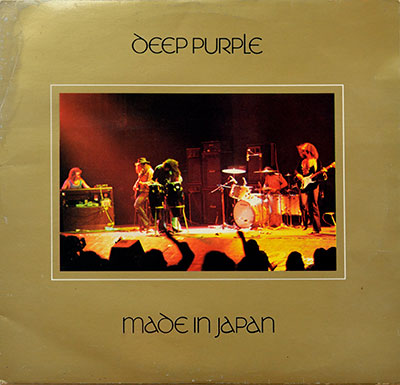
Album Front Cover Photo
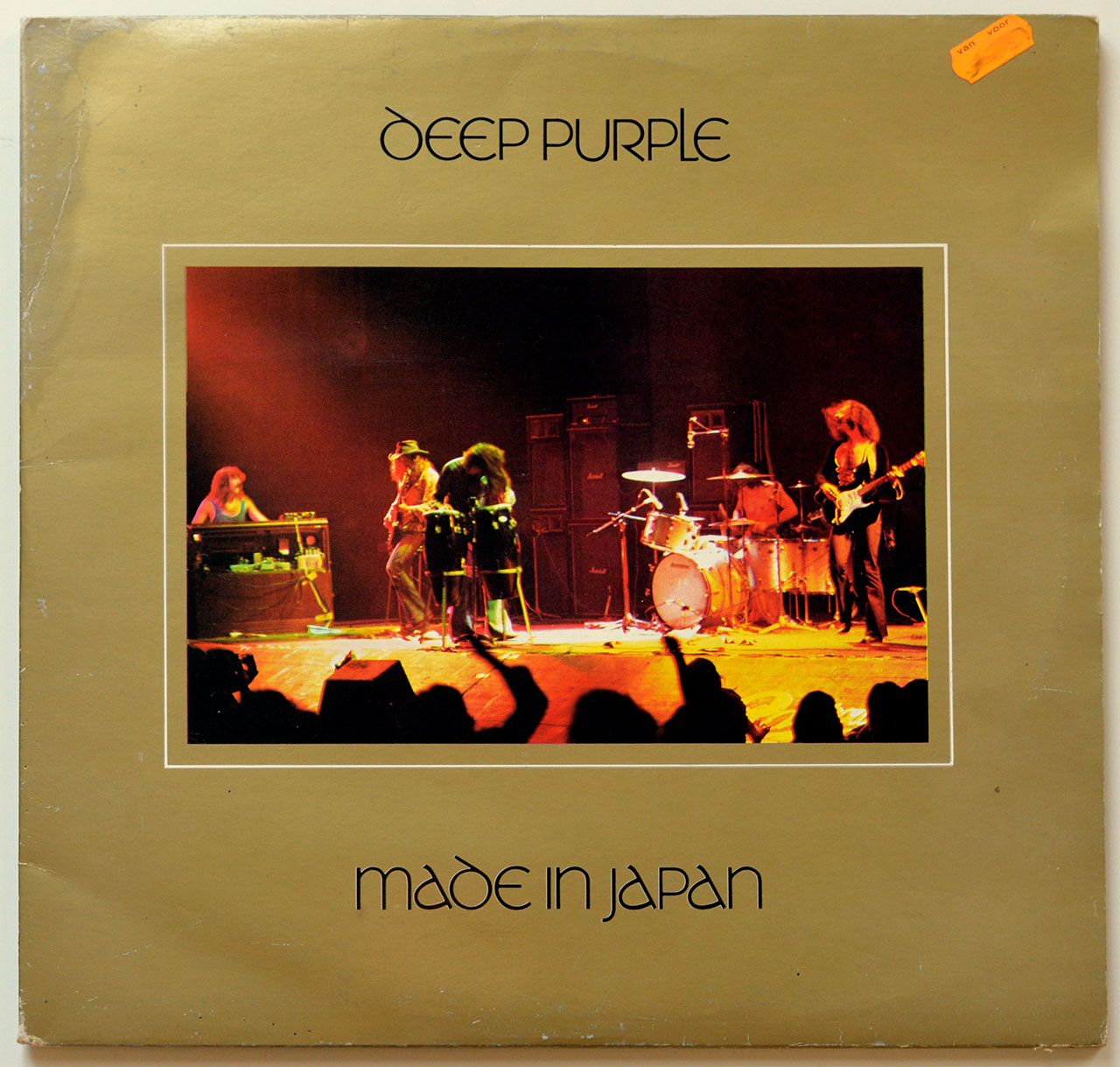
The front cover of Deep Purple’s “Made in Japan” (Dutch release) captures a live performance bathed in amber and crimson light. The five members of the band stand across the stage in commanding formation: Jon Lord on the far left behind his Hammond organ, Ritchie Blackmore with his guitar angled toward the audience, Ian Gillan in the center at the microphone, Roger Glover holding the bass to the right, and Ian Paice seated behind his gleaming drum kit.
The stage glows beneath towering stacks of Marshall amplifiers, creating a fiery halo that turns the concert scene into something almost cinematic. The crowd’s silhouettes at the bottom edge rise in dark contrast, their hands raised toward the stage in awe.
The photograph is framed in a wide matte gold border, elegant in its restraint, reflecting both the luxury of the double album and the grandeur of the performance it preserves. Above the image, the band’s name appears in minimalist black type, and below it, the understated title “Made in Japan”—a layout that mirrors the precision and power of Deep Purple’s sound.
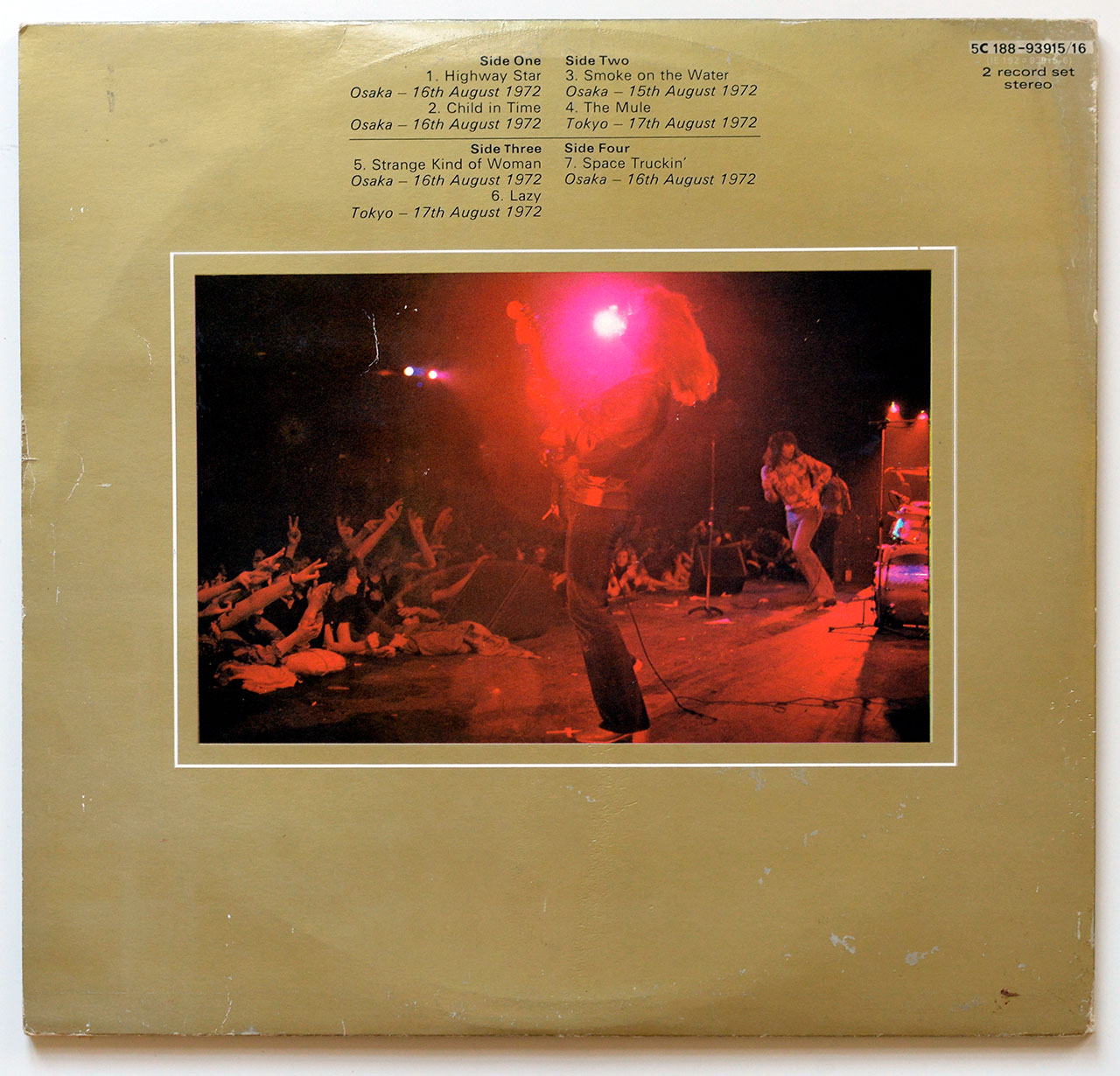
Album Back Cover Photo
The back cover of Deep Purple’s “Made in Japan” radiates the same energy captured on stage. The central photograph shows Ritchie Blackmore and Ian Gillan in motion, bathed in a brilliant red spotlight that spills across the crowd. Blackmore stands poised in front of his amplifier stack, guitar angled as if in mid-strike, while Gillan moves toward the drums, his long hair illuminated by the stage glare.
The audience, packed tightly against the stage, stretches their arms toward the band—hands open, forming silhouettes against the crimson glow. It’s an image of pure live intensity, the kind of visual that defines rock at its most primal. Behind them, Ian Paice’s drum kit glints in the background, anchoring the chaos.
Above the photo, the track list is printed in a simple, elegant serif font, listing each song along with the performance location and date—Osaka or Tokyo, August 1972. The upper-right corner includes the catalog number 5C 188-93915/16 and the phrase “2 record set stereo,” a hallmark of the Purple Records Dutch edition. The entire layout is framed by a soft gold matte border, mirroring the front cover’s subdued sophistication.
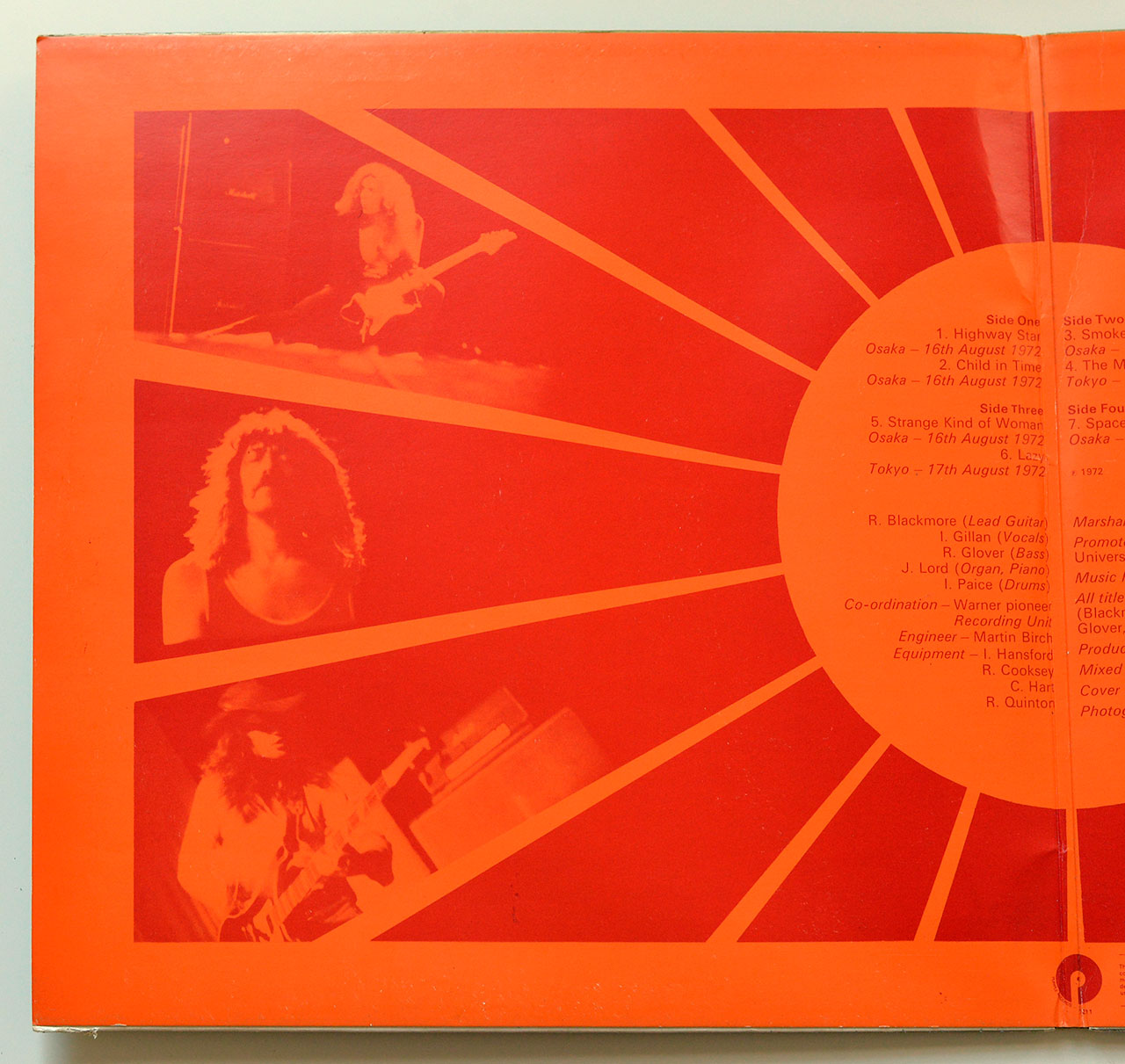
Photo One of Inside Page Gatefold Cover
The inside left panel of the “Made in Japan” gatefold bursts with vivid energy, rendered entirely in fiery shades of red and orange. A bold sunburst motif radiates from the center, its angular rays slicing across the page like beams of light cutting through concert haze. Inside the circular core are the track titles and credits, printed in clean serif typography that glows against the warm background.
Within the triangular rays are three live photographs, tinted red to blend seamlessly with the design. Ritchie Blackmore appears mid-solo, guitar slung low as he commands the stage. Ian Gillan is captured in an intense moment of performance, his face lit by the glare of the stage lights. Jon Lord sits behind his organ, head tilted, his concentration palpable even through the abstract color palette.
The composition cleverly merges concert photography with symbolic design. The rising sun evokes Japan—the birthplace of these legendary recordings—while the glowing palette suggests the heat and power of Deep Purple’s live sound. A small Purple Records logo rests discreetly at the bottom right, completing the artwork’s fusion of modern design and rock iconography.
Photo Two of Inside Page Gatefold Cover
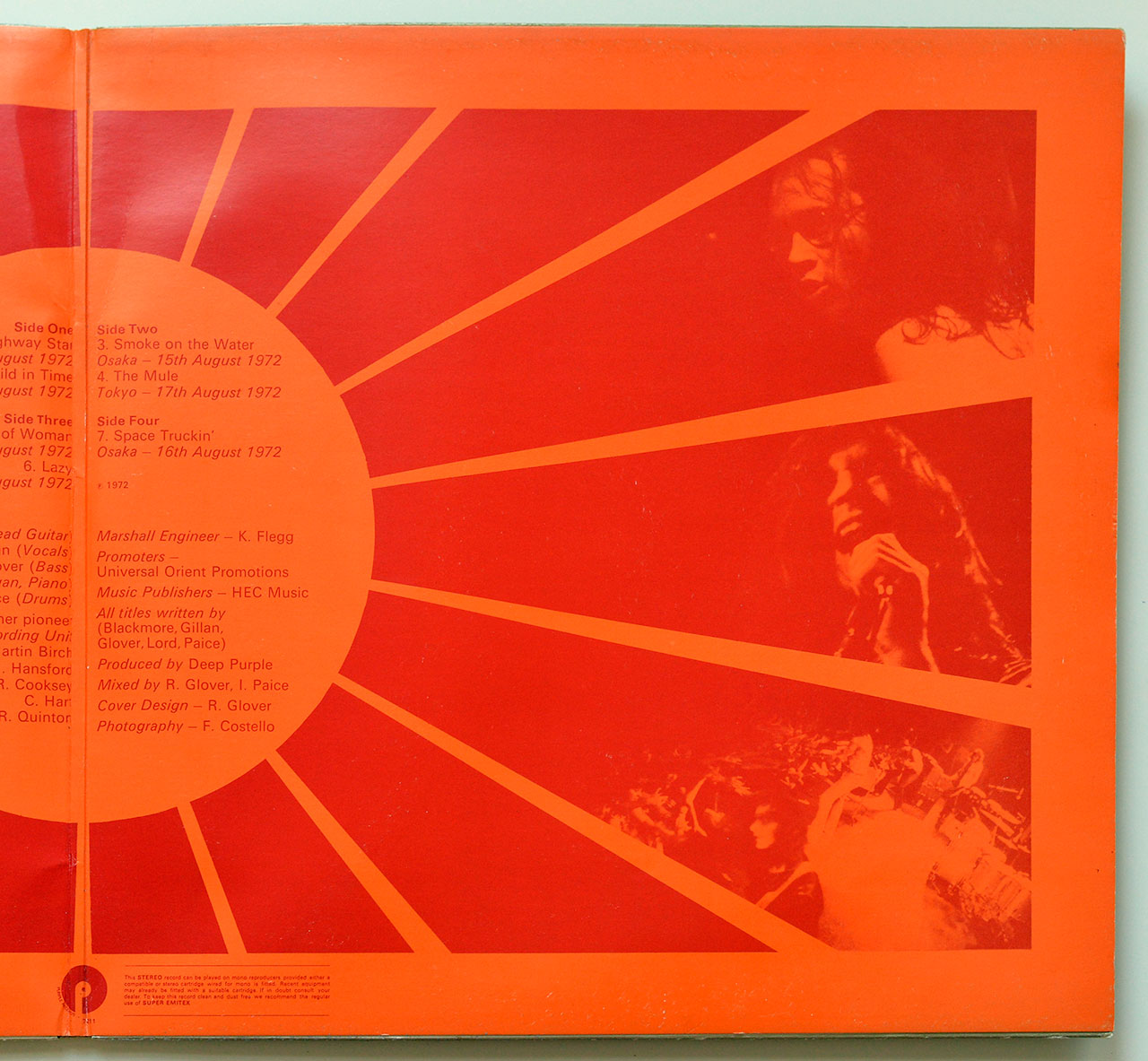
The right-hand panel of Deep Purple’s “Made in Japan” gatefold continues the blazing sunburst motif that defines the interior design. The bright red and orange tones radiate across the surface, echoing both the warmth of the Japanese sun and the molten energy of the performances within.
Within the angular rays are red-tinted live images of Ian Gillan captured mid-performance. In the upper ray, his face emerges from the glow, eyes closed as if consumed by the music. Below, another photograph shows him gripping the microphone, mouth open mid-scream, the raw power of his vocals almost visible through the design. At the bottom, Ian Paice and his drum kit appear in silhouette, surrounded by the faint shimmer of stage lights.
The track listing, technical credits, and acknowledgments—naming Roger Glover for mixing and Fin Costello for photography—sit neatly inside the central orange circle. A small Purple Records logo anchors the bottom corner, grounding the composition in authenticity. Together, both gatefold panels form a complete visual statement: a tribute to the fire, precision, and spectacle that defined Deep Purple’s 1972 tour of Japan.
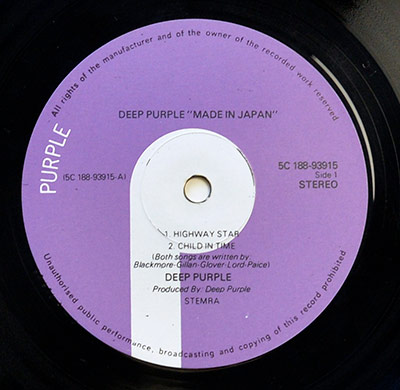
Close up of Side One record’s label
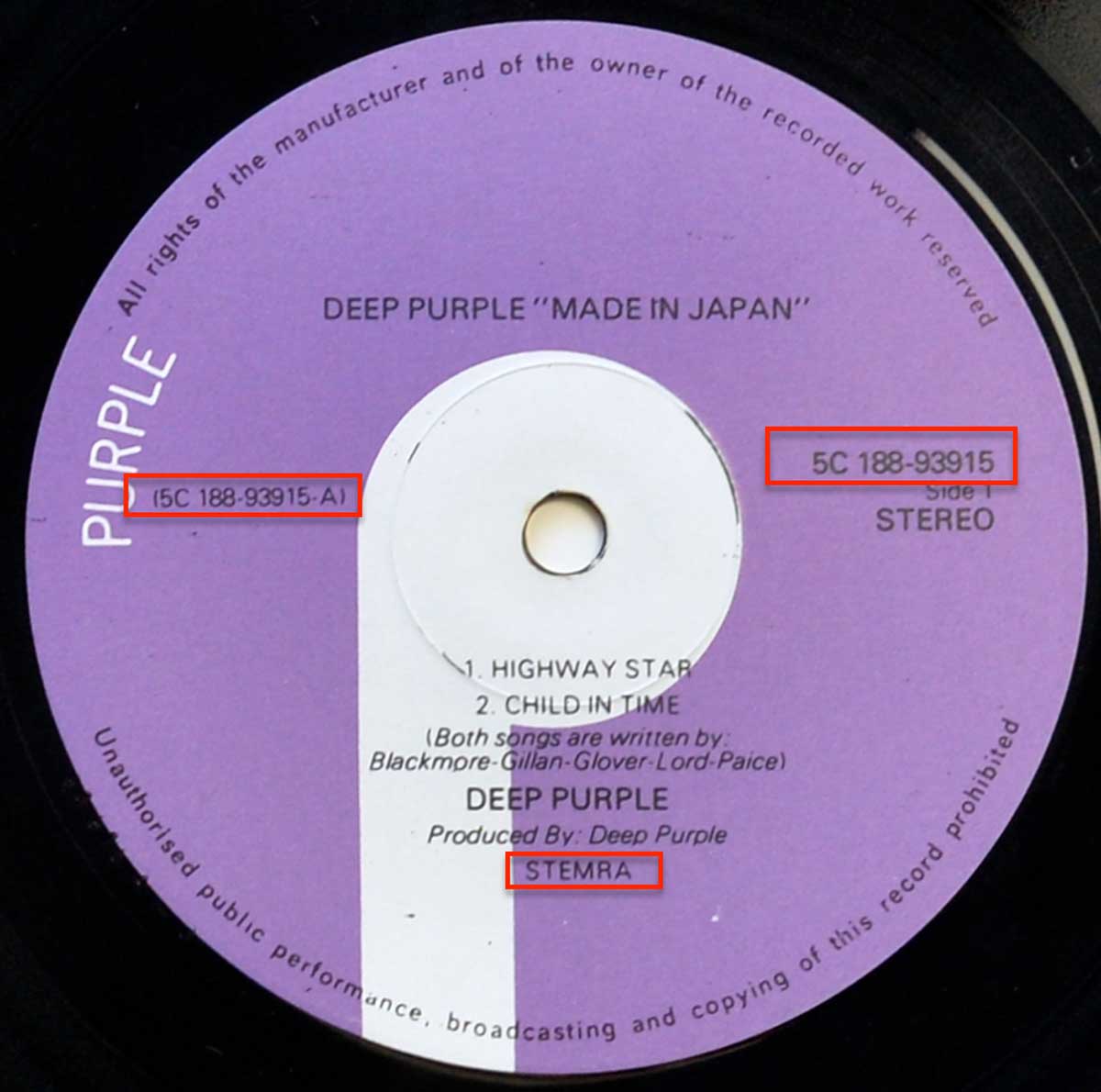
This Dutch pressing of Deep Purple’s “Made in Japan” features the signature Purple Records label — a clean, elegant design in lavender with a stark white vertical bar along the left. Inside that bar, the word “PURPLE” runs vertically in tall, modern sans-serif letters, creating a minimalist contrast that’s instantly recognizable to collectors of early-70s British hard rock.
The catalog number 5C 188-93915 is printed twice: once in bold at the top right, and again in parentheses on the left near the inner rim. Both indicate Side One of the double LP. The rights organization STEMRA appears below the song list, marking it as a Netherlands release under the EMI Bovema distribution network. The text “Produced by Deep Purple” sits proudly below the track titles “Highway Star” and “Child in Time,” reaffirming the band’s control over the album’s live sound.
Around the label’s edge runs the fine legal rim text: “All rights of the manufacturer and of the owner of the recorded work reserved. Unauthorised public performance, broadcasting and copying of this record prohibited.” The entire design exudes mid-70s restraint — clear, symmetrical, and efficient. It’s a visual balance between corporate precision and rock rebellion, captured in lavender vinyl ink.
Purple Records, Netherlands Label
The Dutch Purple Records label represents the band’s independent branding under EMI Bovema. This particular lavender-and-white design was used by Purple Records between 1971 and 1974, marking the peak of Deep Purple’s global success and the expansion of their European pressings.
Colours
Lavender purple with a vertical white stripe and black text.
Design & Layout
Two-tone layout divided vertically; left bar contains the logo, right half contains centered text with catalog number and track list.
Record company logo
The word “PURPLE” set vertically within the white stripe, designed for visual simplicity and brand recognition on turntables.
Band/Performer logo
No dedicated band logo used; emphasis on the record label identity rather than artist branding.
Unique features
Dual catalog number placement (top-right and side text), clear STEMRA rights marking, and minimal decorative elements for a modernist aesthetic.
Side designation
Printed as “Side 1” in small text next to the catalog number.
Rights society
STEMRA (Netherlands).
Catalogue number
5C 188-93915 / (5C 188-93915-A).
Rim text language
English.
Track list layout
Compact, center-aligned below the album title; songs numbered 1–2 with songwriter credits in parentheses.
Rights info placement
Printed along the upper and lower edges of the label’s outer rim.
Pressing info
Pressed and distributed by EMI Bovema N.V., Netherlands, under license from Purple Records UK.
Background image
Solid lavender background; no imagery or texture, emphasizing text and logo clarity.
Released on Deep Purple's own record label, '24 Carat' marked Deep Purple's debut compilation album, representing a pivotal period in their hard rock journey. This 12" LP encapsulates the band's evolution, featuring iconic tracks that defined their sound.
Deep Purple's 'Anthology' is a musical treasure trove spanning 150 minutes, carefully curated across three LPs. This vinyl masterpiece not only delivers the band's iconic sound but also includes the original 4-page 12" booklet, offering fans a nostalgic journey through the band's history.
Deep Purple's 'Burn' marked a pivotal transition with new members David Coverdale and Glenn Hughes, forming the 'Mark III' lineup. This Italian release of the album is distinguishable by the S.I.A.E 'Rights Society' imprint at 9 o'clock on the record label.
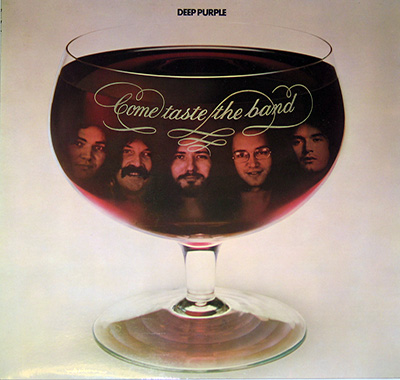
DEEP PURPLE - Come Taste the Band (European Releases)
Deep Purple's "Come Taste the Band" is a pivotal album in their discography, marking a shift with Tommy Bolin on guitar. The 1975 European LP releases captured this new era, featuring iconic tracks like "Gettin' Tighter" and "Comin' Home".
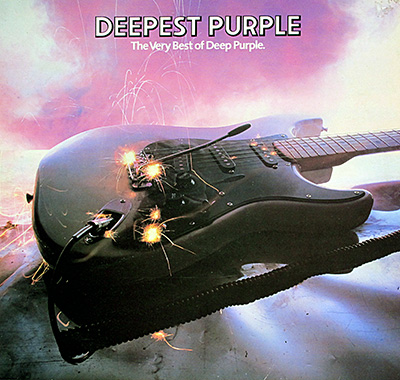
DEEP PURPLE - Deepest Purple (Gt Britain & French Release)
"Deepest Purple: The Very Best of Deep Purple" is the compilation album by the British hard rock band Deep Purple, released in 1980. It features the original hits of Deep Purple before their 1984 reunion.
DEEP PURPLE - Self-titled aka DEEP PURPLE III (European Releases)
Deep Purple's 'Deep Purple III' (1976, Netherlands) marks a pivotal moment in the band's history. Originally released in 1969 on Harvest Records in the UK, it stands as the third studio album and the final one with the original lineup.
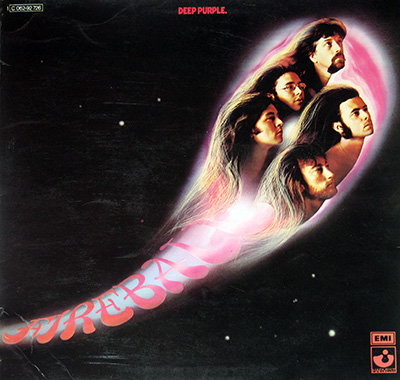
Deep Purple's 'Fireball' album, in its original European release, boasts a unique addition - 'Demon's Eye' replacing 'Strange Kind of Woman.' This gatefold 12" vinyl LP provides an authentic experience
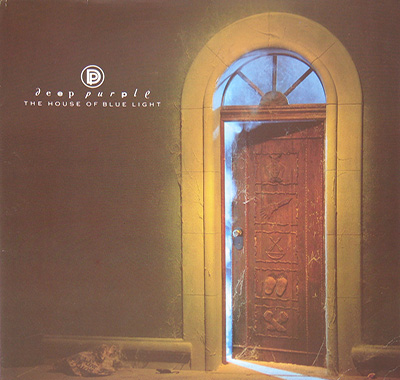
DEEP PURPLE - The House Of Blue Light (German & Hungarian Releases
Deep Purple's 'The House of Blue Light' in its German 12" vinyl LP release represents a significant chapter in the band's history. This album captures the reunion of the re-formed Mark II lineup and showcases meticulous production and sound engineering, resulting in an auditory masterpiece.
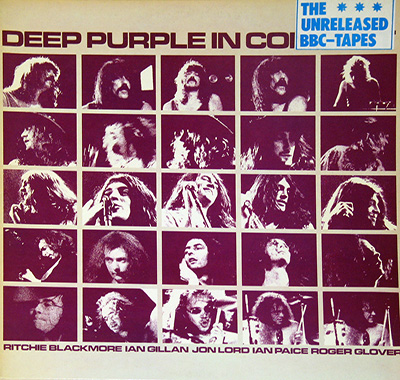
DEEP PURPLE In Concert Unreleased BBC-Tapes (Holland)
Harvest 1A 138-64158 , 1980 , Holland
Deep Purple's 'In Concert Unreleased BBC Tapes,' in a gatefold cover 12" vinyl LP album, offers a captivating glimpse into the band's live prowess. Recorded in 1970 and 1972 for the BBC's 'In Concert' series, these unreleased performances are a treasure trove for fans.
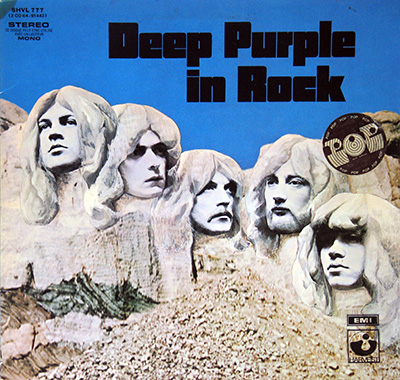
Deep Purple's "In Rock" (1970), a landmark in hard rock, shook the European music scene with its raw energy. Original European LP pressings are sought after by collectors for their powerful sound and iconic gatefold cover. Tracks like "Speed King" and "Child in Time" showcase the Mark II lineup's prowess
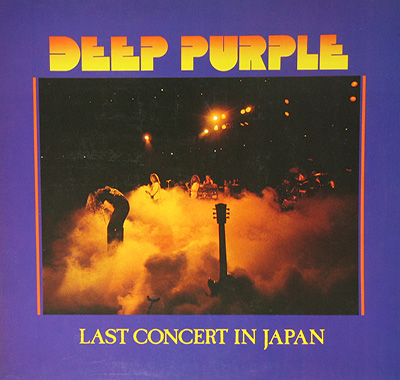
Deep Purple - Last Concert in Japan (German Release)
Purple Records 1C 064-60 900 , 1977 , Germany
This album by DEEP PURPLE released in March 1977. It records the last Japanese concert of the Mark IV-lineup with Tommy Bolin. This album was recorded on December 15, 1975 at the Tokyo Budokan,
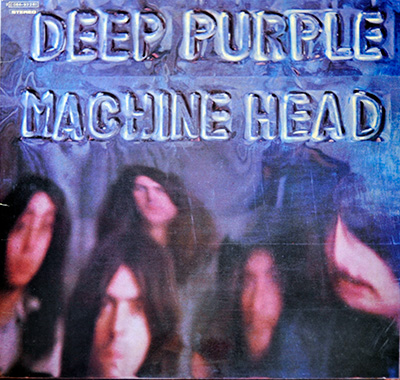
"Machine Head" is the sixth studio album released by English rock band "Deep Purple". It was recorded through December 1971 in Montreux, Switzerland, and released in March 1972. "Machine Head" is often cited as influential in the development of the heavy metal music genre.
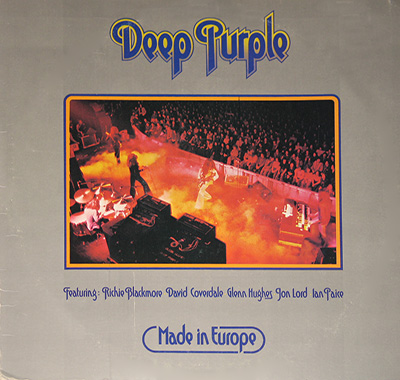
The USA release of "Deep Purple - Made in Europe" on a 12" vinyl LP album is a live recording capturing the band's performances in Austria, Germany, and France during April 1975. Engineered by Mick McKenna, Tapani, and Martin Birch, and mixed by Ian Paice and Martin Birch,
DEEP PURPLE - Made in Japan (International Releases)
"Deep Purple - Made in Japan Live 2LP" is a monumental double live album by the English rock band. Recorded during their inaugural tour of Japan in August 1972, this album captures the raw energy and musical brilliance of Deep Purple's live performances. Originally released in December 1972
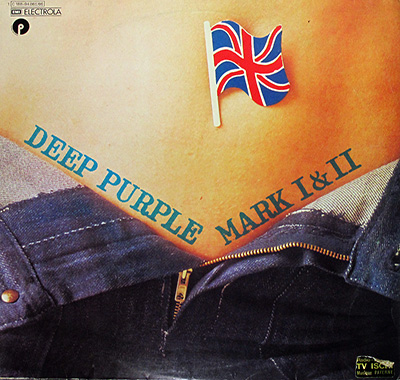
"Deep Purple - Mark I and II" is a 2LP gatefold 12" vinyl album that offers a comprehensive journey through the band's evolution. The gatefold cover features captivating artwork and photos within its pages. Liner notes by Jens Larsen provide insights in both English and German
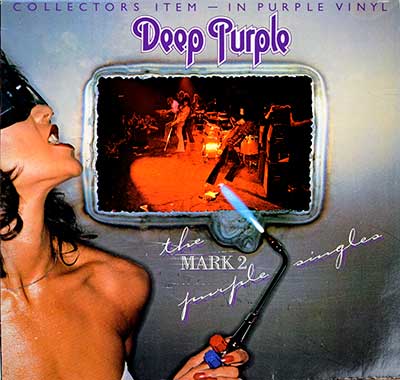
DEEP PURPLE - The Mark 2 Purple Singles (Netherlands) 12" Vinyl LP
Purple Records – 1A 062-61695, Purple Records – 5C 062-61695 , 1979 , Holland
The Mark 2 Purple Singles" record is a compilation album of tracks previously released as 7" singles of the "Mark II" period of the British Rock band "Deep Purple". Their Mark 2 period was from July 1969 until June 1973.
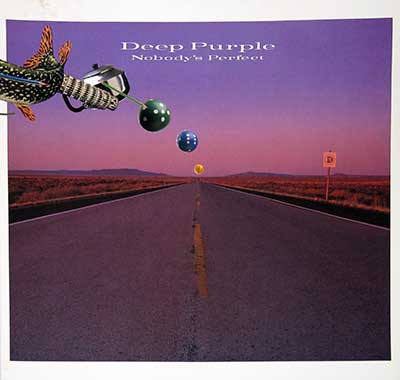
"Nobody's Perfect" is a live double LP album by the British rock band Deep Purple, released in 1988. This album captures the band's electrifying live performances and showcases their enduring musical prowess. Featuring classic tracks, it stands as a testament to Deep Purple's status as rock legends
"Perfect Strangers" is the eleventh studio album by DEEP PURPLE, released in November 1984. It represents the first album recorded by the reformed (and most successful and popular) 'Mark II' line-up.
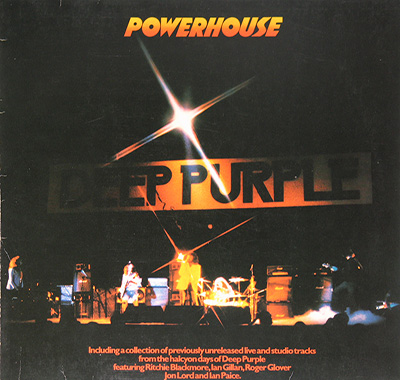
"Powerhouse" (1977, Germany) is a compilation album by Deep Purple, featuring a collection of previously unreleased live and studio tracks from the band's prime era. This album offers a nostalgic journey back to the halcyon days of Deep Purple, capturing their electrifying performances and musical prowess.
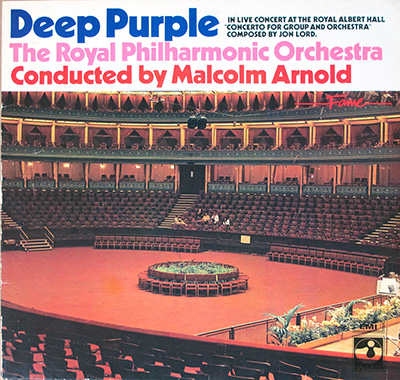
The International releases of "Deep Purple - Live at the Royal Albert Hall" offers fans a spectacular musical experience. This album captures the band's live concert at the Royal Albert Hall, featuring the groundbreaking "Concerto for Group and Orchestra" composed by Jon Lord.
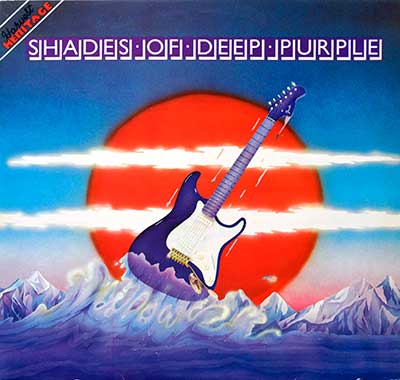
"Shades of Deep Purple" (1977, Netherlands) marks the debut full-length album from the British rock band Deep Purple. It encapsulates the prevailing psychedelic and progressive rock sound of late 1960s Britain. This album serves as a historical snapshot, showcasing the band's early musical exploratio
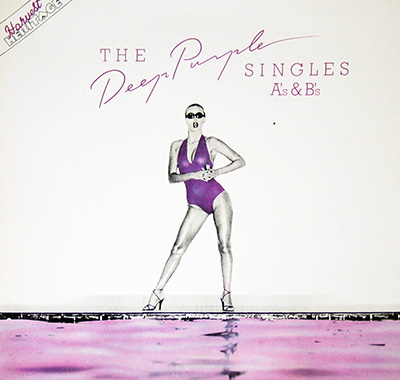
"Deep Purple - Singles A's & B's" on 12" vinyl LP is a compilation album that offers a treasure trove of rare A-sides and B-sides from Deep Purple's singles. This collection provides a unique opportunity for fans and collectors to explore the band's lesser-known tracks and discover hidden gems.
"Slaves and Masters" (1990, Germany) is a significant album in Deep Purple's discography. Released in 1990, it represents a unique chapter as the only album featuring singer Joe Lynn Turner, who replaced Ian Gillan in the previous year. This transitional period in the band's history brought a different vocal style
"Stormbringer" is the ninth studio album by DEEP PURPLE, released in December 1974. On this album, the soul and funk elements that were only hinted are much more prominent. Many fans consider Stormbringer to be a major turning point in the band, and the mark of an era's end.
DEEP PURPLE - Who Do We Think We Are (Gt Britain & French Release)
Who Do We Think We Are! is a hard rock album by DEEP PURPLE. Recorded in Rome July 72 and Frankfurt Oct 72 on Rolling Stones Mobile. It was their seventh studio album, and the last one with the classic Mk II lineup of the group until 1984.
Another influential British rock band, featuring Eric Clapton on guitar. Cream explored a wider range of styles than Led Zeppelin, but their blues-rock foundation and improvisational jams share some similarities.
Cream
Jimi Hendrix
A legendary guitarist known for his innovative playing style and use of effects pedals. While not strictly a band, Hendrix's influence on rock guitar is undeniable, and his music shares some elements of blues and psychedelia with Led Zeppelin.
Jimi Hendrix
Led Zeppelin
Pioneered hard rock and heavy metal, with influences from blues and psychedelia. Known for their powerful vocals, driving riffs, and complex instrumentals
Led Zeppelin
The Who
Pioneered power pop and mod rock, known for their energetic live performances and Pete Townshend's distinctive guitar work. The Who's music is often heavier and more aggressive than Led Zeppelin's, but both bands share a love for extended jams and powerful vocals.
The Who

.jpg)