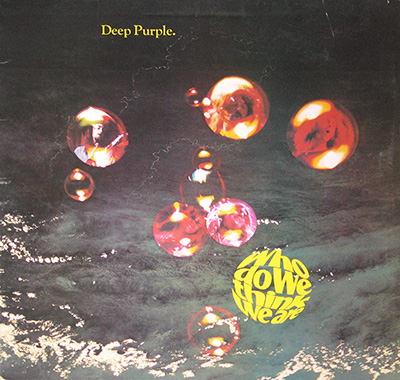
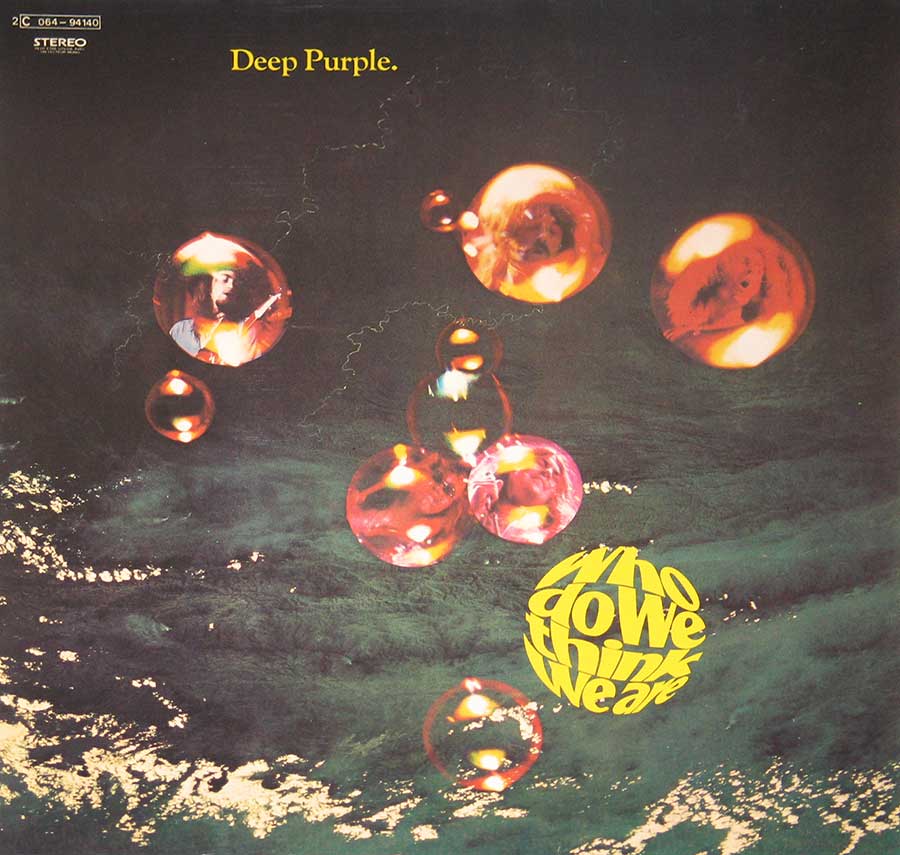
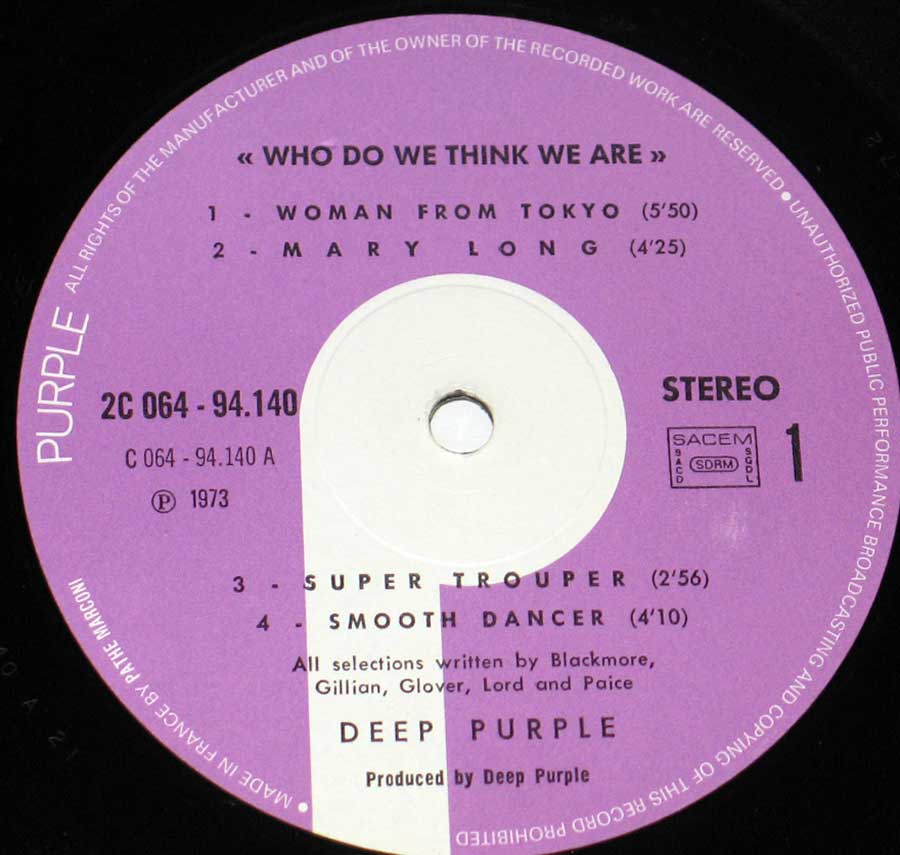
In the hazy Parisian air of 1973, Deep Purple, the swaggering behemoths of hard rock, unleashed their seventh studio album, "Who Do We Think We Are," upon an unsuspecting France. It was a record born of strife, a sonic snapshot of a band on the verge of self-destruction, all wrapped up in a tri-color flag.
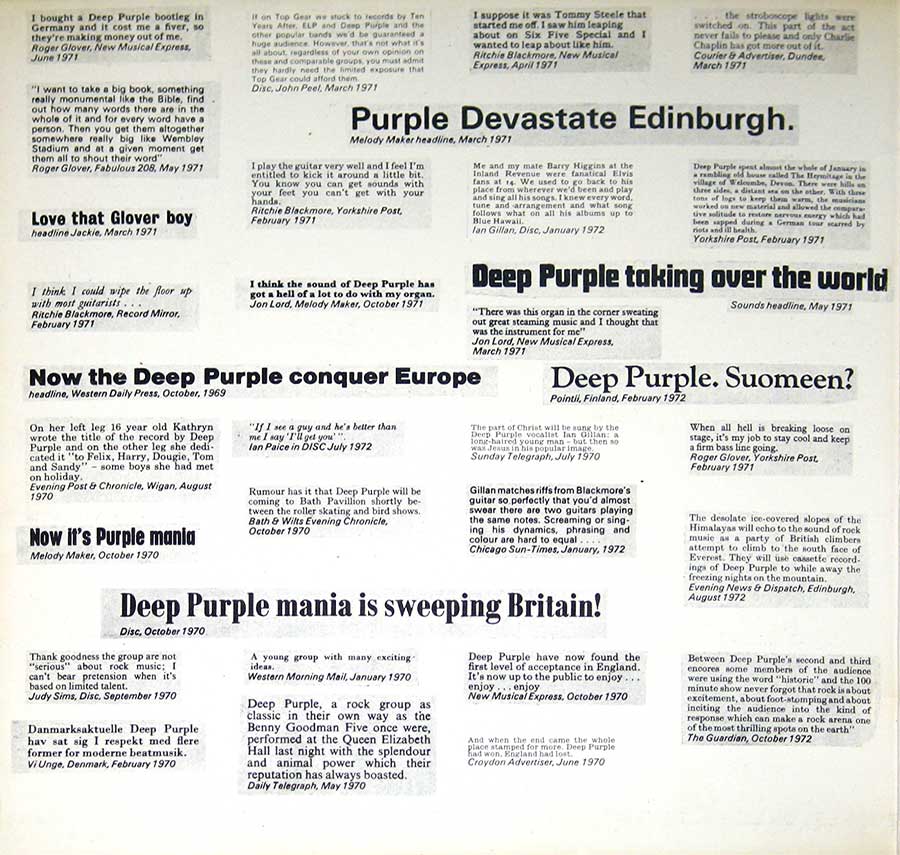
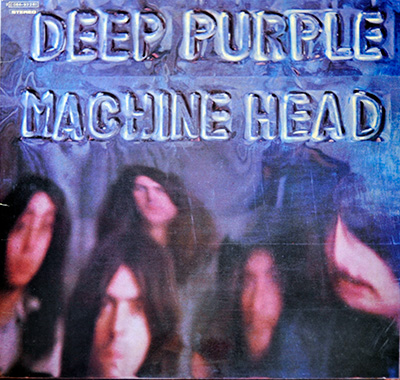
The historical backdrop is crucial. Deep Purple had conquered the globe with their relentless touring and a string of mega-hits, including the seismic "Machine Head." They were the undisputed titans of heavy music, their riffs reverberating through stadiums, their solos leaving scorch marks on the earth. But behind the facade, the cracks were widening. Egos collided, creative differences festered, and the once-unbreakable bond between the band members began to crumble like a stale croissant.
"Who Do We Think We Are" is a sonic manifestation of this internal turmoil. The music is a far cry from the focused fury of their earlier work. It's a sprawling, disjointed mess, careening from hard rock to funk to prog, with bizarre detours into blues and even reggae. The songwriting is often haphazard, the lyrics cryptic and occasionally nonsensical. It's as if the band were trying to outrun their demons by throwing everything at the wall and hoping something stuck, like a desperate chef in a failing bistro.
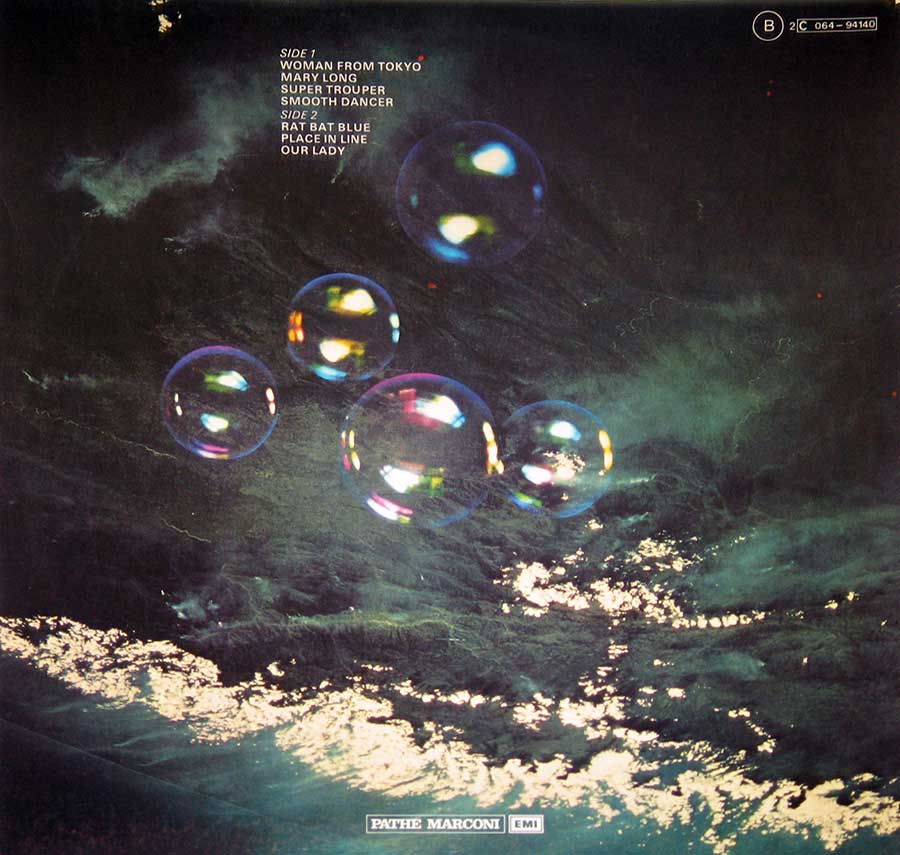
Despite the chaos, there are fleeting moments of brilliance. The opening track, "Woman From Tokyo," is a classic Deep Purple rocker, fueled by Ritchie Blackmore's iconic riff and Ian Gillan's soaring vocals. "Mary Long" is a greasy blues-rock banger, while "Place In Line" showcases the band's proggy tendencies. But these moments are mere flashes of lightning in an otherwise stormy sky.
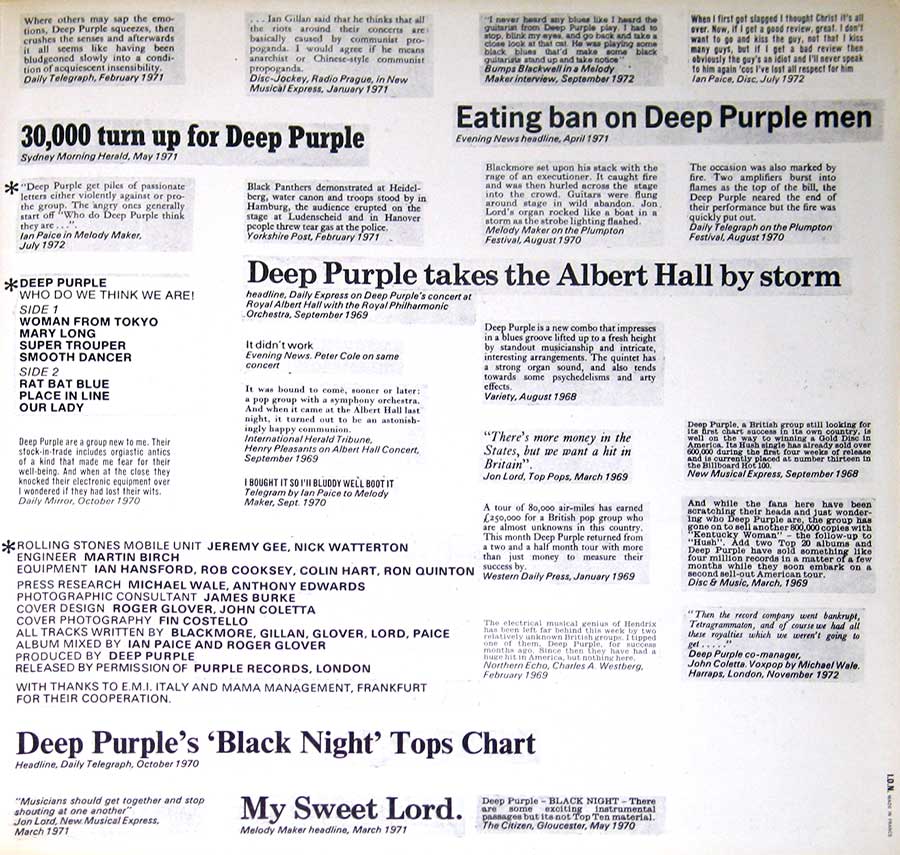
The production, helmed by the legendary Martin Birch, is typically polished, but it can't conceal the fissures in the band's foundation. The recording sessions, which took place in Rome and Frankfurt, were reportedly as harmonious as a Bastille Day riot. The band members were barely on speaking terms, and the creative process was more akin to a drunken brawl than a collaboration.
In France, "Who Do We Think We Are" was met with a collective Gallic shrug. Critics were puzzled by its eclecticism and lack of focus, while fans longed for the raw power of their earlier work. It failed to reach the commercial heights of its predecessors, peaking at a modest number 11 on the French charts. The album seemed to mirror the band's own disarray, a fractured reflection of their internal struggles.
Despite its flaws, "Who Do We Think We Are" remains a fascinating artifact, a flawed but intriguing glimpse into the unraveling of a legendary band. It's a reminder that even the most successful and talented artists are not immune to the corrosive effects of ego and creative differences. It's a sonic cautionary tale, a warning against the dangers of letting internal strife overshadow artistic vision.







.jpg)