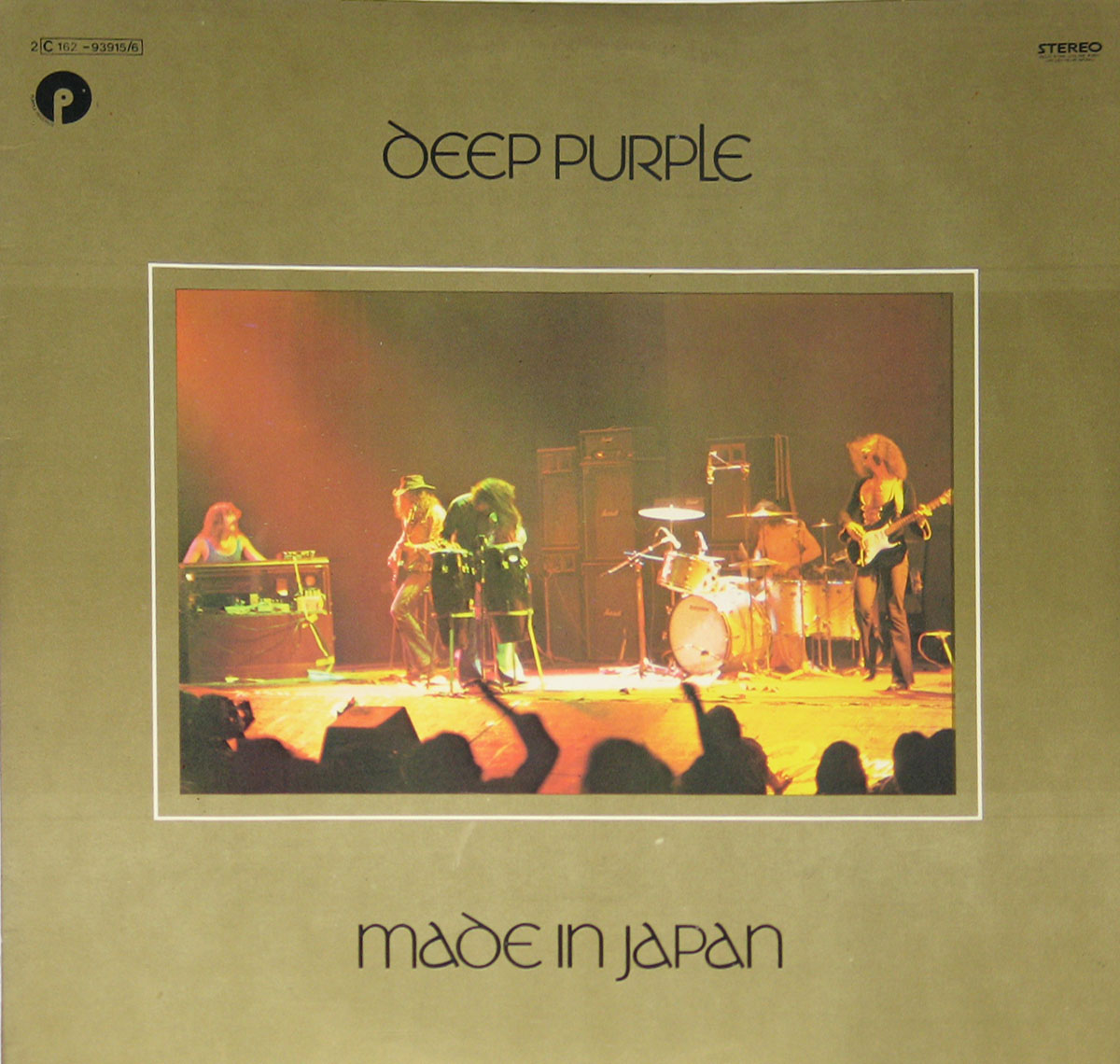
Deep Purple - Made in Japan 2LP Vinyl Album

- French Release with Gatefold Album cover

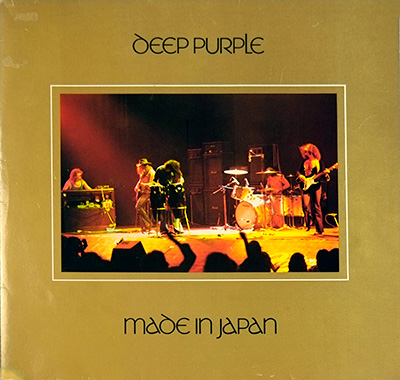
This is a deluxe French release of Deep Purple's Made in Japan, instantly recognizable by that SACEM stamp—because France always has to add a little official flair to the chaos. It did not just capture a great band live; it basically wrote the rulebook for how hard rock should feel when the lights are hot and the amps are louder than common sense. Landing right in the early-1970s surge where hard rock grew prog muscles and started flirting with heavy metal, this set became a scene-defining classic and a permanent fan favorite. "Highway Star" hits like a jet engine, "Child in Time" stretches into near-religious drama, and "Smoke on the Water" turns a riff into a public monument.


High Resolution # Photo DEEP PURPLE Made in Japan France

"Made in Japan" (1973) Album Description:

Deep Purple walked into Japan in August 1972 like a working band with a hit record and a deadline, then walked out with a double live album that sold like it had been waiting in everybody’s house already. It landed fast and loud, hitting the UK albums chart in early January 1973 and pushing up to No. 16, and when it finally rolled into the U.S. that spring it climbed to No. 6, which is not what happens to “special market” live souvenirs. The point is you can hear the band realizing, in real time, that the room is theirs; not politely, not gradually, but like someone turning a key and finding out the door was never locked.

England, 1972: the scene behaves badly on purpose

Back home, Britain in ’72 had this split personality: glam on the telly with the glitter and the smirk, prog stretching songs until they needed their own postal code, and hard rock getting heavier because nobody told it to stop. Deep Purple weren’t the scruffy outsiders anymore; they’d already done the big studio statement with "Machine Head" and they were touring like a machine that ate airports. A band at that pace doesn’t “decide” to make a live album so much as get cornered by reality: fans want proof, bootlegs are already doing the job badly, and the label would like something it can actually ship without calling it a “document.”

The weird part is how ordinary the setup is. Three nights, two cities, the kind of schedule that makes road cases smell like wet carpet and cigarette paper. But the crowd in Japan isn’t treating them like a foreign import; they’re singing back, tracking every move, and it changes the band’s posture. They play longer because they can. They take chances because the room won’t abandon them for it.

Where it sits, by contrast, not by sermon

Put it next to what else was moving in 1972 and you get the outline. Zeppelin had the big-boned swagger and the myth. Sabbath had the doom and the grim smile. Yes and Genesis were busy building mansions out of time signatures. Uriah Heep were flooding the stage with harmony and drama. Deep Purple, on this record, sound like the band that wants all of it and wants it now: riff weight, improvisation, speed, volume, and a sense that the song is just the starting gun.

  • Led Zeppelin: loose power, blues as a weapon, the groove rolling downhill.
  • Black Sabbath: slow heaviness, menace in the air, riffs like iron gates.
  • Yes / Genesis: precision and architecture, songs that behave like novels.
  • Uriah Heep: big harmonies, dramatic lift, choruses built to stick.
  • The Who: live as impact, a band that hits you first and explains later.
The sound: attack, space, and the kind of tension you can taste

This is not a “nice” live recording. The guitars bite, the organ burns, the drums don’t pose for the microphone. You can feel the tempo as a physical thing: they push it, then they lean back, then they stomp on it again like they’re testing the floorboards. The air around the instruments isn’t clean; it’s crowded, hot, and moving.

"Highway Star" comes in like a throttle jammed forward, the band locked into that bright, fast churn where the riff is doing half the singing. "Child in Time" is the opposite kind of violence: it stretches, it swells, it threatens to fall apart, and then it doesn’t. "Smoke on the Water" is the blunt object everybody thinks they already know, but live it turns into a communal event, the riff less like a hook and more like a signal flare.

The secret isn’t just volume; it’s spacing. Jon Lord’s Hammond doesn’t sit behind the guitar, it argues with it, and sometimes it wins. Roger Glover’s bass is the calm hand on the steering wheel, even when the car is sliding. Ian Paice plays like he’s trying to keep the whole thing from levitating off the stage.

Then there’s Gillan. He’s not “frontman-ing” in the polite way; he’s acting out the lines, yanking them into shape, throwing screams like knives and then landing soft phrases like he suddenly remembered he’s allowed to breathe. If you ever wondered why this lineup felt like a single animal, this record answers without pausing to be helpful.

Key people, practical contributions

The sleeve tells you a lot if you listen to it like it’s gossip. The band take producer credit, which is a fancy way of saying they wanted control and they weren’t shy about it. Martin Birch is the quiet hero in the room, engineering the shows so the chaos survives the trip to tape without turning into mush. And when it came time to mix, it was Roger Glover and Ian Paice who showed up and did the actual work, which feels perfectly on brand for a band that’s always been half muscle and half stubbornness.

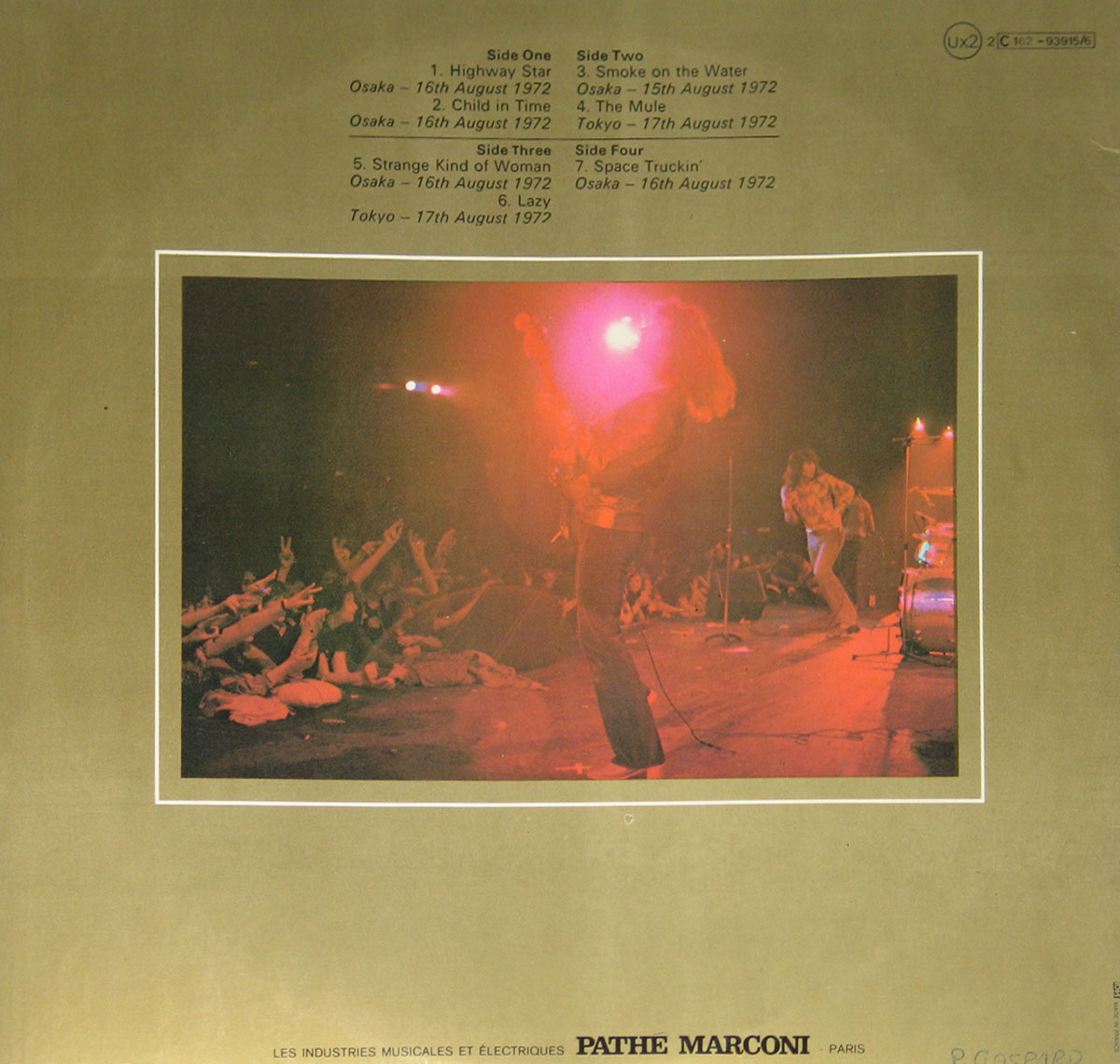
Fin Costello’s photography fits the whole situation: no romance, no velvet fog, just the band as a working unit in bright light. The gatefold isn’t trying to sell you fantasy; it sells you presence. If you want dragons, you’re in the wrong section of the record store.

The performances themselves are the real production choice. They leave the long stretches in. They let the band sound like it’s thinking out loud. That takes confidence, or exhaustion, or both.

Band chemistry as cause-and-effect, not a timeline

Mark II exists because Deep Purple got tired of being a clever British band and decided they wanted to be a dangerous one. Swapping in Ian Gillan and Roger Glover in 1969 didn’t just change the vocals and bass; it gave Blackmore and Lord a front line that could take the heat when the music got bigger. By 1972 they’re touring constantly, and the live show becomes the place they can stretch without the studio clock tapping its foot.

But the same intensity that makes this record crackle is also the thing that grinds people down. The band are coming off a relentless run, and you can hear the pressure in how hard they play: not sloppy, not careless, but urgent, like they’re trying to outrun tomorrow’s argument. A few months later the Mark II lineup is basically running on fumes, and by mid-1973 Gillan is out, with Glover following, and the whole machine has to rebuild itself.

That’s the uncomfortable truth: a band doesn’t sound this alive because it’s comfortable. It sounds this alive because it can’t sit still.

Controversy, or the myths people use instead

There isn’t a clean, headline-grabbing scandal attached to "Made in Japan" the way some albums arrive with police reports and broken TV cameras. The mess here is quieter and more industry-shaped: bootlegs were already circulating, and the band had been publicly irritated by the whole bootleg economy; part of the logic of doing an official live set was to cut that market off at the knees. The other half of the story is that the band initially treated the live album like a Japan-only obligation, and it escaped anyway, because commerce loves a good escape artist.

The misconception people cling to is that the band “didn’t care” about the record, like that cancels what you’re hearing. Sure, they downplayed it, and the accounts around the mixing sessions read like a band too tired to pretend they’re having fun. None of that changes the fact that the tape caught them at full voltage. Intent is cheap; sound is expensive.

One quiet personal anchor

I remember hearing "Smoke on the Water" late at night on the radio and recognizing the crowd noise before I recognized the riff, which felt backwards and completely right. The next day the record shop had that double album sitting there like a dare, and people were already arguing about which side was “the good one.”

What the record actually does, track by track, without reciting the menu

If you want the short version: the band take familiar songs and treat them like rooms they can rearrange. They speed up the corners. They widen the hallways. They let solos breathe long enough to become scenes instead of decorations.

  • "Highway Star": speed with purpose, the band snapping into a fast, bright grind that feels like a countdown.
  • "Child in Time": tension as structure; the quiet parts aren’t rest, they’re suspense.
  • "Smoke on the Water": a riff turned into a chant, with the band stretching the middle like they’re testing how far the crowd will follow.
  • "Space Truckin'": less a song than a controlled demolition, the kind where you’re not sure the building will fall the way they drew it up.
External references and further reading

Music Genre:

English Hard Rock , Early Heavy Metal, Prog Rock

Album Production Information:

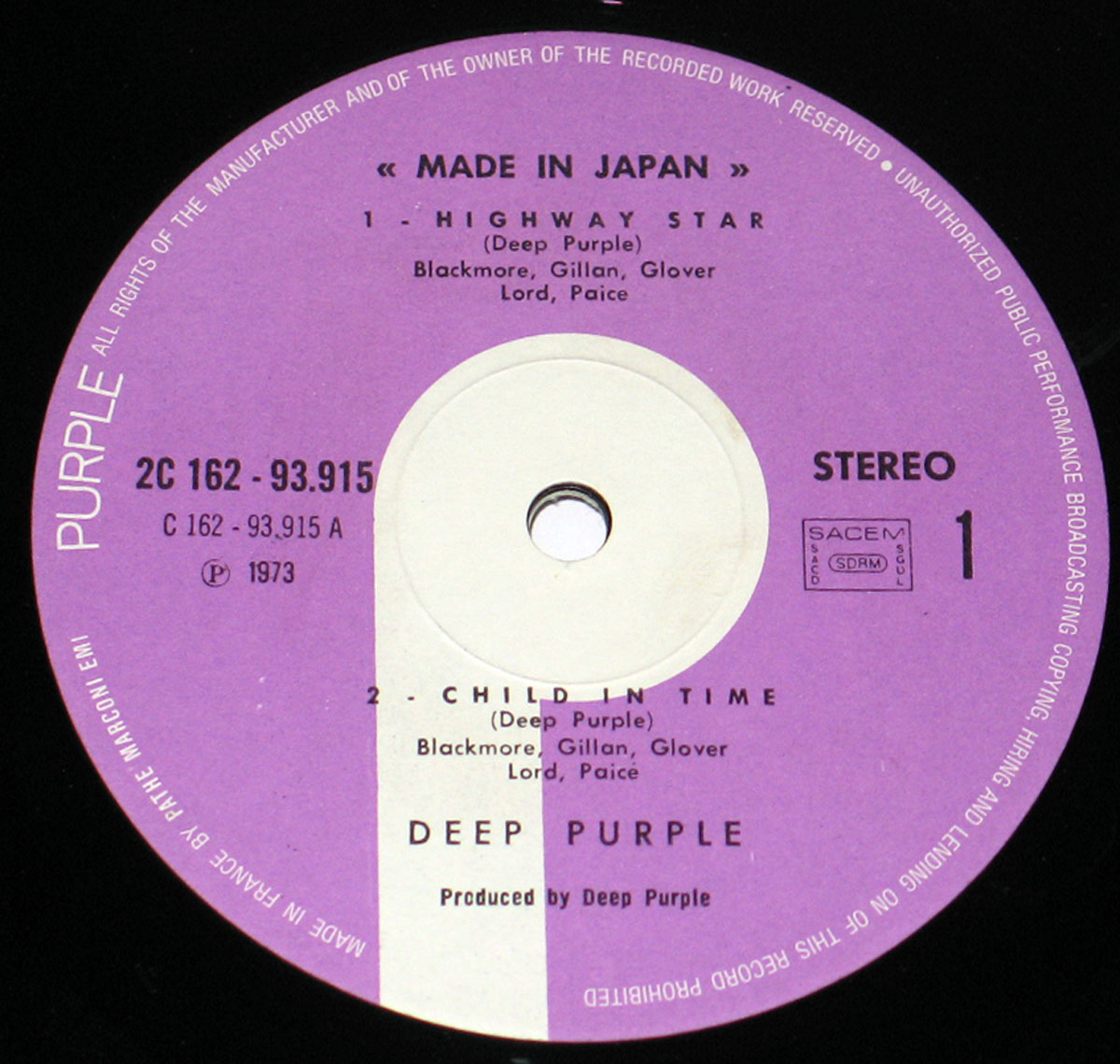
Produced by Deep Purple, mixed by Roger Glover and Ian Paice,

Photograph F. Costello

  • Fin Costello – Art Direction, Photography

    Fin Costello is the guy behind the lens who made loud bands look even louder—caught mid-stride, mid-sweat, mid-myth. I always pay extra attention when his photos are printed on album covers and inner sleeves.

    Fin Costello hit my radar the way the best photographers do: not with a signature, but with a feeling. You’re staring at a sleeve and suddenly you can hear the room. Hot lights. Hair stuck to foreheads. That thin layer of sweat that says the set is only halfway done.

    He comes out of late-1960s London photojournalism—learn the craft fast, get close, don’t ask the moment to repeat itself. And when the rock caravan starts dragging its cables across Europe, he’s already in the right place. Deep Purple (1972–1975) looks like volume you could measure with a broken window. Rainbow (1975–1977) looks sharper, richer, a little more dangerous in the fantasy costume. Then Ozzy Osbourne (1980–1983) arrives like a headline that won’t calm down.

    The thing I like is that Costello doesn’t “capture legends.” He catches people working. There’s a difference. Legends pose. Working musicians forget you’re there—until the flash reminds them, and even then he’s already moved on.

  •  

    Record Label & Catalognr:

    Purple Records 2C 162-93.915 ( 162-93915 )

    Album Packaging:

    Gatefold/FOC (Fold Open Cover) Album Cover Design.

    Media Format:

    Double 12" Vinyl LP  Gramophone Record
    Album weight: 420 gram 

    Year & Country:

    1973 Made in France
    Band Members and Musicians on: Deep Purple Made in Japan France
      Band-members, Musicians and Performers
    • Ritchie Blackmore
    • Ritchie Blackmore – Guitarist, Songwriter

      The guy who made the guitar sound both medieval and radioactive, often in the same solo.

      Ritchie Blackmore is the sort of name I see on a sleeve and instantly expect sparks: born Richard Hugh Blackmore (1945), he’s an English guitarist who helped hard-rock riffing grow teeth and then politely refused to stop. His era-stamps are basically whole chapters of rock history: Deep Purple (1968–1975, 1984–1993), where the riffs got louder, sharper, and more dramatic; Rainbow (1975–1984, 1993–1997), where he leaned into melody and fantasy like it was a weapon; and Blackmore’s Night (1997–present), where the electric storm calms down into Renaissance-folk textures without losing that unmistakable Blackmore touch. I love that arc: from amp-stacks and arena thunder to lutes-and-candles vibes, like he just swapped dragons for different dragons.

      "Blackmore Signature Strats" I’ve spent too many nights chasing that Blackmore chime. Fender’s Artist Series Strat is a love letter to his ‘70s obsession—Olympic White with a graduated scalloped rosewood board that makes your fingers feel like they’re floating. The electronics are pure Ritchie logic: two Seymour Duncan Quarter Pounds for the bite and a dummy middle pickup. It’s a prop, a plastic decoy for us mortals. Then there’s the Fender Japan ST72-145RB. MIJ builds have a surgical precision, keeping the ‘72 vibe alive for the obsessive collector. We hunt these like lost relics, justifying the cost because a standard neck feels one-dimensional by comparison. It’s a specialized tool for a very specific kind of madness. But then, isn't that the whole point?

    • Ian Gillian
    • Ian Gillan – Vocals

      Fun bit: the guy who hit those stratospheric notes also played Jesus (1970) before he went full purple thunder.

      Ian Gillan, the razor-throated storyteller who helped turn Deep Purple into a stadium engine (1969–1973), then came back for the 1984 reunion and later tours. Before the purple thunder I cut my teeth in Episode Six (1965–1969). In 1970 I also sang Jesus on the original "Jesus Christ Superstar" album—pure theatre, no cape. I went jazz-rock with the Ian Gillan Band (1975–1978), cranked it harder with Gillan (1978–1982), and even took a wild detour fronting Black Sabbath on "Born Again" (1983). Solo records and guest spots followed, but that operatic scream and sly phrasing always gave the game away, whether I was whispering a blues line or detonating a high note over a Marshall stack.

    • Roger Clover
    • Roger Glover – Bass, Producer, Songwriter

      If the groove feels like a tank with manners, his name is usually somewhere nearby.

      Roger Glover is one of those credit lines I trust on sight: a Welsh bassist, producer, and songwriter who helped define the heavyweight “engine room” of classic hard rock. I mainly tag him to two eras that just refuse to die: Deep Purple (1969–1973, 1984–present), where his bass and writing instincts locked in with that Mark II bite, and Rainbow (1979–1984), where he wasn’t just playing low-end—he was also steering the sound as lyricist and producer. He came up through Episode Six, then spent the 1970s stacking production work and side projects like it was a second career (because, yeah, it basically was), but those Purple and Rainbow years are the real “mythology in the liner notes” stuff.

    • Jon Lord
    • Jon Lord – Keyboards

      On my best days, that Hammond roar still sounds like cathedral pipes hijacked by a Marshall stack—and Jon Lord is the reason.

      Jon Lord, British keyboardist, composer, and co-founder of Deep Purple, never played “background” the way polite musicians do—he attacked the keys like they owed him money, then turned around and wrote with the discipline of a trained composer. The story starts in the R&B trenches with The Artwoods (1964–1967), then detonates when he helps launch Deep Purple (1968–1976; 1984–2002), where that distorted Hammond became a lead instrument with teeth. After Purple’s first collapse, the road briefly rerouted through Paice Ashton Lord (1976–1978), and then straight into David Coverdale’s orbit with Whitesnake (1978–1984), adding class, weight, and that unmistakable “burning organ” halo to bluesy hard rock. Underneath all the volume, the man kept one foot in the concert hall—because some people can shred and still hear the orchestra in their heads.

    Complete Track Listing of: Deep Purple Made in Japan France

    The Song/tracks on "Deep Purple - Made in Japan" are:

      Side One:
    1. Highway Star (Osaka 16 Aug 1972)
    2. Child in Time (Osaka 16 Aug 1972)
      Side Two:
    1. Smoke on the Water (Osaka 15 Aug 1972)
    2. The Mule (Tokyo 17 Aug 1972)
      Side Three:
    1. Strange Kind Of Woman (Osaka 16 Aug 1972)
    2. Lazy (17 Aug 1972)
      Side Two:
    1. Space Truckin (Osaka 16 Aug 1972)
      
    Photo of Front Cover 
    High Resolution # Photo DEEP PURPLE Made in Japan France  
    Photo of Album's Back Cover  

    High Resolution # Photo DEEP PURPLE Made in Japan France


    High Resolution # Photo DEEP PURPLE Made in Japan France  

     Note: The images on this page are photos of the actual album. Slight differences in color may exist due to the use of the camera's flash. Images can be zoomed in/out ( eg pinch with your fingers on a tablet or smartphone ).


    Index of DEEP PURPLE Vinyl Records and Album Cover Gallery

    DEEP PURPLE - 24 Carat Purple (Germany)
     DEEP PURPLE - 24 Carat Purple (Germany) album front cover vinyl record

    Purple 1C 038-1576031 , 1975 , Germany

    Released on Deep Purple's own record label, '24 Carat' marked Deep Purple's debut compilation album, representing a pivotal period in their hard rock journey. This 12" LP encapsulates the band's evolution, featuring iconic tracks that defined their sound.

    24 Carat Purple 12" Vinyl LP
    DEEP PURPLE - Anthology (Europe)
     DEEP PURPLE - Anthology (Europe) album front cover vinyl record

    EMI 152 Y 79 6130   , 1991 , EEC

    Deep Purple's 'Anthology' is a musical treasure trove spanning 150 minutes, carefully curated across three LPs. This vinyl masterpiece not only delivers the band's iconic sound but also includes the original 4-page 12" booklet, offering fans a nostalgic journey through the band's history.

    Anthology 12" Vinyl 3LP
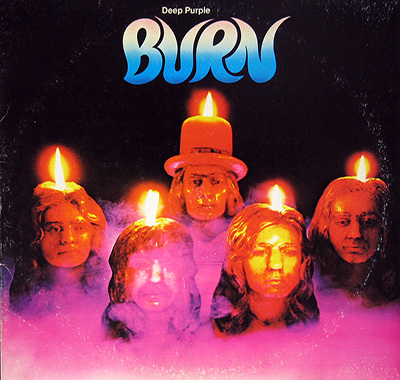
    DEEP PURPLE - Burn (Italy)
     DEEP PURPLE - Burn (Italian Release) album front cover vinyl record

    Purple Records 3C 064-94837   , 1974 , Italy

    Deep Purple's 'Burn' marked a pivotal transition with new members David Coverdale and Glenn Hughes, forming the 'Mark III' lineup. This Italian release of the album is distinguishable by the S.I.A.E 'Rights Society' imprint at 9 o'clock on the record label.

    Burn (Italian Release) 12" Vinyl LP
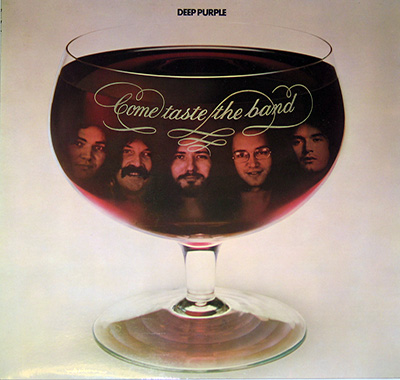
    DEEP PURPLE - Come Taste the Band (European Releases)
    DEEP PURPLE - Come Taste the Band (English Release) album front cover vinyl record

    Deep Purple's "Come Taste the Band" is a pivotal album in their discography, marking a shift with Tommy Bolin on guitar. The 1975 European LP releases captured this new era, featuring iconic tracks like "Gettin' Tighter" and "Comin' Home".

    - Come Taste the Band (English Release) - Come Taste the Band (French Release) - Come Taste the Band (German Release) - Come Taste the Band (Netherlands Release)
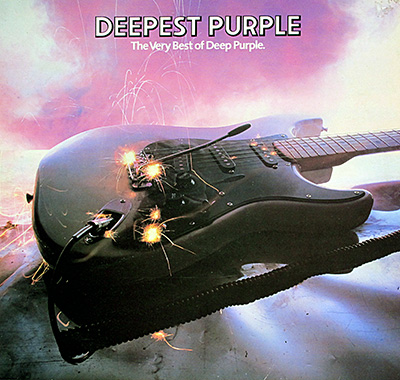
    DEEP PURPLE -  Deepest Purple (Gt Britain Release) album front cover vinyl record
    DEEP PURPLE - Deepest Purple (Gt Britain & French Release)

    "Deepest Purple: The Very Best of Deep Purple" is the compilation album by the British hard rock band Deep Purple, released in 1980. It features the original hits of Deep Purple before their 1984 reunion.

    - Deepest Purple (Gt Britain Release) - Deepest Purple (French Release)
    DEEP PURPLE - Self-titled aka DEEP PURPLE III (European Releases)
    DEEP PURPLE - Self-titled aka DEEP PURPLE III (Netherlands Release) album front cover vinyl record

    Deep Purple's 'Deep Purple III' (1976, Netherlands) marks a pivotal moment in the band's history. Originally released in 1969 on Harvest Records in the UK, it stands as the third studio album and the final one with the original lineup.

    - DEEP PURPLE III (Netherlands Release) - DEEP PURPLE III (Dutch Release, with Label Code) - DEEP PURPLE III (German Release)
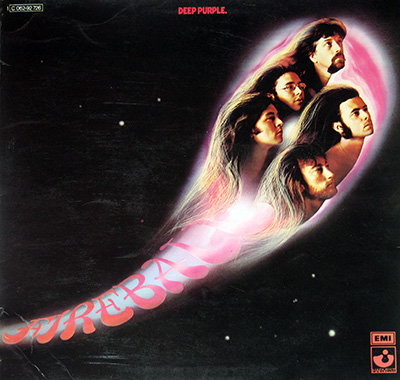
    DEEP PURPLE - Fireball (European & USA Releases)
    DEEP PURPLE - Fireball (German Release)
 album front cover vinyl record

    Harvest 1C 062-92 726 , 1971 , Germany

    Deep Purple's 'Fireball' album, in its original European release, boasts a unique addition - 'Demon's Eye' replacing 'Strange Kind of Woman.' This gatefold 12" vinyl LP provides an authentic experience

    - Fireball (German Release) - Fireball (German Release, Fame Records) - Fireball (Netherlands Release) - Fireball (USA Release)
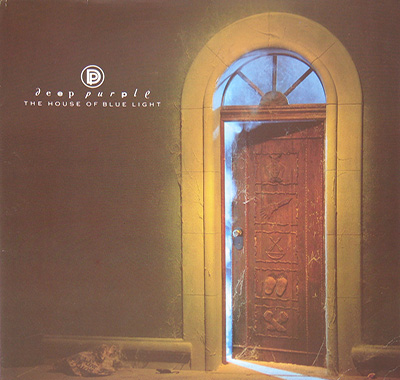
    DEEP PURPLE - The House Of Blue Light (German & Hungarian Releases
    DEEP PURPLE - The House Of Blue Light (Germany) album front cover vinyl record

    Deep Purple's 'The House of Blue Light' in its German 12" vinyl LP release represents a significant chapter in the band's history. This album captures the reunion of the re-formed Mark II lineup and showcases meticulous production and sound engineering, resulting in an auditory masterpiece.

    - The House Of Blue Light (Germany) - The House of Blue Light (Hungary)
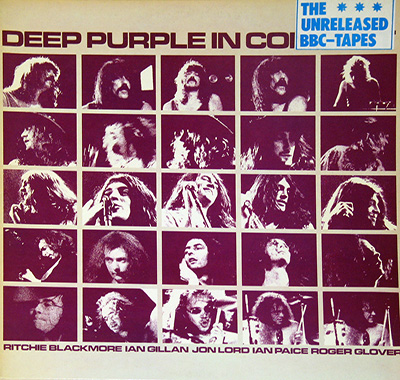
    DEEP PURPLE In Concert Unreleased BBC-Tapes (Holland)
    DEEP PURPLE  In Concert Unreleased BBC-Tapes (Holland)
 album front cover vinyl record

    Harvest 1A 138-64158 , 1980 , Holland

    Deep Purple's 'In Concert Unreleased BBC Tapes,' in a gatefold cover 12" vinyl LP album, offers a captivating glimpse into the band's live prowess. Recorded in 1970 and 1972 for the BBC's 'In Concert' series, these unreleased performances are a treasure trove for fans.

    In Concert Unreleased BBC-Tapes 12" Vinyl LP
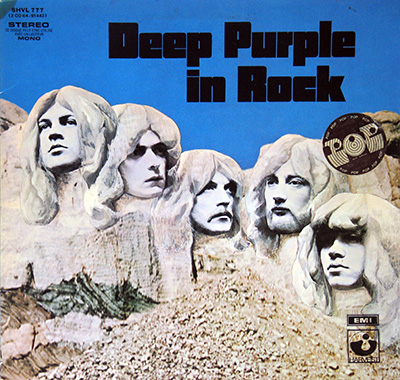
    DEEP PURPLE - In Rock (European Releases)
    DEEP PURPLE - In Rock 1st Pressing (France) album front cover vinyl record

    Deep Purple's "In Rock" (1970), a landmark in hard rock, shook the European music scene with its raw energy. Original European LP pressings are sought after by collectors for their powerful sound and iconic gatefold cover. Tracks like "Speed King" and "Child in Time" showcase the Mark II lineup's prowess

    - In Rock 1st Pressing (France) - In Rock 1st Pressing (Gt Britain) - In Rock (Holland, Fame Records) - In Rock (Italy) - In Rock (Netherlands)
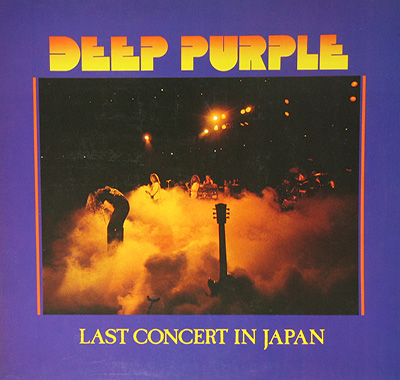
    Deep Purple - Last Concert in Japan (German Release)
    Thumbnail of  album front cover

    Purple Records 1C 064-60 900 , 1977 , Germany

    This album by DEEP PURPLE released in March 1977. It records the last Japanese concert of the Mark IV-lineup with Tommy Bolin. This album was recorded on December 15, 1975 at the Tokyo Budokan,

    Last Concert in Japan 12" Vinyl LP
    DEEP PURPLE - Machine Head (European Releases)
    Thumbnail of DEEP PURPLE - Machine Head (Italy) album front cover


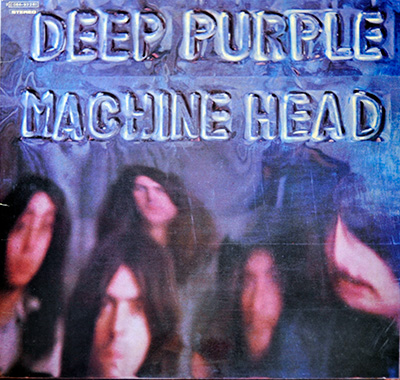
    "Machine Head" is the sixth studio album released by English rock band "Deep Purple". It was recorded through December 1971 in Montreux, Switzerland, and released in March 1972. "Machine Head" is often cited as influential in the development of the heavy metal music genre.

    - Machine Head (Italy) - Machine Head (Italy Francis-Day) - Machine Head Black Border/Frame (Gt Britain) - Made in Europe (French Release)
    DEEP PURPLE - Made in Europe (USA Release)
    DEEP PURPLE  - Made in Europe (USA) album front cover

    PR 2995,Warner Records 1976, Made in USA

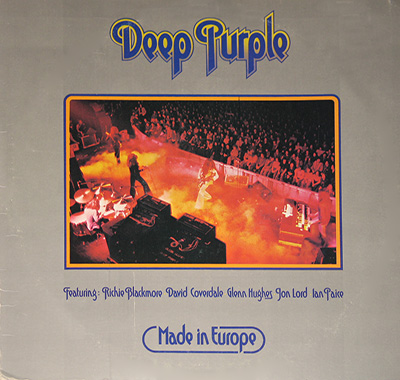
    The USA release of "Deep Purple - Made in Europe" on a 12" vinyl LP album is a live recording capturing the band's performances in Austria, Germany, and France during April 1975. Engineered by Mick McKenna, Tapani, and Martin Birch, and mixed by Ian Paice and Martin Birch,

    Made in Europe 12" Vinyl LP
    DEEP PURPLE - Made in Japan (International Releases)
    DEEP PURPLE - Made in Japan (Europe) album front cover

    "Deep Purple - Made in Japan Live 2LP" is a monumental double live album by the English rock band. Recorded during their inaugural tour of Japan in August 1972, this album captures the raw energy and musical brilliance of Deep Purple's live performances. Originally released in December 1972

    - Made in Japan (European Release) - Made in Japan (French Release) - Made in Japan (German Release) - Made in Japan (Gt Britain Release) - Made in Japan (Italian Release) - Made in Japan (Netherlands Release)
    DEEP PURPLE - Mark I and II (Germany)
    DEEP PURPLE -  Mark I and II (Germany) album front cover

    Purple Records 1C 188-94 865 , 1973 , Germany

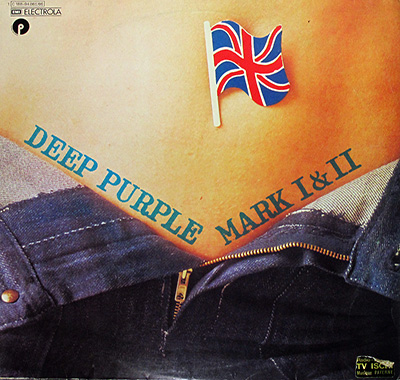
    "Deep Purple - Mark I and II" is a 2LP gatefold 12" vinyl album that offers a comprehensive journey through the band's evolution. The gatefold cover features captivating artwork and photos within its pages. Liner notes by Jens Larsen provide insights in both English and German

    Mark I and II 12" Vinyl 2LP
    DEEP PURPLE - The Mark 2 Purple Singles (Netherlands) 12" Vinyl LP
    DEEP PURPLE - The Mark 2 Purple Singles (Netherlands)  album front cover

    Purple Records – 1A 062-61695, Purple Records – 5C 062-61695 , 1979 , Holland

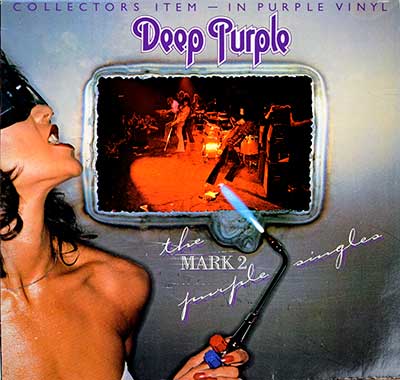
    The Mark 2 Purple Singles" record is a compilation album of tracks previously released as 7" singles of the "Mark II" period of the British Rock band "Deep Purple". Their Mark 2 period was from July 1969 until June 1973.

    The Mark 2 Purple Singles 12" Vinyl LP
    DEEP PURPLE - Nobody's Perfect (Germany)
    DEEP PURPLE - Nobody's Perfect (Germany) album front cover

    Polydor 835 898 , 1988 , West-Germany

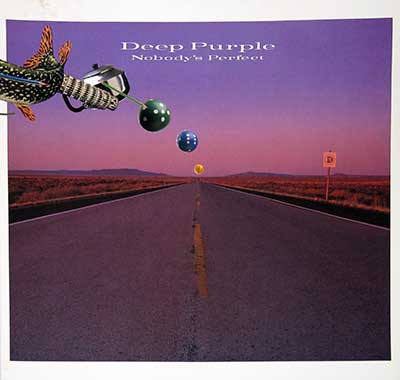
    "Nobody's Perfect" is a live double LP album by the British rock band Deep Purple, released in 1988. This album captures the band's electrifying live performances and showcases their enduring musical prowess. Featuring classic tracks, it stands as a testament to Deep Purple's status as rock legends

    Nobody's Perfect 12" Vinyl LP
    DEEP PURPLE - Perfect Strangers (German Releases)
    DEEP PURPLE - Perfect Strangers (Germany) album front cover

    Polydor 823 777 (823777) / Digital Master Mix , 1984 , West-Germqany

    "Perfect Strangers" is the eleventh studio album by DEEP PURPLE, released in November 1984. It represents the first album recorded by the reformed (and most successful and popular) 'Mark II' line-up.

    - Perfect Strangers (Germany) - Perfect Strangers Club Edition (Germany)
    DEEP PURPLE - Powerhouse (Germany)
    DEEP PURPLE - Powerhouse (Germany) album front cover

    Purple Records 1C 064-60 072 , 1977 , Germany

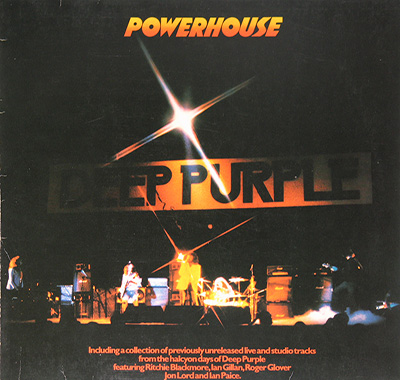
    "Powerhouse" (1977, Germany) is a compilation album by Deep Purple, featuring a collection of previously unreleased live and studio tracks from the band's prime era. This album offers a nostalgic journey back to the halcyon days of Deep Purple, capturing their electrifying performances and musical prowess.

    Powerhouse 12" Vinyl LP
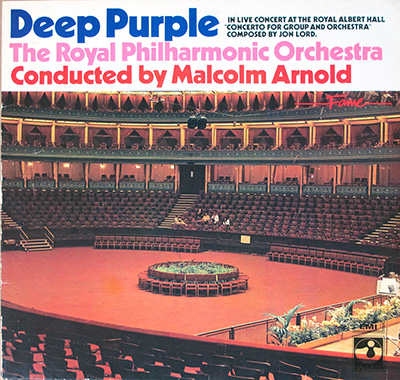
    DEEP PURPLE - In Live Concert At The Royal Albert Hall with .....
    DEEP PURPLE - Concerto For Group And Orchestra (Europe) album front cover

    Harvest 1C 038-157592 1 DMM , 1977 , Germany/Netherlands

    The International releases of "Deep Purple - Live at the Royal Albert Hall" offers fans a spectacular musical experience. This album captures the band's live concert at the Royal Albert Hall, featuring the groundbreaking "Concerto for Group and Orchestra" composed by Jon Lord.

    - In Live Concert At The Royal Albert Hall (European Release) - In Live Concert At The Royal Albert Hall (France) - In Live Concert At The Royal Albert Hall (Germany) - In Live Concert At The Royal Albert Hall (Gt Britain) - In Live Concert At The Royal Albert Hall (Italy) - In Live Concert At The Royal Albert Hall (USA)
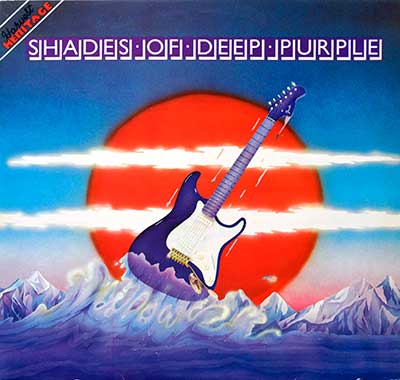
    DEEP PURPLE - Shades of Deep Purple (Netherlands)
    DEEP PURPLE - Shades of Deep Purple (Netherlands) album front cover

    Harvest – 5C 038-04175 , 1977 , Netherlands

    "Shades of Deep Purple" (1977, Netherlands) marks the debut full-length album from the British rock band Deep Purple. It encapsulates the prevailing psychedelic and progressive rock sound of late 1960s Britain. This album serves as a historical snapshot, showcasing the band's early musical exploratio

    Shades of Deep Purple 12" Vinyl LP
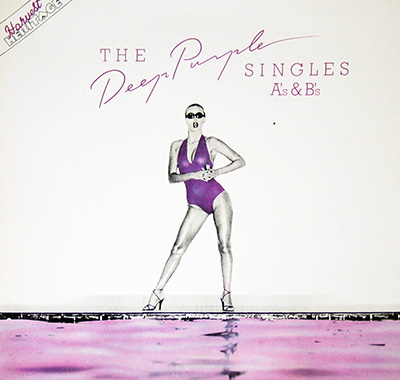
    DEEP PURPLE - The Deep Purple Singles A's & B's (Gt Britain)
    DEEP PURPLE - The Deep Purple Singles A's & B's (Gt Britain) album front cover

    EMI Harvest FA 3212 SHSM 2026A , 1978 , Gt Britain

    "Deep Purple - Singles A's & B's" on 12" vinyl LP is a compilation album that offers a treasure trove of rare A-sides and B-sides from Deep Purple's singles. This collection provides a unique opportunity for fans and collectors to explore the band's lesser-known tracks and discover hidden gems.

    The Deep Purple Singles A's & B's 12" Vinyl LP
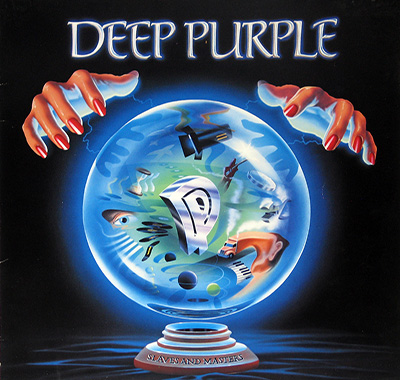
    DEEP PURPLE - Slaves and Masters (Germany)
    DEEP PURPLE  - Slaves and Masters (Germany) album front cover

    RCA PL90535 , 1990 , Germany

    "Slaves and Masters" (1990, Germany) is a significant album in Deep Purple's discography. Released in 1990, it represents a unique chapter as the only album featuring singer Joe Lynn Turner, who replaced Ian Gillan in the previous year. This transitional period in the band's history brought a different vocal style

    Slaves and Masters 12" Vinyl LP
    DEEP PURPLE - Stormbringer (Eurospean Release)
    DEEP PURPLE  - Stormbringer (Germany)
 album front cover

    "Stormbringer" is the ninth studio album by DEEP PURPLE, released in December 1974. On this album, the soul and funk elements that were only hinted are much more prominent. Many fans consider Stormbringer to be a major turning point in the band, and the mark of an era's end.

    Stormbringer (Germany) Stormbringer (Italy)
    DEEP PURPLE - Who Do We Think We Are (Gt Britain & French Release)
    DEEP PURPLE  - Who Do We Think We Are (Gt Britain)
 album front cover

    Who Do We Think We Are! is a hard rock album by DEEP PURPLE. Recorded in Rome July 72 and Frankfurt Oct 72 on Rolling Stones Mobile. It was their seventh studio album, and the last one with the classic Mk II lineup of the group until 1984.

    - Who Do We Think We Are (Gt Britain) - Who Do We Think We Are (France)

    DEEP PURPLE: Related Rock Bands and Similar Music

    Cream

    Another influential British rock band, featuring Eric Clapton on guitar. Cream explored a wider range of styles than Led Zeppelin, but their blues-rock foundation and improvisational jams share some similarities. Cream

    Jimi Hendrix

    A legendary guitarist known for his innovative playing style and use of effects pedals. While not strictly a band, Hendrix's influence on rock guitar is undeniable, and his music shares some elements of blues and psychedelia with Led Zeppelin. Jimi Hendrix

    Led Zeppelin

    Pioneered hard rock and heavy metal, with influences from blues and psychedelia. Known for their powerful vocals, driving riffs, and complex instrumentals Led Zeppelin

    The Who

    Pioneered power pop and mod rock, known for their energetic live performances and Pete Townshend's distinctive guitar work. The Who's music is often heavier and more aggressive than Led Zeppelin's, but both bands share a love for extended jams and powerful vocals. The Who