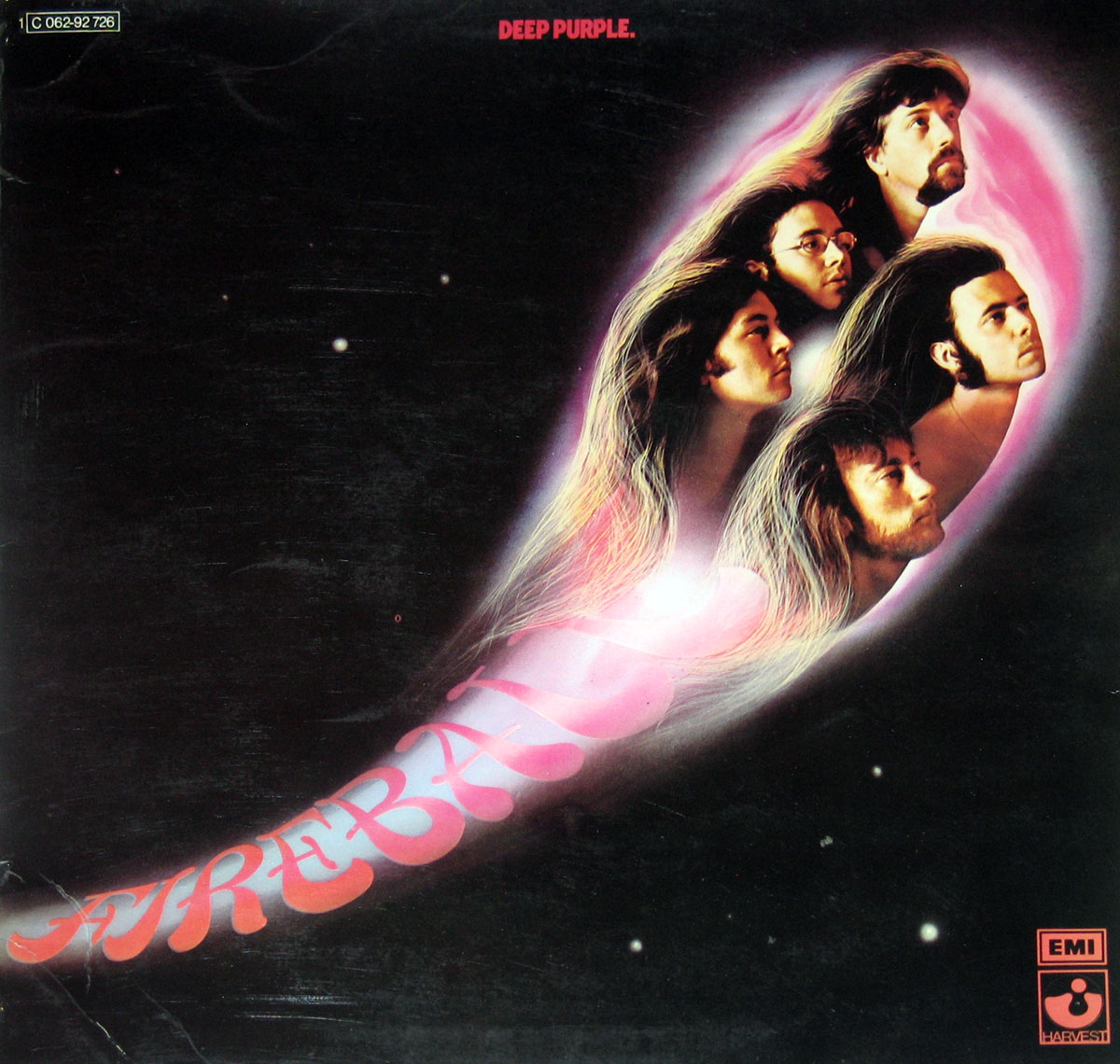
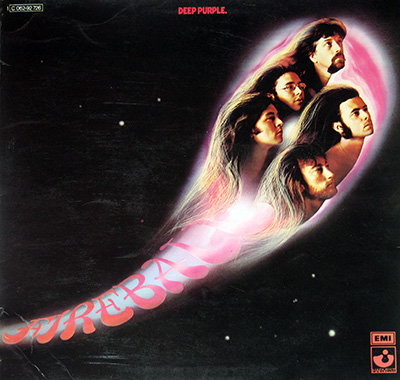
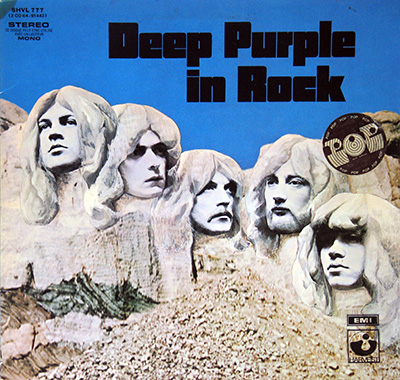
The year 1971 marked a turning point in the musical landscape, with Deep Purple delivering their fifth studio album, Fireball. Coming hot on the heels of In Rock, the album pushed the boundaries of hard rock, marrying raw power with a newfound willingness to explore diverse styles. It was an era when the genre’s giants—Led Zeppelin, Black Sabbath, and Deep Purple—were shaping the soundtracks of a restless generation. Amid this competition, Fireball emerged as both a progression and a departure, cementing Deep Purple’s reputation as innovators unafraid to defy conventions.
Historical Context: Breaking the Mold
By 1971, Deep Purple was a band in transition. Having established themselves as pioneers of hard rock with In Rock, they faced the dual pressures of surpassing their previous success and standing out in a rapidly evolving musical era. Rock music was fragmenting into subgenres, with progressive rock, heavy metal, and blues-infused styles jostling for dominance. Fireball found Deep Purple at the nexus of these movements, blending the aggressive energy of hard rock with flashes of progressive experimentation.
Musical Exploration: A Sonic Kaleidoscope
Fireball unfolds as a journey through contrasting sonic landscapes. The opening title track, ‘Fireball,’ ignites the album with a frenetic pace, driven by Ian Paice’s double bass drumming—a precursor to the metal subgenres that would later adopt such techniques. It’s a high-octane call to arms that sets the tone for the band’s dynamic approach.
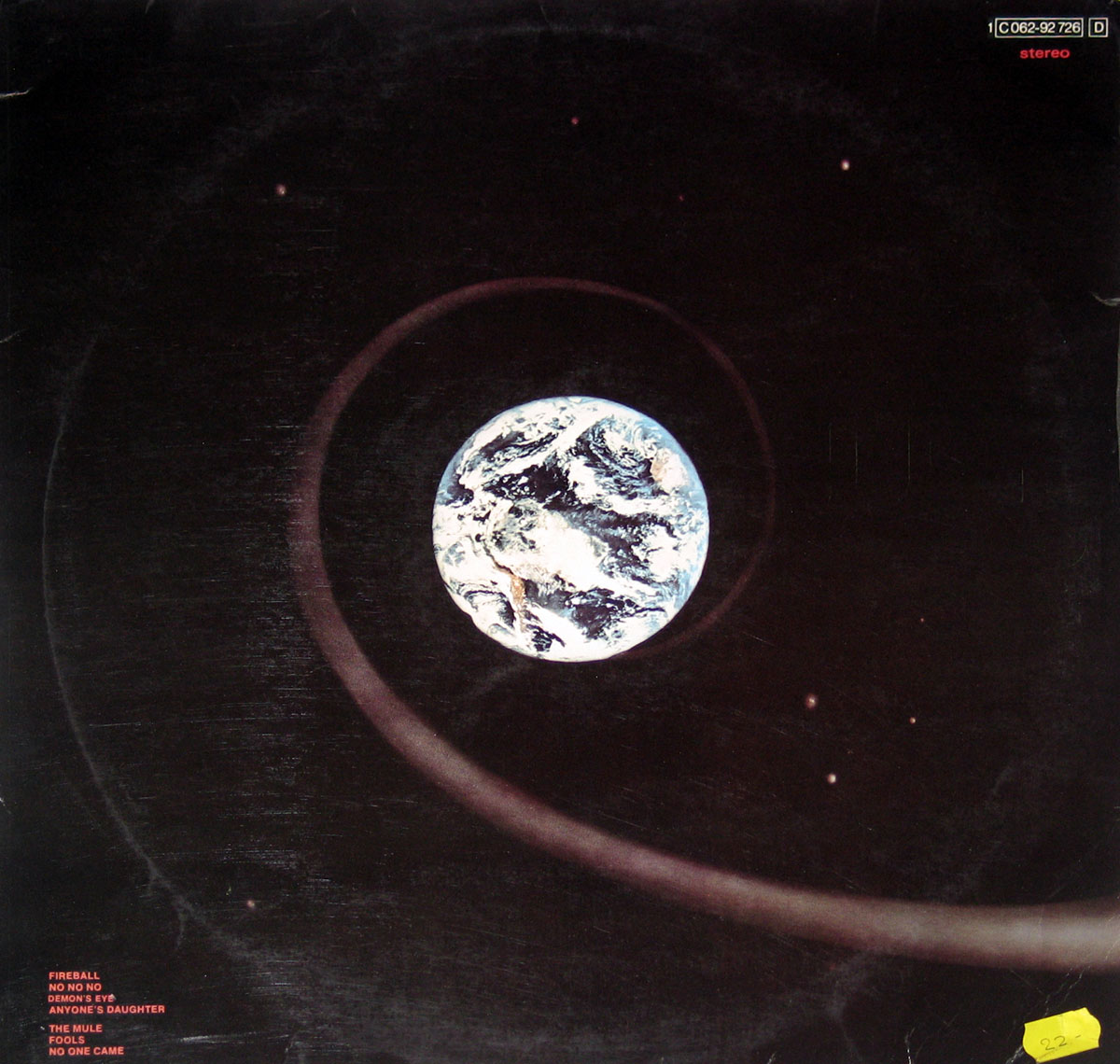
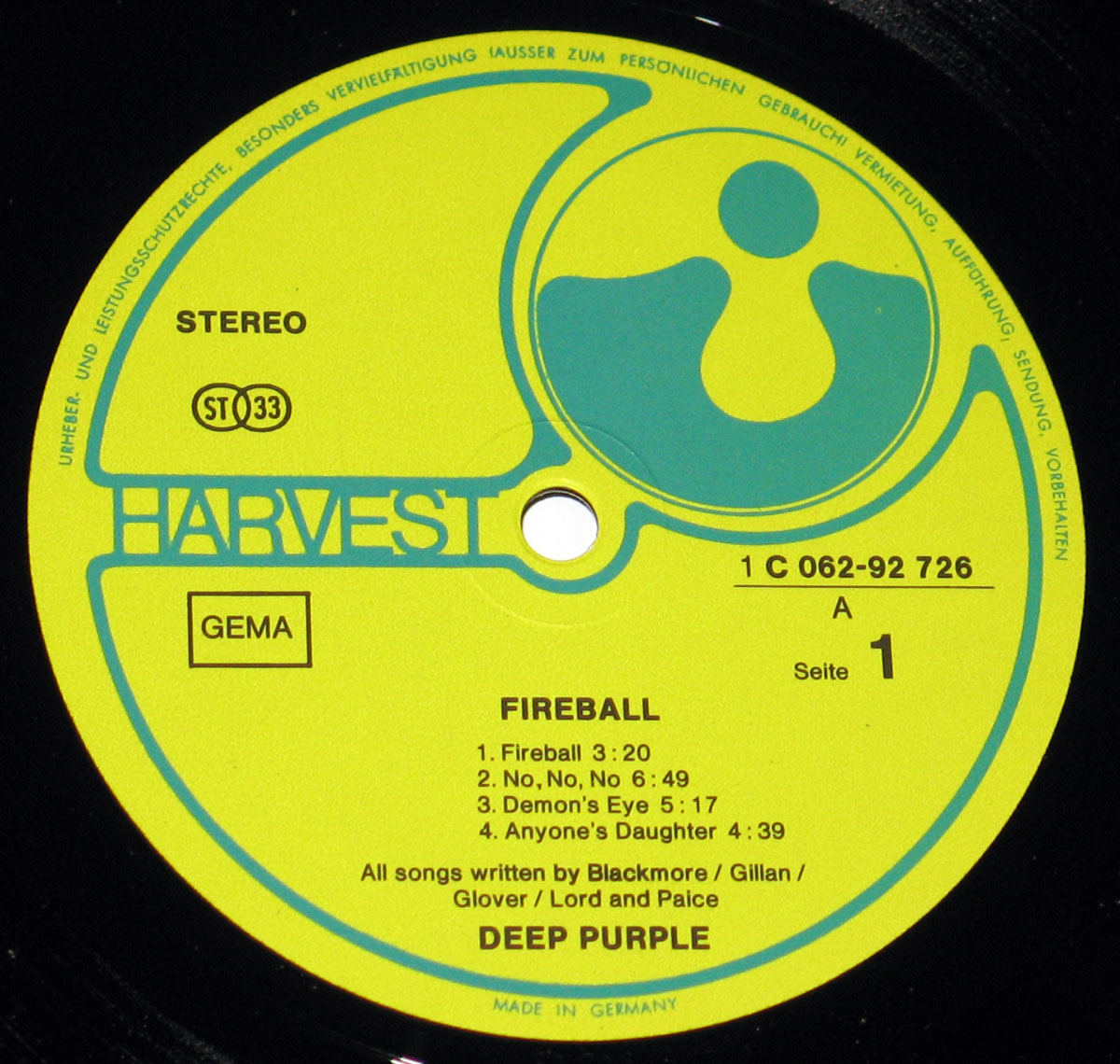
‘Demon’s Eye,’ included on this European version in place of ‘Strange Kind of Woman,’ showcases Deep Purple’s bluesier side. Its brooding groove and sharp-edged lyrics highlight Ritchie Blackmore’s precision guitar work and Ian Gillan’s emotive vocals. The choice of track reflects the band’s adaptability, tailoring releases to regional tastes. In contrast, ‘Strange Kind of Woman,’ found on other versions, delivers a more mainstream appeal with its singable melody and playful energy.
‘Amidst the experimentation lies the whimsical ‘Anyone’s Daughter,’ a tongue-in-cheek foray into country-tinged rock. Its playful narrative and acoustic textures contrast sharply with the heavier tracks, revealing the band’s willingness to break expectations. This eclecticism might have sparked debate among fans and critics, but it underscores Deep Purple’s refusal to be boxed into a singular sound.
Side two plunges into darker, more atmospheric territory. ‘The Mule’ offers a hypnotic showcase of Ian Paice’s drumming prowess, while ‘Fools’ builds layers of intensity, moving from a haunting opening to a climactic crescendo. Closing the album, ‘No One Came’ is a gritty anthem of disillusionment, its sardonic lyrics paired with Jon Lord’s swirling keyboards and Roger Glover’s pulsating bass lines. The track feels like a summation of the album’s themes: restless creativity, defiance, and introspection.
Controversies: Experimentation Divides Opinion
While Fireball was undeniably bold, it was not without its detractors. Critics and fans debated the inclusion of tracks like ‘Anyone’s Daughter,’ which some felt strayed too far from the band’s hard rock roots. Others criticized the lack of a unifying theme, pointing to its eclectic nature as a potential weakness. Yet, for many, these very elements elevated the album, illustrating Deep Purple’s versatility and willingness to take risks.
Production and Recording: The Architects of Sound
Fireball owes much of its character to the production team of Martin Birch, Lou Austin, and Alan O’Duffy. Recorded at various studios, including De Lane Lea and Olympic Studios in London, the album captures a raw yet polished sound that became a hallmark of Birch’s later work with bands like Iron Maiden. Birch’s meticulous attention to detail ensured that each track retained its individuality while contributing to the album’s overall impact.
The Band: A Cohesive Force
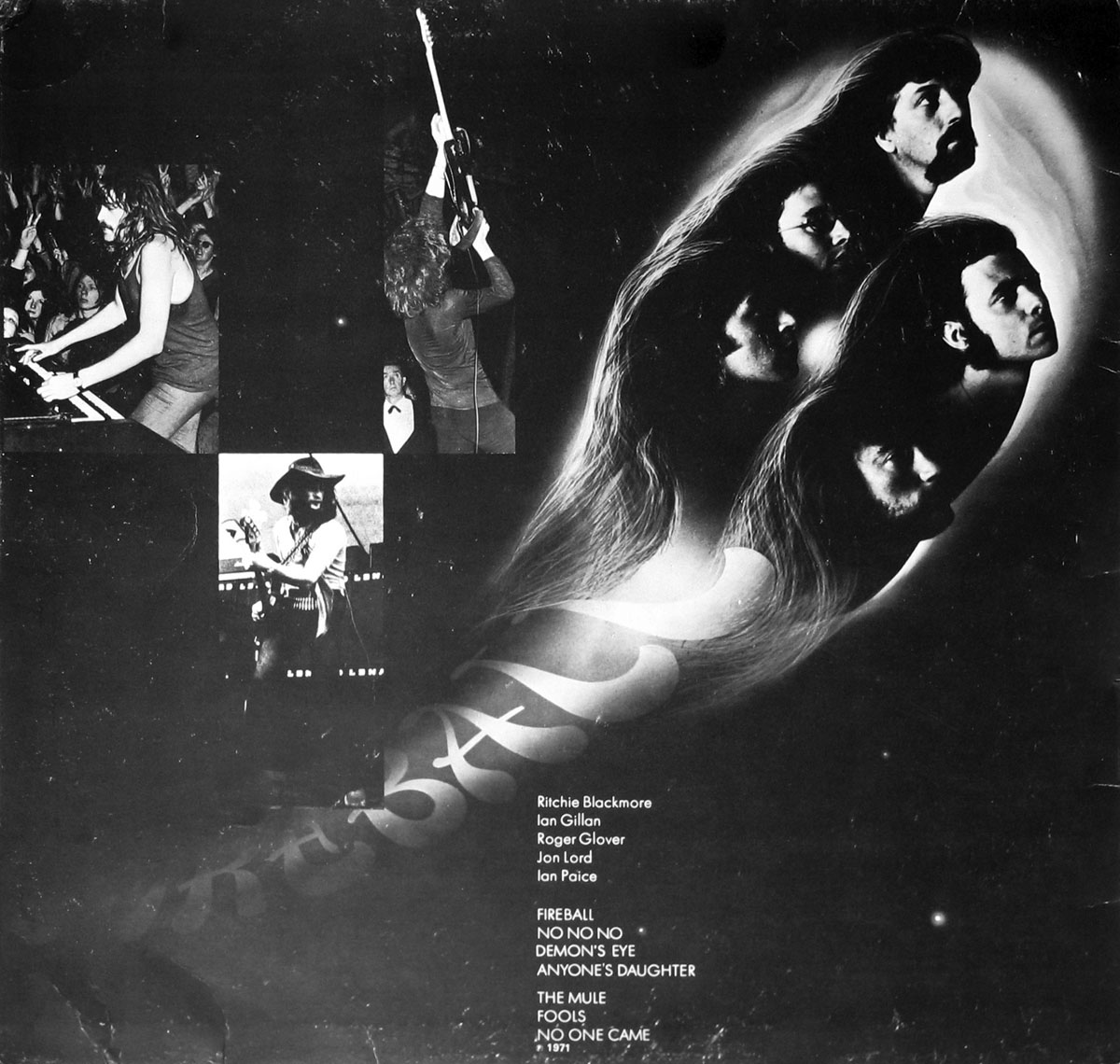
The interplay among the band members on Fireball is nothing short of extraordinary. Ritchie Blackmore’s guitar work oscillates between searing solos and intricate rhythms, while Ian Gillan’s vocal range—shifting from delicate nuances to ear-piercing screams—anchors the album’s emotional core. Roger Glover’s bass lines provide a steady backbone, complementing Jon Lord’s genre-defying keyboard work, which seamlessly transitions between classical influences and hard rock aggression. Ian Paice, as always, delivers a masterclass in drumming, pushing the boundaries of what rhythm could achieve in rock music.
Differences in Releases: Regional Variations
The European version of Fireball, featuring ‘Demon’s Eye’ instead of ‘Strange Kind of Woman,’ reflects Deep Purple’s understanding of their diverse audience. ‘Demon’s Eye’ carries a darker, more introspective tone, which resonated with European fans, contrasting the lighter, more accessible vibe of ‘Strange Kind of Woman.’ This decision highlights the band’s adaptability and strategic approach to their global presence.


.jpg)