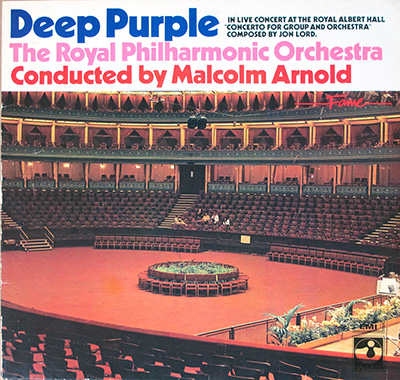
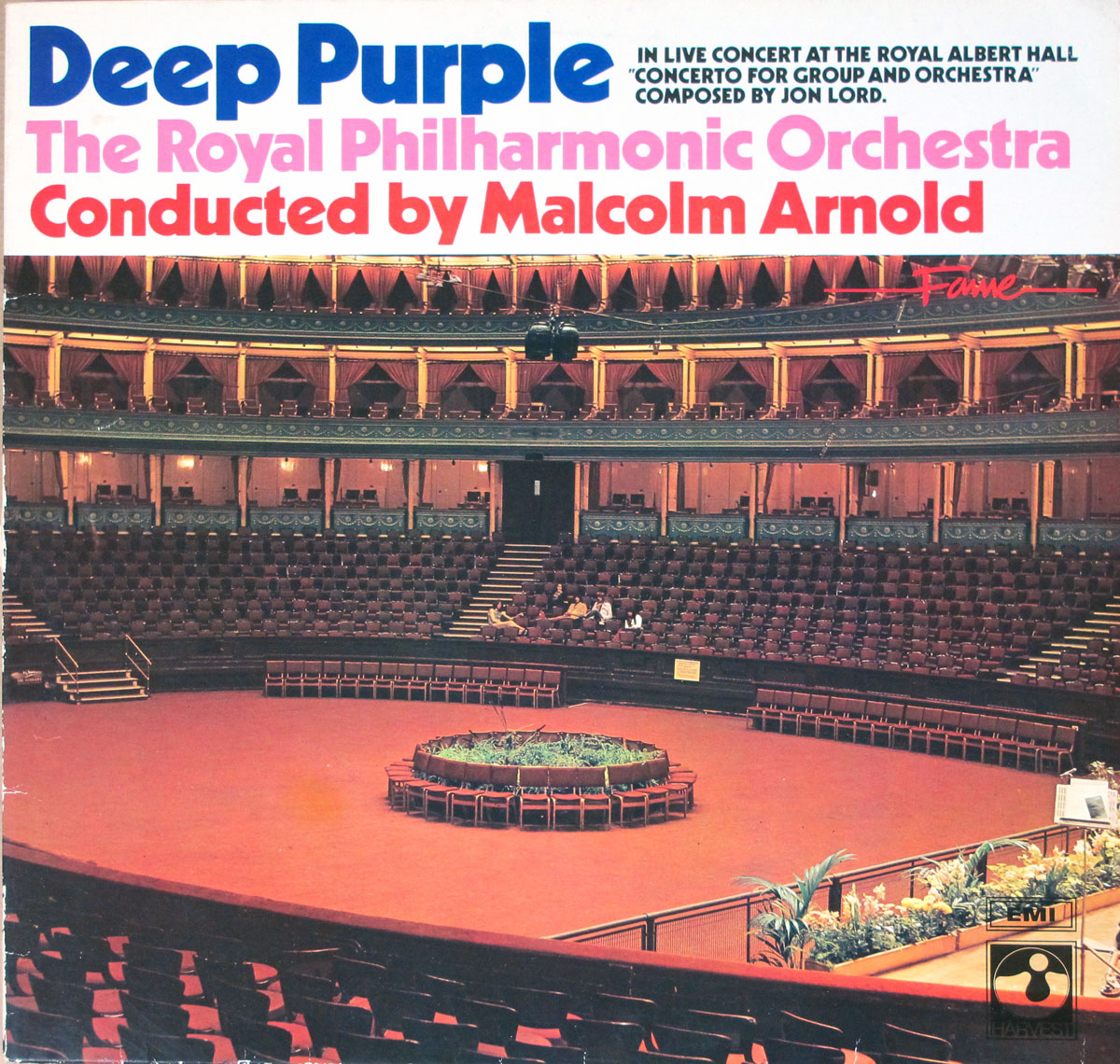
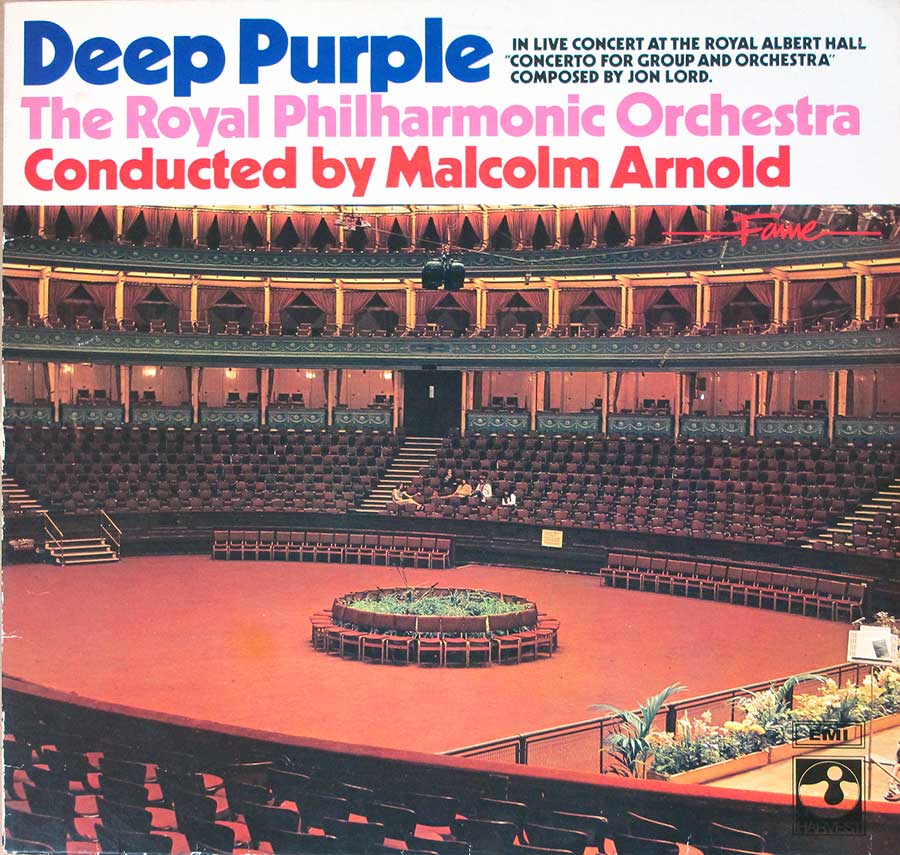
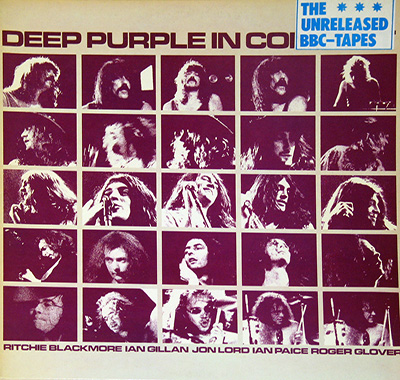
Deep Purple, the unruly hellions of British hard rock, weren't exactly known for their refined tastes. Yet, in 1969, they dared to share a stage with the Royal Philharmonic Orchestra, a collision of worlds that could have easily resulted in a train wreck of epic proportions. Instead, this daring experiment captured on the "In Concert" album, became a landmark moment in music history, a testament to the band's ambition and a glimpse into the future of rock.
Setting the Stage: A Time of Experimentation and Excess
The late '60s were a time of unprecedented musical exploration. The boundaries between genres were blurring, and artists were eager to push the envelope. Deep Purple, fresh off the success of their "Hush" single, were hungry for new challenges. Enter Jon Lord, the band's classically trained keyboardist, with a burning desire to merge his love for Bach and Beethoven with the raw power of rock and roll.
The Concerto for Group and Orchestra: A Bold Fusion of Sounds
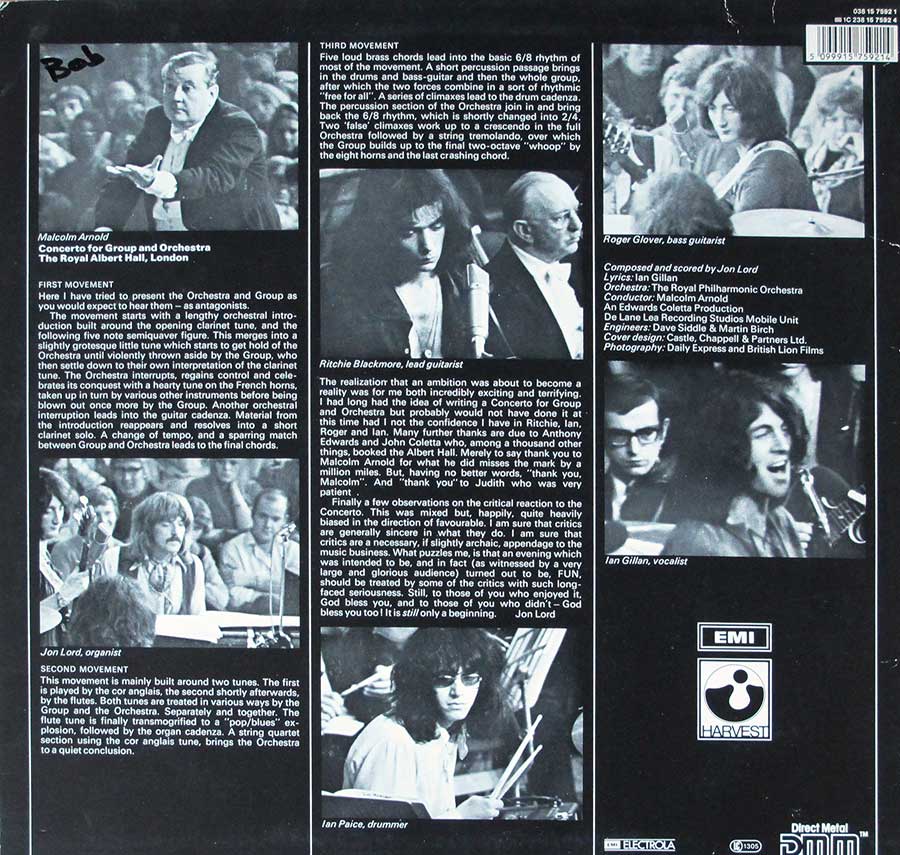
Lord's ambitious composition, the "Concerto for Group and Orchestra," formed the centerpiece of the concert. This groundbreaking work, a three-movement exploration of musical possibilities, was a bold fusion of classical orchestration and rock and roll energy. It was a daring gamble, but one that paid off spectacularly.
A Night to Remember: Deep Purple's Triumph
The concert, held at London's prestigious Royal Albert Hall, was a night to remember. The band, led by the charismatic Ian Gillan and the guitar heroics of Ritchie Blackmore, delivered a blistering performance, their raw power amplified by the orchestra's majestic swells. The "Concerto" was a revelation, its intricate arrangements and soaring melodies showcasing the band's musical depth. The album also featured electrifying renditions of fan favorites like "Hush" and "Wring That Neck," further cementing Deep Purple's status as a force to be reckoned with.
A Glimpse into the Future: The Birth of a New Genre
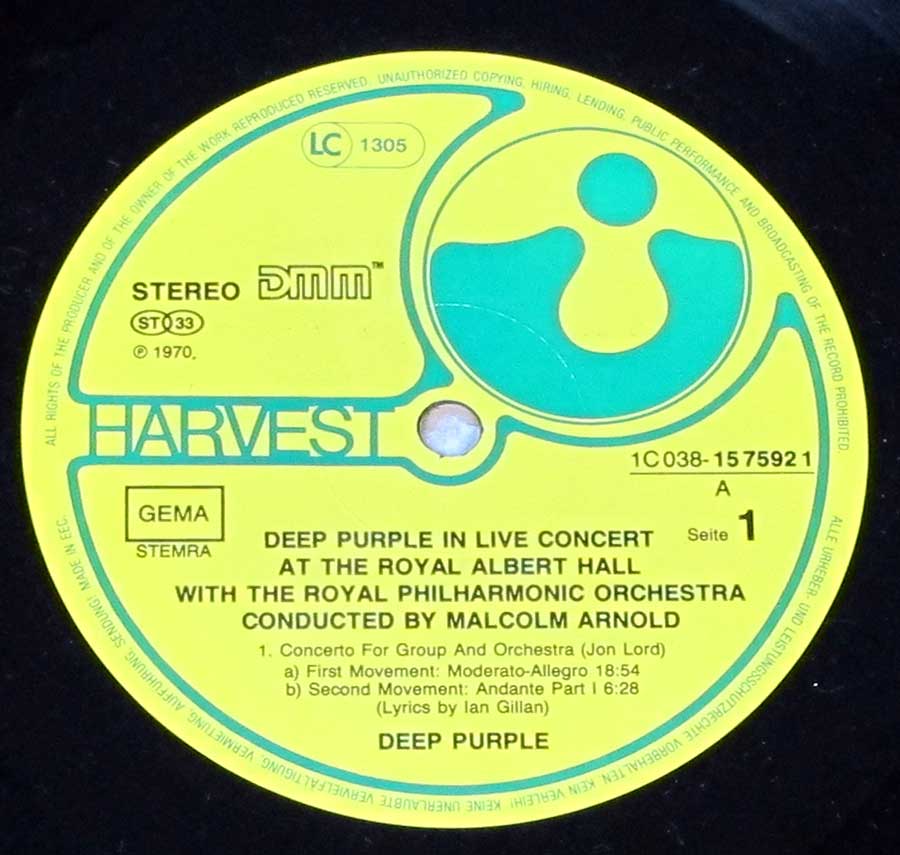
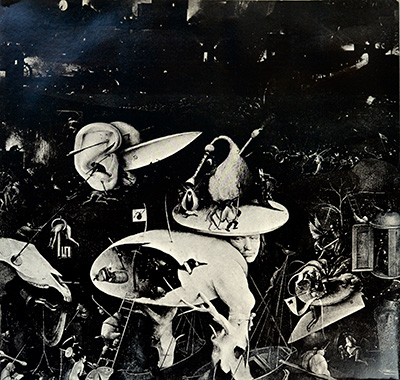
The "In Concert" album, released in 1970, captured the magic of that night. It wasn't just a live album; it was a manifesto, a declaration that rock and roll could be so much more than three-chord anthems and mindless hedonism. It paved the way for a new genre, symphonic rock, inspiring countless bands to explore the possibilities of orchestral arrangements. The album's success also demonstrated the potential for rock bands to reach new audiences and achieve critical acclaim in unexpected ways.
The Aftermath: A Legacy of Innovation
While the "Concerto" was initially met with mixed reactions from both classical and rock purists, its impact on music history is undeniable. It opened doors, challenged conventions, and expanded the horizons of rock and roll. Deep Purple, once dismissed as mere noisemakers, had proven their musical prowess and earned their place among the greats. The album's influence can be heard in the works of artists as diverse as Metallica, Muse, and Yngwie Malmsteen, solidifying its legacy as a pioneering work.

.jpg)