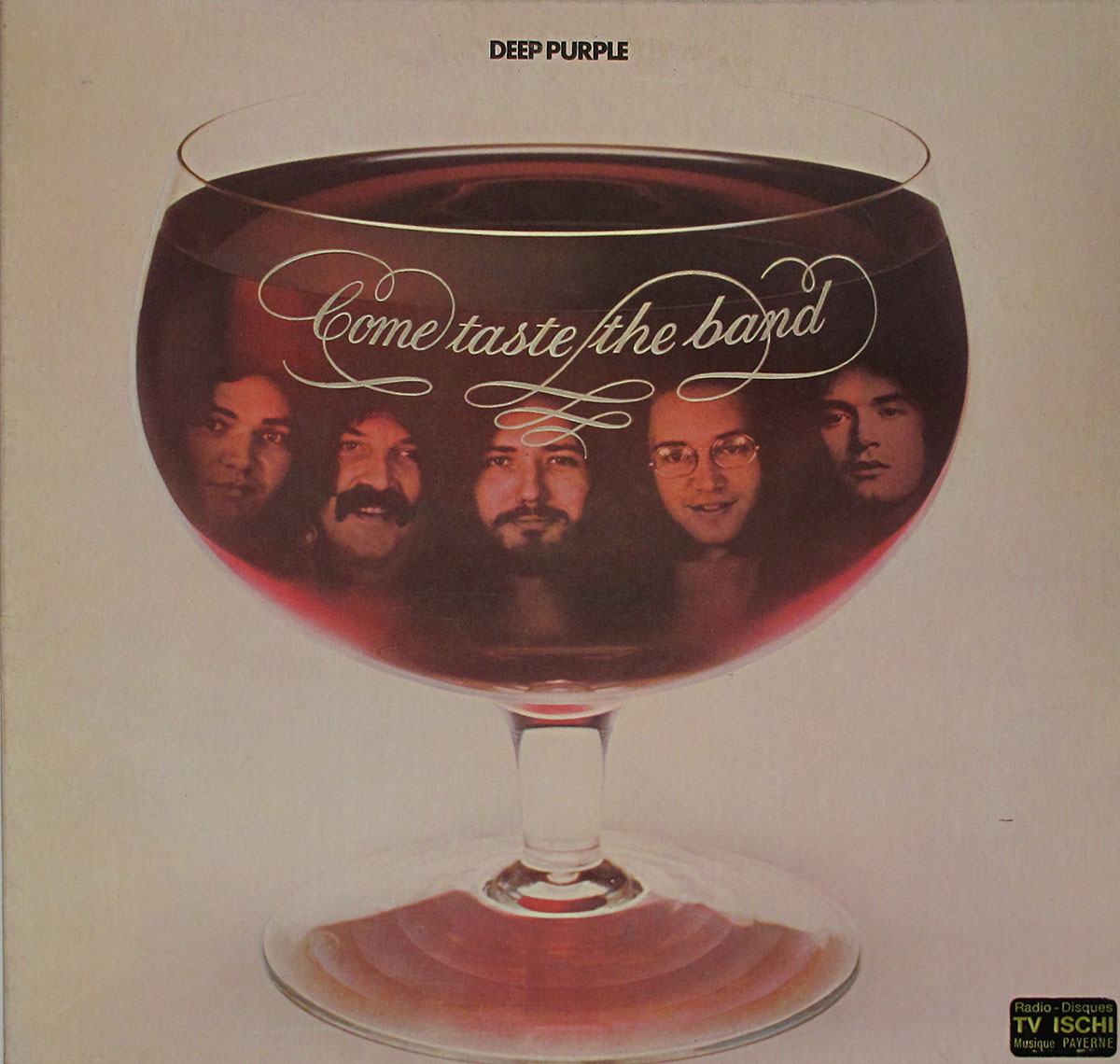
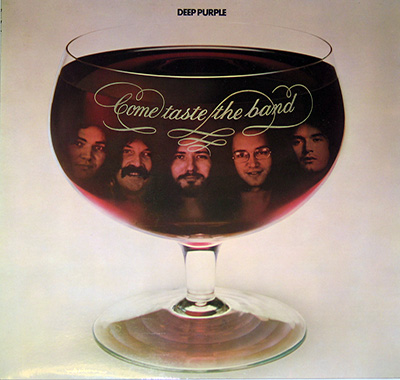
Deep Purple's "Come Taste the Band," a 1975 sonic snapshot of a band in flux, remains a controversial and captivating entry in their vast discography. Arriving hot on the heels of Ritchie Blackmore's departure, the album marked the debut of Tommy Bolin, a guitarist with a penchant for blues-infused rock and a burgeoning funk sensibility. This infusion of fresh blood, while initially promising, ultimately proved to be a double-edged sword.
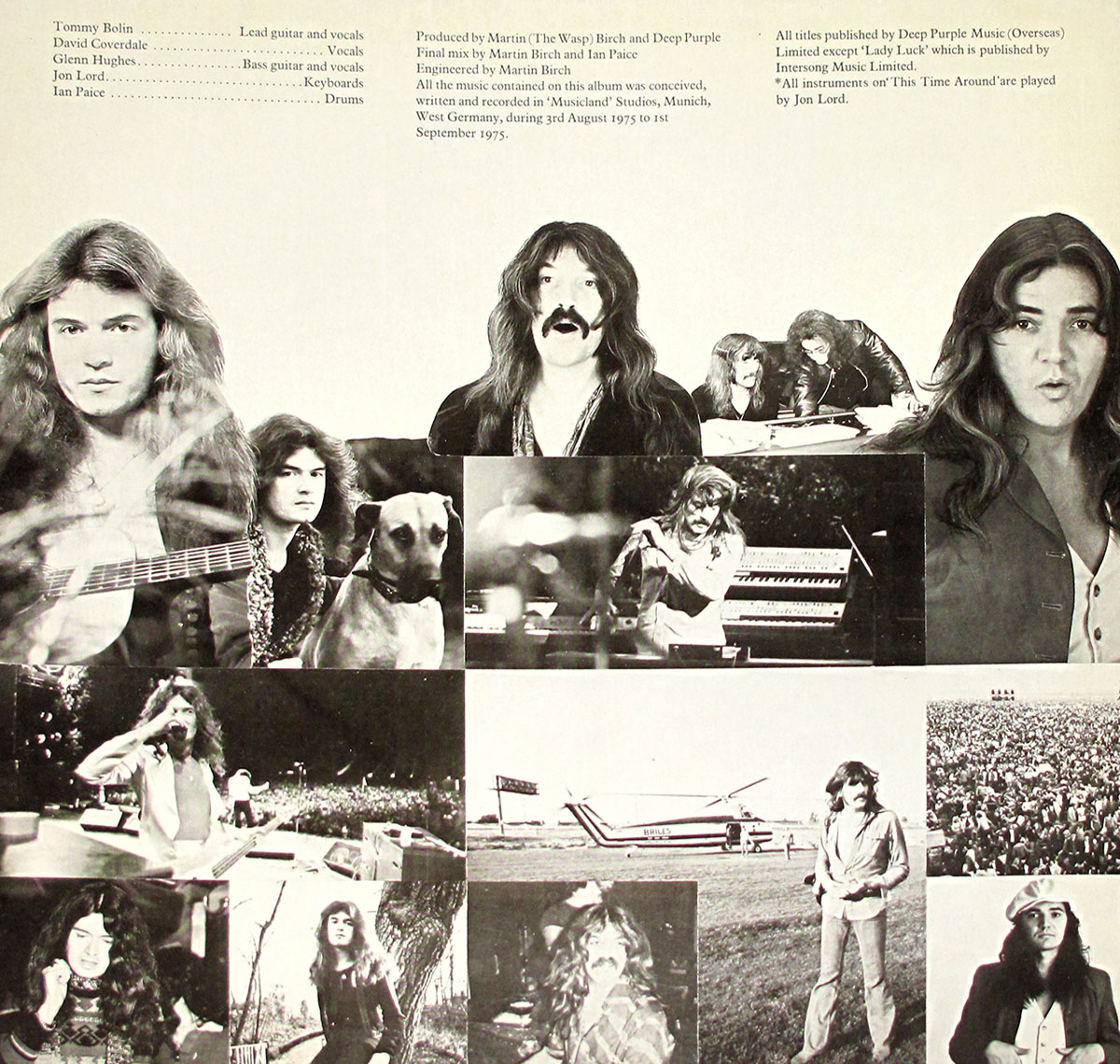
Recorded in the heart of Munich's Musicland Studios, the album serves as a time capsule of the mid-70s rock scene, rife with experimentation and a willingness to push boundaries. Under the watchful eye of producer Martin Birch, known for his work with the likes of Black Sabbath and Fleetwood Mac, Deep Purple embarked on a sonic journey that veered away from their hard rock roots and delved into funk, soul, and even progressive rock territories.
This stylistic departure was met with mixed reactions from fans and critics alike. Some lauded the band's willingness to evolve and embrace new sounds, while others lamented the loss of their signature sound. Bolin's guitar work, while technically impressive, often felt at odds with the band's established sound, leading to a sense of disjointedness throughout the album. This contrast between Bolin's style and Deep Purple's established identity became a focal point for discussions and debates among fans, further solidifying the album's controversial status.
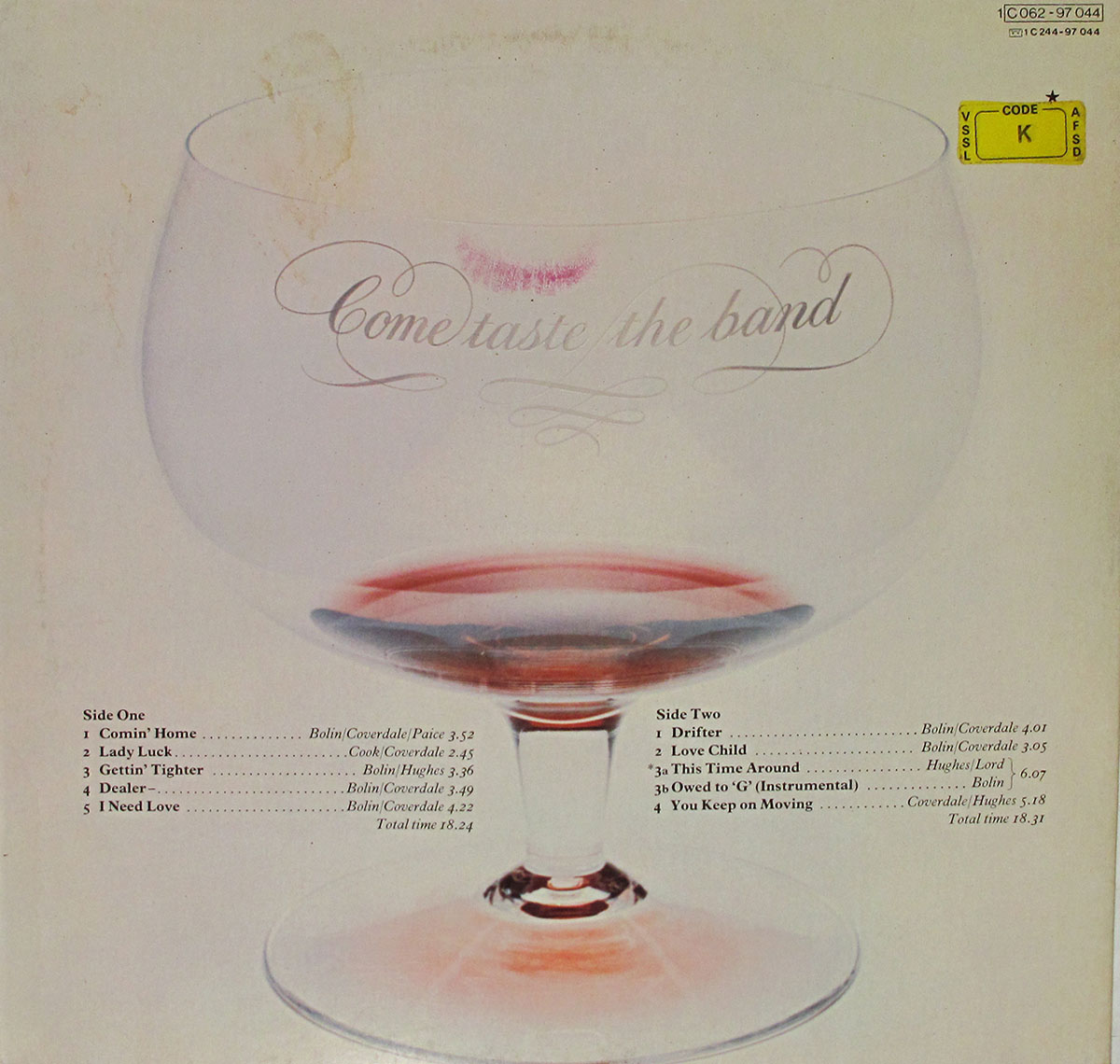
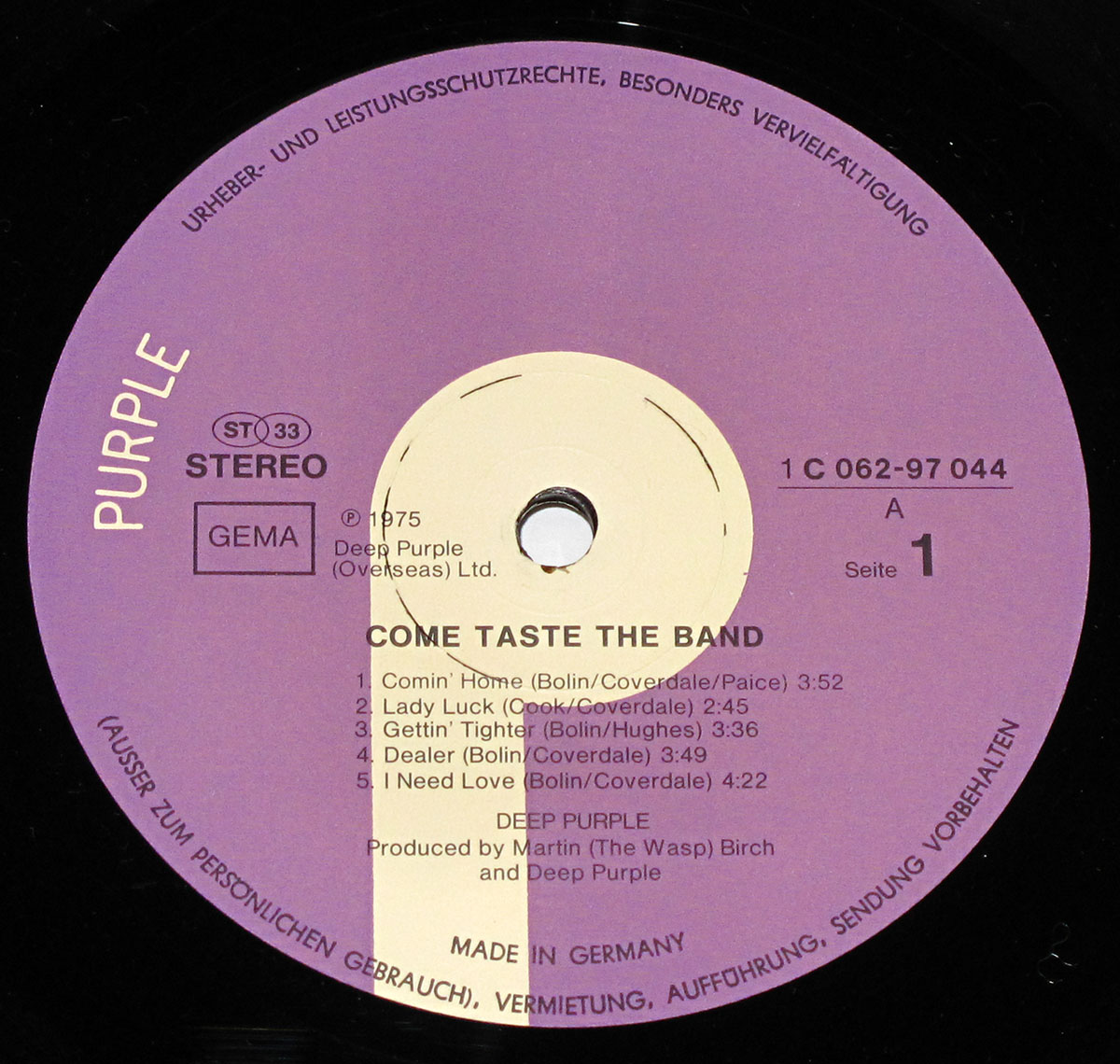
Despite its flaws, "Come Taste the Band" remains a fascinating document of a band in transition. Tracks like "Gettin' Tighter" showcase the band's newfound funkiness, driven by Glenn Hughes' soulful vocals and a pulsating rhythm section, which quickly became a fan favorite for its infectious groove. The album's closer, "You Keep on Moving," a sprawling, seven-minute epic, hints at the band's progressive rock aspirations, featuring intricate arrangements and David Coverdale's emotive vocals. These two tracks in particular have become emblematic of the album's unique sound and have sparked countless discussions about their place in Deep Purple's discography.
While the album may not reach the dizzying heights of earlier Deep Purple releases, it offers a glimpse into a band unafraid to take risks and explore new musical avenues. It serves as a reminder that even the most iconic bands are not immune to change, and that sometimes, the most interesting results are found in the most unexpected places. "Come Taste the Band" is a testament to Deep Purple's enduring spirit and their unwavering commitment to pushing the boundaries of rock music, even if it meant alienating some of their fanbase. Its legacy continues to spark debate and intrigue, making it a must-listen for any Deep Purple fan or anyone interested in the evolution of rock music in the mid-70s.






.jpg)