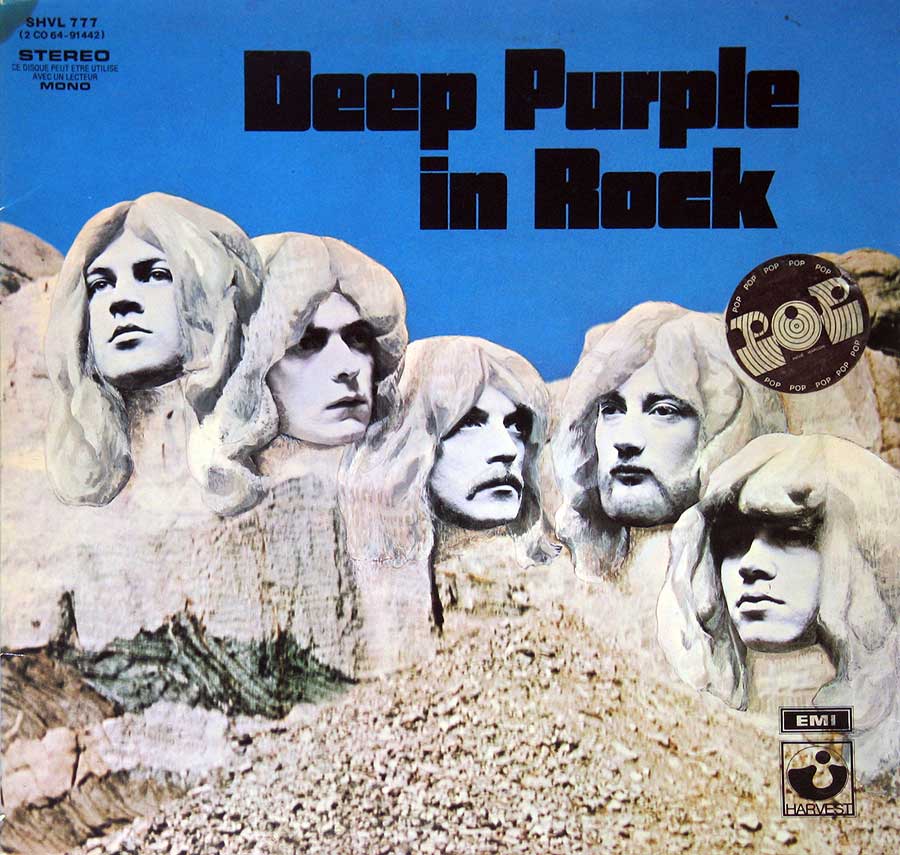
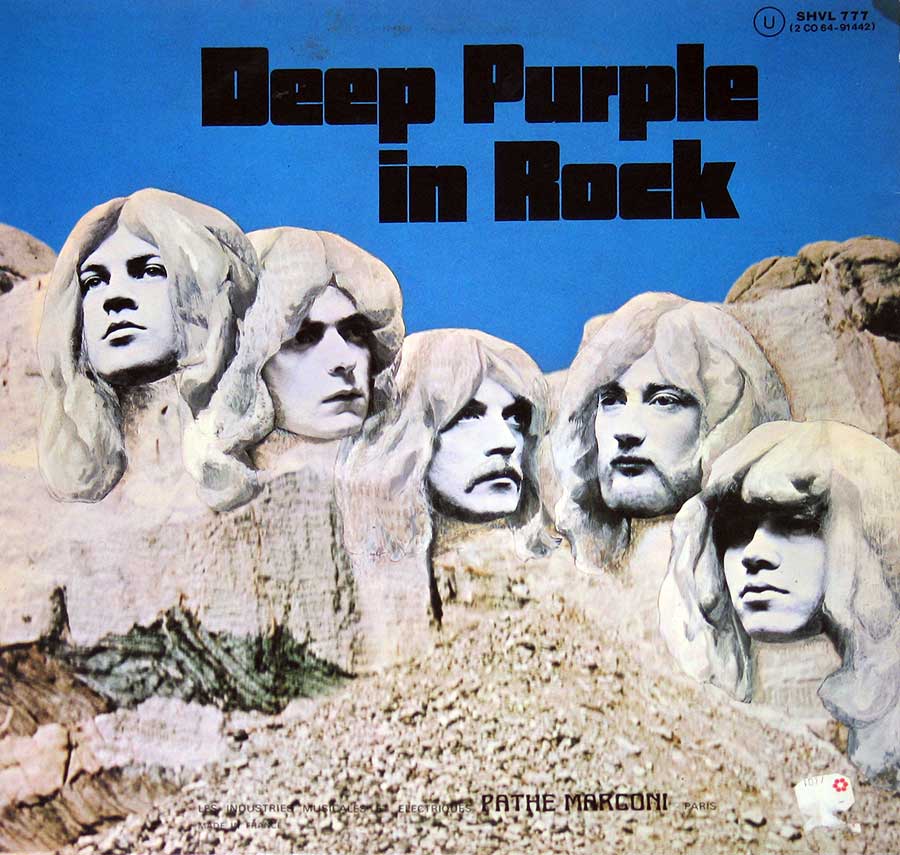
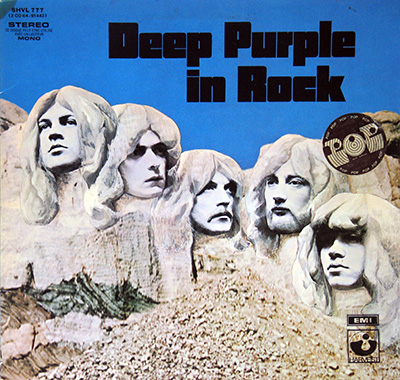
In the smoldering ashes of the psychedelic 60s, a new beast was stirring. A behemoth forged in the fires of hard rock, blues, and a touch of classical bombast, Deep Purple's "In Rock" (1970) wasn't just an album – it was a declaration of war. A war waged against the flower-power peace signs and a rallying cry for a generation yearning for something louder, heavier, and unapologetically raw.
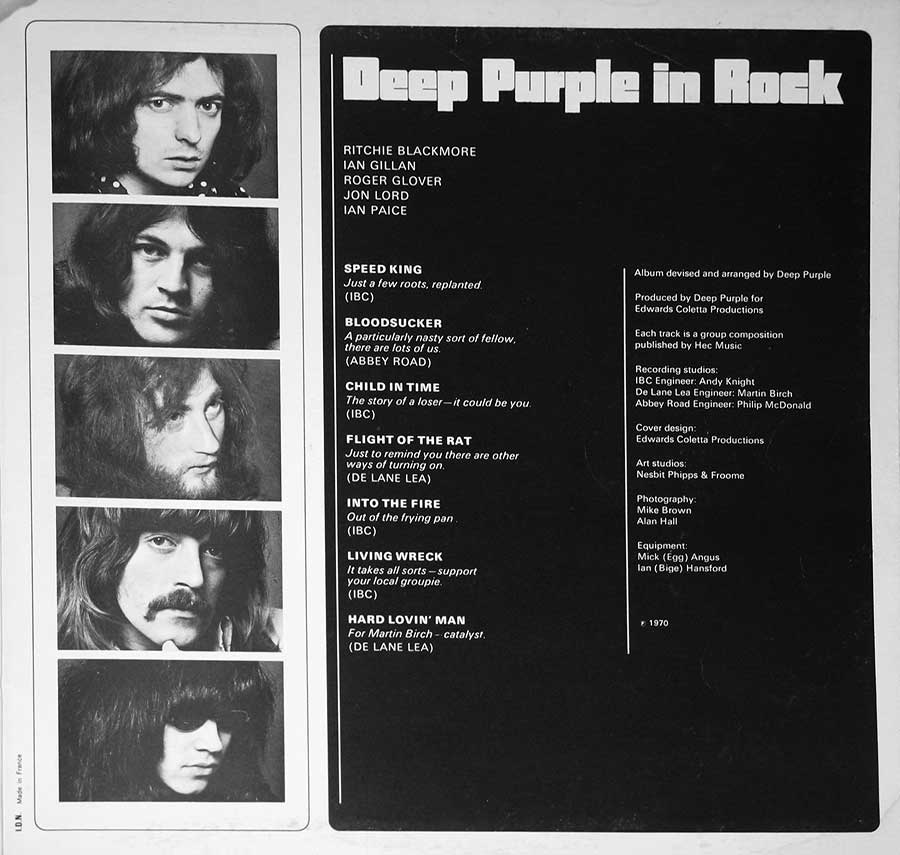
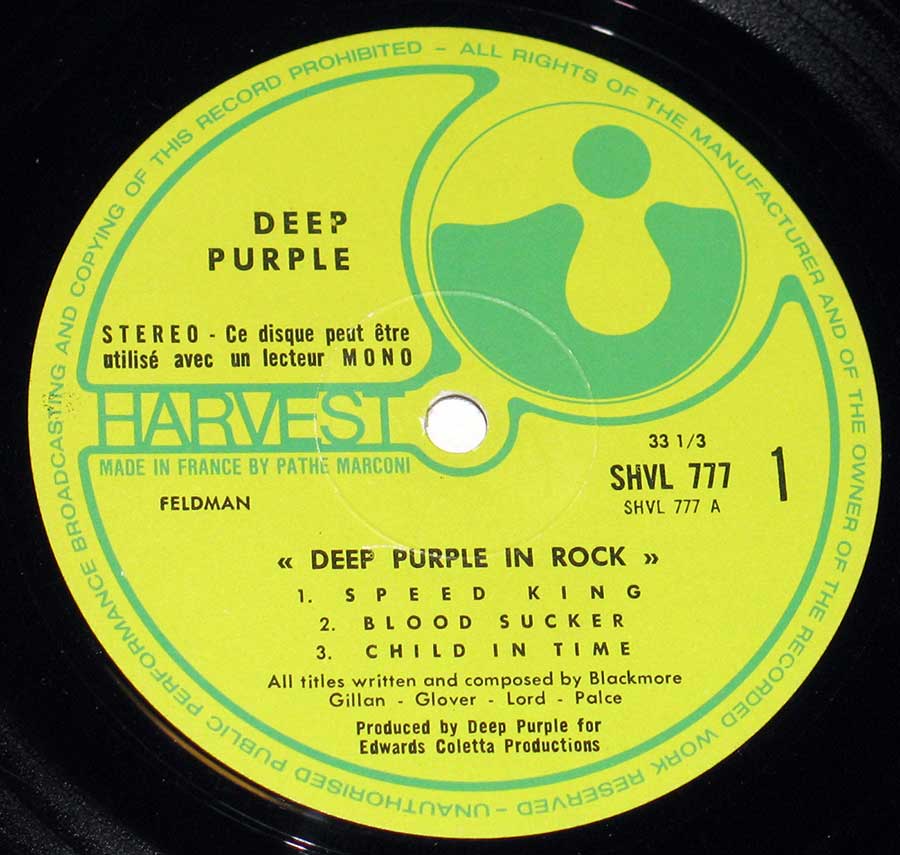
The French gatefold LP, a relic of a bygone era, is more than just a collector's item; it's a portal to a sonic maelstrom. Peel back the cardboard and you're not just dropping the needle on vinyl, you're unleashing a primal scream that echoed through the decade.
In the historical context of a music scene still reeling from the aftershocks of Woodstock and the tragic demise of Jimi Hendrix, "In Rock" was a defiant middle finger to the establishment. It was a time when rock music was at a crossroads, flirting with progressive experimentation and flirting with the nascent sounds of heavy metal. Deep Purple planted their flag firmly in the latter, and "In Rock" became a cornerstone of the genre.
The album isn't just a collection of songs; it's a journey through a musical landscape as diverse as it is volatile. From the opening salvo of "Speed King," a blistering blues-rock odyssey, to the epic organ-fueled odyssey of "Child in Time," a track that became an instant classic and a showcase for Ian Gillan's incredible vocal range, Deep Purple showcased their instrumental prowess and their willingness to push boundaries. This willingness to experiment led them to incorporate classical elements into their music, most notably in "Child in Time," where a Bach-inspired organ riff sets the stage for the song's dramatic build-up and cathartic release.
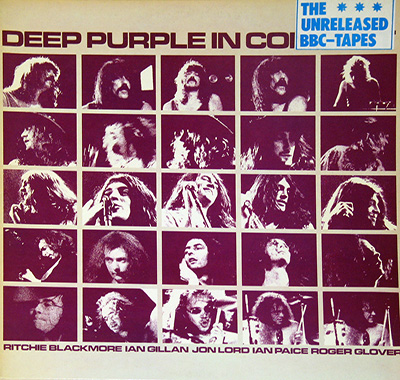
Ritchie Blackmore's guitar riffs were like lightning bolts, searing through the speakers with a ferocity that hadn't been heard before. His solos on tracks like "Flight of the Rat" and "Hard Lovin' Man" solidified his status as a guitar hero. Jon Lord's organ solos were a force of nature, a sonic tsunami that could sweep you away in an instant. His mastery of the Hammond organ added a unique texture and depth to the band's sound. Ian Gillan's vocals were a banshee wail, a primal scream that could shatter glass and pierce your soul. His ability to seamlessly transition from a soaring falsetto to a guttural growl made him one of the most distinctive and powerful vocalists of his era.
The rhythm section, comprised of Roger Glover on bass and Ian Paice on drums, provided a rock-solid foundation for the band's musical explorations. Their tight interplay and dynamic grooves drove the music forward with an unstoppable momentum.
The production, helmed by the band themselves alongside Martin Birch, captured the raw energy of their live performances. Recorded at various studios, including the hallowed halls of Abbey Road, the album's sound is both polished and visceral. It's a testament to their commitment to capturing the essence of their music without sacrificing any of its power.
"In Rock" wasn't without its controversies. The lyrics, often cryptic and ambiguous, were sometimes accused of promoting violence and rebellion. But perhaps that was the point. Deep Purple weren't interested in singing about peace and love; they were channeling the anger and frustration of a generation disillusioned with the status quo. The album's raw power and rebellious spirit resonated with a generation of rock fans who were looking for something more than the peace and love anthems of the previous decade.
In the grand tapestry of rock history, "In Rock" is a bold and unapologetic stroke. It's a testament to the power of music to challenge, provoke, and inspire. It's an album that continues to resonate with listeners today, a reminder that rock
.jpg)