LED ZEPPELIN Complete Vinyl Discography and Album Cover Gallery

This is the complete vinyl discography of LED ZEPPELIN and lists all albums of LED ZEPPELIN released on vinyl LP, click on the links of the album--name to see the complete details of each record This page will help you to correctly identify variations of "led Zeppelin" albums. For each album in my virtual collection you will find specific information to identify and classify them.

Photo of Led Zeppelin United Kingdom
Led Zeppelin: an Introduction

Led Zeppelin isn’t just a band name to me. It’s that heavy, warm air you get when the needle drops and the room suddenly feels smaller, like the speakers have opinions. Loud ones.

They came together in 1968, when Jimmy Page was done circling the wreckage of the Yardbirds and decided to build something that would actually bite back. He pulled in Robert Plant, John Bonham, and John Paul Jones and, yeah, it sounds neat in one sentence. It wasn’t neat. It was a controlled fire that kept finding fresh oxygen.

By the time the 1970s rolled in, they weren’t “rising” anymore. They were already there, taking up space. “Led Zeppelin III” hit in 1970 and it didn’t politely stick to one mood — it swerved, it wandered, it acted like the band had better things to do than obey genre borders.

1971 is where the myth really hardened. The untitled fourth album — the one people call “Led Zeppelin IV” because humans hate uncertainty — landed in November 1971, and “Stairway to Heaven” crawled out of it like a slow spell. It wasn’t even released as a single, which is either artistic purity or stubbornness, depending on how cynical you feel that day. Still took over the world anyway.

Live, they didn’t “set standards.” They stretched songs until they snapped into something else. Page would stitch riffs together like he was trying to outrun the clock. Bonham didn’t keep time so much as he shoved it down the stairs. And Jones — quietly lethal — filled the gaps so the whole thing didn’t fly apart.

“Houses of the Holy” followed in 1973, and this is where I start getting picky. I like the band most when they’re bold, not when they’re trying to be tasteful. Lucky for them, tastefulness was never their natural habitat.

Then “Physical Graffiti” arrived in 1975: a double album that doesn’t walk into the room, it kicks the door and checks if the hinges are real. It’s huge. It’s messy in the best way. It’s the sound of a band confident enough to leave fingerprints everywhere and not apologize for the smudges.

Late ’70s Zeppelin is where the legend gets complicated. More weight, more wear, more gravity. You can feel the miles. You can also feel how hard it is to keep being the loudest thing on earth without it costing you something.

And then the moment that still lands like a dull punch: John Bonham died on 25 September 1980. The band didn’t limp on with a replacement. They stopped. In December 1980, they made it official and called it. That choice is part of why the story still feels heavy.

The funny part is the 1980s still ended up full of Zeppelin, even without Zeppelin. Whole waves of hard rock and metal borrowed the blueprint — the swing, the size, the “let it breathe for a second” drama — and some of them never figured out the difference between copying the moves and having the nerve. I can love the records and still roll my eyes at the cult around them. Both things can be true. Deal with it.

References
  • Robert Plant – Lead Vocals

    Robert Plant, born August 20, 1948, is the iconic English frontman of Led Zeppelin, whose soaring vocals and magnetic stage presence helped define hard rock and heavy metal.

    Robert Plant rose to global fame as the voice of Led Zeppelin, shaping the sound of 1970s rock with his dynamic range and blues-infused power. After the band disbanded in 1980, he built a remarkably diverse solo career, exploring blues, folk, world music, and Americana. His willingness to evolve artistically rather than repeat past glories has secured his reputation as a restless innovator and enduring rock pioneer.

  • Jimmy Page – Guitars

    Jimmy Page, born January 9, 1944, is the legendary guitarist and sonic architect behind Led Zeppelin’s groundbreaking sound, famous for riffs that could level buildings and still somehow swing.

    Jimmy Page became rock royalty as Led Zeppelin’s guitarist, arranger, and studio mastermind, shaping the band’s huge 1970s sound with inventive riffs, layered textures, and a producer’s obsession for detail. His live performances mixed precision with danger, stretching songs into epic improvisations without losing the groove. After Led Zeppelin ended in 1980, Page stayed active through projects like The Firm and a run of high-profile collaborations, keeping his influence all over rock well into the 1980s and beyond. Even when he wasn’t on the radio every five minutes, his fingerprints were still on the genre’s DNA.

  • John Paul Jones – Bass Guitar

    John Paul Jones, born January 3, 1946, was Led Zeppelin’s quietly brilliant bassist and multi-instrumentalist, the man who added brains, depth, and unexpected color to the band’s colossal sound.

    While Page, Plant, and Bonham grabbed headlines, Jones built the architecture underneath them. His fluid basslines drove songs like “Ramble On,” while his keyboards and orchestral arrangements transformed tracks such as “No Quarter” into moody epics. Trained, disciplined, and endlessly curious, he brought a session musician’s precision to a band famous for excess. After Led Zeppelin ended in 1980, Jones expanded into production, film scoring, and adventurous collaborations, proving he was never just “the bass player.” His legacy rests in the details—the subtle moves that turned great riffs into fully realized compositions.

  • John Bonham – Drums

    John Bonham (1948–1980) was Led Zeppelin’s powerhouse drummer, whose thunderous attack and deep groove redefined what rock drumming could sound like in the 1970s.

    Bonham’s playing combined raw force with surprising finesse, turning tracks like “Moby Dick” and “When the Levee Breaks” into masterclasses in power and feel. He had that rare ability to sound both loose and absolutely locked in, swinging like a jazz drummer while hitting like a demolition crew. His massive bass drum tone and inventive fills became a blueprint for generations of hard rock and metal drummers. When he died in 1980, Led Zeppelin chose to end the band rather than replace him, a decision that says everything about how central he was to their sound. His legacy still echoes every time a drummer dares to hit hard and groove harder.

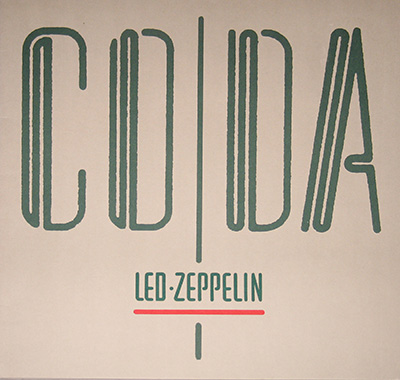
  • LED ZEPPELIN - Coda (Bonzo's Montreux!)
    LED ZEPPELIN - Coda (Bonzo's Montreux!) album front cover vinyl record

    Swan Song 790 051 , 1982 , Germany

    Coda is a collection of outtakes from various sessions during Led Zeppelin's twelve-year career and was released two years after the group had officially disbanded following the death of drummer John Bonham. The word coda, meaning a passage that ends a musical piece following the main body,

    - Coda (Bonzo's Montreux!) 12" Vinyl LP
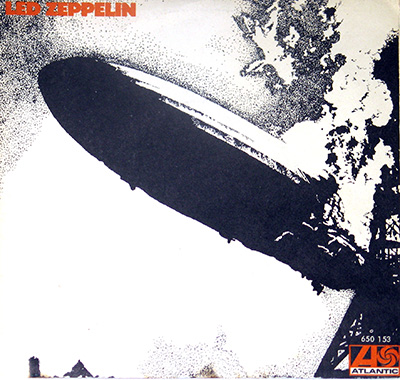
    LED ZEPPELIN - Good Times Bad Times b/w Communication Breakdown
    LED ZEPPELIN - Good Times Bad Times b/w Communication Breakdown album front cover vinyl record

      Atlantic 650153 , , France

    From the opening salvo of John Bonham's thunderous drumming, it was clear that Led Zeppelin was not here to play nice. Jimmy Page's guitar riff, a jagged, blues-infused lightning bolt, sliced through the mix with a ferocity that was both thrilling and slightly terrifying. Robert Plant's vocals,

    Good Times Bad Times b/w Communication Breakdown 7" Vinyl Single
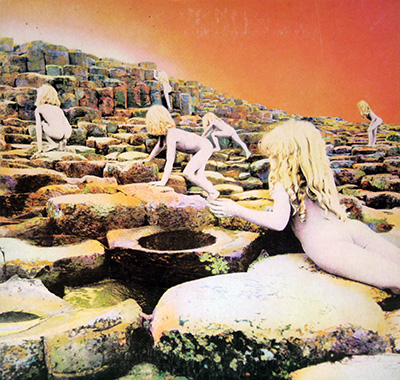
    LED ZEPPELIN - Houses Of The Holy
    LED ZEPPELIN - Houses Of The Holy album front cover vinyl record

    Atlantic ATL 50 014 , 1973 , France

    The title of the album, "Houses of the Holy", holds a special meaning for Led Zeppelin. It is a tribute to the fans who faithfully attended their concerts, which they fondly referred to as "Houses of the Holy". This dedication demonstrates the band's deep appreciation for their supporters

    Houses Of The Holy 12" Vinyl LP
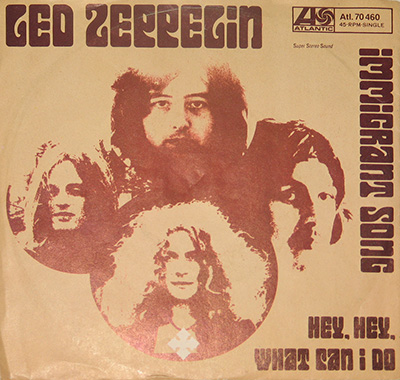
    LED ZEPPELIN - Immigrant Song b/w Hey, Hey what can i Do
    LED ZEPPELIN - Immigrant Song b/w Hey, Hey what can i Do album front cover vinyl record

      Atlantic ATL 70 460 , , Germany

    "Immigrant Song" exploded from speakers with the subtlety of a Viking raid. Robert Plant's banshee wail, a primal scream echoing across fjords and centuries, was the aural equivalent of setting fire to a longship and sailing it into battle. Jimmy Page's guitar, a howling blizzard of riffs

    Immigrant Song b/w Hey, Hey what can i Do 7" Vinyl Single
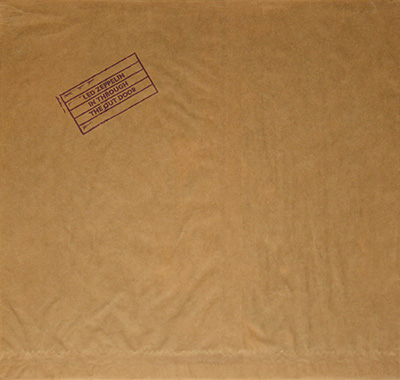
    LED ZEPPELIN - In Through The Out Door (European Releases) 12" Vinyl LP
    LED ZEPPELIN - In Through The Out Door (German Release) album front cover vinyl record

    Swan Song Records SS 59 410 , 1979 , Germany

    This original LP version of this album featured an unusual gimmick: the album had an outer sleeve which was made to look like a plain brown paper bag, and the LP record sleeve proper featured black and white line artwork which, if washed with a wet brush, would become permanently fully coloured.

    - In Through The Out Door (German Release) - In Through The Out Door (European Release)
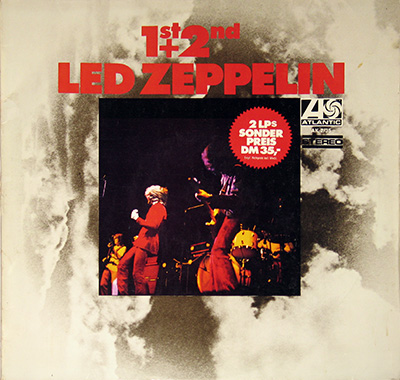
    LED ZEPPELIN - 1st + 2nd LED ZEPPELIN (Set of Two Albums)
    LED ZEPPELIN - 1st + 2nd LED ZEPPELIN (Set of Two Albums) album front cover vinyl record

      Atlantic AK 2/35   , 1970 , USA

    Led Zeppelin's debut and sophomore albums, released in the late 1960s, marked a transformative period in rock history. This rare "1st + 2nd Led Zeppelin" import/export edition for the German market adds exclusivity to their iconic status.

    1st + 2nd LED ZEPPELIN (Set of Two Albums) 12" Vinyl LP
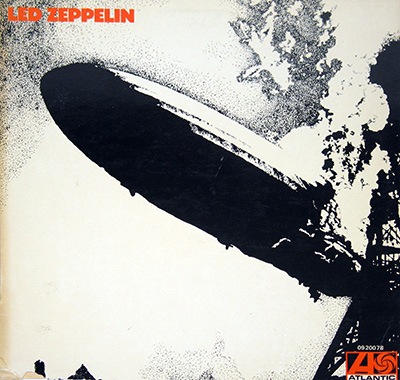
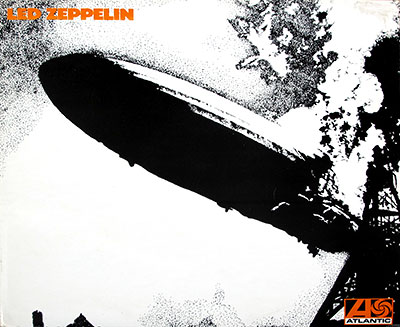
    LED ZEPPELIN I - Self-Titled First Album (International Releases) 12" Vinyl LP
    LED ZEPPELIN I - Self-Titled First Album (French Release) album front cover vinyl record

    Atlantic 0920078 / XBLY 0920078-1 , 1969 , France

    Led Zeppelin is the debut album of the English rock band Led Zeppelin. It was recorded in October 1968 at Olympic Studios in London and released on Atlantic Records on 12 January 1969 in the United States and 31 March 1969 in the United Kingdom.

    - LED ZEPPELIN I - Self-Titled (French Release) - LED ZEPPELIN I - Self-Titled (German Release) - -- LED ZEPPELIN I - Self-Titled (UK Release) - LED ZEPPELIN I - Self-Titled (USA Release)
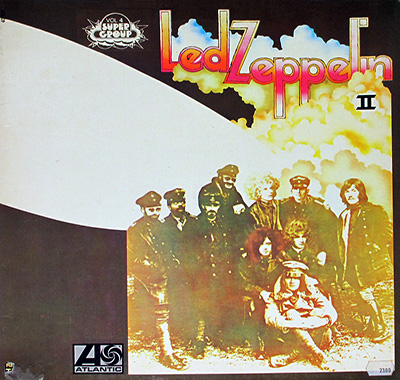
    LED ZEPPELIN - II (International Releases) 12" Vinyl LP
    LED ZEPPELIN - II (French Release, Super Group) album front cover vinyl record

    Atlantic , 1969 , France

    “Led Zeppelin II” is the second studio album by the English rock band Led Zeppelin, released in October 1969 on Atlantic Records. Recording sessions for the album took place at several locations in the United Kingdom and North America from January to August 1969.

    - LED ZEPPELIN - II (French Release) - LED ZEPPELIN - II (German Release) - LED ZEPPELIN - II (USA Release)
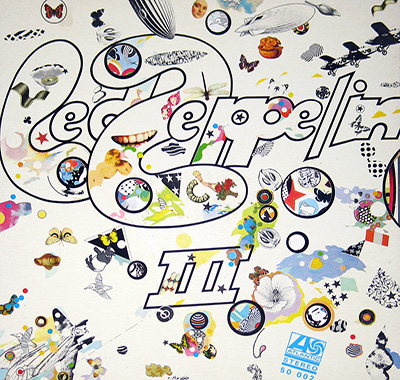
    LED ZEPPELIN - III (International Releases) 12" Vinyl LP
    LED ZEPPELIN - III Spinning Wheel Cover (French Release)
 album front cover vinyl record

    Atlantic 940.051  , 1970 , France

    "Led Zeppelin III" is the third album by the English rock band Led Zeppelin. It was recorded between January and July 1970 and released on 5 October 1970 by Atlantic Records. Composed largely at a remote cottage in Wales known as Bron-Yr-Aur, this work represented a maturing of the band's music

    - LED ZEPPELIN - III Spinning Wheel Cover (French Release) - LED ZEPPELIN - III Band Photo Cover (1st French Release) - LED ZEPPELIN - III Band Photo Cover (2nd French Release) - LED ZEPPELIN - III Spinning Wheel Cover (Gt Britain Release)
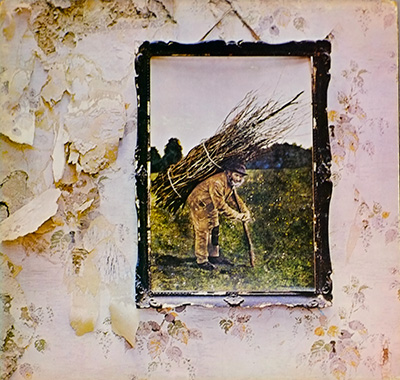
    LED ZEPPELIN - IV ZOSO (European Releases) 12" Vinyl LP
    LED ZEPPELIN - IV ZOSO (English Release) album front cover vinyl record

    Atlantic K 60008 / Superhype Music , 1971 , UK

    The musical style of Led Zeppelin IV is a dynamic blend of hard rock, blues, and folk influences, showcasing the band's unparalleled musicianship. The album opens with the iconic "Black Dog," a high-energy track featuring intricate guitar riffs and Robert Plant's distinctive vocals.

    LED ZEPPELIN - IV ZOSO (English Release) LED ZEPPELIN - IV ZOSO (French Release) LED ZEPPELIN - IV ZOSO (Spanish Release)
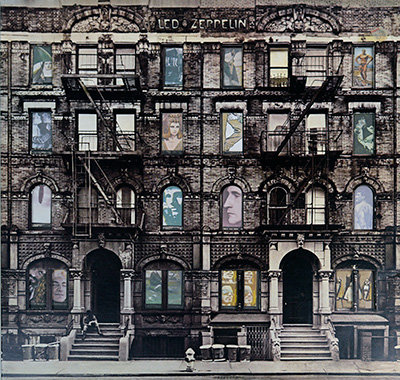
    LED ZEPPELIN - Physical Graffiti (European Releases) 12" Vinyl LP
    LED ZEPPELIN - Physical Graffiti (German/European Release)  album front cover vinyl record

    Swan Song – SSK 89 400 , 1975 , Germany & Europe

    "Physical Graffiti" is the sixth studio album by the English rock band Led Zeppelin, released on 24 February 1975 as a double album. Recording sessions for the album were initially disrupted when bassist/keyboardist John Paul Jones considered leaving the band.

    - Physical Graffiti European Release - Physical Graffiti German Release Physical Graffiti French Release
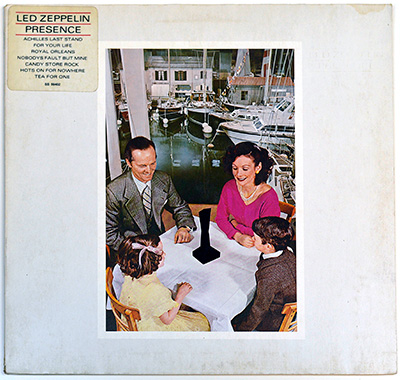
    LED ZEPPELIN - Presence (European Releases) 12" Vinyl LP
    LED ZEPPELIN - Presence (European Release)
 album front cover vinyl record

    Swan Song SSK 59 402 , 1976 , Europe

    "Presence" is Led Zeppelin's influential 1976 album, etching a sonic legacy in rock history. Released on Swan Song, the 12" vinyl LP features a distinctive Fold Open Cover by Hipgnosis. Led by Jimmy Page and producer Peter Grant, the album showcases meticulous sound engineering by Jeremy Gee

    - Presence (Germany and BIEM Countries) - Presence (German Release)
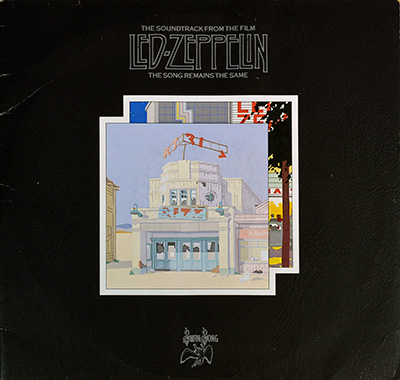
    LED ZEPPELIN - The Song Remain the Same (European Releases) 12" Vinyl LP
    LED ZEPPELIN - The Song Remain the Same (Belgian Release) album front cover vinyl record

    Swan Song - SS 89 402 , 1976 , Belgium

    Led Zeppelin's "The Song Remains the Same" 12" Vinyl LP, released in Belgium in 1976, encapsulates the essence of the band's live brilliance. Documenting iconic performances at Madison Square Garden in 1973, this Gatefold cover treasure, designed by Hipgnosis

    - The Song Remain the Same (Belgian Release) - The Song Remain the Same (German Release)