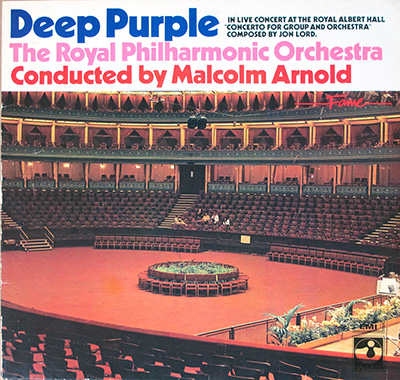
Deep Purple, the kings of sonic mayhem and purveyors of riff-heavy rock 'n' roll, weren't exactly known for their refined tastes. Yet, in 1969, they embarked on a daring experiment: a live performance at London's Royal Albert Hall with the Royal Philharmonic Orchestra. The result, captured on the 1970 "Concerto for Group and Orchestra" album, was a glorious collision of worlds, a sonic clash that redefined the boundaries of rock music.
A Symphony of Sweat and Electricity: Bridging the Divide
The late '60s were a time of sonic exploration, a psychedelic playground where genres were meant to be bent and broken. Deep Purple, hungry for new thrills after the success of "Hush," decided to take a leap of faith. Enter Jon Lord, the band's classically trained keyboardist, with a vision of merging the raw power of rock with the majesty of an orchestra. It was a risky proposition, a high-wire act that could have easily ended in disaster. However, this unexpected fusion of seemingly disparate genres intrigued fans and critics alike, creating a buzz around the project even before the album's release.
Concerto for Group and Orchestra: A Three-Movement Masterpiece
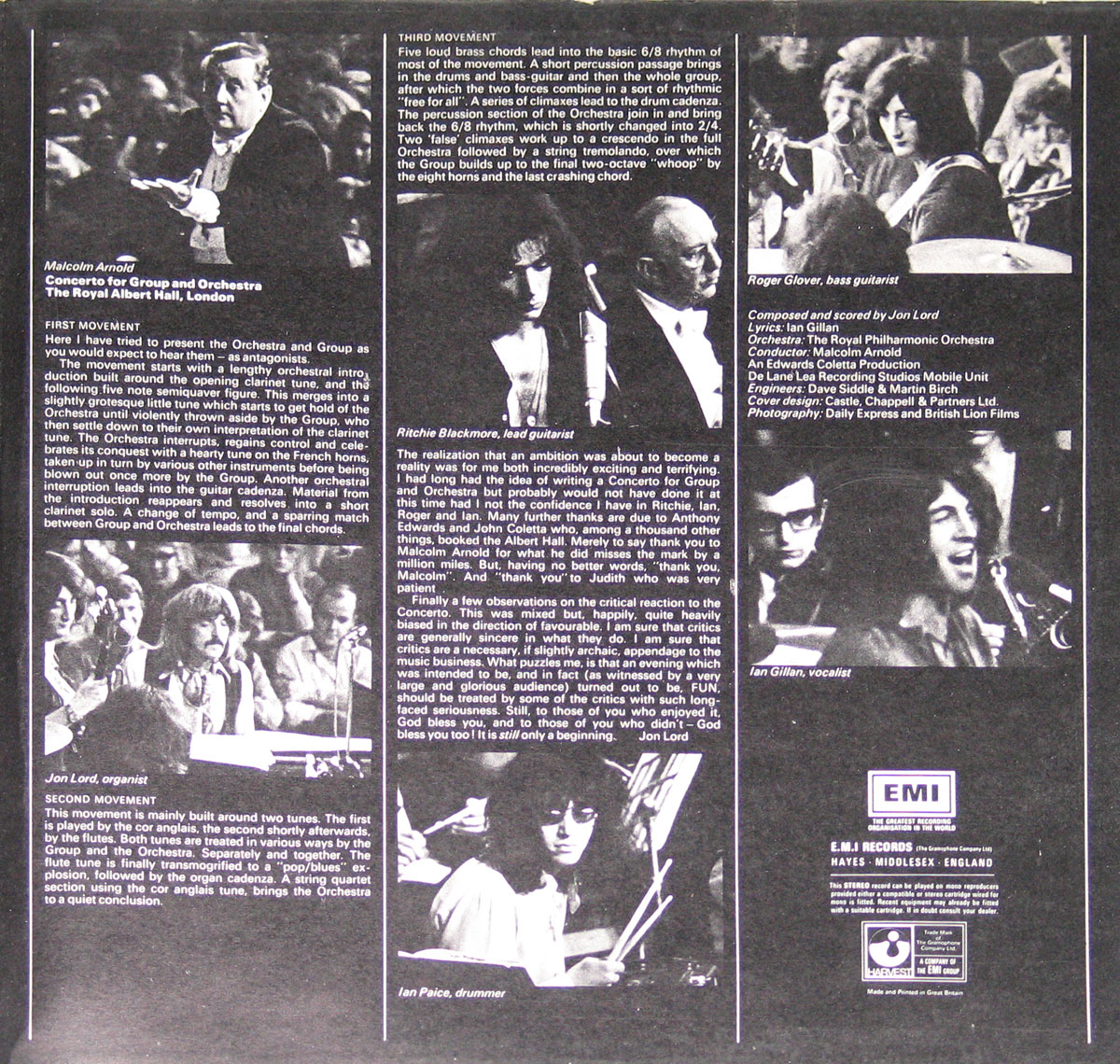
At the heart of this sonic experiment was Lord's ambitious "Concerto for Group and Orchestra." A sprawling, three-movement work, it was a testament to his compositional skills and a bold statement about the potential of rock music. The concerto, with its intricate arrangements and soaring melodies, was a sonic tapestry that defied categorization. It was a testament to the band's musical prowess and a challenge to the status quo. The concerto's second movement, featuring Ian Gillan's emotive vocals, became a particular highlight for fans, showcasing the band's ability to blend hard rock energy with orchestral grandeur.
Royal Albert Hall: A Night of Unbridled Energy
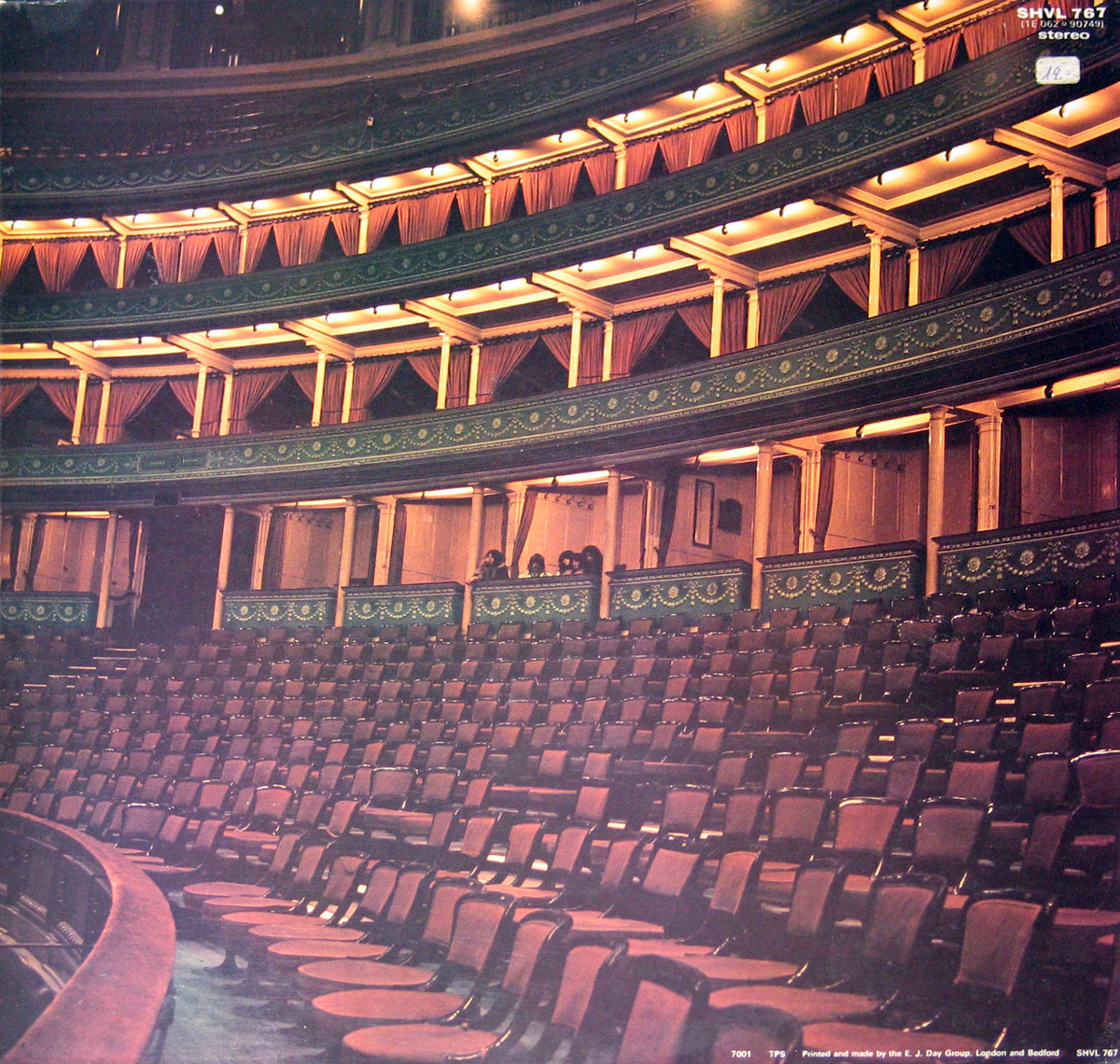
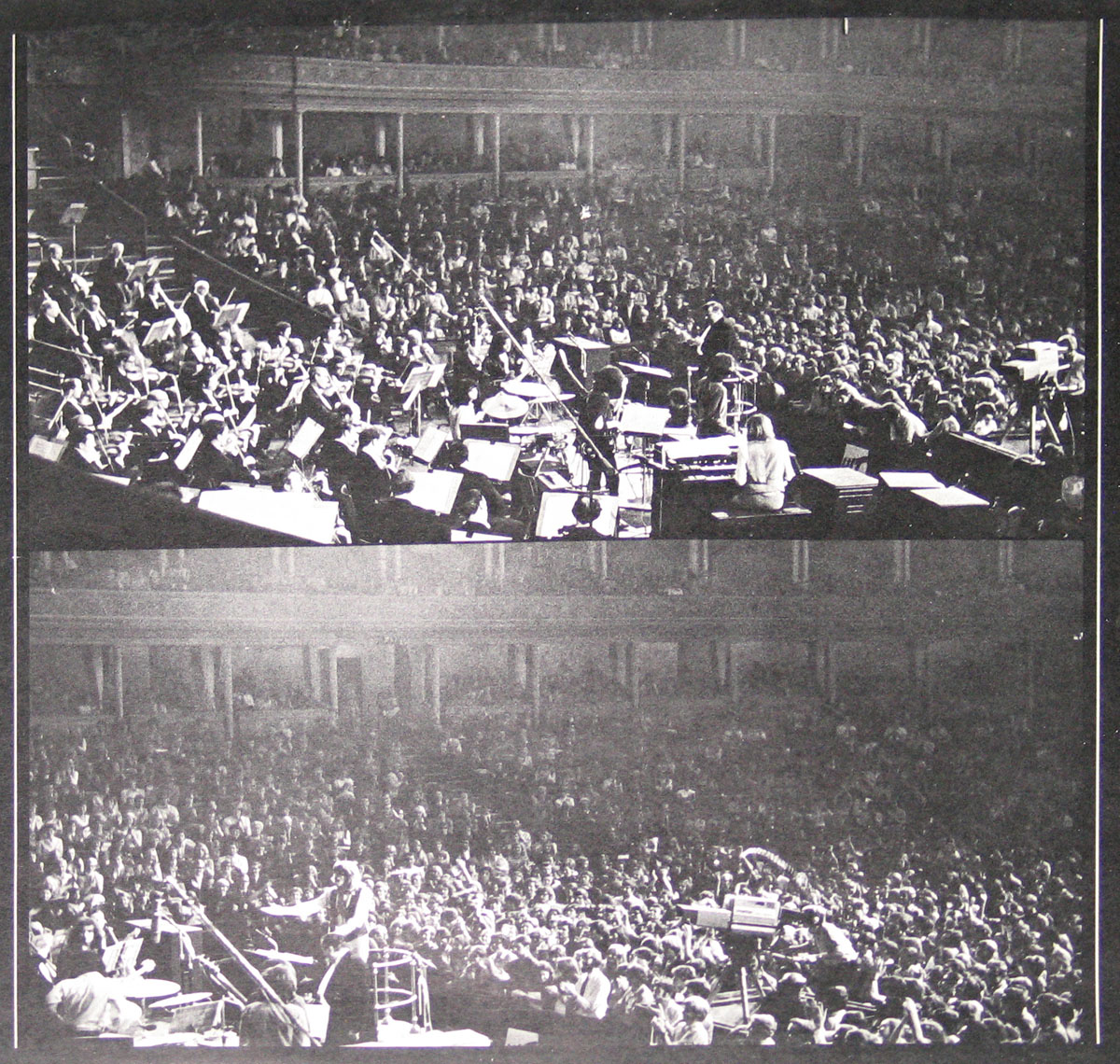
The Royal Albert Hall, a bastion of high culture, had never seen anything like it. Ian Gillan's primal screams, Ritchie Blackmore's blistering guitar solos, and the thunderous rhythm section of Roger Glover and Ian Paice were amplified by the orchestra's lush strings and brass. It was a night of unbridled energy, a sonic spectacle that left the audience in awe. In addition to the concerto, the album features electrifying performances of fan favorites like "Hush" and "Wring That Neck," further showcasing the band's versatility and ability to seamlessly integrate their rock sound with orchestral accompaniment.
A British Invasion of the Classical World: Captured on Vinyl
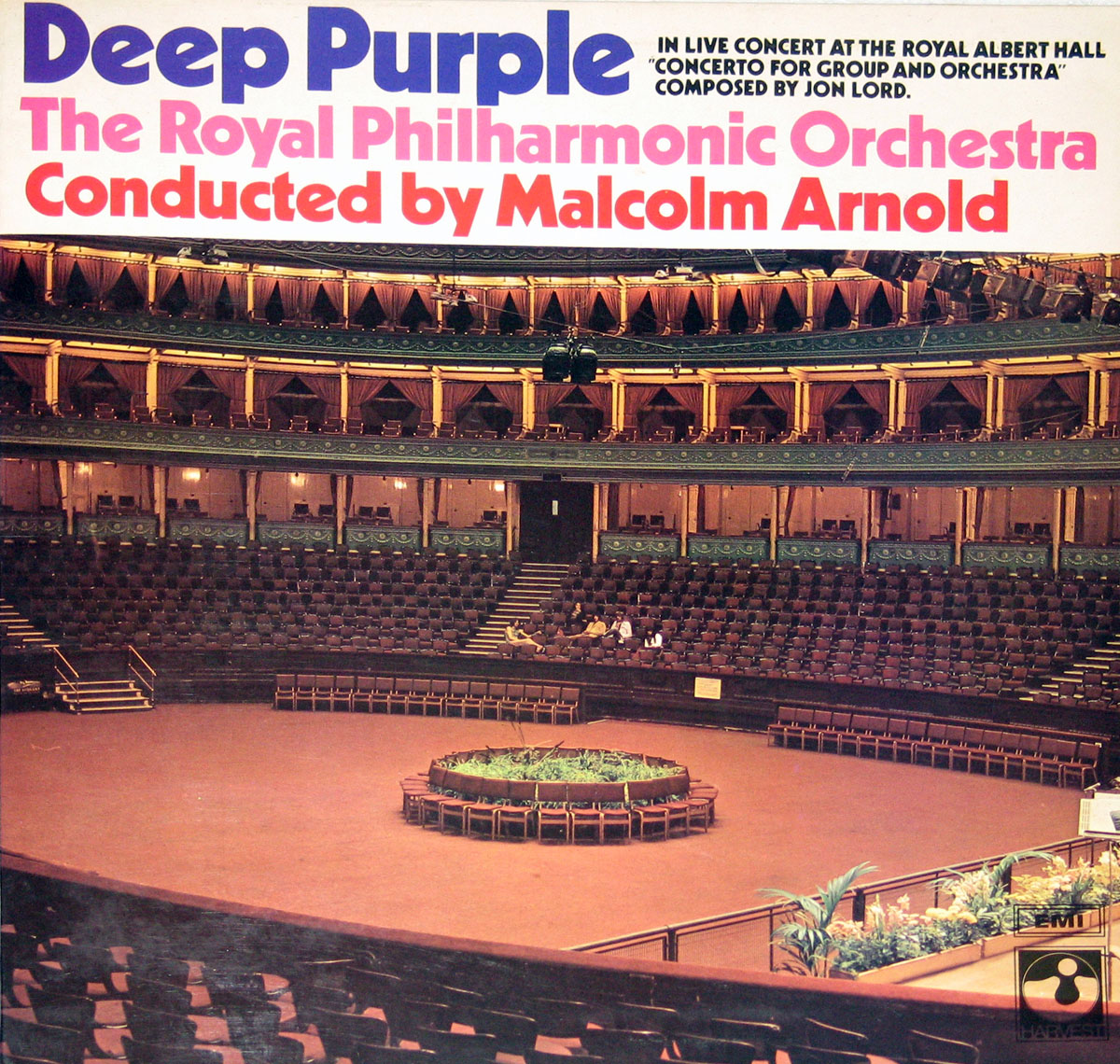
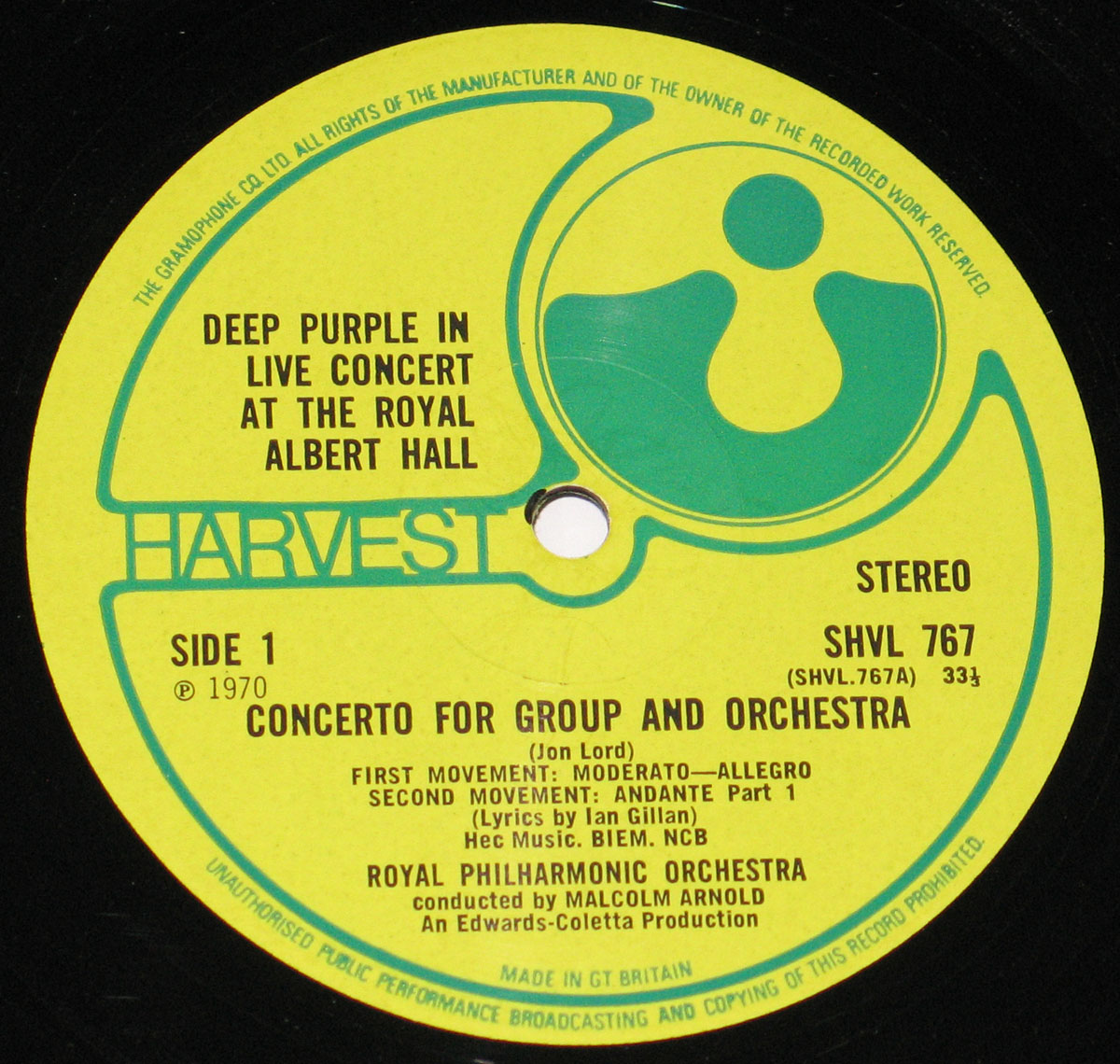
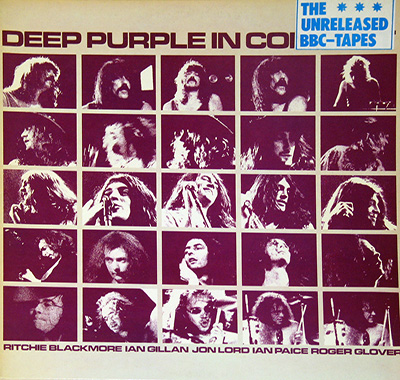
The GT Britain release of "Concerto for Group and Orchestra" captured the raw energy and excitement of that historic night. The album, produced by Derek Lawrence and engineered by Martin Birch, is a testament to the band's sonic power and the orchestra's musical dexterity. It's a raw, unfiltered document of a band pushing the boundaries of their art. The album's distinctive cover art, featuring the band members alongside the orchestra, further emphasized the unique nature of the project.
A Clash of Cultures: Controversy and Acclaim
The album wasn't without its critics. Some purists from both the rock and classical worlds scoffed at the idea of such a collaboration, dismissing it as a gimmick. Others, however, hailed it as a groundbreaking work, a testament to the limitless potential of music. The controversy only fueled the album's notoriety, ensuring its place in rock history. The album's success also opened doors for other rock bands to experiment with orchestral arrangements, paving the way for a new wave of symphonic rock.

.jpg)