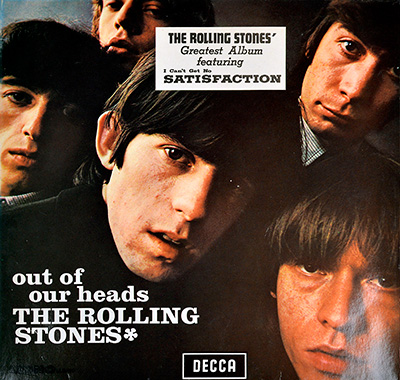
The Stones Get Stoned: "Out Of Our Heads", 1965
Album Description:
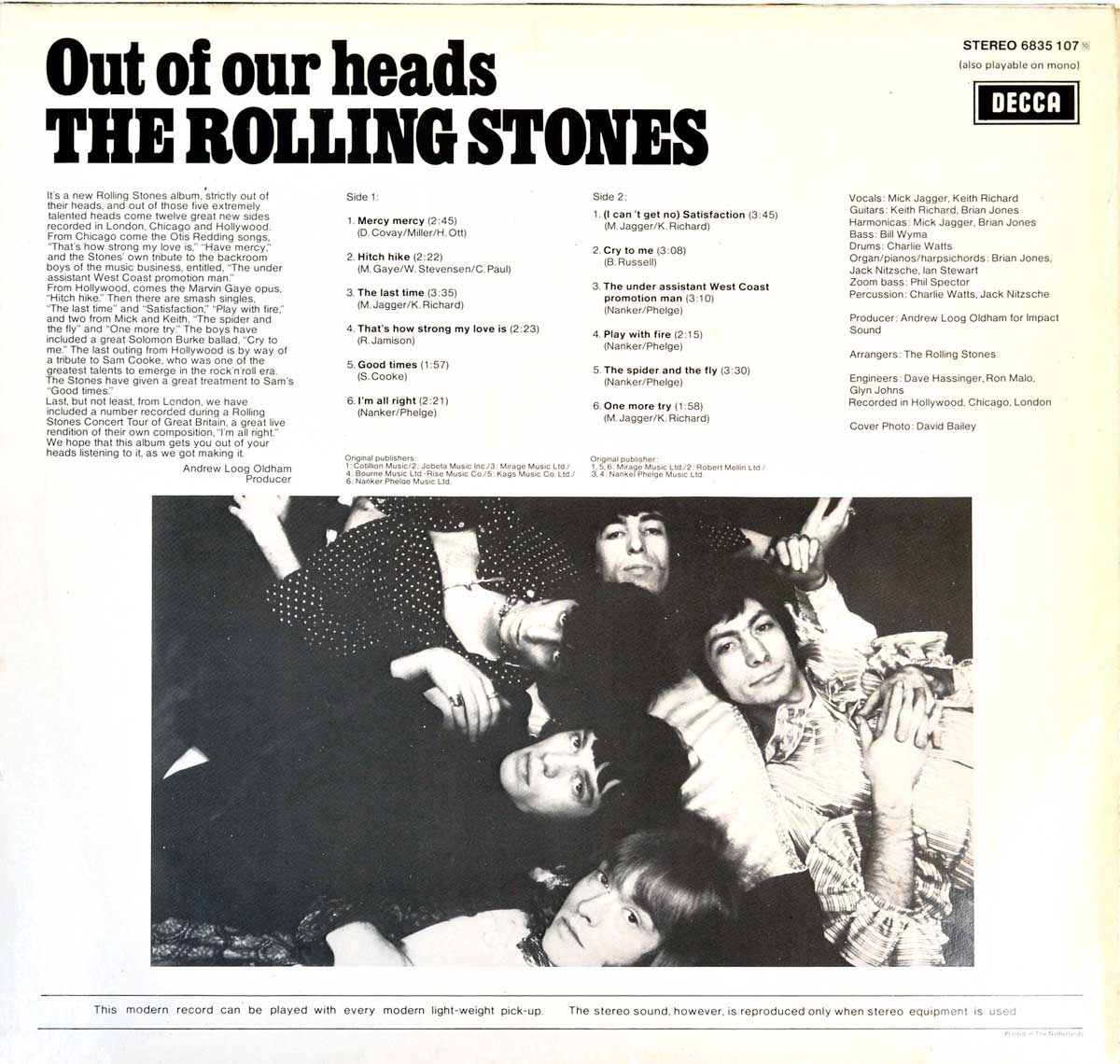
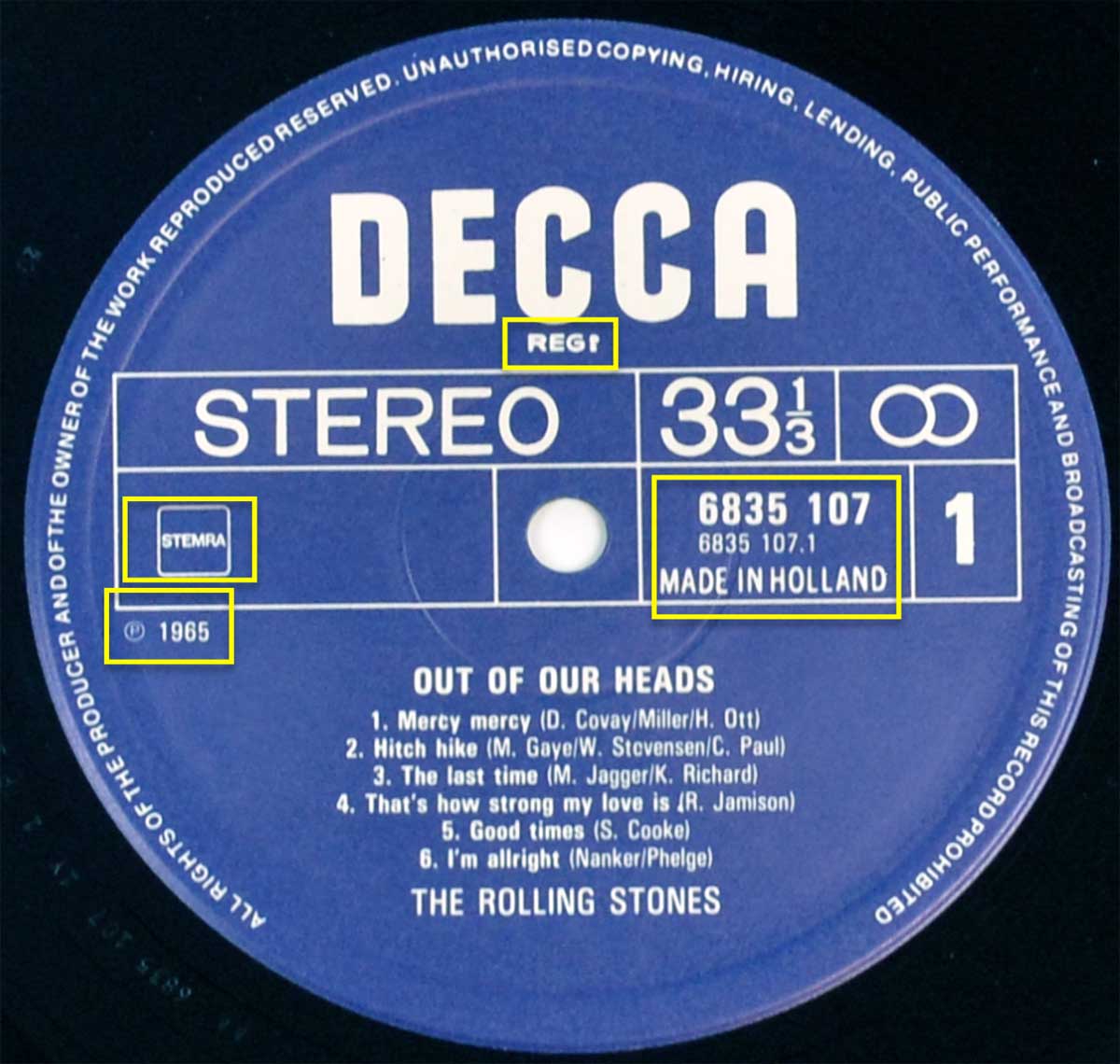
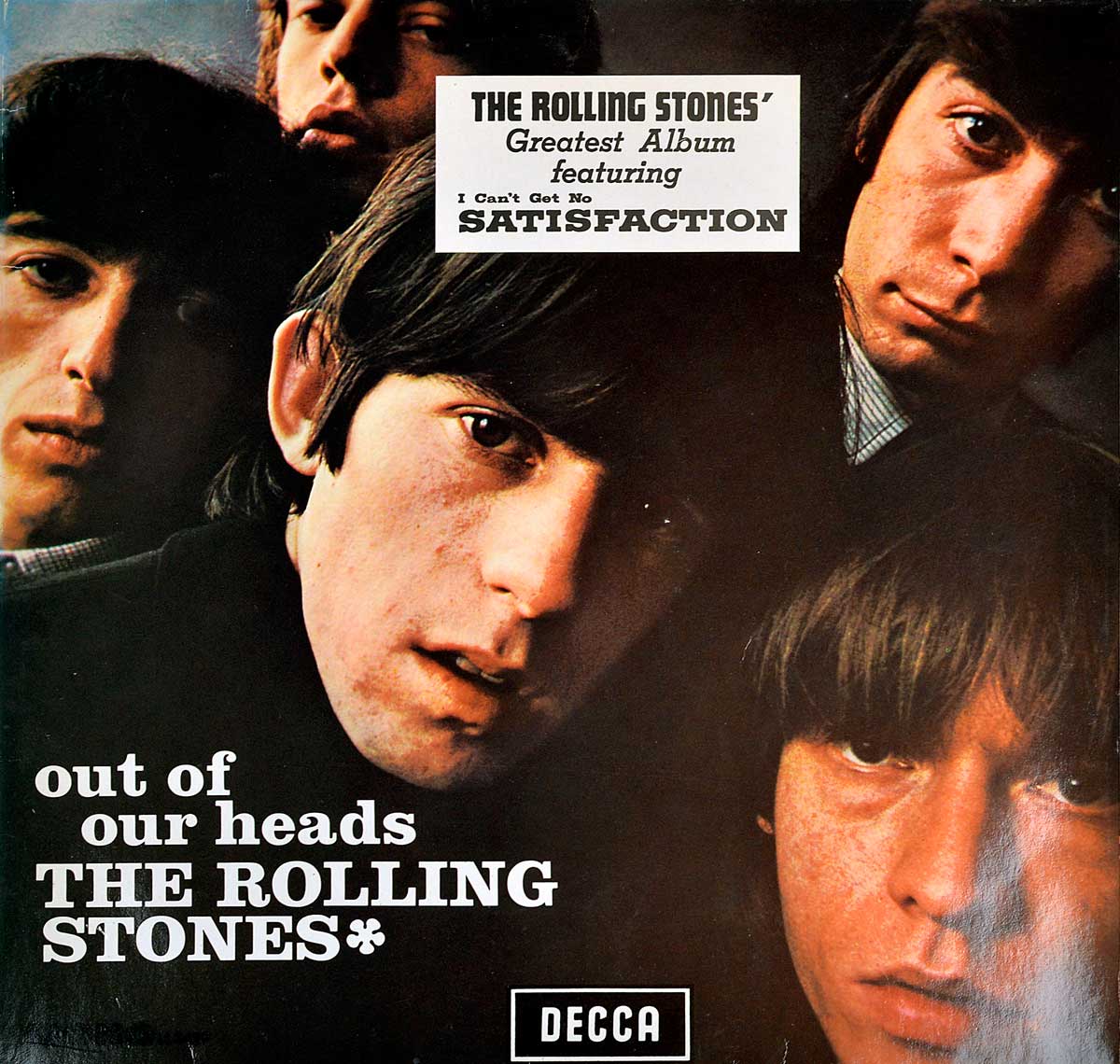
1965 wasn’t “a whirlwind,” it was a noisy street fight with better haircuts. The Beatles were polishing pop to a shine, and the Stones were busy scuffing up the floorboards. This Dutch blue-label Decca pressing of "Out Of Our Heads" doesn’t try to charm you. It leans in close and grins like it already knows your parents won’t approve.
People love calling this the band “finding their sound.” Fine. I hear it more as the band refusing to sit still: blues and soul covers dragged into their own accent, originals that finally bite, and that slightly dangerous feeling that the tape machine might catch fire before the chorus lands. Third UK album, fourth US album, different editions, different logic — the mid-60s were allergic to consistency.
Side one on this track sequence comes out swinging with "Mercy, Mercy" and "Hitch Hike" — not dainty tributes, more like the Stones turning up at your party and taking over the turntable. Then "The Last Time" arrives and suddenly the room tightens. That riff doesn’t “influence” things; it stalks them.
"That’s How Strong My Love Is" is where they stop posturing for a minute. Just a minute. "Good Times" snaps the spell, and "I’m All Right" (live) closes the side like a tossed chair in the last chorus — raw, sweaty, and exactly why I still prefer the early Stones in mono or close to it.
Flip it over and "Satisfaction" doesn’t need my permission or your introduction. It’s frustration with a hook, and it still sounds like a complaint that learned how to dance. The sneer on top is the point. The song underneath it is the engine.
After that, the record gets wonderfully weird in small ways: "Cry To Me" hangs heavy and human, "The Under Assistant West Coast Promotion Man" smirks at the machinery behind the scenes, and "Play With Fire" slinks by on harpsichord shadow, not some imaginary slide-guitar séance. "The Spider And The Fly" is pure back-alley storytelling, and "One More Try" ends it without a bow on the ribbon. Good.
The best detail is the unglamorous one: this album was stitched together from sessions in Chicago, Hollywood, and London, with Andrew Loog Oldham steering the chaos and engineers like Dave Hassinger, Ron Malo, and Glyn Johns involved along the way. You can hear the geography if you stop reading adjectives and just listen to the room around the instruments.
My quiet little anchor with this one is simple: it’s the record I pull when I want a living-room reminder that rock didn’t start as “legacy.” It started as a slightly messy argument played too loud. This pressing still argues back. I let it.