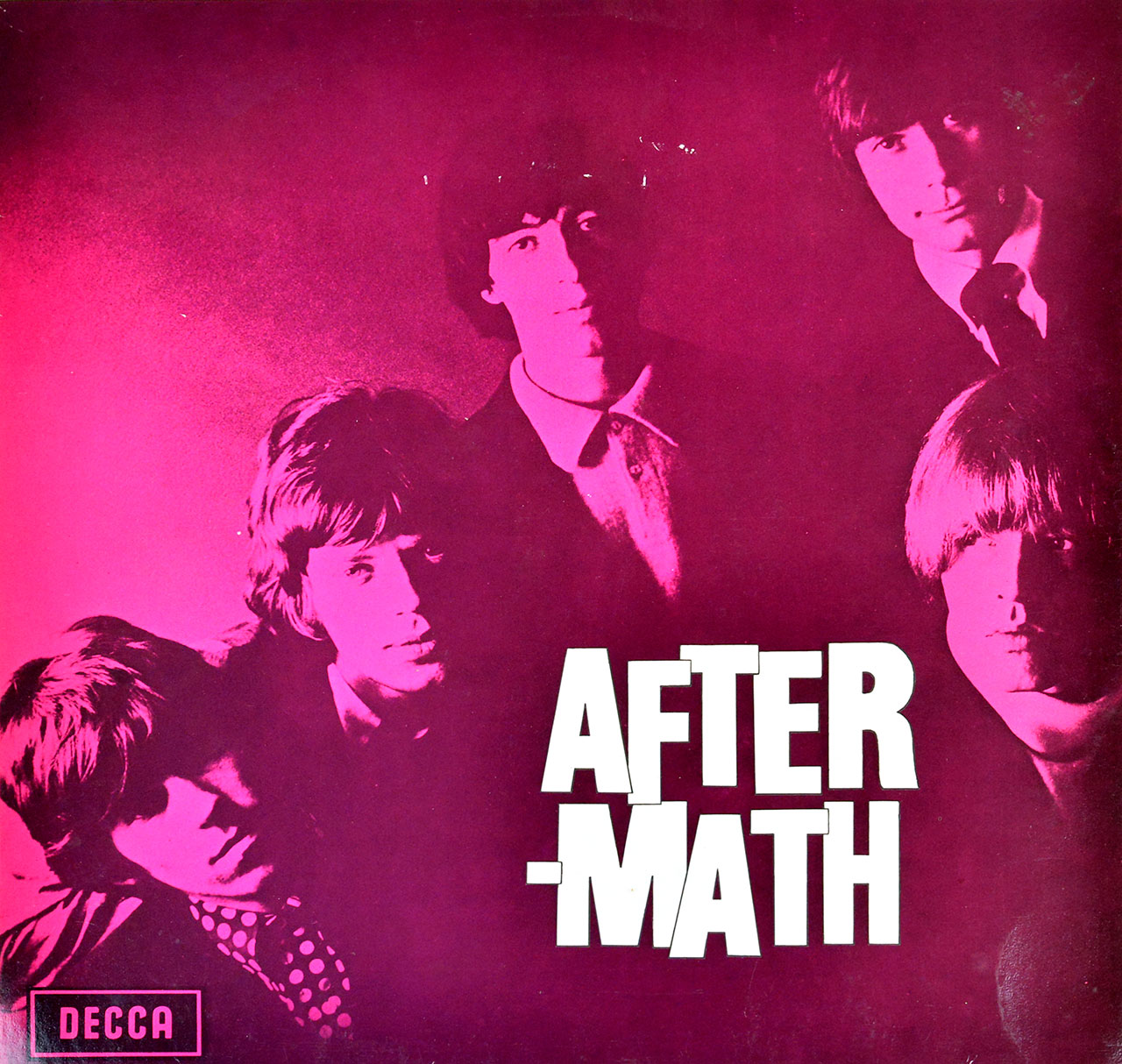
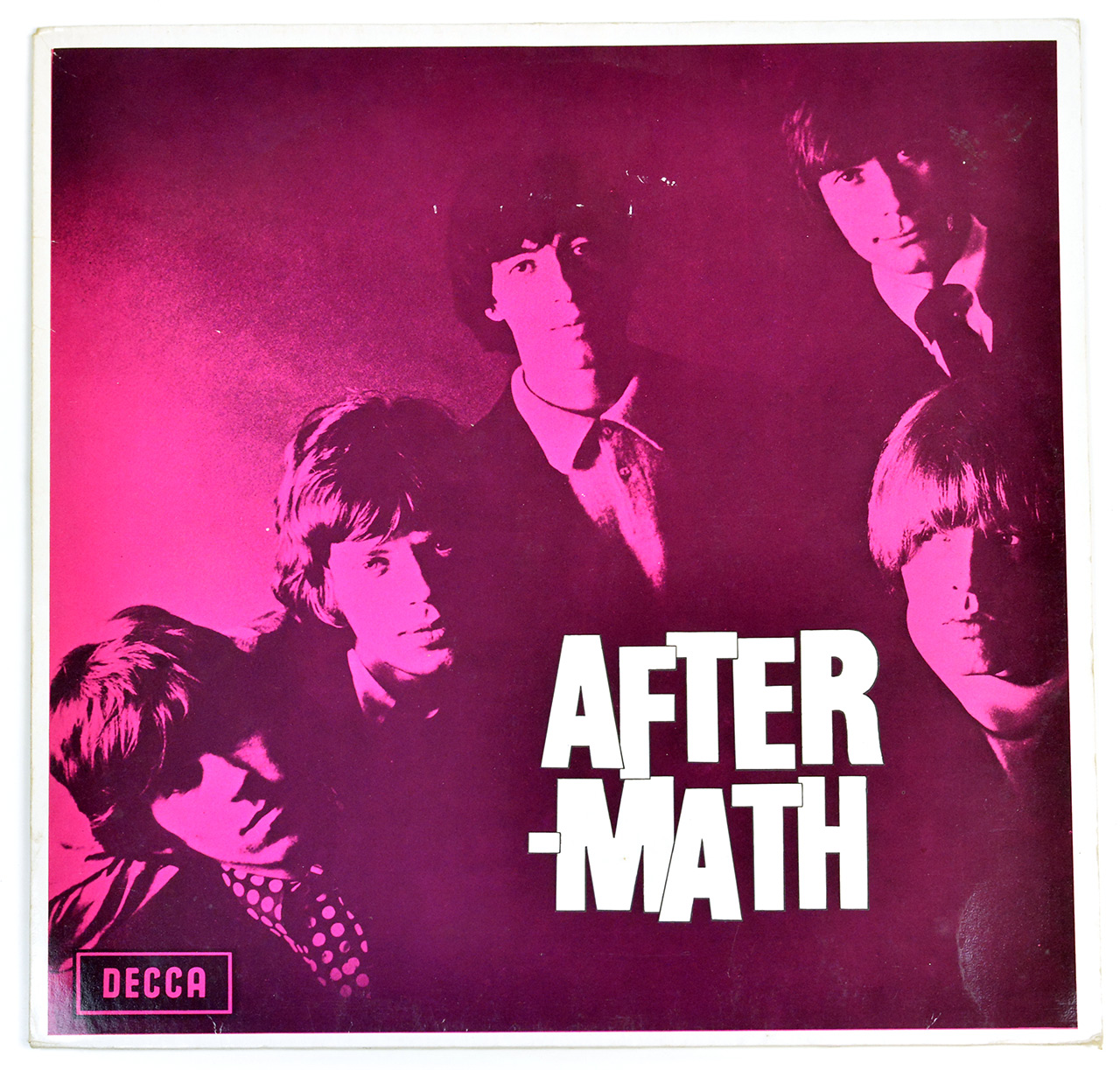
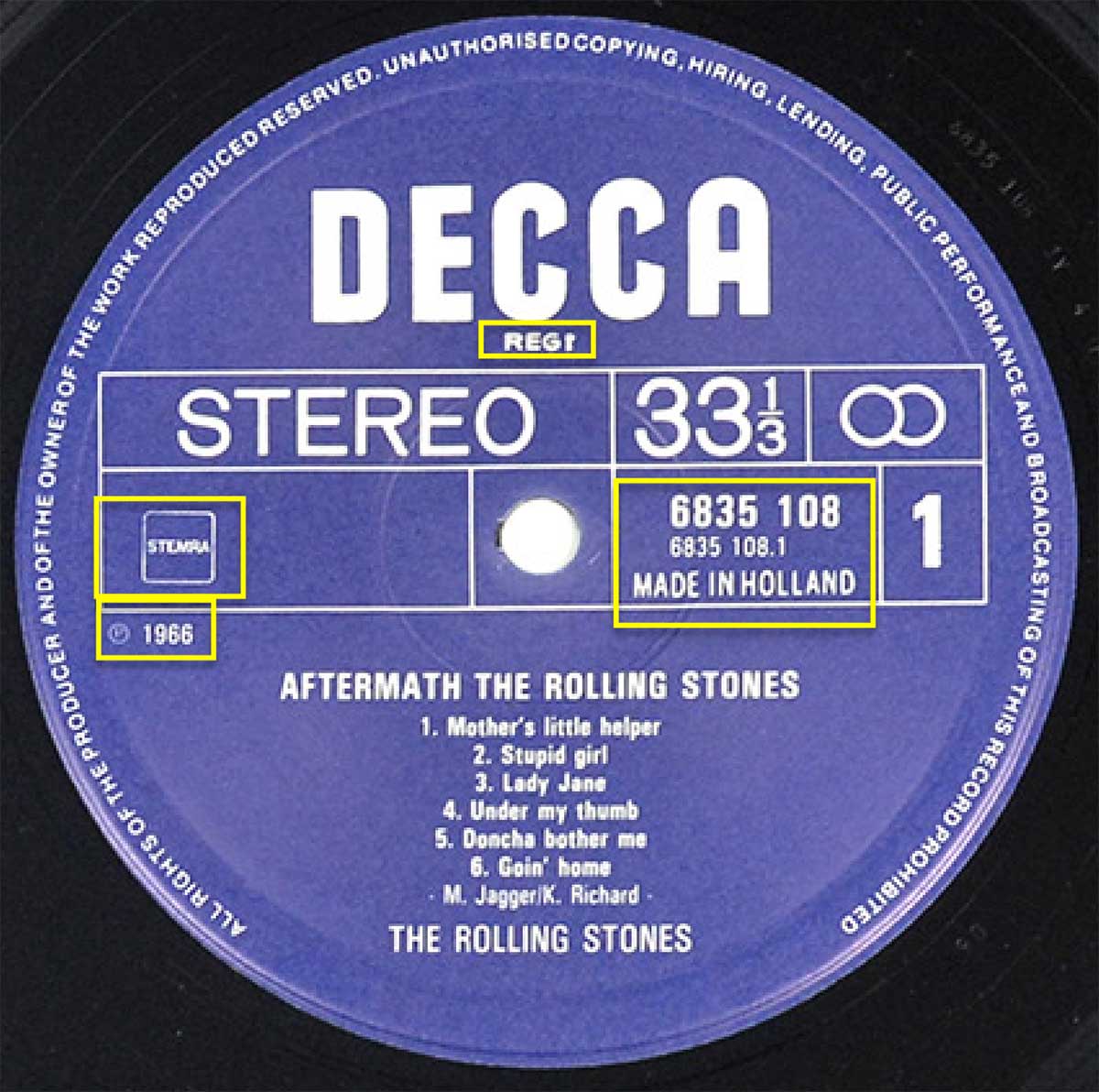
"Aftermath" Album Description:
The year is 1966, and the musical landscape is undergoing a transformative period, marked by experimentation and the breaking of traditional norms. In the midst of this revolution, The Rolling Stones released their iconic album "Aftermath," showcasing a musical journey that reflected the spirit of the times. In this article, we delve into the contextual backdrop of the mid-1960s, the collaborative production process behind the album, and the talented musicians who contributed to its distinctive sound.
The Mid-1960s: A Time of Musical Evolution:
The release of "Aftermath" in 1966 coincided with a pivotal moment in the history of music. The mid-1960s saw the emergence of the counterculture movement, challenging societal norms and pushing artistic boundaries. The Rolling Stones, known for their rebellious spirit, were at the forefront of this musical revolution.
Production Process and Collaborative Efforts:
The album's liner notes provide a glimpse into the production process, highlighting the collaborative efforts of the band and their producer, Andrew Loog Oldham. The story begins in December 1964 when the Stones and Oldham teamed up for their first recording session, a collaboration that would extend through several albums.
The narrative unfolds with a vivid description of the band's meticulous approach to crafting their music. From Mick Jagger and Keith Richards running down a song with the rest of the group to Brian Jones experimenting with various instruments, including acoustic and electric guitars, dulcimer, sitar, and keyboards, the Stones never shied away from pushing musical boundaries. Bill Wyman's bass patterns and Charlie Watts' precise tempo laying added depth to their compositions.
The liner notes also acknowledge the contributions of external collaborators. Jack Nitzsche, a constant presence during recording sessions, added piano, organ, and harpsichord to the mix, enriching the album's sonic palette. Ian Stewart, the band's road manager known as Stu, showcased his musical prowess on piano, organ, and harpsichord.
The Professionals at Work:
Sound engineer Dave Hassinger attests to the professionalism of The Rolling Stones, countering the stereotypes perpetuated by comedians. The band's commitment to excellence, evident from the initial song run-downs to the final takes, is highlighted. The collaborative synergy between the Stones and the production team created an environment that was both artistically and professionally rewarding.
Credits and Visual Artistry:
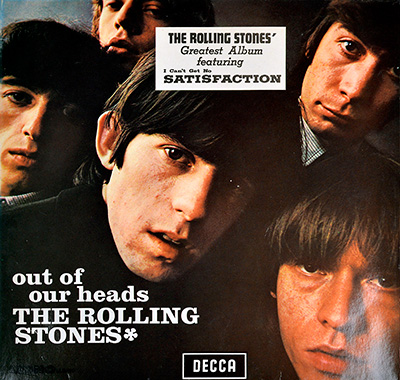
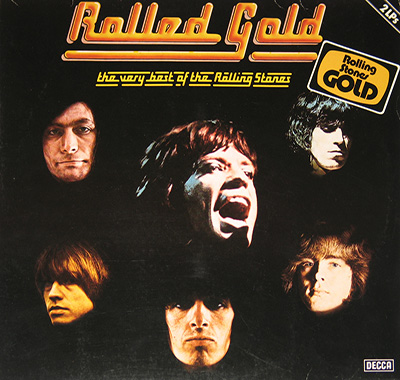
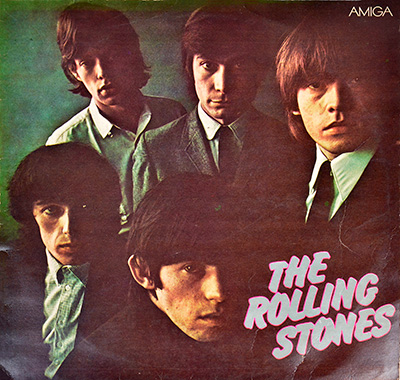
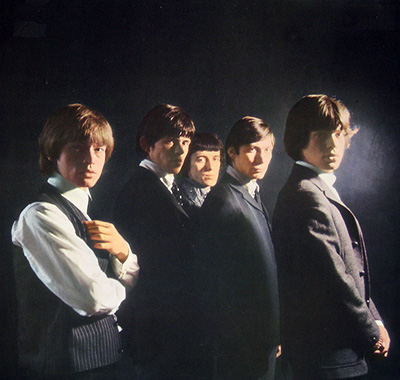
Beyond the music, "Aftermath" is a visual experience, thanks to the creative contributions of Sandy Beach, responsible for the album cover design, and photographers Guy Webster and Jerrold Schatzberg. The visual elements complement the musical journey, providing a holistic experience for the listener.