"Goats Head Soup" Album Description:
In the annals of rock music, few bands have left an indelible mark as enduring as The Rolling Stones. Their 11th British studio album, "Goats Head Soup," released in 1973, stands as a testament to their musical prowess and influence during a pivotal time in the history of rock and roll.
Context within the Time Period
The early 1970s marked a significant period for the music industry, characterized by a dynamic shift in sound and style. Rock music was evolving, embracing diverse influences, and experimenting with new sonic landscapes. "Goats Head Soup" emerged in this context as a bold exploration of the musical possibilities available to The Rolling Stones.
Released in 1973, the album arrived at a juncture where rock was transitioning from the raw energy of the 1960s to the more polished and complex sound that would define the decade. The cultural and political landscape of the time also influenced the lyrical themes of many albums, and "Goats Head Soup" was no exception. It captured the spirit of an era marked by social change and artistic experimentation.
Production Excellence: The Work of Jimmy Miller and Andy Johns
At the helm of "Goats Head Soup," the seasoned producer Jimmy Miller played a pivotal role in shaping the album's distinctive sound. Known for his work with The Rolling Stones on previous successful albums like "Beggars Banquet" and "Let It Bleed," Miller brought his expertise to create a musical journey that transcended conventional boundaries.
The sound and recording engineering, masterfully handled by Andy Johns, added another layer of brilliance to the album. Recorded at Dynamic Sound Studios in Kingston, Jamaica, the choice of location contributed to the album's unique flavor, infusing reggae influences into the Stones' rock palette.
Aesthetic Appeal: Ray Lawrence's Design and David Bailey's Photography
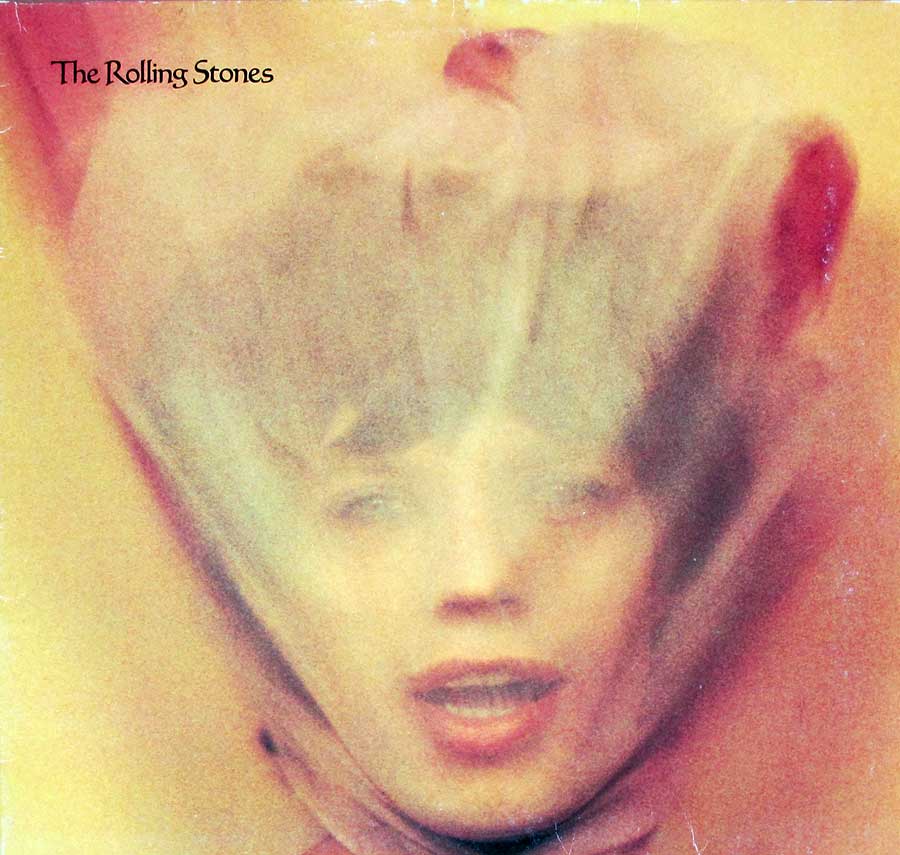
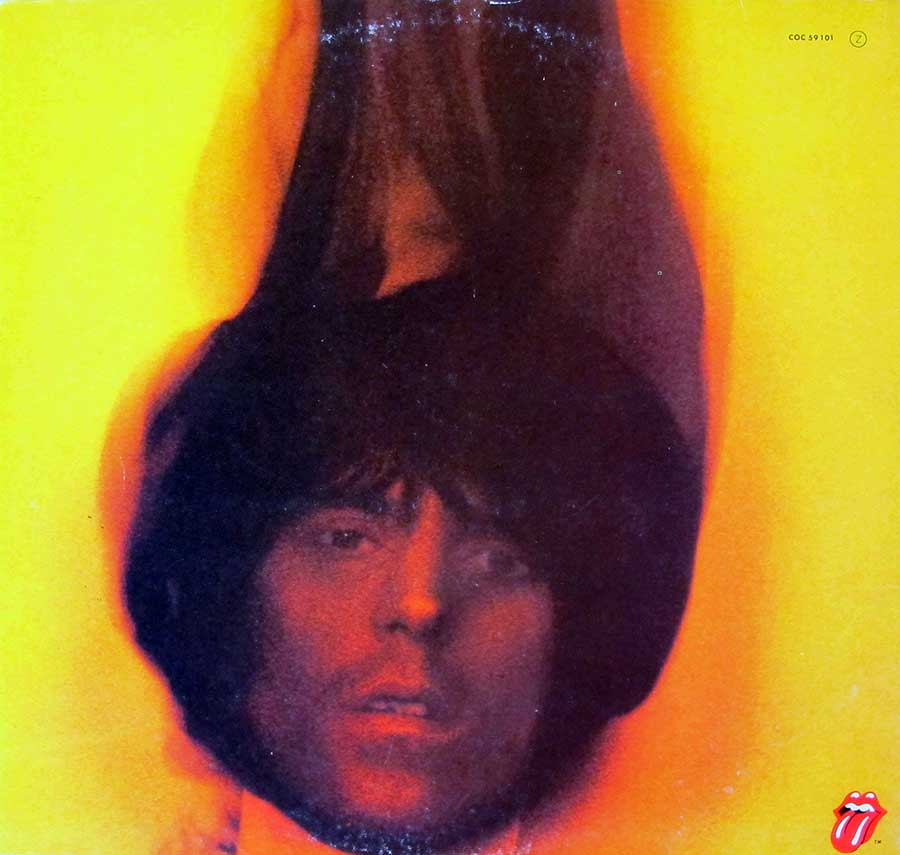
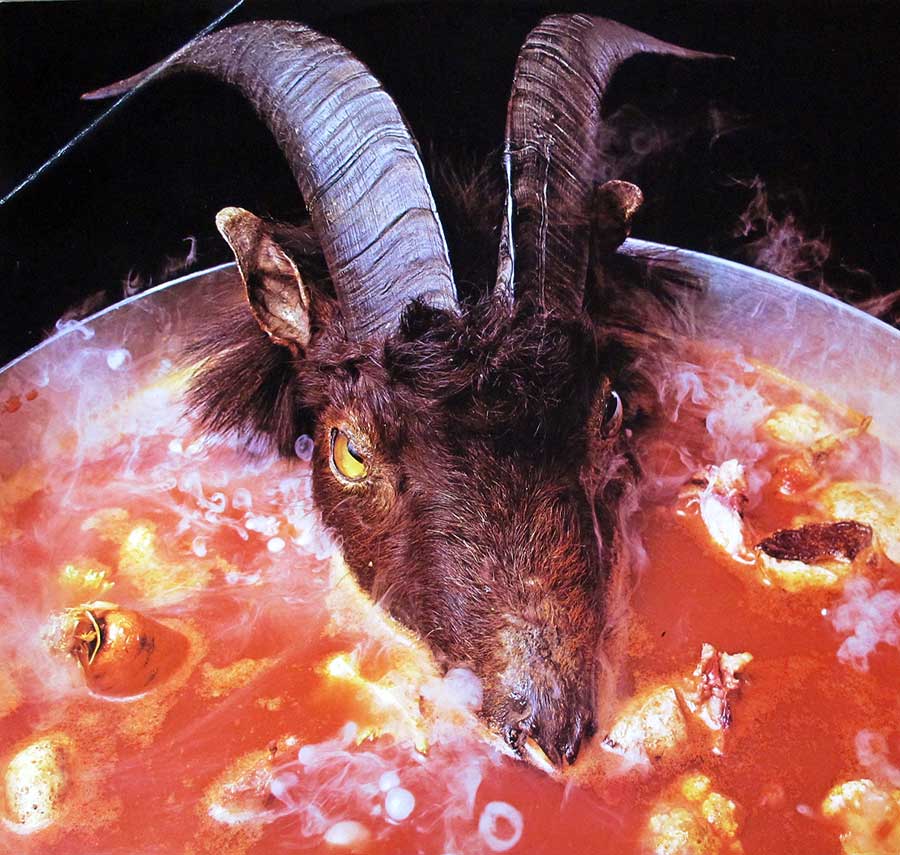
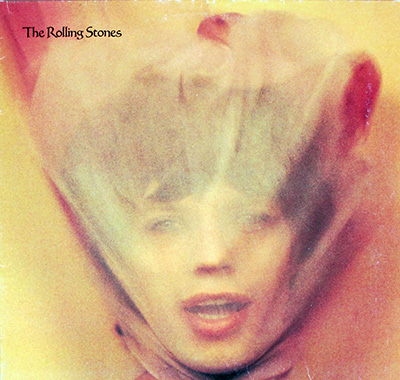
Beyond its sonic brilliance, "Goats Head Soup" made a visual impact with its album cover design by Ray Lawrence and photography by David Bailey. The cover art reflected the mystique and intrigue surrounding the album's title, creating a visual identity that complemented the music within.
Ray Lawrence's design and David Bailey's photography captured the essence of the 1970s, blending a sense of decadence with artistic sophistication. The cover became iconic, symbolizing an era where album art was as significant as the music it contained.
German Release: Extending the Reach
The German release of "Goats Head Soup" in 1973 further solidified The Rolling Stones' global presence. It demonstrated the band's international appeal and the universal resonance of their music. The album's reception in Germany added to its cultural significance, as fans around the world embraced the Stones' sonic exploration.
Trivia:
The album title "Goats Head Soup" from the 1973 Rolling Stones album has an intriguing origin. It is said that the title was inspired by an incident during the band's stay in Jamaica. The story goes that Keith Richards, the legendary guitarist, was enjoying a bowl of soup that was rumored to contain goat's head as a local delicacy. The imagery and the exotic nature of the experience resonated with the band, leading them to choose "Goats Head Soup" as the title for their upcoming album.
|
|
Music Genre:
Psych Acid Prog Blues-Rock |
|
Album Production Information:
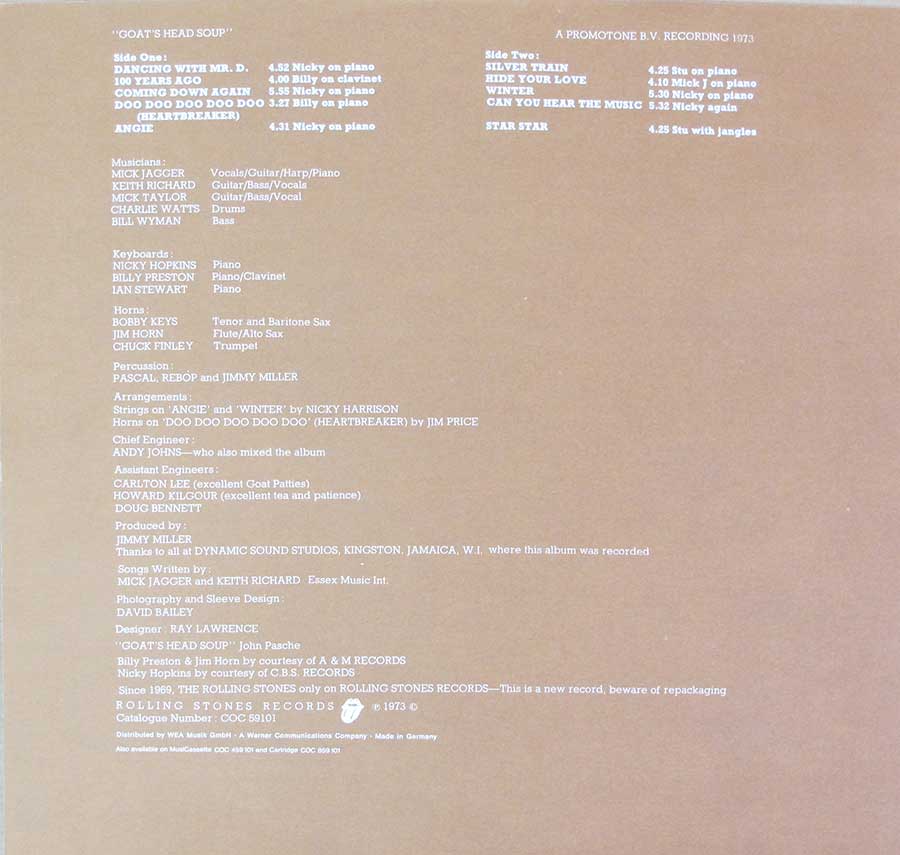
The album: "ROLLING STONES - Goats Head Soup" was produced by:
Jimmy Miller
Sound/Recording Engineer(s): Andy Johns
Andy Johns - Sound engineer, producer
Andy Johns is one of those names I keep bumping into when I trace why certain records sound massive instead of merely loud. From the late ’60s into the ’70s he helped define the studio sound of bands like Led Zeppelin, The Rolling Stones, Free, Humble Pie and later Van Halen, capturing raw power without sanding off the danger. His work feels hands-on, instinctive, and gloriously unpolished — exactly how rock was meant to hit.
This album was recorded at: Dynamic Sound Studios, Kingston, Jamaica
Album cover design: Ray Lawrence
Album cover photography: David Bailey
|
|
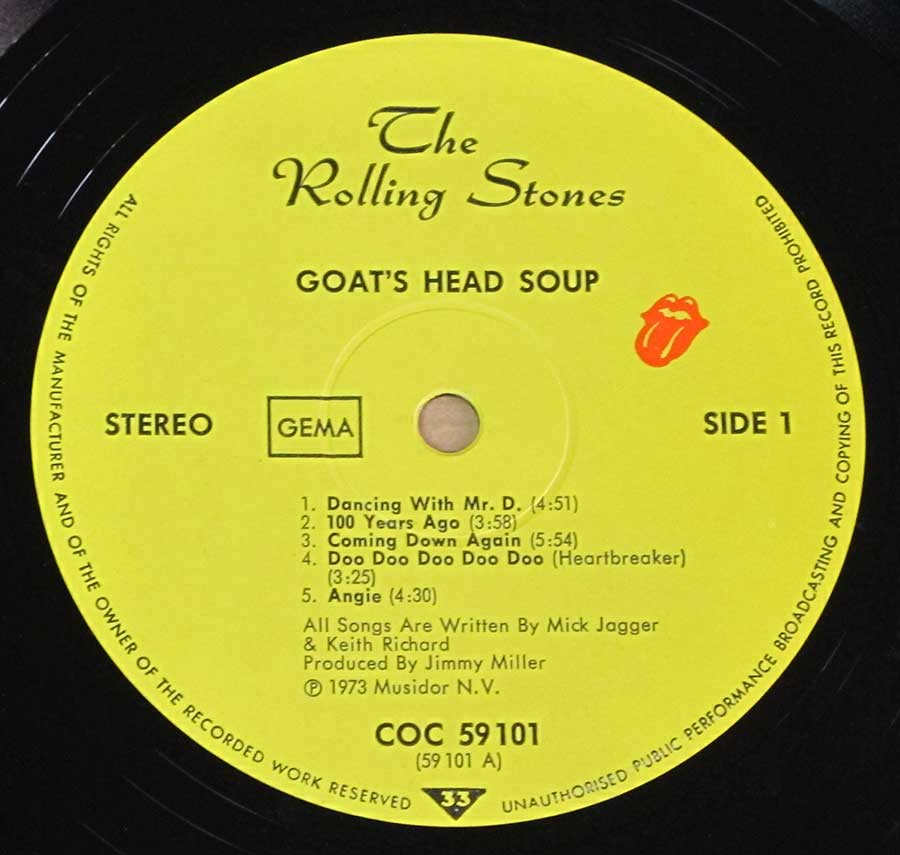
Record Label & Catalog-nr:
COC 59101 |
|
Media Format:
12" LP Vinyl Stereo Gramophone Record
Total Album (Cover+Record) weight: 290 gram |
|
Year & Country:
1973 Made in Germany |
Personnel/Band Members and Musicians on: ROLLING STONES - Goats Head Soup - GERMANY
|
Band-members, Musicians and Performers
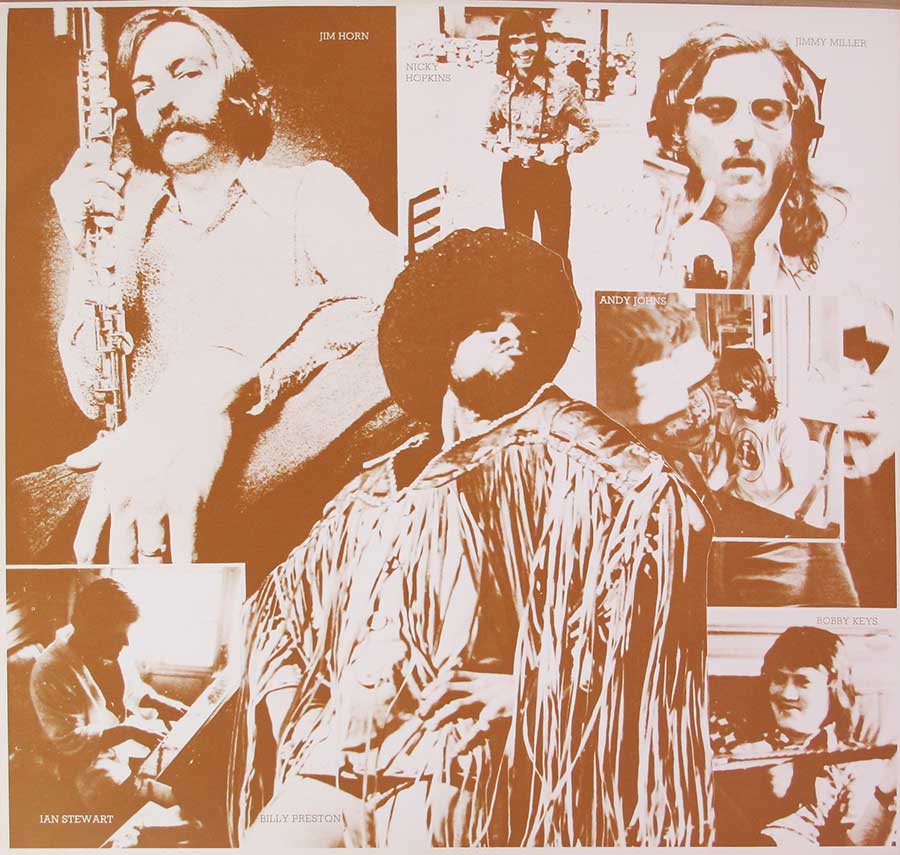
- Mick Jagger – lead and backing vocals, acoustic guitar, harmonica, piano on "Hide Your Love"
- Keith Richards – guitar, lead vocals on "Coming Down Again", backing vocals, electric and acoustic guitar, bass guitar on "Silver Train"
- Mick Taylor – electric, acoustic and slide guitar, bass guitar on "Dancing with Mr. D" and "Coming Down Again", backing vocals
- Charlie Watts – drums
- Bill Wyman – bass guitar
- Nicky Hopkins – piano on "Dancing with Mr. D", "Coming Down Again", "Angie", "Winter", and "Can You Hear the Music
- Nicky Hopkins – Piano
The kind of pianist who makes a band sound richer without ever stealing the spotlight (which is basically a superpower). Read more... Nicky Hopkins, I first clocked you as that ghost in the grooves: the classy, lightning-fingered English piano that suddenly makes a rock track feel like it grew up, got a suit, and learned some manners. You cut your teeth in the London scene in the early-to-mid 1960s (including a serious run with The Kinks from roughly 1964 into the late 1960s), then became essential to The Rolling Stones across their late-60s and 70s peak (notably the studio years from 1967 through the early 1980s, plus the big touring stretch around 1971–1973). You also did time with the Jeff Beck Group in 1968, jumped across the Atlantic for Quicksilver Messenger Service around 1970–1971, and later rode the long, strange road with the Jerry Garcia Band in the mid-to-late 1970s (around 1975–1978). Add in the high-grade cameo work with The Who, The Beatles, and a ridiculous list of others, and the pattern is obvious: when a record needed elegance, bite, and momentum all at once, your name quietly appeared in the credits like a wink to the people paying attention.
- Billy Preston – piano, organ, clavinet on "100 Years Ago" and "Doo
- Doo Doo Doo Doo (Heartbreaker)", percussion
- Ian Stewart – piano on "Silver Train" and "Star Star"
- Ian Stewart – Piano
Kicked out for not being "marketable" in 1963, kept around forever for actually playing. Read more... Ian Stewart, Ian Stewart is the Rolling Stones' no-nonsense piano anchor, and I will die on the hill that he kept the boogie honest while everyone else chased the spotlight. From 1961-1962 he worked London's R&B circuit with Alexis Korner's Blues Incorporated; in 1962 he co-founded the Rolling Stones and, after being pushed out of the "official" lineup in 1963 for image reasons, stayed on as road manager and session pianist right up to 1985. I hear him in the Stones' live roar and studio grooves, and he even guested on early-1970s sessions with Led Zeppelin. In the early 1980s he fronted Rocket 88, built for sweat, not fashion. When a Stones track suddenly swings like a pub jukebox at closing time, I blame Stu.
- Bobby Keys – saxophone
- Jim Price – saxophone
- Jim Horn – flute
- Chuck Findley – trumpet
- Anthony "Rebop" Kwaku Baah – percussion
- Pascal (Nicolas Pascal Raicevic) – percussion
- Nicky Harrison – string arrangement
- Jimmy Miller – percussion
|