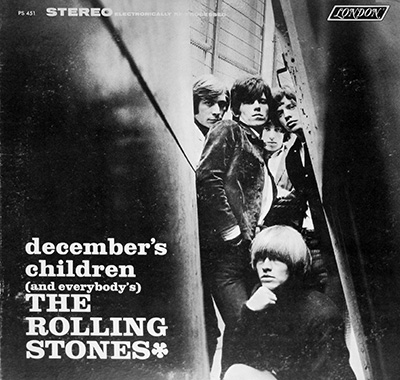
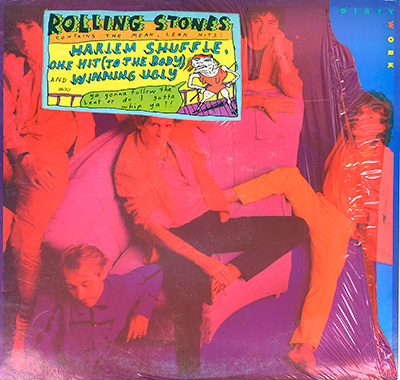
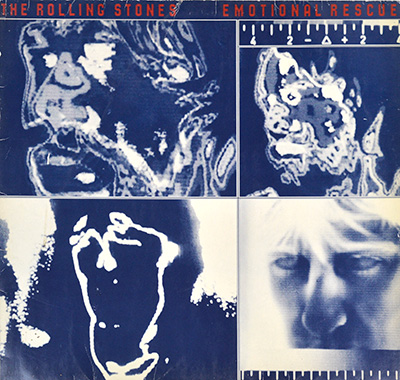
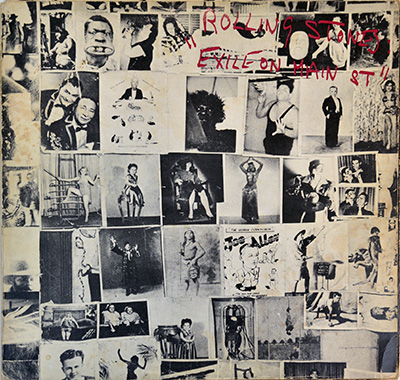
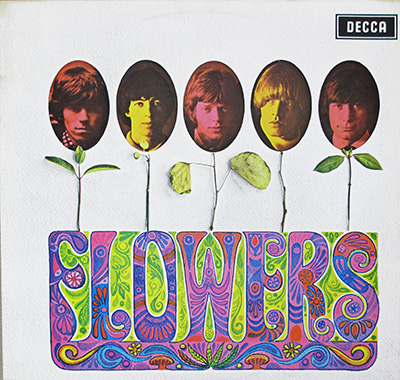
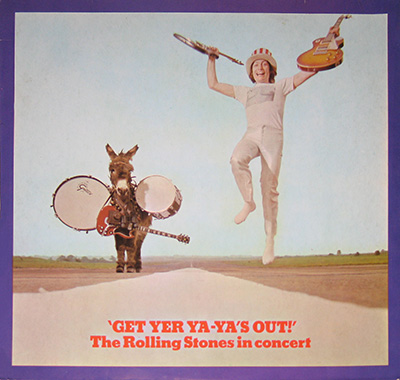
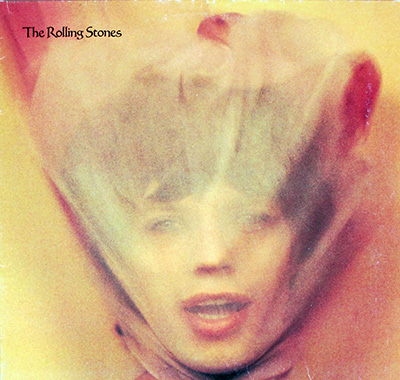
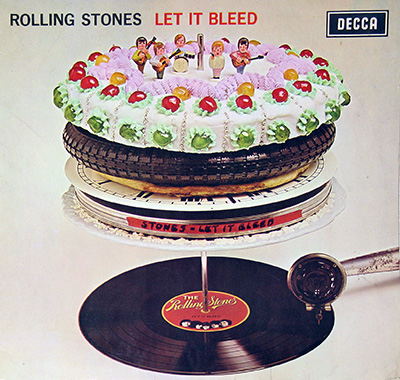
Nicky Hopkins, I first clocked you as that ghost in the grooves: the classy, lightning-fingered English piano that suddenly makes a rock track feel like it grew up, got a suit, and learned some manners. You cut your teeth in the London scene in the early-to-mid 1960s (including a serious run with The Kinks from roughly 1964 into the late 1960s), then became essential to The Rolling Stones across their late-60s and 70s peak (notably the studio years from 1967 through the early 1980s, plus the big touring stretch around 1971–1973). You also did time with the Jeff Beck Group in 1968, jumped across the Atlantic for Quicksilver Messenger Service around 1970–1971, and later rode the long, strange road with the Jerry Garcia Band in the mid-to-late 1970s (around 1975–1978). Add in the high-grade cameo work with The Who, The Beatles, and a ridiculous list of others, and the pattern is obvious: when a record needed elegance, bite, and momentum all at once, your name quietly appeared in the credits like a wink to the people paying attention.
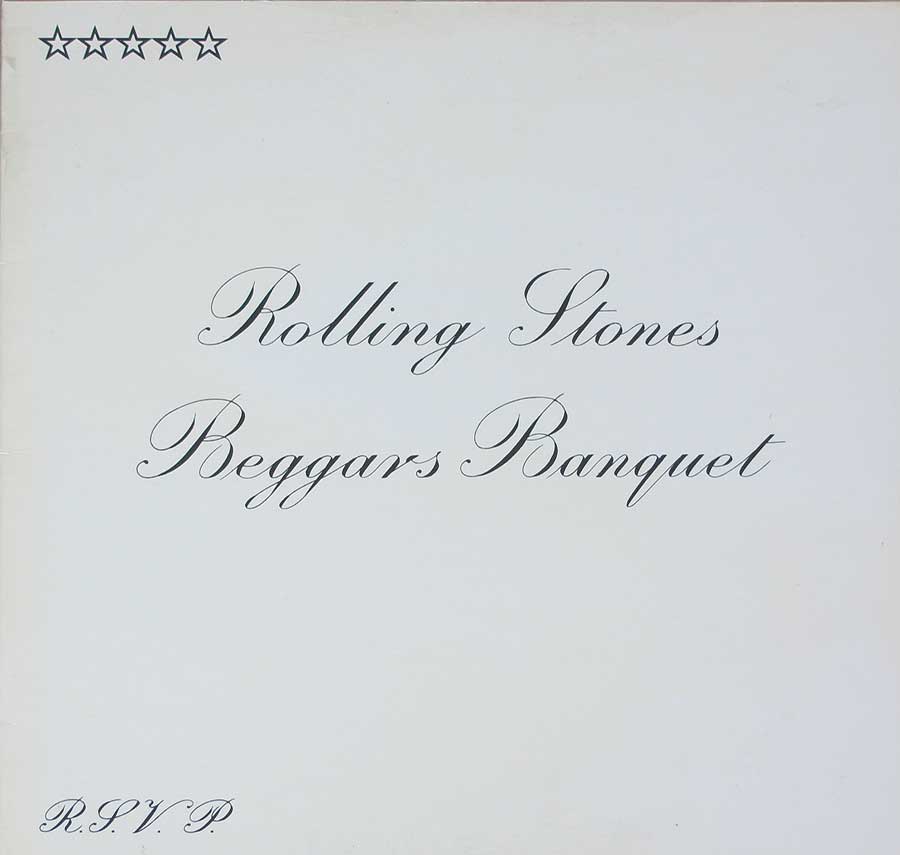
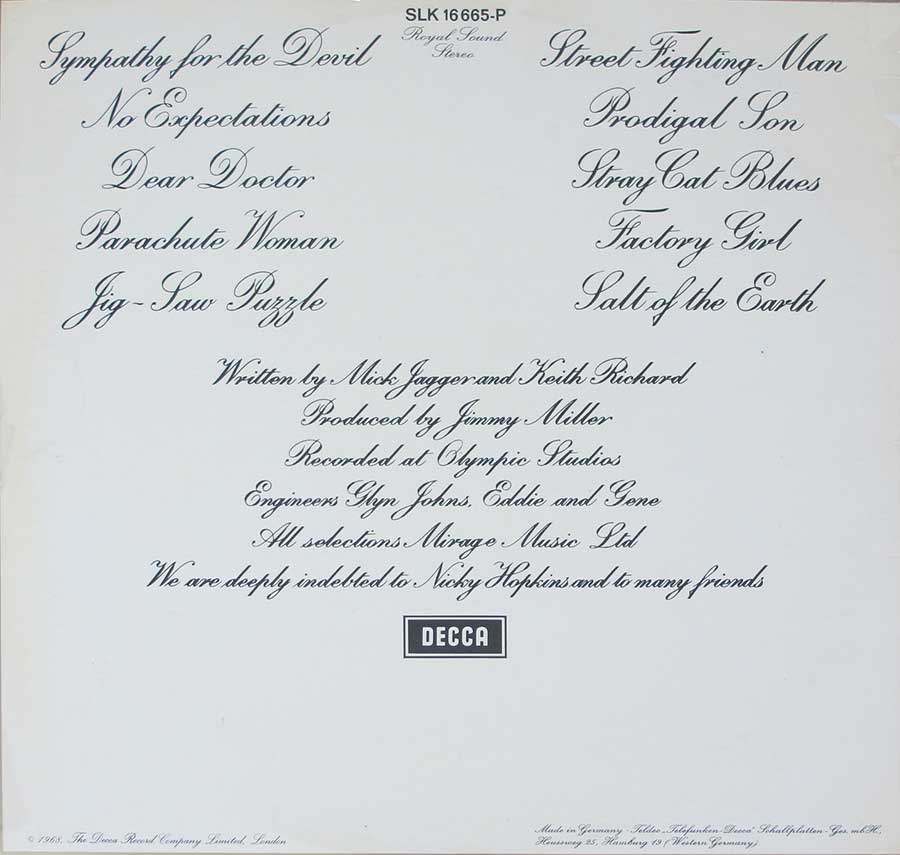
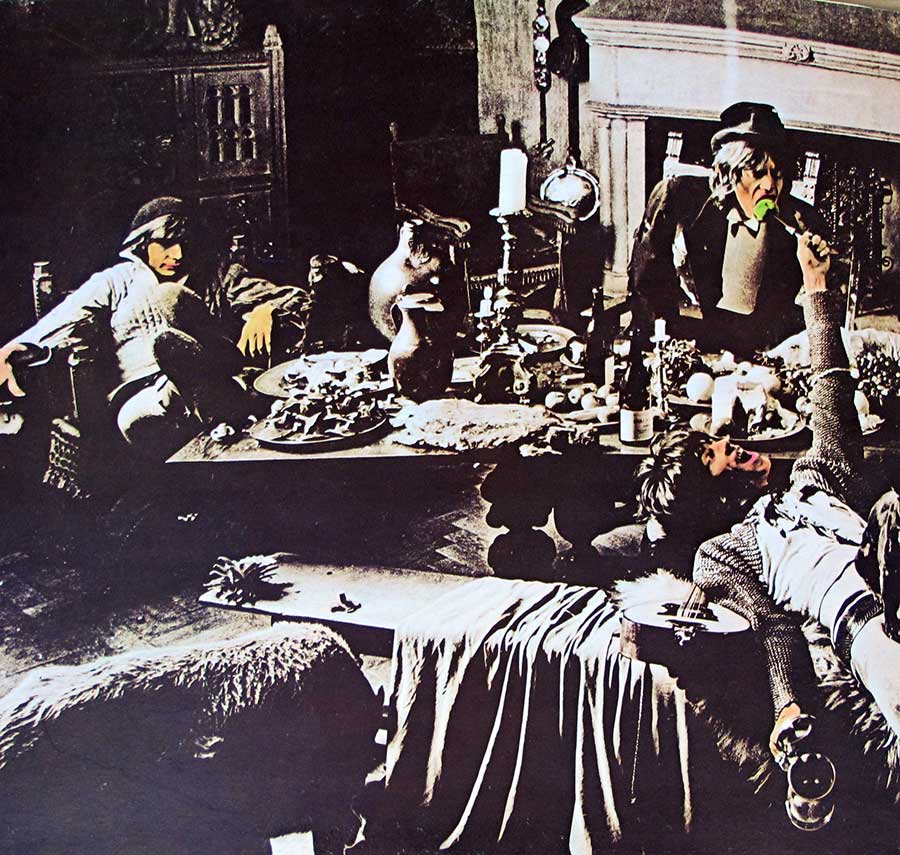
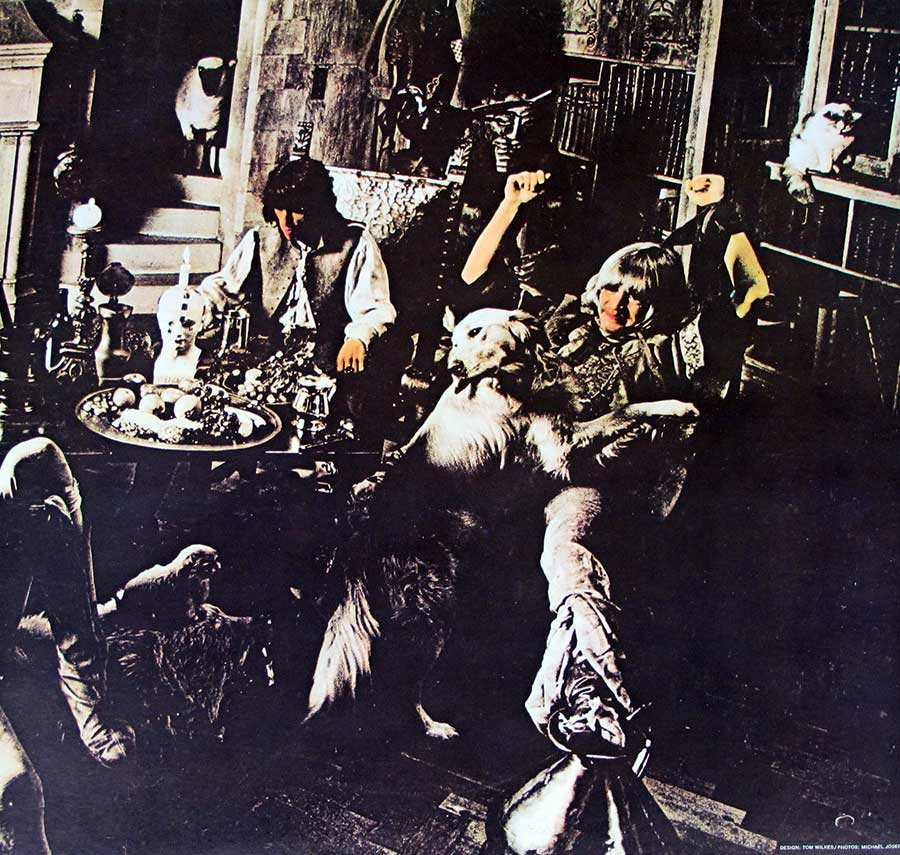
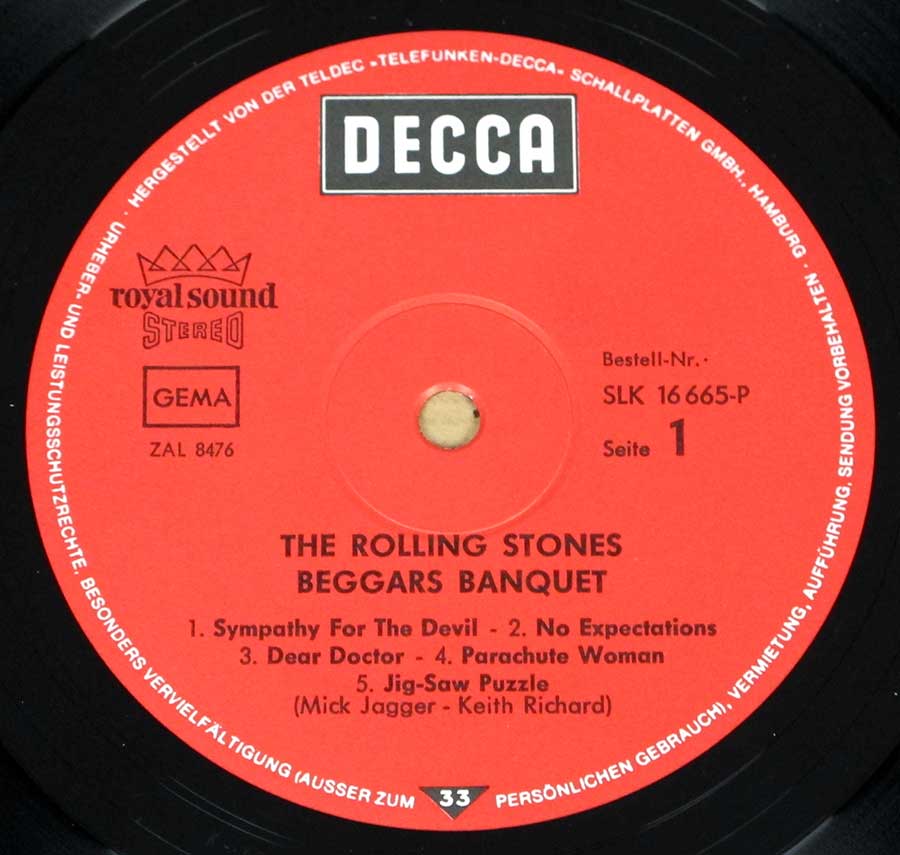
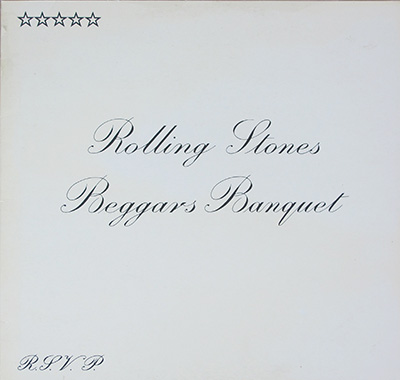
ROLLING STONES - BEGGARS BANQUET 12" VINYL LP Album
- 1968 German Release, Red DECCA Record Label, Gatefold Album Cover
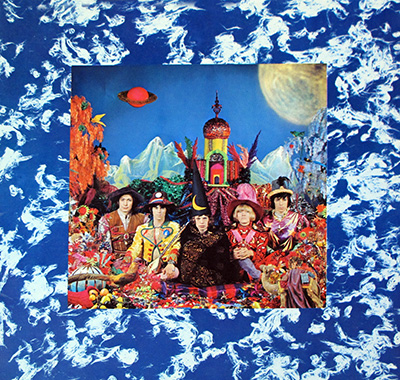
"Beggars Banquet" is the seventh studio album by the English rock band The Rolling Stones. It was released in December 1968 by Decca Records in the United Kingdom and London Records in the United States. It marked a return to the band's R&B roots, generally viewed as more primal than the conspicuous psychedelia of Their Satanic Majesties Request.