"Emotional Rescue" Album Description:
In the musical tapestry of the late 1970s, the Rolling Stones embarked on a significant journey that resulted in the creation of their album "Emotional Rescue." Recorded over the course of 1979, this iconic 12" Vinyl LP encapsulates a pivotal time for the band, marked by geographical transitions and legal triumphs. This expository article delves into the album's contextual background, production intricacies, and the artistic collaborations that shaped its sonic landscape.
Time Period's Context:
The late 1970s was a dynamic period in music history, witnessing the emergence of diverse genres and the evolution of rock music. Against this backdrop, the Rolling Stones, a band already deeply entrenched in the annals of rock, found themselves at a crossroads. The disco era was in full swing, punk rock was making waves, and the Stones, true to their nature, sought to adapt without compromising their signature sound.
1979 was a year of transition for the band, with recording sessions taking place in three distinctive locales—Nassau, Bahamas; Paris, France; and New York City, USA. Each setting infused its unique vibe into the album, contributing to the eclectic mix of influences that define "Emotional Rescue."
An intriguing facet of the album's temporal context lies in the legal saga of Keith Richards. The guitarist's exoneration from a Toronto drugs charge loomed large over the recording process, offering a sense of liberation and renewal. The specter of potential incarceration lifted, allowing Richards to fully engage in the creative process, shaping the album's narrative.
Production Odyssey:
At the helm of the recording process were the legendary Glimmer Twins—Mick Jagger and Keith Richards. Their collaborative production efforts, coupled with the adept engineering of Chris Kimsey, yielded a sonic journey that traversed the boundaries of rock, funk, and disco.
The decision to commence recording in Nassau, Bahamas, added a layer of exotic allure to the album. The tropical setting, with its sun-soaked landscapes and laid-back atmosphere, seeped into the music, creating a vibrant energy that permeates tracks like "Dance Pt. 1" and "Summer Romance."
Paris, a city renowned for its artistic inspiration, became another crucible for the album's production. The European influence is palpable in the sophisticated arrangements and nuanced instrumentation of tracks such as "Indian Girl" and the titular "Emotional Rescue."
The final touches, including end-of-year overdubbing, were applied in the bustling metropolis of New York City. This urban backdrop injected an urban grittiness into certain tracks, completing the album's kaleidoscopic journey.
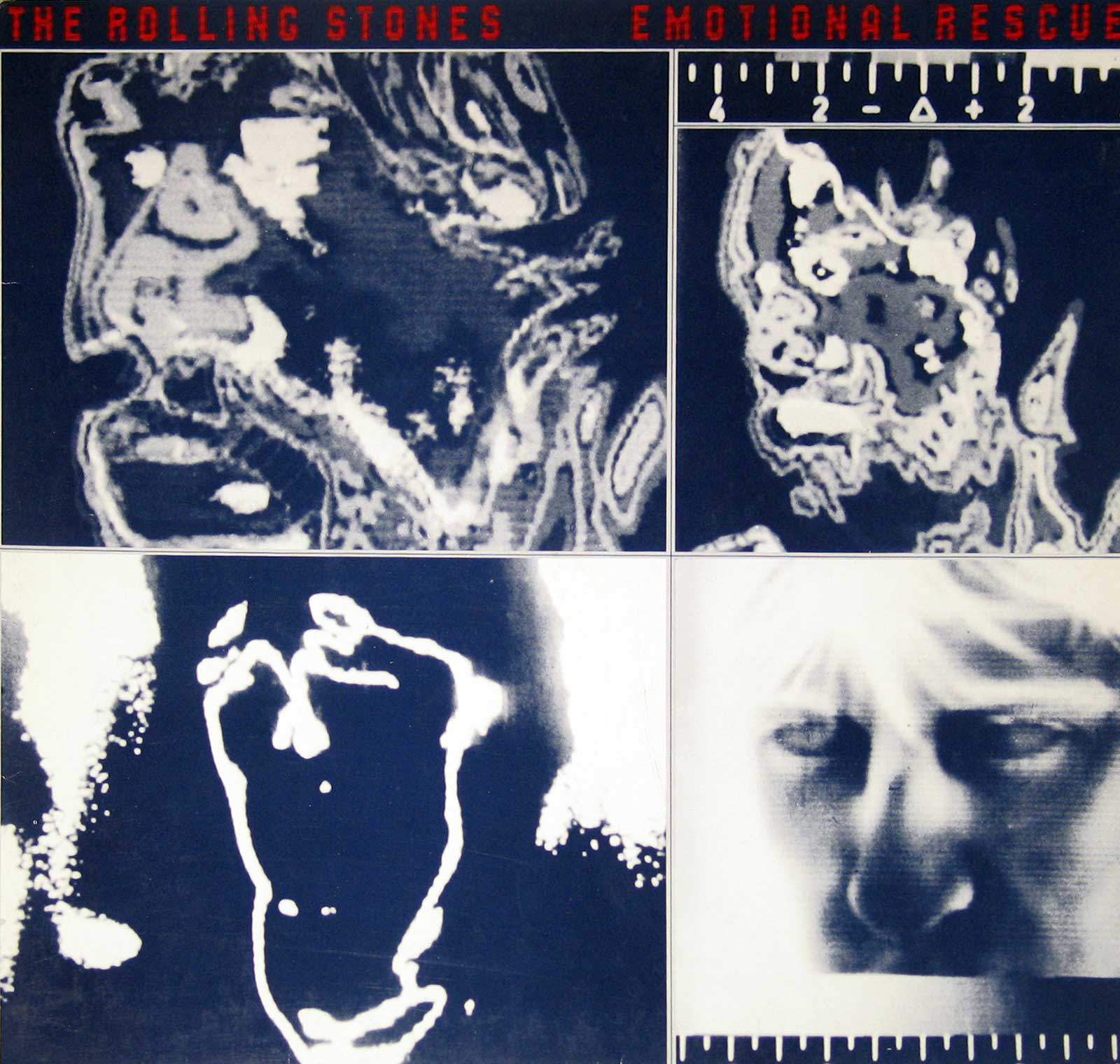
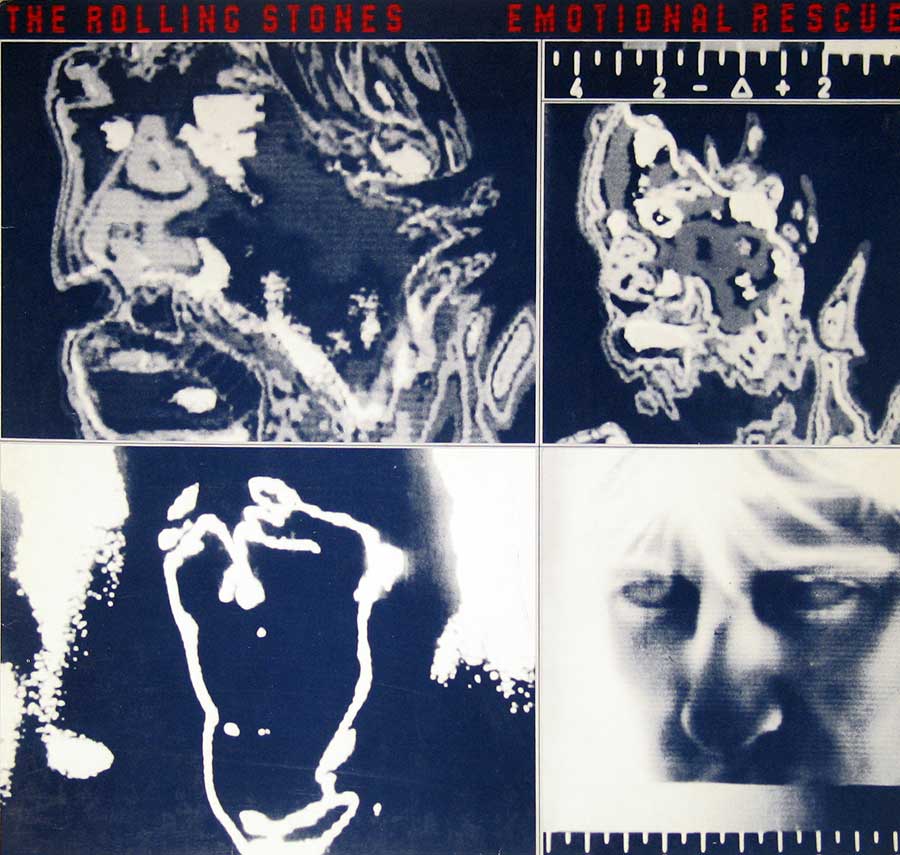
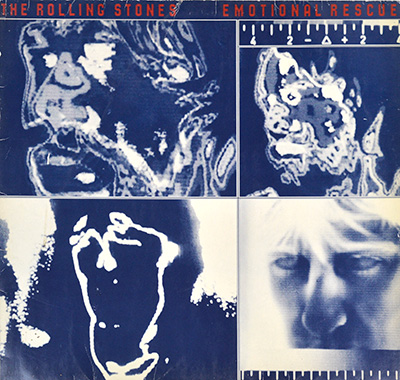
Peter Corriston's contribution to the album extended beyond the auditory realm. The album cover design, a visual manifestation of the music within, mirrored the eclectic fusion of influences. Its vibrant colors and abstract imagery captured the essence of "Emotional Rescue," adding a visual dimension to the album's narrative.
Music Genre:
Rock Blues Music |
|
Album Production Information:
The album: "ROLLING STONES - Emotional Rescue" was produced by:
The Glimmer Twins
, Chris Kimsey
The Glimmer Twins – Songwriters, Producrs The Glimmer Twins is the pseudonym adopted by Mick Jagger and Keith Richards when producing albums for The Rolling Stones starting in the 1970s. Known for their deep creative partnership, the duo took greater control over the band's sound, beginning with the 1974 album It's Only Rock 'n Roll. Under this moniker, they produced some of the Stones’ most iconic records, blending rock, blues, disco, and punk influences into a distinctive sonic legacy.
Sound/Recording Engineer(s): Chris Kimsey, Brad Samuelsohn, Jon Smith , "Snake" Reynolds, Sean Fullan
This album was recorded at: Studio Pathé Marconi, Compass Point Studios, Rolling Stones Mobile
- Compass Point Studios (Bahamas)
Compass Point Studios, opened by Chris Blackwell in 1977 just outside Nassau, was less a paradise postcard than a working studio with sea air in its lungs and serious records being made behind the glass. The place mattered because it sounded like nowhere else once the right people got in the room. Grace Jones cut some of her sharpest work there, Talking Heads passed through, the Rolling Stones did too, and even Iron Maiden and AC/DC ended up on that same patch of Bahamian ground. I have always liked studios with a bit of salt and eccentricity in them; they usually beat the sterile ones. Compass Point had both, and you can still hear it on the records if the room is quiet enough and the coffee has gone cold.
Mastered by Ted Jensen at Sterling Sound
Album cover design:
Peter Corriston
Album cover photography:
Roy Adzak
|
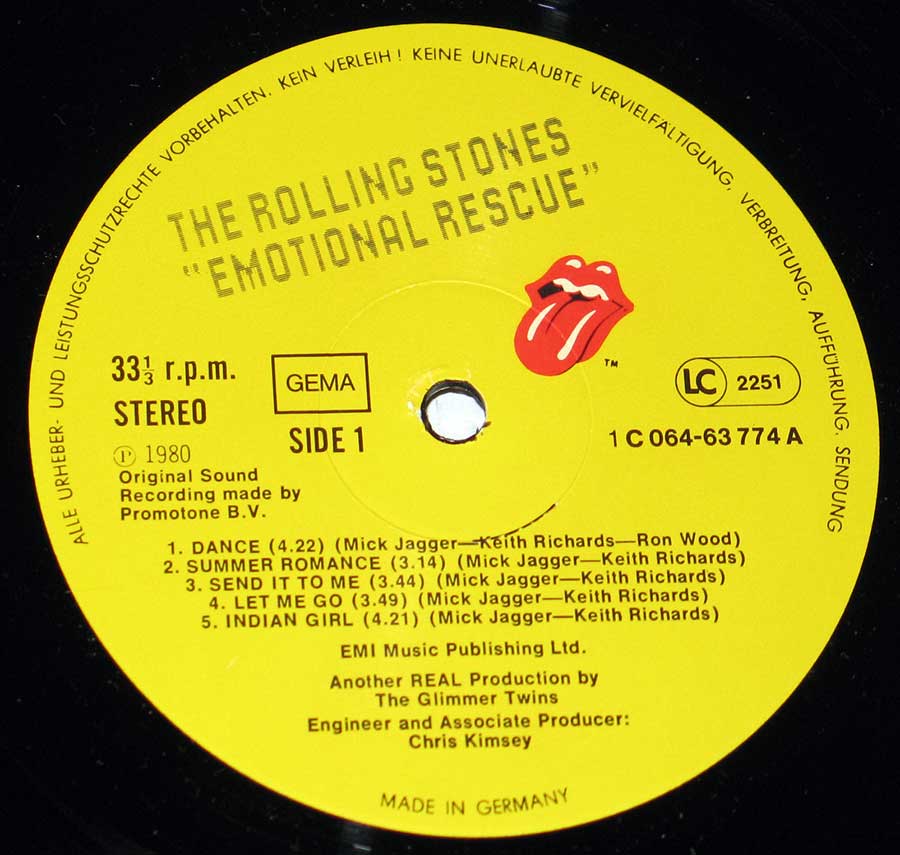
Record Label & Catalognr: Rolling Stones records 1C 064-63 774 / Musidor / Promotone BV |
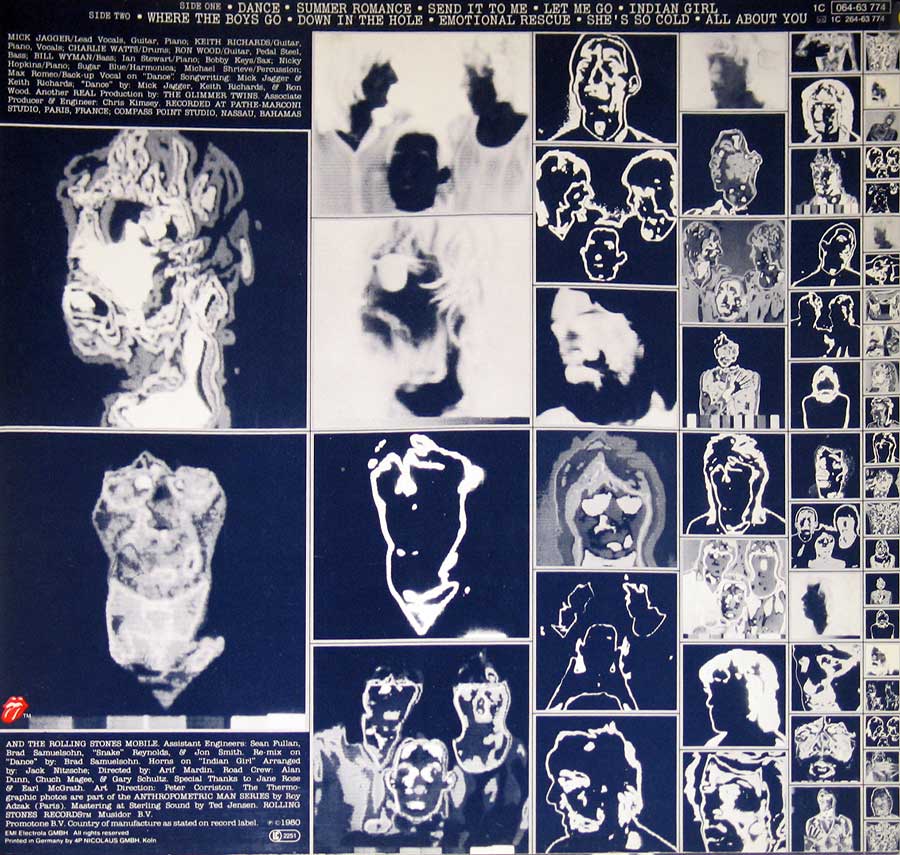
| Packaging: This album includes the original custom inner sleeve with album details, complete lyrics of all songs by The Rolling Stones. |
Media Format: 12" LP Vinyl Gramophone Record |
Year & Country:
1980 Made in Germany |
Band Members and Musicians on: Rolling Stones Emotional Rescue |
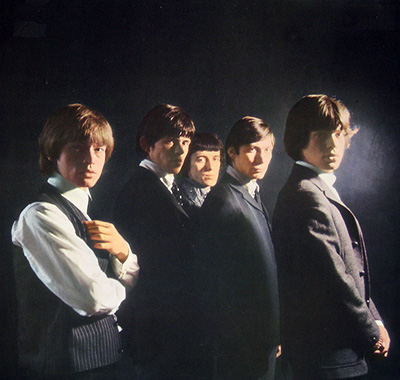
The Rolling Stones Band:
- Mick Jagger
- Keith Richards
- Charlie Watts
- Ron Wood
- Ronnie Wood – Guitar
The Rolling Stones’ secret sauce: feel, slide, and that “I’m here for the song” glue. Read more... Ron Wood is the kind of guitarist I trust: not a flashy gymnast, but a human groove-machine who makes big bands sound like they’re breathing together. He started out with The Birds (1964–1966), bounced through The Creation (briefly in 1967), then went loud and hungry with The Jeff Beck Group (1967–1969). From there he helped turn Faces (1969–1975) into a glorious, half-tipsy rock ’n’ roll fistfight, before stepping into the world’s most unforgiving rhythm-guitar job with The Rolling Stones (joined 1975; officially from 1976). What I love most is how he plays like a builder, not a show-off: weaving parts, adding slide color, and making the whole thing swing like it’s alive. Ron Wood Wiki
- Bill Wyman
- Ian Stewart
- Ian Stewart – Piano
Kicked out for not being "marketable" in 1963, kept around forever for actually playing. Read more... Ian Stewart, Ian Stewart is the Rolling Stones' no-nonsense piano anchor, and I will die on the hill that he kept the boogie honest while everyone else chased the spotlight. From 1961-1962 he worked London's R&B circuit with Alexis Korner's Blues Incorporated; in 1962 he co-founded the Rolling Stones and, after being pushed out of the "official" lineup in 1963 for image reasons, stayed on as road manager and session pianist right up to 1985. I hear him in the Stones' live roar and studio grooves, and he even guested on early-1970s sessions with Led Zeppelin. In the early 1980s he fronted Rocket 88, built for sweat, not fashion. When a Stones track suddenly swings like a pub jukebox at closing time, I blame Stu.
- Bobby Keys
- Nicky Hopkins
- Nicky Hopkins – Piano
The kind of pianist who makes a band sound richer without ever stealing the spotlight (which is basically a superpower). Read more... Nicky Hopkins, I first clocked you as that ghost in the grooves: the classy, lightning-fingered English piano that suddenly makes a rock track feel like it grew up, got a suit, and learned some manners. You cut your teeth in the London scene in the early-to-mid 1960s (including a serious run with The Kinks from roughly 1964 into the late 1960s), then became essential to The Rolling Stones across their late-60s and 70s peak (notably the studio years from 1967 through the early 1980s, plus the big touring stretch around 1971–1973). You also did time with the Jeff Beck Group in 1968, jumped across the Atlantic for Quicksilver Messenger Service around 1970–1971, and later rode the long, strange road with the Jerry Garcia Band in the mid-to-late 1970s (around 1975–1978). Add in the high-grade cameo work with The Who, The Beatles, and a ridiculous list of others, and the pattern is obvious: when a record needed elegance, bite, and momentum all at once, your name quietly appeared in the credits like a wink to the people paying attention.
- Sugar Blue
- Michael Shrieve
- Max Romeo
|