Ron Wood is the kind of guitarist I trust: not a flashy gymnast, but a human groove-machine who makes big bands sound like they’re breathing together. He started out with The Birds (1964–1966), bounced through The Creation (briefly in 1967), then went loud and hungry with The Jeff Beck Group (1967–1969). From there he helped turn Faces (1969–1975) into a glorious, half-tipsy rock ’n’ roll fistfight, before stepping into the world’s most unforgiving rhythm-guitar job with The Rolling Stones (joined 1975; officially from 1976). What I love most is how he plays like a builder, not a show-off: weaving parts, adding slide color, and making the whole thing swing like it’s alive. Ron Wood Wiki
ROLLING STONES - Some Girls - Sweden 12" LP Vinyl Album
- Swedish Release with the celebrities like Marilyn Monroe, Liza Minelli on the inside pages. Later issues have these celebrities replaced.
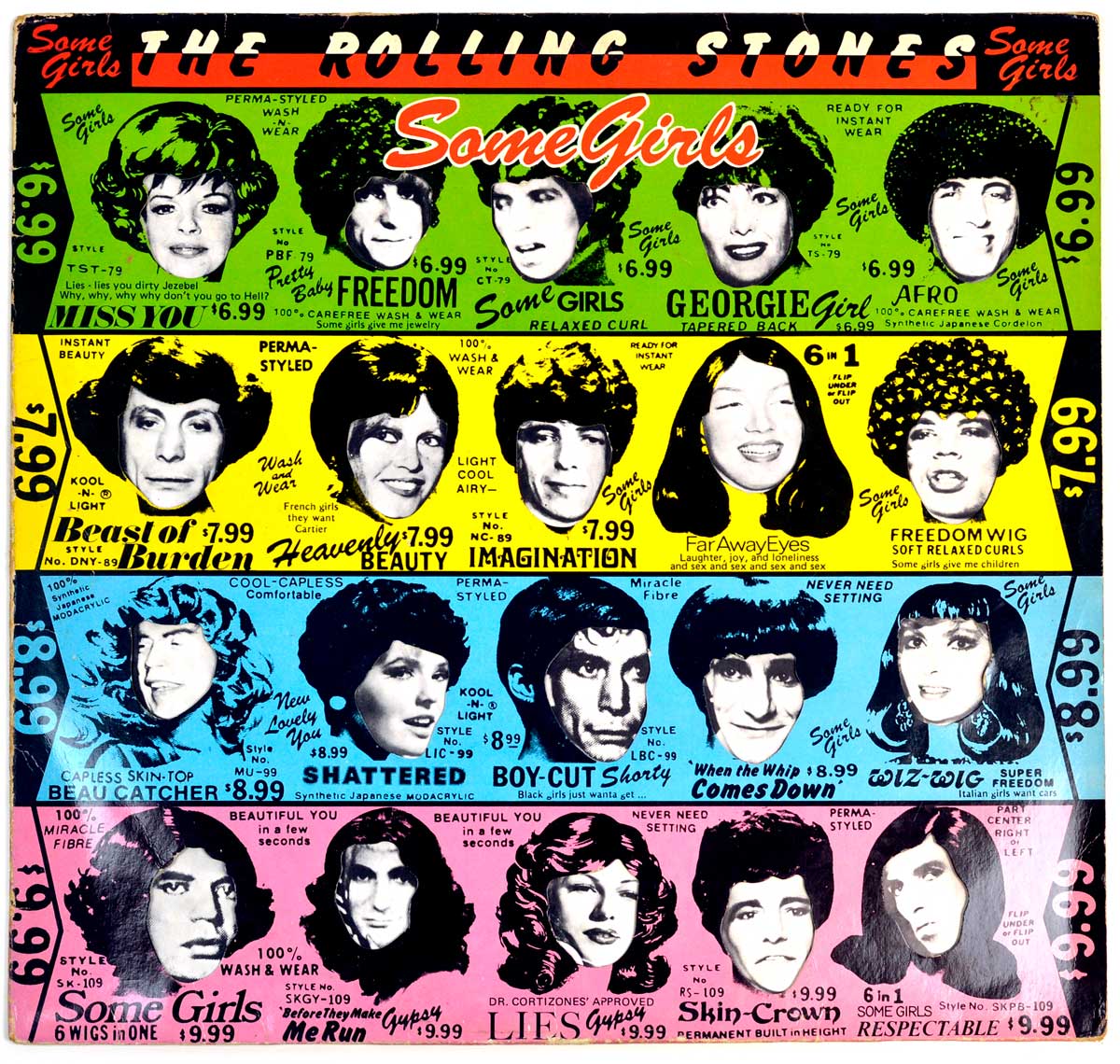
This is the Swedish release of "Some Girls" the 14th official full length album, released by the British rock band: "The Rolling Stones".
The album cover for "Some Girls" was conceived and designed by Peter Corriston, who would design the next three album covers, with illustrations by Hubert Kretzschmar. An elaborate die-cut design, with the colours on the sleeves varying in different markets, it featured the Rolling Stones' faces alongside those of select female celebrities inserted into a copy of an old Valmor Products Corporation advertisement.
Rolling Stones - Some Girls - Sweden 12" LP Vinyl Album: A Controversial Landmark
Album Description:
In 1978, as the music world was captivated by punk's raw energy and disco's infectious beats, the Rolling Stones defiantly released Some Girls. This album, a powerful return to their roots, demonstrated the band's enduring relevance in an evolving landscape. The unique Swedish 12" LP vinyl, initially featuring iconic images of Marilyn Monroe and Liza Minnelli on its inner sleeve, stands as a physical embodiment of this significant chapter in rock and roll history.
Historical Context and Musical Evolution
By the late 1970s, the Stones' music had experienced a period of fluctuation. The unbridled energy of their earlier work had evolved into experimentation, resulting in both triumphs and missteps. Some Girls marked a deliberate course correction, a forceful return to the guitar-driven rock and roll that had defined their legacy.
This album wasn't simply a nostalgic throwback. It also featured the Stones embracing contemporary sounds, incorporating elements of punk, disco, and even reggae. "Miss You," the album's opener, showcased an infectious bassline and disco beat, becoming a chart-topping hit and demonstrating the band's ability to adapt without sacrificing their core identity.
Musical Style and Controversies
Some Girls is fundamentally a rock and roll album, yet it's charged with a raw, edgy energy that mirrored the punk scene. Tracks like "Shattered" and "Respectable" exemplified the Stones' capacity to capture the spirit of the times while remaining faithful to their distinct sound.
However, the album wasn't without its controversies. The title track, "Some Girls," provoked outrage due to its racially charged lyrics, while the inclusion of Marilyn Monroe and Liza Minnelli on the early pressings' inner sleeve drew criticism for its perceived exploitation. These controversies, while unfortunate, only served to amplify the album's notoriety.
Production and Recording
The album's production was helmed by the legendary Glimmer Twins, Mick Jagger and Keith Richards, along with Chris Kimsey. Recorded at the familiar setting of Pathé Marconi Studios in Paris, a location favored by the band, the sessions were reportedly intense and fruitful, with the band capturing their signature raw, live energy.
Conclusion
The Swedish release of Some Girls, with its unique inner sleeve artwork, represents the album's enduring impact and the band's unwavering legacy. It was a bold declaration during a time when rock and roll was undergoing an identity crisis. This album showcases the Stones' ability to evolve while remaining true to their roots. Even today, Some Girls endures as a controversial, captivating, and essential piece of rock history.
| Album Fact Sheet: ROLLING STONES - Some Girls (Sweden) |
|
Music Genre: Classic Rock, Blues-Rock |
|
Album Production Information:
|
|
Record Label & Catalognr: Rolling Stone Records – 7C 064-61016 |
|
Record Format: 12" Vinyl Stereo Gramophone RecordTotal Album (Cover+Record) weight: 280 gram |
|
Year & Country: 1978 Made in Sweden |
Personnel/Band Members and Musicians on: ROLLING STONES - Some Girls (Sweden)
- Mick Jagger – vocals, acoustic guitar
- Charlie Watts – drums
- Bill Wyman – bass
- Keith Richards – guitar
- Ron Wood – guitar
- Ronnie Wood – Guitar
The Rolling Stones’ secret sauce: feel, slide, and that “I’m here for the song” glue. Read more...
Complete Track-listing of the album "ROLLING STONES - Some Girls (Sweden)"
The detailed tracklist of this record "ROLLING STONES - Some Girls (Sweden)" is:
- Track-listing Side One:
- Miss You
- When the Whip Comes Down
- Just My Imagination
- Some Girls
- Lies
- Track-listing Side Two:
- Faraway Eyes
- Respectable
- Before They Make Me Run
- Beast of Burden
- Shattered
High Resolution and Quality Photos of Complete Album Covers "ROLLING STONES - Some Girls (Sweden)" |
|
Image Description: This is the front cover of the Swedish release of ROLLING STONES - Some Girls 12" vinyl LP album. The artwork mimics a vintage wig advertisement with a grid of mock fashion magazine panels. The entire layout is composed of horizontal color bands—green, yellow, blue, and pink—each representing a different section of fake hair product ads, humorously showcasing perma-styled and synthetic wigs. Each row features cut-out photos of women's hairstyles with the faces replaced by those of the Rolling Stones band members—Mick Jagger, Keith Richards, Charlie Watts, Bill Wyman, and Ron Wood—and originally, female celebrities like Marilyn Monroe, Liza Minnelli, Lucille Ball, Raquel Welch and others. These celebrity faces were later censored in reissues due to legal issues. The album title "Some Girls" appears prominently in bright red stylized cursive in the top green band. Track names like "Miss You," "Beast of Burden," "Far Away Eyes," "Shattered," and "Respectable" are subtly integrated within the layout, often beneath faces or beside faux wig names like "Freedom Wig" or "Boy Cut Shorty." Each wig is humorously priced (e.g., $6.99, $7.99, $8.99) and labeled with fictional style codes and exaggerated marketing language such as "NEVER NEED SETTING," "100% BEAUTIFUL YOU," and "PERMANENT BUILT IN THE HEIGHT." The background is intentionally garish and chaotic, evoking commercial kitsch of mid-century catalogs. The overall composition blends satire, pop art, and shock value, characteristic of the late 1970s. |
Album Back Cover Photo of "ROLLING STONES - Some Girls (Sweden)" |
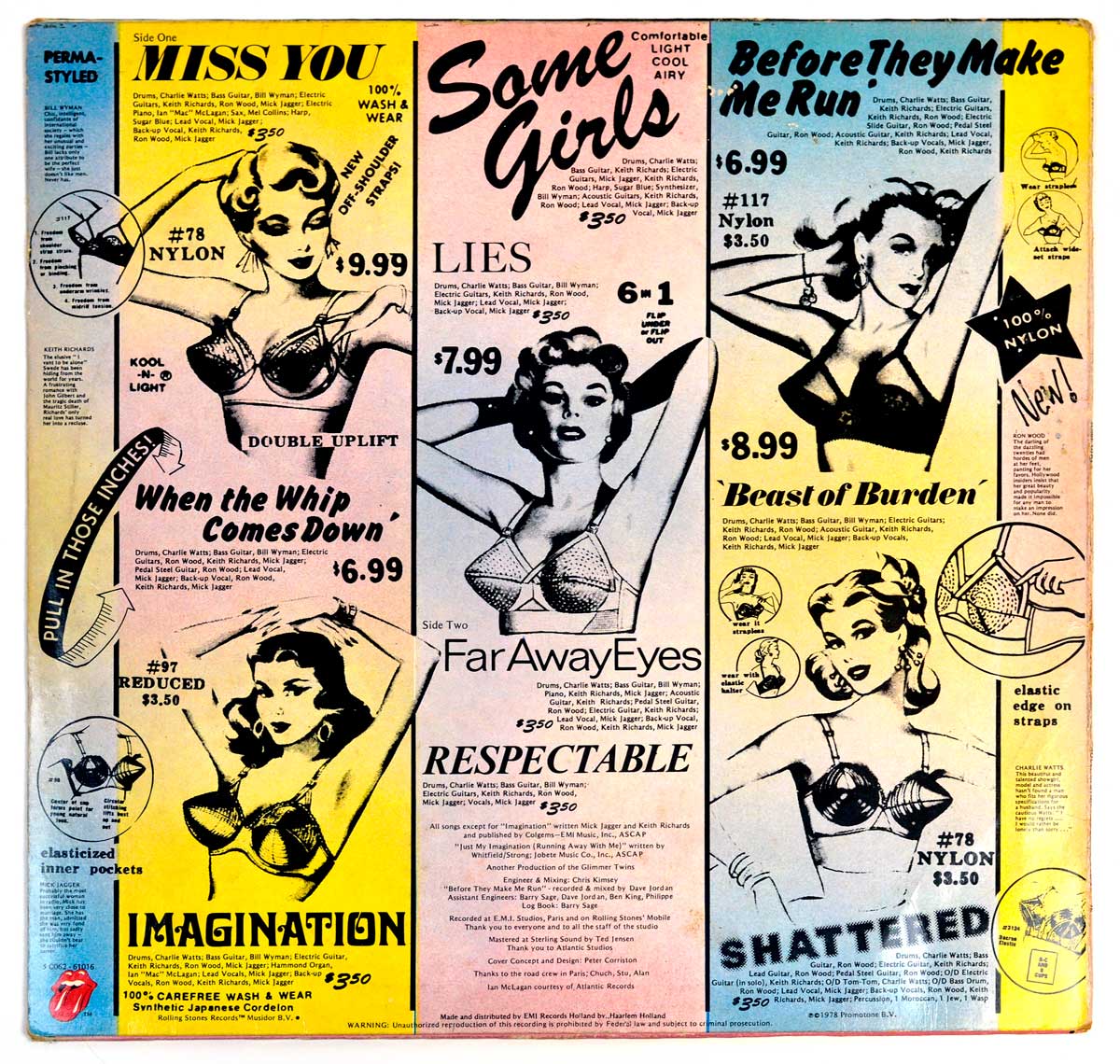
Image Description: This is the back cover of the Swedish edition of the ROLLING STONES - Some Girls LP album. The artwork parodies a retro lingerie catalog, using stylized illustrations of 1950s-era pin-up women modeling various bras, each one humorously assigned to a track from the album. The background is divided into five vertical pastel-colored panels (blue, yellow, pink, gray, and cream), each highlighting two songs. The track names are printed in decorative fonts, aligned with matching female illustrations and mock product codes such as "#78 NYLON" and "#97 REDUCED." Pricing is spoofed (e.g., "$3.50," "$9.99") and exaggerated marketing phrases like "DOUBLE UPLIFT," "elastic edge on straps," "pull in those inches," and "comfortable light cool airy" reinforce the satirical tone. Each song title includes credits for vocal and instrumental contributions, such as Mick Jagger on vocals, Keith Richards on guitar, Charlie Watts on drums, Ron Wood on guitar, and Bill Wyman on bass. Notably, the lyrics for all tracks are interspersed beneath or beside each image, adding layers of textual detail within the parody layout. This visual concept continues the playful and controversial tone of the front cover. While the front mocks wig ads, the back leans into lingerie catalog satire, making the entire album cover design a cultural commentary on beauty standards, commercialism, and gender imagery—all wrapped in the Stones’ edgy humor. |
Inner Sleeve of "ROLLING STONES - Some Girls (Sweden)" Album |
|
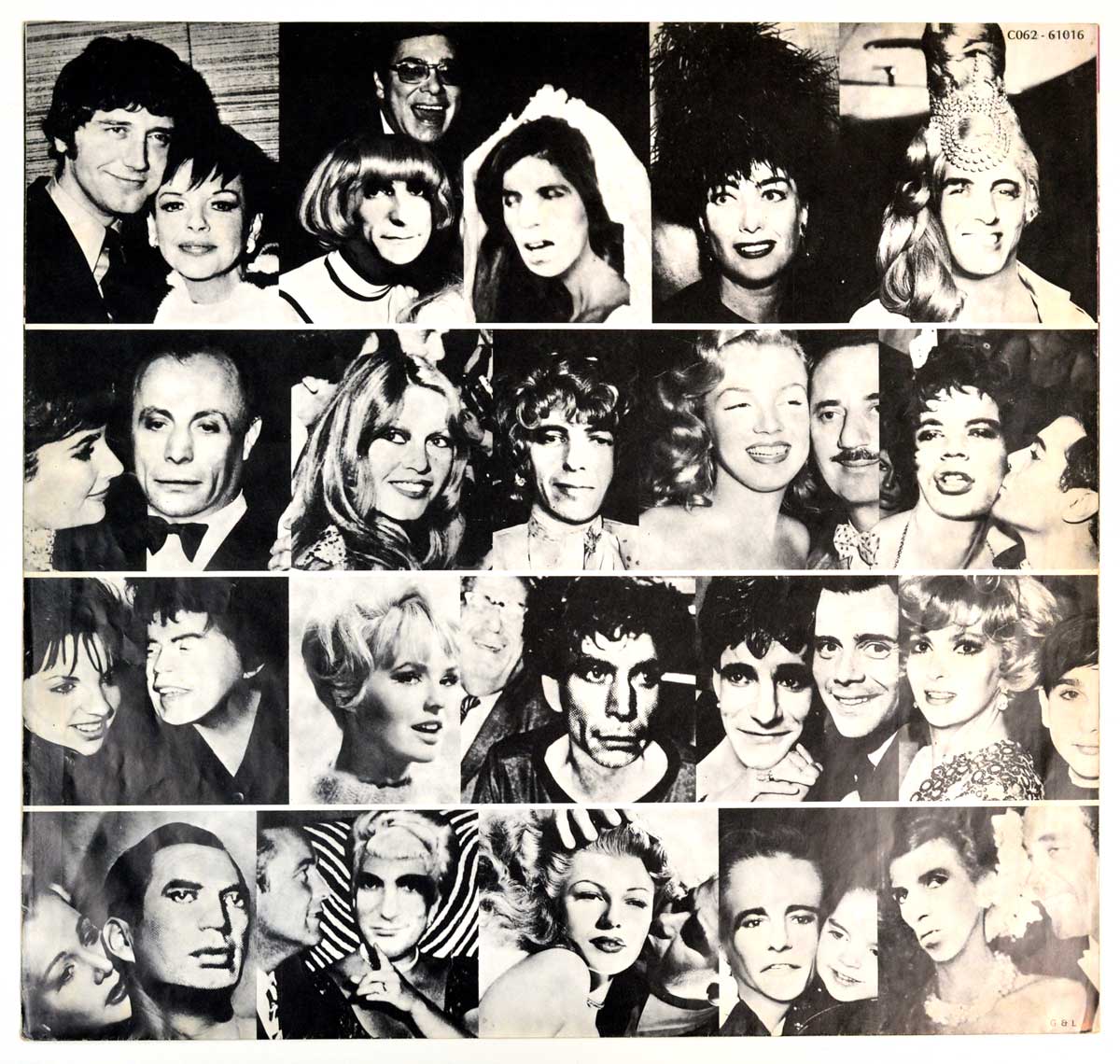
Image Description: This is the inner sleeve photo collage from the Swedish edition of the ROLLING STONES - Some Girls vinyl LP. Rendered entirely in black and white, the image comprises four horizontal rows, each displaying a tightly cropped series of celebrity portraits, candid snapshots, and stylized images, arranged in a rectangular grid.
Each square or rectangular segment captures a different face or pairing, including both classic Hollywood stars and doctored images of the Rolling Stones band members in drag. The sleeve includes high-contrast portraits of Marilyn Monroe smiling with her eyes closed, Judy Garland, Raquel Welch, Lucille Ball, and Farrah Fawcett. The expressions range from joyful to stoic and bewildered, blending real media photography with altered visuals.
Some Rolling Stones members are disguised in wigs, makeup, or costumes to appear among the celebrity icons. The use of heavy makeup, costume jewelry, and vintage hairstyles gives the entire collage a retro-glam, tongue-in-cheek character. At the top right corner is the catalog number "C062-61016," subtly embedded. This sleeve design was highly controversial and later censored in various countries, making this unedited Swedish edition a visually striking and historically rare collector's piece.
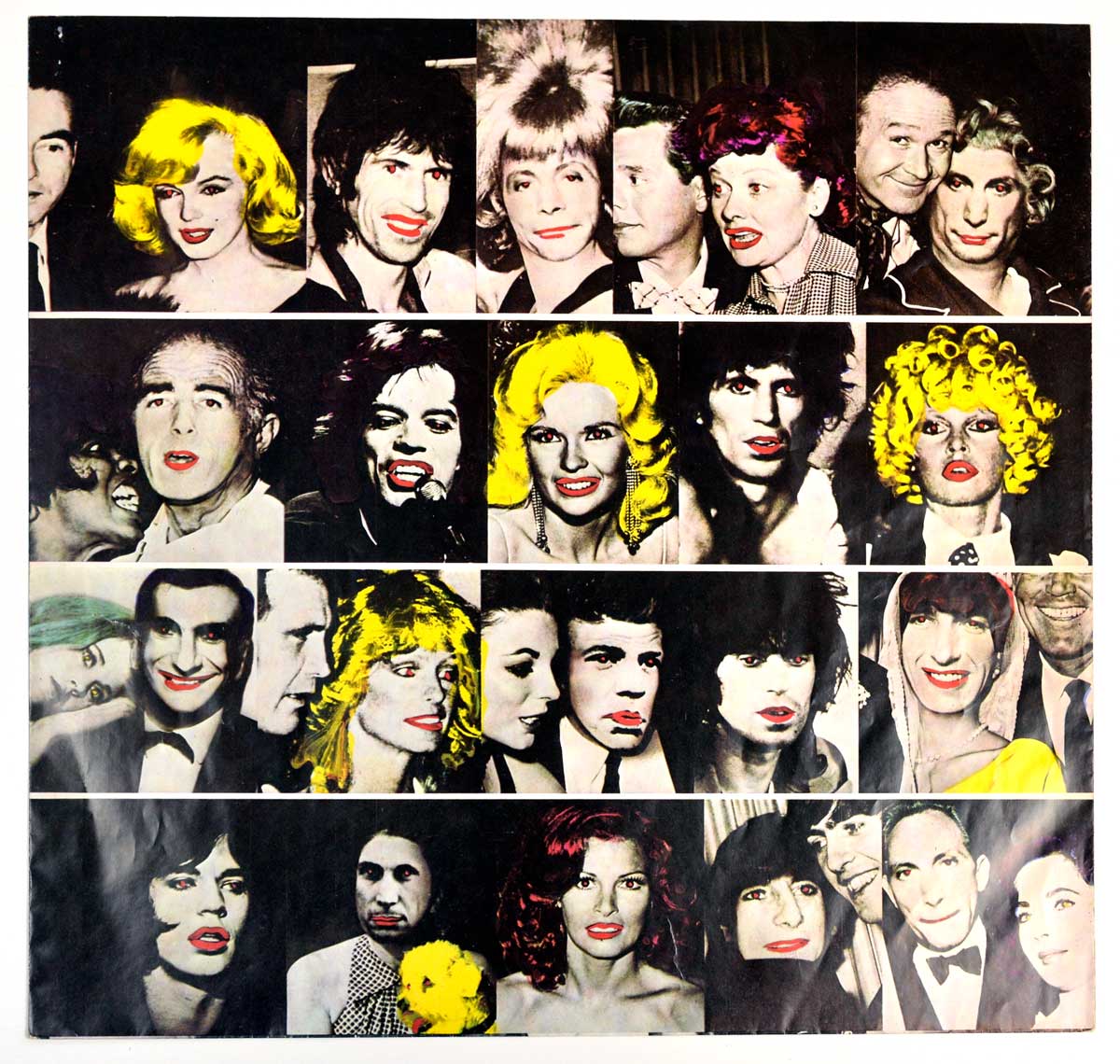
Image Description: This image is the reverse side of the inner sleeve from the Swedish edition of ROLLING STONES - Some Girls. It is a reworking of the earlier black-and-white photo collage, now boldly colorized and further stylized for surreal visual impact.
The sleeve consists of four horizontal rows of tightly packed square and rectangular portraits. Faces of celebrities—real and altered—are enhanced with graphic elements: bright red lipstick, artificially colored yellow, red, and green hair, and stark contrast editing. The band members of the Rolling Stones are interspersed among the celebrities, often disguised in wigs, makeup, or costume styling, blurring the line between parody and glam homage.
Notable figures like Marilyn Monroe are easily recognized due to her iconic blonde hair, while other personalities are transformed into caricature-like visuals with exaggerated cosmetic edits. All faces are united by uniformly applied cherry-red lips, creating a jarring and ironic cosmetic uniformity. Hair on several figures is colored in solid blocks—electric yellow, fire red, jet black—emphasizing the pop art aesthetic.
The use of loud, unrealistic coloring and cut-and-paste montage design evokes the spirit of 1970s punk and pop-art culture. This side of the sleeve pushes the satire even further, making this inner artwork one of the most controversial and iconic in vinyl record packaging history. It adds to the unique value of the uncensored Swedish pressing of the Some Girls LP.
Lucille BallLucille Ball was a pioneering American actress, comedian, and producer best known for the iconic sitcom 'I Love Lucy'. Her comedic brilliance and business acumen helped shape early television history. Farrah FawcettFarrah Fawcett was an American actress and pop culture icon, famous for her role in 'Charlie's Angels' and her best-selling 1976 poster that made her an international sensation. Judy GarlandJudy Garland was a legendary American singer and actress, beloved for her timeless role as Dorothy in 'The Wizard of Oz' and her emotionally powerful voice and stage presence. Marilyn MonroeMarilyn Monroe was an iconic American actress, singer, and model who became a symbol of Hollywood glamour in the 1950s, starring in classics like 'Some Like It Hot' and 'The Seven Year Itch'. Raquel WelchRaquel Welch was a glamorous American actress and sex symbol of the 1960s and 1970s, known for her roles in 'One Million Years B.C.' and 'Fantastic Voyage', and her influence on pop culture fashion. |
Photo of "ROLLING STONES - Some Girls (Sweden)" Album's Inner Sleeve |
|
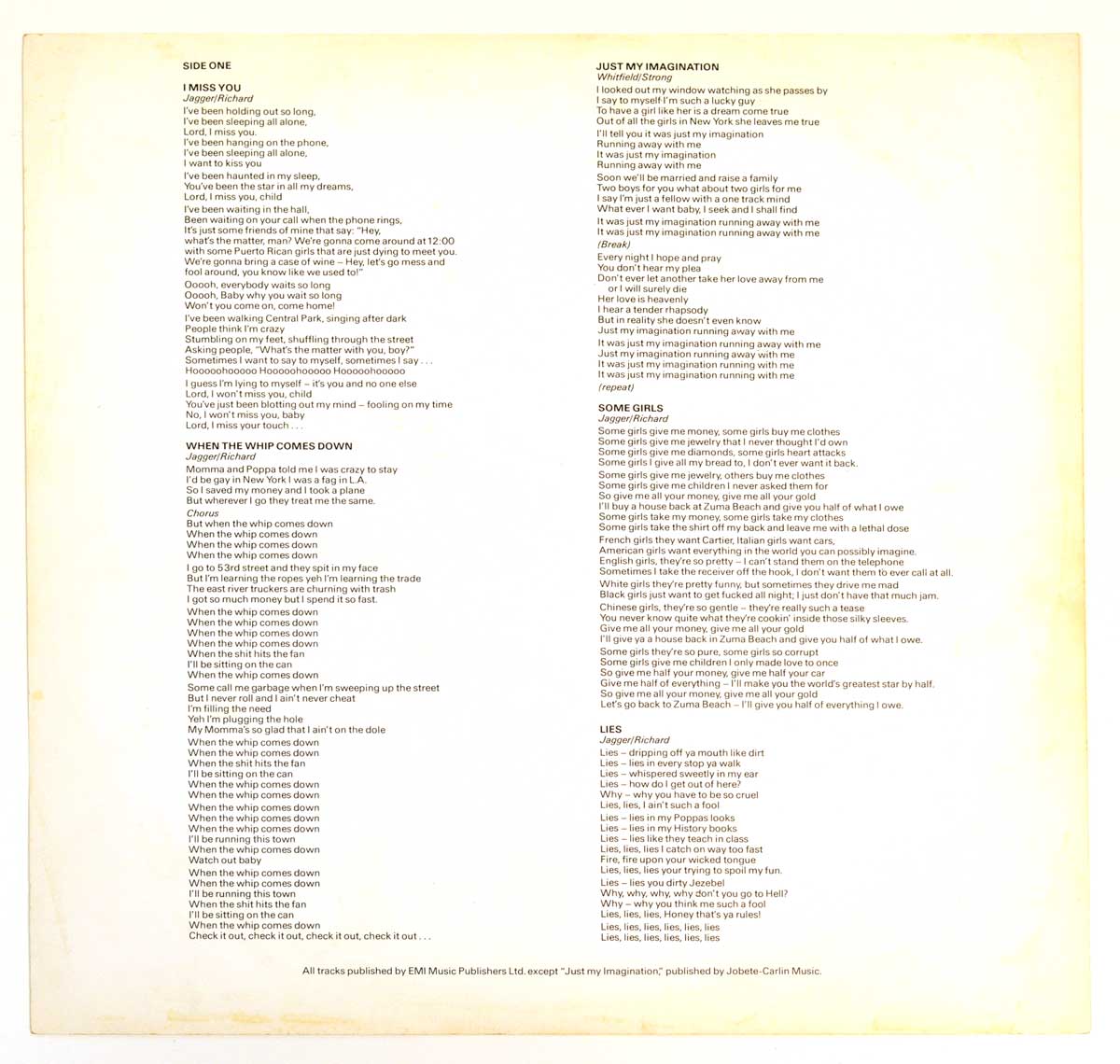
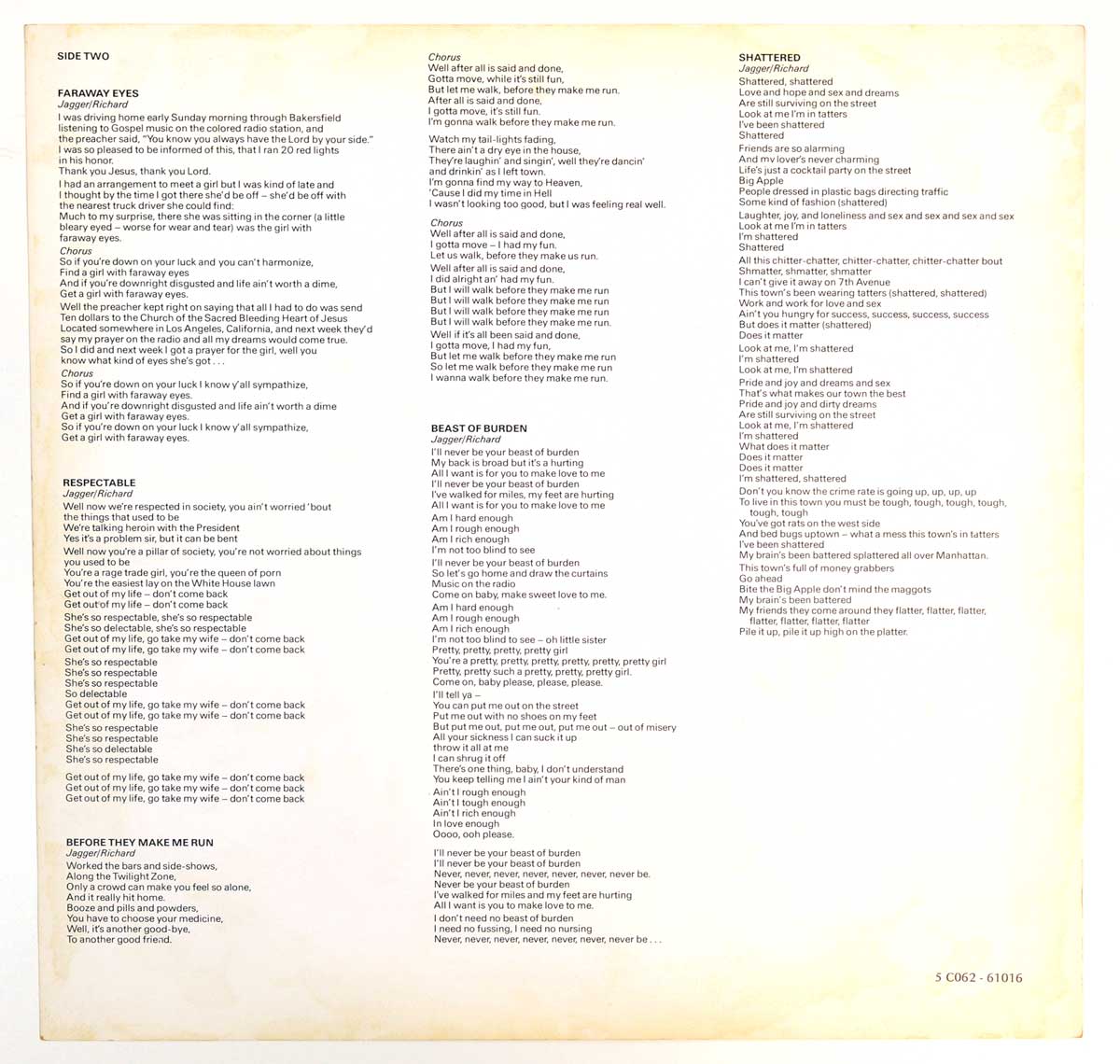
Image Description: This is a high-resolution image of the inner lyric sleeve included with the Swedish edition of ROLLING STONES - Some Girls. The sleeve is printed on a matte, off-white or cream-colored paper with evenly spaced black serif text aligned in four vertical columns.
The content features the full lyrics for all five songs on Side One of the LP: Miss You, When the Whip Comes Down, Just My Imagination, Some Girls, and Lies. Each song title is printed in uppercase, followed by songwriter credits—typically Jagger/Richards—and the lyrics formatted in single-spaced lines.
The first column includes “Miss You” and “When the Whip Comes Down.” The second begins with “Just My Imagination,” a cover song credited to Whitfield/Strong. The third column presents “Some Girls,” one of the album’s most controversial tracks, while the fourth column ends with “Lies.” The track “Some Girls” contains lyrics that sparked public backlash due to racial and sexist overtones, and its inclusion here reflects the album's original uncensored state.
At the bottom of the page, a centered footnote states: “All tracks published by EMI Music Publishers Ltd. except 'Just My Imagination' published by Jobete-Carlin Music.” This plain yet functional lyric sleeve served both as a reading companion and a collector's detail, faithfully reproducing the original 1978 pressing material for this edition.
|
Enlarged & Zoomed photo of "ROLLING STONES - Some Girls (Sweden)" Record's Label |
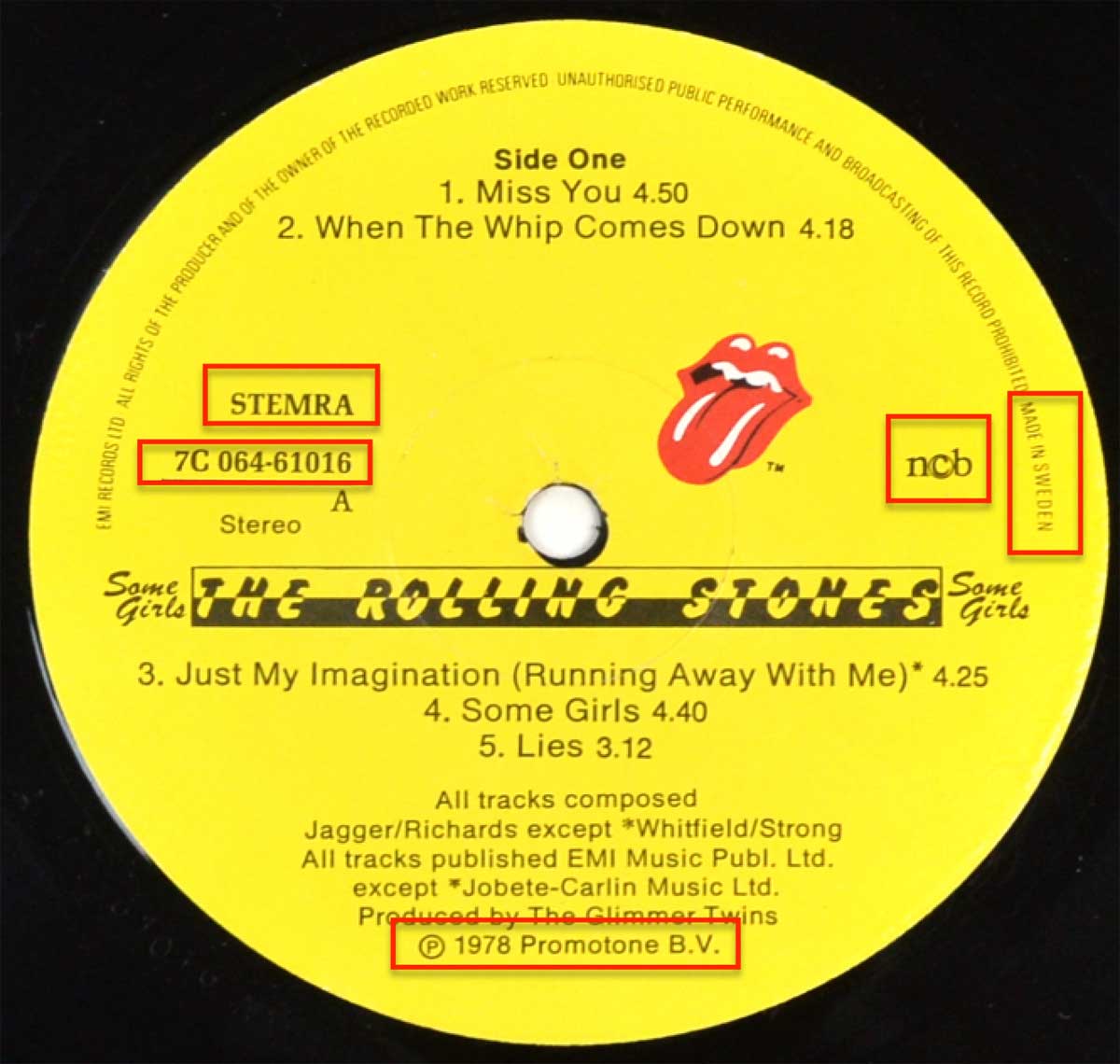
Image Description: This is an enlarged and detailed photo of the vinyl record label for Side One of the Swedish pressing of ROLLING STONES - Some Girls. The label is printed in bright yellow with black and red details, centered around the iconic red Rolling Stones tongue-and-lips logo just above the spindle hole. Across the top, the label reads "Side One" followed by the track listing for the album’s first five songs: Miss You (4:50), When The Whip Comes Down (4:18), Just My Imagination (4:25), Some Girls (4:40), and Lies (3:12). Important technical and rights information surrounds the outer rim, including the phrases "All rights of the producer..." and "Unauthorised public performance... prohibited." The publishing organization codes “STEMRA” and “NCB” are clearly printed in blocks, indicating Dutch and Nordic rights agencies, respectively. Below the tracklist, a production credit reads: “Produced by The Glimmer Twins”, the pseudonym for Mick Jagger and Keith Richards. The label also includes copyright information: “℗ 1978 Promotone B.V.” and the catalog number 7C 064-61016. The phrase “MADE IN SWEDEN” is vertically printed along the right-hand edge, confirming this as the Swedish release. The label's design is clean and symmetrical, using a strong sans-serif typeface for readability and incorporating visual branding elements like the Stones' logo and the black horizontal band that reads "THE ROLLING STONES - Some Girls". It is an authentic, well-preserved example of European pressings from the late 1970s. |
Over the decennia the line-up of "The Rolling Stones" has been changed several times read the mini-biographies of the best known stones
ROLLING STONES - Aftermath (Decca Records and London Records)
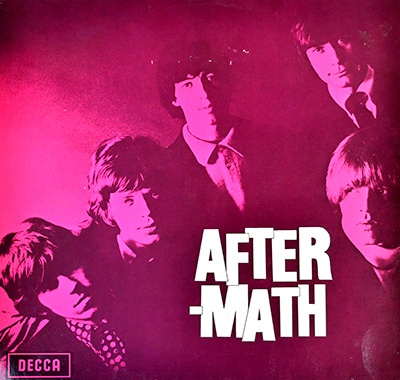
The Rolling Stones' "Aftermath" (1966) stands as a pivotal moment in rock history, showcasing the band's songwriting prowess and sonic experimentation. The UK and US versions differ slightly, but both feature classics like "Paint It, Black" and "Under My Thumb."
Aftermath Netherlands Release on Decca Records Aftermath Netherlands Release on London Records )ROLLING STONES - Around and Around Two different releases
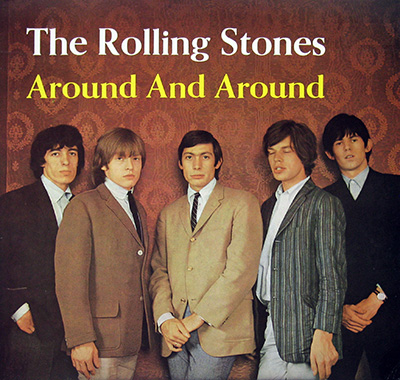
"Around and Around" isn't just another Rolling Stones album, it's a raw, bluesy ride showcasing their early energy. Released in 1964, this LP features covers and originals, capturing the essence of their live shows. Tracks like "It's All Over Now" and the title track prove why they became rock legends.
Around and Around German 1970 Release - Around and Around Holland 1970 ReleaseROLLING STONES - Beggars Banquet Two different releases
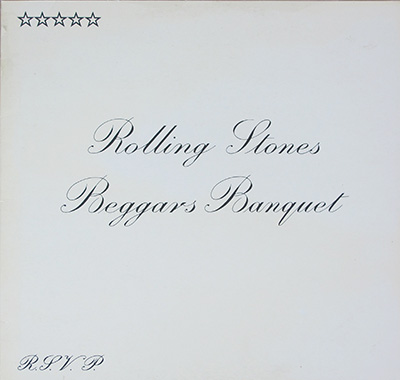
Ah, "Beggars Banquet" from 1968, now that's a landmark release! This album marked a return to the Stones' bluesy roots, but with a darker, more mature edge. You'll find classics like "Sympathy for the Devil" and "Street Fighting Man," showcasing their raw power and social commentary
British release of Beggars Banquet German Release of Beggars BanquetROLLING STONES - Between the Buttons (Three Album Cover Variations)
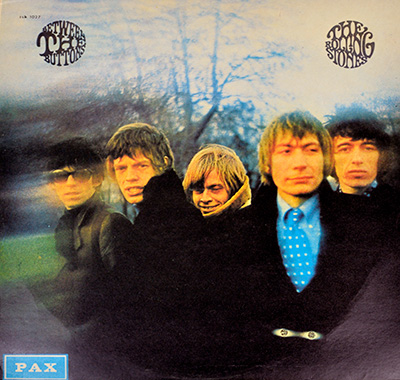
"Between the Buttons," released in 1967, is a fascinating album showcasing the Rolling Stones' creative evolution. It's known for having three distinct album cover variations, each a collector's item in its own right! The music itself blends psychedelia, pop, and their classic rock 'n' roll sound
Between Buttons German Release Between The Buttons Israel Release Between the Buttons West-German Release )ROLLING STONES - Big Hits (High Tide and Green Grass) (Multiple European Versions)
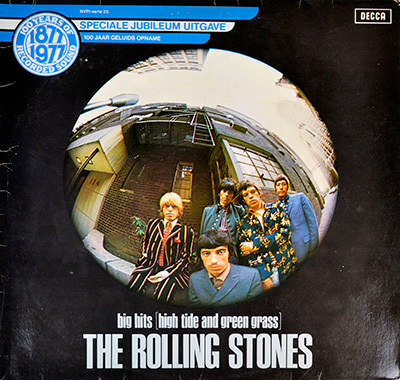
Now, "Big Hits (High Tide and Green Grass)" is a real treat for anyone new to the Rolling Stones or looking for a perfect overview of their early, energetic sound. Released in 1966, this compilation packs a punch with hits like "(I Can't Get No) Satisfaction," "Get Off of My Cloud," and "The Last Time."
Big Hits (High Tide And Green Grass) German Release - Big Hits (High Tide and Green Grass) Israel PAX Record Big Hits (High Tide and Green Grass) Special Edition Netherlands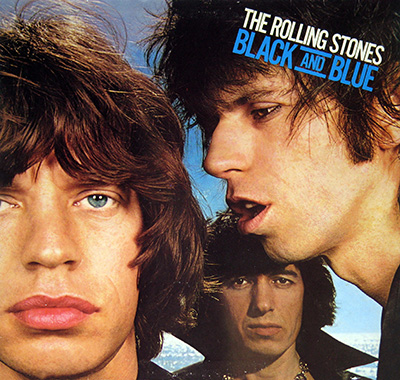
ROLLING STONES - Black and Blue
“Black and Blue” is the Stones at their most unpredictable — part jam, part experiment, all attitude. The songs twist from funk to reggae to bruised ballads, with Jagger in full control and Richards slinging riffs like smoke rings. It’s a strange, swaggering record that captures the sound of a band refusing to fade quietly into the 1970s haze.
ROLLING STONES - Collector's Only
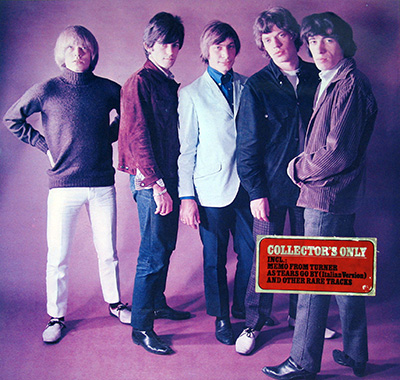
DECCA 6.24321 , Year , Made in Germany
The ROLLING STONES - COLLECTOR'S ONLY 12" Vinyl LP Album is a rare find for any music enthusiast. One of the highlights is Mick Jagger showcasing his linguistic skills by singing a song entirely in Italian, adding a unique touch to this already exceptional collector's item.
Collector's Only 12" Vinyl LPROLLING STONES - December's Children (and everybody's)
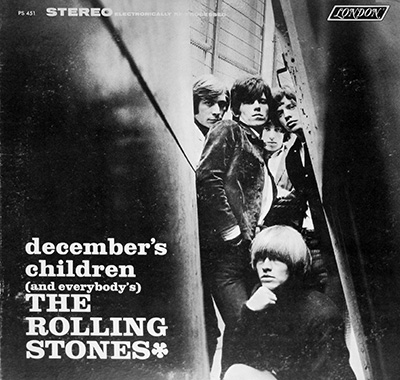
London PS 451 , , USA
"December's Children (And Everybody's)" is a pivotal Rolling Stones album, showcasing their evolution from blues covers to original songwriting. Released in 1965, it features hits like "Get Off of My Cloud" alongside R&B-infused tracks and Dylan-esque ballads, capturing the band's raw energy
December's Children (and everybody's) 12" Vinyl LPROLLING STONES - Dirty Work
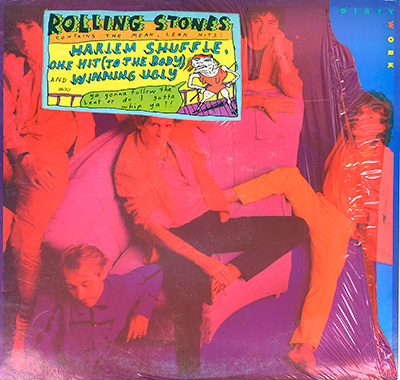
Rolling Stones Records – CBS 86321 , 1986 , Europe
"Dirty Work", a 1986 Rolling Stones release, reflects a tense period in the band's history with Jagger/Richards at odds. It's a raw, guitar-heavy album, less polished than their earlier work, but still packs a punch with hits like "Harlem Shuffle" and the defiant "One Hit (To the Body)"
Dirty Work (1986, Europe) 12" Vinyl LPROLLING STONES - Emotional Rescue (Dutch and German Releases)
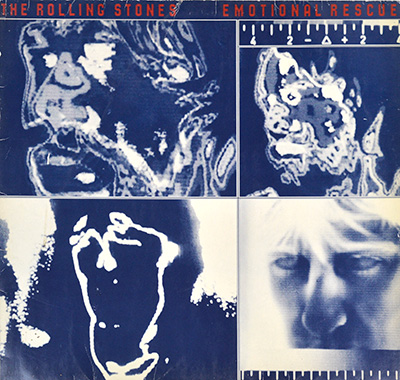
The Dutch and German pressings of the Rolling Stones' "Emotional Rescue" offer a unique listening experience for vinyl enthusiasts. These 1980 releases boast exceptional audio quality, capturing the album's blend of disco, rock, and ballads with clarity and warmth.
Dutch Release of "Emotional Rescue" incl Poster German Release of "Emotional Rescue"ROLLING STONES - Exile On Main Street
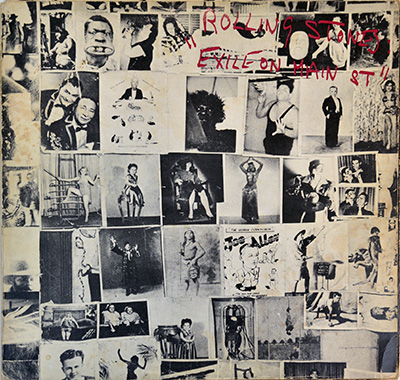
Rolling Stones Records – COC 69 100 , 1972 , Netherlands
"Exile on Main Street" is the Rolling Stones' gritty, sprawling masterpiece from 1972. This double LP captures the band at their rawest, blending blues, rock, and country influences into a loose, jam-heavy sound. It's a sonic journey through the highs and lows of rock 'n' roll excess, with classics
Exile On Main Street (1972, Netherlands) 12" Vinyl LPROLLING STONES - Flowers (Two German Versions)
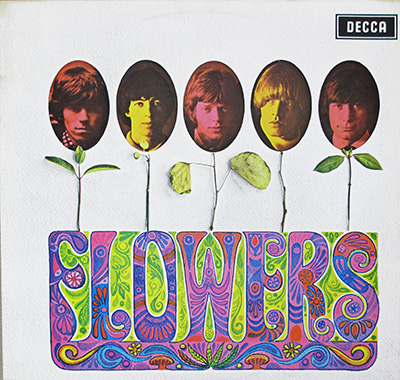
The German pressings of the Rolling Stones' "Flowers" offer a unique glimpse into the band's mid-60s output. These 1967 releases compile tracks not included on US albums, featuring hits like "Ruby Tuesday" and "Let's Spend the Night Together."
Flowers - Decca Records Edition Flowers - Royal Sound EditionROLLING STONES - Get Yer Ya-Ya's Out
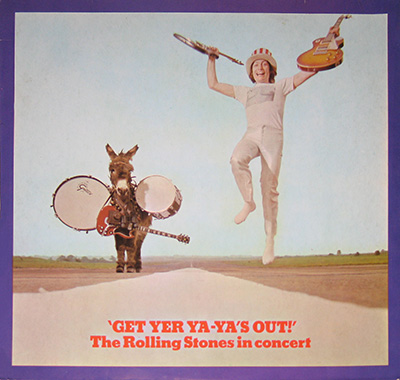
Decca SKL 5065 (FFSS) , 1970 , France
"Get Yer Ya-Ya's Out!" is a legendary live Rolling Stones album, capturing their raw energy and bluesy roots in 1969. Featuring electrifying performances of classics like "Jumpin' Jack Flash" and "Sympathy for the Devil," it's considered one of the greatest live rock albums ever.
Get Yer Ya-Ya's Out (1970, France) 12" Vinyl LPROLLING STONES - Goats Head Soup
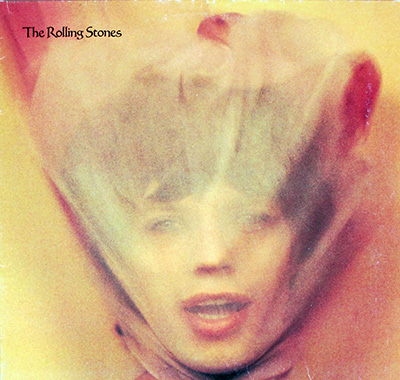
COC 59101 , 1973 , Germany
"Goats Head Soup" is a classic Rolling Stones album from 1973, featuring the iconic ballad "Angie." It showcases the band's signature bluesy rock sound with a touch of experimentation, making it a must-have for any vinyl collector.
Goats Head Soup (1973, Germany) 12" Vinyl LPROLLING STONES - It's Only Rock and Roll

Rolling Stones Records COC 59 103 , 1974 , Germany
The Rolling Stones' 1974 album, "It's Only Rock 'n Roll," is a raw and energetic journey through a band in transition. The title track encapsulates their rebellious spirit, a statement of purpose in a changing music landscape. While some tracks stay true to their bluesy roots
It's Only Rock and Roll (1974, Germany) 12" Vinyl LPROLLING STONES - Let it Bleed
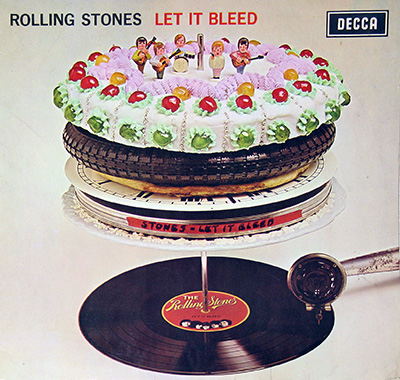
Decca SKL 5025 FFSS / XZAL 9363 , 1969 , England
"Let It Bleed," released in 1969, is a blues-infused rock masterpiece by the Rolling Stones. This iconic album features raw energy and dark undertones, capturing the turbulent spirit of the late '60s. Tracks like "Gimme Shelter" and "You Can't Always Get What You Want" showcase the band's musical maturity
Let it Bleed (1969, England) 12" Vinyl LPROLLING STONES - Made In The Shade
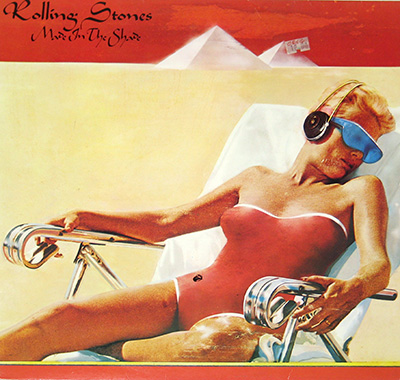
COC 59 104 , 1975 , Germany
"Made In The Shade," released in 1975, is a compilation album showcasing the Rolling Stones' iconic hits from the early 1970s. It features essential tracks like "Brown Sugar," "Tumbling Dice," and "Angie," providing a snapshot of the band's peak during that era.
Made In The Shade (1975, Germany) 12" Vinyl LPROLLING STONES - No 2 / Vol 2
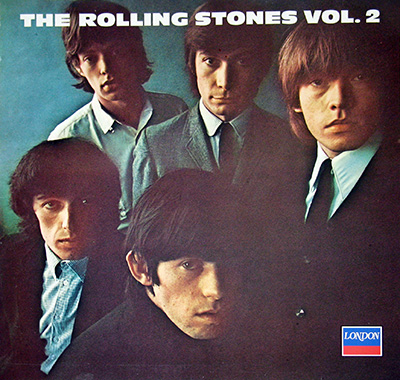
LONDON 820 673 , 1970 , Netherlands
Released in 1965, "The Rolling Stones No. 2" captures the band's early raw energy and passion for blues and R&B. Filled with electrifying covers and Jagger/Richards originals, it showcases their musical exploration and establishes them as a driving force in the British Invasion.
No 2 / Vol 2 (1970, Holland) 12" LPROLLING STONES - Out Of Our Heads (Netherlands and USA Releases)
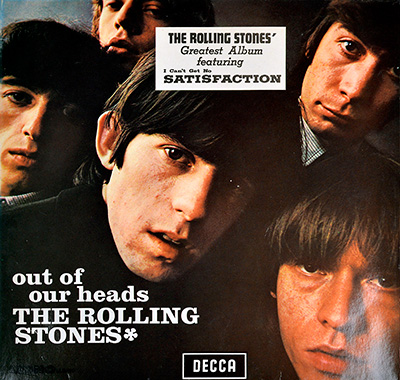
Decca – 6835 107 , 1965 , Netherlands
"Out Of Our Heads," released in 1965, showcases the Rolling Stones' evolution. The album's blend of blues covers and Jagger/Richards originals, including their iconic "(I Can't Get No) Satisfaction," perfectly captures their raw energy and rebellious spirit. It's a pivotal record that cemented their place
- Out Of Our Heads (1965, Netherlands) - Out Of Our Heads (1965, USA)ROLLING STONES - Rolled Gold (German Releases)
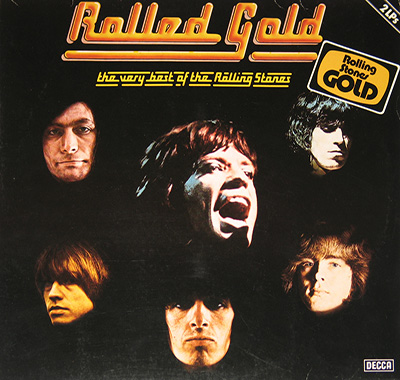
"Rolled Gold," released in 1975, is a classic Rolling Stones compilation featuring their biggest hits from the 1960s and early '70s. It's a perfect introduction for new fans or a nostalgic trip for longtime listeners, showcasing the band's evolution from bluesy rockers to stadium-filling icons.
Rolled Gold on Decca Records, Germany Rolled Gold on Nova Records GermanyROLLING STONES - Self-Titled
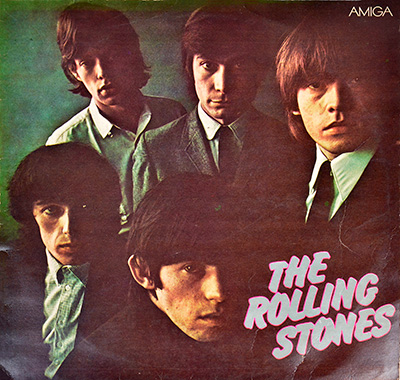
Record Label Information: , 1982 , East-Germany
This 12" vinyl LP serves as a compilation, showcasing the Stones' artistic progression within the given time frame. With a blend of timeless classics, it reflects the band's influential contributions to the music scene, leaving an indelible mark on the cultural landscape of that era.
ROLLING STONES - Self-Titled (1982, DDR/East Germany) 12" LPROLLING STONES - Self-Titled
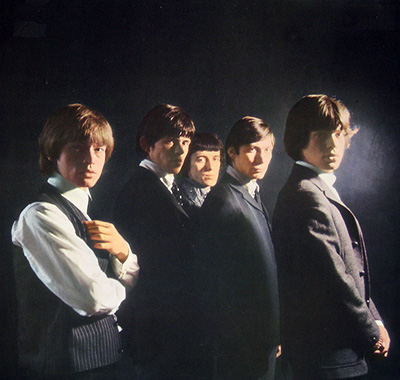
London 820 047 , 1984 , Holland
"The Rolling Stones" is the debut album by The Rolling Stones, originallly released in the UK in April 1964. This is the 1984 re-issue and can be easily recognized by the barcode in the upper right corner of the album back cover and the (c) Copyright printed on the record's label,
ROLLING STONES - Self-Titled (1984, Holland) 12" LPROLLING STONES - Self-titled
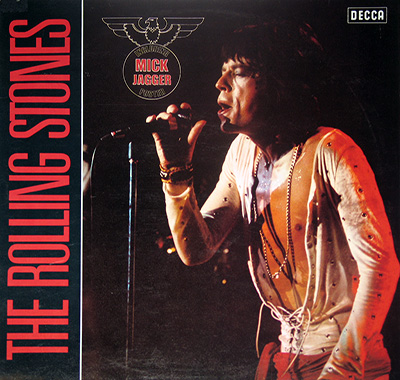
Decca S 17 005 (ML+) , 1973 , Germany
Unveiling a musical rarity: The Rolling Stones' 1973 self-titled Swiss vinyl, a German-crafted masterpiece with +ML+ imprint, blending exclusivity and timeless rock allure.
ROLLING STONES - Self-titled (1973, Switzerland) 12" Vinyl LPROLLING STONES - Slow Rollers
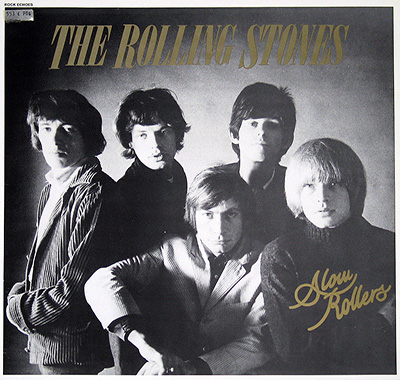
Decca TAB 30 / KZAL ARL 17148 , 1981 , Holland
"Slow Rollers," a ballad compilation on 12" Vinyl LP by the Rolling Stones, showcases their emotive side. Notably, "Con Le Mie Lagrime Cosi (As Tears Go By)," sung in Italian by Mick Jagger, adds a unique touch
Slow Rollers (1981, Holland) 12" Vinyl LPROLLING STONES - Some Girls (International Versions)
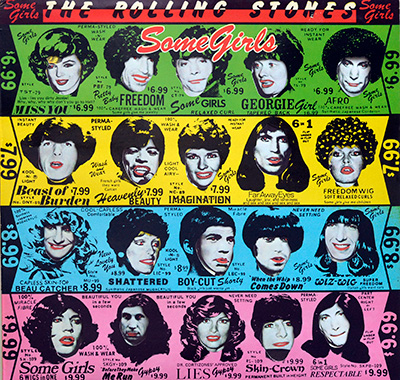
The Rolling Stones' 1978 album, "Some Girls," marked a turning point, introducing guitarist Ron Wood and showcasing a shift in their sound. While retaining their rock n' roll roots, they embraced elements of punk, disco, and new wave, resulting in a diverse and commercially successful album.
European Release of "Some Girls" with alternate cover Italian Release of "Some Girls" with alternate cover Netherlands Release of "Some Girls" with original cover Swedish Release of "Some Girls" with original coverROLLING STONES - Steel Wheels
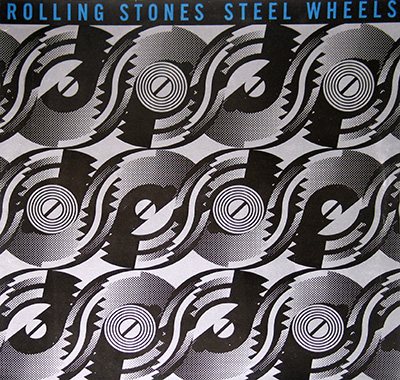
CBS 465752 , 1989 , Holland
Released in 1989, "Steel Wheels" marks a triumphant return for the Rolling Stones. This album showcases a rejuvenated band delivering a blend of classic rock energy and polished production. With catchy hooks and powerful performances, "Steel Wheels" is a testament to the Stones' enduring appeal.
Steel Wheels (1989 Holland) 12" Vinyl LPROLLING STONES - Sticky Fingers (International Versions)
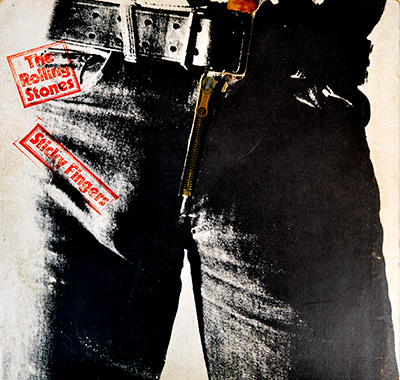
"Sticky Fingers," the iconic album by the Rolling Stones, achieved global renown not only for its timeless music but also for the distinctive front cover designed by the legendary artist Andy Warhol. A collector's delight, this album holds a unique allure for vinyl enthusiasts
Sticky Fingers with real ZIPP Zipper (1971, Germany) Sticky Fingers Real working zipper (1971, Germany) Sticky Fingers with Rounded PAN Zipper (1971, Netherlands) Sticky Fingers CBS NL (Netherlands) Sticky Fingers (United Kingdom)ROLLING STONES - Still Life American Concert 1981 (Multiple European Releases) 12" Vinyl LP
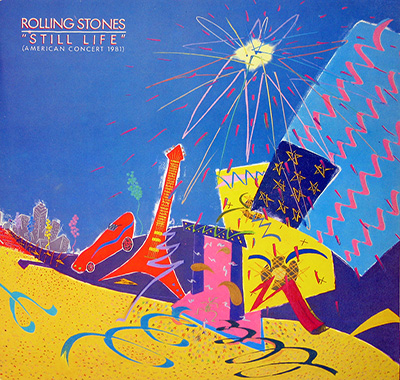
Rolling Stones' zenith: A 1981 live album, encapsulated in a 12" Vinyl LP, is a sonic time capsule, showcasing the band's prowess and contributing profoundly to music history. A must-have for enthusiasts, reliving the magic of that era.
European Release of "Still Life American Concert 1981" German Release of "Still Life American Concert 1981"ROLLING STONES - Stone Age/Got Live if you want it
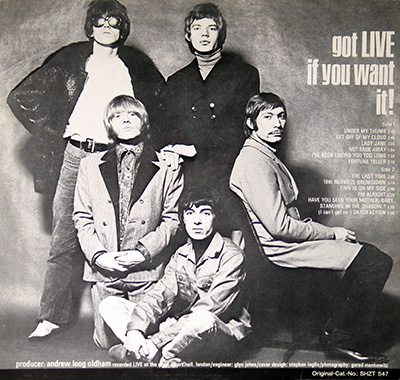
Decca SD 3024 / ZAL 10 432 , 1971 , Germany
"Stone Age/Got Live If You Want It!" is a unique Rolling Stones release, combining their 1971 studio album "Stone Age" with the live EP "Got Live If You Want It!" from 1966. "Stone Age" features a mix of bluesy rock and psychedelic experimentation, while the live EP captures the band's raw energy
Stone Age/Got Live if you want it 12" Vinyl 2LPROLLING STONES - Tattoo You (Multiple International Releases)
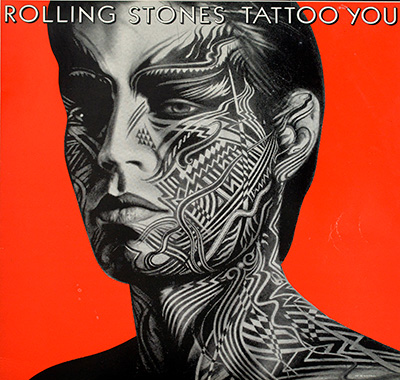
In 1981, The Rolling Stones unveiled "Tattoo You," a 12" Vinyl LP Album that proved to be a remarkable compilation of previously unreleased gems from their 1970s recordings. With its release, the band skillfully curated a timeless collection, showcasing their musical prowess
The European Release of Tattoo You The French Release of Tattoo You The USA Release of Tattoo You
Updated
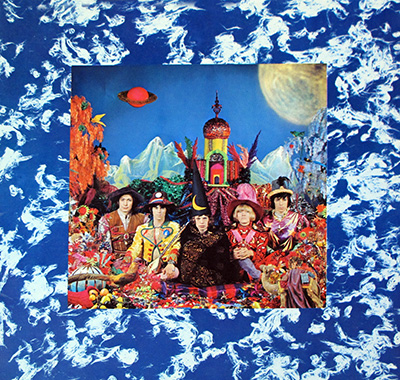
The day the Stones ditched the blues and chased the cosmos
Rolling Stones - Their Satanic Majesties Request
I love this album because it refuses to behave. The Stones ditch the tough blues posture and dive into psych-rock chaos—chants, weird breaks, and a thick, spaced-out haze that dares you to follow. Jagger commits like a showman, and Brian Jones is the secret sauce, dropping Mellotron and oddball sounds until the whole record feels like a proper head-trip.
ROLLING STONES - Their Satanic Majesties Request
Released in 1967, "Their Satanic Majesties Request" marks a bold departure for the Rolling Stones. This psychedelic-tinged album features unconventional instrumentation and studio effects, creating a dreamlike and experimental soundscape.
Holland release of "Their Satanic Majesties Request"ROLLING STONES - Time Waits For No One (Multiple Versions)
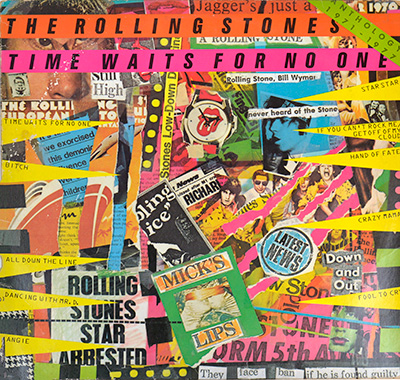
"Time Waits for No One" is a Rolling Stones compilation released in 1979, offering a taste of their music from 1971 to 1977. It features a mix of well-known hits like "Angie" and "It's Only Rock 'n' Roll," along with deeper cuts, providing a glimpse into the band's evolution during that period.
German Release of "Time Waits For No One" Dutch Release of "Time Waits For No One"ROLLING STONES - Undercover (Multiple International Versions) 12" Vinyl LP
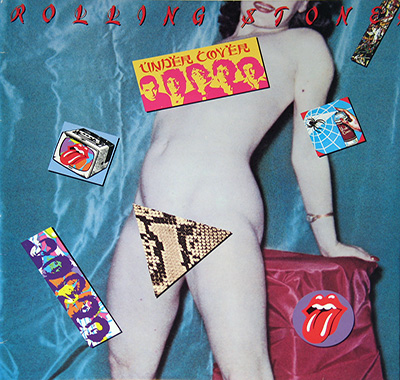
Released in 1983, "Undercover" showcases the Rolling Stones' edgier side. This album features a mix of hard-hitting rock, reggae influences, and experimental textures. Tracks like "Undercover of the Night" and "Too Much Blood" explore darker themes with a raw, contemporary sound.
French Release of Undercover USA Release of UndercoverROLLING STONES - 7" Singles & 12" Maxi-Singles
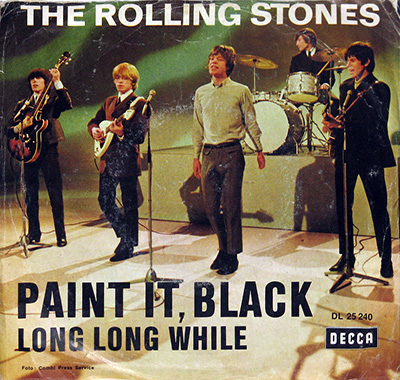
A Collection of 7" Singles and 12" Maxi Records by the Rolling Stones
ROLLING STONES - 7" Singles & 12" Maxi-SinglesROLLING STONES - Live on Unofficial Vinyl Records
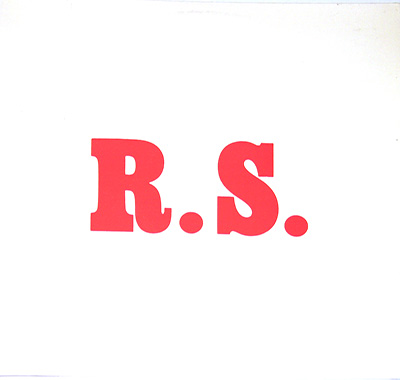
This collection features three unofficial Rolling Stones recordings from the 60s and 70s. Each disc is identified by the initials "R.S." on the cover, but in different colors.
ROLLING STONES - Live on Unofficial Vinyl RecordsROLLING STONES - Assorted Picture Discs, LP's
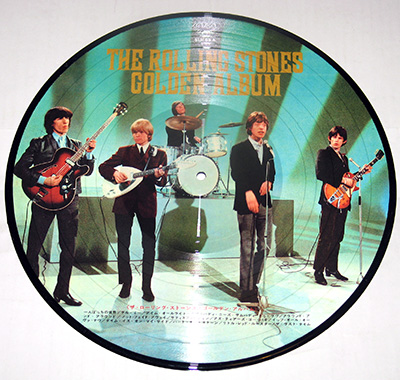
A hodgepodge of Rolling Stones vinyl records from different categories
ROLLING STONES - Assorted Picture Discs, LP's