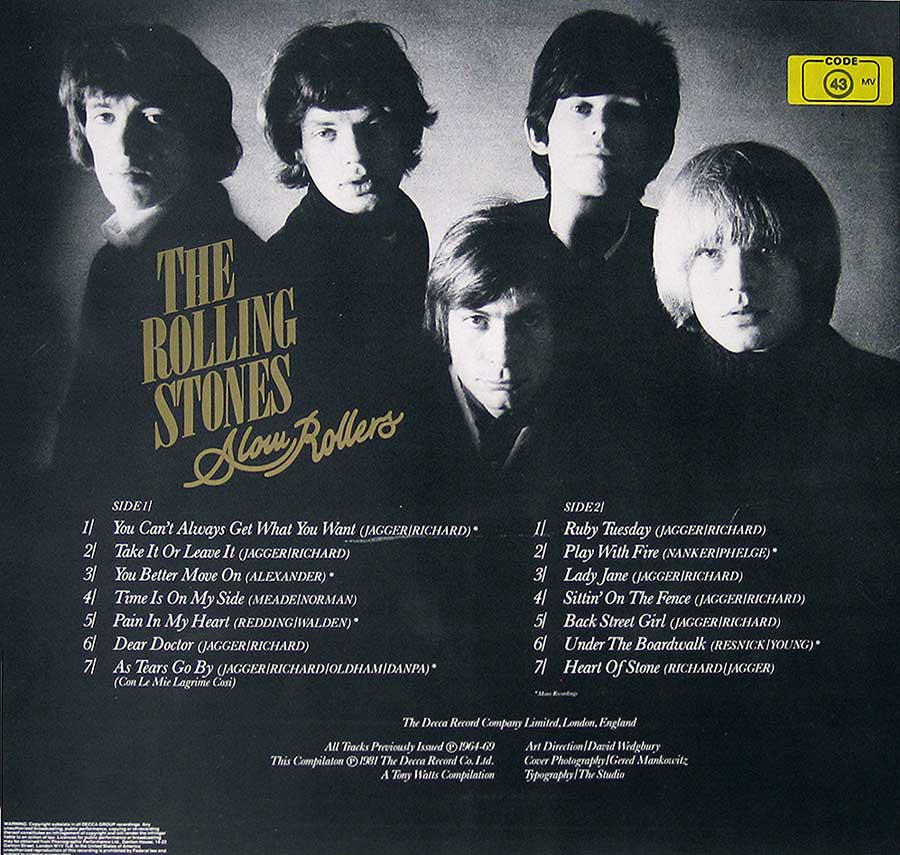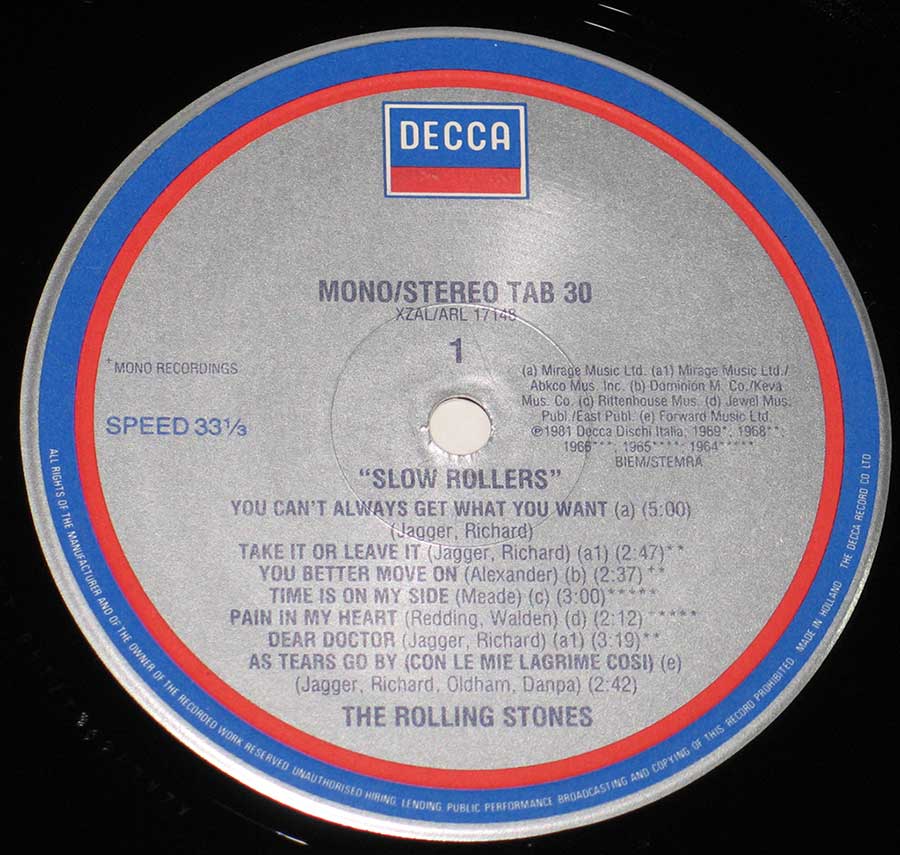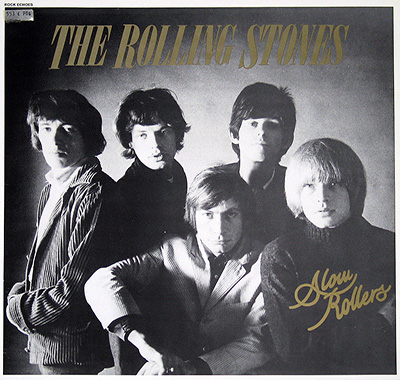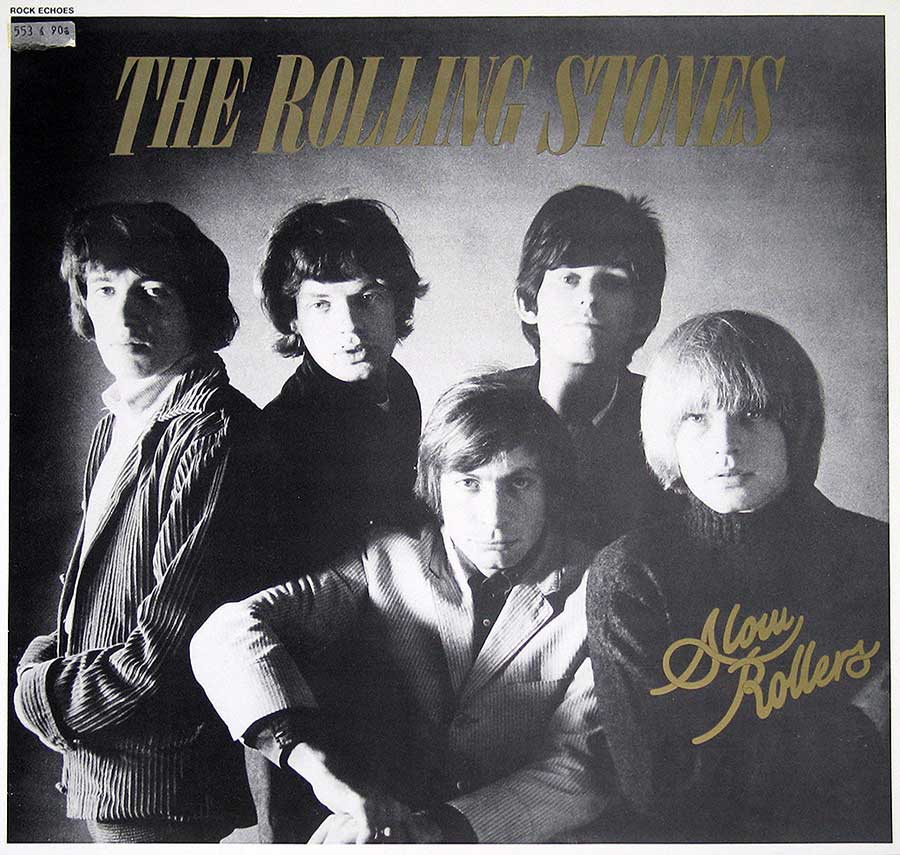
"Slow Rollers" (1981) Album Description:
"Slow Rollers" is one of those Rolling Stones records that looks harmless until you actually live with it for a while. On paper it is a 1981 Decca ballads compilation pressed in Holland, which does not exactly set off fireworks in collector country. Put the thing on, though, and the angle becomes clearer: this is the Stones with the barroom lights turned low, the grin half gone, the early British R&B sneer slowed to a drag, and the emotional damage left sitting in the middle of the room where nobody can pretend not to see it.
What makes the album worth a second look is not prestige, rarity, or any of that auction-house perfume. It is the way this odd Dutch package quietly stitches together several different versions of the band at once, then slips in Mick Jagger singing "As Tears Go By" in Italian just to make sure the floorboards creak under you. Open the rest and the record starts behaving less like a sleepy compilation and more like an accidental character study.
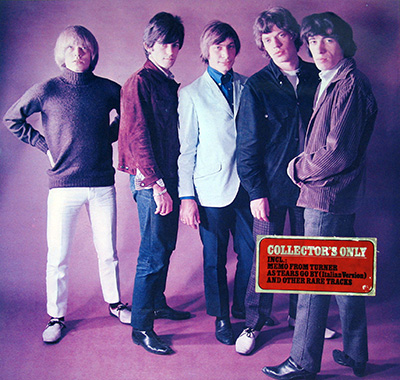
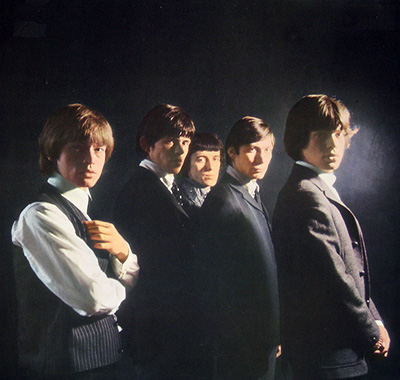
First, the housekeeping. Tony Watts did not "produce" these Stones recordings in the studio sense; he compiled the set, which is a different job and worth stating plainly. That matters because "Slow Rollers" is really Decca doing what old labels do best once a giant band has long since moved down the road: opening the cupboard, pulling out the softer cuts, and selling memory back to the public in a fresh sleeve. Gered Mankowitz's photography helps sell the mood too, because his name brings the right ghost-light from the Stones' mid-60s image without needing to shout.
In Britain in 1981, the air was not built for a record like this. The charts and weeklies were full of post-punk tension, new-pop polish, and the fresh metallic charge that would soon be filed under NWOBHM. Next to the cool surfaces of The Human League, the sharpened edges of Siouxsie and the Banshees, the moody drift of Echo & the Bunnymen, or the full gallop of Iron Maiden, "Slow Rollers" feels almost stubbornly unfashionable. That is part of its charm. It does not chase the room; it sits in the corner and waits for the room to get tired.
Musically, the sequencing is better than it has any right to be. "You Better Move On," "Time Is on My Side," and "Pain in My Heart" still carry that early Stones trick of sounding loose and controlled at the same time, like the band is leaning on the beat without ever falling through it. "Play with Fire" is all cold space and withheld threat. "Lady Jane" and "Back Street Girl" move with that dry, slightly antique melancholy the Stones could reach when they stopped trying to knock holes in the wall and instead let the song do the bruising.
Then the weight shifts. "Dear Doctor" brings in that crooked country grin, and "You Can't Always Get What You Want" arrives with much broader shoulders, bigger emotional framing, and less of the cramped club-room feel that fed the early material. That jump is the real story hiding inside this compilation. The Stones began as a hungry London R&B outfit working imported American grammar into something nastier and more local, but by the later cuts they were already stretching into larger forms, stranger colors, and a more theatrical sense of scale. You hear the frame widening, and you hear what gets lost with it too.
The real curiosity piece, of course, is "Con Le Mie Lagrime Cosi" as the page calls it, the Italian-language version of "As Tears Go By." That cut is the sort of detail collectors love because it is slightly absurd, completely real, and impossible to improve by overexplaining it. Jagger singing in Italian does not turn the Stones into continental romantics for three minutes; it just throws a different light across a song that was already fragile. Same ache, different wallpaper.
There was no major scandal around "Slow Rollers" itself, and anyone claiming otherwise is dressing a catalogue exercise in borrowed drama. The more common mistake is to treat it like a coherent new-era Stones statement from 1981, which it plainly is not. It is a retrospective selection assembled after the fact, and once you accept that, the album becomes easier to judge fairly. Not as a grand artistic event. As a very specific lens.
I can picture this one sitting in a Dutch shop bin on a grey afternoon, wedged between overfamiliar greatest-hits packages and a few battered Decca leftovers, the sort of sleeve you nearly skip until that Italian title catches your eye. Then it comes home with you almost by accident, which is how a lot of worthwhile records enter the house in the first place.
For collectors, "Slow Rollers" is not essential in the blood-and-thunder sense, and pretending otherwise would be daft. But it does earn shelf space because it catches the Stones doing something many swagger merchants hate being caught doing: softening their voice without losing their nerve. Early Rolling Stones R&B was never just attack and posture anyway; there was always a slow-burn ache under the backbeat. This compilation does not invent that truth. It just leaves it out in plain view, where the tough guys have to walk past it.
References
- Vinyl Records NL page with high-resolution album cover, back cover, and label photos
- Discogs entry for the 1981 Dutch Decca pressing of "Slow Rollers"
- Discogs entry for the Italian single "Con Le Mie Lacrime (As Tears Go By)"
- Pitchfork on the early-1980s British new-pop climate
- The Quietus on the rise of the New Wave of British Heavy Metal