Ron Wood is the kind of guitarist I trust: not a flashy gymnast, but a human groove-machine who makes big bands sound like they’re breathing together. He started out with The Birds (1964–1966), bounced through The Creation (briefly in 1967), then went loud and hungry with The Jeff Beck Group (1967–1969). From there he helped turn Faces (1969–1975) into a glorious, half-tipsy rock ’n’ roll fistfight, before stepping into the world’s most unforgiving rhythm-guitar job with The Rolling Stones (joined 1975; officially from 1976). What I love most is how he plays like a builder, not a show-off: weaving parts, adding slide color, and making the whole thing swing like it’s alive. Ron Wood Wiki
ROLLING STONES - Emotional Rescue 12" Vinyl LP Album
- Netherlands Edition, Incl. Large Poster
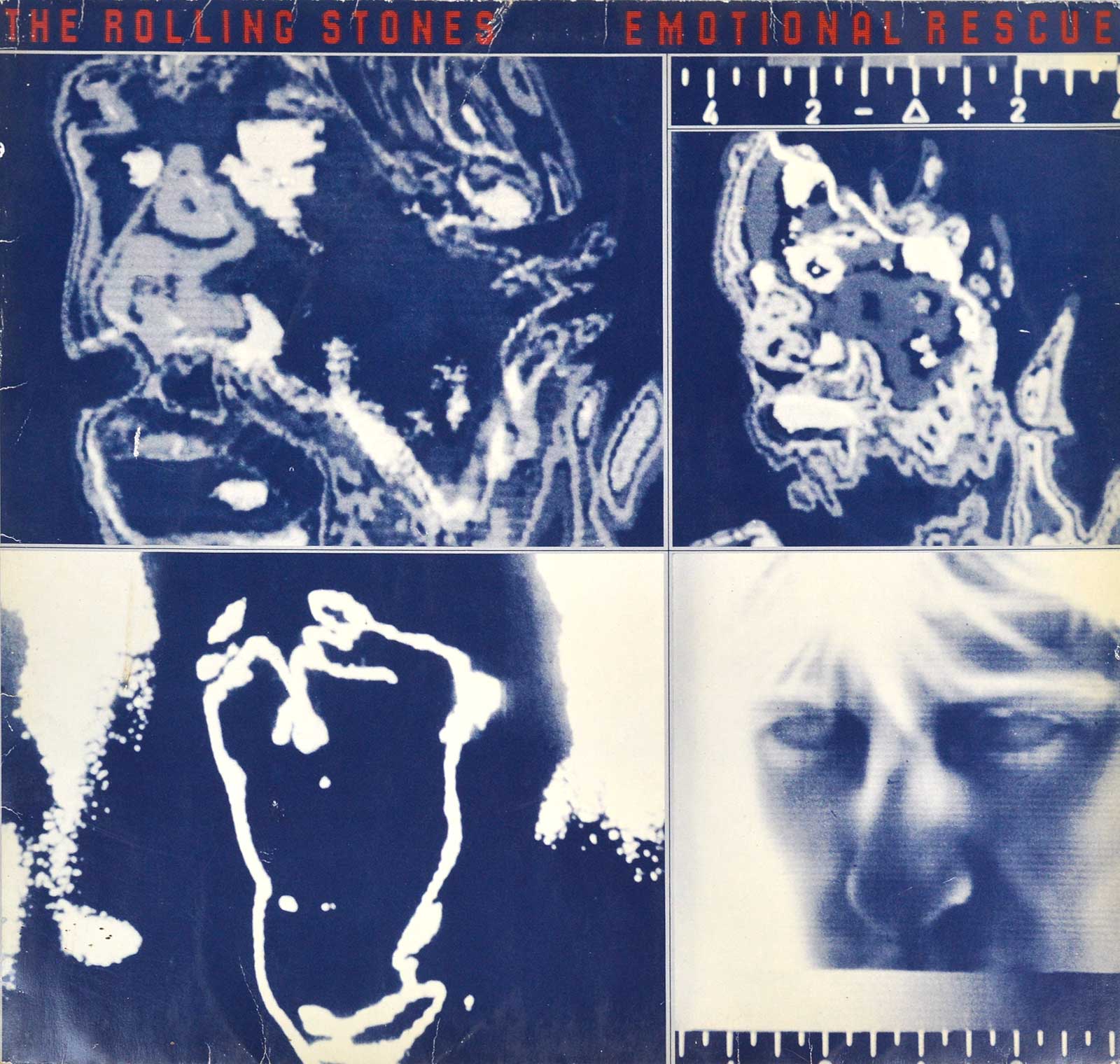
"Emotional Rescue" was recorded throughout 1979, first in Nassau, Bahamas, then Paris, with some end-of-year overdubbing in New York City, Emotional Rescue was the first Rolling Stones album recorded following Keith Richards' exoneration from a Toronto drugs charge that could have landed him in jail for years. Fresh from the revitalization of "Some Girls", Richards and Mick Jagger led the Stones through dozens of new songs, some of which were held over for "Tattoo You", picking only ten for "Emotional .Rescue".
Emotional Rescue: The Stones Get Funky (and a Little Freaky)
Album Description:
Picture this: it's 1980, the dawn of a new decade. Punk's fury has subsided, disco's glitter ball has shattered, and a strange, synthetic sound is creeping into the airwaves. Amid this musical upheaval, the Rolling Stones, rock 'n' roll's elder statesmen, emerge from their self-imposed exile with Emotional Rescue, an album as confounding as it is compelling.
By 1980, the Stones were no strangers to controversy or reinvention. They'd weathered the storms of the '60s, survived the excesses of the '70s, and emerged, battered but unbowed, as rock's ultimate survivors. But with Emotional Rescue, they took a sharp left turn, trading in their blues-rock swagger for a funkier, more experimental sound.
The album was recorded in the idyllic setting of Compass Point Studios in the Bahamas, a far cry from the grimy London clubs where the Stones had cut their teeth. With Chris Kimsey at the helm, the band embraced the studio's laid-back vibe and state-of-the-art technology, crafting a sound that was both slick and soulful.
From the opening strains of the title track, it was clear that the Stones were in a playful mood. The song's slinky groove, Jagger's falsetto vocals, and the prominent use of synthesizers signaled a departure from their blues-rock roots. The album's first single, "She's So Cold," further cemented this new direction, with its infectious chorus and danceable beat.
But Emotional Rescue wasn't all sunshine and disco balls. The album also delved into darker territory, with tracks like "Summer Romance" and "Indian Girl" exploring themes of lust, betrayal, and cultural appropriation. The latter song, in particular, sparked controversy, with its lyrics and stereotypical imagery drawing accusations of racism.
The album's production was a collaborative effort, with Jagger and Richards sharing songwriting and production duties with Kimsey. The band also enlisted the talents of keyboardist Nicky Hopkins, saxophonist Bobby Keys, and backing vocalist Sugar Blue, adding further depth and texture to the album's sound.
Emotional Rescue was a critical and commercial success, topping the charts in several countries and earning the Stones a new generation of fans. But it also divided critics, with some praising its adventurous spirit and others dismissing it as a misguided attempt to stay relevant.
In retrospect, Emotional Rescue stands as a testament to the Stones' enduring ability to surprise and confound. It's an album that defies easy categorization, blending elements of funk, disco, reggae, and even new wave into a uniquely Stonesian sound. It's also an album that captures the zeitgeist of the early '80s, a time of transition and uncertainty.
Whether you love it or hate it, Emotional Rescue is an essential piece of the Rolling Stones' vast and varied catalog. It's a reminder that even the most iconic bands can evolve and experiment, pushing the boundaries of their sound and challenging their audience's expectations. And in the end, isn't that what rock 'n' roll is all about?
|
Collector's notes for ROLLING STONES - Emotional Rescue (detailed background information on the persons working on this album) This ROLLING STONES - Emotional Rescue can be identified / distinguished by the following attributes: Album Front Cover Details: The album front cover has the band-name "Rolling Stones" and the album-name "Emotional Rescue" printed in Red. There is no catalognr on the front cover. Album Back Cover Details: How does the album back cover be different from other versions
This album comes with a very large poster Album Record Label Details:
|
| Album Fact Sheet: ROLLING STONES - Emotional Rescue |
|
Music Genre: Classic Rock, Pop Rock |
|
Album Production Information:
|
|
Record Label & Catalognr: EMI – 1A 062-63 774 |
|
Record Format: 12" Vinyl Stereo Gramophone RecordTotal Album (Cover+Record) weight: 300 gram |
|
Year & Country: 1980 Netherlands |
Personnel/Band Members and Musicians on: ROLLING STONES - Emotional Rescue |
|
Complete Track-listing of the album "ROLLING STONES - Emotional Rescue" |
|
The detailed tracklist of this record "ROLLING STONES - Emotional Rescue" is:
|
High Resolution and Quality Photos of Complete Album Covers "ROLLING STONES - Emotional Rescue"Click on the images below and use the zoom-buttons to enlarge the images and reveal more details of the cover photos. |
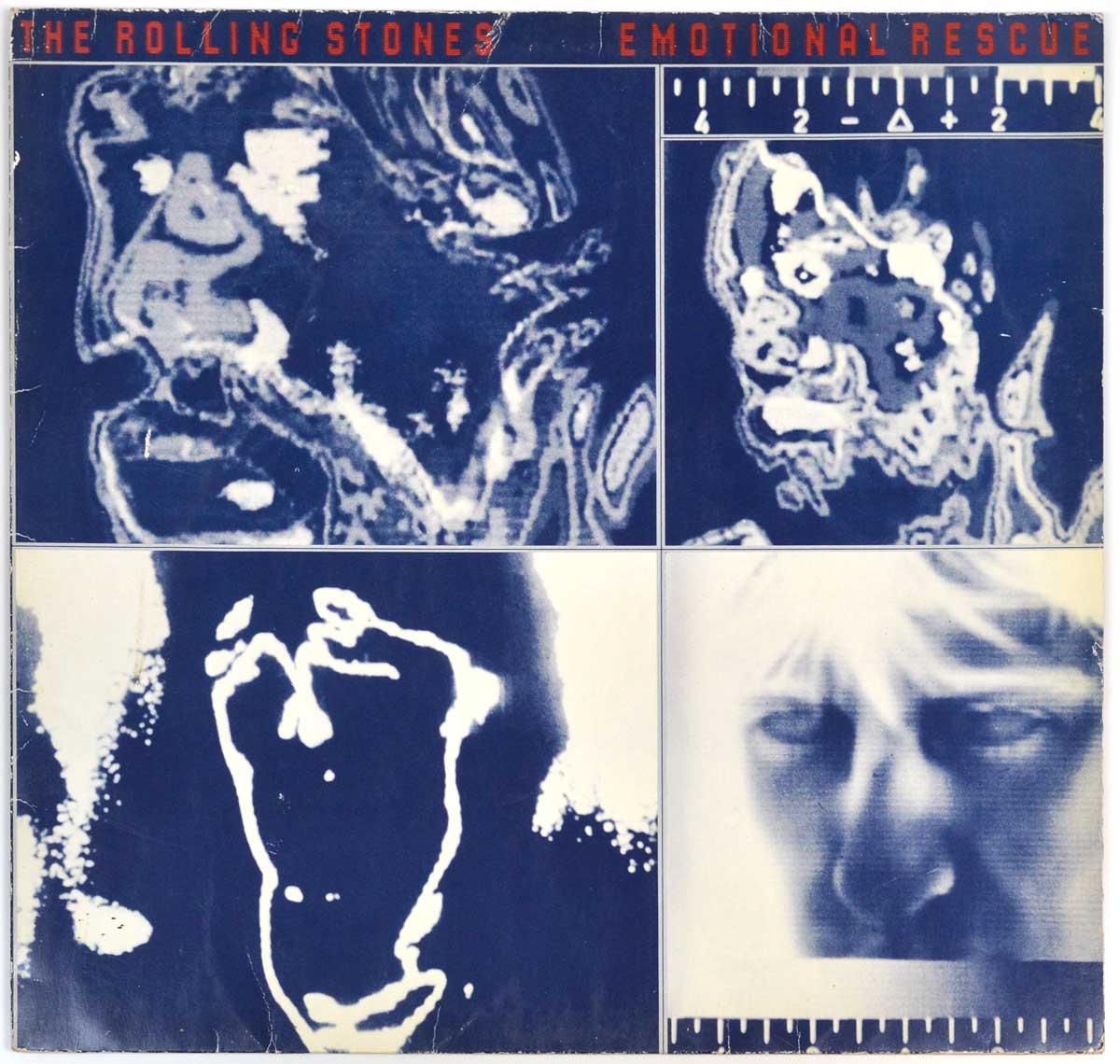
Front cover of the Rolling Stones' 1980 LP Emotional Rescue. The artwork features a grid of four images, all rendered in stylized blue and white tones resembling thermal imaging or medical scans. In the upper-left quadrant, a heavily contoured side-view of a human face is shown, with high contrast areas highlighting the eyes, nose, and mouth in white against deep blue. The adjacent top-right image contains another distorted cranial view, with numerical scale markings above reading “4 2 - Δ 4 2”, evoking a medical or scientific instrument. The bottom-left quadrant shows a nearly abstract, inverted image of a figure with hands near the face — the eyes, nose, and hands barely discernible, glowing in white against a blue void. Bottom-right is a more recognizable face, likely Mick Jagger, peering downward with narrowed eyes and a tense brow. This final image appears as if viewed through a distorted or infrared lens, with ruler-like markings along the bottom edge. Above the top row of images, the band name THE ROLLING STONES and album title EMOTIONAL RESCUE are printed in vivid red, contrasting sharply against the dark background. The red tongue logo subtly punctuates the text, reinforcing the Stones' iconic branding. |
Album Back Cover Photo of "ROLLING STONES - Emotional Rescue" |
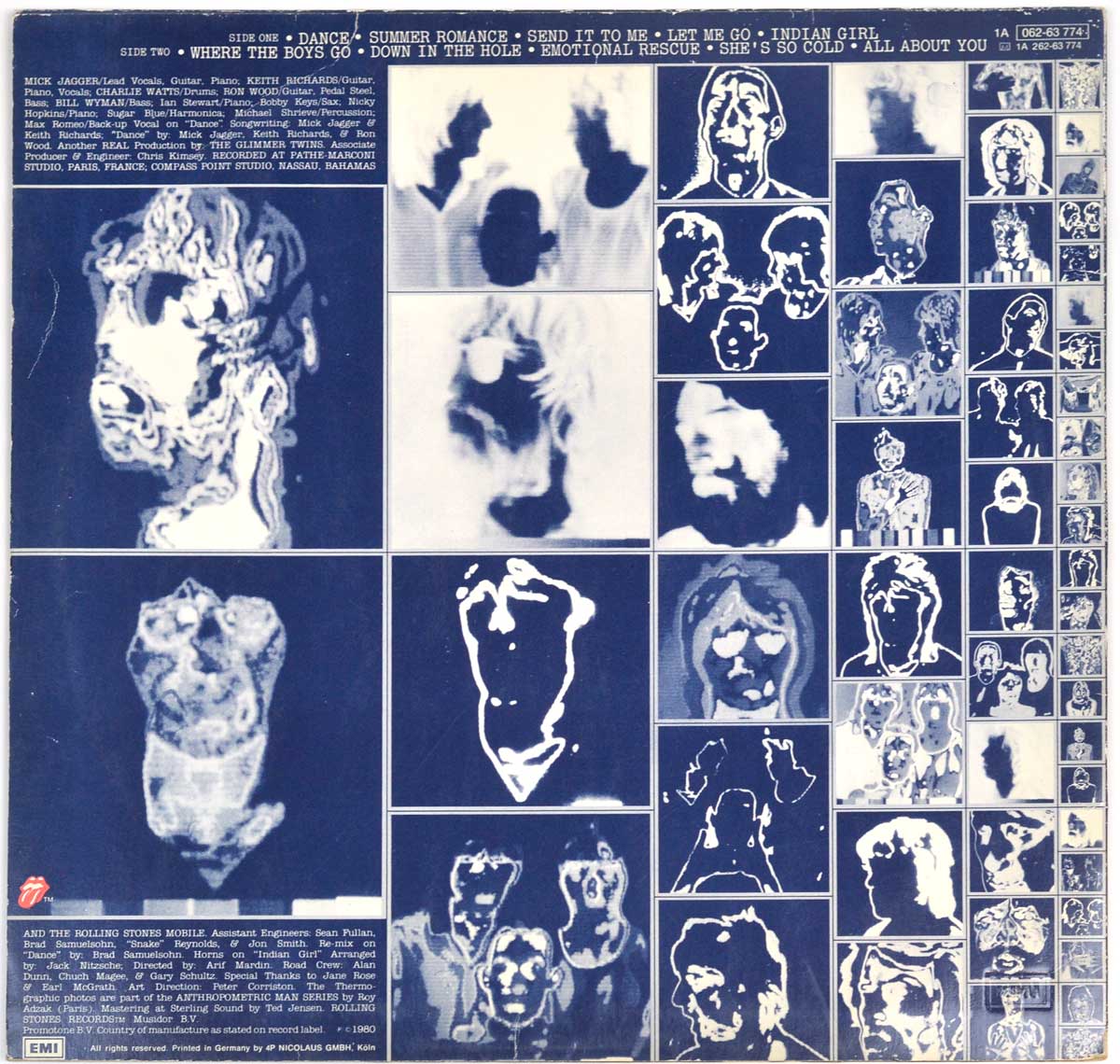
Back cover of the Rolling Stones' 1980 LP Emotional Rescue. This visually dense design continues the thermal-imaging motif, presenting a large collage of distorted, blue-toned portraits of the band members. The upper section lists the track titles for Side One and Side Two in white sans-serif type against a navy blue background: Dance, Summer Romance, Send It To Me, Let Me Go, Indian Girl, Where The Boys Go, Down In The Hole, Emotional Rescue, She's So Cold, All About You. To the right are the boxed LP catalog number 1A 062-63 774 and unboxed cassette number 1A 262-63 774. The central panel contains various distorted facial images of band members, arranged in grids and columns. These images range from ghostly abstract outlines to vague likenesses, rendered in high-contrast blue and white, imitating thermal scans or infrared photography. The bottom-left credits section lists the core band members along with guest musicians such as Bobby Keys, Sugar Blue, Nicky Hopkins, and Michael Shrieve. Production notes credit The Glimmer Twins as producers with Chris Kimsey and others as engineers. The mastering is credited to Ted Jensen. Additional credits are included for the artwork and photography by Roy Adzak, with design by Peter Corriston. The EMI logo appears at the lower-left, and the legal text confirms this is a Dutch pressing printed by 4P Nicolaus GmbH, Köln. Notably, the back cover lacks a barcode, a distinguishing feature of early 1980 pressings. |
Enlarged & Zoomed photo of "ROLLING STONES - Emotional Rescue" Record's LabelUsing the marked/"highlighted" rectangles below , you will be able to correctly identify this release of the album. |
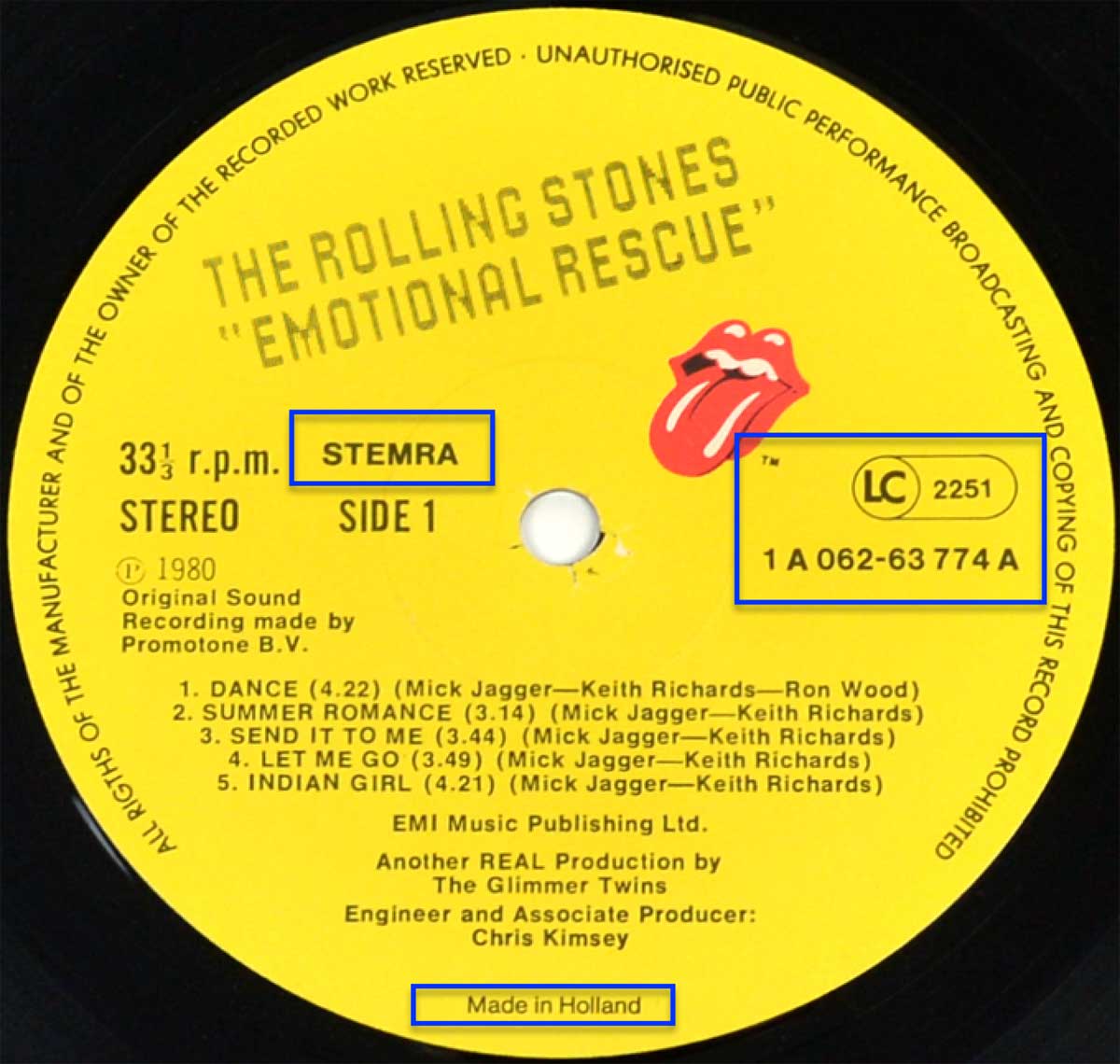
Zoomed-in view of the record label on Side 1 of the Rolling Stones' 1980 LP Emotional Rescue, Dutch pressing. The label is a vibrant yellow with black text and contains comprehensive production, publishing, and identification information. The title "The Rolling Stones – Emotional Rescue" is printed in an arched style at the top in bold uppercase letters. Just to the right is the unmistakable red Rolling Stones tongue logo, overlapping part of the text area. To the left, text reads 33⅓ r.p.m. with STEREO and SIDE 1 underneath. The copyright date © 1980 is noted with "Original Sound Recording made by Promotone B.V." The tracklisting includes five songs, all written by Mick Jagger and Keith Richards, with Ron Wood credited on “Dance.” Track durations are clearly indicated:
Publishing is listed as EMI Music Publishing Ltd. and the production credits note: Another REAL Production by The Glimmer Twins with Chris Kimsey as Engineer and Associate Producer. Important identifiers are displayed in highlighted boxes: the rights society STEMRA, the label code LC 2251, and the catalog number 1 A 062-63 774 A. At the bottom center, the country of origin is printed as Made in Holland. A black outer ring contains legal text that circles the label: “All rights of the manufacturer and of the owner of the recorded work reserved – Unauthorised public performance broadcasting and copying of this record prohibited.” |
|
Note: The images on this page are photos of the actual album. Slight differences in color may exist due to the use of the camera's flash. |
Over the decennia the line-up of "The Rolling Stones" has been changed several times read the mini-biographies of the best known stones
ROLLING STONES - Aftermath (Decca Records and London Records)
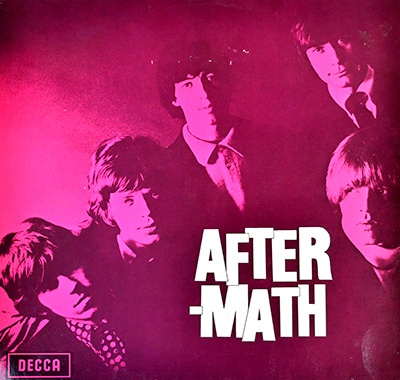
The Rolling Stones' "Aftermath" (1966) stands as a pivotal moment in rock history, showcasing the band's songwriting prowess and sonic experimentation. The UK and US versions differ slightly, but both feature classics like "Paint It, Black" and "Under My Thumb."
Aftermath Netherlands Release on Decca Records Aftermath Netherlands Release on London Records )ROLLING STONES - Around and Around Two different releases
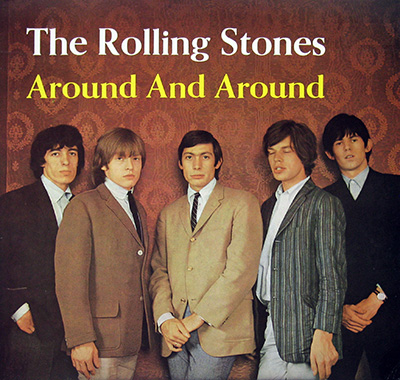
"Around and Around" isn't just another Rolling Stones album, it's a raw, bluesy ride showcasing their early energy. Released in 1964, this LP features covers and originals, capturing the essence of their live shows. Tracks like "It's All Over Now" and the title track prove why they became rock legends.
Around and Around German 1970 Release - Around and Around Holland 1970 ReleaseROLLING STONES - Beggars Banquet Two different releases
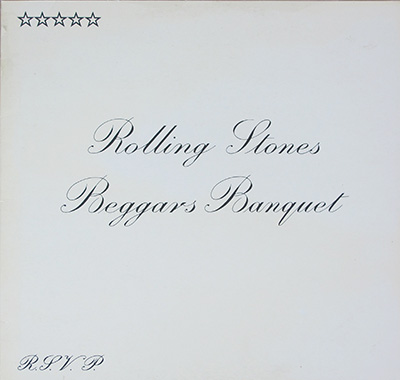
Ah, "Beggars Banquet" from 1968, now that's a landmark release! This album marked a return to the Stones' bluesy roots, but with a darker, more mature edge. You'll find classics like "Sympathy for the Devil" and "Street Fighting Man," showcasing their raw power and social commentary
British release of Beggars Banquet German Release of Beggars BanquetROLLING STONES - Between the Buttons (Three Album Cover Variations)
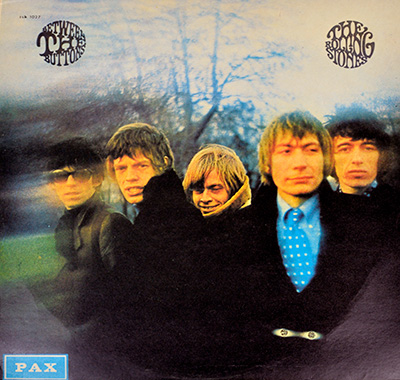
"Between the Buttons," released in 1967, is a fascinating album showcasing the Rolling Stones' creative evolution. It's known for having three distinct album cover variations, each a collector's item in its own right! The music itself blends psychedelia, pop, and their classic rock 'n' roll sound
Between Buttons German Release Between The Buttons Israel Release Between the Buttons West-German Release )ROLLING STONES - Big Hits (High Tide and Green Grass) (Multiple European Versions)
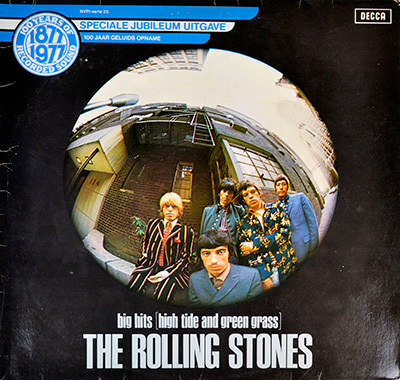
Now, "Big Hits (High Tide and Green Grass)" is a real treat for anyone new to the Rolling Stones or looking for a perfect overview of their early, energetic sound. Released in 1966, this compilation packs a punch with hits like "(I Can't Get No) Satisfaction," "Get Off of My Cloud," and "The Last Time."
Big Hits (High Tide And Green Grass) German Release - Big Hits (High Tide and Green Grass) Israel PAX Record Big Hits (High Tide and Green Grass) Special Edition Netherlands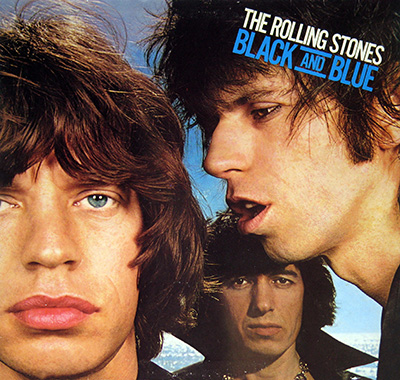
ROLLING STONES - Black and Blue
“Black and Blue” is the Stones at their most unpredictable — part jam, part experiment, all attitude. The songs twist from funk to reggae to bruised ballads, with Jagger in full control and Richards slinging riffs like smoke rings. It’s a strange, swaggering record that captures the sound of a band refusing to fade quietly into the 1970s haze.
ROLLING STONES - Collector's Only
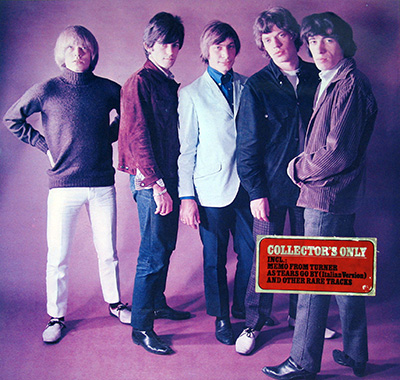
DECCA 6.24321 , Year , Made in Germany
The ROLLING STONES - COLLECTOR'S ONLY 12" Vinyl LP Album is a rare find for any music enthusiast. One of the highlights is Mick Jagger showcasing his linguistic skills by singing a song entirely in Italian, adding a unique touch to this already exceptional collector's item.
Collector's Only 12" Vinyl LPROLLING STONES - December's Children (and everybody's)
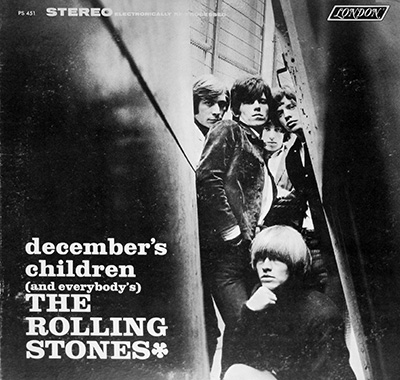
London PS 451 , , USA
"December's Children (And Everybody's)" is a pivotal Rolling Stones album, showcasing their evolution from blues covers to original songwriting. Released in 1965, it features hits like "Get Off of My Cloud" alongside R&B-infused tracks and Dylan-esque ballads, capturing the band's raw energy
December's Children (and everybody's) 12" Vinyl LPROLLING STONES - Dirty Work
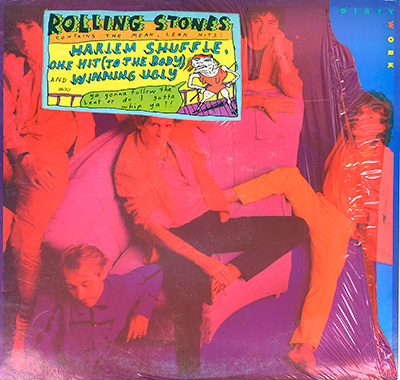
Rolling Stones Records – CBS 86321 , 1986 , Europe
"Dirty Work", a 1986 Rolling Stones release, reflects a tense period in the band's history with Jagger/Richards at odds. It's a raw, guitar-heavy album, less polished than their earlier work, but still packs a punch with hits like "Harlem Shuffle" and the defiant "One Hit (To the Body)"
Dirty Work (1986, Europe) 12" Vinyl LPROLLING STONES - Emotional Rescue (Dutch and German Releases)
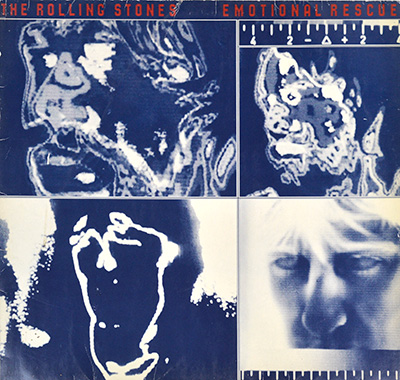
The Dutch and German pressings of the Rolling Stones' "Emotional Rescue" offer a unique listening experience for vinyl enthusiasts. These 1980 releases boast exceptional audio quality, capturing the album's blend of disco, rock, and ballads with clarity and warmth.
Dutch Release of "Emotional Rescue" incl Poster German Release of "Emotional Rescue"ROLLING STONES - Exile On Main Street
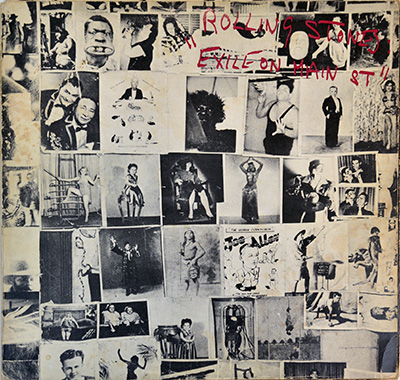
Rolling Stones Records – COC 69 100 , 1972 , Netherlands
"Exile on Main Street" is the Rolling Stones' gritty, sprawling masterpiece from 1972. This double LP captures the band at their rawest, blending blues, rock, and country influences into a loose, jam-heavy sound. It's a sonic journey through the highs and lows of rock 'n' roll excess, with classics
Exile On Main Street (1972, Netherlands) 12" Vinyl LPROLLING STONES - Flowers (Two German Versions)
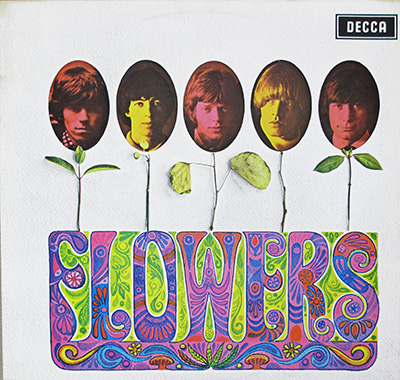
The German pressings of the Rolling Stones' "Flowers" offer a unique glimpse into the band's mid-60s output. These 1967 releases compile tracks not included on US albums, featuring hits like "Ruby Tuesday" and "Let's Spend the Night Together."
Flowers - Decca Records Edition Flowers - Royal Sound EditionROLLING STONES - Get Yer Ya-Ya's Out
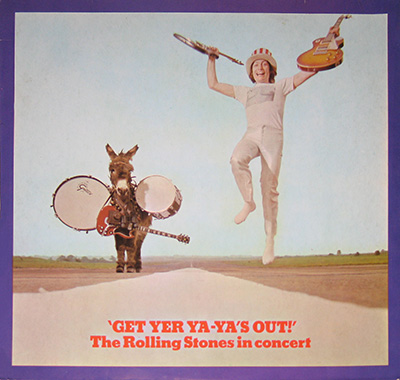
Decca SKL 5065 (FFSS) , 1970 , France
"Get Yer Ya-Ya's Out!" is a legendary live Rolling Stones album, capturing their raw energy and bluesy roots in 1969. Featuring electrifying performances of classics like "Jumpin' Jack Flash" and "Sympathy for the Devil," it's considered one of the greatest live rock albums ever.
Get Yer Ya-Ya's Out (1970, France) 12" Vinyl LPROLLING STONES - Goats Head Soup
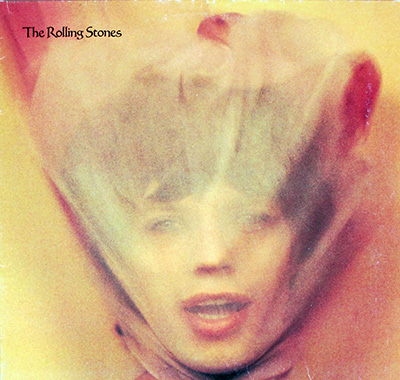
COC 59101 , 1973 , Germany
"Goats Head Soup" is a classic Rolling Stones album from 1973, featuring the iconic ballad "Angie." It showcases the band's signature bluesy rock sound with a touch of experimentation, making it a must-have for any vinyl collector.
Goats Head Soup (1973, Germany) 12" Vinyl LPROLLING STONES - It's Only Rock and Roll

Rolling Stones Records COC 59 103 , 1974 , Germany
The Rolling Stones' 1974 album, "It's Only Rock 'n Roll," is a raw and energetic journey through a band in transition. The title track encapsulates their rebellious spirit, a statement of purpose in a changing music landscape. While some tracks stay true to their bluesy roots
It's Only Rock and Roll (1974, Germany) 12" Vinyl LPROLLING STONES - Let it Bleed
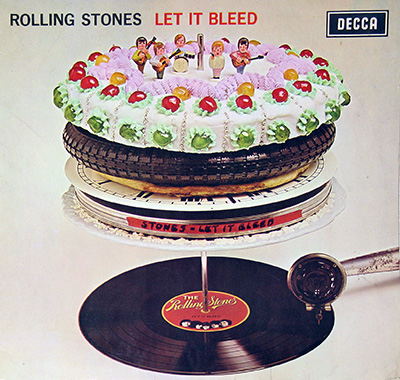
Decca SKL 5025 FFSS / XZAL 9363 , 1969 , England
"Let It Bleed," released in 1969, is a blues-infused rock masterpiece by the Rolling Stones. This iconic album features raw energy and dark undertones, capturing the turbulent spirit of the late '60s. Tracks like "Gimme Shelter" and "You Can't Always Get What You Want" showcase the band's musical maturity
Let it Bleed (1969, England) 12" Vinyl LPROLLING STONES - Made In The Shade
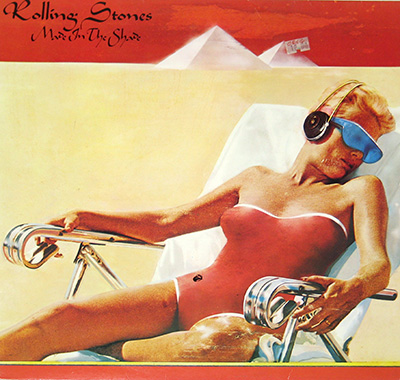
COC 59 104 , 1975 , Germany
"Made In The Shade," released in 1975, is a compilation album showcasing the Rolling Stones' iconic hits from the early 1970s. It features essential tracks like "Brown Sugar," "Tumbling Dice," and "Angie," providing a snapshot of the band's peak during that era.
Made In The Shade (1975, Germany) 12" Vinyl LPROLLING STONES - No 2 / Vol 2
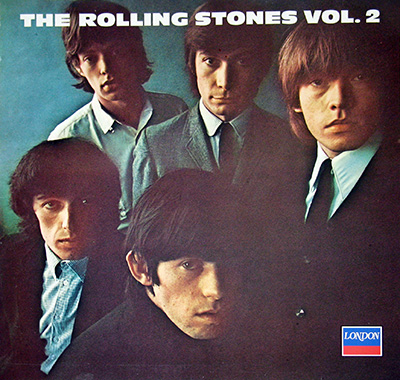
LONDON 820 673 , 1970 , Netherlands
Released in 1965, "The Rolling Stones No. 2" captures the band's early raw energy and passion for blues and R&B. Filled with electrifying covers and Jagger/Richards originals, it showcases their musical exploration and establishes them as a driving force in the British Invasion.
No 2 / Vol 2 (1970, Holland) 12" LPROLLING STONES - Out Of Our Heads (Netherlands and USA Releases)
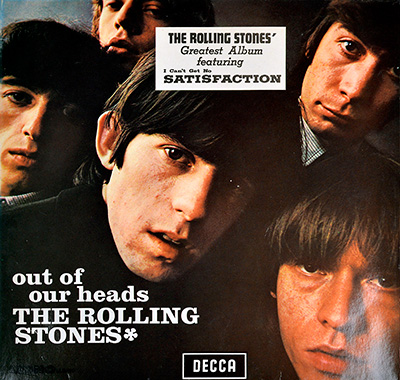
Decca – 6835 107 , 1965 , Netherlands
"Out Of Our Heads," released in 1965, showcases the Rolling Stones' evolution. The album's blend of blues covers and Jagger/Richards originals, including their iconic "(I Can't Get No) Satisfaction," perfectly captures their raw energy and rebellious spirit. It's a pivotal record that cemented their place
- Out Of Our Heads (1965, Netherlands) - Out Of Our Heads (1965, USA)ROLLING STONES - Rolled Gold (German Releases)
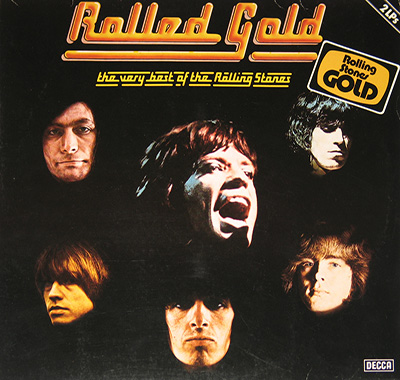
"Rolled Gold," released in 1975, is a classic Rolling Stones compilation featuring their biggest hits from the 1960s and early '70s. It's a perfect introduction for new fans or a nostalgic trip for longtime listeners, showcasing the band's evolution from bluesy rockers to stadium-filling icons.
Rolled Gold on Decca Records, Germany Rolled Gold on Nova Records GermanyROLLING STONES - Self-Titled
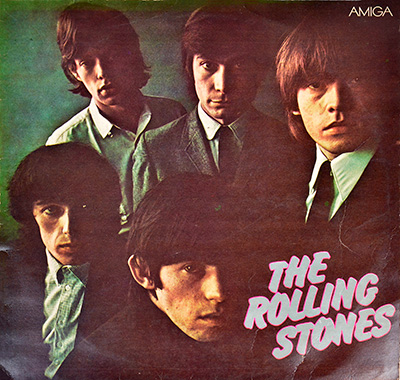
Record Label Information: , 1982 , East-Germany
This 12" vinyl LP serves as a compilation, showcasing the Stones' artistic progression within the given time frame. With a blend of timeless classics, it reflects the band's influential contributions to the music scene, leaving an indelible mark on the cultural landscape of that era.
ROLLING STONES - Self-Titled (1982, DDR/East Germany) 12" LPROLLING STONES - Self-Titled
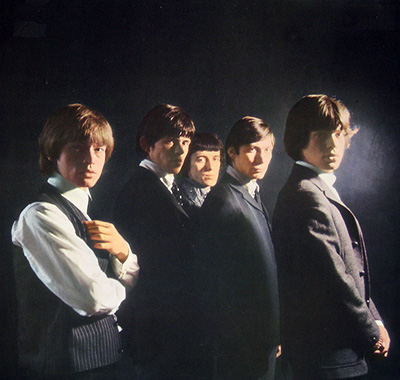
London 820 047 , 1984 , Holland
"The Rolling Stones" is the debut album by The Rolling Stones, originallly released in the UK in April 1964. This is the 1984 re-issue and can be easily recognized by the barcode in the upper right corner of the album back cover and the (c) Copyright printed on the record's label,
ROLLING STONES - Self-Titled (1984, Holland) 12" LPROLLING STONES - Self-titled
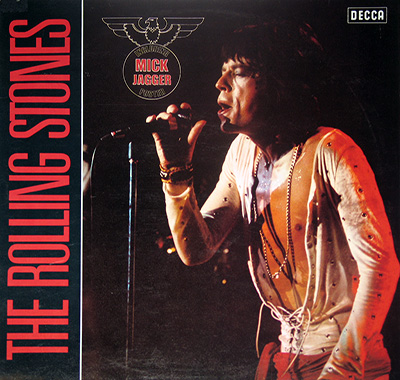
Decca S 17 005 (ML+) , 1973 , Germany
Unveiling a musical rarity: The Rolling Stones' 1973 self-titled Swiss vinyl, a German-crafted masterpiece with +ML+ imprint, blending exclusivity and timeless rock allure.
ROLLING STONES - Self-titled (1973, Switzerland) 12" Vinyl LPROLLING STONES - Slow Rollers
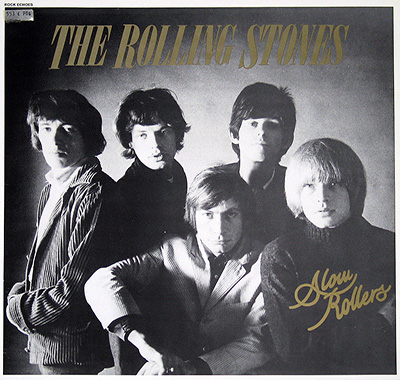
Decca TAB 30 / KZAL ARL 17148 , 1981 , Holland
"Slow Rollers," a ballad compilation on 12" Vinyl LP by the Rolling Stones, showcases their emotive side. Notably, "Con Le Mie Lagrime Cosi (As Tears Go By)," sung in Italian by Mick Jagger, adds a unique touch
Slow Rollers (1981, Holland) 12" Vinyl LPROLLING STONES - Some Girls (International Versions)
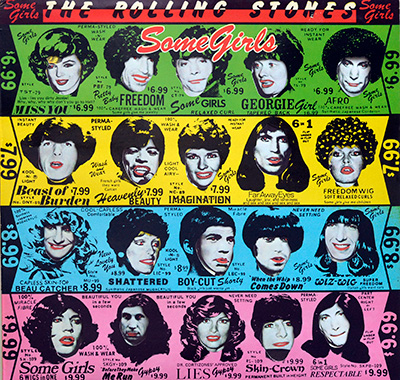
The Rolling Stones' 1978 album, "Some Girls," marked a turning point, introducing guitarist Ron Wood and showcasing a shift in their sound. While retaining their rock n' roll roots, they embraced elements of punk, disco, and new wave, resulting in a diverse and commercially successful album.
European Release of "Some Girls" with alternate cover Italian Release of "Some Girls" with alternate cover Netherlands Release of "Some Girls" with original cover Swedish Release of "Some Girls" with original coverROLLING STONES - Steel Wheels
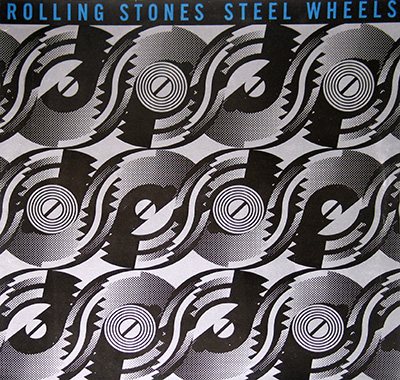
CBS 465752 , 1989 , Holland
Released in 1989, "Steel Wheels" marks a triumphant return for the Rolling Stones. This album showcases a rejuvenated band delivering a blend of classic rock energy and polished production. With catchy hooks and powerful performances, "Steel Wheels" is a testament to the Stones' enduring appeal.
Steel Wheels (1989 Holland) 12" Vinyl LPROLLING STONES - Sticky Fingers (International Versions)
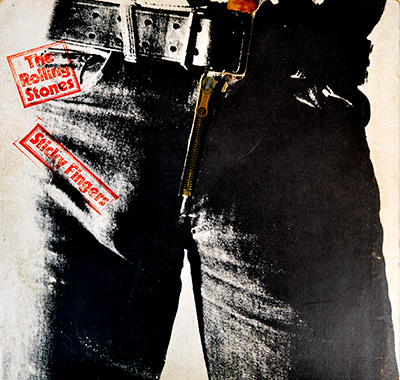
"Sticky Fingers," the iconic album by the Rolling Stones, achieved global renown not only for its timeless music but also for the distinctive front cover designed by the legendary artist Andy Warhol. A collector's delight, this album holds a unique allure for vinyl enthusiasts
Sticky Fingers with real ZIPP Zipper (1971, Germany) Sticky Fingers Real working zipper (1971, Germany) Sticky Fingers with Rounded PAN Zipper (1971, Netherlands) Sticky Fingers CBS NL (Netherlands) Sticky Fingers (United Kingdom)ROLLING STONES - Still Life American Concert 1981 (Multiple European Releases) 12" Vinyl LP
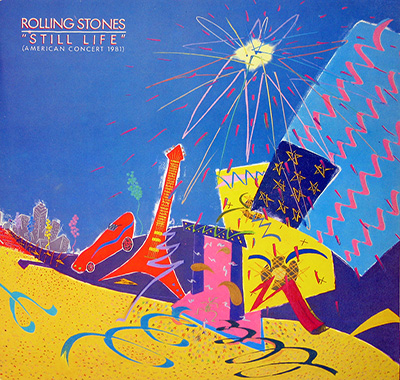
Rolling Stones' zenith: A 1981 live album, encapsulated in a 12" Vinyl LP, is a sonic time capsule, showcasing the band's prowess and contributing profoundly to music history. A must-have for enthusiasts, reliving the magic of that era.
European Release of "Still Life American Concert 1981" German Release of "Still Life American Concert 1981"ROLLING STONES - Stone Age/Got Live if you want it
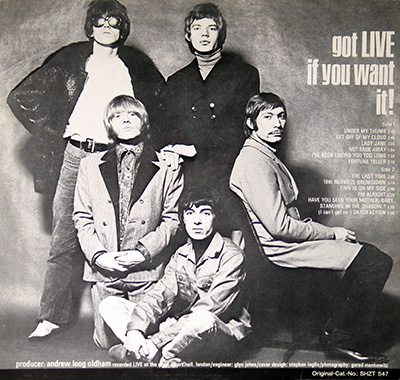
Decca SD 3024 / ZAL 10 432 , 1971 , Germany
"Stone Age/Got Live If You Want It!" is a unique Rolling Stones release, combining their 1971 studio album "Stone Age" with the live EP "Got Live If You Want It!" from 1966. "Stone Age" features a mix of bluesy rock and psychedelic experimentation, while the live EP captures the band's raw energy
Stone Age/Got Live if you want it 12" Vinyl 2LPROLLING STONES - Tattoo You (Multiple International Releases)
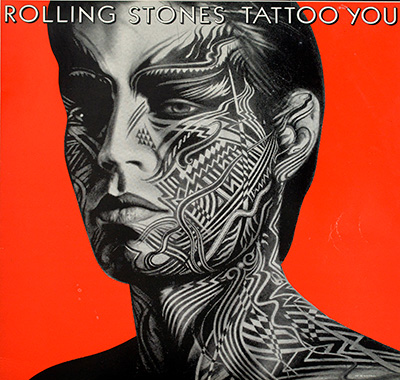
In 1981, The Rolling Stones unveiled "Tattoo You," a 12" Vinyl LP Album that proved to be a remarkable compilation of previously unreleased gems from their 1970s recordings. With its release, the band skillfully curated a timeless collection, showcasing their musical prowess
The European Release of Tattoo You The French Release of Tattoo You The USA Release of Tattoo You
Updated
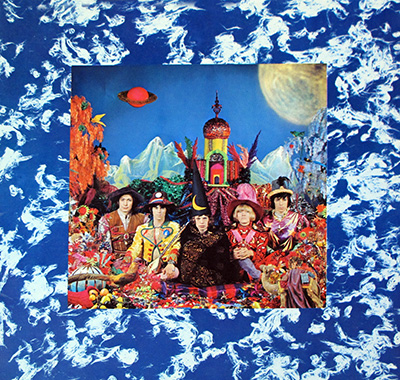
The day the Stones ditched the blues and chased the cosmos
Rolling Stones - Their Satanic Majesties Request
I love this album because it refuses to behave. The Stones ditch the tough blues posture and dive into psych-rock chaos—chants, weird breaks, and a thick, spaced-out haze that dares you to follow. Jagger commits like a showman, and Brian Jones is the secret sauce, dropping Mellotron and oddball sounds until the whole record feels like a proper head-trip.
ROLLING STONES - Their Satanic Majesties Request
Released in 1967, "Their Satanic Majesties Request" marks a bold departure for the Rolling Stones. This psychedelic-tinged album features unconventional instrumentation and studio effects, creating a dreamlike and experimental soundscape.
Holland release of "Their Satanic Majesties Request"ROLLING STONES - Time Waits For No One (Multiple Versions)
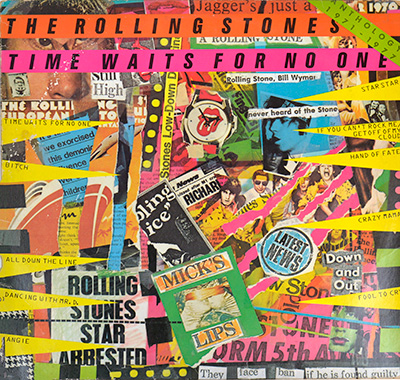
"Time Waits for No One" is a Rolling Stones compilation released in 1979, offering a taste of their music from 1971 to 1977. It features a mix of well-known hits like "Angie" and "It's Only Rock 'n' Roll," along with deeper cuts, providing a glimpse into the band's evolution during that period.
German Release of "Time Waits For No One" Dutch Release of "Time Waits For No One"ROLLING STONES - Undercover (Multiple International Versions) 12" Vinyl LP
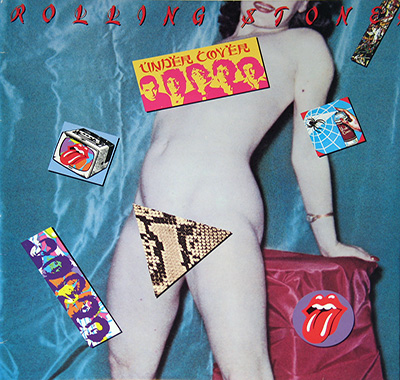
Released in 1983, "Undercover" showcases the Rolling Stones' edgier side. This album features a mix of hard-hitting rock, reggae influences, and experimental textures. Tracks like "Undercover of the Night" and "Too Much Blood" explore darker themes with a raw, contemporary sound.
French Release of Undercover USA Release of UndercoverROLLING STONES - 7" Singles & 12" Maxi-Singles
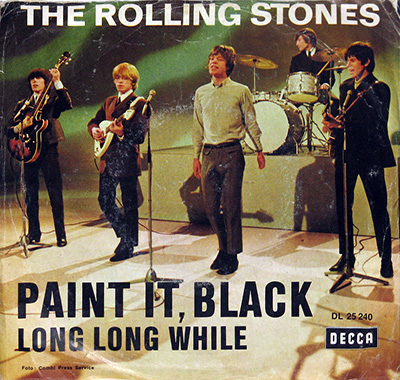
A Collection of 7" Singles and 12" Maxi Records by the Rolling Stones
ROLLING STONES - 7" Singles & 12" Maxi-SinglesROLLING STONES - Live on Unofficial Vinyl Records
This collection features three unofficial Rolling Stones recordings from the 60s and 70s. Each disc is identified by the initials "R.S." on the cover, but in different colors.
ROLLING STONES - Live on Unofficial Vinyl RecordsROLLING STONES - Assorted Picture Discs, LP's
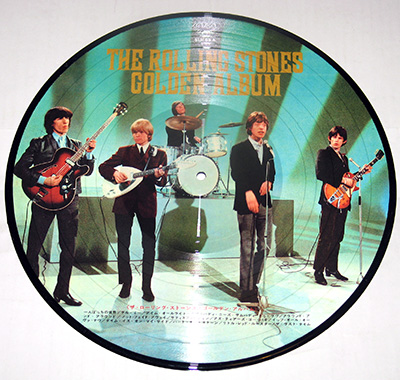
A hodgepodge of Rolling Stones vinyl records from different categories
ROLLING STONES - Assorted Picture Discs, LP's