ROLLING STONES – UNDERCOVER 12" Vinyl LP Album

- French Release with Sexy Album Cover

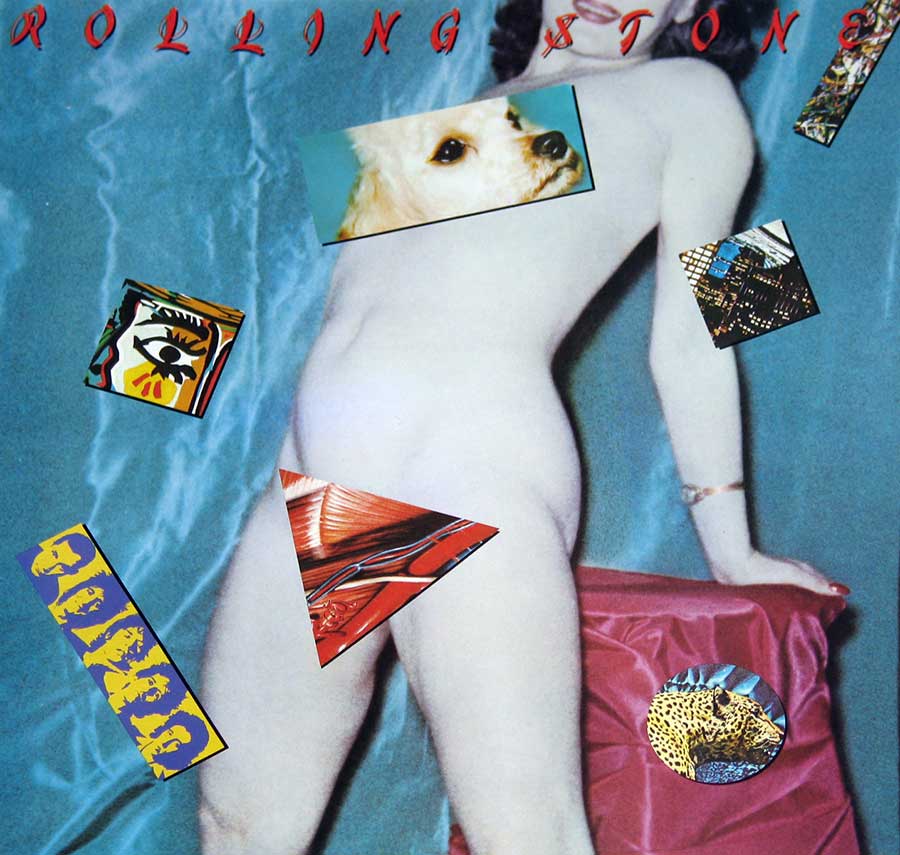
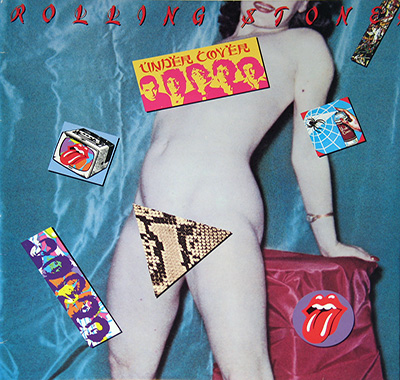
Album Front Cover Photo of ROLLING STONES – UNDERCOVER Visit: https://vinyl-records.nl/

"Undercover" was The Rolling Stones first release of all new recordings in the 1980s. With the advent of the MTV generation, the band attempted to re-invent themselves for a new era. Album cover design by Peter Corriston. The model featured on the front cover of the Rolling Stones' "Undercover" album is believed to be a British actress and model named Anita Russell. However, this has not been officially confirmed by the band or by Russell herself. The identity of the model has been a topic of discussion among fans and collectors for many years, and it remains somewhat of a mystery.

Table of Contents

"Undercover" (1983) Album Description:

"Undercover" is the moment The Rolling Stones stare straight into 1983—the MTV decade, the polished pop era, the “be modern or be wallpaper” problem—and decide to fight back by getting darker, louder, and a little unhinged. This French pressing (Promotone / Pathé Marconi / EMI Cat# 1654361, Made in France) doubles down with that infamous “sexy” cover vibe, like the band knew controversy was part of the marketing budget. It’s not their warmest record, but it’s absolutely one of their most alive.

1. Introduction on the band and the album

By the early 80s, the Stones weren’t trying to prove they could play rock ’n’ roll—they’d already won that argument in multiple decades. "Undercover" feels more like a survival tactic: take the band’s old instincts and wire them into a new, neon-lit world without turning into a museum exhibit. You can hear Mick Jagger pushing forward, and you can feel Keith Richards resisting just enough to keep it dangerous.

2. Historical and cultural context

1983 is peak “image is everything”: music videos aren’t a bonus anymore, they’re the battlefield, and even legacy bands have to look like they belong on a screen. Rock is cross-pollinating with pop, dance, and slick studio gloss, and the air smells like ambition, hairspray, and expensive reverb. The Stones don’t chase trends politely here—they grab them by the collar and see what breaks.

3. How the band came to record this album

The sessions hop between EMI Studios (Paris) and Compass Point (Nassau), with mixing at The Hit Factory (New York), which already tells you this isn’t some cozy “band in a cottage” record. The Glimmer Twins and Chris Kimsey are steering the ship, and the vibe is very “keep moving, keep sharp, don’t get caught.” Even the packaging has that big-release energy: a custom inner sleeve plus an insert with photos and lyrics, because yes, the 80s demanded extras.

4. The sound, songs, and musical direction

Sonically, "Undercover" has a cool sheen on the surface and a nervous heartbeat underneath—like the band is dressed for a club but still carrying a switchblade in the pocket. "Undercover (of the Night)" kicks the door in with menace and motion, while "She Was Hot" flashes that classic Stones spark with a sharper edge, and "Too Much Blood" leans into paranoia with a grin that’s not fully friendly. The rhythm section keeps it physical, the guitars keep it human, and the whole thing feels like a late-night city that doesn’t sleep because it can’t.

5. Comparison to other albums in the same genre/year

In the same year where big-name records were going glossy and arena-ready, the Stones took the polish but refused the comfort. If you want quick mental reference points from 1983, think:

  • David Bowie"Let’s Dance": sleek, modern, built to move.
  • The Police"Synchronicity": tense pop-rock with sharp edges.
  • U2"War": urgent, big-statement rock for a loud decade.

"Undercover" lives in that same 1983 universe, but it’s less “look how shiny we are” and more “look how much trouble we can still cause.”

6. Controversies or public reactions

This album didn’t exactly arrive quietly: the French “sexy” cover variation practically invites raised eyebrows, and the band leaned into provocation instead of dodging it. The "Undercover of the Night" video stirred reactions too—some broadcasters reportedly found it too violent—which is the kind of “problem” that mysteriously sells more records. Some called it a modern pivot; others called it panic—either way, people paid attention.

7. Band dynamics and creative tensions

The fun part (for listeners, not for group therapy) is hearing the internal push-pull: Jagger chasing current sounds and Richards anchoring the band’s identity with grit and groove. Keith even steps up for lead vocals on "Wanna Hold You", which feels like a subtle power move disguised as a song. Add in the documented personal turbulence around the era, and the record’s slightly combative energy starts to make perfect sense.

8. Critical reception and legacy

"Undercover" has always been a divider: fans looking for pure classic-era comfort sometimes bounce off the colder tone, while others love it exactly because it refuses to be cozy. Over time, it’s aged into a fascinating snapshot of a legendary band refusing to freeze in amber. And as a collector piece, this French release—with its notorious cover and strong “period” identity—keeps pulling you back like a guilty memory you don’t want to delete.

9. Reflective closing paragraph

When I am hearing "Undercover", I don’t hear a band chasing youth—I hear a band wrestling its own shadow in public and somehow making it dance. It’s sharp, uneasy, and occasionally ridiculous in that expensive-80s way, but it never feels fake. Decades later, the grooves still smell faintly of late-night sweat, studio lights, and that stubborn optimism you only get when you refuse to act your age.

Collector’s Note: MTV, 1983, and Why "Undercover" Had to Look Dangerous

When I bought The Rolling Stones"Undercover" (1983), MTV wasn’t “a channel” so much as a weather system: it changed the pressure in the entire music world. Suddenly, songs weren’t just heard, they were seen—and if you didn’t look like you belonged on a screen, you got filed under “Dad’s collection,” right next to beige carpets and polite opinions.

Gen-Z reality check: there was no streaming, no algorithm, no instant clip-sharing. You waited for videos like you wait for a bus that may or may not show up, and if it finally did, you watched whatever came next because your remote control wasn’t a magic wand—more like a suggestion. MTV made image part of the music’s DNA, so bands leaned into attitude, controversy, and visuals that could punch through a living-room TV with questionable reception.

And yes, the analog suffering was real. If I wanted to “save” something, I wasn’t dragging it into a cloud—there was no cloud, unless you count cigarette smoke and regret. I had limited disk space, floppies that held approximately three thoughts, and the eternal fear that one bad click would erase an afternoon of typing. Photos got filed like museum artifacts, captions were rewritten because storage was tight, and half the time you didn’t archive the blank sleeves because you had to choose between “more records” and “more space.” Tough choices. Tragic. Heroic, even.

That’s why "Undercover" makes perfect sense in its moment: it’s the Stones staring at the MTV era and deciding they’re not going to fade politely into the background. The darker vibe, the sharp edges, the whole “we’re still dangerous” posture—plus that famously provocative French cover energy—lands like a statement meant for a camera lens as much as a turntable. Some people called it a calculated move; I call it a band refusing to become wallpaper while the decade tried to redecorate them.
Album Key Details: Genre, Label, Format & Release Info

Music Genre:

Rock, Pop

Rock and Pop styles blended in early-1980s mainstream production, balancing radio-friendly songwriting with polished studio arrangements and broad commercial appeal.

Label & Catalognr:

Promotone / Pathé Marconi / EMI – Cat#: 1654361

Media Format:

Record Format: 12" Vinyl LP Record

Release Details:

Release Date: 1983

Release Country: France (Made in France)

Production & Recording Information:

Producers:
  • The Glimmer Twins – Producers

    Jagger/Richards in full control mode: steering "Undercover" into 1983 without letting the band turn into a nostalgia act.

    The Glimmer Twins, shaped the album’s direction and attitude, pushing the Stones toward a colder, more modern bite while keeping the groove and swagger intact. Decisions on pacing, vibe, and what got left raw versus polished land all over this record, especially on the darker material where the tension is part of the charm.

  • Chris Kimsey – Producer

    The steady hand in the control room, keeping sessions tight across locations and making sure the album hits hard instead of just looking expensive.

    Chris Kimsey, co-produced "Undercover" with an ear for clarity and impact, helping translate big, sometimes chaotic Stones energy into takes that actually stick. The album’s punchy balance between grit and early-80s sheen owes a lot to decisions made right here: what gets emphasized, what gets trimmed, and what gets left gloriously uncomfortable.

Sound & Recording Engineers:
  • Chris Kimsey – Recording & Mixing Engineer

    Recorded for Wonderknob Ltd.; mixed the album with assistance.

    Chris Kimsey, captured the album’s performances across the different rooms and then helped shape how they hit the speakers at mixdown. The job here wasn’t “make it pretty” — it was make it move: keeping the rhythm dangerous, the vocals cutting through, and the darker tracks feeling tense instead of muddy. Mixing with assistants also means countless micro-decisions that most listeners never notice, but the record absolutely depends on.

  • Brian McGee – Assistant Mixing Engineer

    The behind-the-console glue work: keeping mixes organized, consistent, and actually deliverable.

    Brian McGee, supported the mix process by handling the practical details that make big sessions function: recalls, edits, level matching, and the kind of careful checking that prevents surprises when a mix gets printed. The end result is an album that sounds deliberate, not accidental, even when it’s being intentionally nasty.

  • Rod Thear – Assistant Engineer

    Session support where the “small” tasks decide whether a take becomes a keeper or a disaster.

    Rod Thear, handled assistant engineering duties that keep the recording chain clean and ready: helping with setups, patching, documentation, and fast turnaround between takes. On an album recorded across multiple studios, that kind of consistency is what stops the whole thing from sounding stitched together with duct tape.

  • Steve Lipson – Assistant Engineer

    Precision support in the room, keeping the technical side invisible so the band can stay in performance mode.

    Steve Lipson, contributed assistant engineering work that helps sessions run at full speed: managing the nuts-and-bolts of recording while the producers chase feel, tension, and momentum. That matters on "Undercover", where the atmosphere depends on capturing sharp, immediate takes rather than smoothing everything into lifeless perfection.

  • John Davenport – Assistant Engineer

    The practical operator role: helping capture performances reliably while the creative team keeps changing the target.

    John Davenport, assisted with engineering tasks that protect the session flow: getting sounds patched, keeping notes straight, and helping manage the recording process so the band can stay focused on energy. On a record with mood swings like this one, continuity behind the scenes is the quiet superpower.

  • Bobby Cohen – Assistant Engineer

    The kind of credit that usually means “worked hard so nobody noticed anything broke.”

    Bobby Cohen, supported recording sessions with assistant engineering work that helps capture consistent audio across takes and setups. Those details matter when the album’s punch relies on clarity and timing more than studio polish.

  • Benji Armbrister – Assistant Engineer

    Keeping sessions moving: setups, checks, and the endless “one more take” logistics.

    Benji Armbrister, contributed assistant engineering support that helps lock in performances efficiently. With the Stones working between Paris and Nassau, that support role helps the album stay cohesive instead of sounding like a travel diary recorded in fragments.

Recording Location:
  • EMI Studios – Recording Studio (Paris, France)

    The “serious” room in the story: controlled, professional, and perfect for capturing detail without losing bite.

    EMI Studios, provided the Paris base where parts of "Undercover" were recorded with a clean, disciplined studio sound. The album’s sharper edges benefit from that environment: vocals and rhythm elements land with definition, which lets the darker mood feel intentional instead of messy.

  • Compass Point Studios – Recording Studio (Nassau, Bahamas)

    The warm-air counterweight: island location, but the record coming out of it is anything but sleepy.

    Compass Point Studios, hosted key recording work in Nassau, giving the sessions space and momentum away from the usual city pressure. The groove-heavy parts of the album feel like they were built to move bodies, and that kind of feel is easier to capture when the environment encourages playing instead of overthinking.

Mixing Studio & Location:
  • The Hit Factory – Mixing Studio (New York City, USA)

    Where the album gets its final posture: tight, modern, and ready for a loud decade.

    The Hit Factory, is where the mixes were finished into the version that hit shops and stereos. This is the “make it translate everywhere” stage: balancing the record so the menace, the groove, and the early-80s sheen all survive whether the listener is on headphones, a car system, or a slightly abused living-room setup.

Mastering Engineer & Location:
  • George Marino – Mastering Engineer at Sterling Sound

    The final quality gate before vinyl: making the album hit hard without turning into a harsh mess.

    George Marino, mastered "Undercover" at Sterling Sound, shaping the final tonal balance and level so the record plays with punch and clarity. The album’s mix of groove, sharp vocals, and darker atmosphere needs mastering that keeps the low end solid and the top end biting without slicing your ears off — and the finished LP feel depends on that last stage.

  • Sterling Sound – Mastering Studio

    The mastering room where the album gets locked into its final vinyl-ready shape.

    Sterling Sound, provided the mastering environment that finalized how "Undercover" would actually hit a turntable. This is where the album’s energy gets disciplined into something consistent across sides, pressings, and playback systems, so the punch survives real-world listening.

Album Cover Design & Artwork:
  • Peter Corriston – Album Cover Design, Sticker Concept & Art Direction

    The visual strategy: packaging that makes the album feel like a headline, not a background object.

    Peter Corriston, handled the album’s cover design, sticker concept, and art direction, shaping how "Undercover" announces itself before the needle even drops. The whole presentation leans into the era’s “image matters” reality, setting a confrontational, slightly taboo tone that matches the record’s darker swagger.

  • Hubert Kretzschmar – Cover Art

    The look that turns the sleeve into a conversation starter — sometimes the uncomfortable kind.

    Hubert Kretzschmar, provided the cover art that helps define the album’s reputation and edge, especially on editions that leaned into the “sexy”/provocative presentation. The imagery isn’t decoration here; it’s part of the album’s cultural ripple, reinforcing that "Undercover" is meant to unsettle as much as entertain.

Additional Production & Packaging Notes:

Equipment handled by Chuck Magee and Jim Barber. Original release includes a custom inner sleeve with photographs, plus an insert featuring photos and lyrics. Printed in the U.S.A.

Chuck Leavell appears courtesy of Arista Records. David Sanborn appears courtesy of Warner Brothers Records.

  • Chuck Magee – Equipment Handling

    The unglamorous backbone: keeping the gear stable so the performances could stay sharp.

    Chuck Magee, handled equipment support for the album’s production setup, helping keep instruments and technical logistics under control while the band and producers chased takes across different studios. That kind of stability matters on a record like this: the vibe is tense and modern, but the performances still need to feel immediate and human.

  • Jim Barber – Equipment Handling

    Another essential “keep it working” credit that quietly protects the whole recording process.

    Jim Barber, supported the album’s equipment handling, helping maintain dependable setups and smooth transitions between sessions. When a band this big is recording in multiple locations, the technical groundwork is what keeps the creative side from getting derailed by preventable chaos.

  • Chuck Leavell – Courtesy Appearance Credit

    The paperwork hint that a notable guest appears on the album, cleared through the right label channels.

    Chuck Leavell, is credited as appearing courtesy of Arista Records, signaling an officially cleared guest contribution to "Undercover". Those courtesy lines might look like small print, but they’re part of how big-name records worked: guest performances, label permissions, and the behind-the-scenes deals that let the music happen without legal headaches.

  • David Sanborn – Courtesy Appearance Credit

    Another “yes, that’s really him” guest credit, formally cleared for the album release.

    David Sanborn, is credited as appearing courtesy of Warner Brothers Records, confirming an authorized guest contribution to "Undercover". The courtesy note matters to collectors because it documents who was involved at release time, not just in hindsight, and it captures how major-label collaborations were packaged in the early 80s.

Band Members / Musicians:

Band Line-up:
  • Mick Jagger – Vocals, Guitar

    On "Undercover", he sounds like he’s dragging the Stones into the MTV decade by the collar—sharp, restless, and weirdly fearless.

    Mick Jagger is the engine of "Undercover"—not just the voice, but the attitude behind this 1983 French LP (Promotone / Pathe Marconi / EMI 1654361) that tries to re-wire the Stones for a new decade. I hear him leaning into the album’s more modern edges—synthy gloss, dance-floor tension, and that dark-eyed storytelling that makes even a slick groove feel dangerous. His big moment is "Undercover (of the Night)", where he sells political unrest and street-level menace with vocals that cut straight through the production; then he flips moods across the record, from heat and bite on "She Was Hot" to the feverish unease of "Too Much Blood". And yeah, here’s the studio gossip that matters: the sessions sit right in the early blast-zone of the Jagger–Richards power tug-of-war—Jagger pushing to stay current, Richards pulling back toward roots—tension that sources describe as a big part of why this album feels so combative and alive. The era’s PR fireworks didn’t help either: the band went so hard on the single’s imagery that the "Undercover of the Night" video was considered too violent for some broadcasters, which only made the whole thing feel more “forbidden” in the moment. Mick Jagger Wiki

  • Keith Richards – Guitars, Backing Vocals, Lead Vocals

    The riff-lord shows up on "Undercover" with bite, swagger, and a “fine, I’ll do it myself” energy that you can practically hear.

    Keith Richards is the grit in the gears on "Undercover"—this 1983 French pressing (Promotone / Pathe Marconi / EMI 1654361) where the Stones are clearly trying to survive the MTV era without turning into a glossy cartoon. I love how Keith’s playing keeps dragging the record back toward muscle and groove: he’s on rhythm and lead guitar across the album, he throws in backing vocals, and he even steps up for lead vocals on "Wanna Hold You"—a very “don’t worry, I got this” move. The page notes his standout guitar moment too: "She Was Hot" gets a proper Richards solo, the kind that feels less like a demonstration and more like a smirk. And the studio gossip basically writes itself: these sessions are where the mid-80s Jagger/Richards tug-of-war starts getting loud—Jagger pushing modern textures, Keith pushing rootsier rock & blues—so the album ends up sounding like two strong wills wrestling in public. Somehow, that tension is exactly what gives Keith’s guitars their extra edge here. Keith Richards Wiki

  • Ronnie Wood – Guitar

    The Rolling Stones’ secret sauce: feel, slide, and that “I’m here for the song” glue.

    Ron Wood is the kind of guitarist I trust: not a flashy gymnast, but a human groove-machine who makes big bands sound like they’re breathing together. He started out with The Birds (1964–1966), bounced through The Creation (briefly in 1967), then went loud and hungry with The Jeff Beck Group (1967–1969). From there he helped turn Faces (1969–1975) into a glorious, half-tipsy rock ’n’ roll fistfight, before stepping into the world’s most unforgiving rhythm-guitar job with The Rolling Stones (joined 1975; officially from 1976). What I love most is how he plays like a builder, not a show-off: weaving parts, adding slide color, and making the whole thing swing like it’s alive. Ron Wood Wiki

  • Bill Wyman – Bass

    The quiet Stone with the loudest impact: he makes "Undercover" feel like it still has a pulse, not just a paint job.

    Bill Wyman is the kind of bassist I always root for: understated, razor-steady, and basically allergic to showing off—until you realize the entire groove is leaning on him like a drunk friend at closing time. On "Undercover" he’s the low-end common sense in a record that’s constantly flirting with the early-80s “new and shiny” world, and his playing keeps the band feeling human even when the songs get darker and stranger. The best bit of studio gossip is also peak Stones: bass credits got messy enough that there are reportedly two versions of "Undercover of the Night"—an unreleased take with Bill on bass, and the released version featuring guest bassist Robbie Shakespeare—and on the album itself the bottom end isn’t even exclusive, with Keith and Ronnie also grabbing bass on specific tracks. That’s the Wyman magic, though: even when the rumors fly, the vibe still lands, because he plays like the foundation is the song, not the spotlight. Bill Wyman Wiki

 
  • Charlie Watts – Drums

    The calmest man in the room… keeping "Undercover" from flying off the rails when the band starts chasing the 1980s.

    Charlie Watts is the quiet superpower on "Undercover"—this 1983 French pressing (Promotone / Pathe Marconi / EMI 1654361) that’s clearly the Stones trying to look the MTV era dead in the eye and not blink. With all the modern gloss hovering around this record, I keep coming back to Charlie because he’s the human heartbeat: restrained, precise, and stubbornly musical, the guy who can make “modern” still feel like a band in a room. The gossip angle here isn’t tabloid sparkle—it’s the darker, real stuff: the sessions happened right as the Stones’ internal friction was getting loud, and Charlie later admitted that around 1983 he slipped into a period where booze and drugs took him somewhere he barely recognized, before he pulled himself back out a few years later. That contrast is kind of haunting—because on the record he still sounds like the anchor, the grown-up, the metronome with taste. Charlie Watts Wiki

  • Chuck Leavell – Keyboards

    I hear Leavell as the album’s extra set of hands on the controls: his keyboards help push "Undercover" into that early-80s, MTV-era sheen without totally sanding off the Stones’ grit.

  • Ian Stewart – Piano, Percussion

    The Stones’ old-school heartbeat in a modernizing record: he plays piano on "She Was Hot" and "Pretty Beat Up", plus percussion—like a reminder that a real band is still in the room.

  • Moustapha Cisse – Percussion
  • Ibrahima "Brahms" Coundoul – Percussion
  • Martin Ditcham – Percussion
  • Sly Dunbar – Percussion
  • David Sanborn – Saxophone
  • Jim Barber – Additional Guitar (on "Too Much Blood")

Complete Track-listing:

Tracklisting Side A:
  1. Undercover (of the Night)
  2. She Was Hot
  3. Tie You Up (The Pain of Love)
  4. Wanna Hold You
  5. Feel On Baby
Video: The Rolling Stones - Undercover Of The Night - OFFICIAL PROMO (EXPLICIT)
Tracklisting Side B:
  1. Too Much Blood
  2. Pretty Beat Up
  3. Too Tough
  4. All the Way Down
  5. It Must Be Hell
Video: The Rolling Stones - Too Much Blood - Official Promo

Disclaimer: Track durations are not listed on this source and therefore omitted. Ordering reflects the standard original LP configuration.

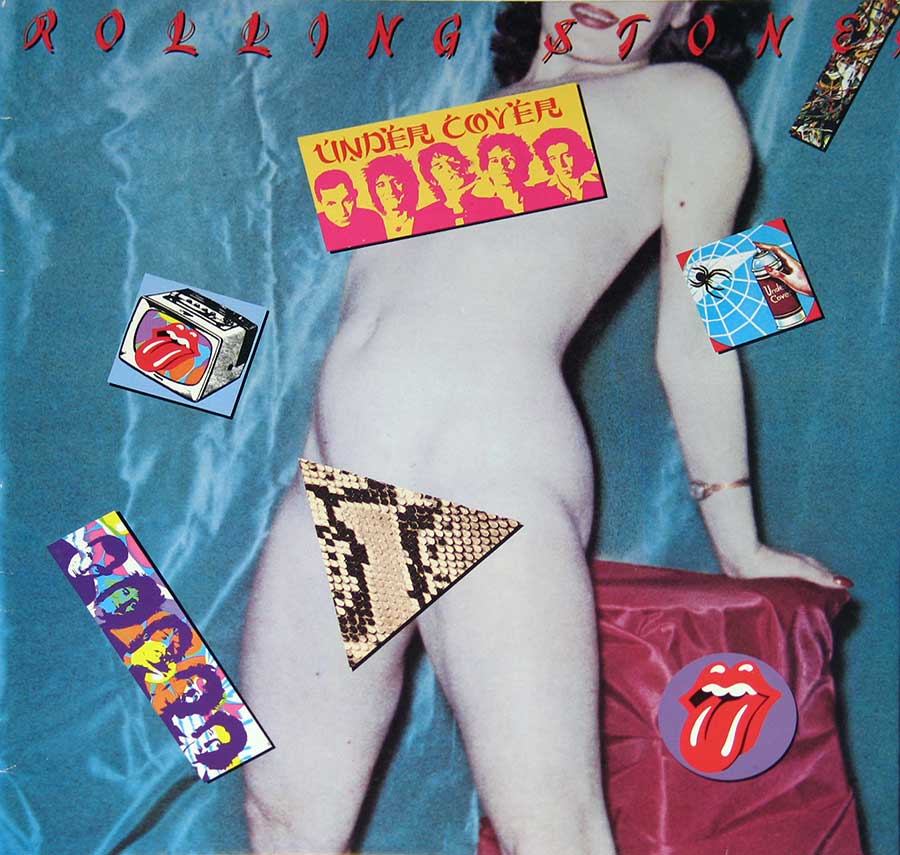
Front cover photo for The Rolling Stones "Undercover" (French LP): a grainy blue-tinted nude back-view photograph on a crumpled teal satin backdrop, with red cursive "ROLLING STONES" lettering across the top and several pasted-on sticker graphics. A snakeskin-pattern censor triangle covers the hips, while small pop-art rectangles (including "UNDER COVER" portraits, a TV with the tongue logo, a spray can and spider, and a multicolor face strip) clash on top of the realistic photo; the classic tongue logo sits bottom-right.

This "Undercover" sleeve is basically a staged provocation built out of a real photo and a bunch of loud, pasted graphics that look like they were slapped on five minutes before the print run. The base image is a grainy, blue-tinted photograph of a nude person seen from behind, leaning forward with both hands braced on a red-draped block at the right edge. The lighting is flat and slightly cold, so the skin reads pale against a wrinkled teal/blue satin-like backdrop that shows creases and shine like cheap studio fabric.

Then the design starts heckling the photo. Across the very top, spaced-out red cursive letters spell ROLLING STONES, like a sly signature floating above the scene. Over the upper back sits a bright pink-and-yellow rectangle that screams UNDER COVER with four stylized band faces, all high-contrast and poster-like. Around the body are more cut-and-paste inserts: a small square at left shows a TV set with the tongue logo on the screen; a long vertical strip at lower left stacks multi-colored faces in a pop-art grid; at upper right a blue target/globe-style graphic is hit with a black spider, while a hand aims a spray can labeled "Under Cover" straight at it. A thin diagonal strip at the top-right corner adds another busy pattern, like a torn bit of packaging or printed tape.

The visual punchline is the censorship: a beige-and-black snakeskin-pattern triangle placed over the hips, hard-edged and obviously artificial. That single shape flips the mood from "fashion photo" to "tabloid evidence" in one move, and it does it with a texture that feels cheap and loud on purpose. Real skin, fake snakeskin, printed satin, and glossy sticker colors all fight for attention. Nothing blends; everything clashes, which is exactly the point.

Collector-wise, this is the kind of cover where print quality and cropping matter: the teal fabric’s wrinkles, the blue cast in the photo, and the sharpness of the red script lettering are the tells. The pasted graphics should look crisp with clean edges, while the photo underneath stays a little soft and newsprint-like. The whole attitude sits in that collision: seductive pose turned confrontational by collage, like pop art and underground zines crashed a classic rock cover and started mocking fame, sex, and the idea that an album sleeve has to behave politely.

Album Back Cover Photo
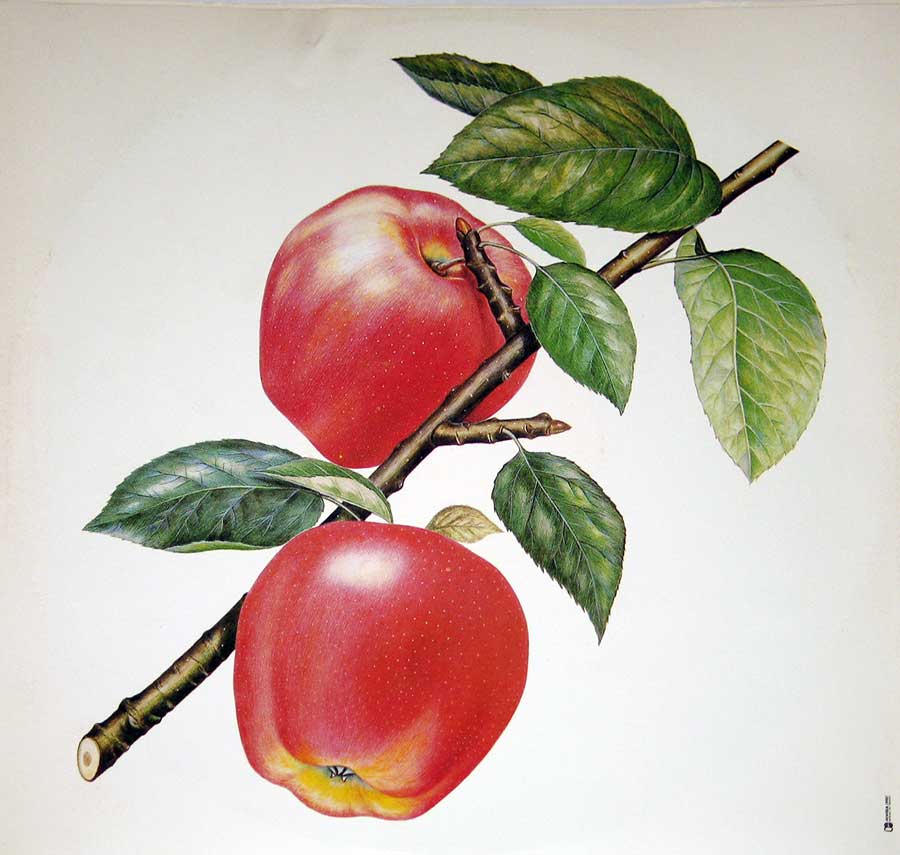
Back-cover artwork image for The Rolling Stones "Undercover": a clean off-white field with a diagonally placed dark branch carrying two glossy red apples and several green leaves. The apples are rendered in a hyper-real, airbrushed style with soft highlights and tiny speckling, while the leaves show crisp veins and layered greens. No track text appears in this shot; the minimalist design makes printing quality, stains, and edge wear instantly obvious to collectors.

This image is the back-cover mood swing: no band photo, no chaos, no “look at us” attitude—just a botanical-style rendering of two red apples on a branch, floating on a mostly blank, off-white background. The branch runs diagonally from lower left toward upper right, with a clipped, circular cut end visible at the left. Two apples hang on the branch: one sits higher and slightly left of center, the other is lower and more centered, both painted with glossy highlights that make them look waxed and heavy.

Up close, the apples aren’t flat red; the color shifts from deep crimson into lighter pink-red with subtle yellow at the base, plus tiny pale speckles scattered across the skin. The highlights are soft and rounded, like careful airbrush work or a very controlled studio photo, and that “too perfect” shine is the whole point—fruit as product, not fruit as nature. The leaves are equally fussy: layered greens with visible veins, darker shadows near the midribs, and crisp serrated edges. A few leaves overlap the branch at different angles, giving the composition depth without clutter.

Design-wise, this is minimalism with a straight face. The empty background creates brutal visual hierarchy: the apples dominate, and every scuff, stain, or age spot on the sleeve would have nowhere to hide. That’s a collector detail that matters, because light backgrounds turn ordinary handling wear into a crime scene. The diagonal layout also helps: it feels “placed” rather than centered, like a deliberate specimen plate—clean, clinical, and slightly ironic for a rock LP.

A tiny vertical print mark or credit block sits near the bottom-right edge, so the art isn’t completely anonymous, just intentionally quiet. Compared to typical classic-rock back covers packed with text, photos, and hype, this looks like it’s reacting against that tradition by refusing to perform. The attitude is cool, controlled, and a bit smug: the band doesn’t need to pose here—the image does the talking, and it does it with polished restraint.

Photo of Original Custom Inner Sleeve
Custom inner sleeve artwork for The Rolling Stones "Undercover": the same grainy blue-tinted nude back-view photo on wrinkled teal fabric, with red cursive "ROLLING STONES" lettering across the top and a red-draped block at right. The body is "collaged" with pasted graphics: a rectangular dog face over the upper torso, a pop-art eye square, a city-at-night square, a red triangular fragment over the hips, a blue/yellow vertical portrait strip at left, and a circular leopard image near the lower right.

This inner sleeve keeps the same base setup as the infamous front cover: a grainy, blue-cast photo of a nude person seen from behind, leaning forward with both hands on a red-draped block at the right edge. The backdrop is wrinkled teal satin-like fabric, creased and shiny in a way that screams “studio quick-and-dirty,” not glossy fashion perfection. Across the very top, spaced red cursive letters spell ROLLING STONES, floating like a signature over the scene.

The real action is the collage layer, and it’s deliberately mismatched: clean-edged printed rectangles and shapes slapped onto a soft, imperfect photograph. A horizontal rectangle over the upper torso shows a close-up of a small dog’s face (white fur, dark eye and nose), like someone literally pasted a random photo strip over the body to derail the gaze. Around it, scattered “sticker” fragments add different visual languages: a bold pop-art eye in a small square at left; a tilted city-at-night square at upper right with bright grid-like lights; and a sharp red triangle placed over the hip area, glossy and graphic like a torn piece of packaging or a design sample.

Down the left side, a long vertical strip stacks repeated portrait heads in a flat, posterized style—blue silhouettes on a yellow background—giving the layout that Warhol-ish, zine-collage energy without pretending to be tasteful. Near the lower right sits a circular cutout featuring a leopard’s head in profile, yellow-and-black spotted and very “wildlife magazine,” parked over the teal fabric like a badge. None of these pieces blend with the photo; the edges stay obvious, like the sleeve is proudly showing the glue lines.

From a sleeve-design point of view, the intent feels like controlled vandalism: glamour pose underneath, then a series of interruptions that mock the idea of a clean, unified image. Real skin tones are pushed cold by the blue tint, while the pasted pieces punch in warmer reds and yellows, so the hierarchy keeps snapping between photography and graphic noise. Print quality matters here: crisp sticker edges versus the softer photo grain are the tells, and any fading or scuffing will show up fast on that teal field and the red script. The whole thing reads as a deliberate collision of tabloid provocation, DIY cut-and-paste attitude, and a band acting like its own mythology deserves to be messed with.

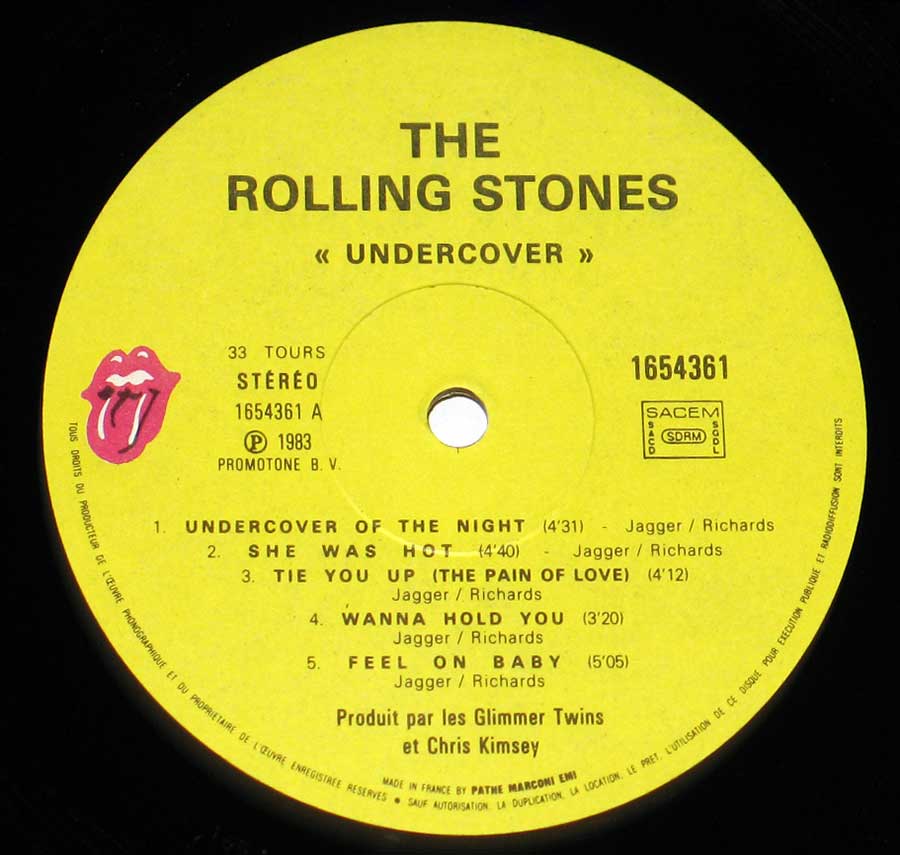
Close-up of Side One Record Label
Close-up of Side One label on the Rolling Stones "Undercover" French pressing: a bright yellow circular label with black text, centered around the spindle hole, surrounded by glossy black vinyl grooves. Top reads "THE ROLLING STONES" with "UNDERCOVER" below. At left are "33 TOURS" and "STEREO," plus "1654361 A" and a small red tongue logo. At right is catalog number "1654361" and a boxed SACEM/SDRM rights mark. Track list shows five titles with timings and Jagger/Richards credits; bottom line notes production by "les Glimmer Twins" and Chris Kimsey, with rim text including "Made in France by Pathe Marconi EMI."

This is the Side One label close-up from a French "Undercover" pressing, and it’s pure collector catnip: bright yellow background, crisp black print, and that immediate “French market” vibe from the language and rights box. The label fills the frame, with the glossy black vinyl grooves forming a dark ring around it. The center spindle hole sits slightly above the midline of the track text, and the light catches the record surface in soft arcs, making the run of grooves visible like concentric contour lines.

At the top, the hierarchy is blunt and functional. THE ROLLING STONES is printed in bold uppercase across the upper arc, with "UNDERCOVER" centered beneath it in slightly smaller type and quotation marks. No decorative fonts here—this is straight, industrial label typography, the kind that’s meant to survive factory handling and still read clearly under a dim turntable lamp.

Left of the spindle hole, the format and side identifiers are stacked in French: 33 TOURS over STEREO, followed by the catalog/side marking 1654361 A. Below that sits the circled P date 1983 and the rights owner line PROMOTONE B.V.. The small red Rolling Stones tongue logo is printed nearby on the left side, acting like the only “color flex” on an otherwise strictly two-color label.

On the right, the catalog number 1654361 is repeated in larger digits, and a boxed rights society mark shows SACEM with SDRM inside the frame. Those little boxes matter because they’re the boring proof that separates “looks similar” copies from the exact market variant. The track listing runs across the middle in neat lines: five songs with timings, and the writing credit printed as Jagger / Richards after each title. Everything is aligned for readability, not beauty, which is exactly why misprints or spacing differences jump out fast when comparing pressings.

Near the bottom, the production credit is printed in French: Produit par les Glimmer Twins et Chris Kimsey. Along the rim, the fine circular legal text wraps the edge, and the key manufacturing line is visible at the bottom: MADE IN FRANCE BY PATHE MARCONI EMI. That rim text is where condition tells on itself too—any spindle wear, scuffing, or fading hits the yellow first, so this label photo is basically a forensic snapshot of how carefully the record was handled.

All images on this site are photographed directly from the original vinyl LP covers and record labels in my collection. Earlier blank sleeves were not archived due to past storage limits, and Side Two labels are often omitted when they contain no collector-relevant details. Photo quality varies because the images were taken over several decades with different cameras. You may use these images for personal or non-commercial purposes if you include a link to this site; commercial use requires my permission. Text on covers and labels has been transcribed using a free online OCR service.

Collector’s Note: The Rolling Stones – "Undercover" (1983): Missing Inner Sleeve Photos (Floppy Disk Casualties)

Some of the inner sleeve photo set for The Rolling Stones – "Undercover" (1983) is missing in my gallery, and yeah, it’s not because I got lazy or suddenly stopped caring about documentation. The originals were saved on old floppy disks back when “storage” meant a plastic square that could decide, on a random Tuesday, that my files no longer deserved to exist.

Back when I started archiving sleeves, there was no cloud, no automatic backup, and definitely no magical “restore previous version” button. There was just me, a scanner, and a growing pile of disks labeled with heroic optimism like “STONES INNERS 1” and “STONES INNERS 2,” as if handwriting could prevent magnetic decay. Turns out floppies age like milk, especially if they’ve lived through years of heat, cold, and the occasional drawer slam.

The annoying part is that the missing shots aren’t the flashy front-cover stuff people repost a thousand times. It’s the practical inner sleeve details: the weird collage fragments, the print texture, the tiny differences in cropping and color balance that actually help identify a specific edition. Those are exactly the kind of images that matter when you’re trying to keep a French pressing page clean and consistent, and not just “close enough for the internet.”

The plan is simple: re-photograph or rescan what’s missing and put it back where it belongs. Until then, the gaps stay visible as a reminder of how physical archiving used to be: not just vinyl, but the whole ecosystem of analog inconveniences around it. Limited disk space, fragile media, and the constant background fear that one day your archive will be held hostage by a drive that goes clunk and then pretends it never met you.

The Rolling Stones Vinyl Discography: Album Covers, Descriptions & International Releases (1962-1989)

Over the decennia the line-up of "The Rolling Stones" has been changed several times read the mini-biographies of the best known stones

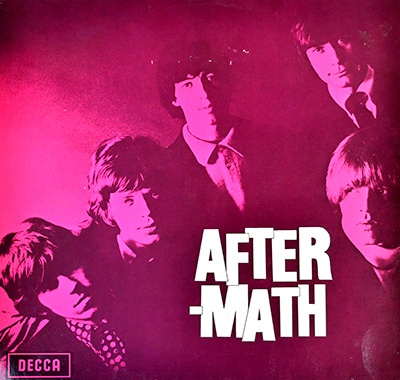
ROLLING STONES - Aftermath (Decca Records and London Records)
ROLLING STONES - Aftermath (Decca Records and London Records) album front cover vinyl record

The Rolling Stones' "Aftermath" (1966) stands as a pivotal moment in rock history, showcasing the band's songwriting prowess and sonic experimentation. The UK and US versions differ slightly, but both feature classics like "Paint It, Black" and "Under My Thumb."

Aftermath Netherlands Release on Decca Records Aftermath Netherlands Release on London Records )
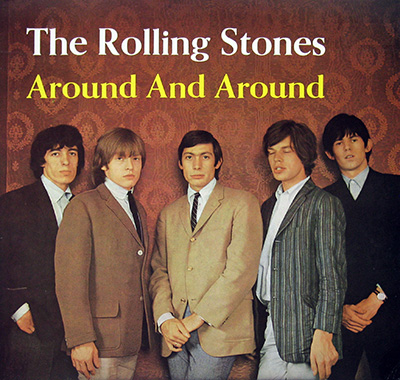
ROLLING STONES - Around and Around Two different releases
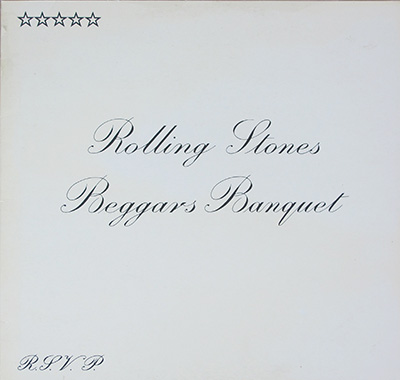
ROLLING STONES - Beggars Banquet Two different releases
 album front cover vinyl record

"Around and Around" isn't just another Rolling Stones album, it's a raw, bluesy ride showcasing their early energy. Released in 1964, this LP features covers and originals, capturing the essence of their live shows. Tracks like "It's All Over Now" and the title track prove why they became rock legends.

Around and Around German 1970 Release - Around and Around Holland 1970 Release
ROLLING STONES - Beggars Banquet Two different releases
 album front cover vinyl record

Ah, "Beggars Banquet" from 1968, now that's a landmark release! This album marked a return to the Stones' bluesy roots, but with a darker, more mature edge. You'll find classics like "Sympathy for the Devil" and "Street Fighting Man," showcasing their raw power and social commentary

British release of Beggars Banquet German Release of Beggars Banquet
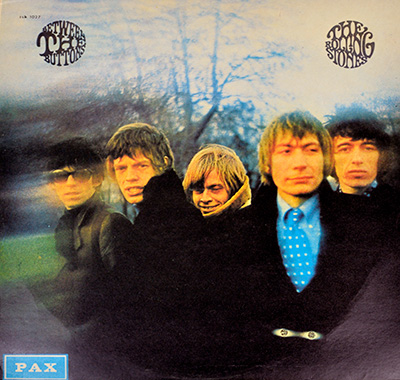
ROLLING STONES - Between the Buttons (Three Album Cover Variations)
ROLLING STONES - Between the Buttons (Three Album Cover Variations) album front cover vinyl record

"Between the Buttons," released in 1967, is a fascinating album showcasing the Rolling Stones' creative evolution. It's known for having three distinct album cover variations, each a collector's item in its own right! The music itself blends psychedelia, pop, and their classic rock 'n' roll sound

Between Buttons German Release Between The Buttons Israel Release Between the Buttons West-German Release )
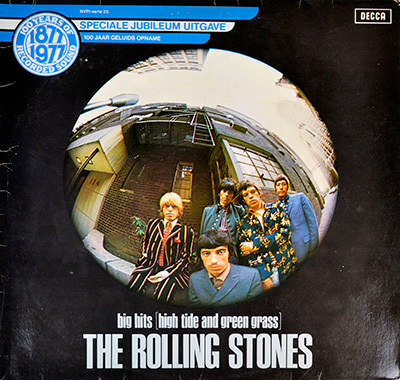
ROLLING STONES - Big Hits (High Tide and Green Grass) (Multiple European Versions)
ROLLING STONES - Big Hits (High Tide and Green Grass)  (Multiple European Versions) album front cover vinyl record

Now, "Big Hits (High Tide and Green Grass)" is a real treat for anyone new to the Rolling Stones or looking for a perfect overview of their early, energetic sound. Released in 1966, this compilation packs a punch with hits like "(I Can't Get No) Satisfaction," "Get Off of My Cloud," and "The Last Time."

Big Hits (High Tide And Green Grass) German Release - Big Hits (High Tide and Green Grass) Israel PAX Record Big Hits (High Tide and Green Grass) Special Edition Netherlands
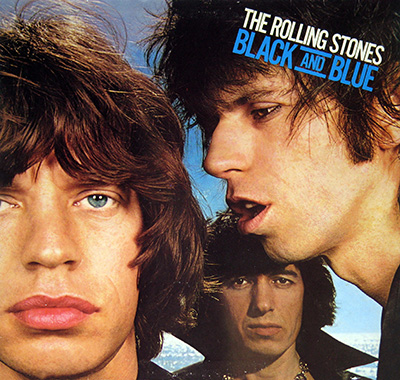
Updated The Rolling Stones - Black and Blue (1976, Holland) album front cover 12-inch vinyl LP album https://vinyl-records.nl
The Rolling Stones – Black and Blue (1976)

“Black and Blue” captures The Rolling Stones in full transformation — fusing funk, reggae, and soulful ballads with raw rock grit. It’s a daring experiment that struts between styles without losing its swagger. Jagger commands, Richards riffs with reckless cool, and together they reinvent what a 1970s rock album could sound like.

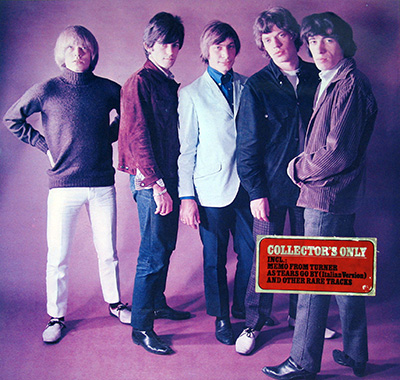
ROLLING STONES - Collector's Only
ROLLING STONES - Collector's Only album front cover vinyl record

DECCA 6.24321 , Year , Made in Germany

The ROLLING STONES - COLLECTOR'S ONLY 12" Vinyl LP Album is a rare find for any music enthusiast. One of the highlights is Mick Jagger showcasing his linguistic skills by singing a song entirely in Italian, adding a unique touch to this already exceptional collector's item.
Collector's Only 12" Vinyl LP
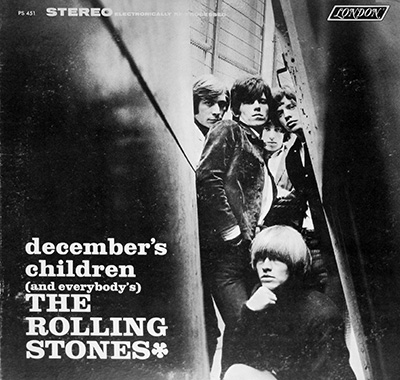
Updated ROLLING STONES - December's Children (and everybody's) album front cover vinyl LP album https://vinyl-records.nl
ROLLING STONES - December's Children (and everybody's)

"December's Children (And Everybody's)" is a pivotal Rolling Stones album, showcasing their evolution from blues covers to original songwriting. Released in 1965, it features hits like "Get Off of My Cloud" alongside R&B-infused tracks and Dylan-esque ballads, capturing the band's raw energy.

Visit Updated Page
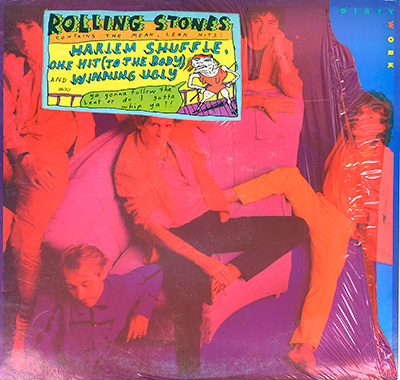
ROLLING STONES - Dirty Work
ROLLING STONES - Dirty Work (1986, Europe) album front cover vinyl record

 Rolling Stones Records – CBS 86321 , 1986 , Europe

"Dirty Work", a 1986 Rolling Stones release, reflects a tense period in the band's history with Jagger/Richards at odds. It's a raw, guitar-heavy album, less polished than their earlier work, but still packs a punch with hits like "Harlem Shuffle" and the defiant "One Hit (To the Body)"

Dirty Work (1986, Europe) 12" Vinyl LP
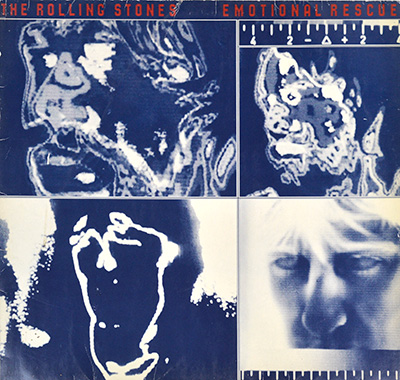
ROLLING STONES - Emotional Rescue (Dutch and German Releases)
ROLLING STONES - Emotional Rescue (Dutch and German Releases) album front cover vinyl record

The Dutch and German pressings of the Rolling Stones' "Emotional Rescue" offer a unique listening experience for vinyl enthusiasts. These 1980 releases boast exceptional audio quality, capturing the album's blend of disco, rock, and ballads with clarity and warmth.

Dutch Release of "Emotional Rescue" incl Poster German Release of "Emotional Rescue"
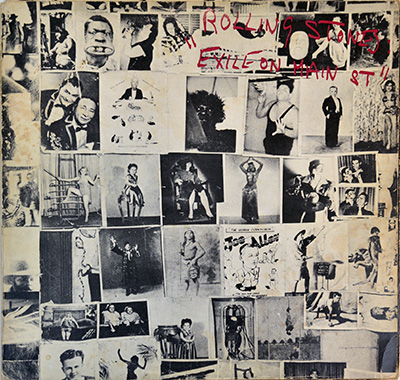
ROLLING STONES - Exile On Main Street
ROLLING STONES - Exile On Main Street (1972, Netherlands)
 album front cover vinyl record

   Rolling Stones Records – COC 69 100 , 1972 , Netherlands

"Exile on Main Street" is the Rolling Stones' gritty, sprawling masterpiece from 1972. This double LP captures the band at their rawest, blending blues, rock, and country influences into a loose, jam-heavy sound. It's a sonic journey through the highs and lows of rock 'n' roll excess, with classics

Exile On Main Street (1972, Netherlands) 12" Vinyl LP
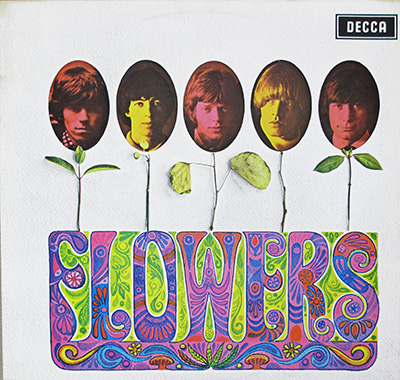
ROLLING STONES - Flowers (Two German Versions)
ROLLING STONES - Flowers (Two German Versions) album front cover vinyl record

The German pressings of the Rolling Stones' "Flowers" offer a unique glimpse into the band's mid-60s output. These 1967 releases compile tracks not included on US albums, featuring hits like "Ruby Tuesday" and "Let's Spend the Night Together."

Flowers - Decca Records Edition Flowers - Royal Sound Edition
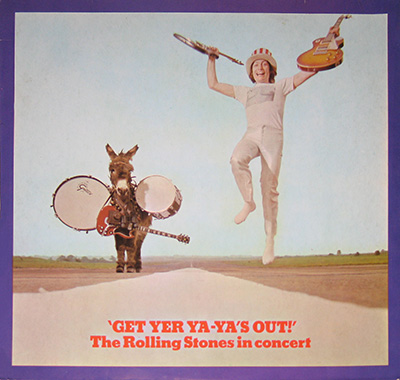
Updated ROLLING STONES - Get Yer Ya-Ya's Out (1970, France) album front cover vinyl LP album https://vinyl-records.nl
ROLLING STONES - Get Yer Ya-Ya's Out

"Get Yer Ya-Ya's Out!" (Decca SKL 5065, 1970 France) is the Stones’ classic live album, recorded on their 1969 US tour. With searing renditions of "Jumpin' Jack Flash" and "Sympathy for the Devil," it stands as one of rock’s definitive live records, showcasing their blues-driven power at its peak.

Visit Updated Page
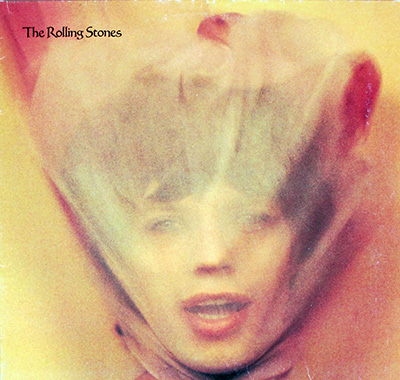
ROLLING STONES - Goats Head Soup
ROLLING STONES - Goats Head Soup (1973, Germany) 
 album front cover vinyl record

COC 59101 , 1973 , Germany

"Goats Head Soup" is a classic Rolling Stones album from 1973, featuring the iconic ballad "Angie." It showcases the band's signature bluesy rock sound with a touch of experimentation, making it a must-have for any vinyl collector.

Goats Head Soup (1973, Germany) 12" Vinyl LP
ROLLING STONES - It's Only Rock and Roll
ROLLING STONES - It's Only Rock and Roll (1974, Germany)  album front cover vinyl record

 Rolling Stones Records COC 59 103 , 1974 , Germany

The Rolling Stones' 1974 album, "It's Only Rock 'n Roll," is a raw and energetic journey through a band in transition. The title track encapsulates their rebellious spirit, a statement of purpose in a changing music landscape. While some tracks stay true to their bluesy roots

It's Only Rock and Roll (1974, Germany) 12" Vinyl LP
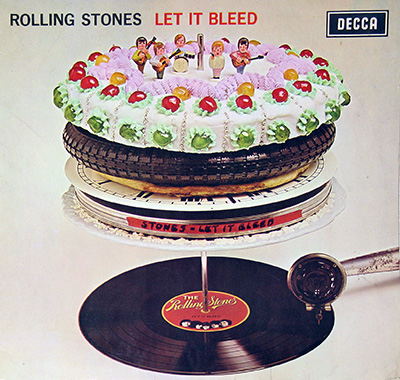
Updated ROLLING STONES - Let it Bleed album front cover vinyl LP album https://vinyl-records.nl
ROLLING STONES - Let it Bleed

"Let It Bleed," released in 1969, is a blues-infused rock masterpiece by the Rolling Stones. This iconic album features raw energy and dark undertones, capturing the turbulent spirit of the late '60s. Tracks like "Gimme Shelter" and "You Can't Always Get What You Want" showcase the band's musical maturity.

Visit Updated Page
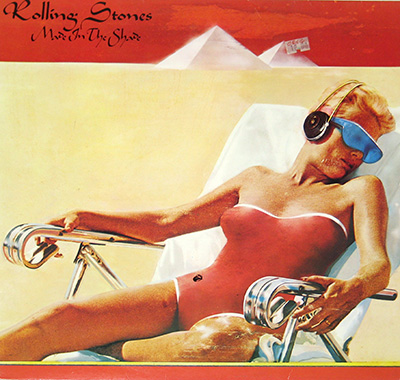
ROLLING STONES - Made In The Shade
ROLLING STONES - Made In The Shade (1975, Germany) album front cover vinyl record

  COC 59 104 , 1975 , Germany

"Made In The Shade," released in 1975, is a compilation album showcasing the Rolling Stones' iconic hits from the early 1970s. It features essential tracks like "Brown Sugar," "Tumbling Dice," and "Angie," providing a snapshot of the band's peak during that era.

Made In The Shade (1975, Germany) 12" Vinyl LP
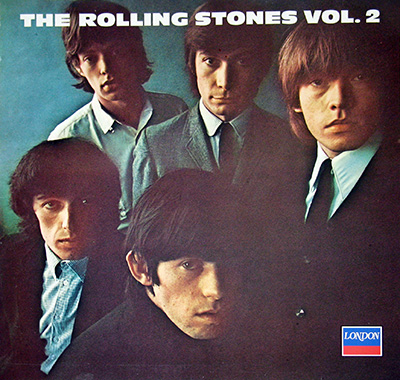
ROLLING STONES - No 2 / Vol 2
Thumbnail of ROLLING STONES - No 2 / Vol 2 (1970, Holland)
 album front cover

LONDON 820 673  , 1970 , Netherlands

Released in 1965, "The Rolling Stones No. 2" captures the band's early raw energy and passion for blues and R&B. Filled with electrifying covers and Jagger/Richards originals, it showcases their musical exploration and establishes them as a driving force in the British Invasion.

No 2 / Vol 2 (1970, Holland) 12" LP
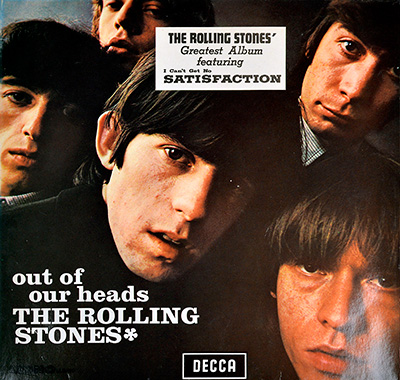
ROLLING STONES - Out Of Our Heads (Netherlands and USA Releases)
Thumbnail of ROLLING STONES - Out Of Our Heads (1965, Netherlands)   album front cover

 Decca – 6835 107 , 1965 , Netherlands

"Out Of Our Heads," released in 1965, showcases the Rolling Stones' evolution. The album's blend of blues covers and Jagger/Richards originals, including their iconic "(I Can't Get No) Satisfaction," perfectly captures their raw energy and rebellious spirit. It's a pivotal record that cemented their place

- Out Of Our Heads (1965, Netherlands) - Out Of Our Heads (1965, USA)
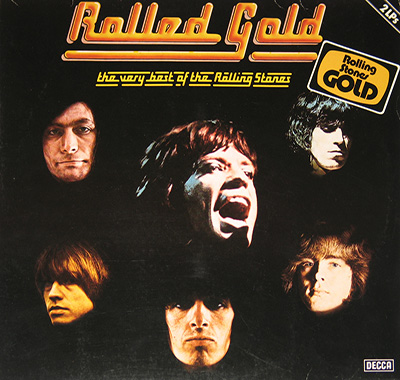
ROLLING STONES - Rolled Gold (German Releases)
Thumbnail of ROLLING STONES - Rolled Gold Decca Records (1975, Germany)
 album front cover

"Rolled Gold," released in 1975, is a classic Rolling Stones compilation featuring their biggest hits from the 1960s and early '70s. It's a perfect introduction for new fans or a nostalgic trip for longtime listeners, showcasing the band's evolution from bluesy rockers to stadium-filling icons.

Rolled Gold on Decca Records, Germany Rolled Gold on Nova Records Germany
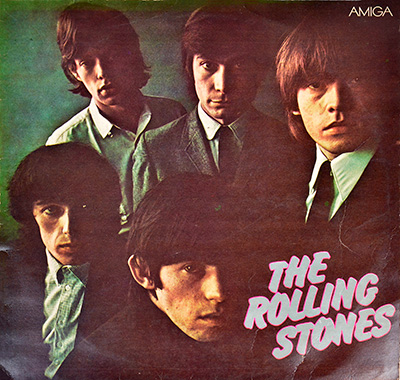
ROLLING STONES - Self-Titled
Thumbnail of ROLLING STONES - Self-Titled (1982, DDR) album front cover

Record Label Information: , 1982 , East-Germany

This 12" vinyl LP serves as a compilation, showcasing the Stones' artistic progression within the given time frame. With a blend of timeless classics, it reflects the band's influential contributions to the music scene, leaving an indelible mark on the cultural landscape of that era.

ROLLING STONES - Self-Titled (1982, DDR/East Germany) 12" LP
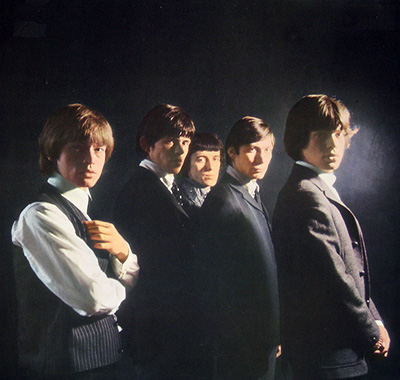
ROLLING STONES - Self-Titled
Thumbnail of ROLLING STONES - Self-Titled (1984, Holland)  album front cover

London 820 047   , 1984 , Holland

"The Rolling Stones" is the debut album by The Rolling Stones, originallly released in the UK in April 1964. This is the 1984 re-issue and can be easily recognized by the barcode in the upper right corner of the album back cover and the (c) Copyright printed on the record's label,

ROLLING STONES - Self-Titled (1984, Holland) 12" LP
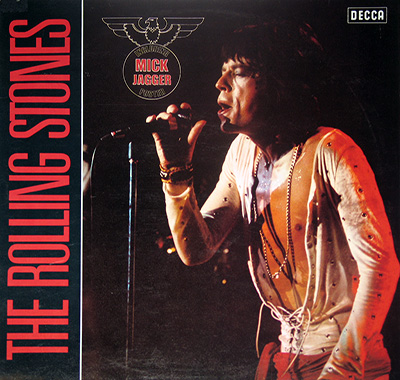
ROLLING STONES - Self-titled
ROLLING STONES - Self-titled (1973, Switzerland)  album front cover vinyl record

Decca S 17 005 (ML+)   , 1973 , Germany

Unveiling a musical rarity: The Rolling Stones' 1973 self-titled Swiss vinyl, a German-crafted masterpiece with +ML+ imprint, blending exclusivity and timeless rock allure.

ROLLING STONES - Self-titled (1973, Switzerland) 12" Vinyl LP
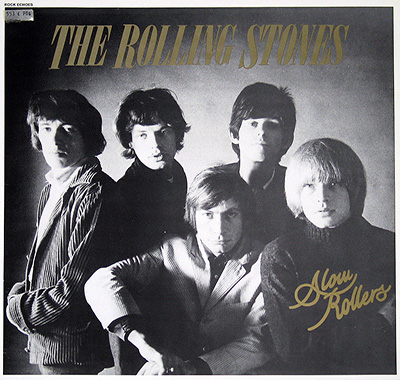
ROLLING STONES - Slow Rollers
ROLLING STONES - Slow Rollers (1981, Holland) album front cover vinyl record

Decca TAB 30 / KZAL ARL 17148 , 1981 , Holland

"Slow Rollers," a ballad compilation on 12" Vinyl LP by the Rolling Stones, showcases their emotive side. Notably, "Con Le Mie Lagrime Cosi (As Tears Go By)," sung in Italian by Mick Jagger, adds a unique touch

Slow Rollers (1981, Holland) 12" Vinyl LP
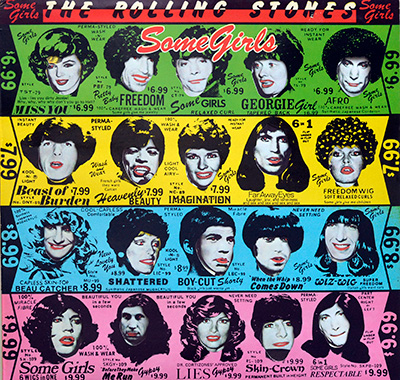
ROLLING STONES - Some Girls (International Versions)
ROLLING STONES - Some Girls (Multiple Versions) album front cover vinyl record

The Rolling Stones' 1978 album, "Some Girls," marked a turning point, introducing guitarist Ron Wood and showcasing a shift in their sound. While retaining their rock n' roll roots, they embraced elements of punk, disco, and new wave, resulting in a diverse and commercially successful album.
European Release of "Some Girls" with alternate cover Italian Release of "Some Girls" with alternate cover Netherlands Release of "Some Girls" with original cover Swedish Release of "Some Girls" with original cover
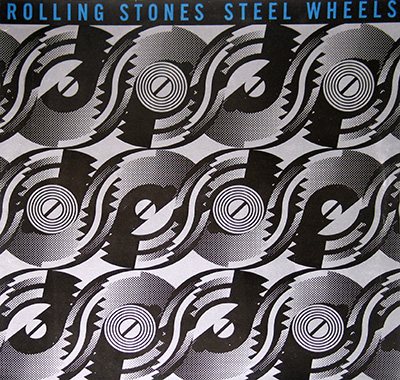
ROLLING STONES - Steel Wheels
ROLLING STONES - Steel Wheels (1989 Holland) album front cover vinyl record

CBS 465752 , 1989 , Holland

Released in 1989, "Steel Wheels" marks a triumphant return for the Rolling Stones. This album showcases a rejuvenated band delivering a blend of classic rock energy and polished production. With catchy hooks and powerful performances, "Steel Wheels" is a testament to the Stones' enduring appeal.
Steel Wheels (1989 Holland) 12" Vinyl LP
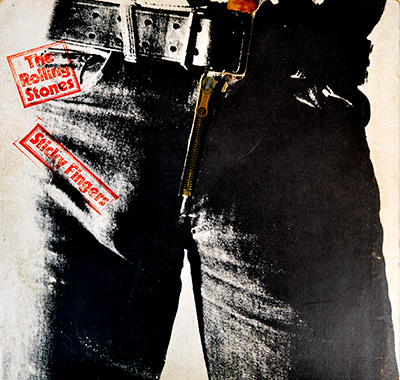
ROLLING STONES - Sticky Fingers (International Versions)
ROLLING STONES - Stick Fingers (Multiple International Versions) album front cover vinyl record

"Sticky Fingers," the iconic album by the Rolling Stones, achieved global renown not only for its timeless music but also for the distinctive front cover designed by the legendary artist Andy Warhol. A collector's delight, this album holds a unique allure for vinyl enthusiasts

Sticky Fingers with real ZIPP Zipper (1971, Germany) Sticky Fingers Real working zipper (1971, Germany) Sticky Fingers with Rounded PAN Zipper (1971, Netherlands) Sticky Fingers CBS NL (Netherlands) Sticky Fingers (United Kingdom)
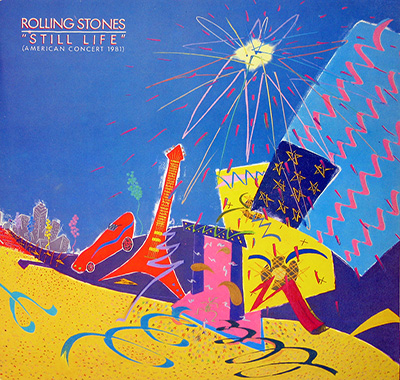
ROLLING STONES - Still Life American Concert 1981 (Multiple European Releases) 12" Vinyl LP
ROLLING STONES - Still Life American Concert 1981 (1982 EEC) album front cover vinyl record

Rolling Stones' zenith: A 1981 live album, encapsulated in a 12" Vinyl LP, is a sonic time capsule, showcasing the band's prowess and contributing profoundly to music history. A must-have for enthusiasts, reliving the magic of that era.

European Release of "Still Life American Concert 1981" German Release of "Still Life American Concert 1981"
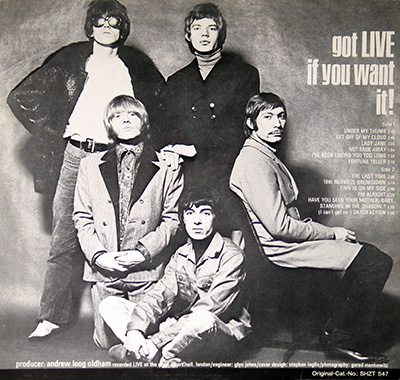
ROLLING STONES - Stone Age/Got Live if you want it
ROLLING STONES - Stone Age/Got Live if you want it  album front cover vinyl record

Decca SD 3024 / ZAL 10 432 , 1971 , Germany

"Stone Age/Got Live If You Want It!" is a unique Rolling Stones release, combining their 1971 studio album "Stone Age" with the live EP "Got Live If You Want It!" from 1966. "Stone Age" features a mix of bluesy rock and psychedelic experimentation, while the live EP captures the band's raw energy

Stone Age/Got Live if you want it 12" Vinyl 2LP
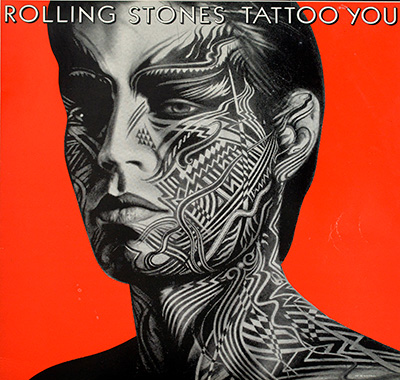
ROLLING STONES - Tattoo You (Multiple International Releases)
ROLLING STONES - Tattoo You album front cover vinyl record

In 1981, The Rolling Stones unveiled "Tattoo You," a 12" Vinyl LP Album that proved to be a remarkable compilation of previously unreleased gems from their 1970s recordings. With its release, the band skillfully curated a timeless collection, showcasing their musical prowess

The European Release of Tattoo You The French Release of Tattoo You The USA Release of Tattoo You
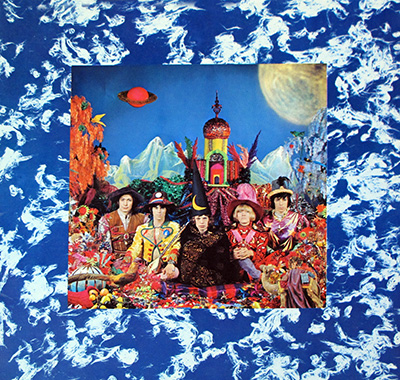
ROLLING STONES - Their Satanic Majestic Request (Multiple Versions)
ROLLING STONES - Their Satanic Majestic Request ( 1967 Germany )  album front cover vinyl record

Released in 1967, "Their Satanic Majesties Request" marks a bold departure for the Rolling Stones. This psychedelic-tinged album features unconventional instrumentation and studio effects, creating a dreamlike and experimental soundscape.

German Version of "Their Satanic Majestic Request" Holland release of "Their Satanic Majestic Request"
ROLLING STONES - Time Waits For No One (Multiple Versions)
ROLLING STONES - Time Waits For No One  (1979 Germany) 
 album front cover vinyl record

"Time Waits for No One" is a Rolling Stones compilation released in 1979, offering a taste of their music from 1971 to 1977. It features a mix of well-known hits like "Angie" and "It's Only Rock 'n' Roll," along with deeper cuts, providing a glimpse into the band's evolution during that period.

German Release of "Time Waits For No One" Dutch Release of "Time Waits For No One"
ROLLING STONES - Undercover (Multiple International Versions) 12" Vinyl LP
ROLLING STONES - Undercover (1983 France)  album front cover vinyl record

Released in 1983, "Undercover" showcases the Rolling Stones' edgier side. This album features a mix of hard-hitting rock, reggae influences, and experimental textures. Tracks like "Undercover of the Night" and "Too Much Blood" explore darker themes with a raw, contemporary sound.

French Release of Undercover USA Release of Undercover
ROLLING STONES - 7" Singles & 12" Maxi-Singles
THE ROLLING STONES Vinyl 7" Singles, 10" EP'S And 12"  Maxi-Singles  album front cover vinyl record

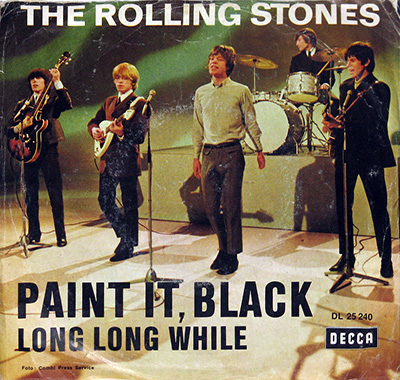
A Collection of 7" Singles and 12" Maxi Records by the Rolling Stones

ROLLING STONES - 7" Singles & 12" Maxi-Singles
ROLLING STONES - Live on Unofficial Vinyl Records
ROLLING STONES - Live on Unofficial Vinyl Albums album front cover vinyl record

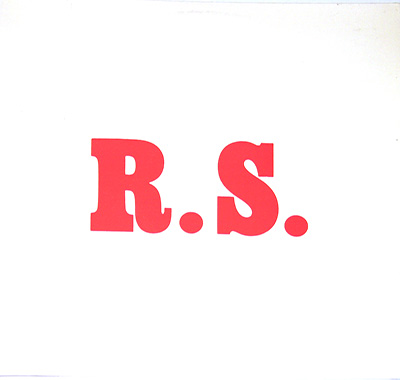
This collection features three unofficial Rolling Stones recordings from the 60s and 70s. Each disc is identified by the initials "R.S." on the cover, but in different colors.

ROLLING STONES - Live on Unofficial Vinyl Records
ROLLING STONES - Assorted Picture Discs, LP's
ROLLING STONES - Assorted Picture Discs, LP's album front cover vinyl record

A hodgepodge of Rolling Stones vinyl records from different categories

ROLLING STONES - Assorted Picture Discs, LP's