Bob Clearmountain, Bob Clearmountain is the behind-the-glass ringmaster who made rock records hit like polished steel. I first clock him in the late 1970s, engineering and mixing for sharp-edged art-rock and new-wave sessions (Roxy Music, The Pretenders). By the early-to-mid 1980s he is the go-to for arena-scale muscle: mixing the Rolling Stones and Bruce Springsteen projects, where the drums punch and the guitars stay wide without turning to fuzz. Across the 1980s into the 1990s he helps Bryan Adams translate bar-room bite into radio-sized thunder, then keeps busy through the 1990s and 2000s remixing and mixing for major catalogs and new cuts alike. His signature is clarity with attitude: every chorus lifts, nothing caves in.
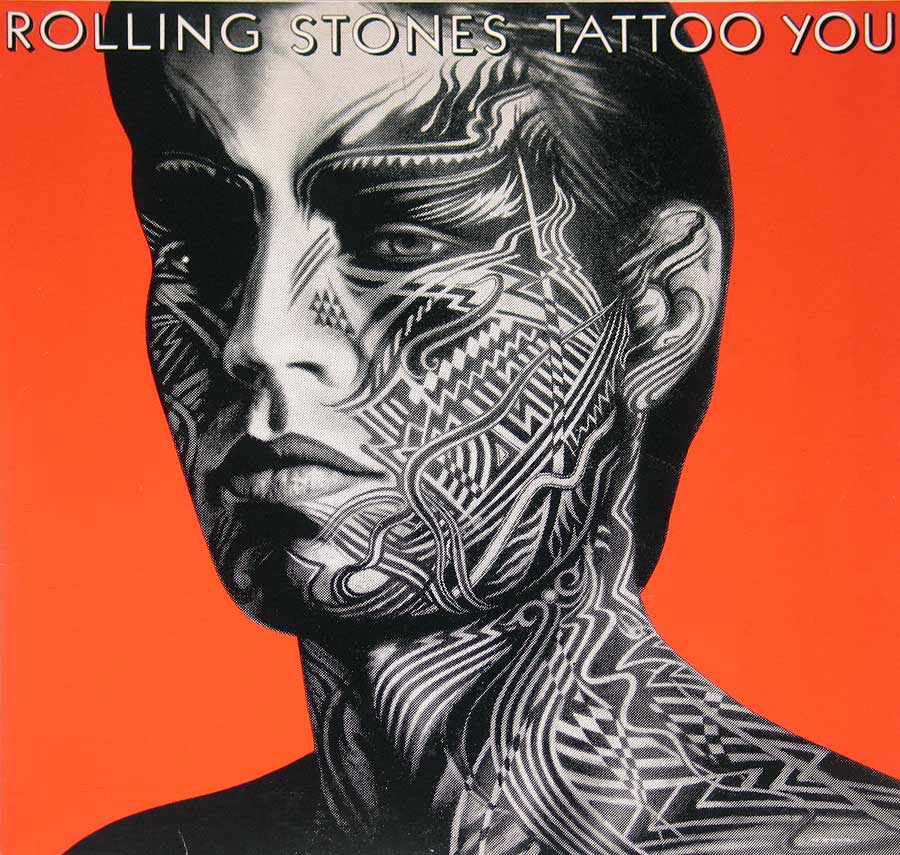
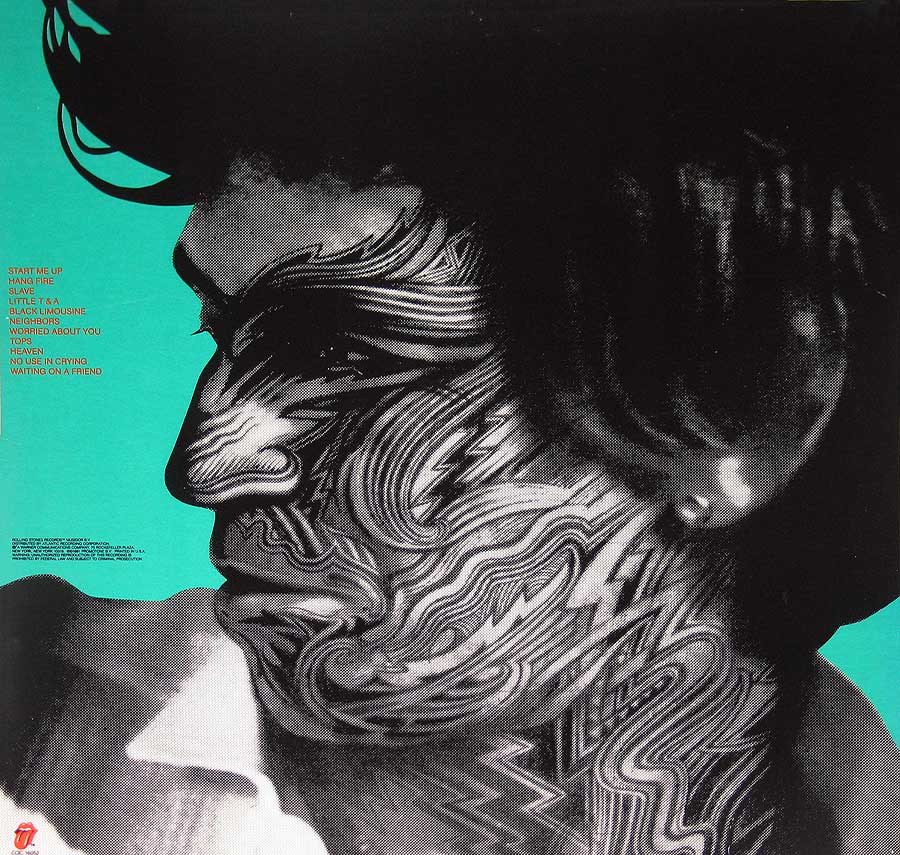
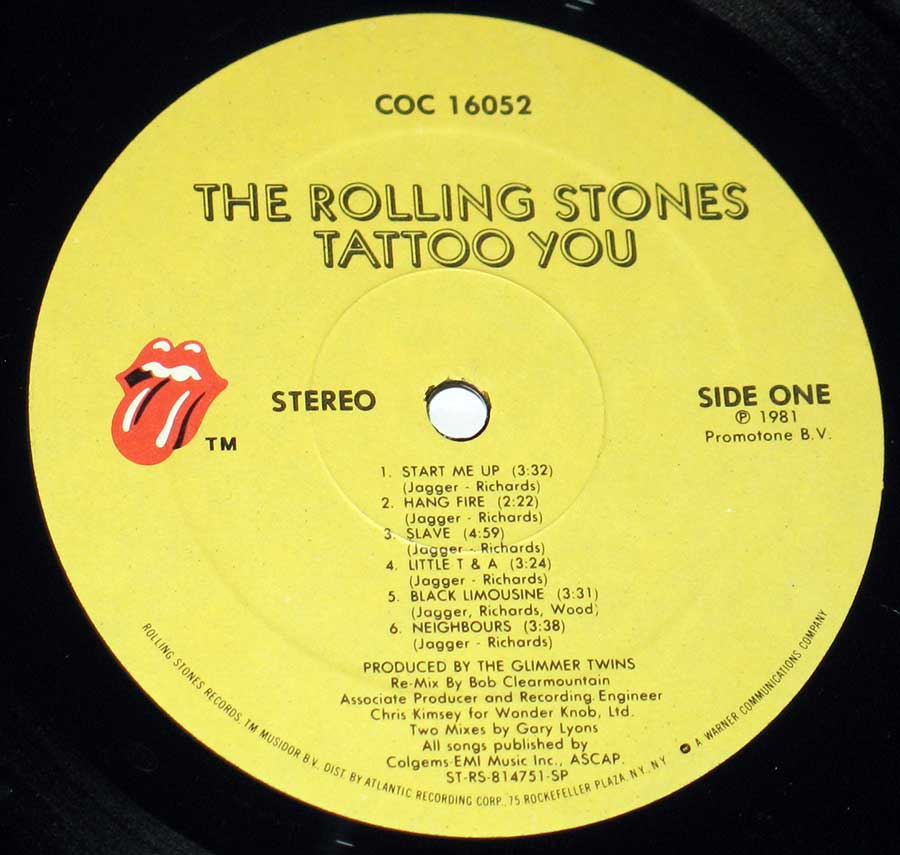
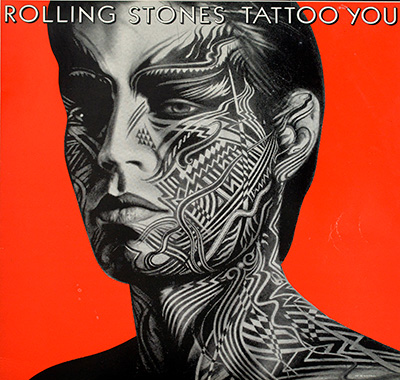
ROLLING STONES - Tattoo You 12" Vinyl LP Album
- USA release
Howdy, folks! Gather 'round for "Tattoo You," the Rolling Stones' latest shindig! We've been rummagin' through our attic, dustin' off some ol' tunes and unfinished ditties. Some might say we're recyclin', but we call it makin' the most of what we got. So grab your boots, kick up your heels, and let's get this hoedown started! This ain't no fancy orchestra, just good ol' rock 'n' roll with a little bit of country grit. Y'all ready to have a good time?