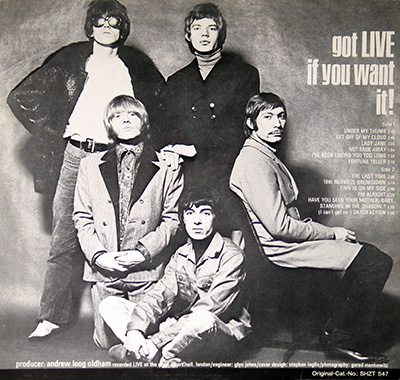
Ian Stewart, Ian Stewart is the Rolling Stones' no-nonsense piano anchor, and I will die on the hill that he kept the boogie honest while everyone else chased the spotlight. From 1961-1962 he worked London's R&B circuit with Alexis Korner's Blues Incorporated; in 1962 he co-founded the Rolling Stones and, after being pushed out of the "official" lineup in 1963 for image reasons, stayed on as road manager and session pianist right up to 1985. I hear him in the Stones' live roar and studio grooves, and he even guested on early-1970s sessions with Led Zeppelin. In the early 1980s he fronted Rocket 88, built for sweat, not fashion. When a Stones track suddenly swings like a pub jukebox at closing time, I blame Stu.
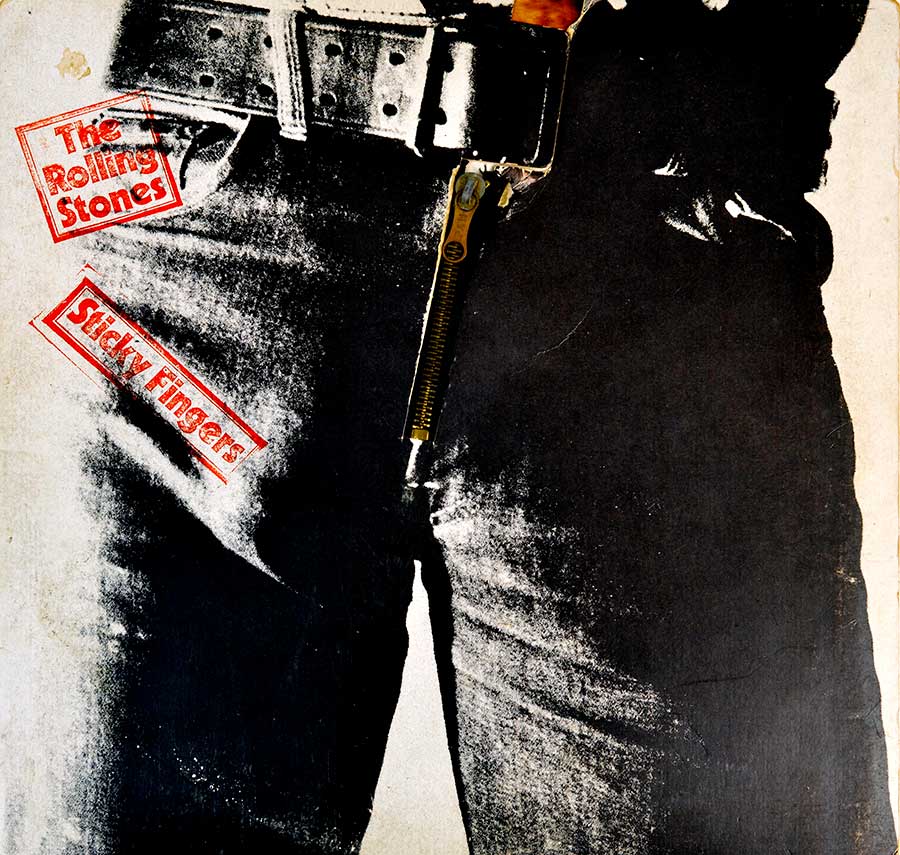
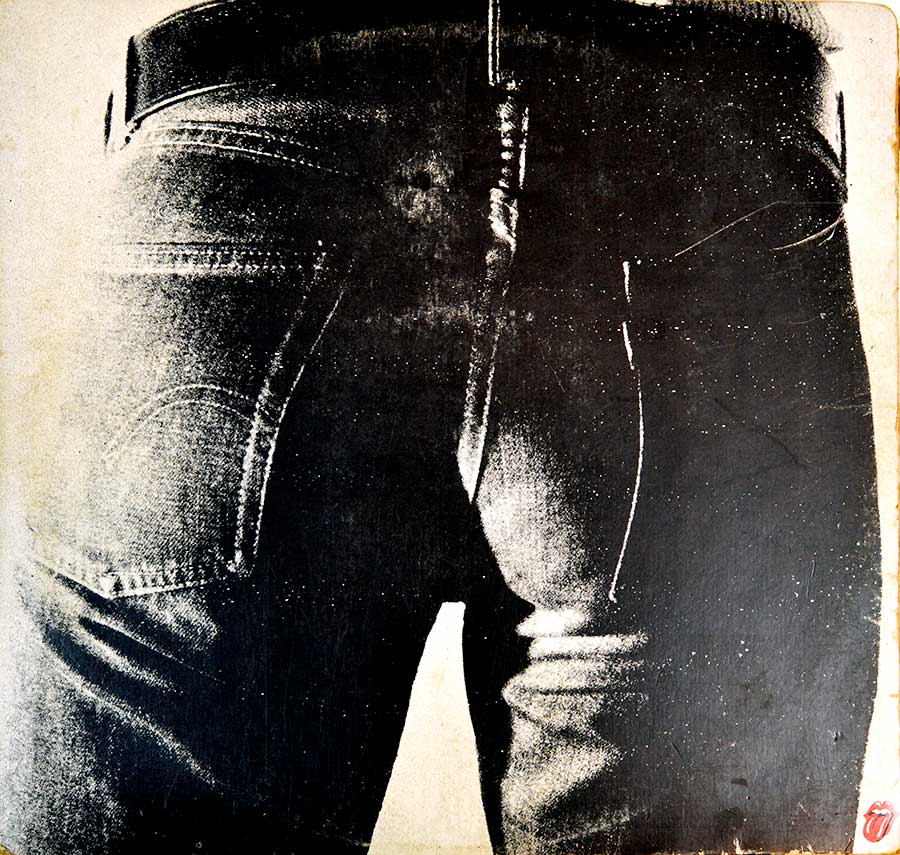
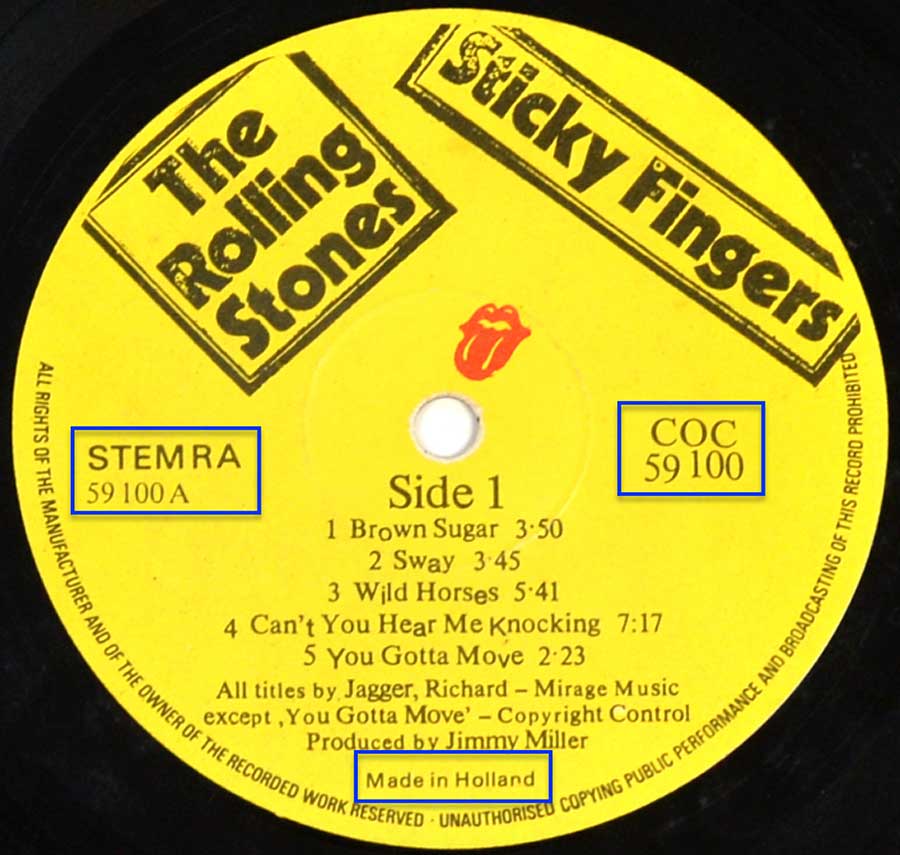
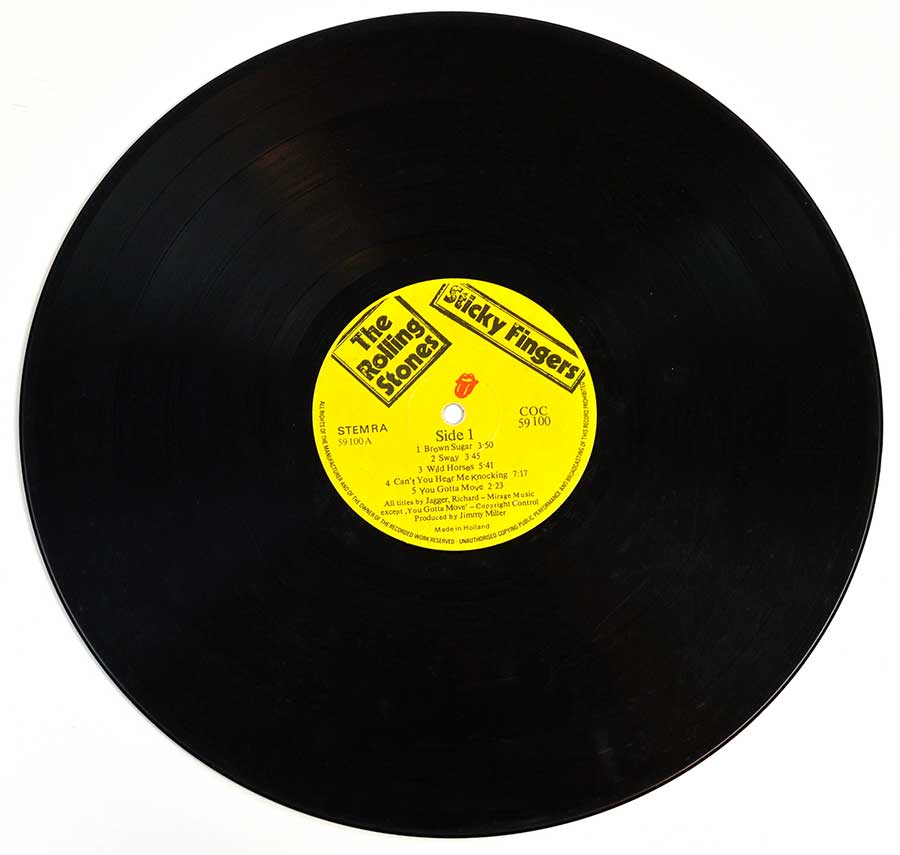
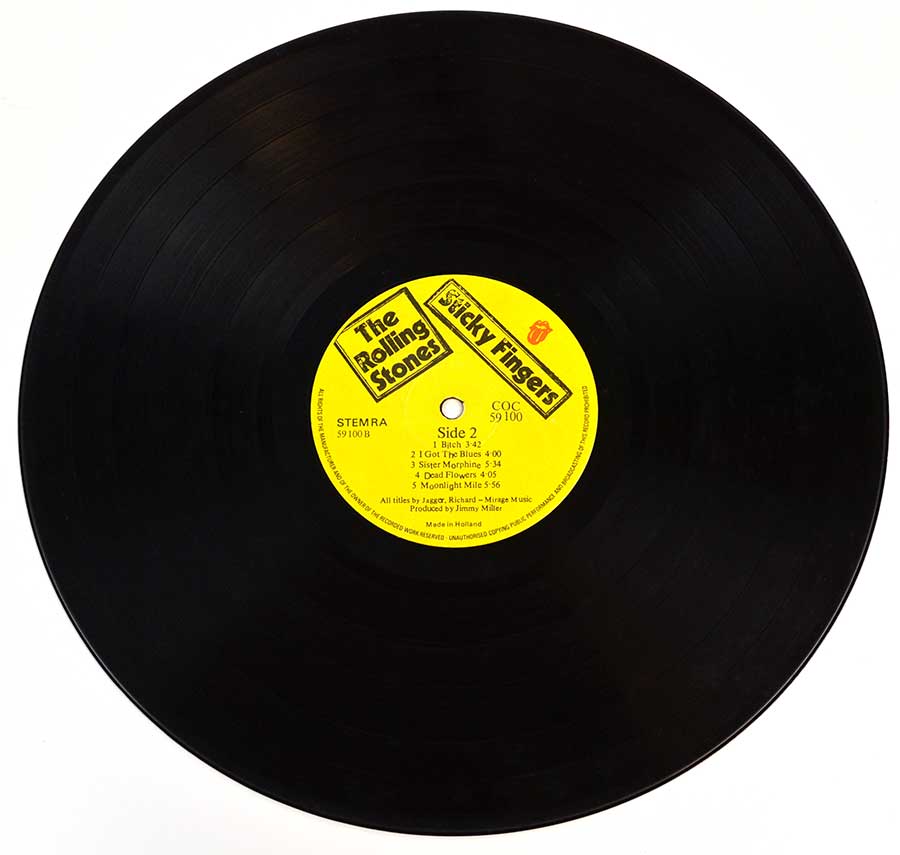
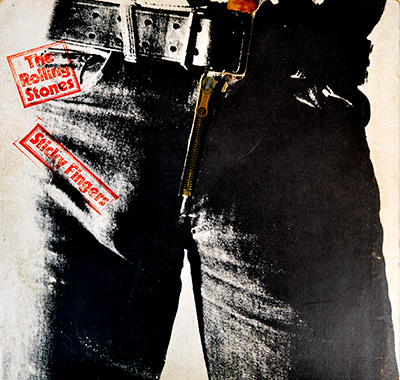
ROLLING STONES - Sticky Fingers Real "PAN" ZIPPER Netherlands 12" Vinyl LP Album
"Sticky Fingers" is the ninth British and eleventh American studio album by English rock band The Rolling Stones, released in April 1971. It is the band's first album of the 1970s and its first release on the band's newly-formed label, Rolling Stones Records, after having been contracted since 1963 with Decca Records in the UK and London Records in the US. It is also Mick Taylor's first full-length appearance on a Rolling Stones album, and the first not to feature any contributions from founding guitarist Brian Jones.
This is the FIRST Dutch release with the "rounded" PAN zipper