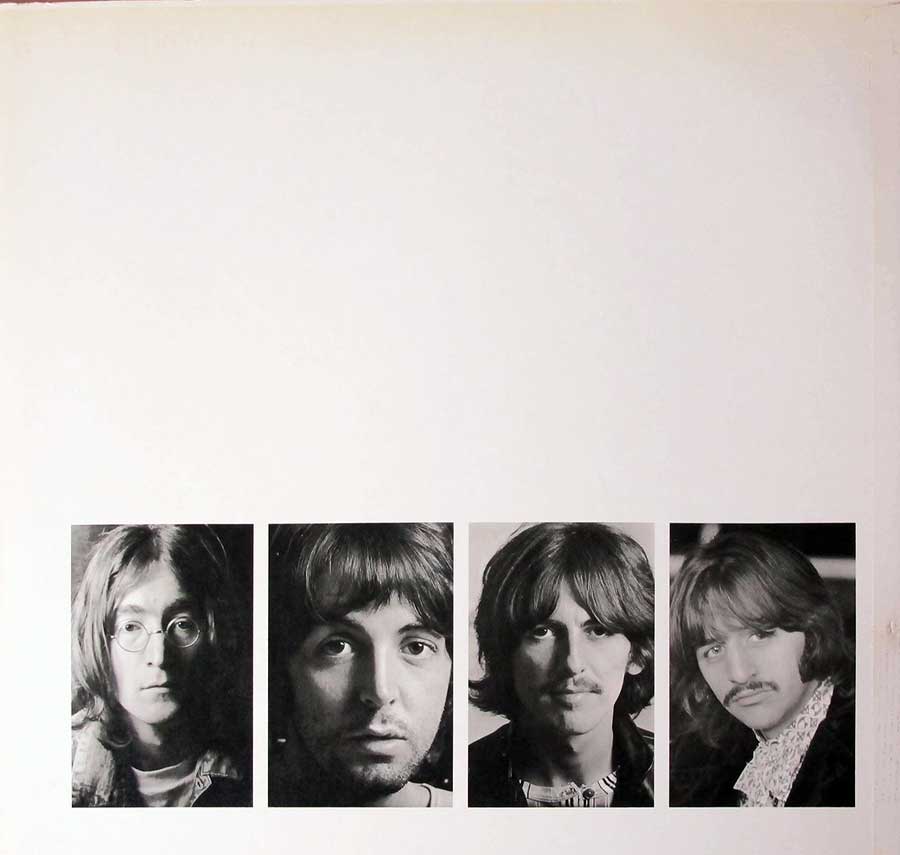
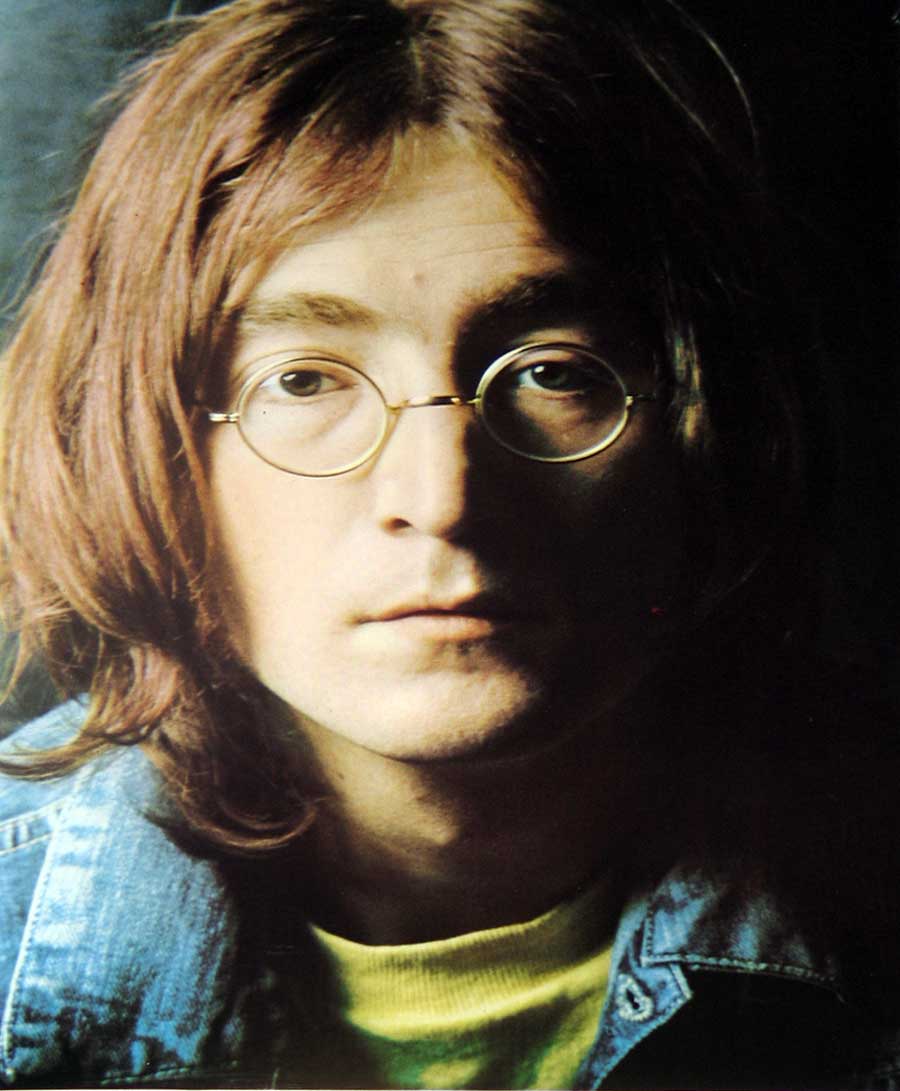
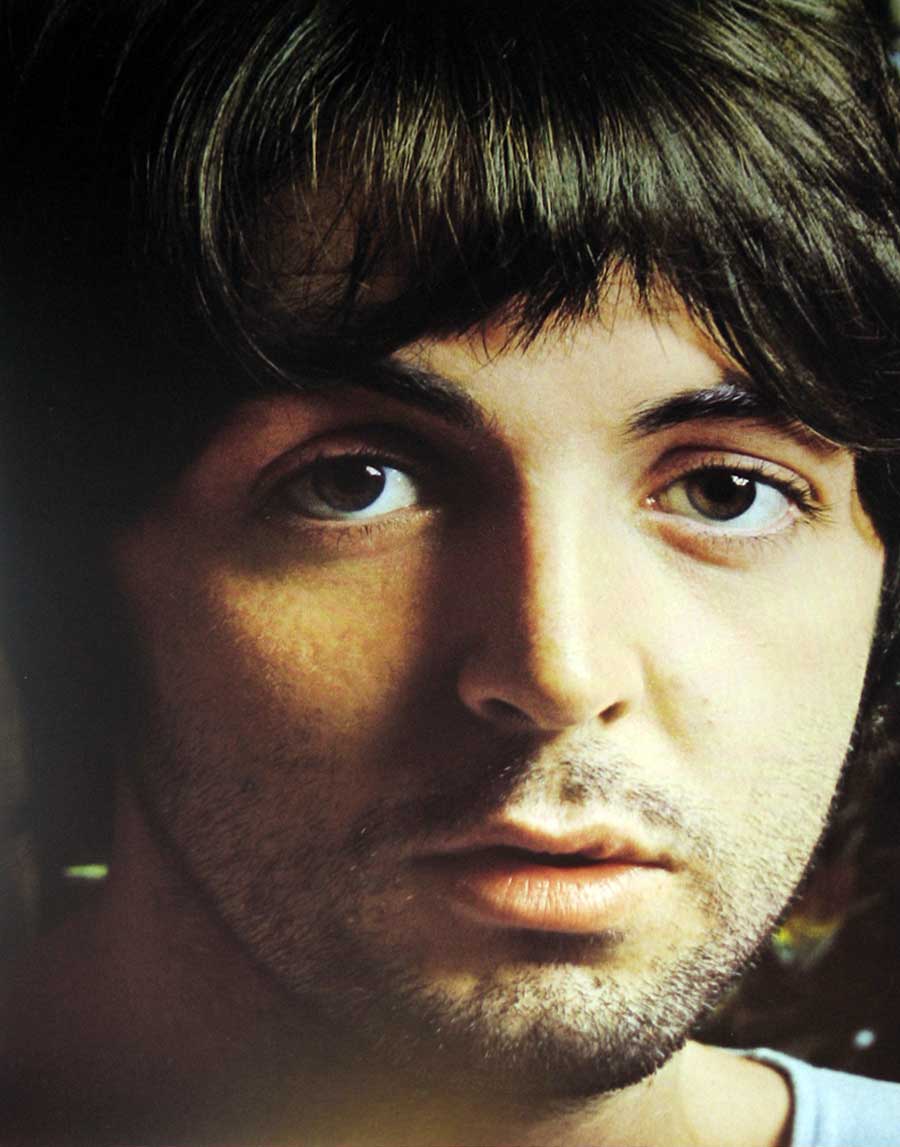
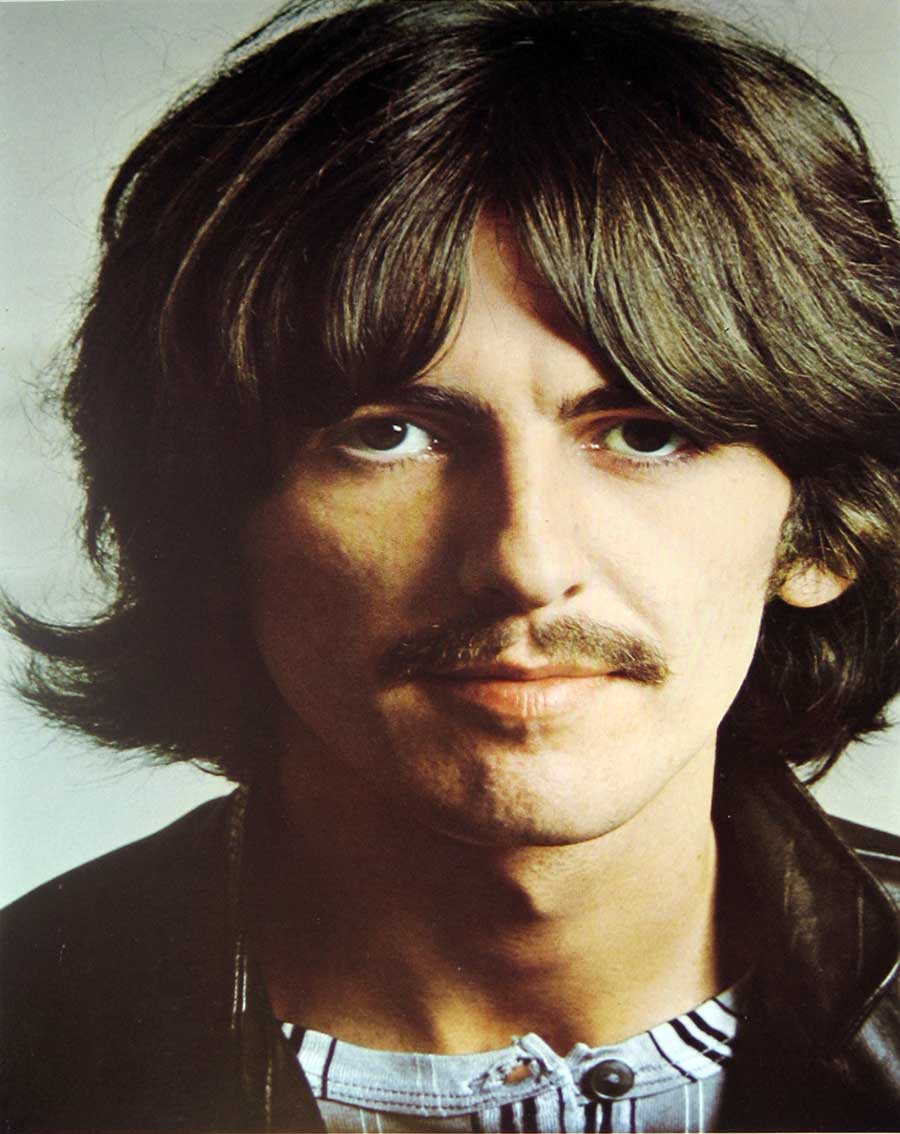
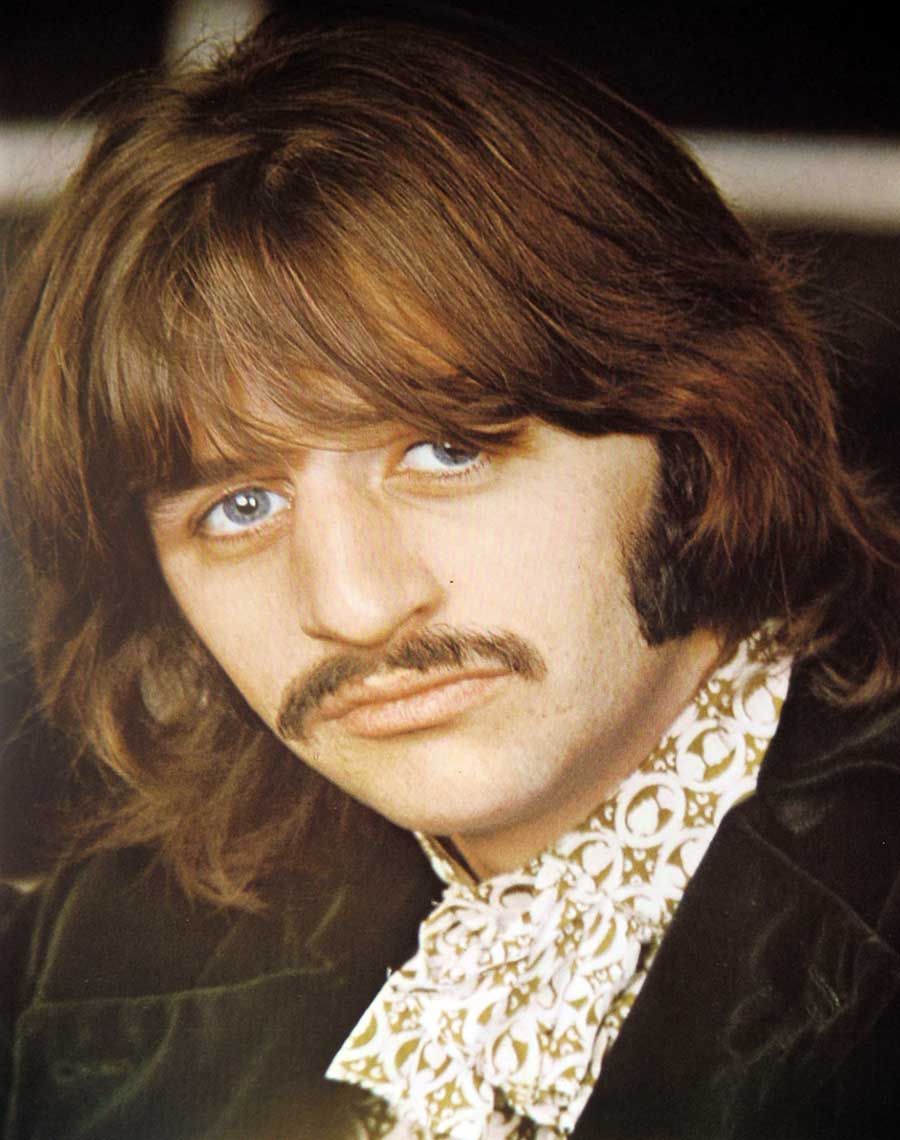
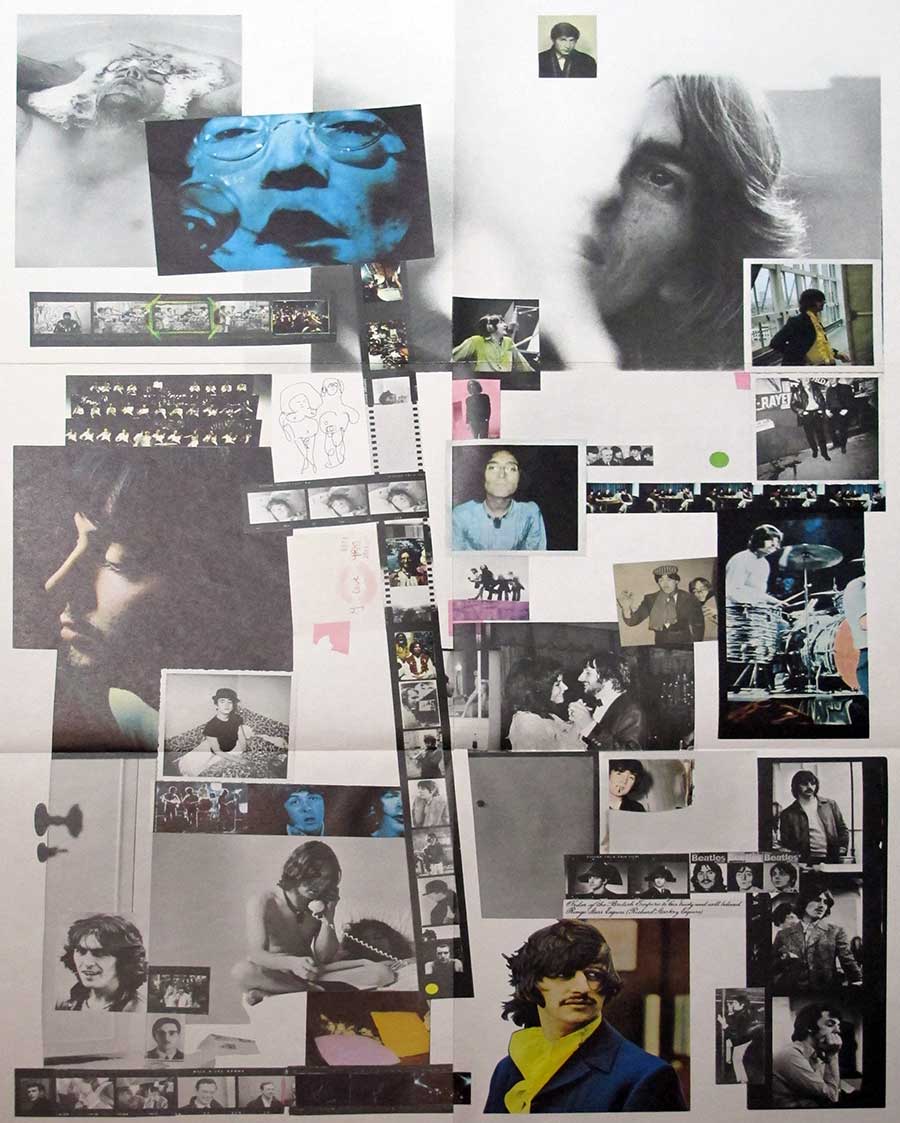
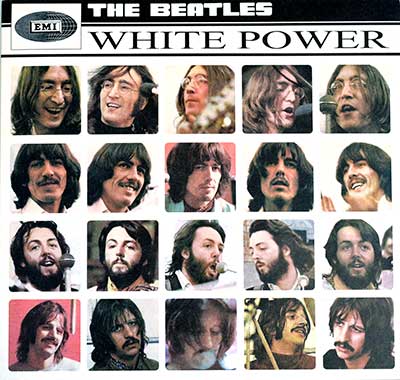
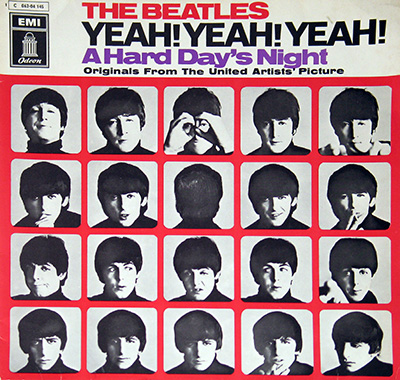
In the turbulent year of 1968, amidst a backdrop of social unrest, political upheaval, and a counterculture in full swing, the Beatles unleashed their self-titled double album, forever known as "The White Album." This sprawling, enigmatic work defied expectations, shattering the band's carefully cultivated image and revealing the raw, unfiltered essence of four artists on the brink of implosion.
Gone were the mop-tops and matching suits, replaced by a kaleidoscope of musical styles, ranging from raw blues to avant-garde experimentation. The album's stark white cover, devoid of any imagery or text, served as a blank canvas for the listener's imagination, inviting them to navigate the labyrinthine depths within.
The White Album was a product of its time, capturing the zeitgeist of a generation grappling with change and uncertainty. It was recorded during a period of intense personal and creative turmoil within the band. The sessions were marred by disagreements, creative clashes, and the looming presence of Yoko Ono, John Lennon's new partner, whose constant presence in the studio further strained the already fragile dynamic.
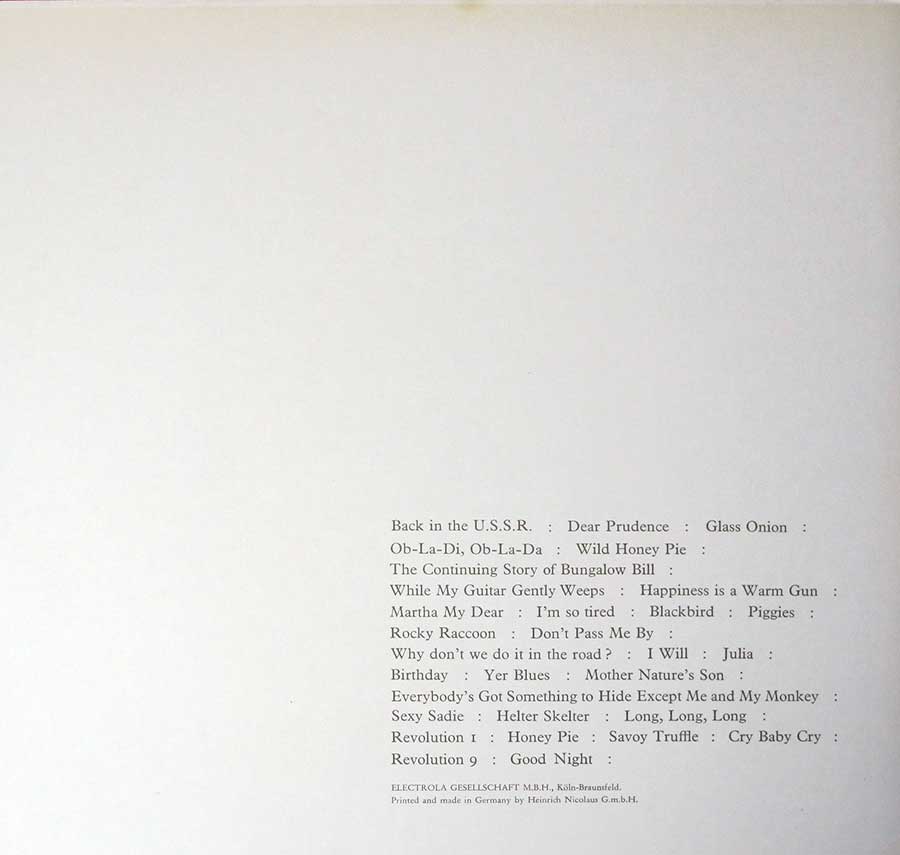
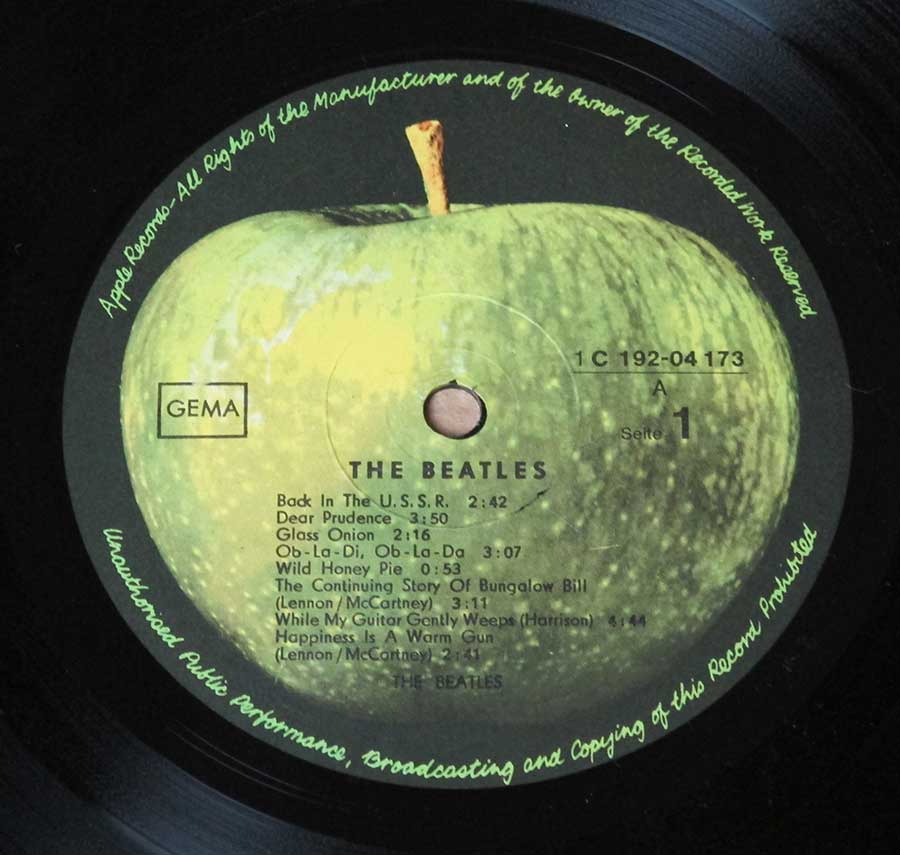
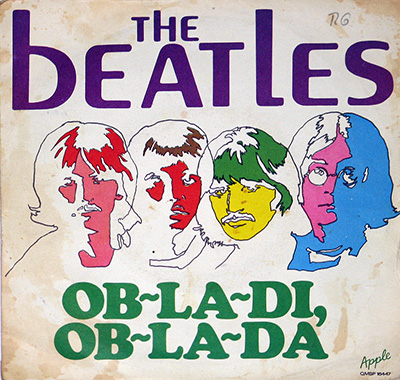
Despite the internal strife, the Beatles managed to tap into a wellspring of creativity, resulting in a collection of songs that defied categorization. The album's 30 tracks encompassed a dizzying array of genres, from the raw, bluesy swagger of "Yer Blues" to the whimsical psychedelia of "Glass Onion." The album kicks off with the energetic "Back in the USSR," a playful nod to the Beach Boys, and delves into the introspective with "Dear Prudence" and the enigmatic "Glass Onion." McCartney's music hall-infused "Ob-La-Di, Ob-La-Da" provides a lighthearted counterpoint to Lennon's darker musings on "Happiness Is a Warm Gun." George Harrison's songwriting shines on the poignant "While My Guitar Gently Weeps," featuring Eric Clapton's searing guitar solo.
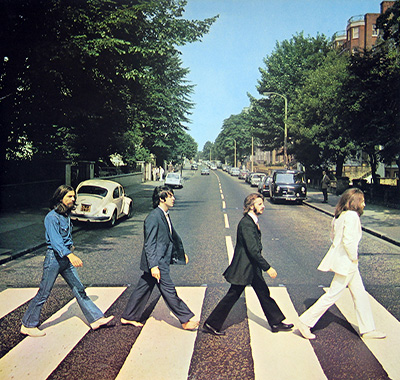
The production team, led by the legendary George Martin, faced the daunting task of wrangling this disparate collection of material into a cohesive whole. The sessions took place at Abbey Road Studios, the Beatles' familiar stomping ground, but the atmosphere was anything but comfortable. The band members often worked in isolation, recording their parts separately, a stark contrast to their earlier collaborative spirit.
Despite its flaws and contradictions, the White Album remains a landmark achievement in rock and roll history. It is a testament to the Beatles' boundless creativity and their willingness to push the boundaries of popular music. It is a sonic document of a band at a crossroads, grappling with their own internal demons and the changing world around them.
The White Album is not an easy listen. It is a challenging, sprawling work that demands repeated listens to fully appreciate its depth and complexity. It is a sonic kaleidoscope that reflects the fragmented nature of the late 1960s, a time of both great hope and profound disillusionment.
In the end, the White Album is a testament to the enduring power of the Beatles' music. It is a reminder that even in the face of adversity, creativity can flourish. It is a raw, unfiltered glimpse into the souls of four artists who changed the world, and whose music continues to inspire and challenge us today.