The Beatles – 1967-1970: The Dutch Release and Its Place in History
Exploring the Sound, Innovation, and Legacy of The BeatlesÕ Most Transformative Years
Historical Context
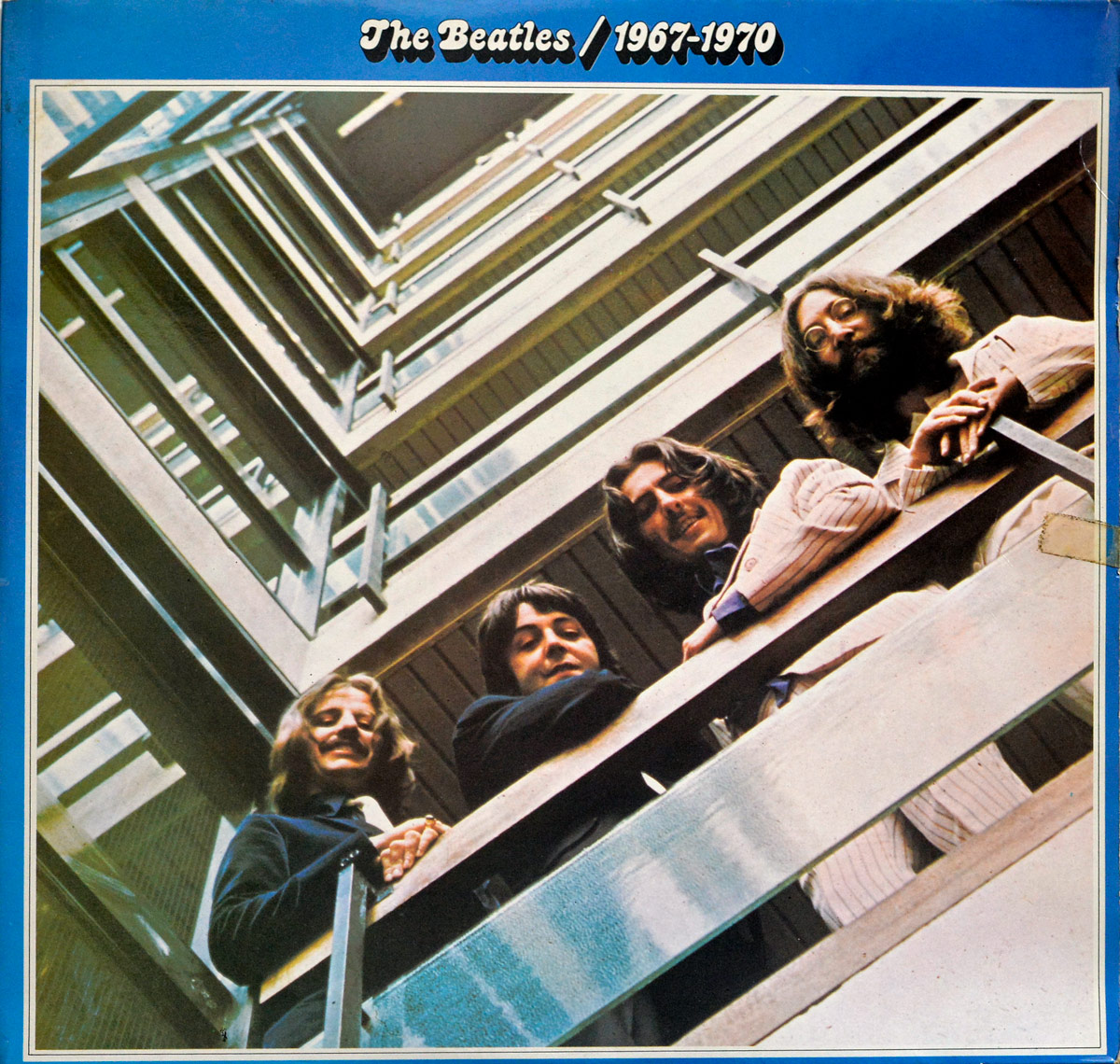
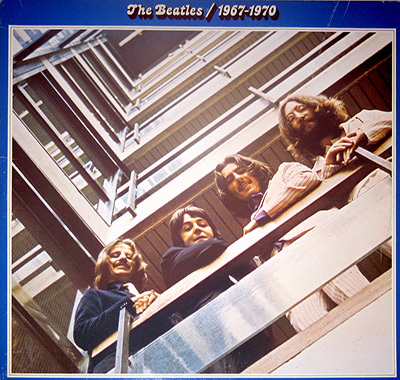
The late 1960s was a period of seismic cultural and musical shifts. The Beatles, already the most influential band of their time, were at the epicenter of this change, transitioning from the clean-cut Fab Four of the early Õ60s to musical innovators embracing psychedelia, experimental recording techniques, and a more profound lyrical depth. Their 1967-1970 period, later encapsulated in the famous ÒBlue Album,Ó was a testament to their artistic evolution. Released in 1973, this double LP was a compilation of the band's later work, and the Dutch pressing stands out for its distinct production characteristics and presentation.
Musical Exploration
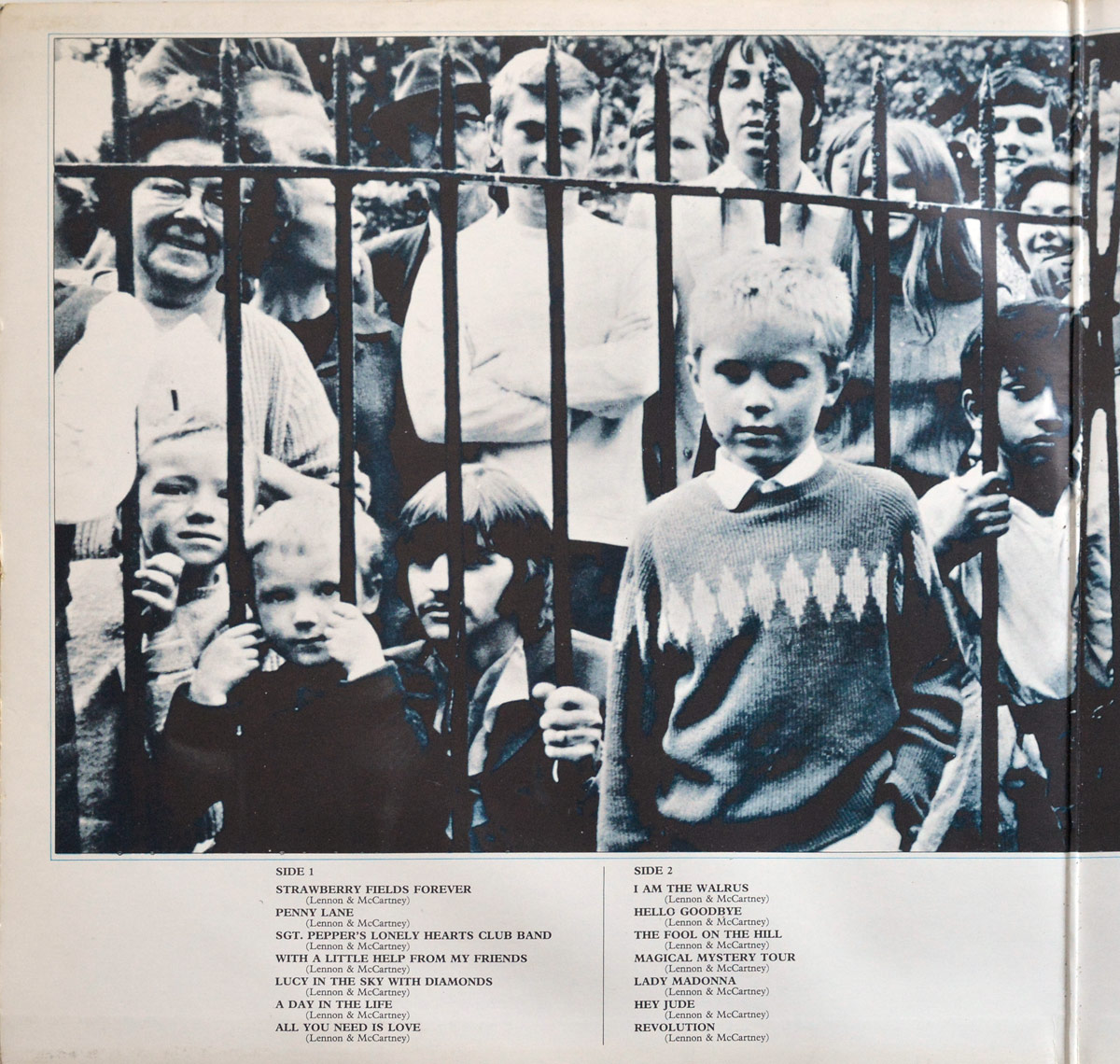
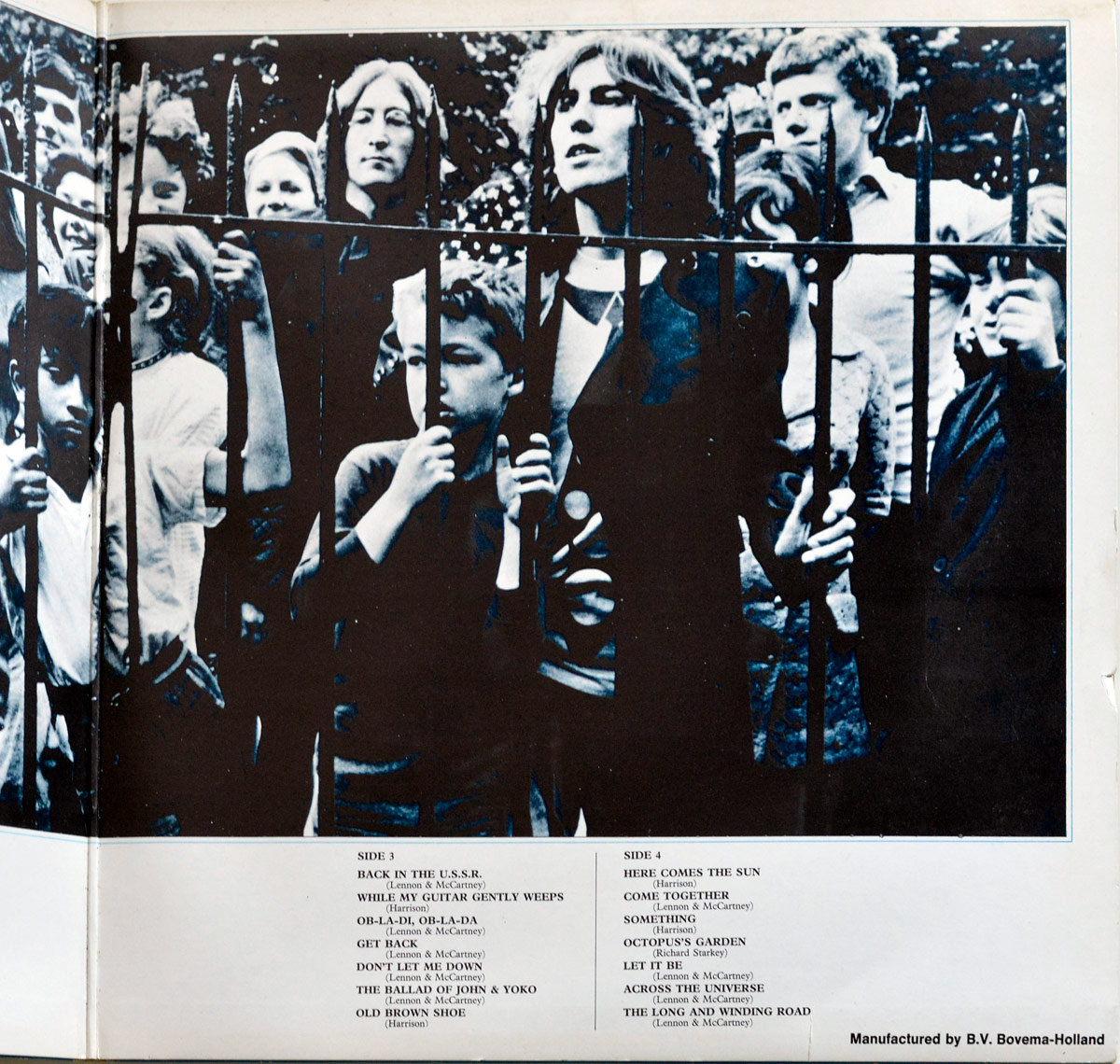
The album captures The Beatles at their most adventurous, featuring songs that pushed the boundaries of what rock music could be. Tracks like ÒStrawberry Fields ForeverÓ and ÒI Am The WalrusÓ reflect their deep dive into psychedelic soundscapes, while ÒLet It BeÓ and ÒThe Long and Winding RoadÓ showcase a more introspective and emotionally charged side of the band. The presence of rock-driven anthems like ÒRevolutionÓ and ÒBack in the U.S.S.R.Ó highlights their ability to blend social commentary with energetic compositions.
Genre and Influence
Though rooted in rock and pop, the songs featured on 1967-1970 illustrate the band's ability to seamlessly weave through multiple genres. From baroque pop influences in ÒPenny LaneÓ to the bluesy rock of ÒCome TogetherÓ and the folk-inspired ÒHere Comes the SunÓ, the album serves as a sonic mosaic of their late-era sound. This period of their career saw them transcend the confines of traditional pop and become the architects of what would later be classified as progressive and experimental rock.
Production and Recording
The album was produced by the legendary
Sir George Martin
, whose role in shaping The BeatlesÕ sound cannot be overstated. Recorded at Abbey Road Studios in London, the songs featured on this compilation were crafted using innovative studio techniques. Martin and the band's use of multi-tracking, orchestral arrangements, and tape loops were groundbreaking at the time, as evidenced by the layered complexities of ÒA Day in the LifeÓ and ÒMagical Mystery Tour.Ó
Engineers like Geoff Emerick and Phil McDonald played crucial roles in capturing The Beatles' evolving sound. The albumÕs diverse sonic textures were a product of meticulous studio experimentation, from the distorted vocals of ÒRevolutionÓ to the orchestral swells in ÒSomething.Ó
Controversies and the BandÕs Internal Struggles
The period covered in 1967-1970 was also one of the most tumultuous in The Beatles' history. By 1968, tensions within the band were escalating, with creative and personal differences becoming increasingly apparent. The ÒWhite AlbumÓ sessions were particularly fraught with discord, leading to solo recording sessions and even temporary departures from the group. The release of ÒThe Ballad of John and YokoÓ in 1969, recorded solely by John Lennon and Paul McCartney without input from George Harrison and Ringo Starr, was a clear indication of the groupÕs fragmentation.
Additionally, the band's relationship with manager Allen Klein and the infamous dispute over the Let It Be albumÕs productionÑparticularly Phil SpectorÕs controversial orchestration on ÒThe Long and Winding RoadÓÑfueled tensions that ultimately led to their breakup in 1970.
The Dutch Release and Differences from Other Versions
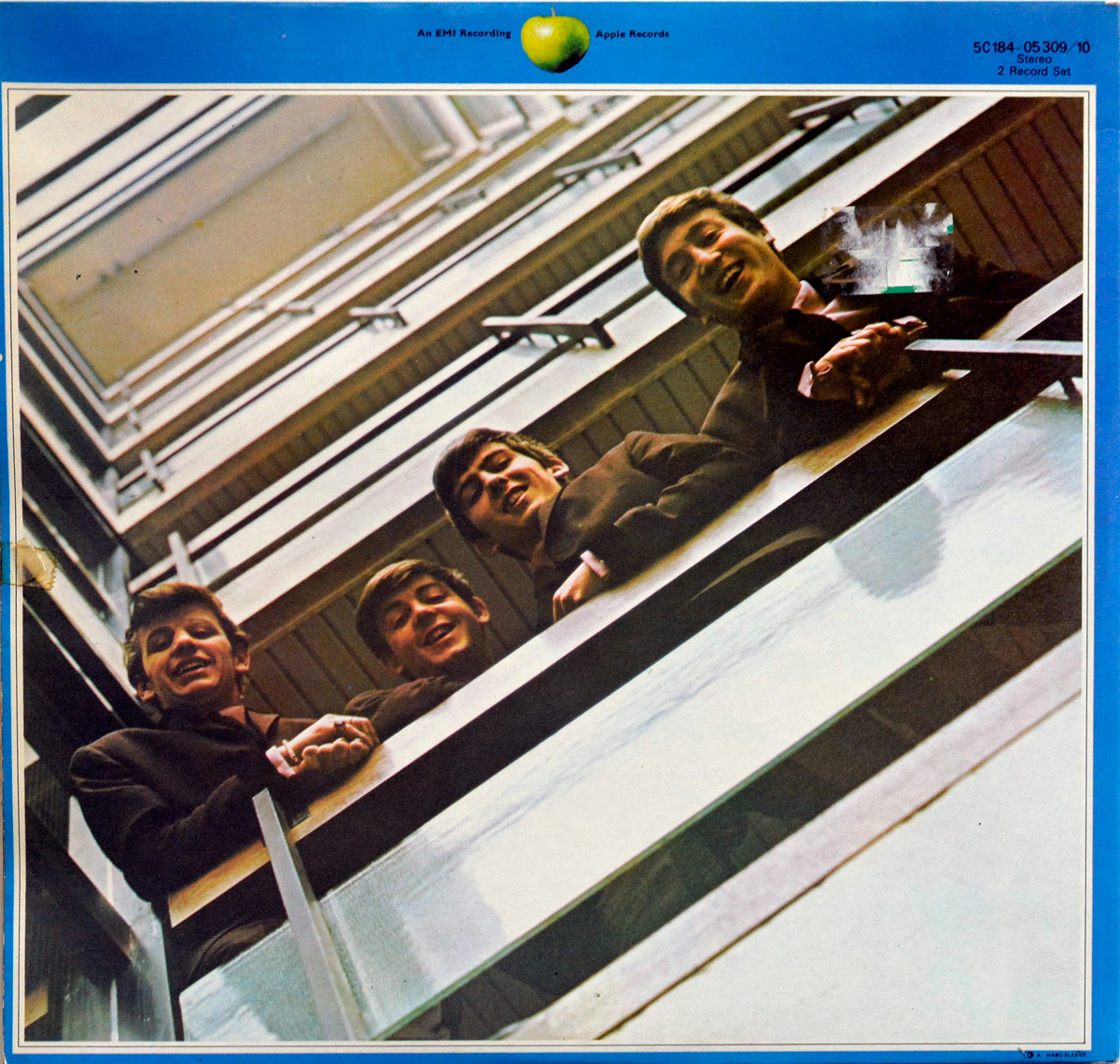
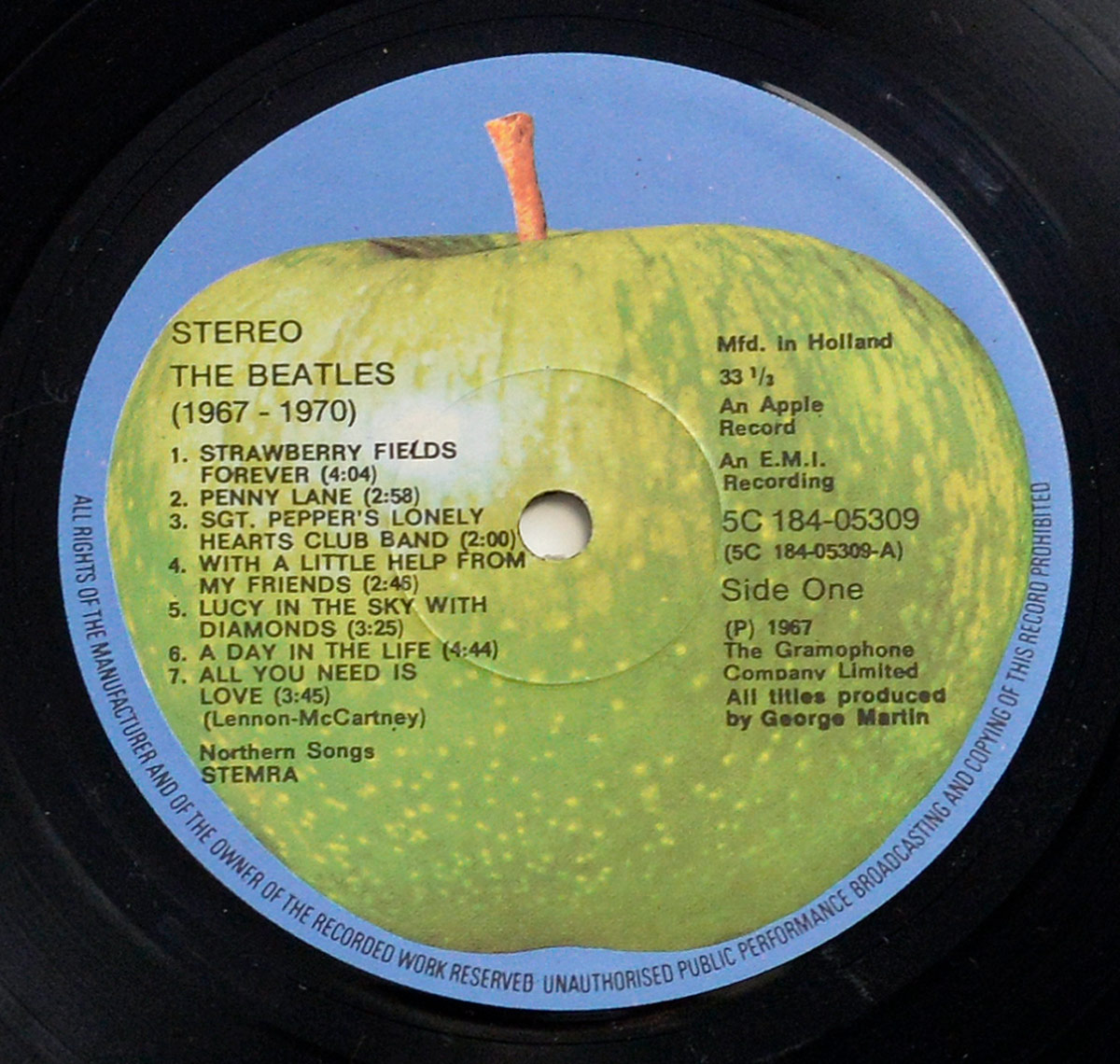
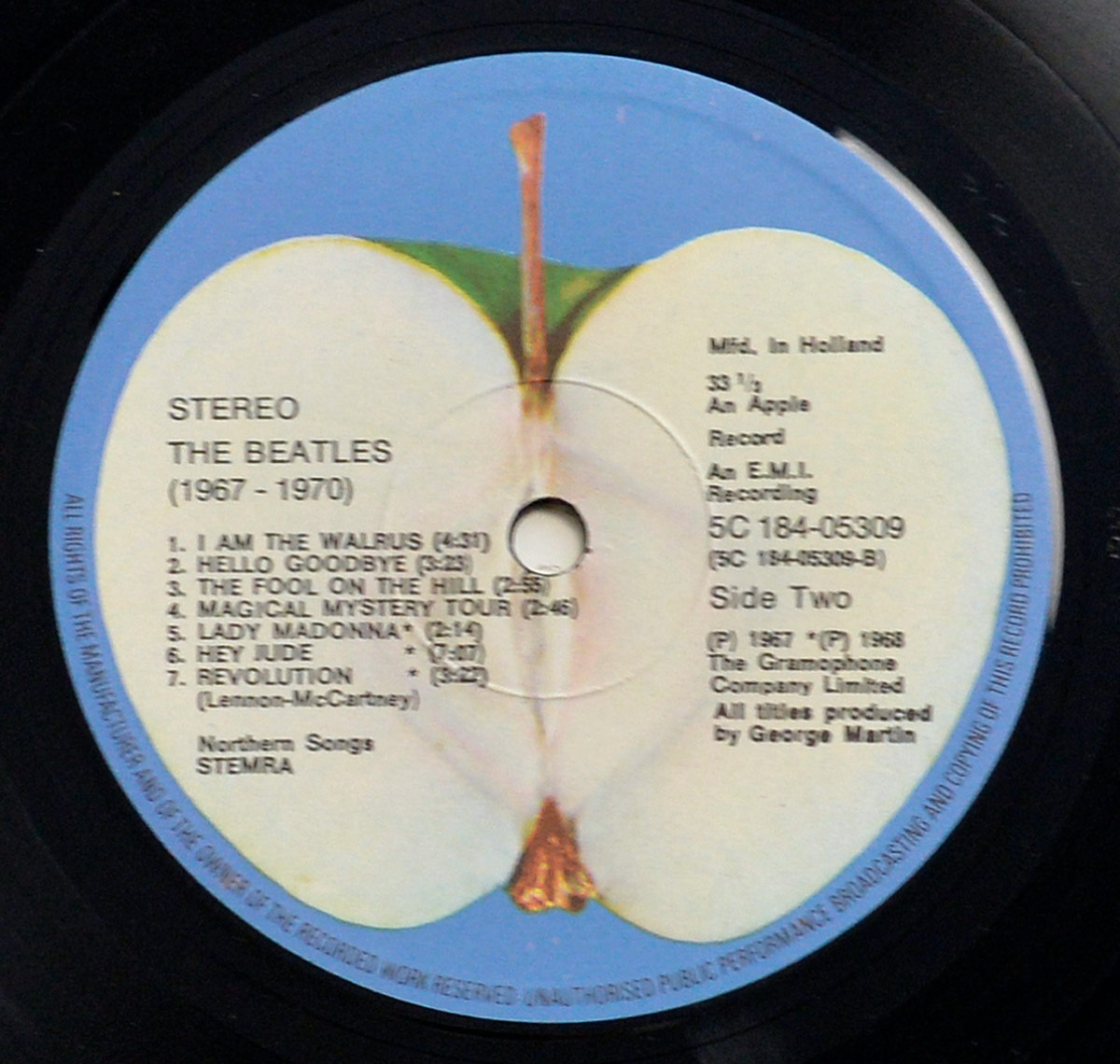
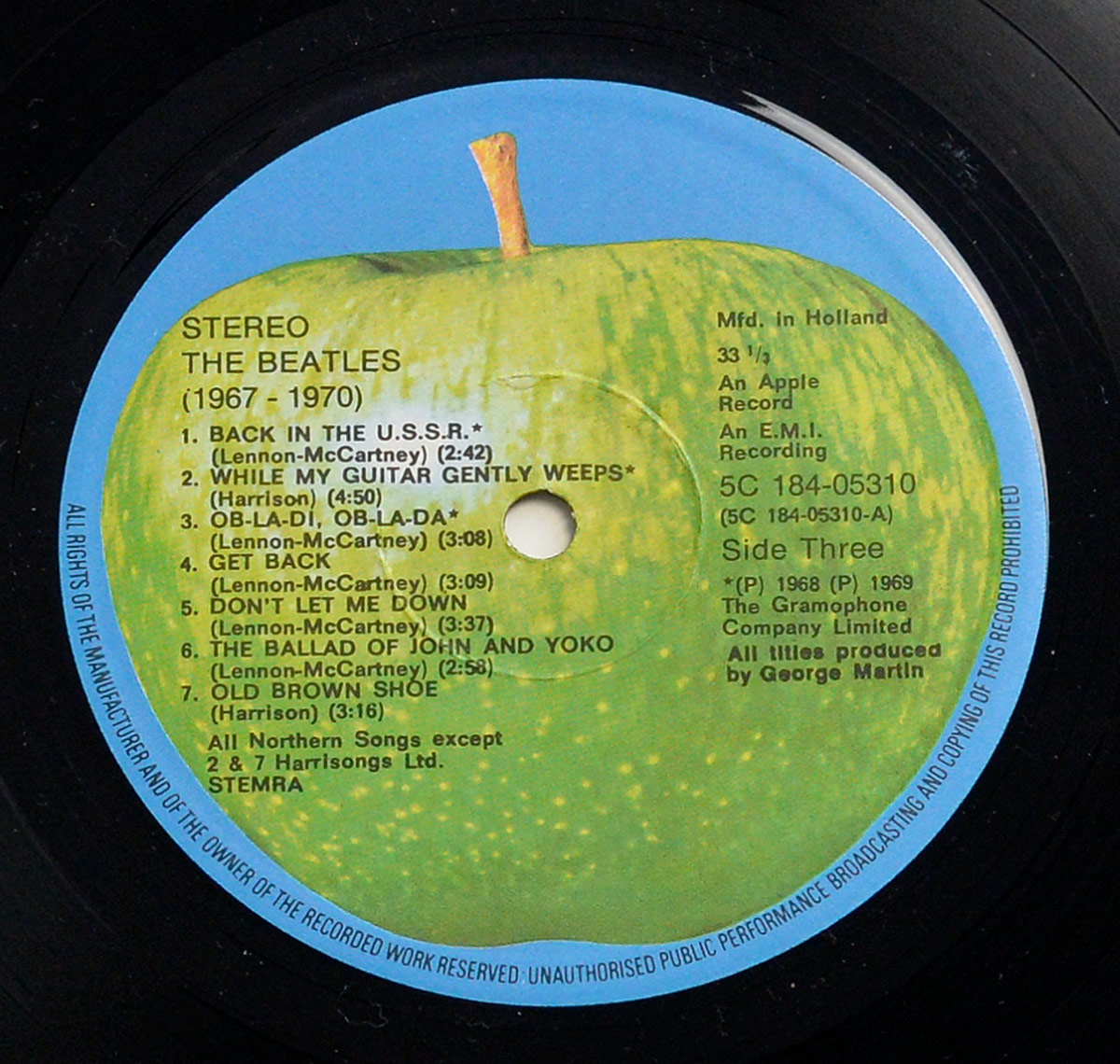
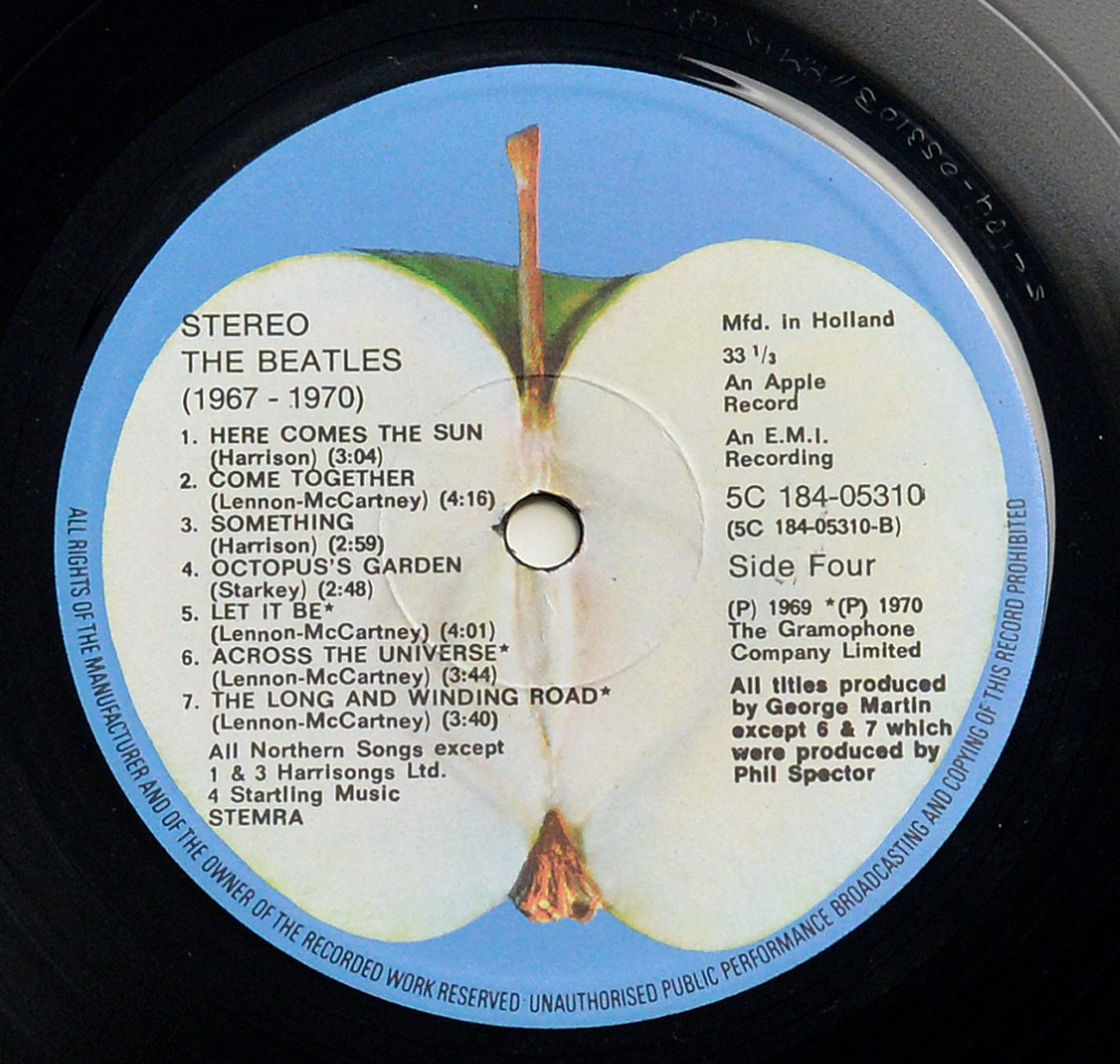
While the core tracklisting of the 1967-1970 compilation remained consistent across international releases, the Dutch pressing holds unique distinctions. Released under Apple Records with the catalog number 5C 184-05 309/10, this edition featured a high-quality gatefold cover, a common trait in European pressings but with subtle variations in color tonality and printing style.
One of the standout differences lies in the mastering. Dutch vinyl pressings were known for their high fidelity, and this version is no exception. The pressing quality, often compared to the UK and German releases, provided a rich, warm analog sound that enhanced the depth of songs like ÒSomethingÓ and ÒAcross the Universe.Ó The inner sleeves included complete lyrics, a feature that differed slightly in layout and typography compared to U.S. editions.