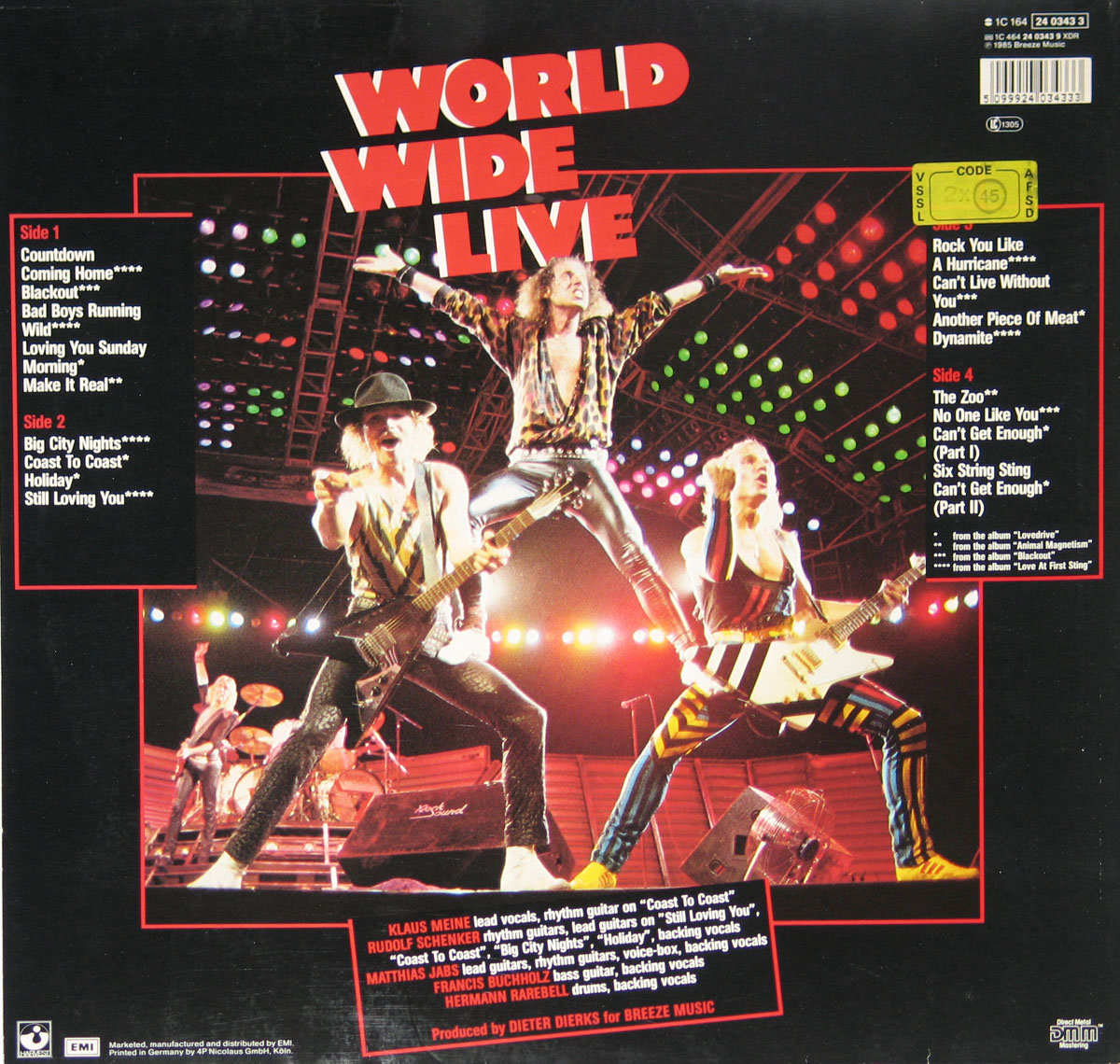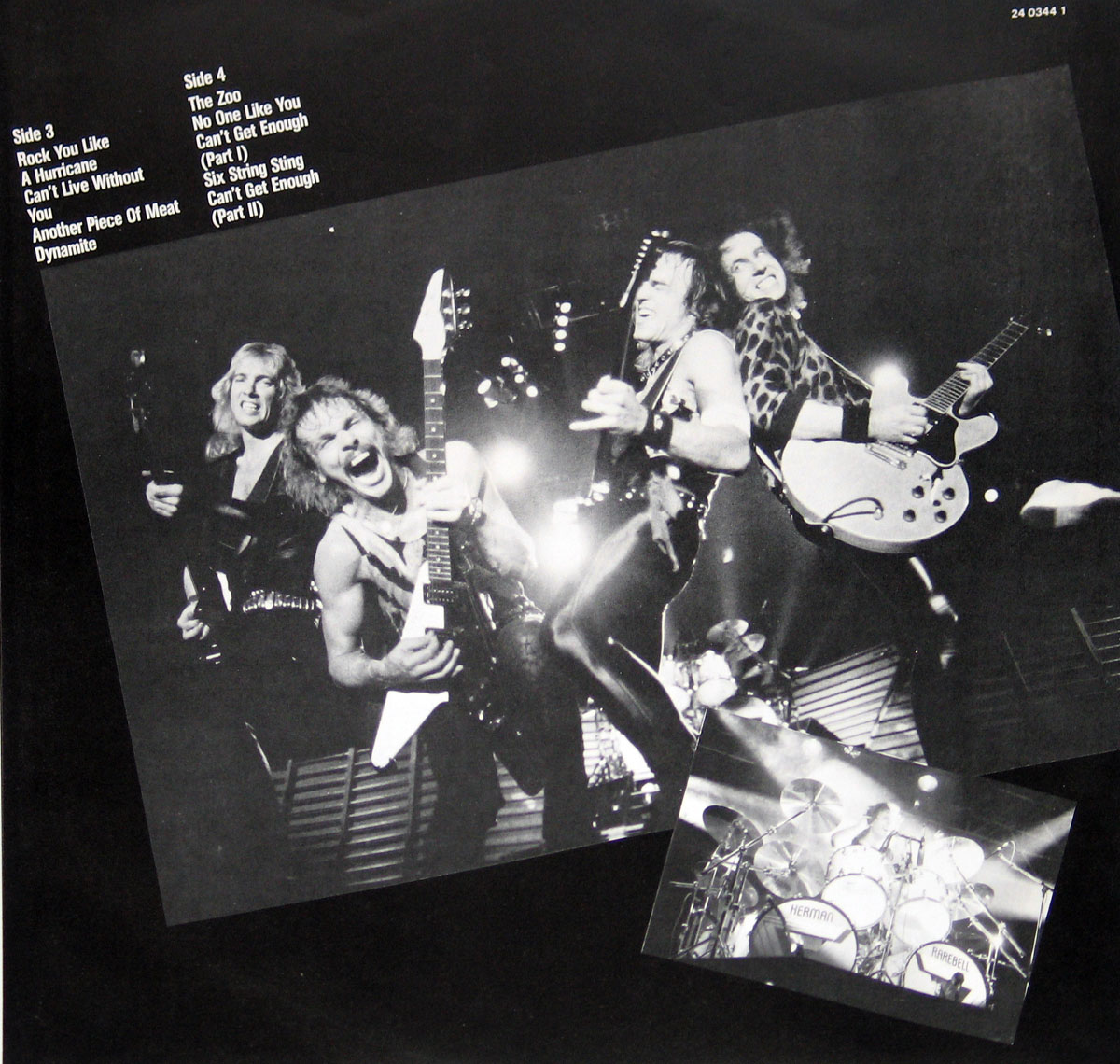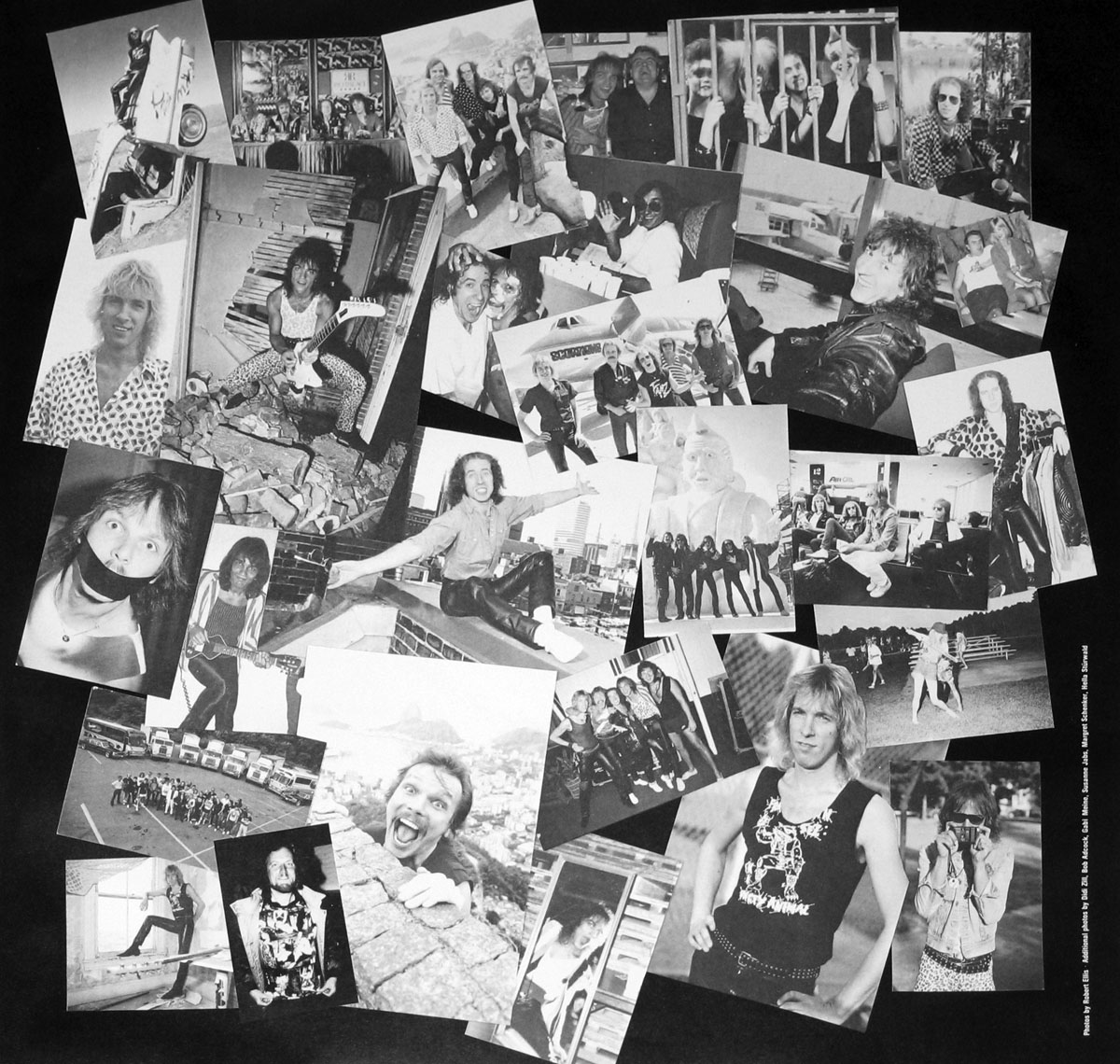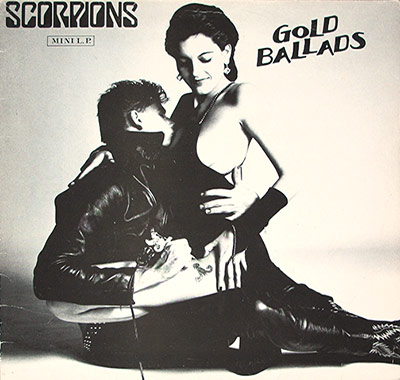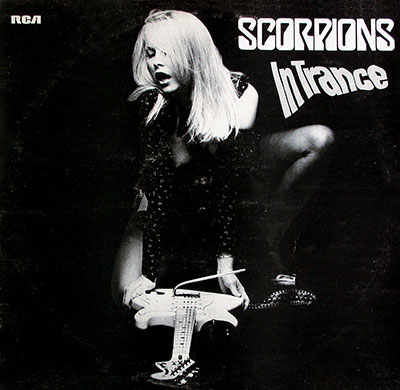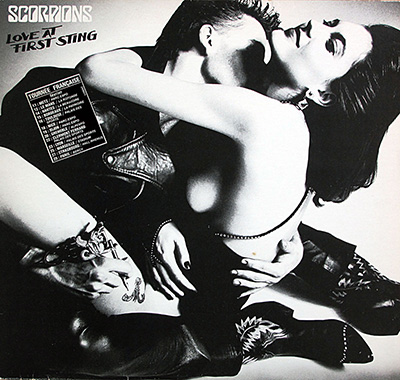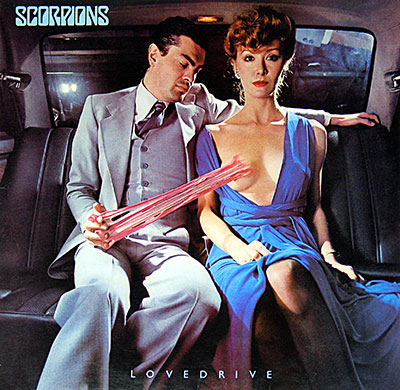
Dieter Dierks is one of those credit-line names that changes the temperature in the room. I see it, and I already expect the sound to come out glossy and slightly smug—in a good way, most of the time.
Before the big, billboard-sized rock thing, he was down in that late-’60s / mid-’70s German underground swirl—krautrock territory, the kind of sessions where “weird” wasn’t a phase, it was the point. Stuff like early studio work with Tangerine Dream and Ash Ra Tempel. You can hear what that era taught him: how to bottle chaos without letting it turn to mush.
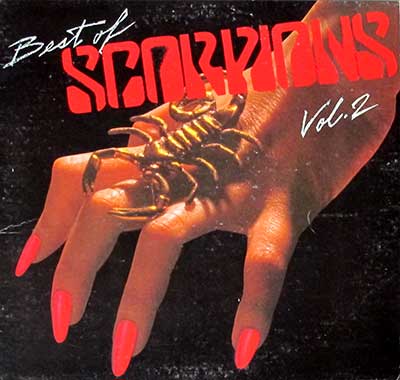
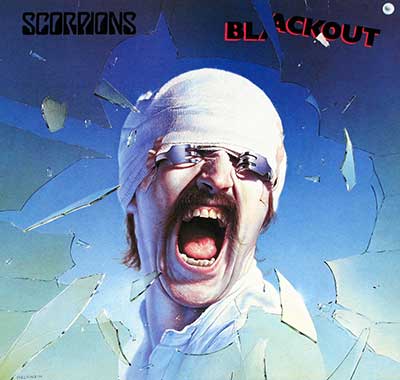
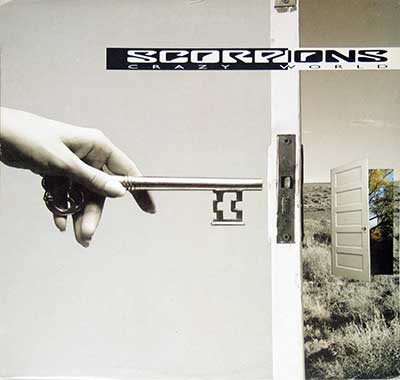
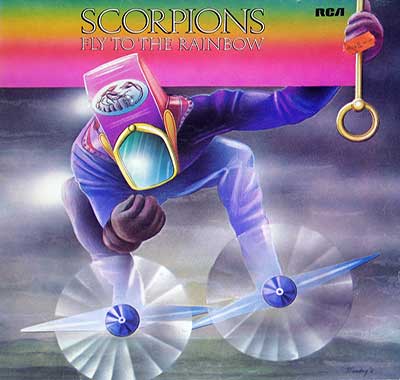
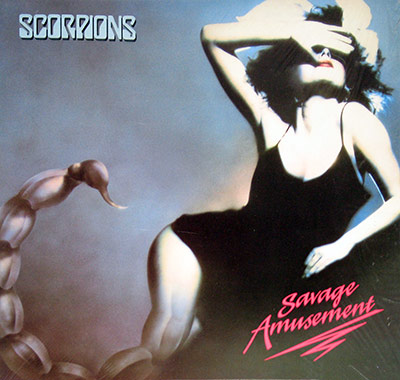
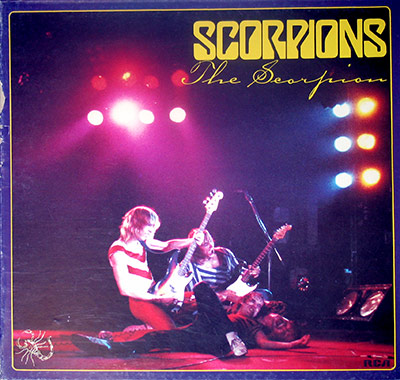
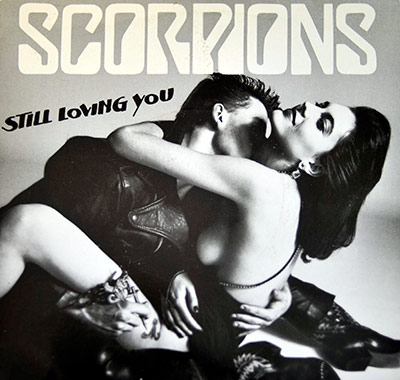
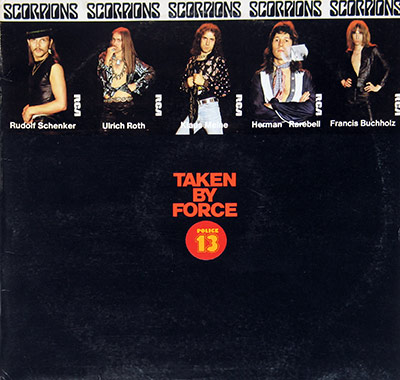
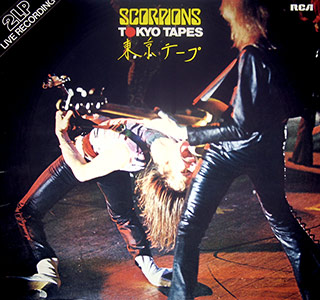
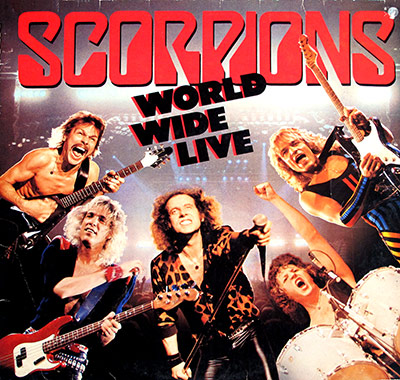
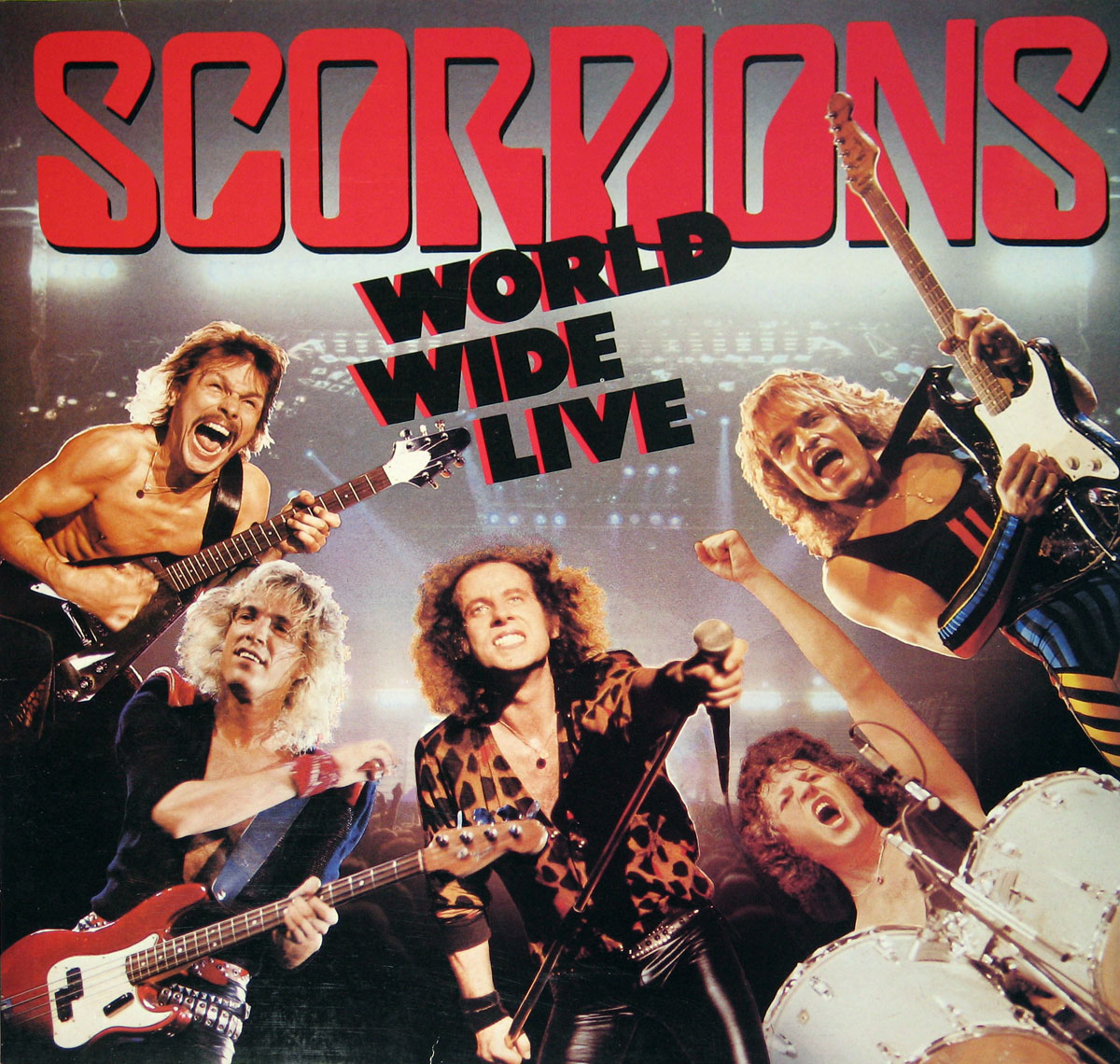
Then he locks in with Scorpions, mid-’70s through 1988, and suddenly the same hands that could catch the strange stuff are building arena walls. From the raw bite of “In Trance” to the polished roar of “Savage Amusement,” he’s basically the guy behind the curtain making sure the knives look sharp and the hooks hit like they mean it.
In the ’80s the net gets wider—Stommeln studios and beyond—pulling in hard rock and metal names like Dokken, Black ’n Blue, and Plasmatics. And then, in 1985, he even jumps over to the U.S. to produce Twisted Sister’s “Come Out and Play,” because apparently his passport also had a “make it bigger” stamp.
My favorite detail, though? Rory Gallagher preferred recording at night at Dierks’ place. That tells you more than a paragraph of praise ever could. Some rooms just sound better after midnight—and some producers probably do too.