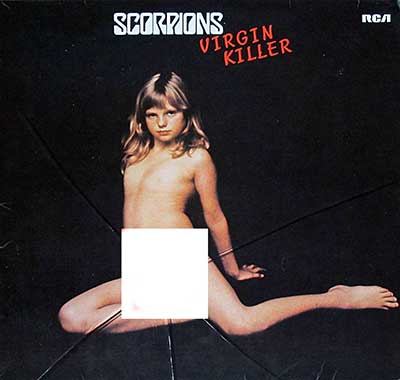
"Virgin Killer" Album Description:
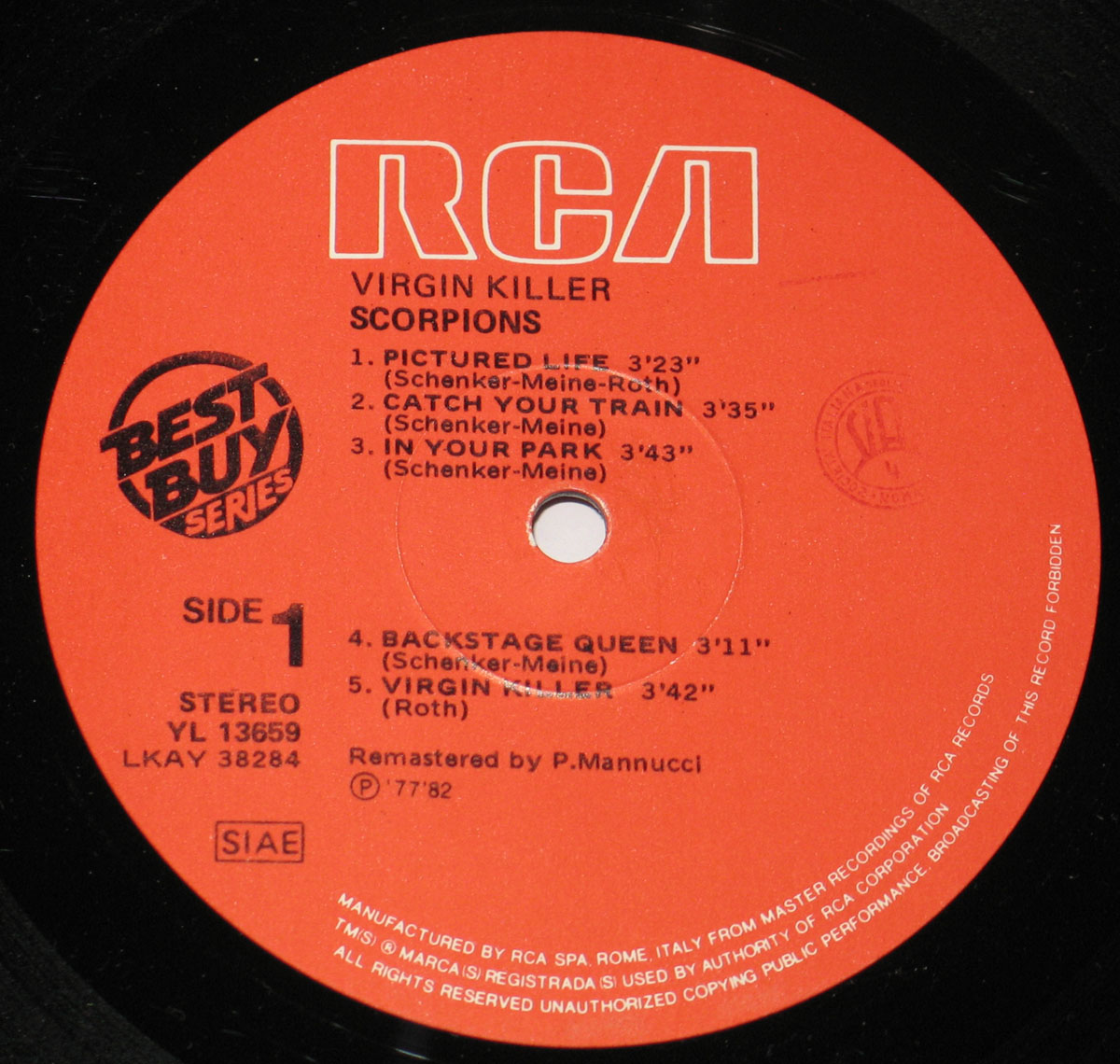
In the rich tapestry of Scorpions' discography, the "Virgin Killer" album takes on a distinctive allure in the Italian Best Buy Series, encapsulated on a 12" Vinyl LP. Let's delve into the creation, significance, and unique Italian resonance of this iconic release.
Creation Amid Controversy:
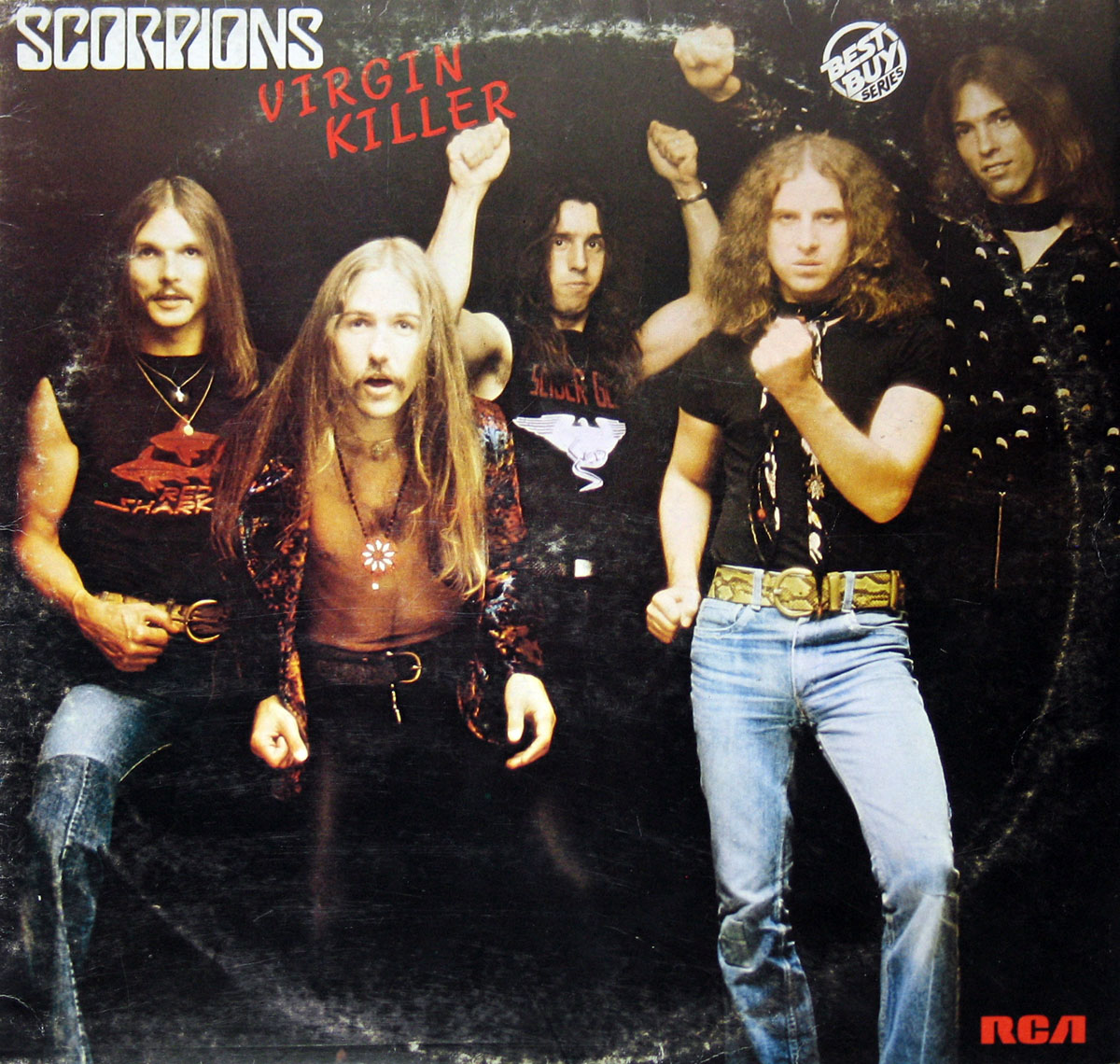
The "Virgin Killer" album, originally released in 1976, stirred global controversy with its provocative cover. In Italy, the Best Buy Series 12" Vinyl LP immortalizes not only the band's musical prowess but the enduring impact of its contentious artwork.
Italian Artistry and Packaging:
The Best Buy Series in Italy elevated the album into a collector's gem. The meticulous packaging and presentation showcased Italian artistry, adding an extra layer of sophistication to the already iconic album cover, which had sparked debates worldwide.
Musical Innovation:
Beyond the visual controversy, "Virgin Killer" is a testament to Scorpions' innovation. The album showcased their ability to blend hard rock with melodic elements, setting the stage for their future exploration of diverse musical territories.
Best Buy Series Legacy:
The Best Buy Series imprint in Italy created a lasting legacy for collectors and enthusiasts. The 12" Vinyl LP format not only preserved the auditory brilliance of Scorpions but also served as a tangible testament to Italy's contribution to the global music scene.
International Resonance:
The Italian release of "Virgin Killer" contributed to Scorpions' international resonance. It solidified their presence in the Italian market and demonstrated the global impact of their music, transcending linguistic and cultural boundaries.
Summary:
In the realm of Italian music history, Scorpions' "Virgin Killer" in the Best Buy Series 12" Vinyl LP is a symbol of artistic controversy, musical innovation, and the enduring legacy of Italian craftsmanship. Beyond the debates, it stands as a collector's treasure in the world of rock.
Band Members and Musicians on: Scorpions Virgin Killer
|
Band-members, Musicians and Performers
- Klaus Meine vocals
- Klaus Meine – Vocals, songwriter
The Hanover voice who joined Scorpions in 1969 and never stopped aiming straight for the chorus nerve.
Read more...
Klaus Meine is the kind of frontman who makes a hard-rock band feel like a headline, not just a lineup. Hearing him in his prime, the sound hits like chrome in daylight: clean, sharp, and confident enough to be a little dangerous. Before Scorpions ever became a global stamp, he was already paying his dues in the local scene, including his time with the cover band Copernicus (before 1969). Then came the real chapter: Scorpions (1969–present), where he became the longtime singer and the band’s primary lyricist, the guy steering the drama with words while the guitars did the heavy lifting. On my turntable and in my notebook, Meine always reads like the same story told well: discipline, melody, and a voice built to carry a hook over a roaring room without begging for permission.
- Ulrich Roth guitar, vocals
Ulrich Roth ( also known as Uli Jon Roth ) from Scorpions' lead guitarist to a pioneering solo artist, Uli Jon Roth's journey shaped the landscape of neoclassical metal with his virtuosity and innovation.
Discover...
- Rudolf Schenker guitar, vocals
- Rudolf Schenker – Rhythm guitar, backing vocals
Rudolf Schenker is the kind of band captain who doesnt just hold the ship steady, he builds the ship, names it, and keeps it loud for six decades. Read more... Rudolf Schenker, founder and leader of Scorpions, and the one constant presence while everyone else cycled in and out like stage smoke. Scorpions (1965-present) starts in Hanover with him lighting the fuse, and it never really stops; rhythm guitar and backing vocals on paper, but in practice its the engine room plus the steering wheel, with songwriting muscle that turns riffs into anthems. Years active run back to 1963, and the stamina shows: that hard, bright chord attack and the showman posture that says the riff matters as much as the hook.
- Francis Buchholz bass
- Francis Buchholz – Bass guitar
Francis Buchholz is the low-end architect who kept the Scorpions arena-sized without turning the grooves into mud. Read more... Francis Buchholz, the kind of bassist who doesnt beg for attention, he just quietly makes the whole band sound expensive. The story starts in Hanover and runs straight into the moment Dawn Road folded into the Scorpions in 1973, putting him on bass for the stretch that mattered most: Scorpions (1973-1992), when the band went from hungry hard rockers to global headline machinery. After the split, the resume stays busy without getting corny: Dreamtide (2008) and later Michael Schenker's Temple of Rock, where that steady, muscular pocket still does the job while the guitars throw sparks.
- Achim Kirschning synthesizer, keyboards
- Rudy Lenners percussion, drums
Rudy Lenners the beat behind the legend! From rocking stages with the Scorpions to shaping Belgian music,
Rudy Lenners' journey is one of rhythm, passion, and artistic triumph.
|