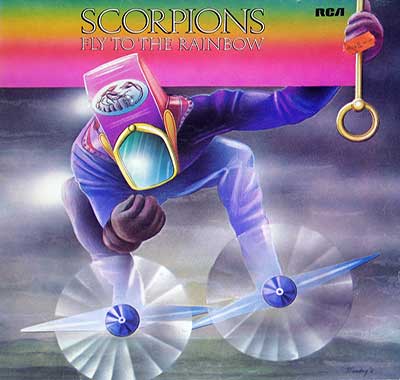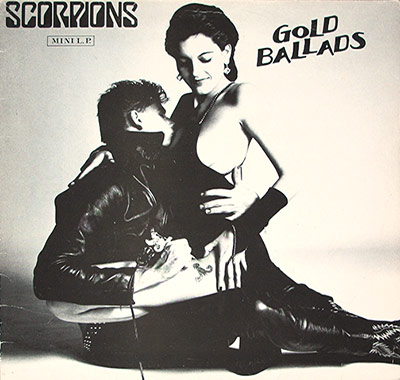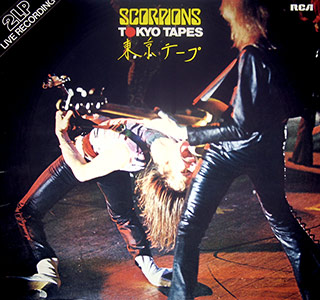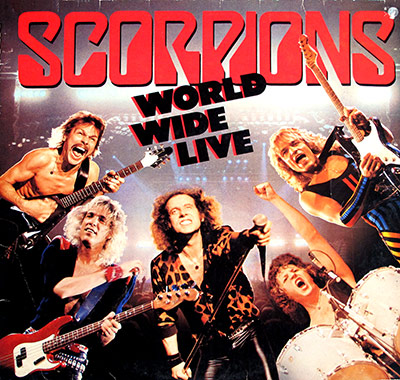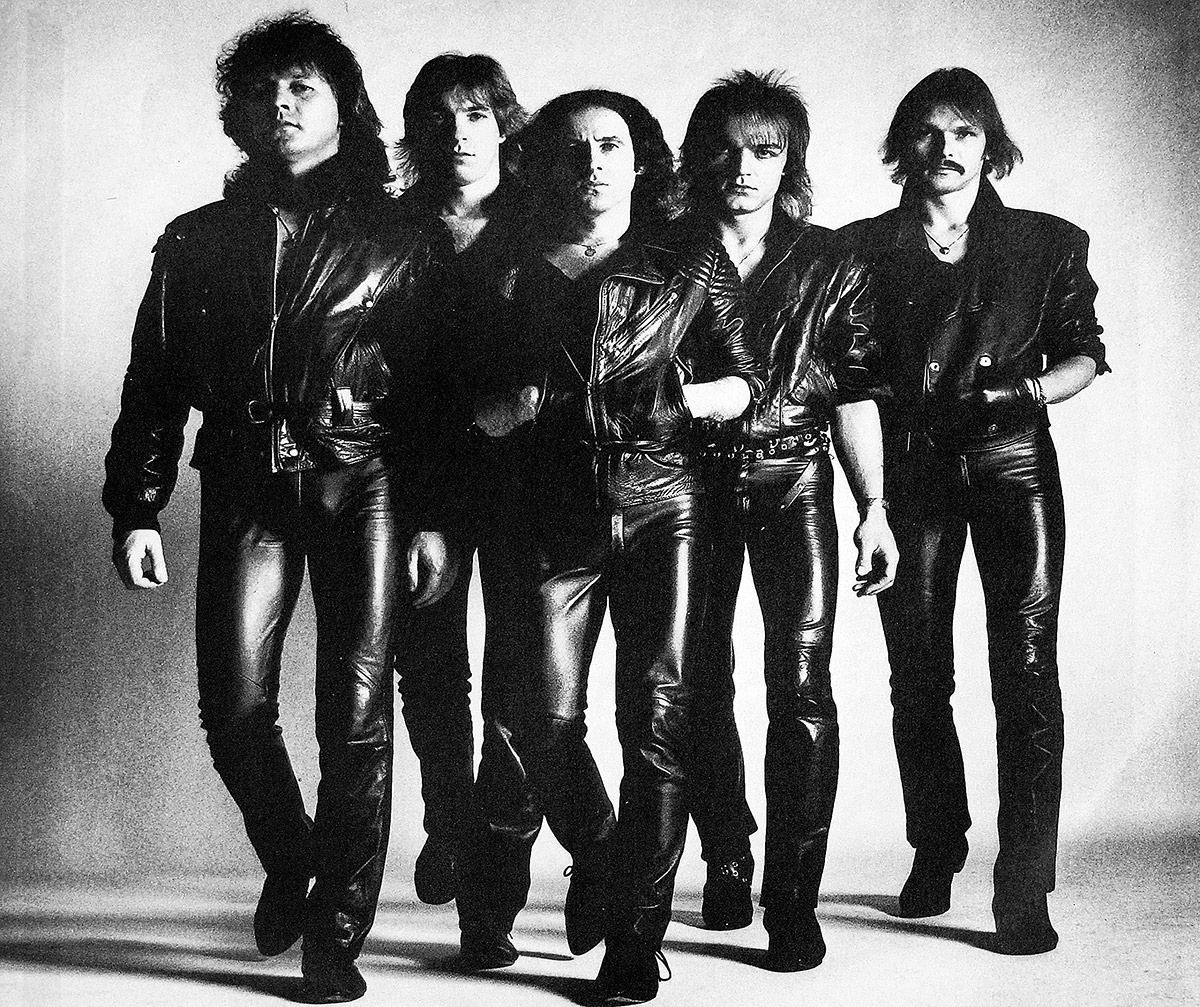
Scorpions his page documents my personal collection of Scorpions vinyl — records I didn’t just “buy,” but hunted down over the years by haunting thrift stores, digging through flea markets, sniping the occasional bargain on eBay, and trading LPs with other collectors who know the difference between “near mint” and “yeah, no.” Every sleeve, scuff, and sticker tells part of the story: not just the band’s, but mine too.
1965, Hanover: Rudolf Schenker gets the band moving, and for a while it’s more blueprint than brand. The early years are the usual grind: rehearsal rooms, small stages, and the slow invention of a sound that wants to be bigger than the room.
1972 — "Lonesome Crow": The first proper LP arrives like a moody postcard from the German club circuit. Early Scorpions are still searching, still stretching, still figuring out which parts of the sound are identity and which parts are growing pains.
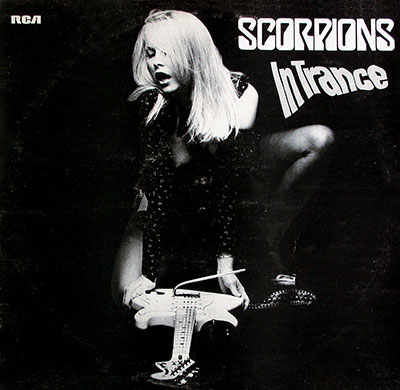
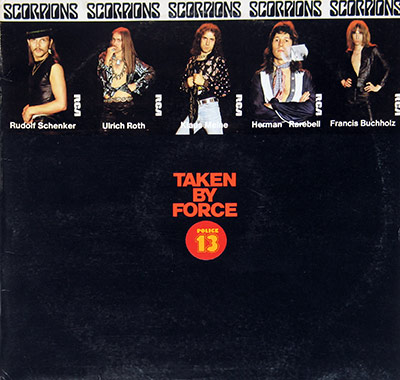
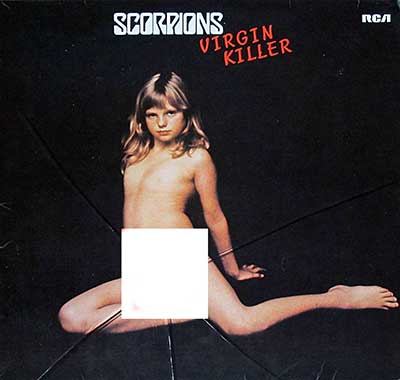
1974–1977 — the Uli Jon Roth era: This is the stretch where the band starts acting like it has a destiny. "Fly to the Rainbow", "In Trance", "Virgin Killer", "Taken by Force" — four albums that feel like Scorpions learning how to fuse heaviness with melody without turning into mush. Uli is the wild color; the Meine/Schenker writing engine is already tightening into something built for distance.
Cover controversies, Part I: The mid-’70s sleeves weren’t shy, and the record industry loved poking polite society with a stick. "In Trance" (1975) originally used a provocative cover image (a topless model) that got altered or “blacked out” on later editions in certain markets. The bigger bomb was "Virgin Killer" (1976), whose original artwork led to bans and alternative covers because it depicted a nude child (even with the “cracked glass” effect). That one still gets treated like a cultural crime scene: same record, different cover, depending on how much controversy the distributor wanted to wear.
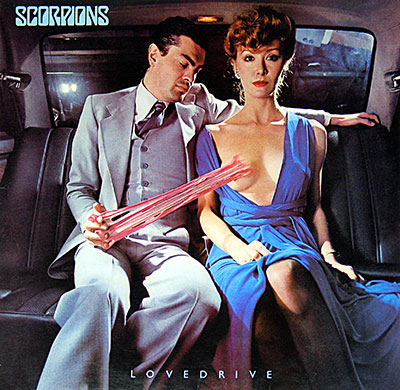
1979–1984 — the formula locks in: "Lovedrive" is the hinge. The riffs get more focused, the hooks get sharper, and the band begins sounding like an arena act even when your turntable is sitting in a living room. This is also where the ballad lane becomes a real weapon, not a side quest: "Holiday" (and the lingering pull of "Always Somewhere") shows they can do longing without going soft.
Cover controversies, Part II: The "Lovedrive" (1979) sleeve is peak “let’s sell shock in shrink-wrap”: the famous bubblegum-on-breast image (with a topless rear cover in some editions) caused enough pushback in the U.S. that later pressings switched to a safer alternative design (the “blue scorpion” cover). Translation: sex sells until retailers suddenly discover morals.
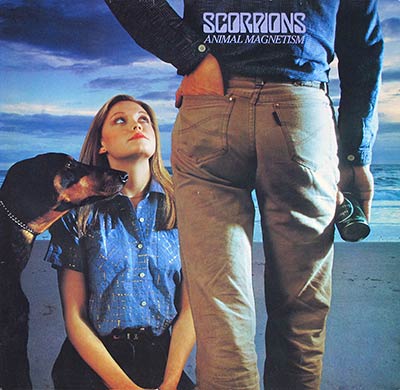
1980 — "Animal Magnetism": The music stays tough, the presentation stays suggestive, and the band keeps that smirking confidence like it knows exactly what it’s doing. This is Scorpions leaning into sleek tension: street-level hard rock with a camera-flash sheen.
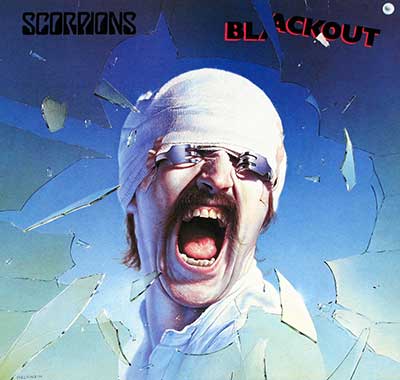
1982 — "Blackout": This is the global ignition point. Big riffs, big drama, big radio ambition. "No One Like You" becomes the kind of hit that doesn’t just chart — it changes where the band gets booked, how it gets marketed, and how the outside world files the name “Scorpions” in its brain.
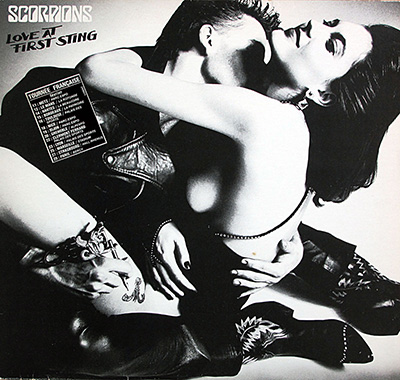
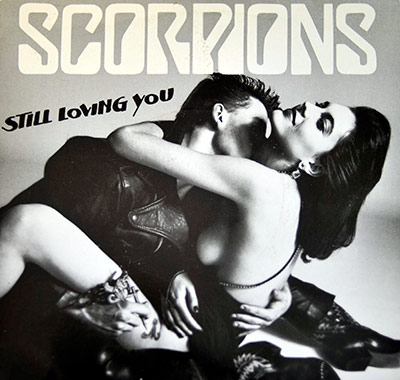
1984 — "Love at First Sting": The arena crown fits, and it fits comfortably. "Still Loving You" is the slow-burn power ballad that lands like a romantic knife fight — one of those songs that makes lighters appear out of nowhere, even if you swear you don’t do lighters.
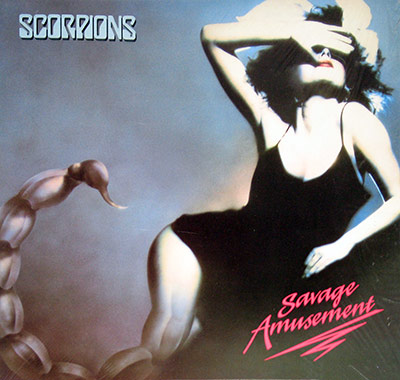
1988 — "Savage Amusement": Polished, huge, and controlled — the sound of a band that knows the machine works. It’s arena rock with German engineering: precise, powerful, and sometimes almost too clean for its own good.
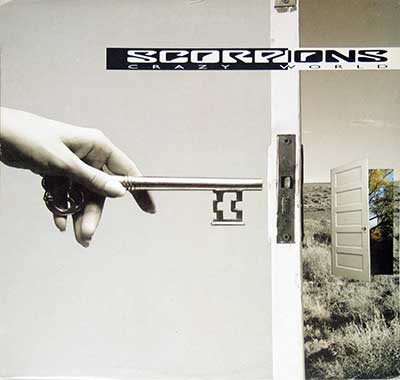
1990 — "Crazy World": This closes the era with a tone shift and a historical oddity: a hard rock band drops the song that ends up stapled to the end of the Cold War in pop culture. "Wind of Change" goes massive, and "Send Me an Angel" keeps the ballad flame burning. By the time the dust settles, Scorpions aren’t just a successful rock band — they’re a band with songs that escaped the scene and moved into history.
So yeah: 1965 to 1990 is Scorpions evolving from local loud boys into an international machine that can write three-minute street fights, then turn around and sell you a slow dance that still feels like it’s wearing a leather jacket. The covers got them banned, the ballads got them invited into living rooms, and the riffs did the actual heavy lifting — like they always do.
Throughout their career, Scorpions has sold over 100 million records worldwide and has received numerous awards and accolades for their contributions to the music industry. They are considered one of the most successful German rock bands of all time.