"Blackout" Album Description:
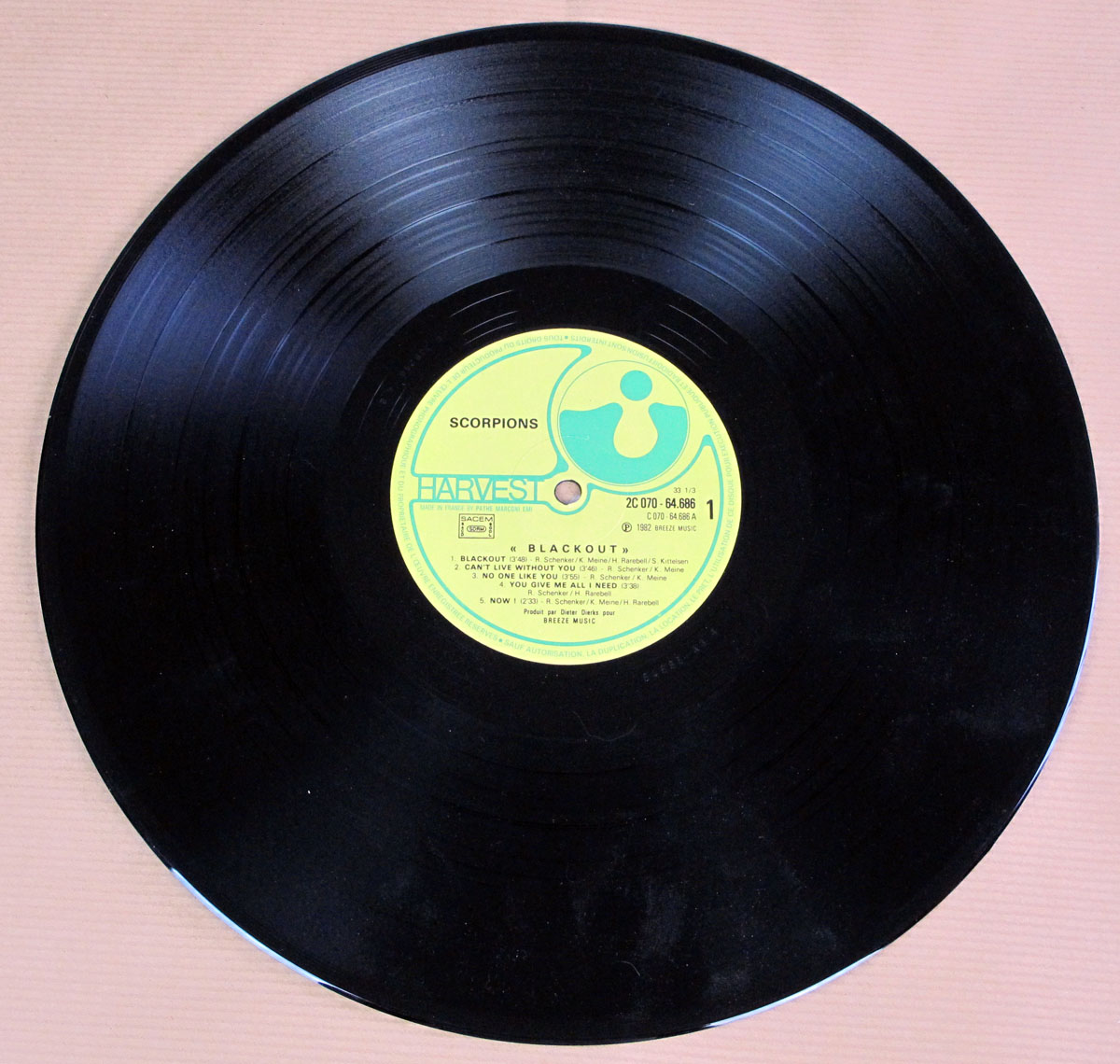
In the world of heavy metal, Scorpions' eighth studio album, "Blackout," released in 1982, stands as a testament to resilience, musical prowess, and artistic collaboration. The French edition, inclusive of a custom inner sleeve on 12" LP Vinyl, adds a distinctive touch to this iconic release.
Vocal Trials and Triumphs:
The creation of "Blackout" wasn't without challenges. Lead vocalist Klaus Meine, facing a vocal cord ailment, underwent surgery, casting a shadow of uncertainty over the album's recording. Meine's triumphant return to the studio, post-surgery, infused the album with a unique blend of determination and passion.
Guitar Solos Dilemma:
A subtle but noteworthy detail differentiates the US and European releases of "Blackout." Rudolf Schenker's dilemma over guitar solos on "China White" led to variations in the releases, showcasing the band's commitment to perfection even in the minutiae of musical composition.
Visual Artistry:
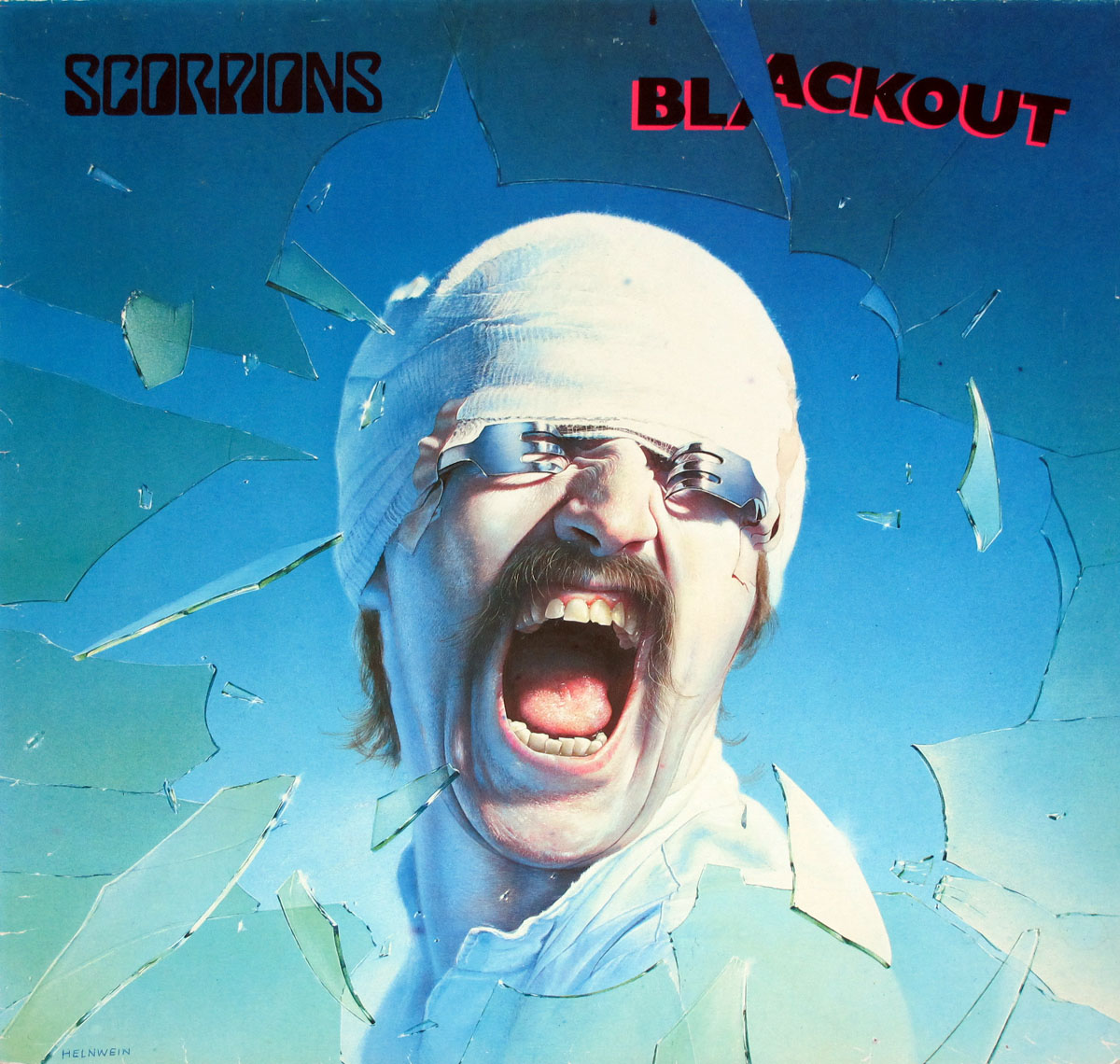
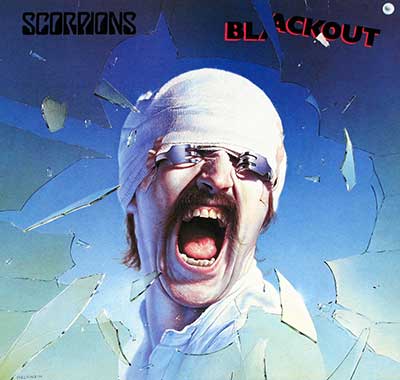
The album cover features a self-portrait of artist Gottfried Helnwein, adding a layer of visual artistry to the musical experience. Rudolf Schenker's portrayal of this character in the "No One Like You" music video intertwines the realms of music and visual storytelling, creating a cohesive artistic narrative.
French Elegance in Vinyl:
The French edition of "Blackout" on 12" LP Vinyl, complete with a custom inner sleeve, adds an extra layer of elegance to the listening experience. The meticulous design and presentation align with the French penchant for artistic sophistication, creating a collector's gem for enthusiasts.
Timeless Resonance:
Beyond the technicalities, "Blackout" remains a timeless gem in Scorpions' repertoire. The album's anthems, including the iconic "No One Like You," showcase the band's ability to craft melodies that transcend eras, leaving an indelible mark on the landscape of heavy metal.
Summary:
Scorpions' "Blackout" on 12" LP Vinyl, enriched by the French edition's custom inner sleeve, is a sonic and visual masterpiece. From vocal trials to guitar solos dilemmas, the album encapsulates the band's unwavering commitment to musical excellence and artistic expression.
|
Music Genre: German Heavy Metal, Hard Rock
|
|
Album Production Information:
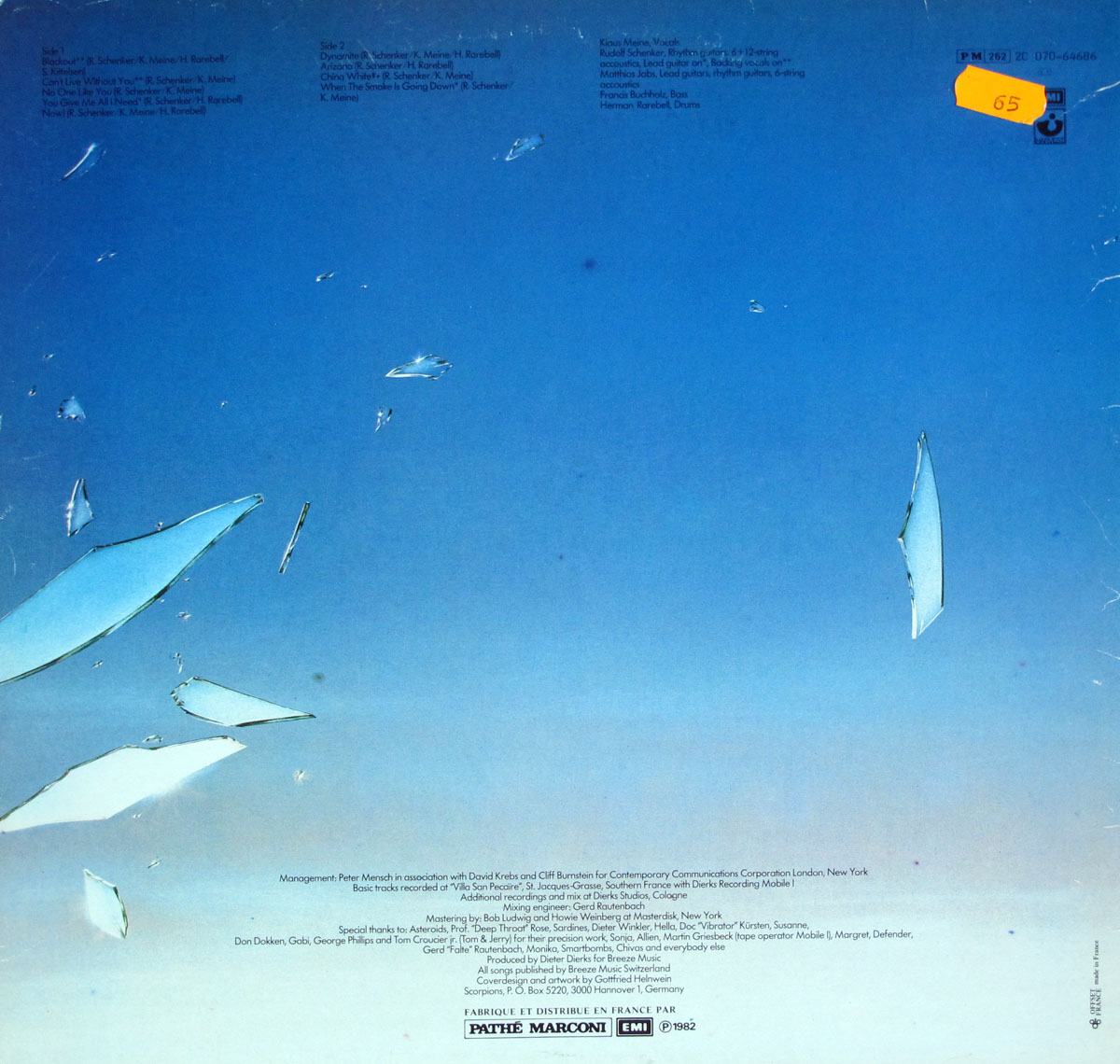
The album: "SCORPIONS - Blackout incl custom innrer Sleeve" was produced by:
Dieter Dierks for Breeze Music
Dieter Dierks – Producer & Sound EngineerThe German studio wizard who helped turn Scorpions into a worldwide export (and gave plenty of other bands that big, shiny bite). Read more... Dieter Dierks is one of those credit-line names that changes the temperature in the room. I see it, and I already expect the sound to come out glossy and slightly smug—in a good way, most of the time. Before the big, billboard-sized rock thing, he was down in that late-’60s / mid-’70s German underground swirl—krautrock territory, the kind of sessions where “weird” wasn’t a phase, it was the point. Stuff like early studio work with Tangerine Dream and Ash Ra Tempel. You can hear what that era taught him: how to bottle chaos without letting it turn to mush. Then he locks in with Scorpions, mid-’70s through 1988, and suddenly the same hands that could catch the strange stuff are building arena walls. From the raw bite of “In Trance” to the polished roar of “Savage Amusement,” he’s basically the guy behind the curtain making sure the knives look sharp and the hooks hit like they mean it. In the ’80s the net gets wider—Stommeln studios and beyond—pulling in hard rock and metal names like Dokken, Black ’n Blue, and Plasmatics. And then, in 1985, he even jumps over to the U.S. to produce Twisted Sister’s “Come Out and Play,” because apparently his passport also had a “make it bigger” stamp. My favorite detail, though? Rory Gallagher preferred recording at night at Dierks’ place. That tells you more than a paragraph of praise ever could. Some rooms just sound better after midnight—and some producers probably do too.
Sound/Recording Engineer(s):
Gerd Rautenbach
This album was recorded at:
Dierks recording Mobile
Album cover design:
Gottfried Heinwein
Album cover photography: Robert Ellis
Robert Ellis – Photographer
The guy with the press pass (and the nerve) who lived on rock tours from 1971 to 1993, catching the moments bands never planned to share.
Read more...
Robert Ellis is the kind of rock photographer I trust because the shots don’t pose, they confess. Seeing his work, the noise comes back in full color: sweat in the stage lights, backstage grins that last ten seconds, and that split-second where a band looks immortal before the van ride ruins everyone’s posture. Credits tell the timeline clean: he starts out in 1968, then lands at New Musical Express (1971–1975), moves through Melody Maker (1975–1976), and keeps rolling as a freelance gun-for-hire for titles like Sounds and Kerrang! (plus the occasional mainstream giant like Time). The real “band periods” here aren’t membership cards, they’re tour years: Ellis is on the road photographing bands across the rock and metal circuit from 1971–1993, then turns the archive into a home base by founding Repfoto in 1982 and later pushing his own book imprint, The Rock Library, in the 2010s. That’s the job done right: stay invisible, keep the shutter honest, and let the music leave fingerprints on the film.
|
|
Record Label & Catalognr:
Harvest 2C 070-64.686
|
|
Packaging:
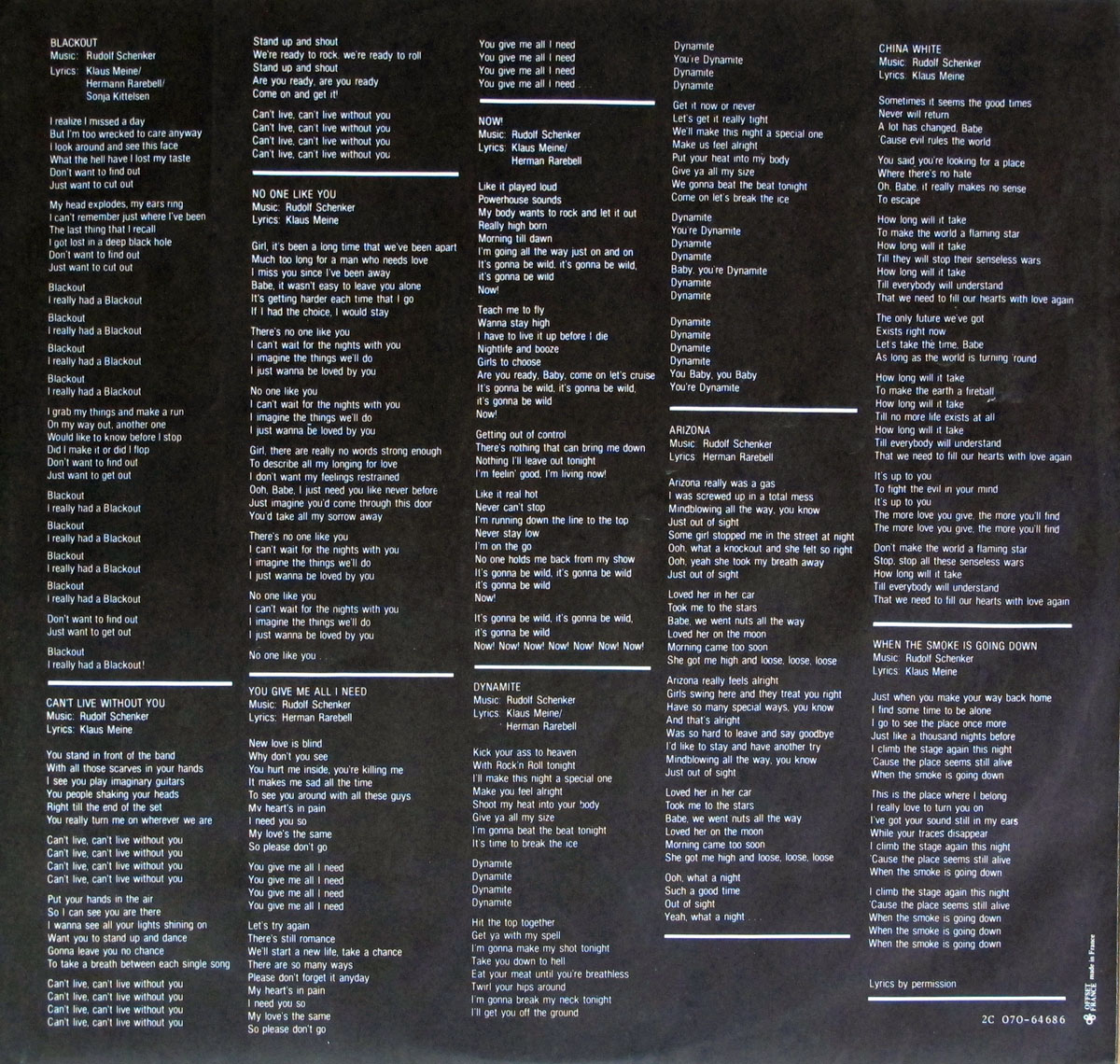
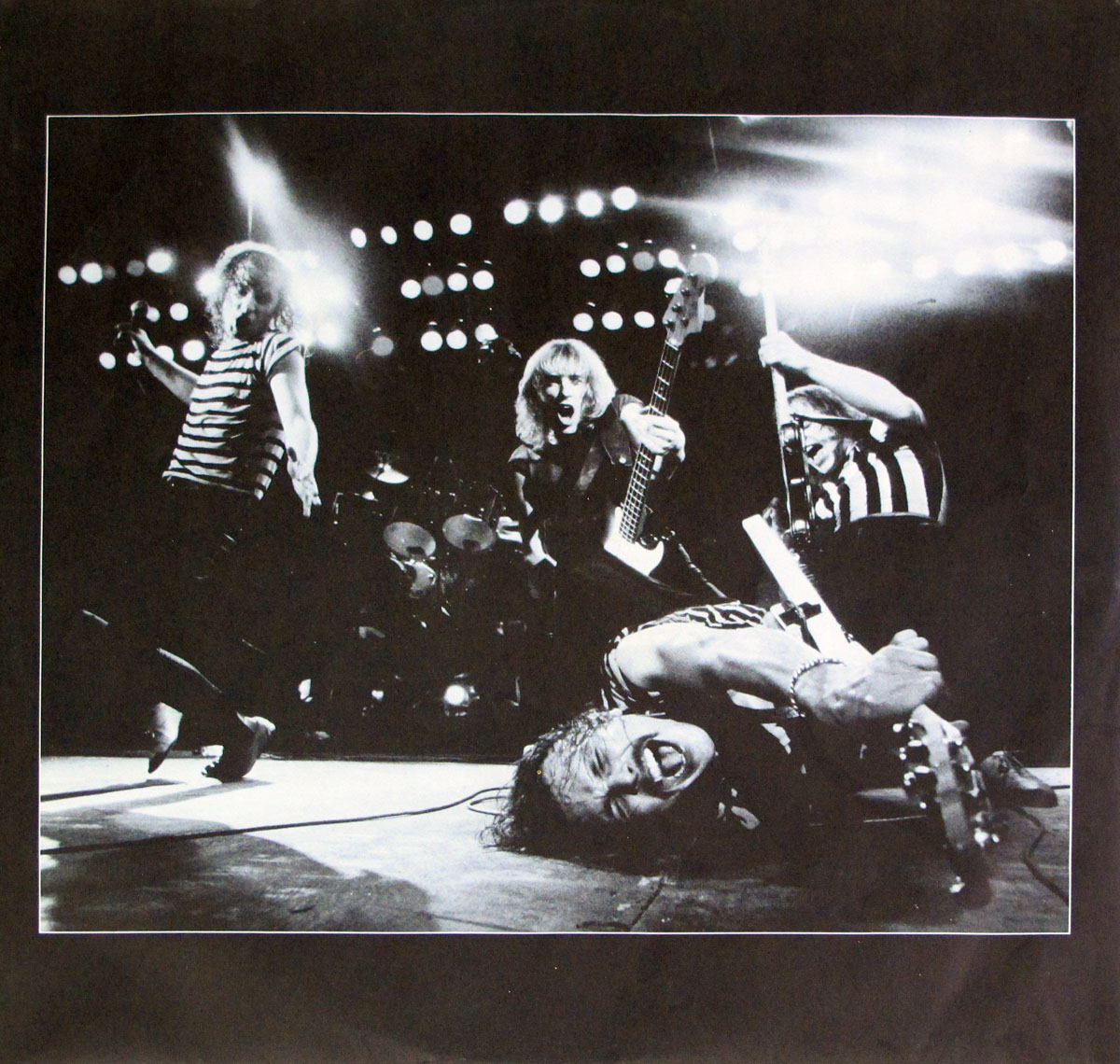
This album "SCORPIONS - Blackout incl custom innrer Sleeve" includes the original custom inner sleeve with album details, complete lyrics of all songs by and artwork/photos
|
|
Media Format:
12" LP Vinyl Stereo Gramophone Record
Total Album (Cover+Record) weight: 230 gram
|
|
Year & Country:
1982 Made in France
|
Personnel/Band Members and Musicians on: SCORPIONS - Blackout incl custom inner sleeve
|
Scorpion's Band-members, Musicians and Performers
- Klaus Meine – Lead vocals
- Klaus Meine – Vocals, songwriter
The Hanover voice who joined Scorpions in 1969 and never stopped aiming straight for the chorus nerve.
Read more...
Klaus Meine is the kind of frontman who makes a hard-rock band feel like a headline, not just a lineup. Hearing him in his prime, the sound hits like chrome in daylight: clean, sharp, and confident enough to be a little dangerous. Before Scorpions ever became a global stamp, he was already paying his dues in the local scene, including his time with the cover band Copernicus (before 1969). Then came the real chapter: Scorpions (1969–present), where he became the longtime singer and the band’s primary lyricist, the guy steering the drama with words while the guitars did the heavy lifting. On my turntable and in my notebook, Meine always reads like the same story told well: discipline, melody, and a voice built to carry a hook over a roaring room without begging for permission.
- Matthias Jabs – Lead Guitars,Rhythm Guitars,6-string acoustics Backing vocals
- Matthias Jabs – Lead guitar
My first real jolt of Matthias Jabs was that clean-but-mean bite: not just fast hands, but taste, restraint, and then the sudden knife-twist when the chorus lifts. Read more... Matthias Jabs, the Scorpions' lead guitarist who walked in at the perfect late-70s crossroads and basically helped aim the band at the big leagues. The timeline matters: Deadlock (1975-1976), Fargo (1976-1977), Lady (1977-1978), then Scorpions (1978-present). That 1978-1979 shuffle around "Lovedrive" and the brief Michael Schenker return could have turned him into a footnote; instead, he came back like a stubborn riff that refuses to fade, and the band's guitars got sharper, brighter, and a little more dangerous.
- Rudolf Schenker – Rhythm guitars,6+12 string acoustics, Lead Guitars, Backing vocals
- Rudolf Schenker – Rhythm guitar, backing vocals
Rudolf Schenker is the kind of band captain who doesnt just hold the ship steady, he builds the ship, names it, and keeps it loud for six decades. Read more... Rudolf Schenker, founder and leader of Scorpions, and the one constant presence while everyone else cycled in and out like stage smoke. Scorpions (1965-present) starts in Hanover with him lighting the fuse, and it never really stops; rhythm guitar and backing vocals on paper, but in practice its the engine room plus the steering wheel, with songwriting muscle that turns riffs into anthems. Years active run back to 1963, and the stamina shows: that hard, bright chord attack and the showman posture that says the riff matters as much as the hook.
- Francis Buchholz – Bass,
- Francis Buchholz – Bass guitar
Francis Buchholz is the low-end architect who kept the Scorpions arena-sized without turning the grooves into mud. Read more... Francis Buchholz, the kind of bassist who doesnt beg for attention, he just quietly makes the whole band sound expensive. The story starts in Hanover and runs straight into the moment Dawn Road folded into the Scorpions in 1973, putting him on bass for the stretch that mattered most: Scorpions (1973-1992), when the band went from hungry hard rockers to global headline machinery. After the split, the resume stays busy without getting corny: Dreamtide (2008) and later Michael Schenker's Temple of Rock, where that steady, muscular pocket still does the job while the guitars throw sparks.
- Herman Rarebell – Drums, Percussion, Backing vocals
- Herman Rarebell – Drums, percussion, backing vocals
Herman Rarebell hits like a piston: tight, loud, and annoyingly precise, the kind of drummer who makes a hard rock band sound rich instead of messy. Read more... Herman Rarebell, the German drummer who locked in with Scorpions right when the late-70s stakes got serious, then stayed long enough to help soundtrack the entire arena era. The timeline has grit on it: The Mastermen (1965), The Fuggs Blues (from 1968), RS Rindfleisch (late 60s/early 70s), Missus Beastly (1972-1973), Onyx (later renamed Vineyard, 1974), then Scorpions (1977-1996) where the kick drum and snare turned into a battering ram with choruses attached. Extra spice: the guy didnt just play, he wrote and co-wrote songs too, and those lyrics helped push the hits over the top. Later on, the story circles back into the Schenker universe with Michael Schenker's Temple of Rock.
|