"Tokyo Tapes" Album Description:
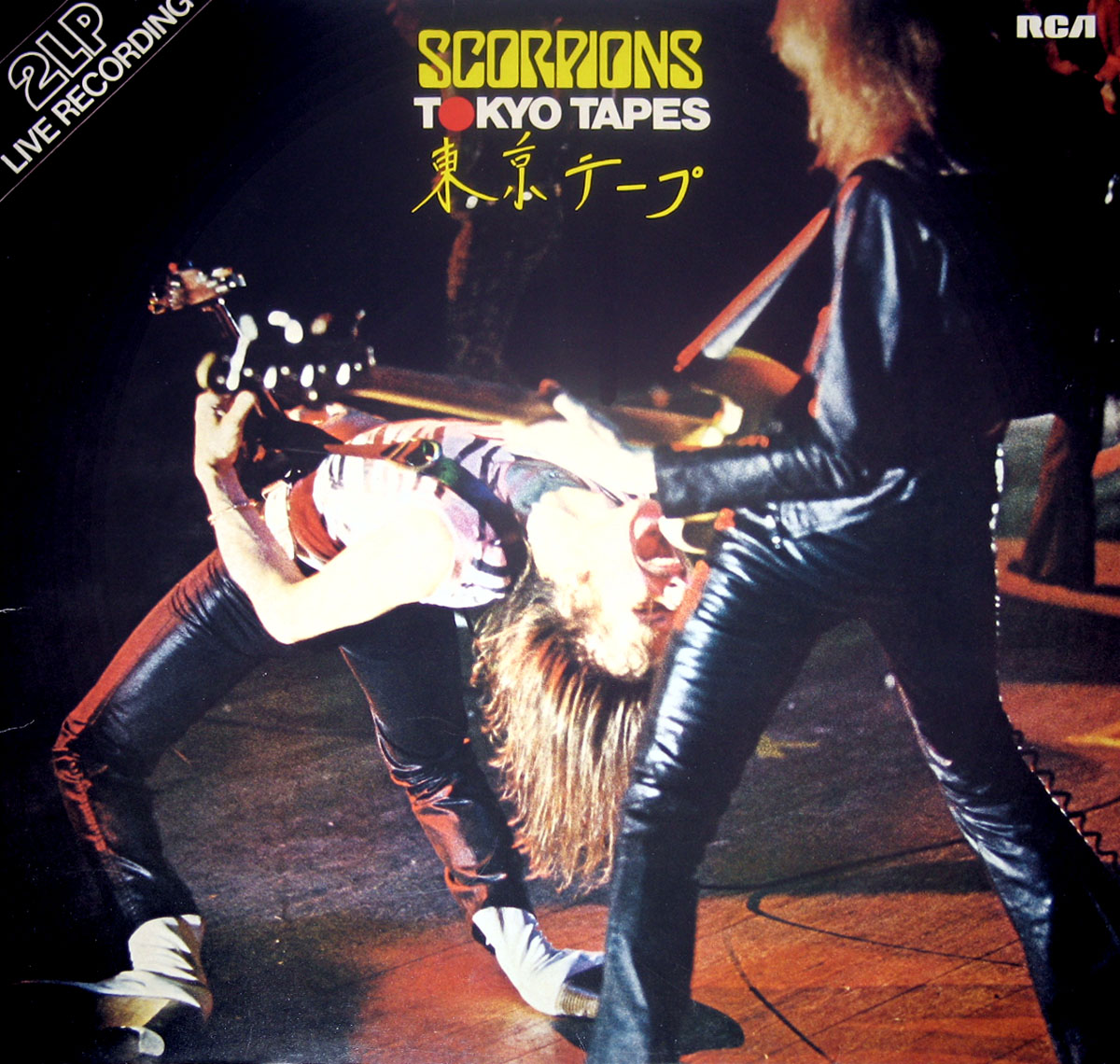
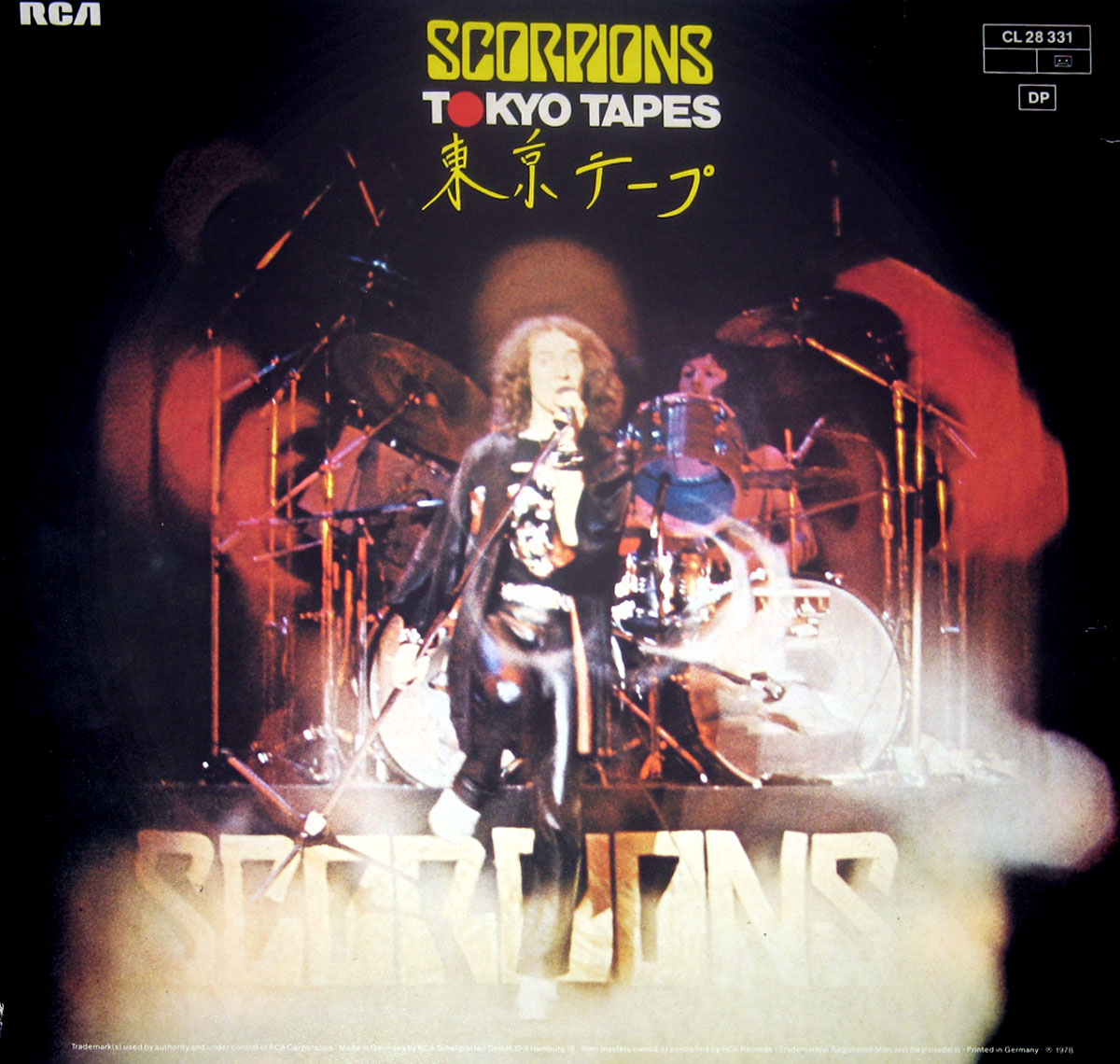
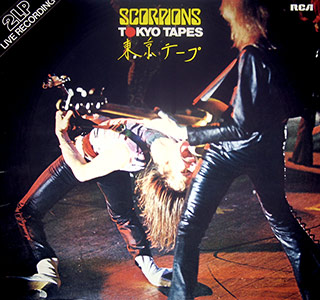
In the heart of Tokyo, 1978, Scorpions etched their sonic legacy with the release of "Tokyo Tapes," a live masterpiece preserved on a 2LP 12" Vinyl. This iconic album not only captures the raw energy of a live performance but also marks a pivotal moment with guitarist Uli Jon Roth.
Live Alchemy in Tokyo:
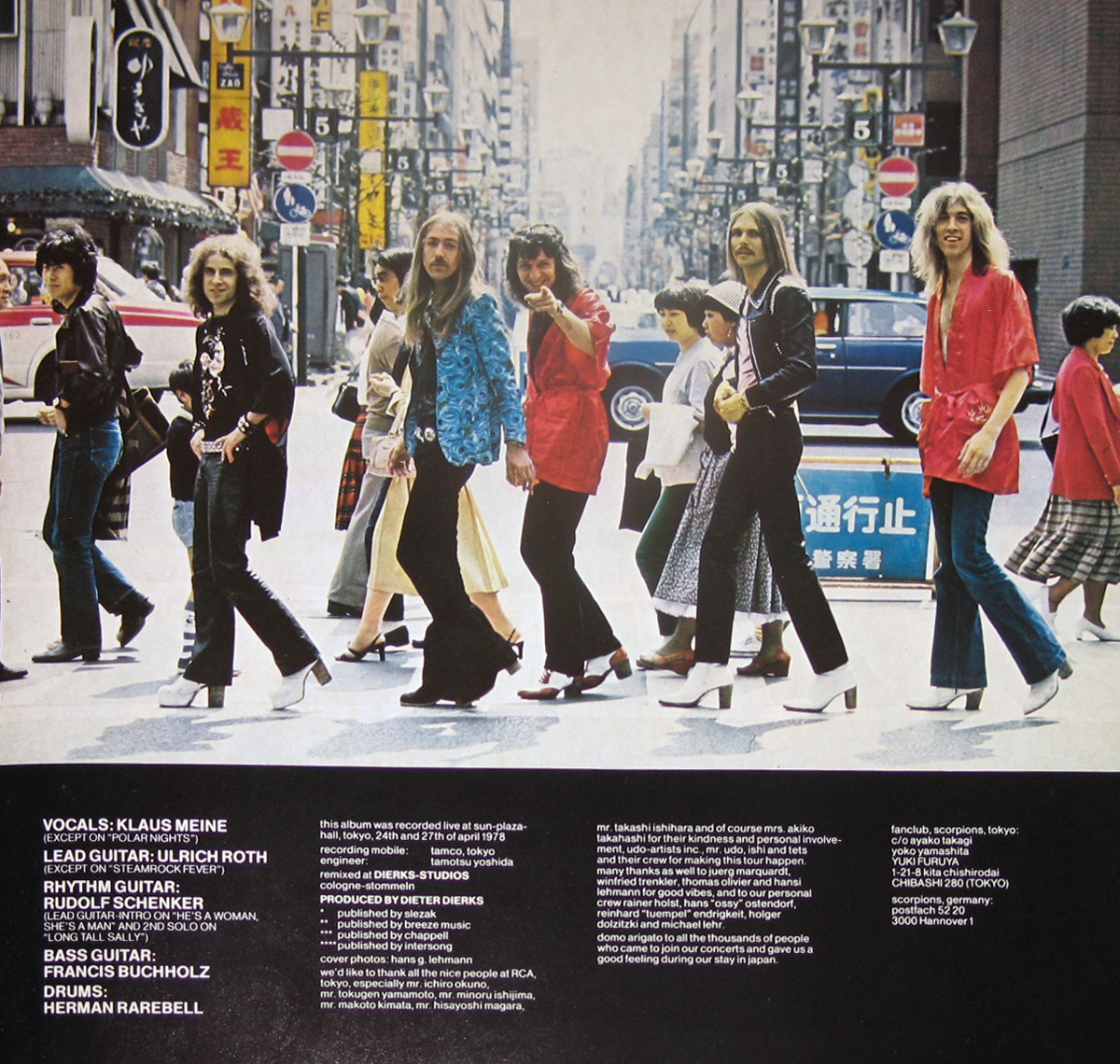
"Tokyo Tapes" emerges as a testament to Scorpions' prowess as a live act. Recorded during concerts at Nakano Sun Plaza, Tokyo, Japan, it encapsulates the band's electrifying stage presence and the symbiotic energy exchanged with their audience.
Uli Jon Roth's Brilliance:
A noteworthy highlight of "Tokyo Tapes" is the inclusion of guitarist Uli Jon Roth, adding a layer of virtuosity to Scorpions' live performances. Roth's contributions marked a distinctive chapter in the band's history, and this album immortalizes the magic of their collaboration.
Japanese Tour of 1978:
The album is a sonic chronicle of Scorpions' Japanese tour in 1978. Tokyo, a city pulsating with energy, provided the backdrop for the band to showcase their evolving sound and stage charisma, setting the stage for their future global conquests.
Double Vinyl Extravaganza:
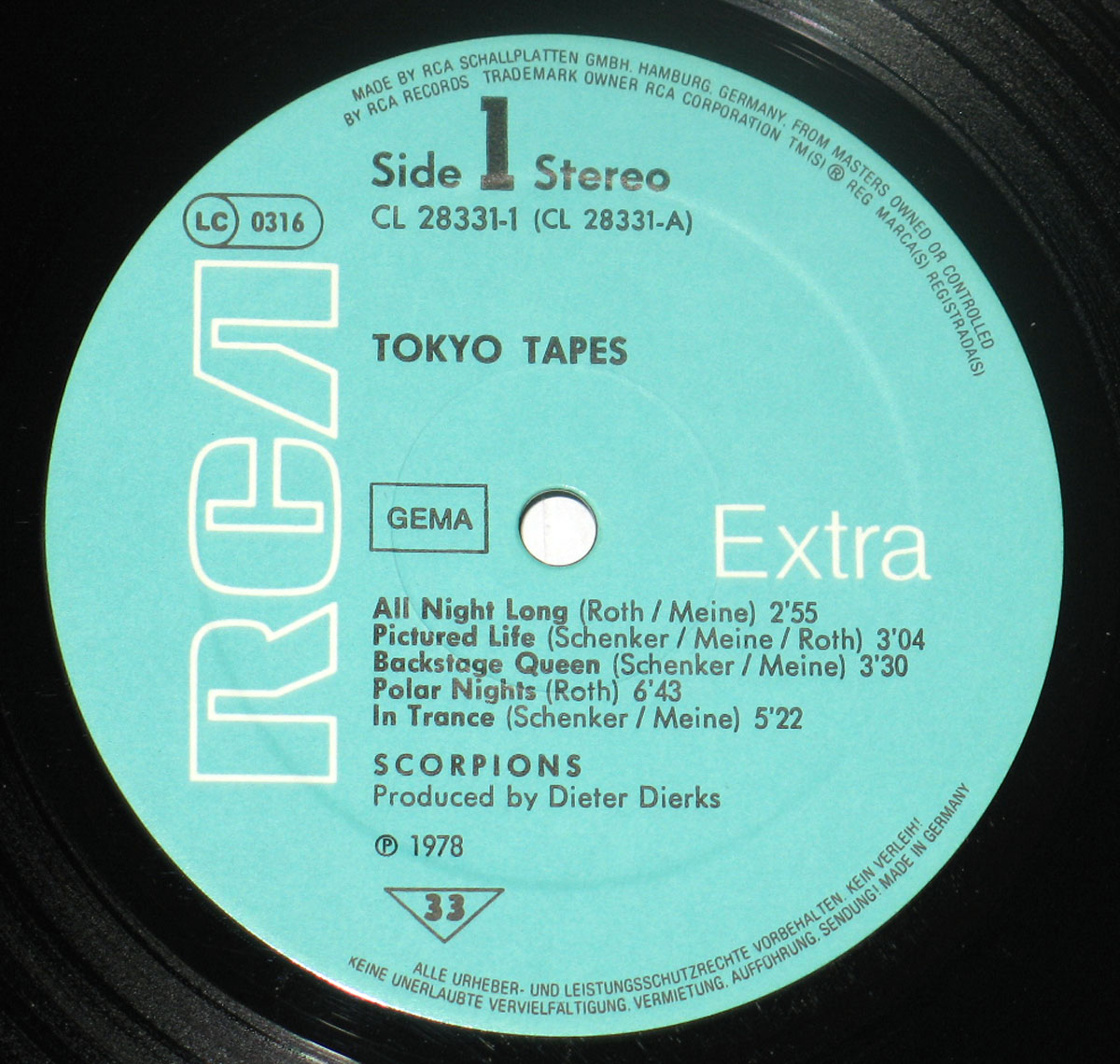
Released as a 2LP set on 12" Vinyl, "Tokyo Tapes" not only captures the essence of a live concert but also emphasizes the band's commitment to delivering a comprehensive musical experience. The format allows listeners to immerse themselves in the live fervor of Scorpions.
Impact and Endurance:
"Tokyo Tapes" is more than a live album; it's a sonic time capsule that has endured through the decades. Its impact on Scorpions' discography and the hard rock/heavy metal genre as a whole is immeasurable, solidifying its status as a classic in the live album canon.
Summary:
Scorpions' "Tokyo Tapes" on 2LP 12" Vinyl is a sonic journey through the band's live prowess during the Japanese tour of 1978. With Uli Jon Roth's brilliance and the double vinyl format, it stands as a testament to Scorpions' live alchemy and enduring impact on rock history.
Band Members and Musicians on: Scorpions Tokyo Tapes
|
Scorpions Band/Musicians
are
- Klaus Meine
- Vocals
- Klaus Meine – Vocals, songwriter
The Hanover voice who joined Scorpions in 1969 and never stopped aiming straight for the chorus nerve.
Read more...
Klaus Meine is the kind of frontman who makes a hard-rock band feel like a headline, not just a lineup. Hearing him in his prime, the sound hits like chrome in daylight: clean, sharp, and confident enough to be a little dangerous. Before Scorpions ever became a global stamp, he was already paying his dues in the local scene, including his time with the cover band Copernicus (before 1969). Then came the real chapter: Scorpions (1969–present), where he became the longtime singer and the band’s primary lyricist, the guy steering the drama with words while the guitars did the heavy lifting. On my turntable and in my notebook, Meine always reads like the same story told well: discipline, melody, and a voice built to carry a hook over a roaring room without begging for permission.
- Ulrich Roth
- Lead guitars
Ulrich Roth ( also known as Uli Jon Roth ) from Scorpions' lead guitarist to a pioneering solo artist, Uli Jon Roth's journey shaped the landscape of neoclassical metal with his virtuosity and innovation.
Discover...
- Rudolf Schenker
- Guitars
- Rudolf Schenker – Rhythm guitar, backing vocals
Rudolf Schenker is the kind of band captain who doesnt just hold the ship steady, he builds the ship, names it, and keeps it loud for six decades. Read more... Rudolf Schenker, founder and leader of Scorpions, and the one constant presence while everyone else cycled in and out like stage smoke. Scorpions (1965-present) starts in Hanover with him lighting the fuse, and it never really stops; rhythm guitar and backing vocals on paper, but in practice its the engine room plus the steering wheel, with songwriting muscle that turns riffs into anthems. Years active run back to 1963, and the stamina shows: that hard, bright chord attack and the showman posture that says the riff matters as much as the hook.
- Francis Buchholz
- Bass
- Francis Buchholz – Bass guitar
Francis Buchholz is the low-end architect who kept the Scorpions arena-sized without turning the grooves into mud. Read more... Francis Buchholz, the kind of bassist who doesnt beg for attention, he just quietly makes the whole band sound expensive. The story starts in Hanover and runs straight into the moment Dawn Road folded into the Scorpions in 1973, putting him on bass for the stretch that mattered most: Scorpions (1973-1992), when the band went from hungry hard rockers to global headline machinery. After the split, the resume stays busy without getting corny: Dreamtide (2008) and later Michael Schenker's Temple of Rock, where that steady, muscular pocket still does the job while the guitars throw sparks.
- Herman Rarebell
- Drums
- Herman Rarebell – Drums, percussion, backing vocals
Herman Rarebell hits like a piston: tight, loud, and annoyingly precise, the kind of drummer who makes a hard rock band sound rich instead of messy. Read more... Herman Rarebell, the German drummer who locked in with Scorpions right when the late-70s stakes got serious, then stayed long enough to help soundtrack the entire arena era. The timeline has grit on it: The Mastermen (1965), The Fuggs Blues (from 1968), RS Rindfleisch (late 60s/early 70s), Missus Beastly (1972-1973), Onyx (later renamed Vineyard, 1974), then Scorpions (1977-1996) where the kick drum and snare turned into a battering ram with choruses attached. Extra spice: the guy didnt just play, he wrote and co-wrote songs too, and those lyrics helped push the hits over the top. Later on, the story circles back into the Schenker universe with Michael Schenker's Temple of Rock.
|