Band-members, Musicians and Performers
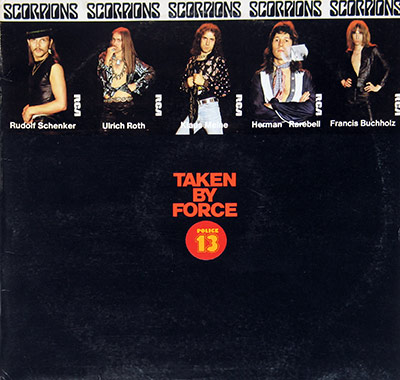
- Klaus Meine - Vocals
- Klaus Meine – Vocals, songwriter
The Hanover voice who joined Scorpions in 1969 and never stopped aiming straight for the chorus nerve.
Read more...
Klaus Meine is the kind of frontman who makes a hard-rock band feel like a headline, not just a lineup. Hearing him in his prime, the sound hits like chrome in daylight: clean, sharp, and confident enough to be a little dangerous. Before Scorpions ever became a global stamp, he was already paying his dues in the local scene, including his time with the cover band Copernicus (before 1969). Then came the real chapter: Scorpions (1969–present), where he became the longtime singer and the band’s primary lyricist, the guy steering the drama with words while the guitars did the heavy lifting. On my turntable and in my notebook, Meine always reads like the same story told well: discipline, melody, and a voice built to carry a hook over a roaring room without begging for permission.
- Rudolf Schenker - Guitars
- Rudolf Schenker – Rhythm guitar, backing vocals
Rudolf Schenker is the kind of band captain who doesnt just hold the ship steady, he builds the ship, names it, and keeps it loud for six decades. Read more... Rudolf Schenker, founder and leader of Scorpions, and the one constant presence while everyone else cycled in and out like stage smoke. Scorpions (1965-present) starts in Hanover with him lighting the fuse, and it never really stops; rhythm guitar and backing vocals on paper, but in practice its the engine room plus the steering wheel, with songwriting muscle that turns riffs into anthems. Years active run back to 1963, and the stamina shows: that hard, bright chord attack and the showman posture that says the riff matters as much as the hook.
- Matthias
- Matthias Jabs – Lead guitar
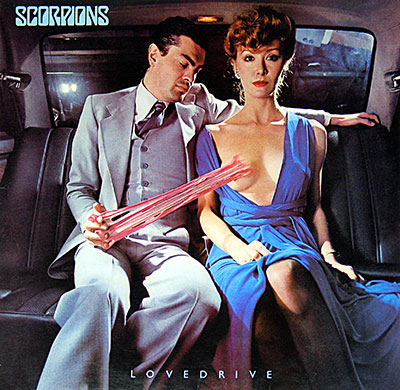
My first real jolt of Matthias Jabs was that clean-but-mean bite: not just fast hands, but taste, restraint, and then the sudden knife-twist when the chorus lifts. Read more... Matthias Jabs, the Scorpions' lead guitarist who walked in at the perfect late-70s crossroads and basically helped aim the band at the big leagues. The timeline matters: Deadlock (1975-1976), Fargo (1976-1977), Lady (1977-1978), then Scorpions (1978-present). That 1978-1979 shuffle around "Lovedrive" and the brief Michael Schenker return could have turned him into a footnote; instead, he came back like a stubborn riff that refuses to fade, and the band's guitars got sharper, brighter, and a little more dangerous.
- Guitars
- Herman Rarebell - Drums
- Herman Rarebell – Drums, percussion, backing vocals
Herman Rarebell hits like a piston: tight, loud, and annoyingly precise, the kind of drummer who makes a hard rock band sound rich instead of messy. Read more... Herman Rarebell, the German drummer who locked in with Scorpions right when the late-70s stakes got serious, then stayed long enough to help soundtrack the entire arena era. The timeline has grit on it: The Mastermen (1965), The Fuggs Blues (from 1968), RS Rindfleisch (late 60s/early 70s), Missus Beastly (1972-1973), Onyx (later renamed Vineyard, 1974), then Scorpions (1977-1996) where the kick drum and snare turned into a battering ram with choruses attached. Extra spice: the guy didnt just play, he wrote and co-wrote songs too, and those lyrics helped push the hits over the top. Later on, the story circles back into the Schenker universe with Michael Schenker's Temple of Rock.
- Francis Buchholz - Bass
- Francis Buchholz – Bass guitar
Francis Buchholz is the low-end architect who kept the Scorpions arena-sized without turning the grooves into mud. Read more... Francis Buchholz, the kind of bassist who doesnt beg for attention, he just quietly makes the whole band sound expensive. The story starts in Hanover and runs straight into the moment Dawn Road folded into the Scorpions in 1973, putting him on bass for the stretch that mattered most: Scorpions (1973-1992), when the band went from hungry hard rockers to global headline machinery. After the split, the resume stays busy without getting corny: Dreamtide (2008) and later Michael Schenker's Temple of Rock, where that steady, muscular pocket still does the job while the guitars throw sparks.
Guest musicians (keyboards and backing vocals): Claudia Frohling, Cliff Roles, Dries van der Schuyt, Erwin Musper, Gerard v.d. Pot, Henk Horden, Inka Esser, Jim Lewis, Jim Vallance, Keith Olsen, Koen van Baal, Louis Spillman, Marcel Gelderblom, Miriam Erftermeijer, Patrick Ulenberg, Peter Angmeer, Ria Makker, Roy Teysse, Wolfgang Praetz
|