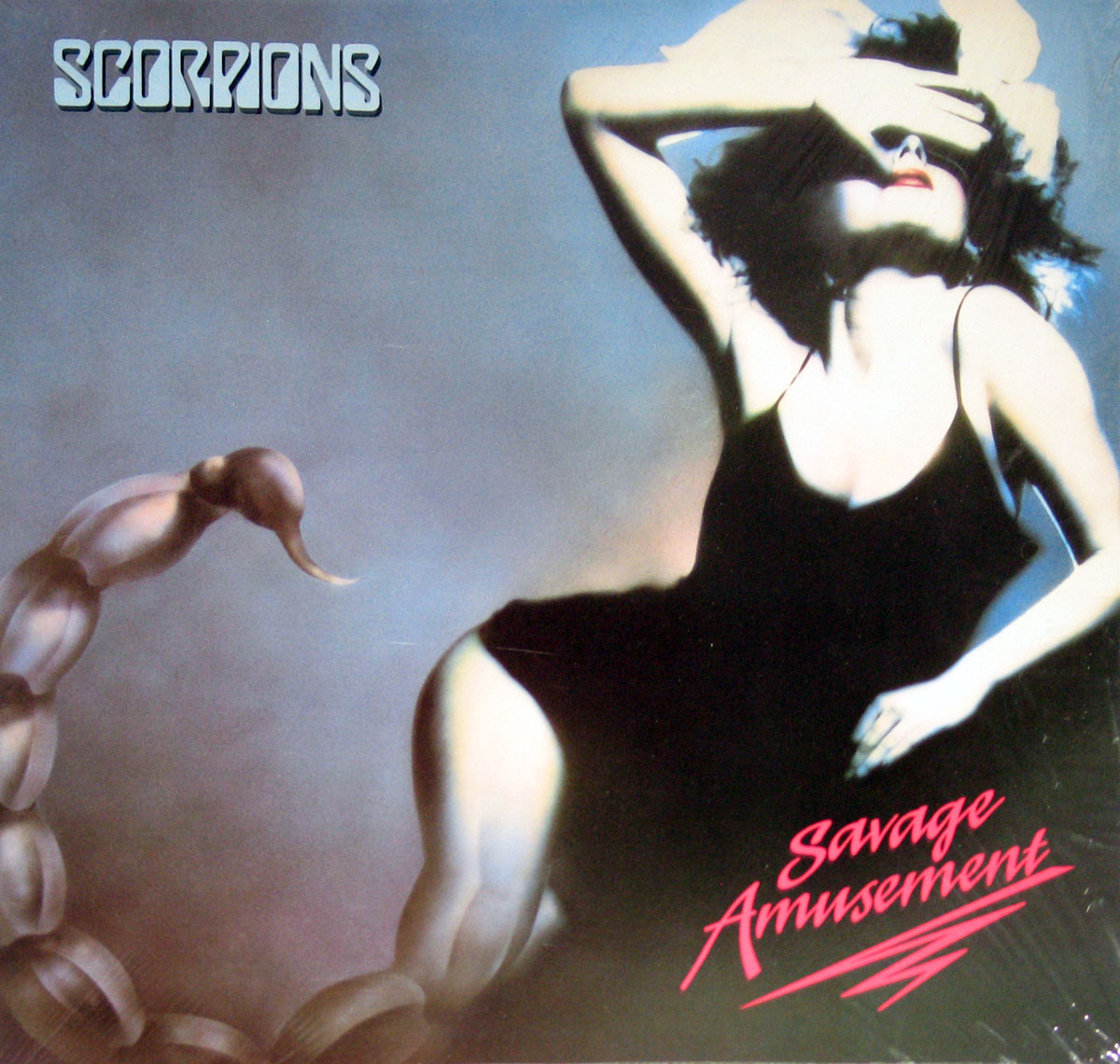
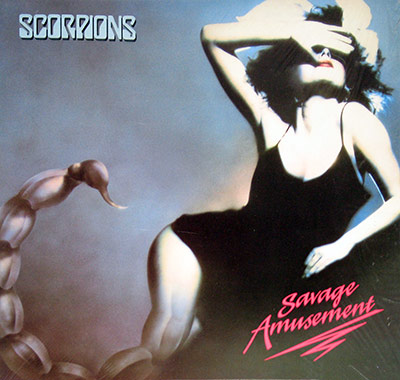
In the sprawling saga of rock 'n' roll, few bands have weathered the storms as long as the Scorpions. Emerging in the 1970s, they've navigated the shifting tides of musical tastes, internal band dramas, and the ever-present specter of fading into obscurity. 1988's "Savage Amusement" was their bid to prove they still had the venom to deliver a potent sting. But did they succeed, or was this simply a weary old scorpion, shaking its tail in a vain attempt to strike fear?
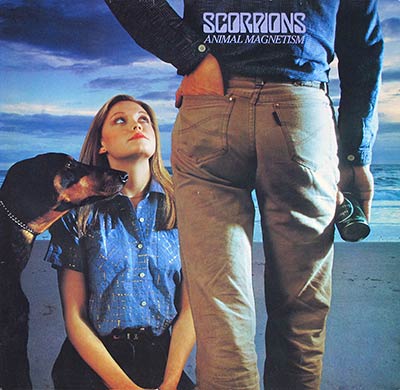
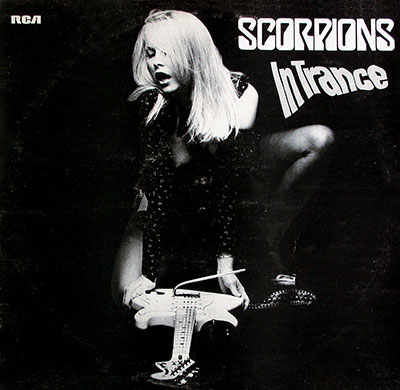
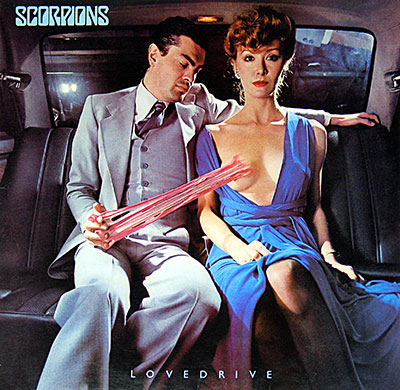
To truly grasp "Savage Amusement," we need to look back at the Scorpions' storied past. Hailing from Hannover, Germany, they began their journey playing a hard rock infused with bluesy, psychedelic undertones. It wasn't until the late '70s, with albums like "Lovedrive" and "Animal Magnetism," that they truly hit their stride. Their mix of irresistible melodies, soaring vocals, and scorching guitar solos resonated with fans across the globe. They became bona fide superstars, headlining massive arenas and selling records by the truckload.
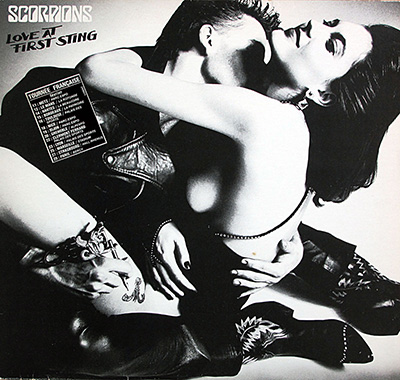
But the 1980s were a different jungle altogether. Hair metal was king, and the Scorpions found themselves vying for attention amidst a fresh crop of bands. They adapted, polishing their sound and aiming for broader appeal. Their 1984 album, "Love at First Sting," was a colossal success, propelled by the iconic anthem "Rock You Like a Hurricane." However, some fans felt they'd compromised their edge in pursuit of mainstream success.
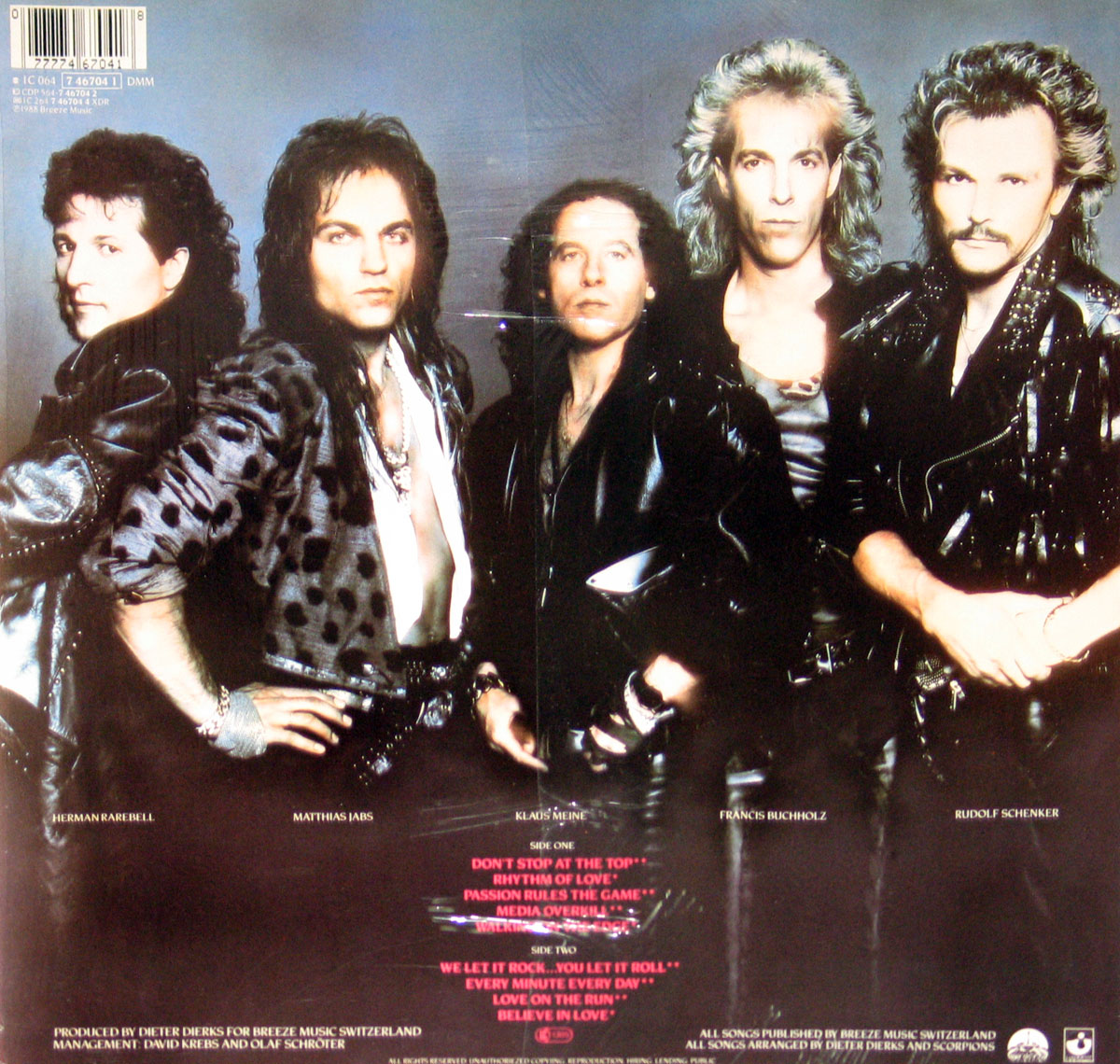
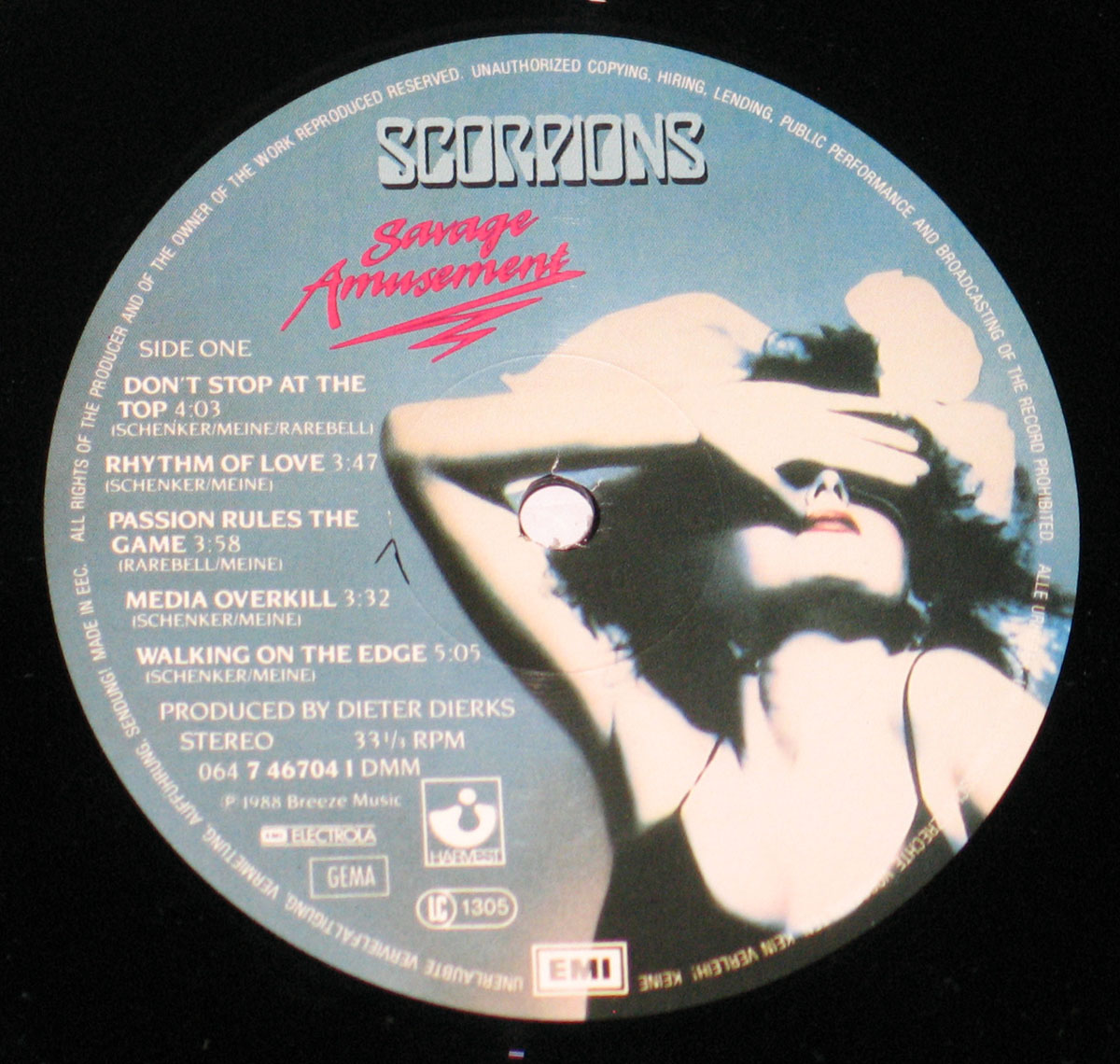
"Savage Amusement" hit the scene four years later, carrying weighty expectations. Produced by Dieter Dierks, the man behind many of their classic works, it was laid down at Dierks Studios in Cologne. The band vowed to return to their heavier roots while keeping their melodic sensibilities intact. But the musical landscape was shifting yet again. Grunge was on the horizon, poised to obliterate the excesses of the '80s. Could the Scorpions keep up?
The album roars to life with "Don't Stop at the Top," a driving rocker boasting a contagious chorus. It's a quintessential Scorpions anthem, brimming with energy and bravado. But there's a calculated feel to it, a sense that they're trying too hard to relive their past glories. "Rhythm of Love" is a polished power ballad, engineered for radio dominance. It's undeniably catchy, but it lacks the emotional depth of their earlier ballads.
As the album unfolds, it's clear the Scorpions are grappling to find their footing. There are moments of brilliance, like the soaring guitar solo on "Media Overkill" and the infectious energy of "Walking on the Edge." But there are also moments of pure cheese, like the overblown ballad "Passion Rules the Game" and the cringe-inducing lyrics of "Love on the Run."
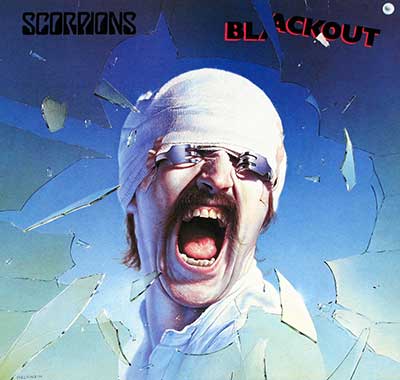
The production is immaculate, but it lacks the raw power of their earlier records. The guitars are pushed back in the mix, and Klaus Meine's vocals are often overshadowed by the keyboards. It's a far cry from the visceral intensity of albums like "Blackout" and "Love at First Sting."
"Savage Amusement" isn't a bad album, but it's not a great one either. It's a child of its time, caught between the dying gasps of the '80s and the birth pangs of a new musical era. The Scorpions tried to adapt, but they ended up sounding like a band chasing its own shadow. There are sparks of brilliance, but they're dimmed by a sense of exhaustion and desperation.
Ultimately, "Savage Amusement" serves as a cautionary tale, demonstrating that even legendary bands can lose their way. The Scorpions would keep releasing albums for years to come, but they never fully recaptured the magic of their prime. They became a nostalgia act, catering to older fans who craved their classic hits. But their legacy is cemented. They were one of the titans of '80s rock, and their music continues to inspire fans worldwide.
So, is "Savage Amusement" a potent sting or a tired old scorpion? It's a bit of both. It's a flawed album, but it also speaks to the Scorpions' enduring allure. They might not have been at their absolute best, but they still knew how to rock. And that's worth appreciating.