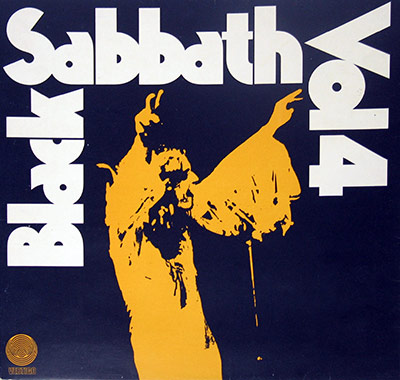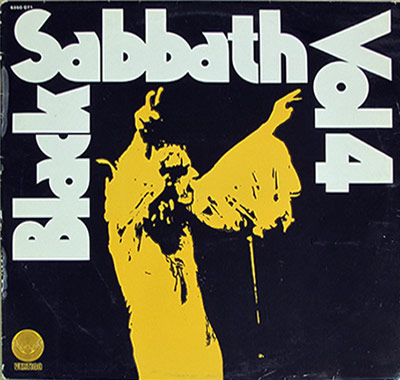
Patrick Meehan was Black Sabbath’s early manager—the sharp-suited accelerator who took four Birmingham misfits and aimed them at the world. From 1970 to 1975 he ran their business through Worldwide Artiste Management, pushing tours, deals, and even launching the WWA label in 1973. In the same early-to-mid-70s orbit he also managed acts like Gentle Giant, Snafu, Black Widow, Catapilla, Redbone, Mama Lion, and the Dutch band Cobra. His name even turns up as a co-producer credit on "Vol. 4"—more paperwork than knob-twisting. Then the romance ended: Sabbath sacked him in 1975 and the fallout turned into years of legal smoke. I’ve seen plenty of managers; Meehan’s lesson is simple: fame is loud, contracts are louder.
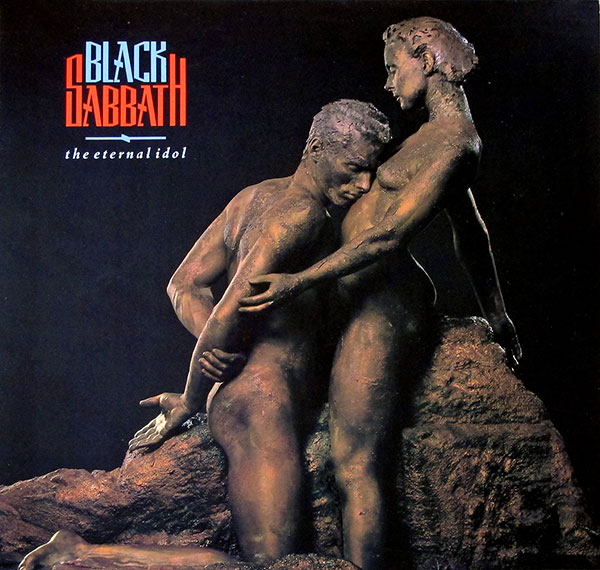
"The Eternal Idol" Album Description:
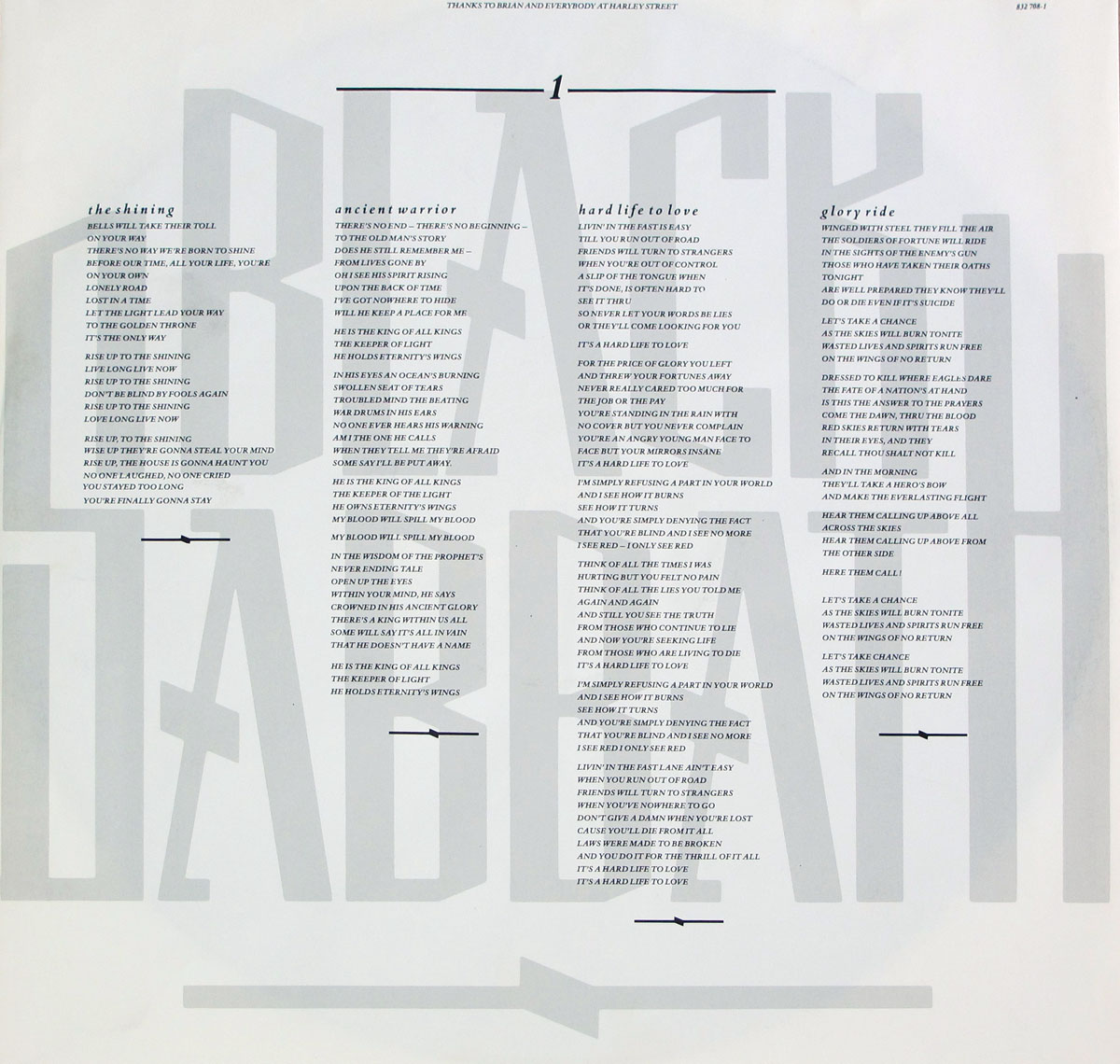
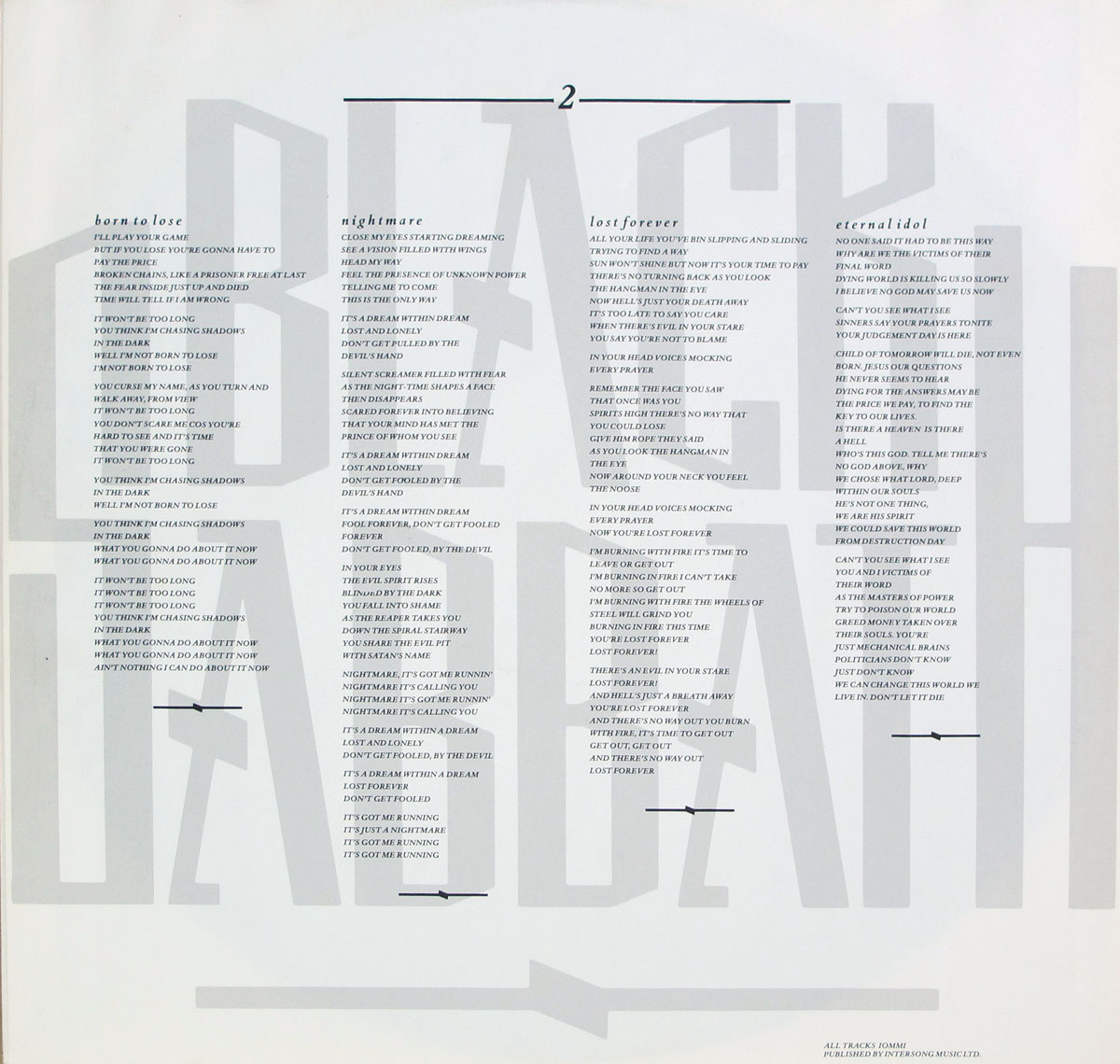
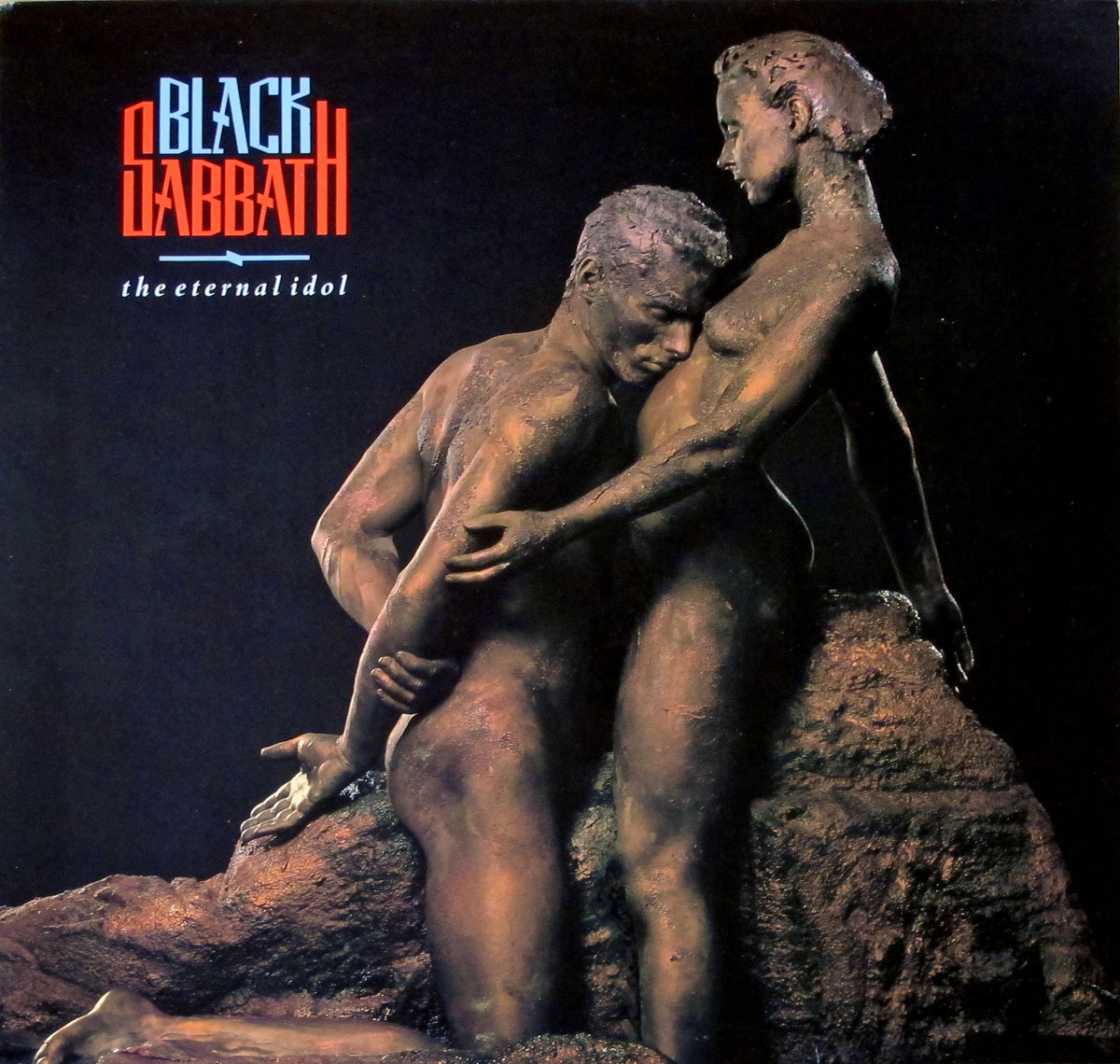
In the musical landscape of the late 1980s, Black Sabbath, the iconic heavy metal pioneers, released their thirteenth studio album, "The Eternal Idol," in December 1987. This marked a significant juncture in the band's history, as it introduced Tony Martin as the lead vocalist, contributing to the band's evolving sound.
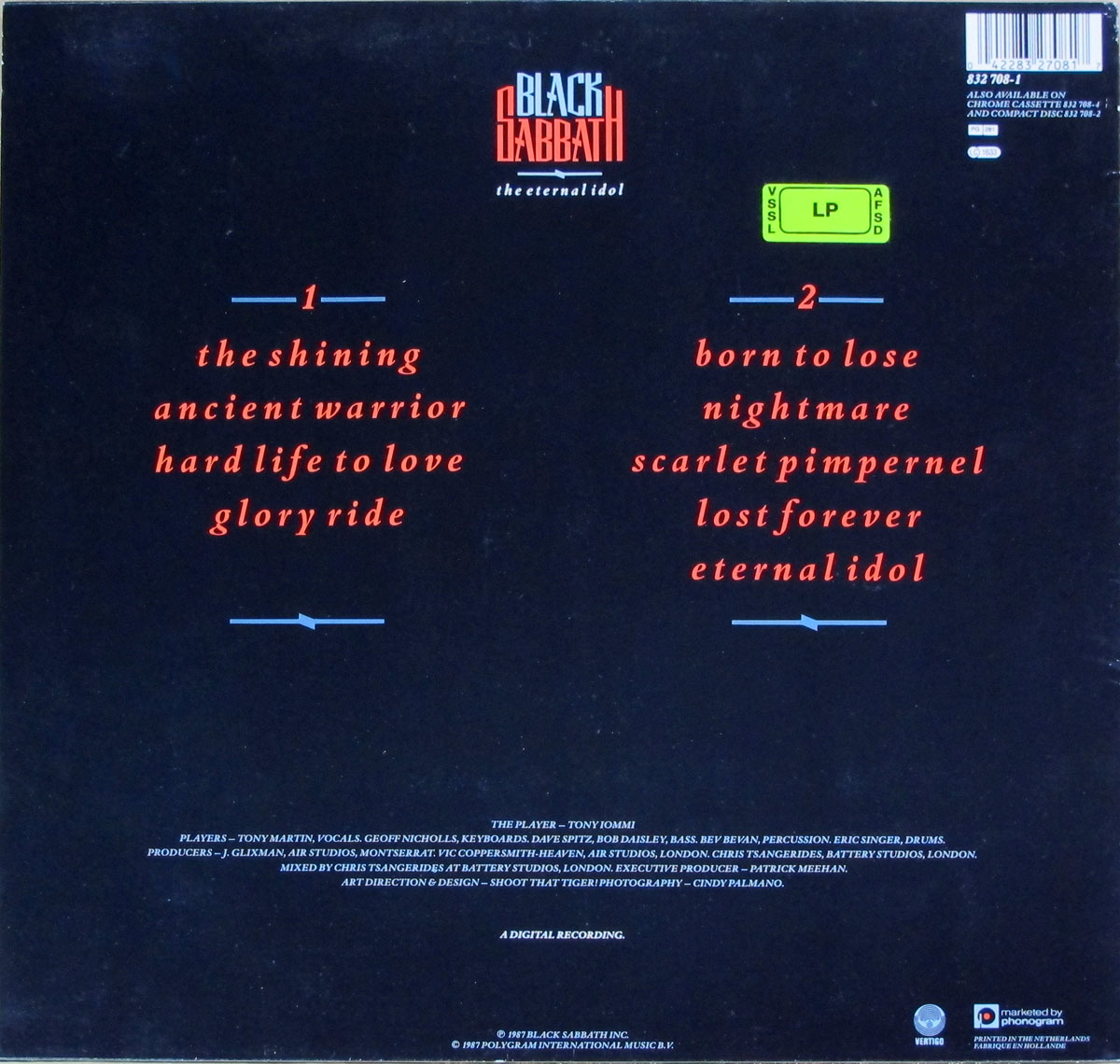
The album's production was a collaborative effort, showcasing the talents of renowned producers Patrick Meehan, Jeff Glixman, Chris Tsangarides, and Vic Coppersmith-Heaven. The convergence of these seasoned professionals played a pivotal role in shaping the album's distinctive sound, setting it apart from its predecessors.
Recorded at prestigious studios such as Air Studios Montserrat, Air Studios London, and Battery Studios London, the album benefited from state-of-the-art recording technologies of the time. This allowed the band to explore new sonic territories and experiment with a range of musical elements, pushing the boundaries of their established style.
Chris Tsangarides, known for his work with various rock and metal bands, contributed significantly to the production and sound mixing. His expertise added a layer of finesse to the album, enhancing the overall listening experience. Meanwhile, Vic Coppersmith-Heaven's production prowess further enriched the sonic tapestry of "The Eternal Idol."
The album's visual identity is equally captivating, with its cover design crafted by Shoot That Tiger! and photography by Cindy Palmano. The cover art, a crucial element in the presentation of the album, complements the music within, creating a cohesive artistic expression.
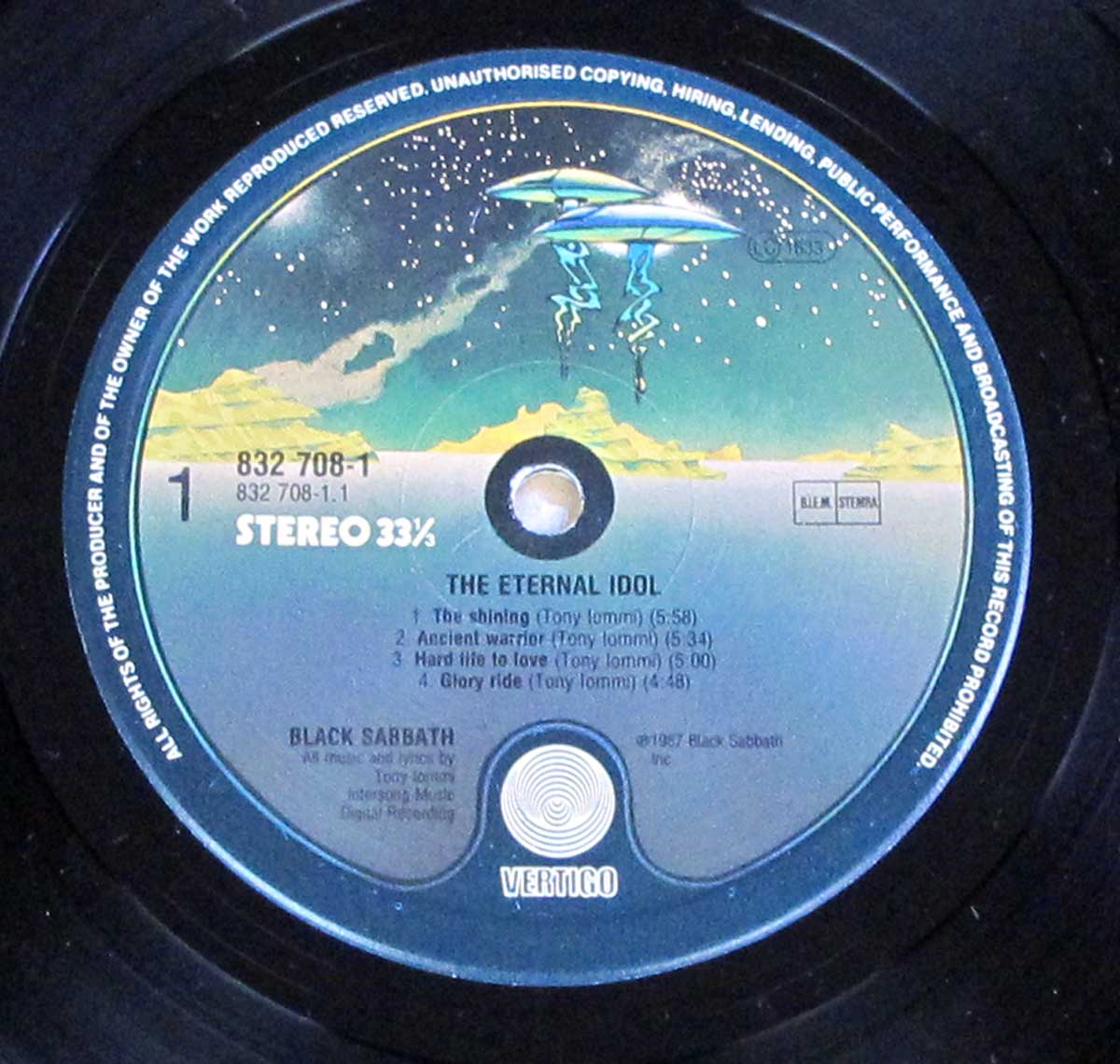
Released under the Vertigo Records label, "The Eternal Idol" made its mark in the tumultuous landscape of late 1980s music. The album's reception and influence can be attributed not only to the band's musical evolution but also to the collaborative efforts of the talented production team.