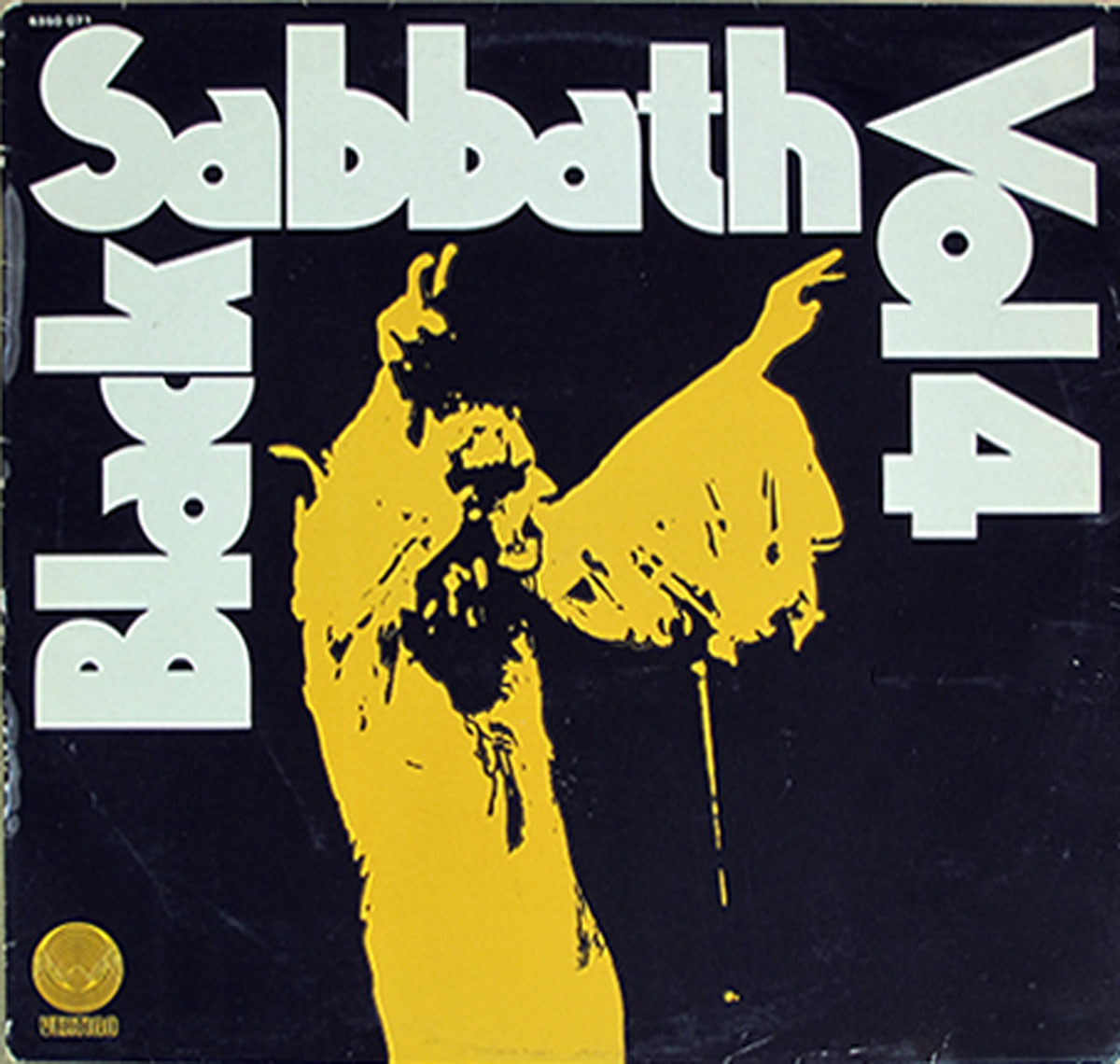
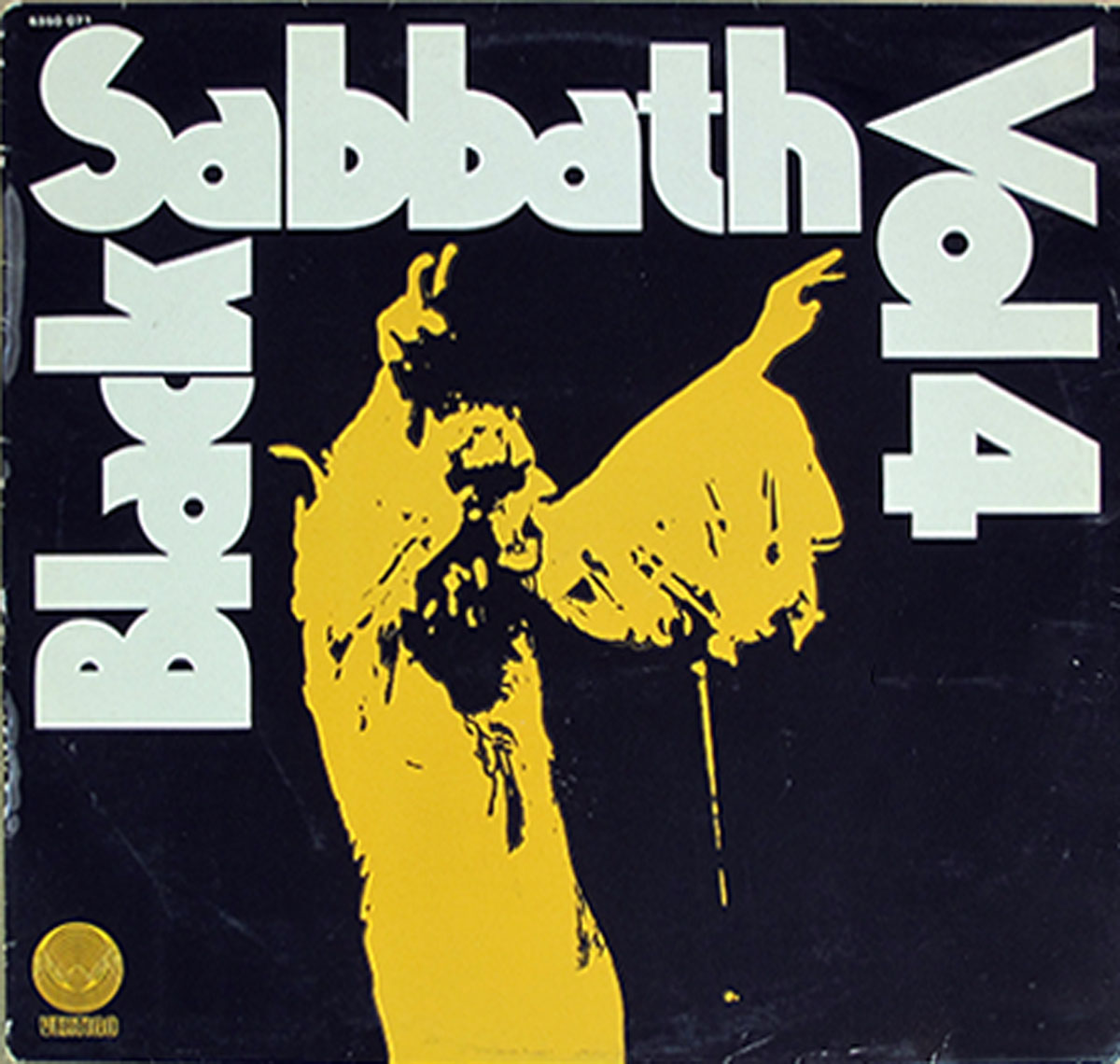
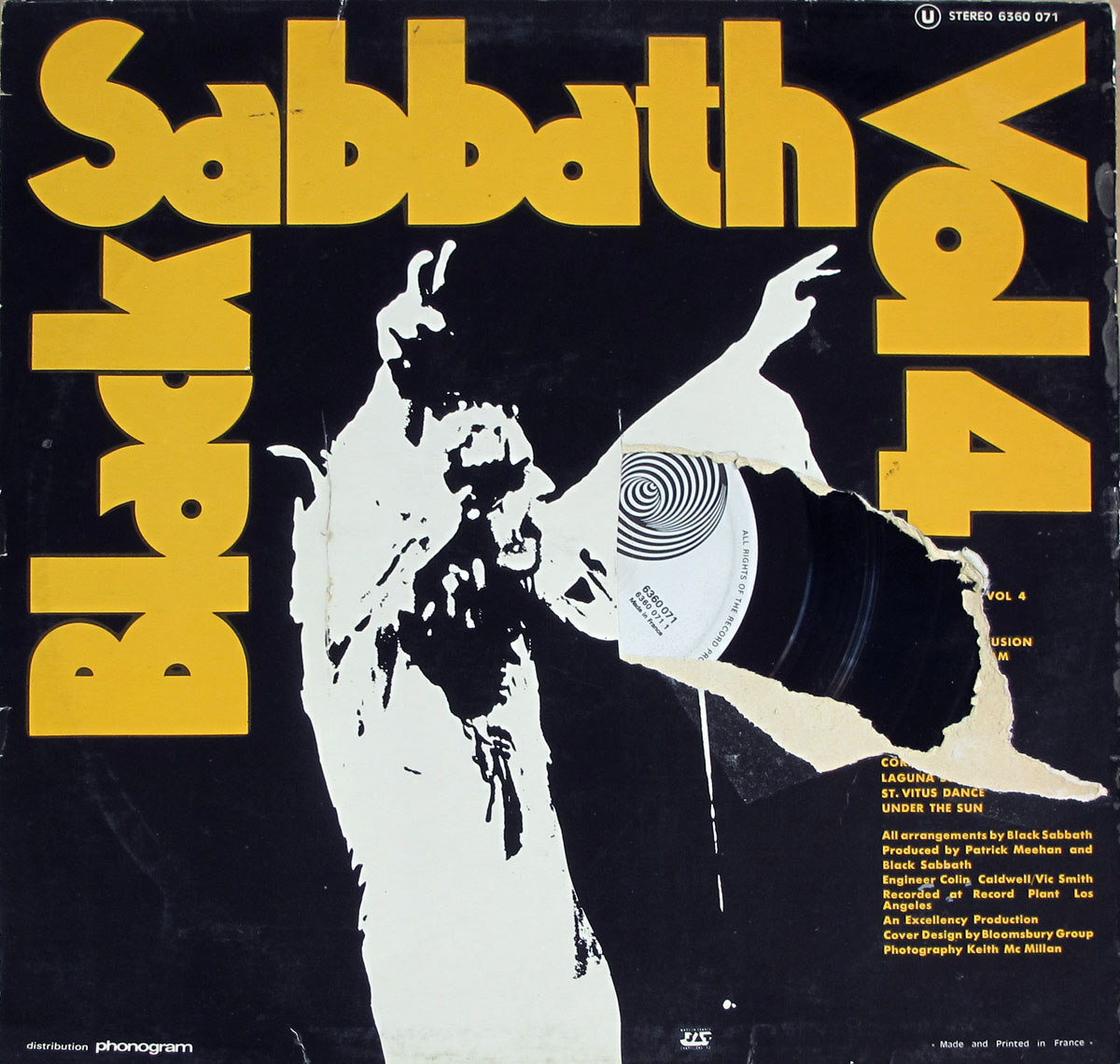
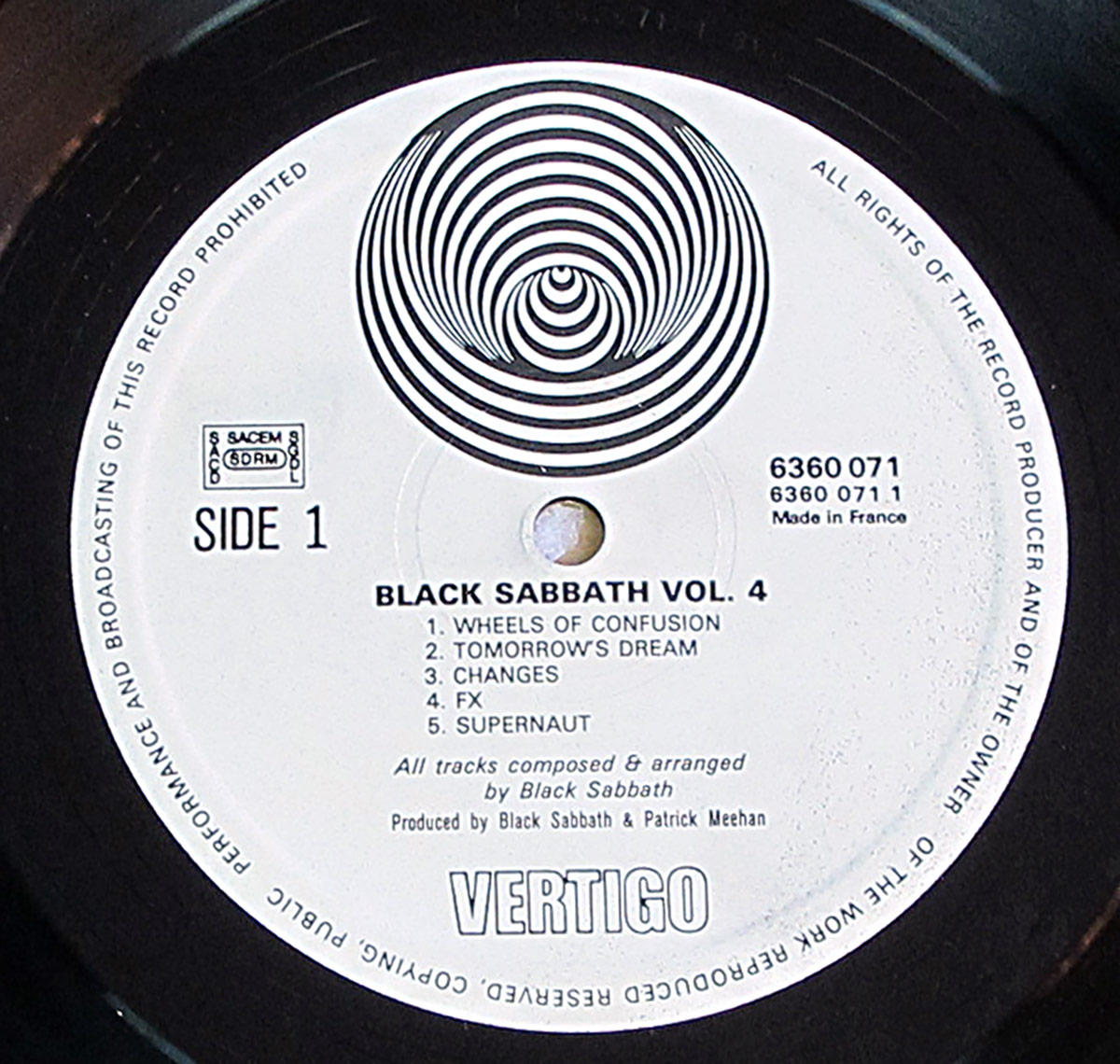
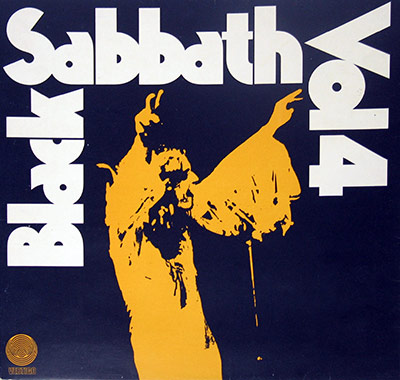
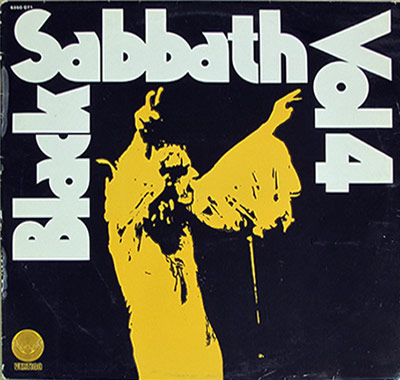
"BLACK SABBATH - Vol 4" (1972) Album Description:
"Vol 4" is where Black Sabbath stop sounding like a band that accidentally invented heaviness and start sounding like a band testing how much weight a song can carry before it cracks the floor. Recorded in Los Angeles in 1972, it’s a brighter sky over a darker mind: bigger, bolder, sloppier, more adventurous, and somehow more confident about the chaos. This is heavy metal getting wider, not just heavier, and it still hits like machinery with a pulse.
1972: Heavy Music Grows Teeth
Back home in Britain, 1972 isn’t a postcard year. The country is grinding through inflation, labor tension, and the kind of national mood that makes “cheerful” feel suspicious. Rock music is also splitting at the seams: glam is about to strut in, prog is building cathedrals, and hard rock is trying to decide if it’s a party or a fistfight.
Sabbath land right in the crack. They’re not chasing glitter or virtuoso fireworks; they’re turning dread, boredom, and industrial blunt force into riffs you can practically lean on. Heavy metal at this point is still a rough label, but the sound is real: darker chords, slower momentum, and songs that feel like they were forged, not written.
The Genre Around Them
If you want the neighborhood map, think of Deep Purple sharpening speed and volume, Uriah Heep painting epic melodrama, and Led Zeppelin still bending blues into stadium myth. Sabbath are the grim corner of the same street, the one with the streetlight that flickers and makes you walk faster.
- Hard rock was getting louder and more aggressive, but still rooted in blues phrasing.
- Early heavy metal was becoming its own language: down-tuned weight, doom moods, and riffs as the main character.
- Lyrics were turning from romance and rebellion toward war, addiction, paranoia, and the “what if everything is broken” playlist.
Leaving the UK, Recording in Los Angeles
Recording at the Record Plant in Los Angeles matters here, because the air changes the record. It doesn’t turn Sabbath into a California band, but it pushes them into a slightly wider frame: more room in the sound, more willingness to experiment, and a sense that the band is both energized and unhinged by the move.
The production is credited to Black Sabbath and Patrick Meehan, which is a polite way of saying the band had a lot of control and a lot of momentum, and those two things don’t always behave. Engineers Colin Caldwell and Vic Smith help capture a record that’s thick and volatile, like the tape itself is sweating.
What It Sounds Like
"Vol 4" doesn’t just stomp; it sways, lurches, and occasionally floats. The guitars are still heavy, but the texture changes constantly: sometimes it’s blunt and industrial, sometimes it’s hazy and narcotic, sometimes it’s unexpectedly tender. The rhythm section doesn’t just support the riffs; it throws elbows inside them.
"Supernaut" is the album’s engine room: a riff that moves like a steel press learning choreography. "Snowblind" drifts in a drug-haze mood that’s both seductive and sour, and "Changes" is Sabbath proving they can break your heart without switching off the darkness.
This is the sound of a band strong enough to risk being weird: heavy metal stretching its limbs, finding new corners, and refusing to apologize for the mess.
Musical Exploration: The Risky Stuff
The album’s real charm is that it doesn’t stay in one lane. Tony Iommi uses piano and Mellotron alongside the guitar attack, and the arrangements tilt between brute-force riffs and strange little atmospheres. It’s not prog, but it’s curious in the same way: “what else can this band be without losing itself?”
Bill Ward’s drumming brings swing and surprise, which keeps the heaviness from turning into concrete. Geezer Butler’s bass isn’t just low-end support; it’s another moving part in the machine. Ozzy’s voice stays eerily plainspoken through it all, which makes the bleak moments feel more believable and the big hooks feel like bad news you can sing.
The People Who Made It Happen
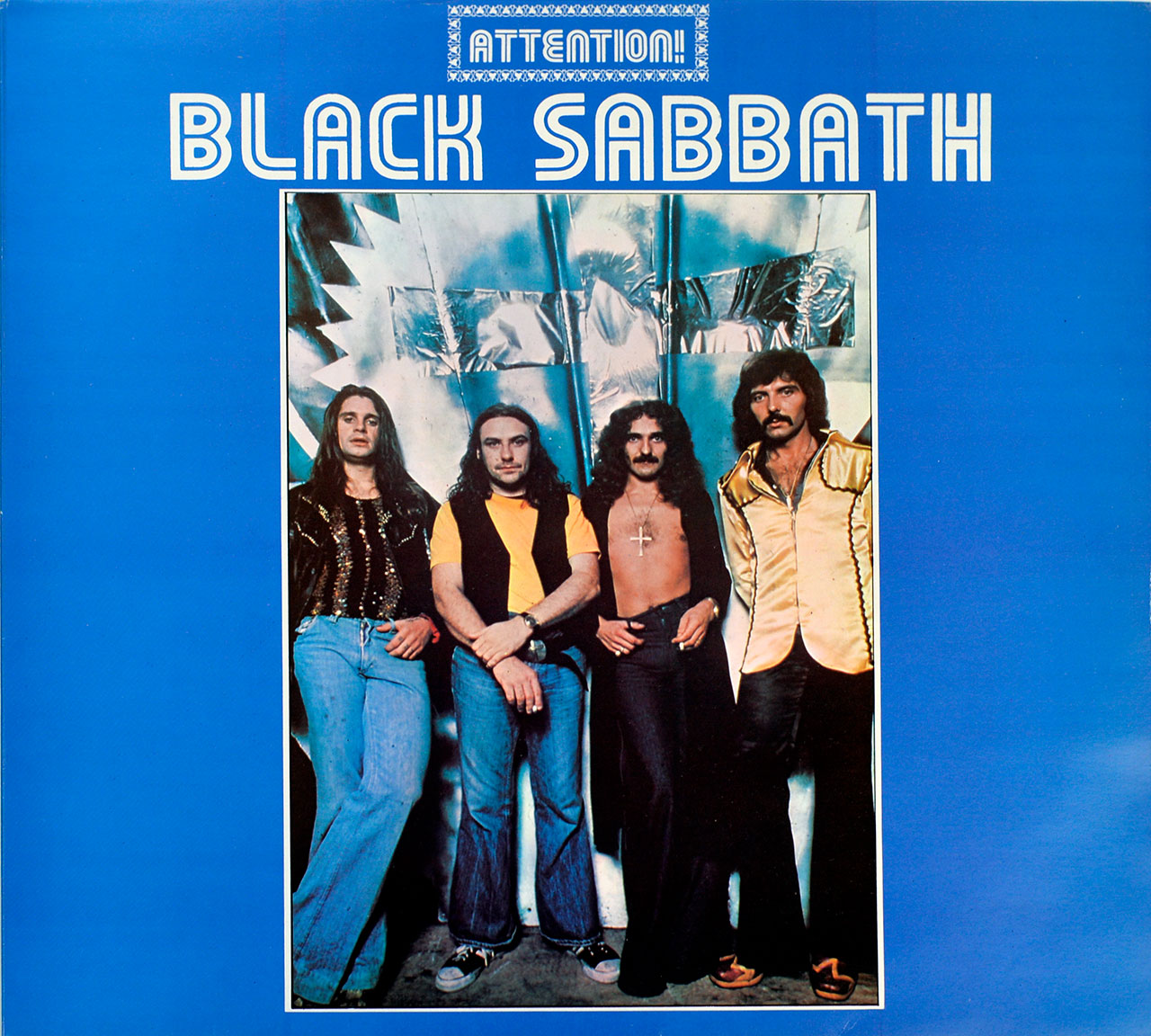
This is still the classic lineup: Ozzy Osbourne, Tony Iommi, Terence “Geezer” Butler, Bill Ward. The band formed in Birmingham in 1968, tightened their identity fast, and by 1972 they’d already written a chunk of the rulebook for heavy music.
Patrick Meehan’s role in this era is business and control as much as sound, and his name shows up in the album’s production credit. The visual side is handled by the Bloomsbury Group (cover design) with photography by Keith McMillian, matching the record’s vibe: stark, bold, and a little unnerving without having to scream about it.
Band Timeline: How They Got Here
Sabbath’s early years are remarkably stable: no revolving door lineup drama during this stretch, just the same four musicians getting heavier, more confident, and more extreme record by record. That steadiness is part of why "Vol 4" can afford to experiment; the core chemistry is already locked in.
- 1968: Birmingham formation, the band’s identity hardens fast.
- 1970–1971: early albums establish the heavy template and a loyal fanbase.
- 1972: "Vol 4" arrives as a fan-favorite pivot toward broader sound and riskier choices.
Controversies and Noise Around the Release
The cleanest controversy is the not-so-clean subject matter: "Snowblind" and the surrounding drug references weren’t subtle, and that made the usual moral watchdogs bark. Early heavy metal already carried a reputation for darkness; adding cocaine fog to the mix didn’t exactly calm the neighborhood.
There’s also the story of the album nearly being titled "Snowblind," which says a lot about the band’s mindset at the time. Whether you call it honesty or self-sabotage depends on your tolerance for rock stars behaving like rock stars. Either way, the album’s reputation became tangled with excess, and the music still survives the gossip.