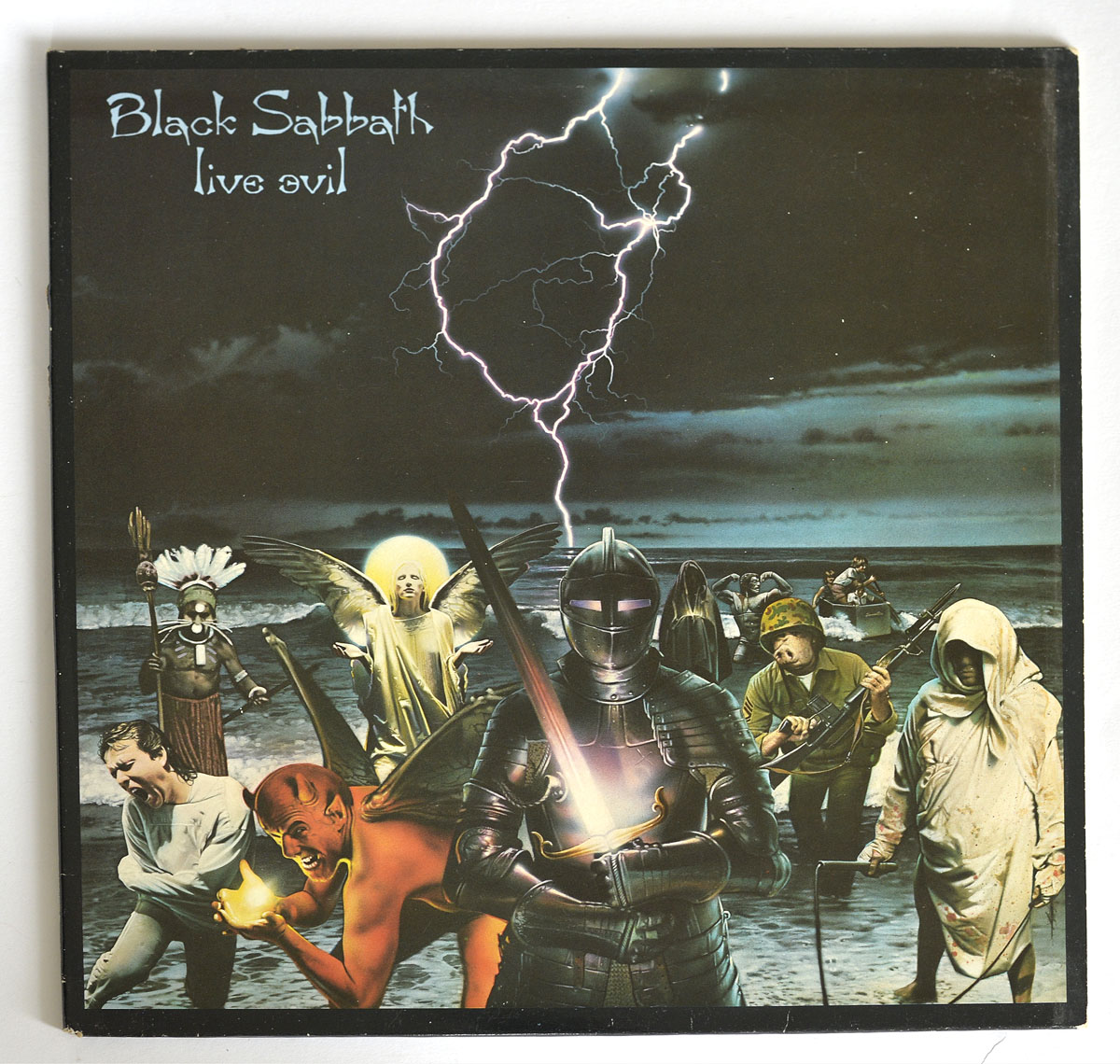
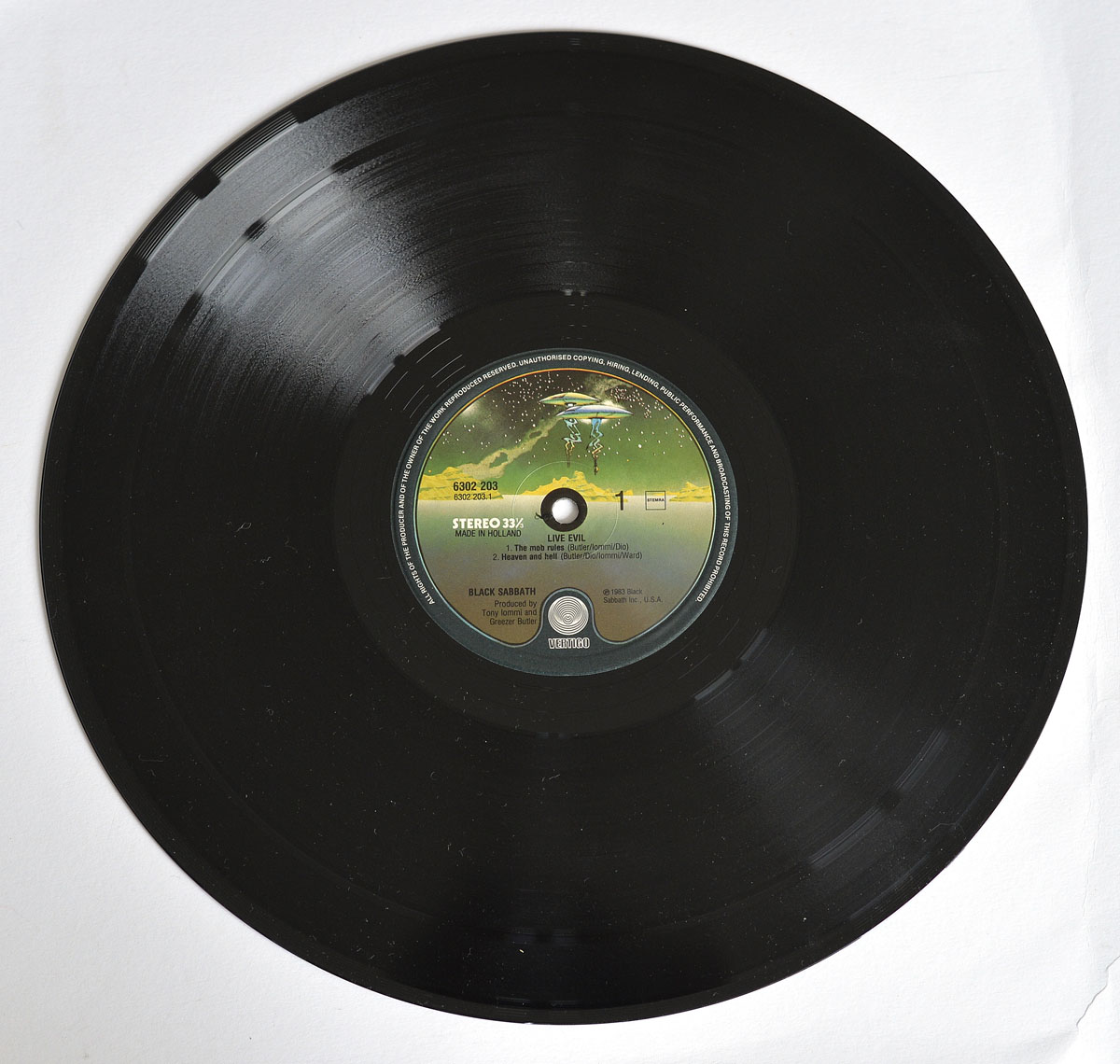
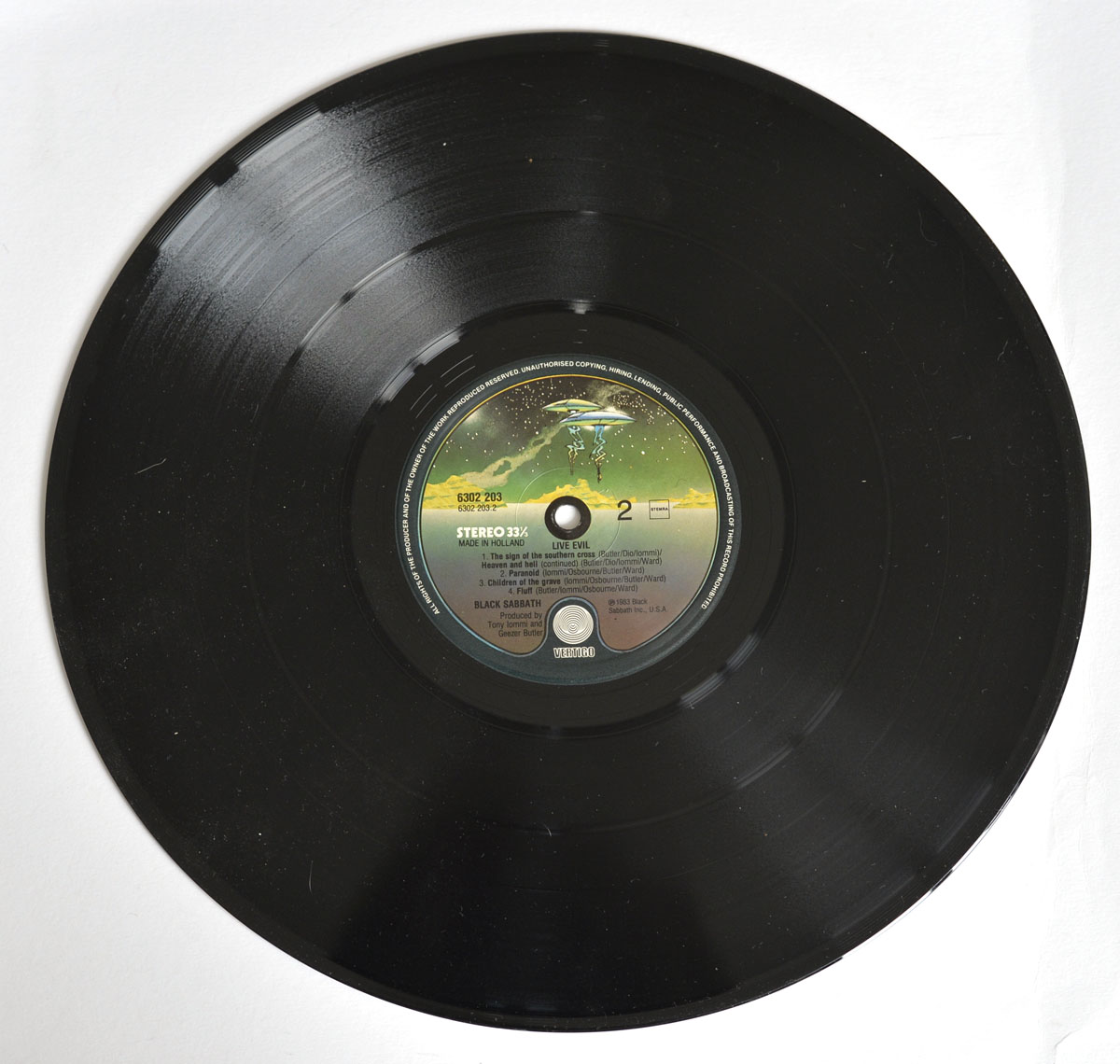
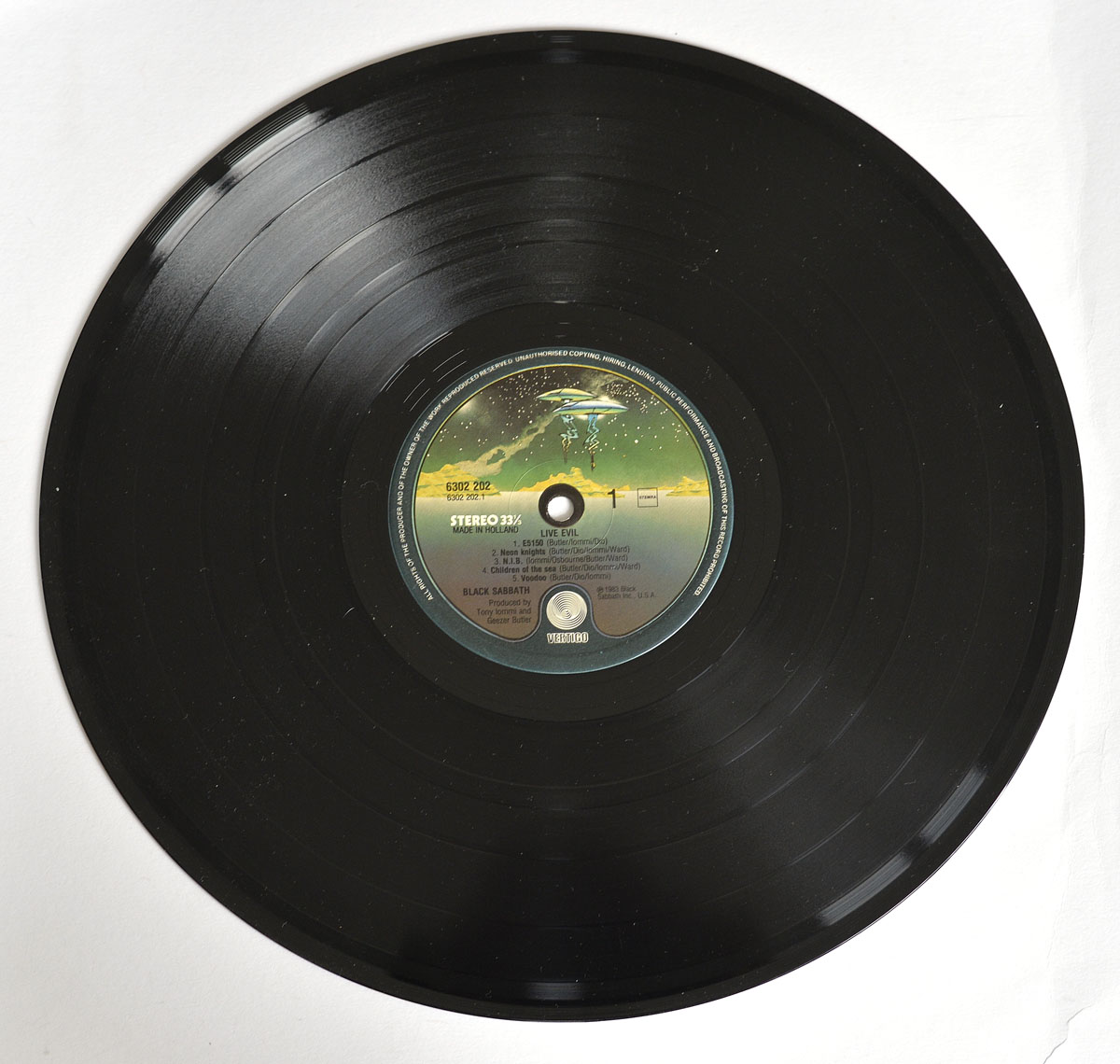
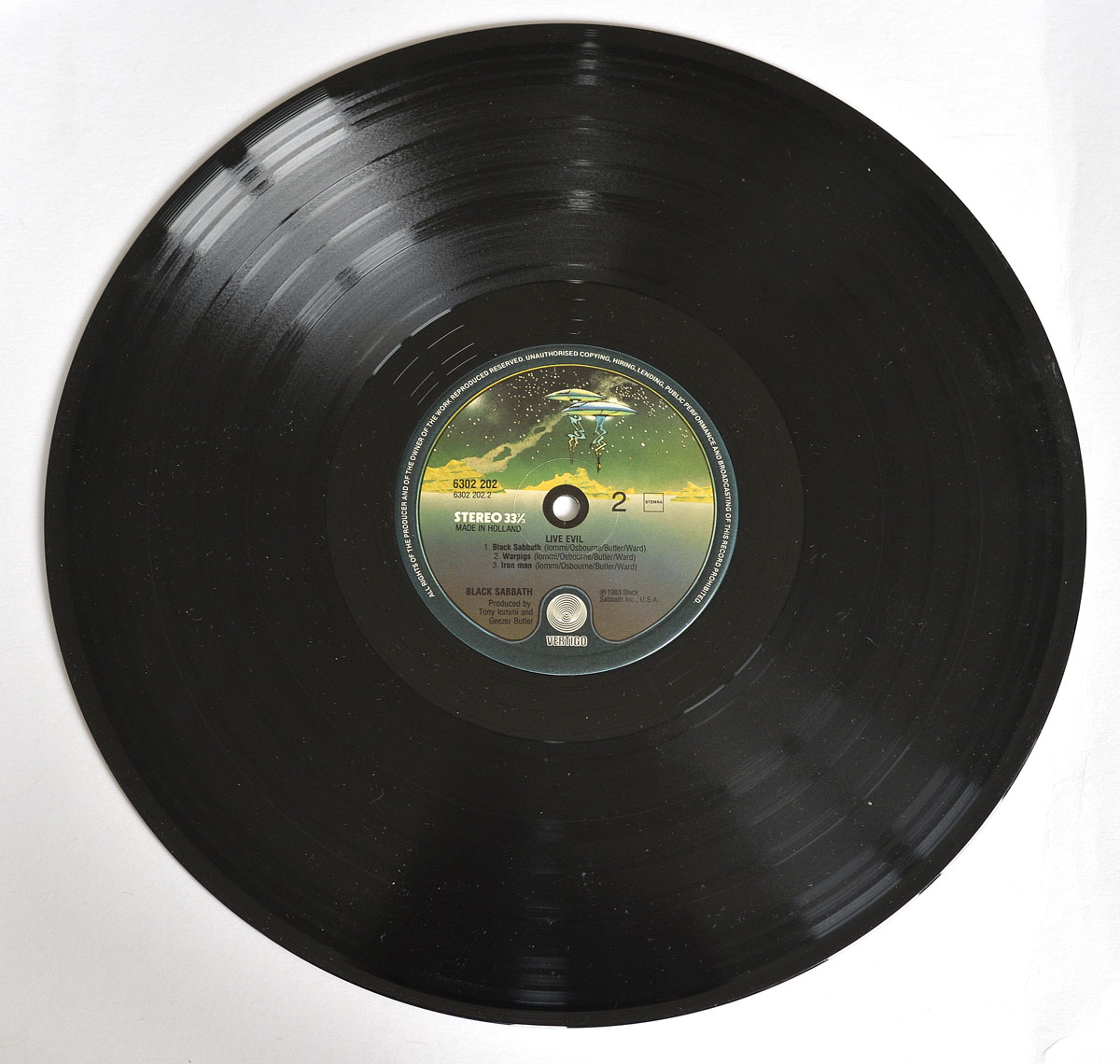
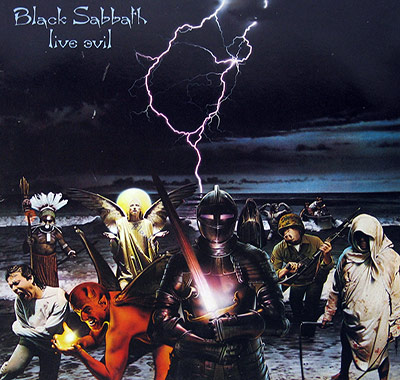
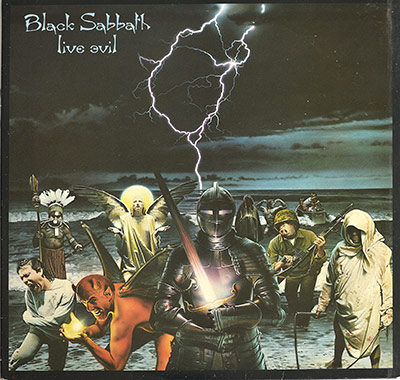
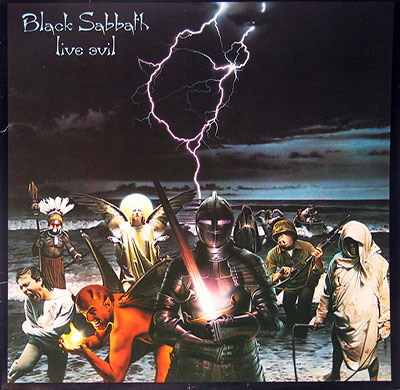
"Live Evil" Album Description:
On the 16th of December 1982, Black Sabbath unleashed a monumental piece of heavy metal history upon the world - the "Live Evil" 12" Vinyl 2LP Album. This live recording stands as a testament to the band's enduring legacy and their unparalleled impact on the heavy metal genre. Here we delve into the history of Black Sabbath, the context surrounding the creation of "Live Evil," and the album's enduring significance.
The Birth of Black Sabbath:
To truly appreciate "Live Evil," one must first understand the roots of Black Sabbath. Formed in Birmingham in 1968, the original lineup consisted of Ozzy Osbourne (vocals), Tony Iommi (guitar), Geezer Butler (bass), and Bill Ward (drums). They are widely regarded as the pioneers of heavy metal, crafting a sound that combined ominous riffs, dark lyrics, and a foreboding atmosphere.
Evolution of the Band:
Over the years, Black Sabbath underwent several lineup changes, with Ronnie James Dio replacing Ozzy Osbourne as the lead vocalist in 1979. This transition marked a new era for the band, characterized by a shift in musical style and thematic elements.
The Making of "Live Evil":
"Live Evil" was recorded during the band's 1982 world tour in support of their studio albums "Heaven and Hell" (1980) and "Mob Rules" (1981), both featuring Dio on vocals. The decision to release a live album at this point in their career was strategic, capturing the energy and intensity of their performances during a period of reinvention.
The album was recorded at various locations, including The Sports Arena in Long Beach, California, and The Hammersmith Odeon in London. The meticulous selection of tracks showcased the band's evolution, featuring classics from the Ozzy era alongside newer material with Dio at the helm.
Musical Highlights:
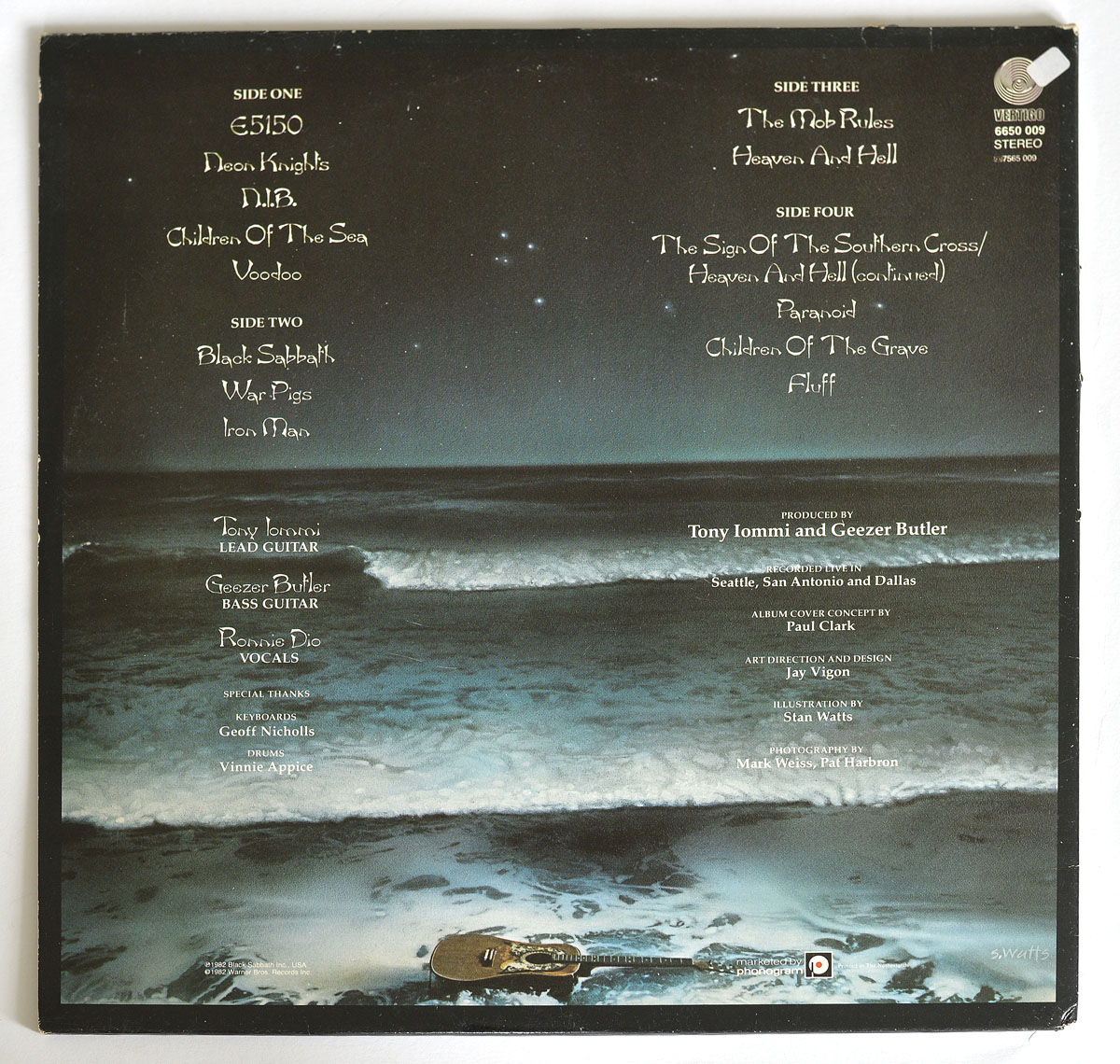
"Live Evil" is a sonic journey through Black Sabbath's rich discography. From the haunting opening track "E5150" to the iconic "Heaven and Hell" and the thunderous "War Pigs," each song resonates with the power and passion of a band at the peak of their live performance prowess.
Tony Iommi's masterful guitar work, Geezer Butler's thunderous bass lines, Bill Ward's dynamic drumming, and Ronnie James Dio's commanding vocals collectively create a sonic experience that captures the essence of Black Sabbath.
Legacy and Influence:
"Live Evil" not only immortalized Black Sabbath's live presence but also solidified their status as one of the most influential bands in the history of heavy metal. The album has stood the test of time, continuing to inspire generations of musicians and fans alike.
Production and Recording Information
The album: "BLACK SABBATH - Live Evil" was produced by:
Tony Iommi and Geezer Butler.
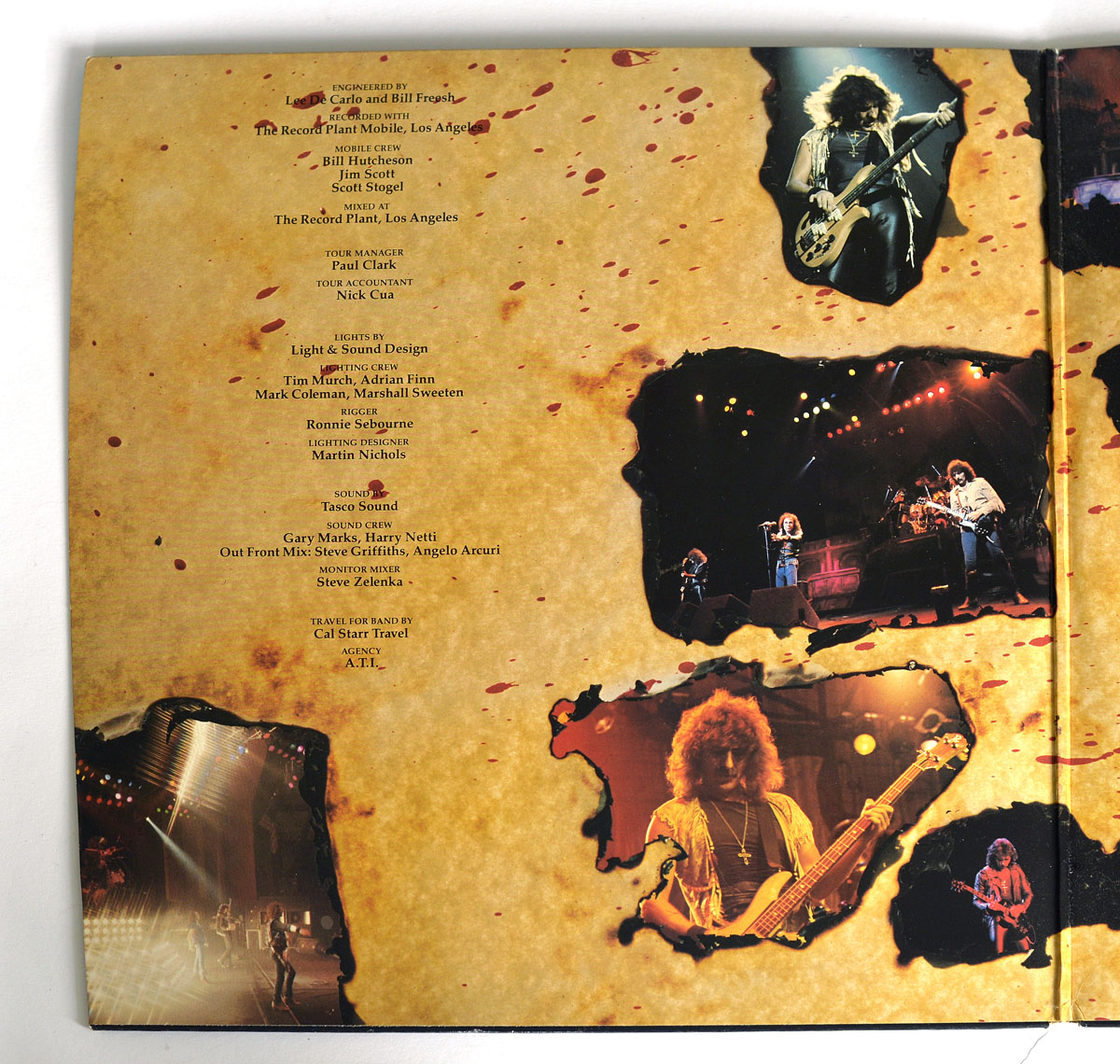
Sound/Recording Engineer(s):
Bill Freesh, Lee De Carlo
This album was recorded at:
live in Seattle, San Antonio and Dallas
Recorded with The Record Plant Mobile, Los Angeles
Mixed at The Record Plant, Los Angeles
Album cover design and Artwork :
Jay Vigon, Paul Clark, Stan Watts
Album cover photography:
Mark "Weissguy" Weiss, Patrick "Flash" Harbron
Mark Weiss – Rock music photographerThe “Weissguy” behind a huge chunk of the 1980s rock image—backstage, on tour, and way too close to the hair spray. Read more...
Mark Weiss, Mark “Weissguy” Weiss is the rock photographer whose images basically taught the 1980s how to pose. His origin story is wonderfully punk: in 1977 he got arrested for selling his KISS photos outside Madison Square Garden, and by June 1978 he’d landed a national splash with a Steven Tyler (Aerosmith) centerfold for Circus—then ended up on staff. In the 1980s, he wasn’t just “covering” bands; he was riding alongside them as a tour photographer for artists like Ozzy Osbourne, Bon Jovi, Mötley Crüe, Poison, Metallica, and Twisted Sister, helping lock in that whole glam-and-guts look while it was still hot and loud. Later on, his lens also tracked bigger pop-culture gravity wells—acts like The Rolling Stones, Madonna, and Wu-Tang Clan—but the heart of the Weiss legend is still that late-’70s-to-’80s run where rock didn’t just sound larger-than-life; it looked like it too.