Rodger Bain was the sharp-eared architect behind the birth of British heavy metal, and I still tip my hat to the way he captured raw volume without sanding off its teeth. Between 1969 and 1971 he produced Black Sabbath’s first three albums, forging that ominous, down-tuned thunder at Regent Sound and Island Studios. In 1970 he also helmed Budgie’s debut, giving Welsh hard rock real muscle. He worked with Judas Priest on “Rocka Rolla” in 1974, steering their early sound before the twin-guitar assault fully ignited. Bain didn’t polish bands—he framed their menace and let the amps breathe fire.
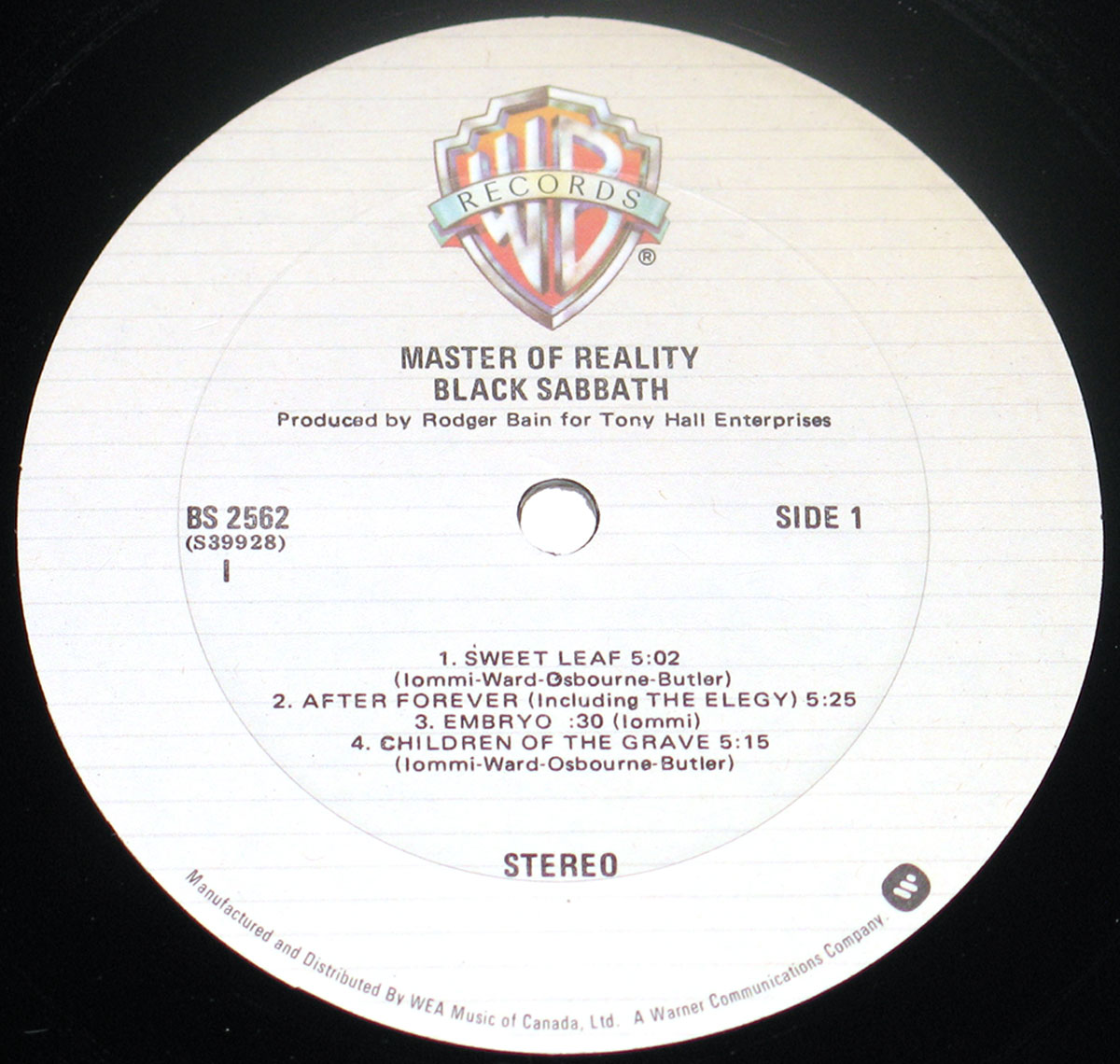
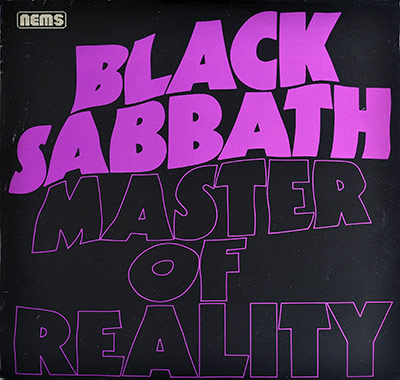
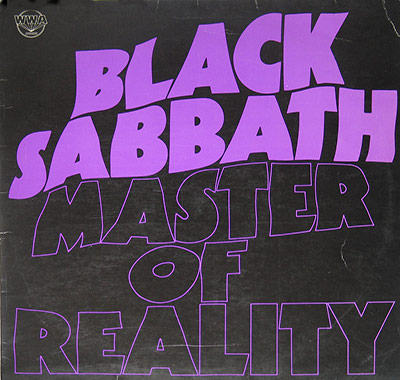
BLACK SABBATH - Master of Reality12" Vinyl LP Album
- Canadian Release
Black Sabbath's "Master of Reality," a cornerstone of heavy metal, resonated deeply in Canada upon its 1971 release. The album's raw power and dark themes mirrored the era's countercultural sentiments. This Canadian perspective explores how the album's distorted riffs, haunting vocals, and controversial lyrics solidified Black Sabbath's iconic status while pushing the boundaries of rock music.
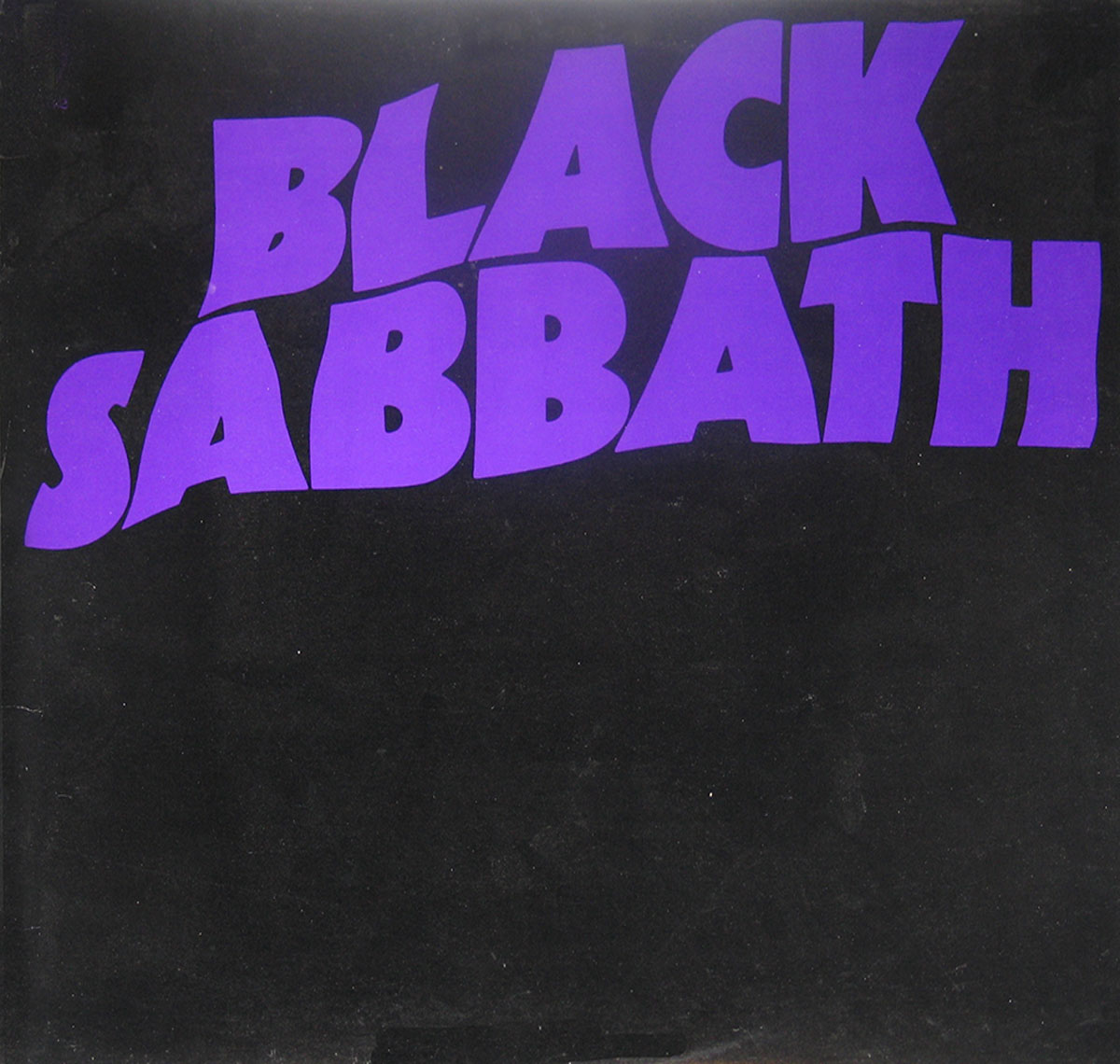
On this page you will find a detailed description of the album BLACK SABBATH - Master of Reality ( Canada ) with large photos of the album cover and record labels and