KISS Band Description:
KISS formed in New York City in 1973, and from day one it felt less like “a band” and more like a moving, smoking logo. You didn’t just listen to them — you watched them. Boots, leather, studs, makeup that looked like it came from a comic book rack, and enough pyro to make any sensible insurance company start crying.
History
The origin story isn’t complicated, it’s just very New York: Gene Simmons and Paul Stanley wanted something bigger than the small-club grind, so they built a loud, visual machine and pulled in Ace Frehley and Peter Criss to complete the first “faces.” Then they hit the stage like they were trying to scare your parents on purpose — fire-breathing, blood-spitting, explosions — the whole beautiful, dumb carnival.
Their self-titled debut, "KISS" (1974), didn’t arrive as instant world domination. “Strutter” came out as a single, but it didn’t chart — which is honestly perfect: KISS didn’t start as a critics’ project or a neat stats story. They grew the old-fashioned way. Night after night. Turning rooms into rumors until the live reputation did the selling.
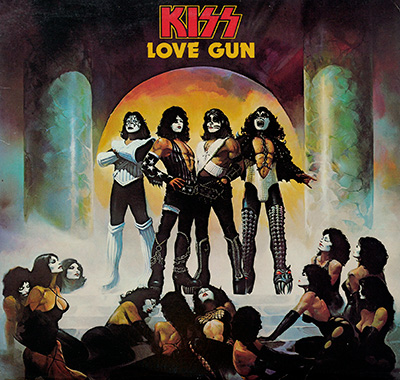
After that, the run of big ’70s titles is the part most people can recite without looking: "Destroyer", "Rock and Roll Over", "Love Gun". Not because every track is sacred, but because the band learned how to aim choruses like bottle rockets: light it, grin, run.
Music
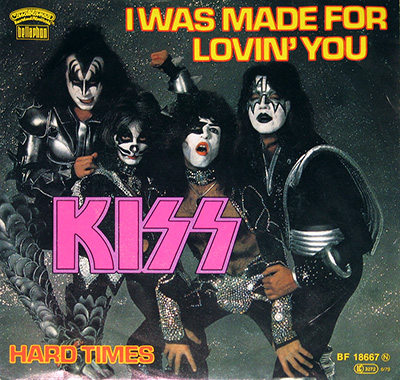
KISS isn’t subtle music. It shoves. Riffs that stomp, choruses that chant, lyrics that don’t pretend to be poetry. “Rock and Roll All Nite,” “Detroit Rock City,” “I Was Made for Lovin’ You” — songs engineered to survive beer, sweat, and bad acoustics. That’s a compliment, by the way.
Impact
The influence isn’t mystical. It’s practical. They proved you could weld theatre to hard rock and scale it to arenas — borrowing some b-movie spark from acts like Alice Cooper, then cranking it into a repeatable formula. And the merchandising? They didn’t “explore” it. They milked it. When a band ends up licensing a literal KISS-branded casket, you’re not watching “pop culture impact.” You’re watching commitment to the bit.
KISS went into the Rock & Roll Hall of Fame in 2014, which feels about right: the suits eventually had to admit the spectacle mattered. Sales numbers get argued about forever — the band is often cited at around 100 million worldwide, while the RIAA certification story in the U.S. is the solid paper trail. Either way, the real point is simpler: KISS didn’t ask to be loved. They showed up loudly enough that ignoring them became a hobby.
References
- Rock & Roll Hall of Fame: KISS (inducted 2014; theatrical influences)
- RIAA: KISS certifications (Gold/Platinum counts; U.S. certification context)
- "KISS" (1974) album page (single releases incl. “Strutter”)
- “Strutter” single page (release as single; chart note)
- LouderSound: early formation context (Wicked Lester era; early lineup)
- KISS Kasket (licensed merchandise)

 KISS - Dressed to Kill