Black Sabbath's History;
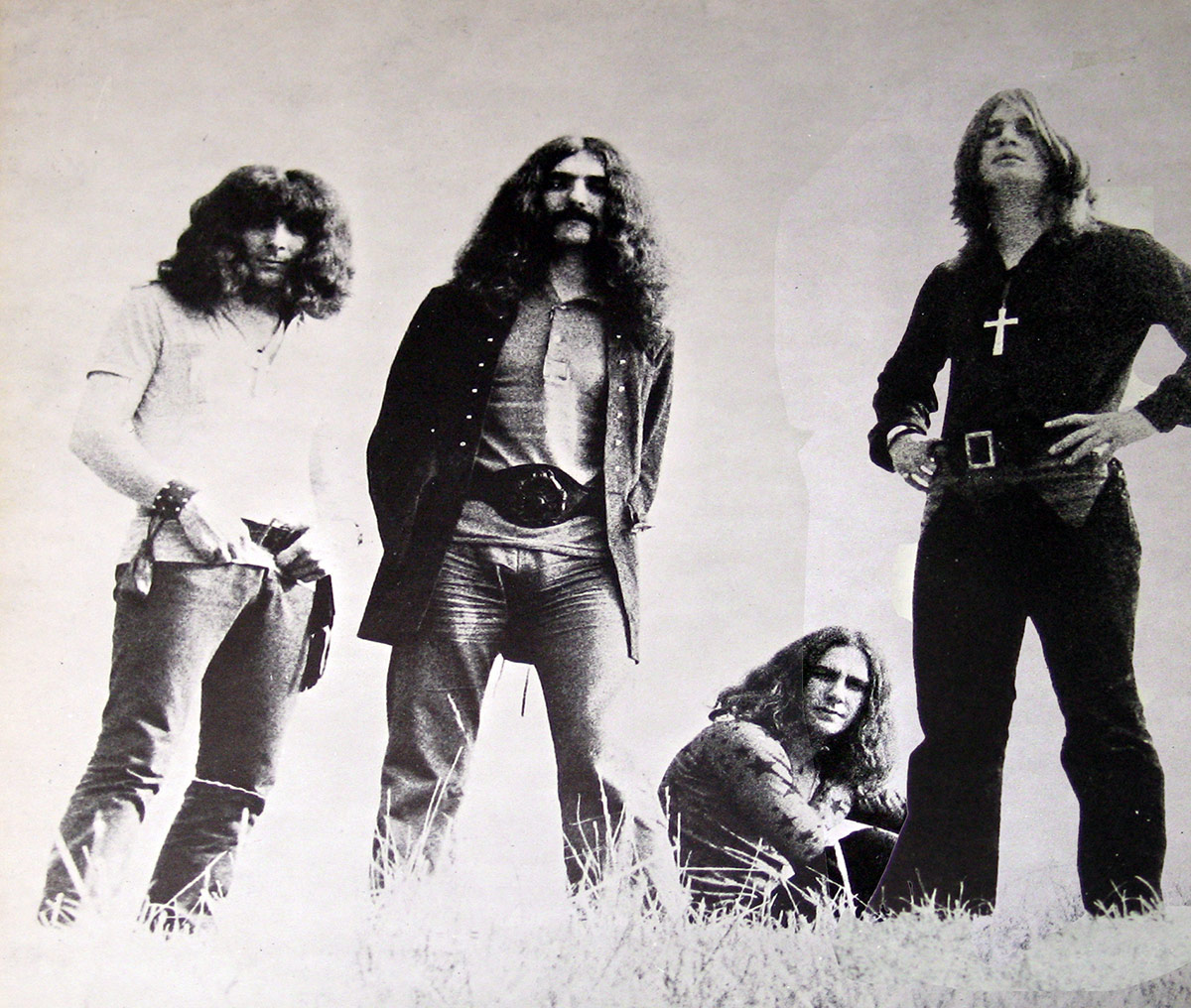
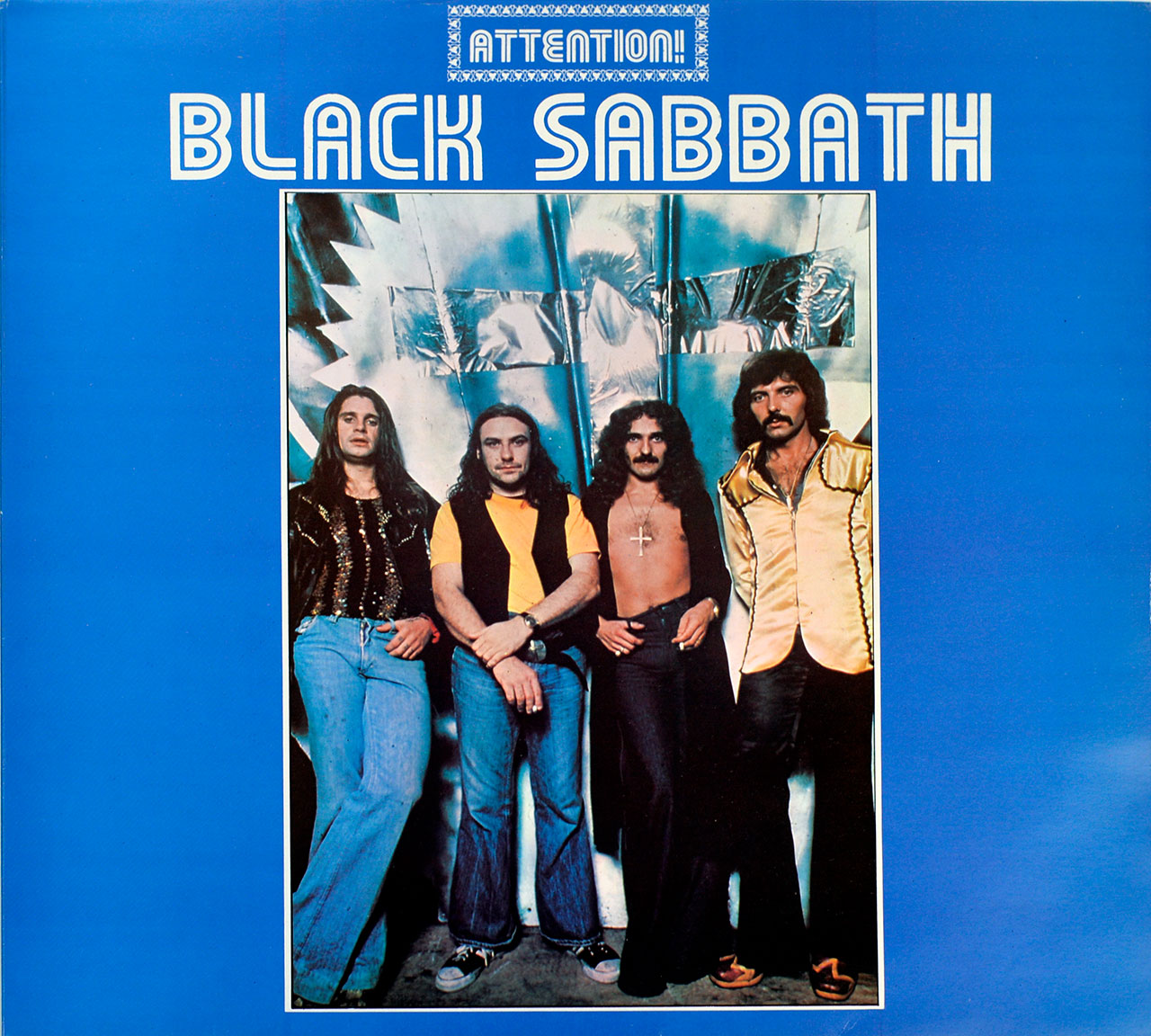
Black Sabbath didn’t “single-handedly invent” heavy metal like some lab-coated genius pulling a genre out of a test tube. What they did was scar the tape so deeply the groove never healed. Four working-class lads from Birmingham—Ozzy Osbourne (vocals), Tony Iommi (guitar), Geezer Butler (bass), Bill Ward (drums)—formed in 1968, knocked around under names like Earth, then took the name Black Sabbath in 1969 and basically handed rock music its first real horror-movie mirror.
They started in the blues-rock mud like everyone else, but they dragged it through a graveyard and came back with boots full of thunder. The riffs got slower, heavier, meaner—less “look how fast I can play” and more “here’s a wall, meet it.” Down-tuned guitars, doom-laden grooves, and lyrics that stared directly at fear, war, death, paranoia, and the occasional occult shadow without doing the cheesy “we summon demons at 3pm” routine.
And Ozzy—man, Ozzy sold it because he sounded like a siren you’d hear right before the lights go out. He’s been crystal-clear about the band’s origin story, too, cutting through the mythology with that uniquely Ozzy blend of honesty and chaos: “We were just four guys from Birmingham who couldn't even write our own names playing raw f***ing music.” That’s the whole thesis right there: not evil masterminds, just noise and nerve and a weird gift for turning anxiety into hooks.
Tony Iommi is the real engine room, though—less “fast and aggressive,” more “industrial and relentless.” After a factory accident cost him the tips of two fingers, he adapted instead of quitting (because of course he did; Birmingham doesn’t do delicate exits). The result was a new kind of riff architecture: thick, blunt, hypnotic, and built to survive. Sabbath riffs don’t show off. They loom.
Their look and vibe helped, sure—dark titles, ominous imagery, that “something’s not right in this room” aura—but the legend gets corny when people act like they were running an occult franchise. Ozzy’s attitude has always been more like: interpret it how you want, just don’t make your paranoia my job. As he put it, “I write the way I think… If you choose to think I'm the antichrist, that's your problem.” That’s not Satanism; that’s a guy shrugging while the world clutches its pearls.
The influence is ridiculous. You can draw a straight (very loud) line from Sabbath’s early records to Judas Priest and Iron Maiden, then to Metallica and Slayer, and onward into every subgenre that ever tried to sound like the end of the world. They didn’t just inspire bands; they taught rock music how to be heavy without being silly—how to make dread feel physical.
They also caught heat constantly—moral panic, religious protest, “think of the children” hysteria—because nothing terrifies polite society like a band that makes fear sound catchy. But Sabbath kept rolling, because the songs were bigger than the controversy. And that’s the sick joke: decades later, the “dark” band is basically a cornerstone of classic rock. The monster moved into the museum, and it still bites.
Black Sabbath's line-ups:
Black Sabbath’s personnel history is basically a haunted house with a revolving door: sometimes it’s the original four staring back at you, sometimes it’s Tony Iommi steering the ship through fog with a new captain yelling at the thunder. Here are the line-ups that actually matter when you’re trying to understand how this beast kept shapeshifting.
-
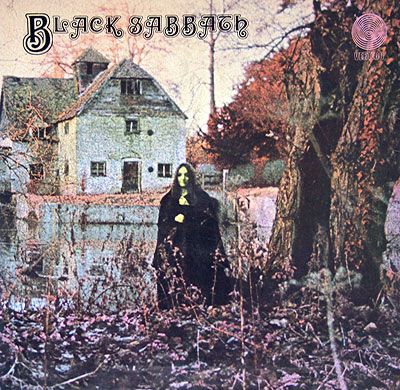
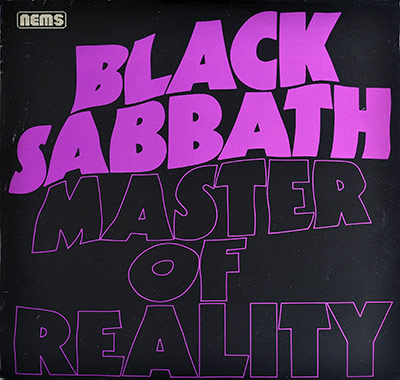
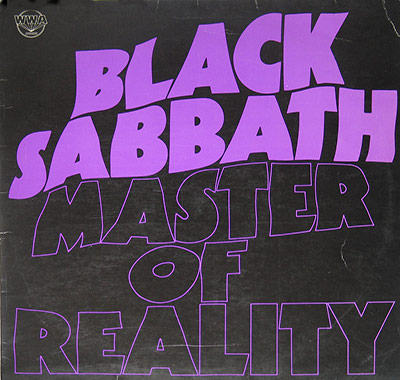
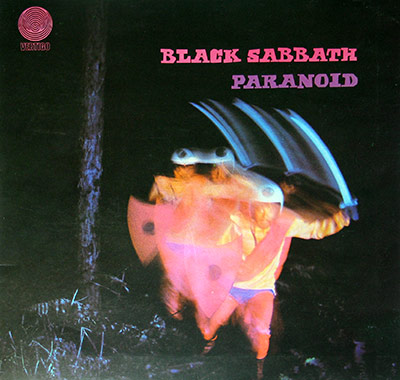
Classic / original quartet (1968–1979): Ozzy Osbourne (vocals), Tony Iommi (guitar), Geezer Butler (bass), Bill Ward (drums). Formed in 1968 (initially under the name Earth), renamed Black Sabbath in 1969, and then proceeded to record the blueprint albums: "Black Sabbath" (1970), "Paranoid" (1970), "Master of Reality" (1971), and more. This is the “invent the weather, then complain about the storm” era.
-
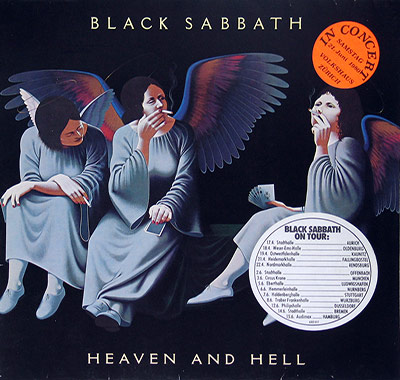
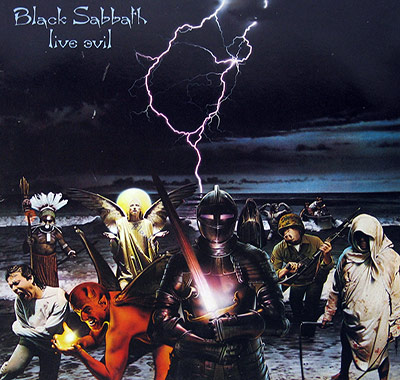
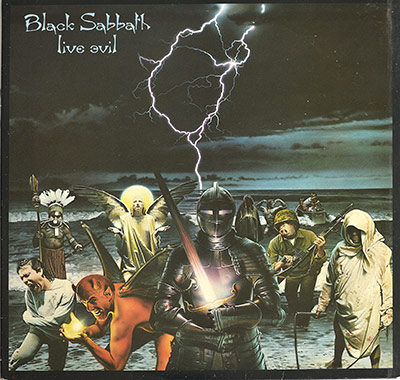
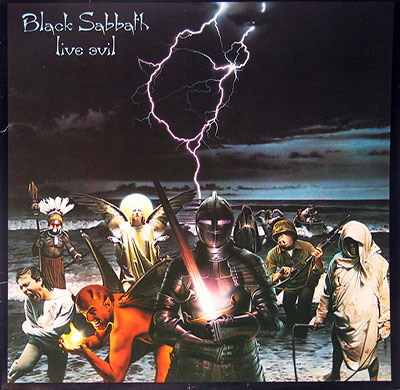
Dio era, first run (1979–1982): Ronnie James Dio (vocals), Tony Iommi (guitar), Geezer Butler (bass), Bill Ward / Vinny Appice (drums). Ozzy was out in 1979; Dio arrived and the band didn’t soften—they got sharper. Key releases: "Heaven and Hell" (1980) and "Mob Rules" (1981). (And yes, live documents like "Live Evil" capture the friction and the fire.)
-
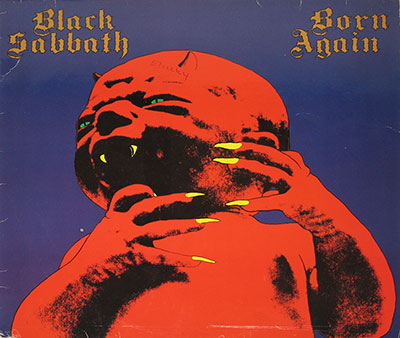
Post-Dio chaos years (1982–1987): Tony Iommi (guitar) remained the constant while singers and drummers changed. The headline chapters: Ian Gillan (vocals) for "Born Again" (1983), then Glenn Hughes (vocals) for "Seventh Star" (1986). Not everyone loves this stretch, but it’s part of the weird alchemy: the Sabbath name surviving while the formula mutates.
-
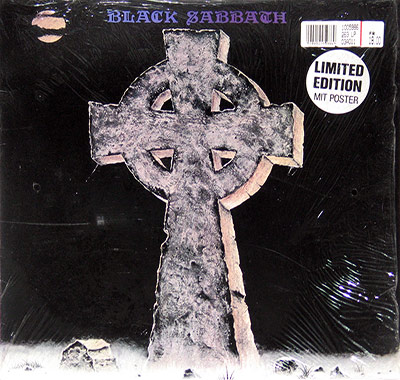
Tony Martin eras (1987–1991, 1993–1997): Tony Martin (vocals), Tony Iommi (guitar), with rotating rhythm sections (including Geezer Butler returning in the mid-90s). Albums like "Headless Cross" and "Tyr" belong to this world—Sabbath as a dark fortress that keeps getting new banners hung on the walls.
-
Dio returns (1991–1992): Ronnie James Dio (vocals), Tony Iommi (guitar), Geezer Butler (bass), Vinny Appice (drums). This lineup made "Dehumanizer" (1992) and sounded like a steel press coming down on the 1990s.
-
Reunions with Ozzy (1997–2006): Ozzy Osbourne (vocals), Tony Iommi (guitar), Geezer Butler (bass), Bill Ward (drums) for key reunion periods—captured on "Reunion" (1998) and onstage across multiple runs. It wasn’t always perfectly stable, but the point was clear: the original chemistry still had teeth.
-
Final chapter as a working band (2011–2017): Ozzy Osbourne (vocals), Tony Iommi (guitar), Geezer Butler (bass), with Bill Ward not participating in the 2010s return. "13" (2013) features Brad Wilk on drums; the farewell "The End" tour (2016–2017) used Tommy Clufetos live. The band played their final full concert in Birmingham on 4 February 2017, then disbanded.
-
One last original-four goodbye (5 July 2025): Ozzy Osbourne (vocals), Tony Iommi (guitar), Geezer Butler (bass), Bill Ward (drums). The benefit farewell show “Back to the Beginning” at Villa Park in Aston was the first time the original lineup played together since 2005—and it was Ozzy’s final live performance. Ozzy had said he’d “jump at the chance” to do one more with Ward behind the kit, because it felt unfinished without him. Seventeen days later, Ozzy Osbourne died on 22 July 2025.