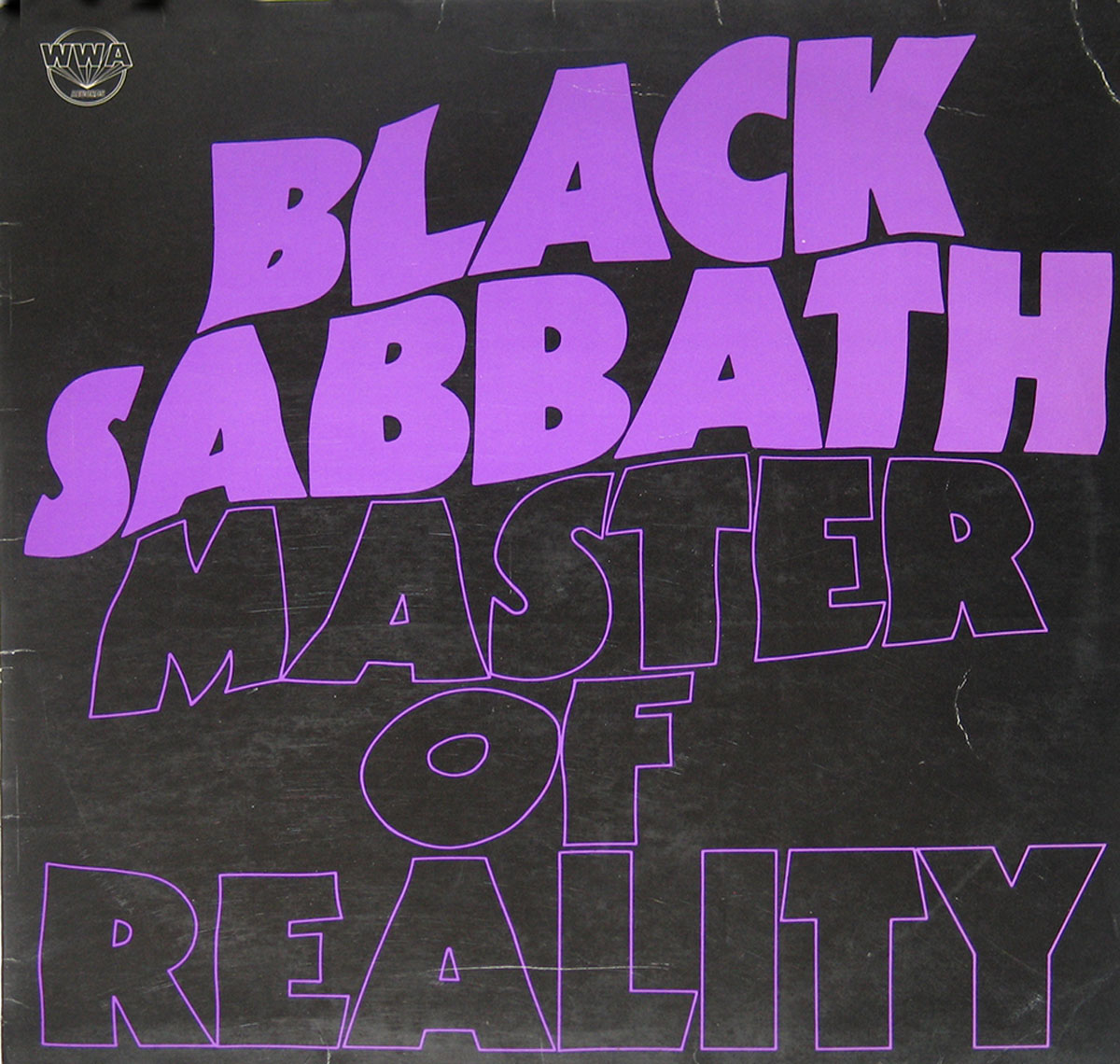
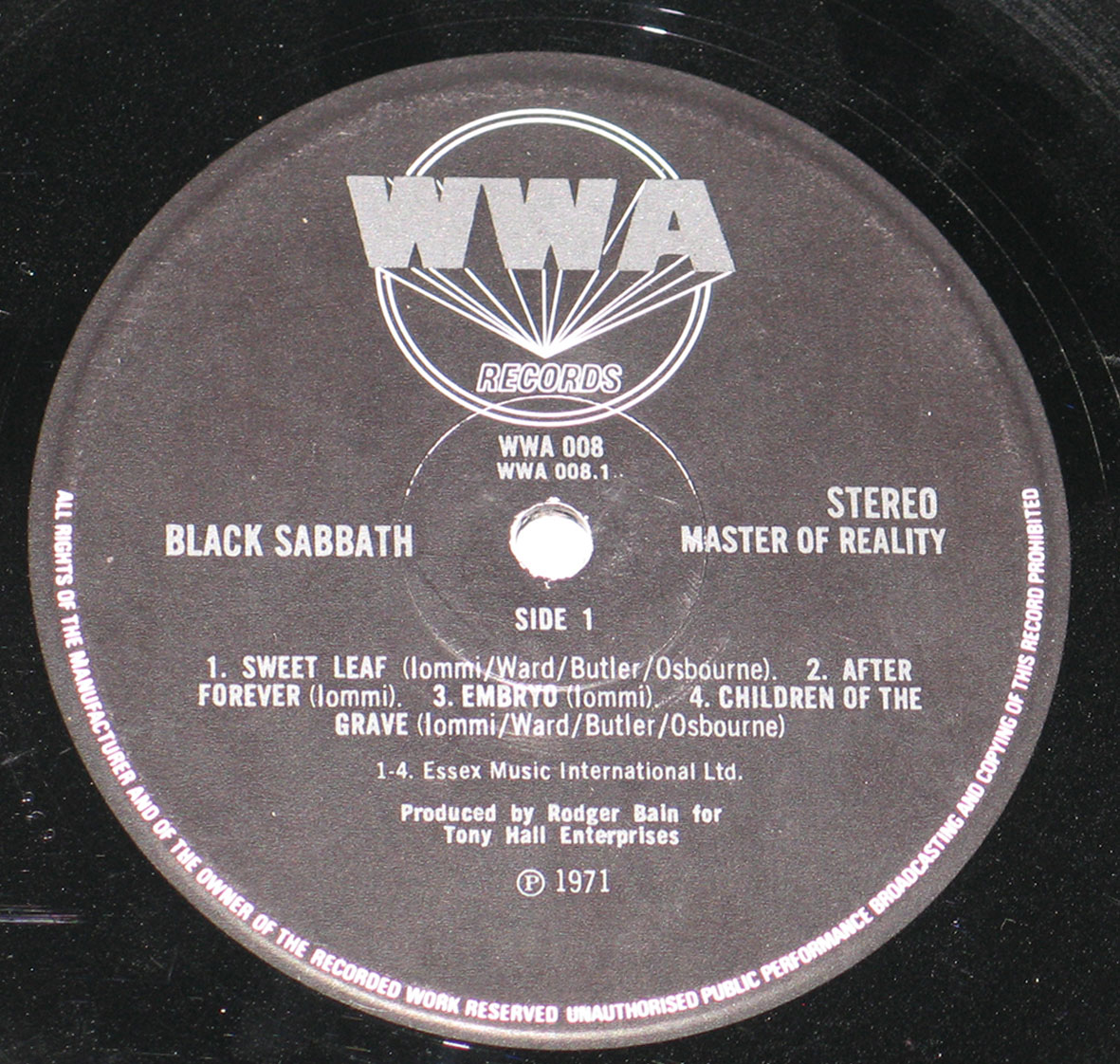
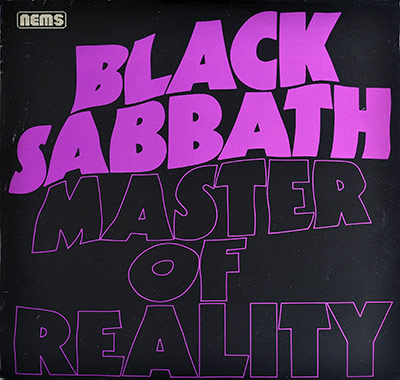
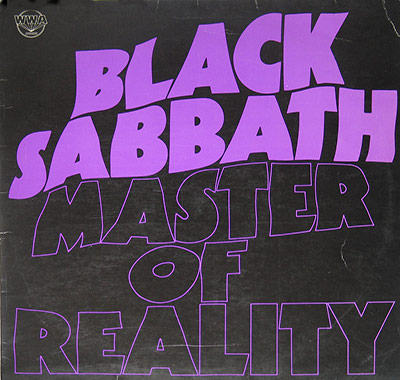
In the heart of the early 1970s, amidst a backdrop of societal upheaval and cultural transformation, Black Sabbath unleashed their third studio album, "Master of Reality." Released in 1971, this seminal work solidified the band's position as pioneers of heavy metal, pushing the boundaries of sound and lyrical content while captivating a generation seeking sonic rebellion.
Historical and Musical Context
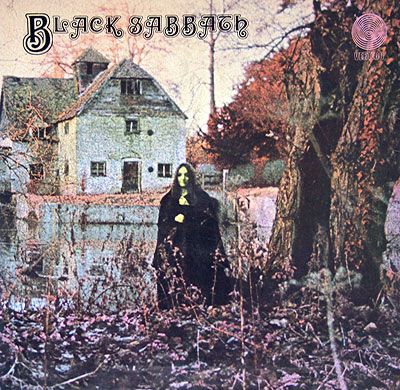
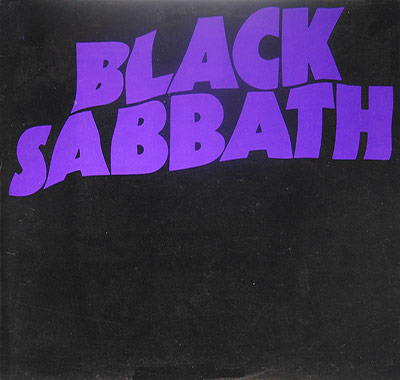
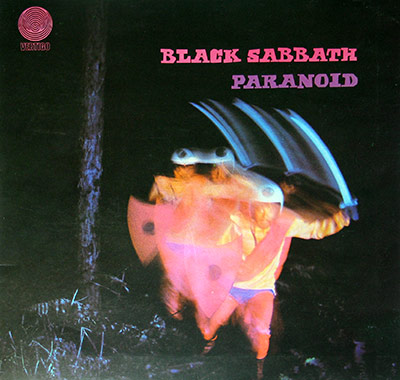
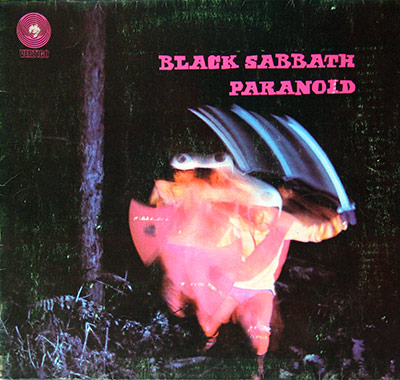
Emerging from the industrial landscape of Birmingham, England, Black Sabbath channeled the bleak realities of their surroundings into their music. The early 1970s was a time of economic uncertainty, political unrest, and a growing countercultural movement. Heavy metal, as a genre, was still in its nascent stages, but Black Sabbath had already established themselves as a force to be reckoned with through their eponymous debut and the groundbreaking "Paranoid" album.
With "Master of Reality," Black Sabbath ventured into darker, heavier sonic territories. The album's sound is characterized by down-tuned guitars, a thunderous rhythm section, and Ozzy Osbourne's haunting vocals. This sonic shift would prove to be a defining moment for the genre, inspiring countless bands to embrace a heavier, more doom-laden approach.
Musical Exploration and Genre
"Master of Reality" delves into themes of drug use, war, religion, and societal disillusionment. Songs like "Sweet Leaf," with its iconic opening cough and sludgy riff, explored the band's experiences with marijuana. "Children of the Grave" addressed the futility of war and the potential for youth-led change. "After Forever" challenged religious dogma, while "Into the Void" touched upon the concept of space travel and escapism.
The album's musical exploration extended to its instrumentation. Tony Iommi's innovative use of down-tuned guitars created a heavier, more ominous sound that would become a hallmark of doom metal and stoner rock. Geezer Butler's bass lines provided a solid foundation for the band's sonic assault, while Bill Ward's drumming drove the music with relentless power.
Production and Recording
"Master of Reality" was produced by Rodger Bain, who had also helmed the band's first two albums. The recording sessions took place at Island Studios in London, a facility known for its cutting-edge equipment and innovative recording techniques.
The production team employed a straightforward approach, capturing the raw energy of Black Sabbath's live performances. The album's sound is unpolished and visceral, a stark contrast to the more polished production values of many contemporary rock albums.
Controversies
As with their previous works, "Master of Reality" attracted its share of controversy. The album's lyrical content, particularly its references to drug use, drew criticism from some quarters. However, the band remained unapologetic, arguing that their music was a reflection of their own experiences and the realities of the world around them.