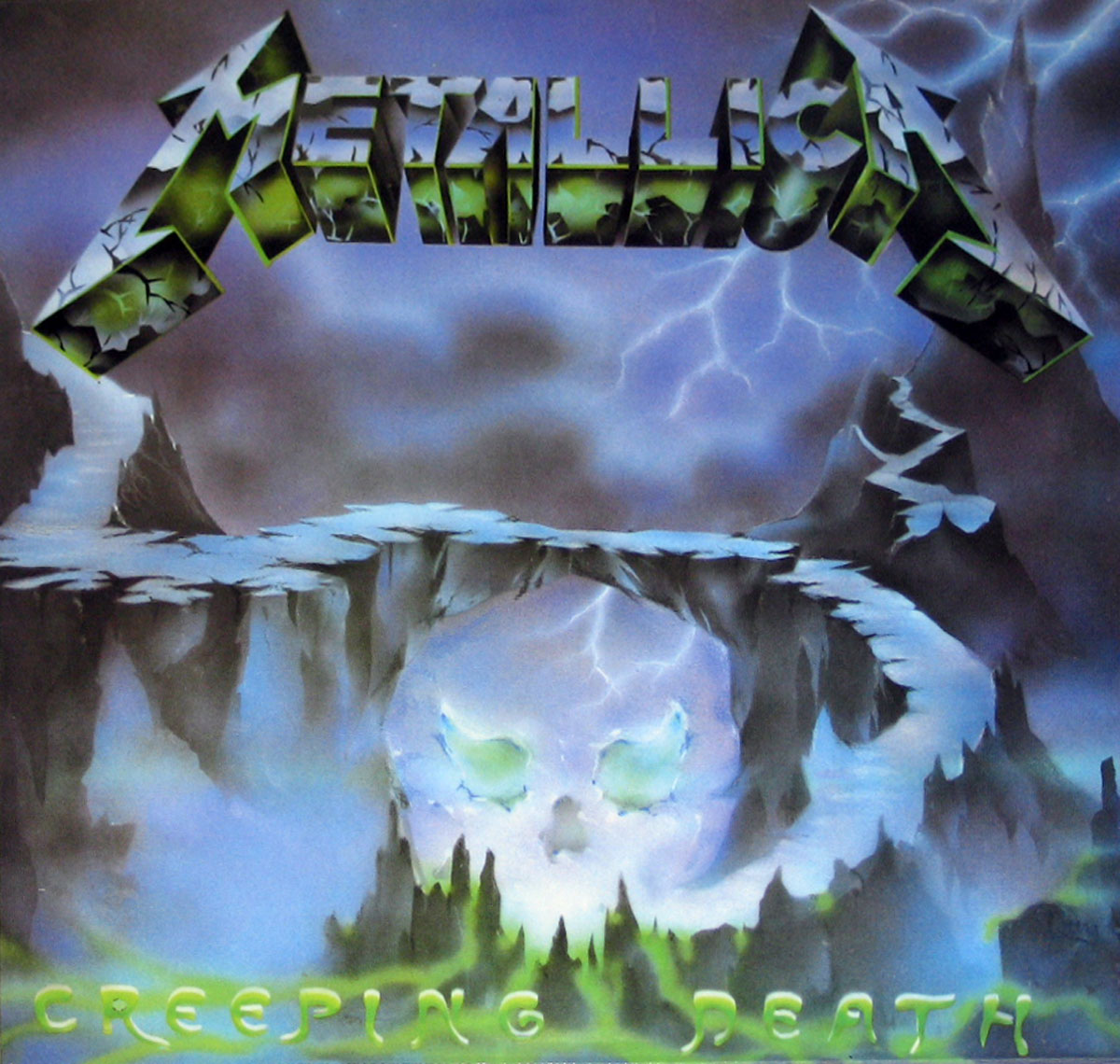
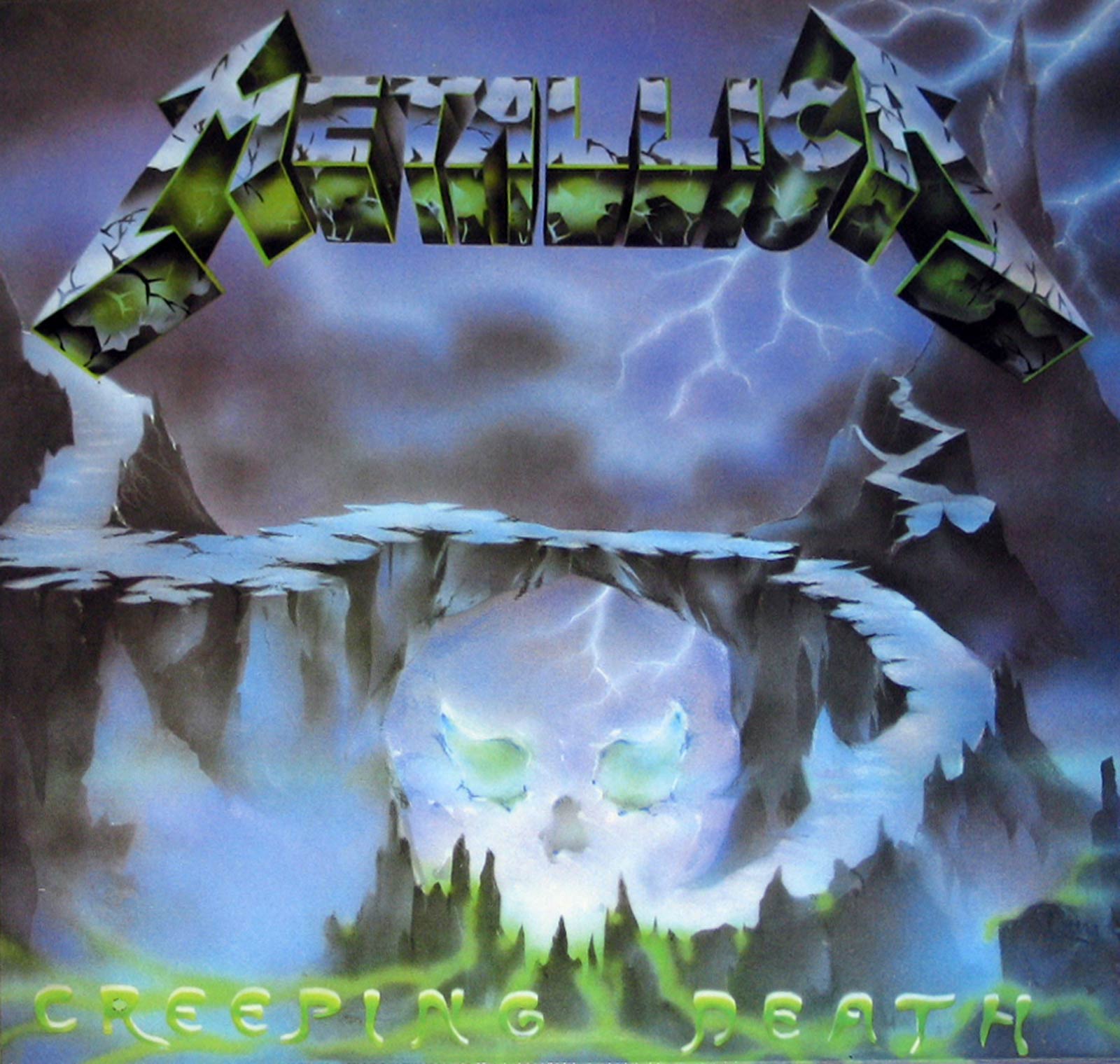
"Creeping Death" (1984) Album Description:
Metallica dropped this 12" like a dare: here is thrash metal, not as a niche-speed hobby, but as a disciplined riot with hooks sharp enough to draw blood. Released on 23 November 1984, it turns one song from Ride the Lightning into a whole mood board for the genre at its first real growth spurt. The title track rides a marching-riff engine that never stops accelerating, while still leaving room for that crowd-magnet chant where everybody becomes the band for ten seconds.
1984: America, Volume Up
In the U.S., 1984 is Reagan-era glare: Cold War dread, TV patriotism, and a youth culture that could smell hypocrisy from three suburbs away. Metal was splitting into tribes fast, and thrash was the mutant child of punk speed and NWOBHM muscle, built for kids who wanted their music to sound like the world felt. This release lands right in that moment when underground intensity starts learning how to punch with precision instead of just flailing.
Thrash Metal: Speed With a Brain
Thrash in 1984 is still being defined in real time: not quite the satanic theater of later extremes, not the hair-sprayed party either, but a high-velocity argument with rhythm. The riffs snap like sheet metal, the drums push like a chase scene, and the vocals bark with that half-sneer, half-command tone that says, "I dare you to look away." Around the same year, you can hear fellow travelers carving the same tunnel: Anthrax sharpening their New York bite, Slayer cranking the horror and speed, and Bay Area bands like Exodus circling the same bonfire.
The Title Track: A Plague With a Groove
"Creeping Death" takes a biblical disaster and turns it into a sprinting, clenched-fist anthem, written from the perspective of the Angel of Death and staring straight at the tenth plague of Egypt. That’s not "conceptual" in a prog-rock way; it’s visceral storytelling that fits thrash perfectly, because thrash loves pressure and consequences. The riffing is lean but dramatic, and the chorus is engineered to become a public event.
"DIE!" doesn’t feel like a lyric here. It feels like a roomful of people briefly agreeing on one loud truth.
Side B: Where the Roots Show
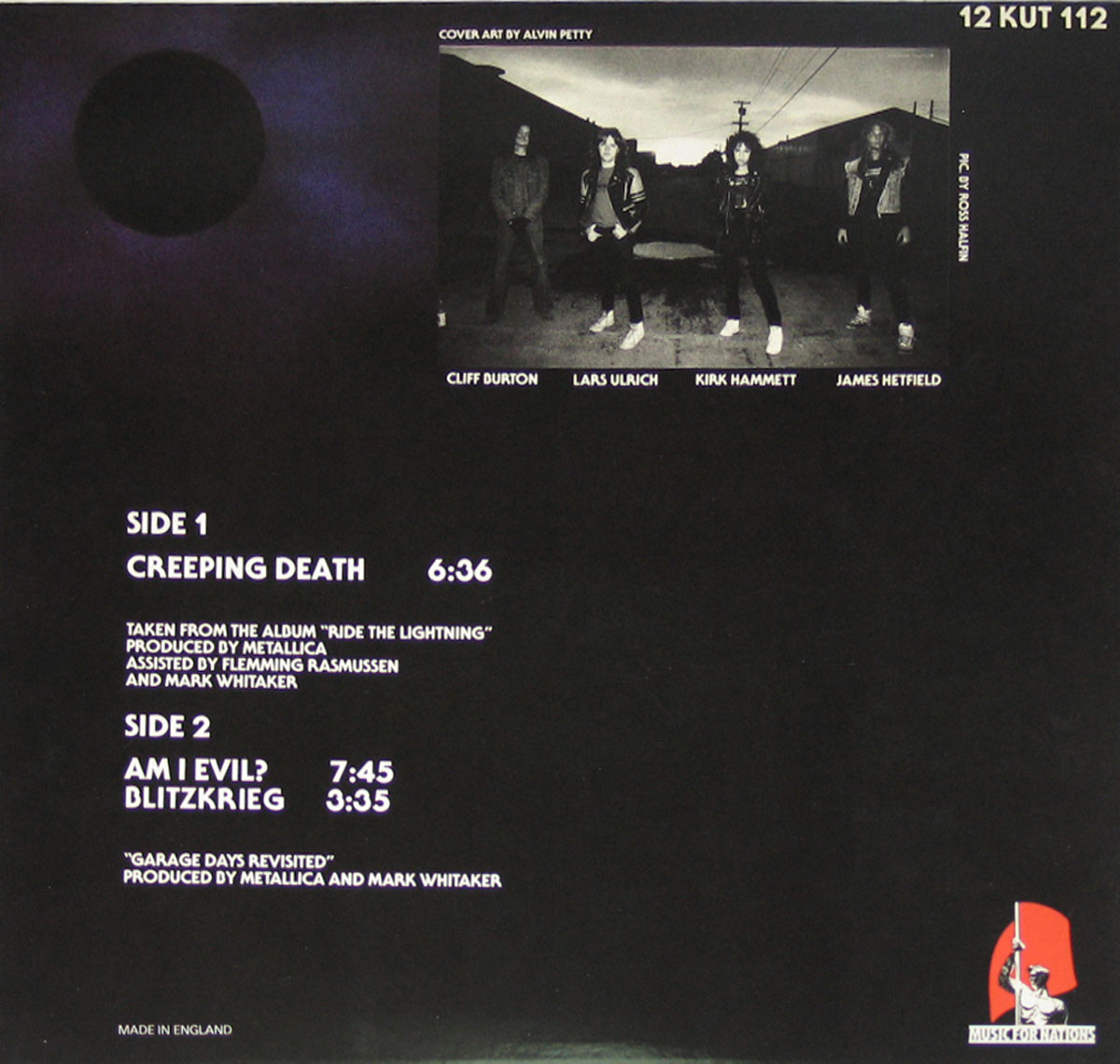
Then it swerves into covers, and the whole thing gets sneakily educational. "Am I Evil?" is Diamond Head swagger dragged into the pit and taught to run faster, and "Blitzkrieg" is pure NWOBHM adrenaline with the edges sharpened. Metallica aren’t hiding their influences; they’re weaponizing them, proving thrash didn’t spawn from nowhere, it evolved with intent.
Key People and the Band at This Exact Moment
The lineup here is the classic mid-80s strike team: James Hetfield, Lars Ulrich, Cliff Burton, and Kirk Hammett, with Hammett having replaced Dave Mustaine in 1983. That matters because you can hear a band that has stopped being a scrappy bar-fight and started becoming an organized demolition. Production-wise, Flemming Rasmussen and Metallica keep the sound tight and aggressive, like every instrument is in the same room but nobody’s allowed to get lazy.
Release Friction and the Kind of Trouble Metal Attracted
The "controversy" around a release like this in 1984 wasn’t usually a single headline, it was the ambient panic: violent imagery, apocalyptic storytelling, and speed that parents and moral watchdogs heard as a threat. Even without explicit lyrics, the intensity alone got metal treated like a cultural crime scene, and thrash was the loudest suspect. Metallica’s move was simple: lean in, play faster, and let the music make the case.
Quick Context Snapshot
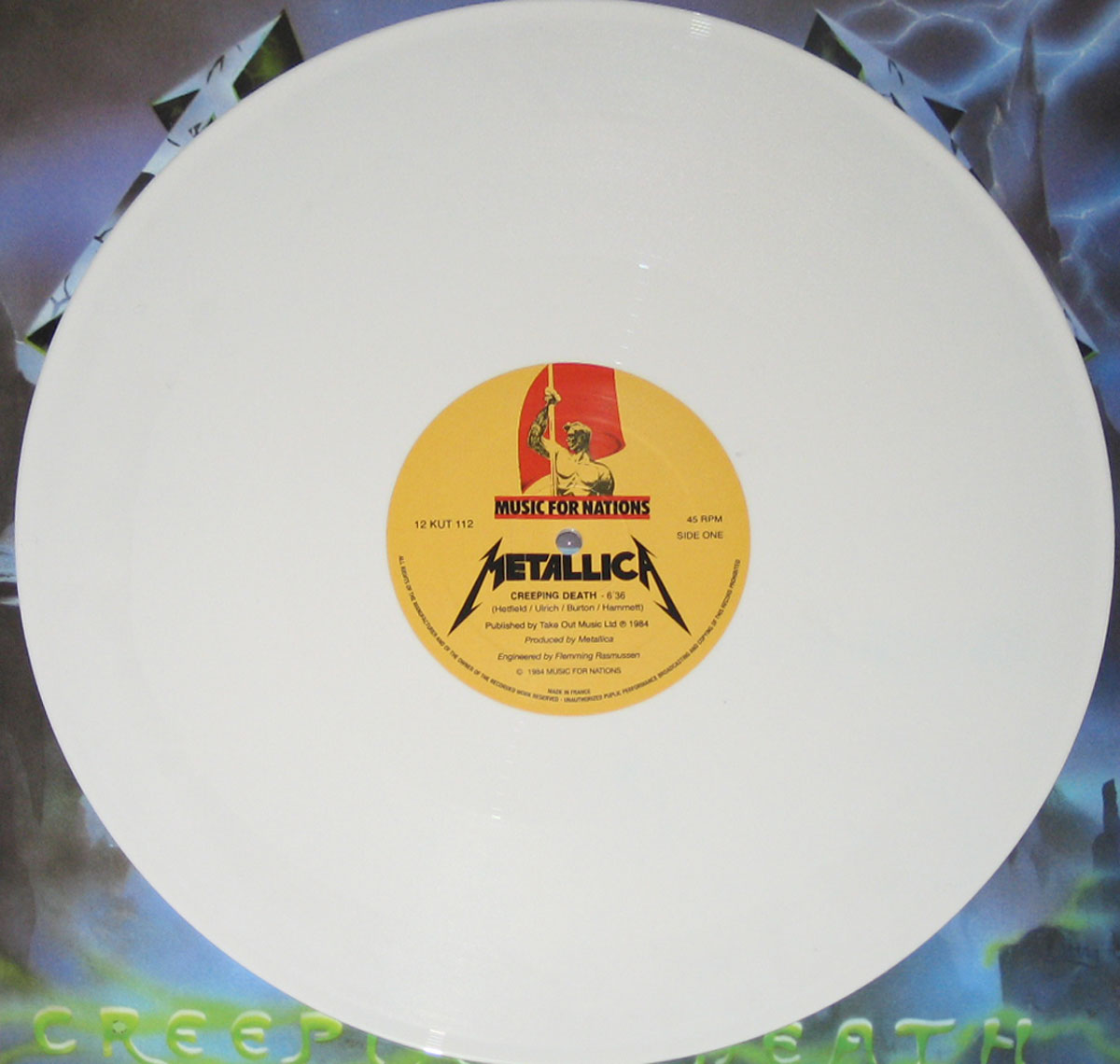
- Release: 23 November 1984 (12" EP/single configuration in Europe via Music For Nations)
- Core sound: thrash metal built from punk speed + NWOBHM riff-craft
- Standouts: "Creeping Death", plus covers "Am I Evil?" and "Blitzkrieg"
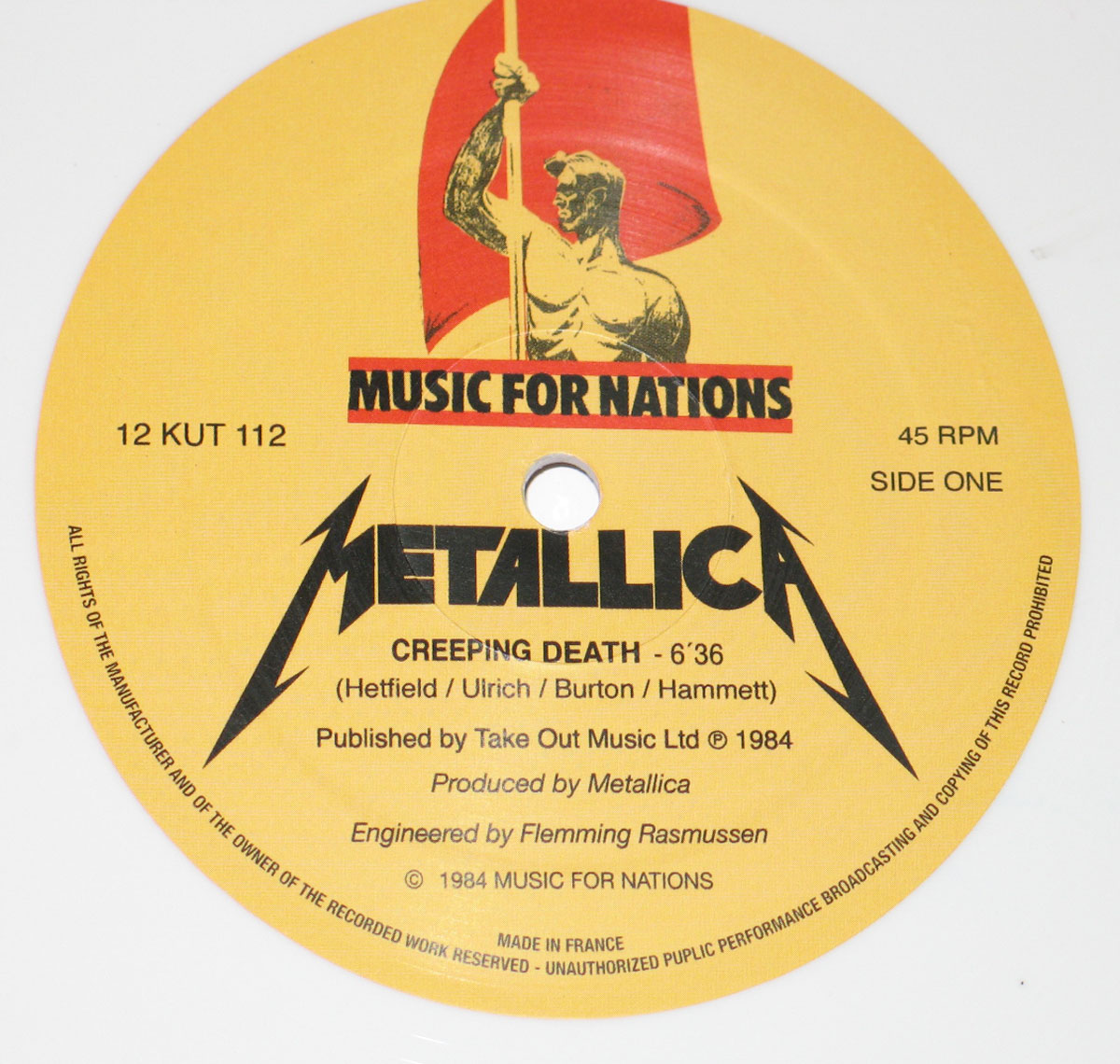
- Key names: Metallica (production), Flemming Rasmussen (engineering/production)