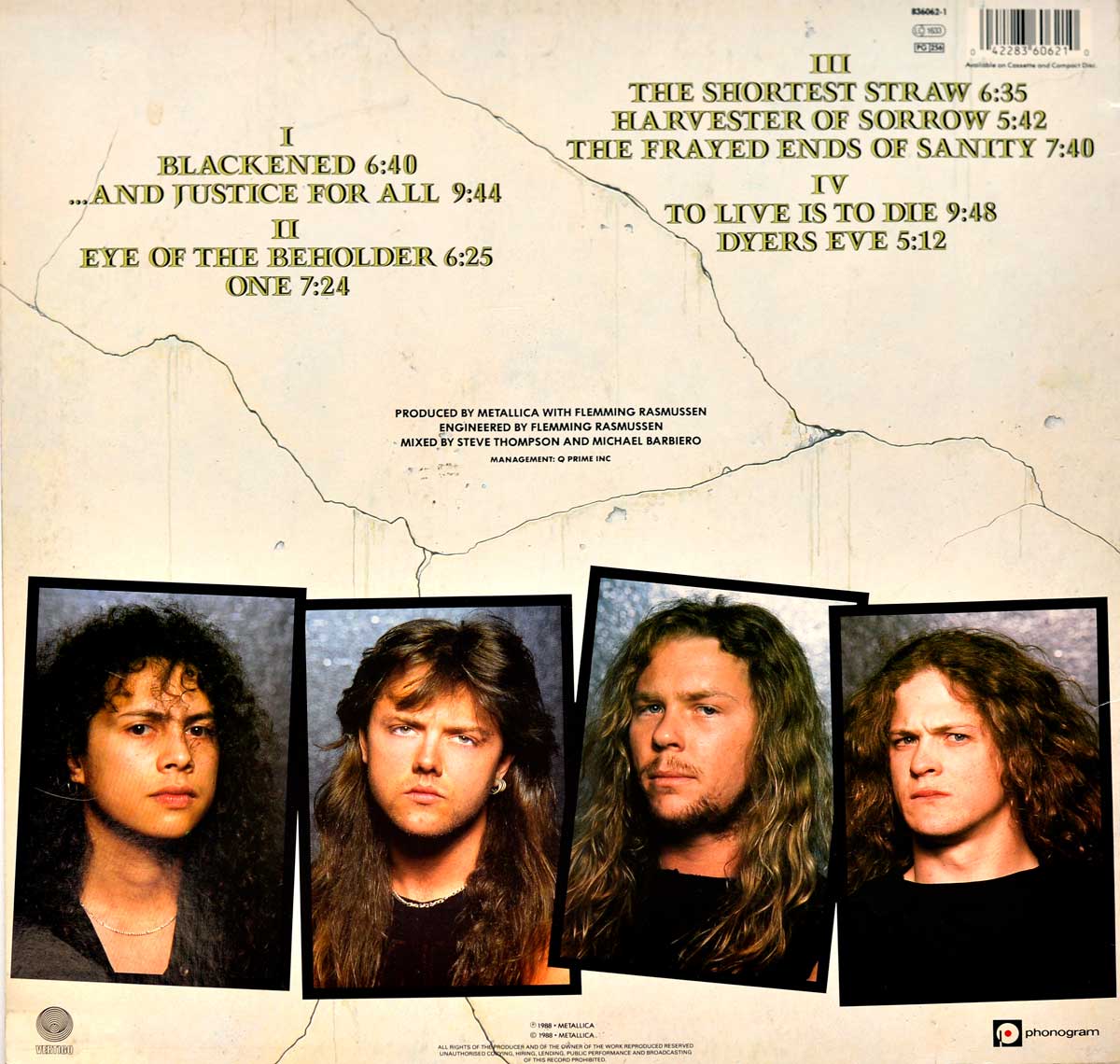
Flemming Rasmussen is one of those behind-the-glass names I keep spotting like a quality stamp: a Danish producer and sound engineer, and the founder of Sweet Silence Studios in Copenhagen. His timeline reads like a metal history syllabus I actually want to study: Rainbow (1981), then Metallica (1984–1988: Ride the Lightning, Master of Puppets, ...And Justice for All), followed by Artillery (1990), Morbid Angel (1993), Blind Guardian (1995–1998), Ensiferum (2003–2004), and Evile (2007). He even won a Grammy for producing Metallica’s "One" (1989), which is kind of hilarious when you remember that song is basically anxiety with military boots on.
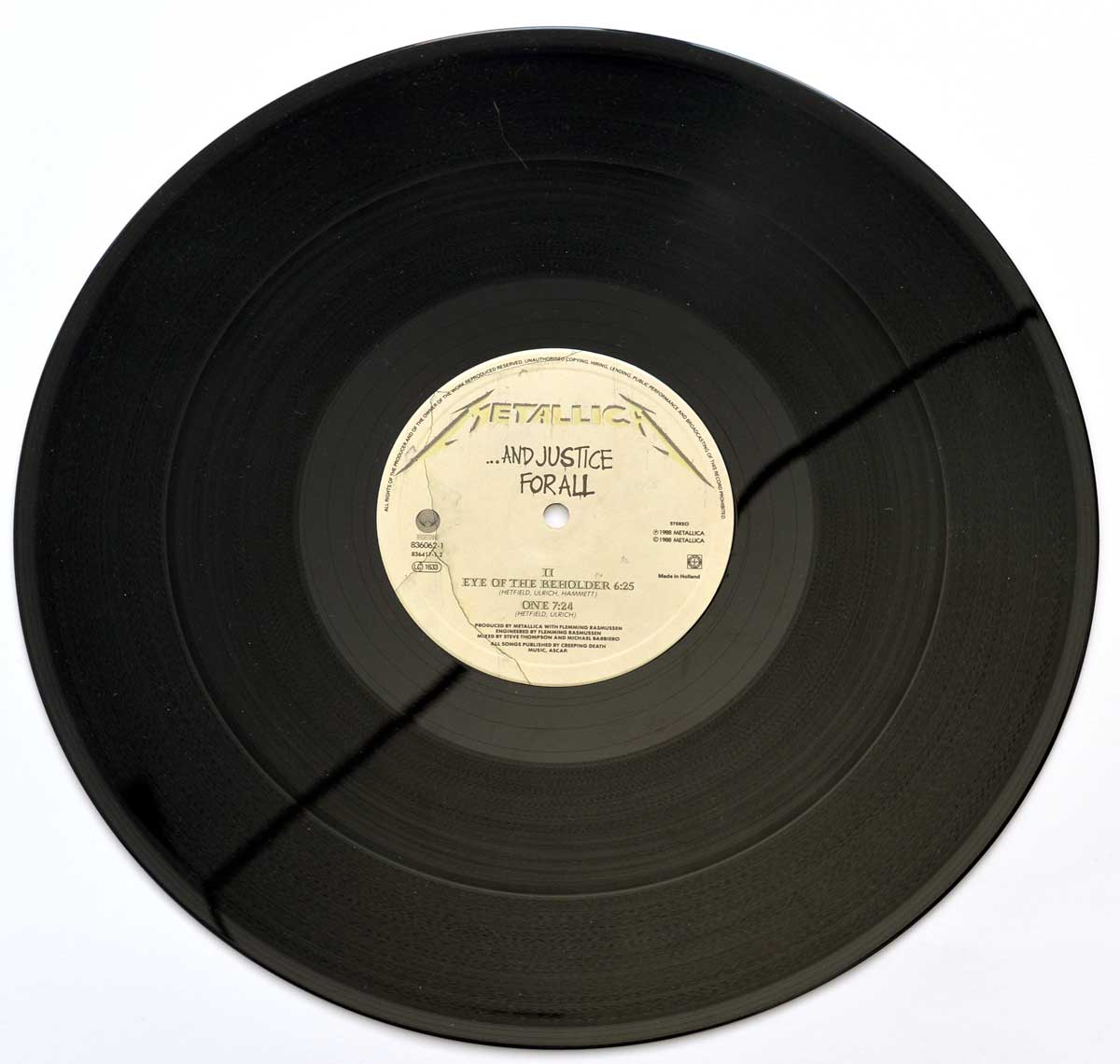
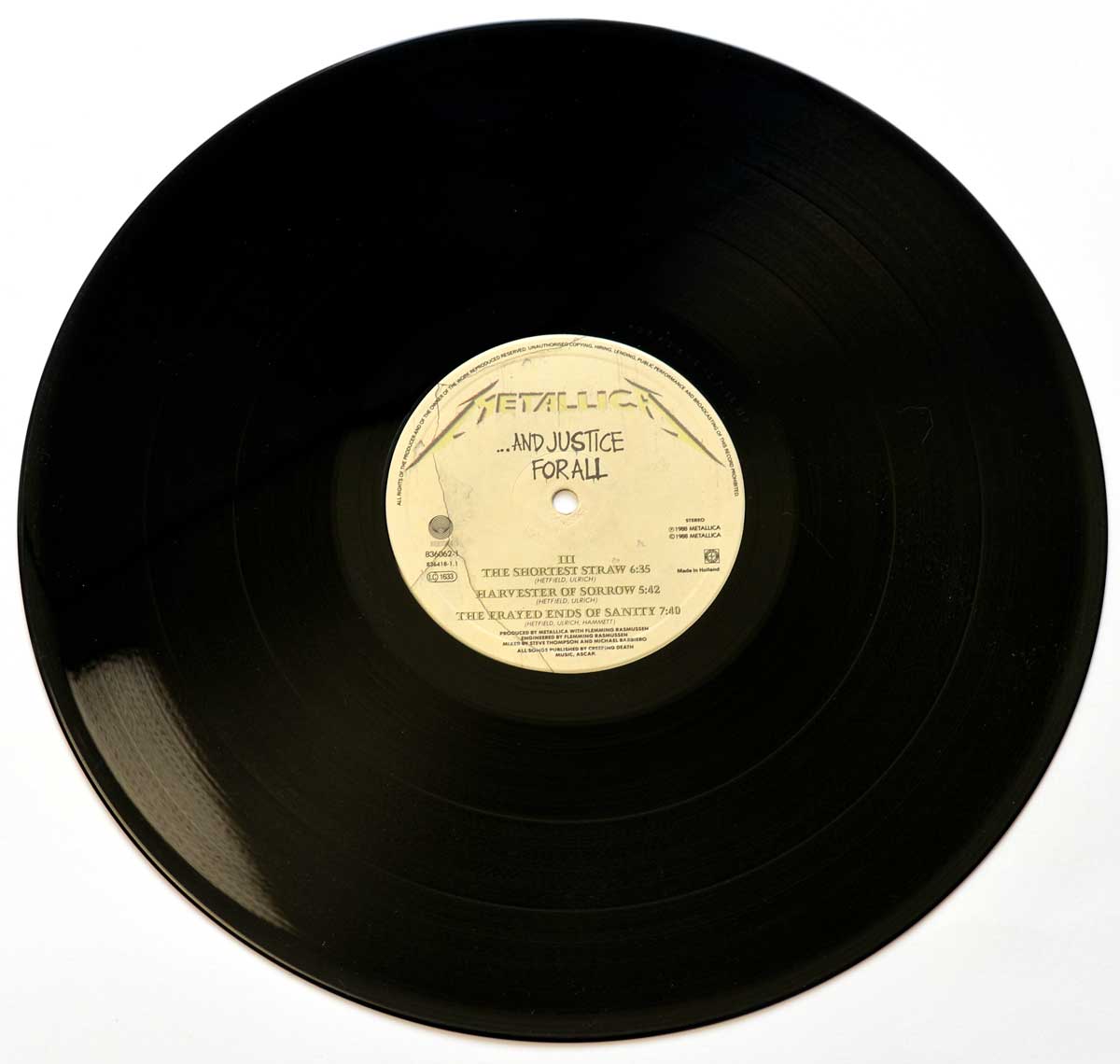
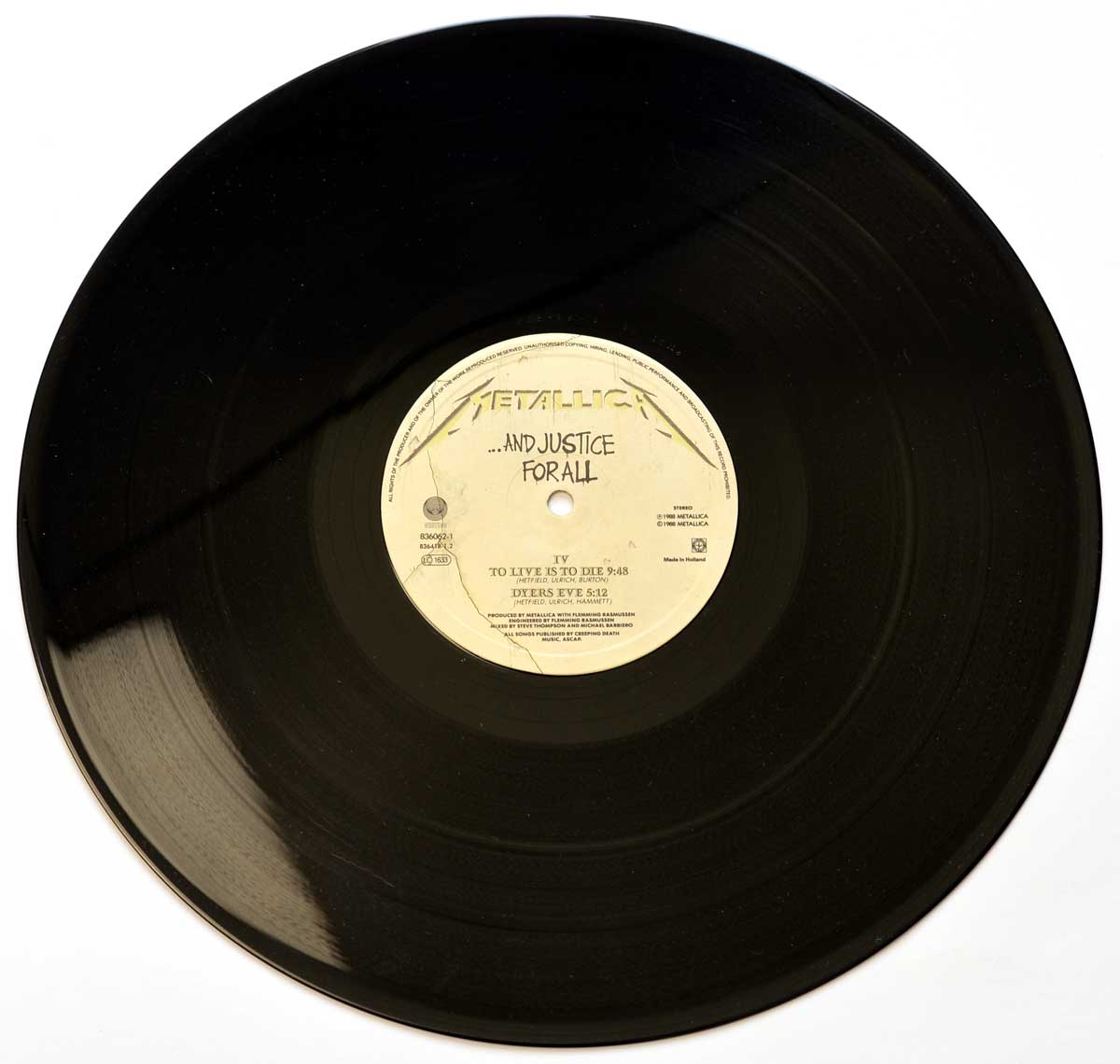
METALLICA - And Justice For All 12" DLP/2LP ALBUM VINYL
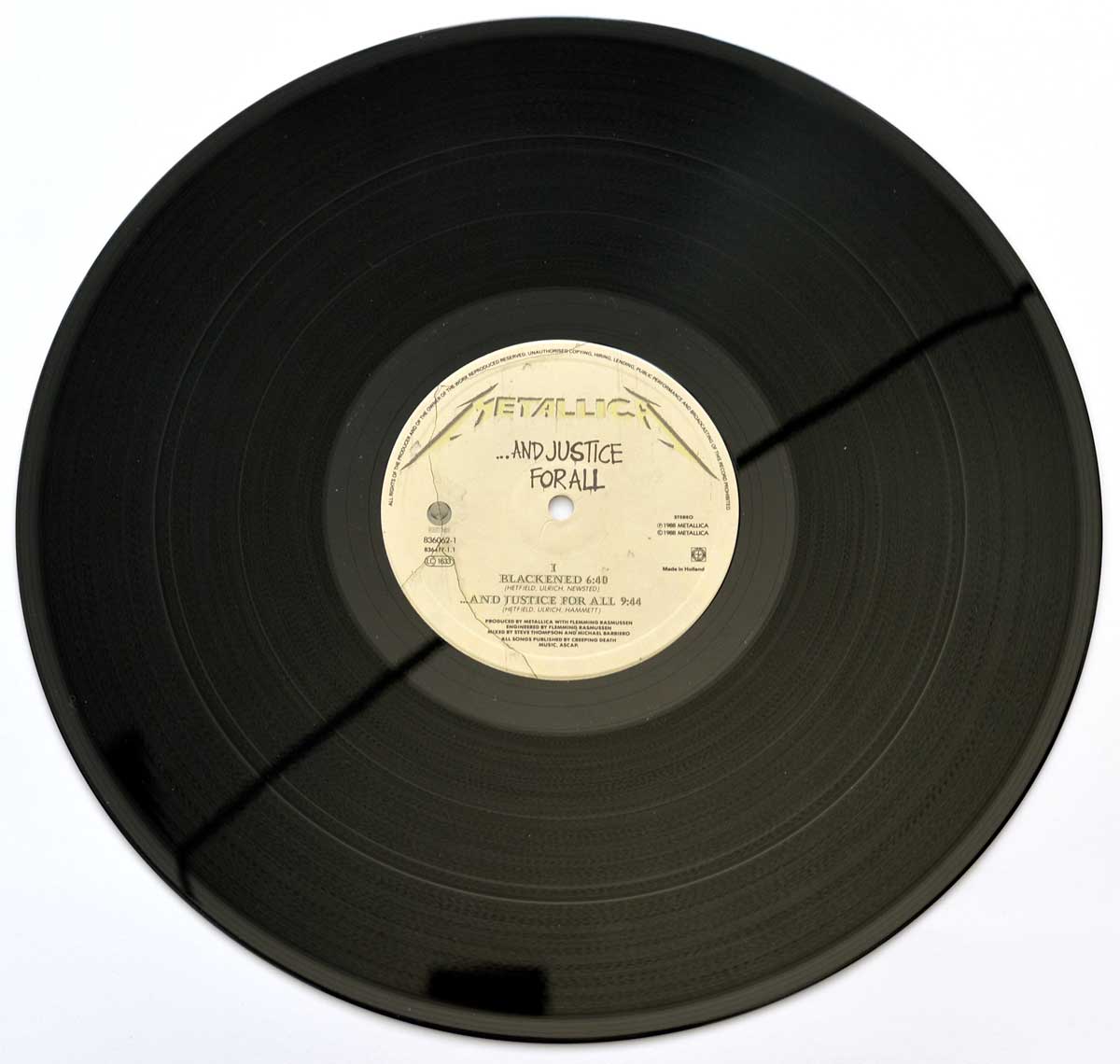
- 1988 Netherlands Release
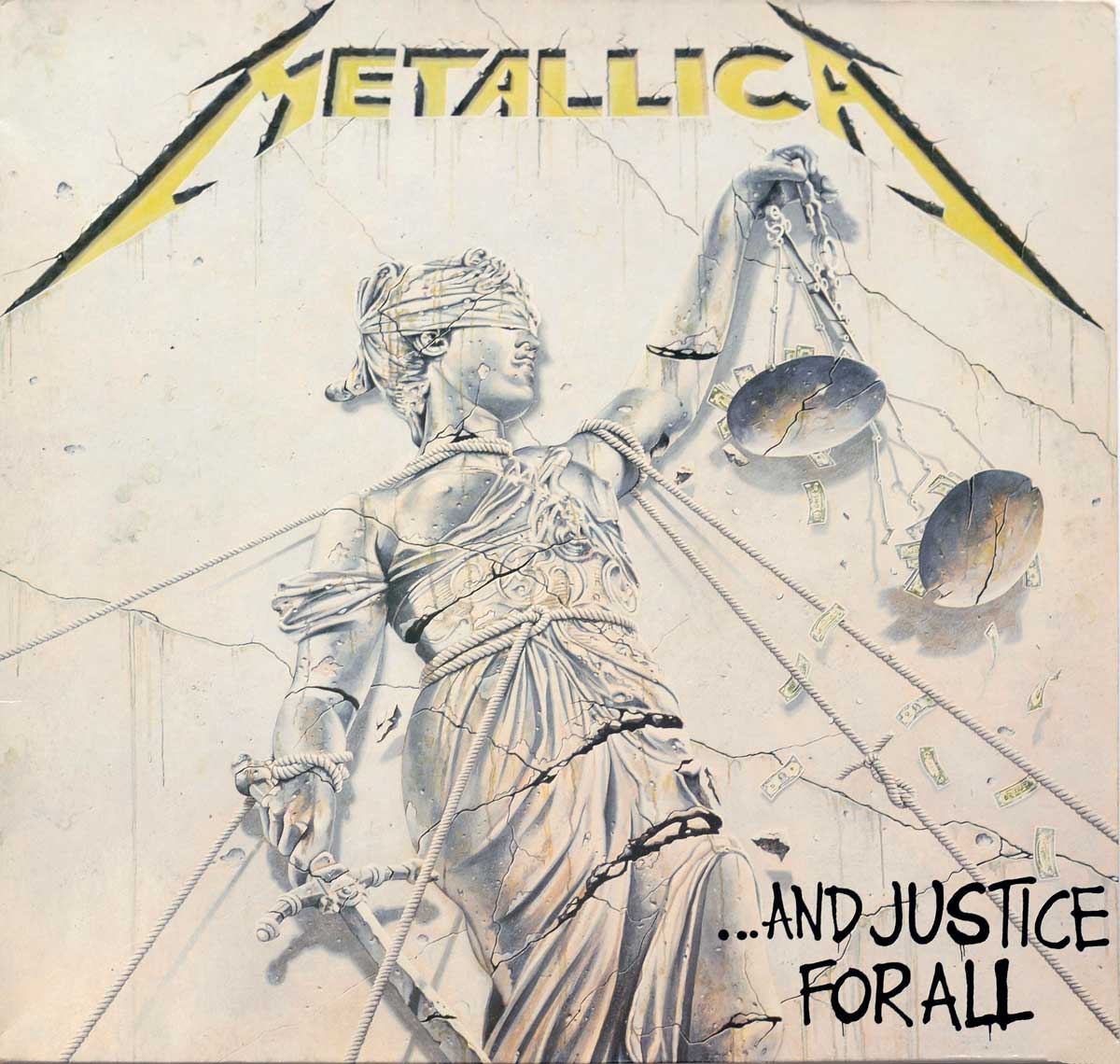
And Justice for All" is the fourth studio album by the American heavy metal band Metallica, released on 25 August 1988. The album was a commercial and critical success, reaching No. 6 on the Billboard 200 and being certified 8x platinum in the United States.
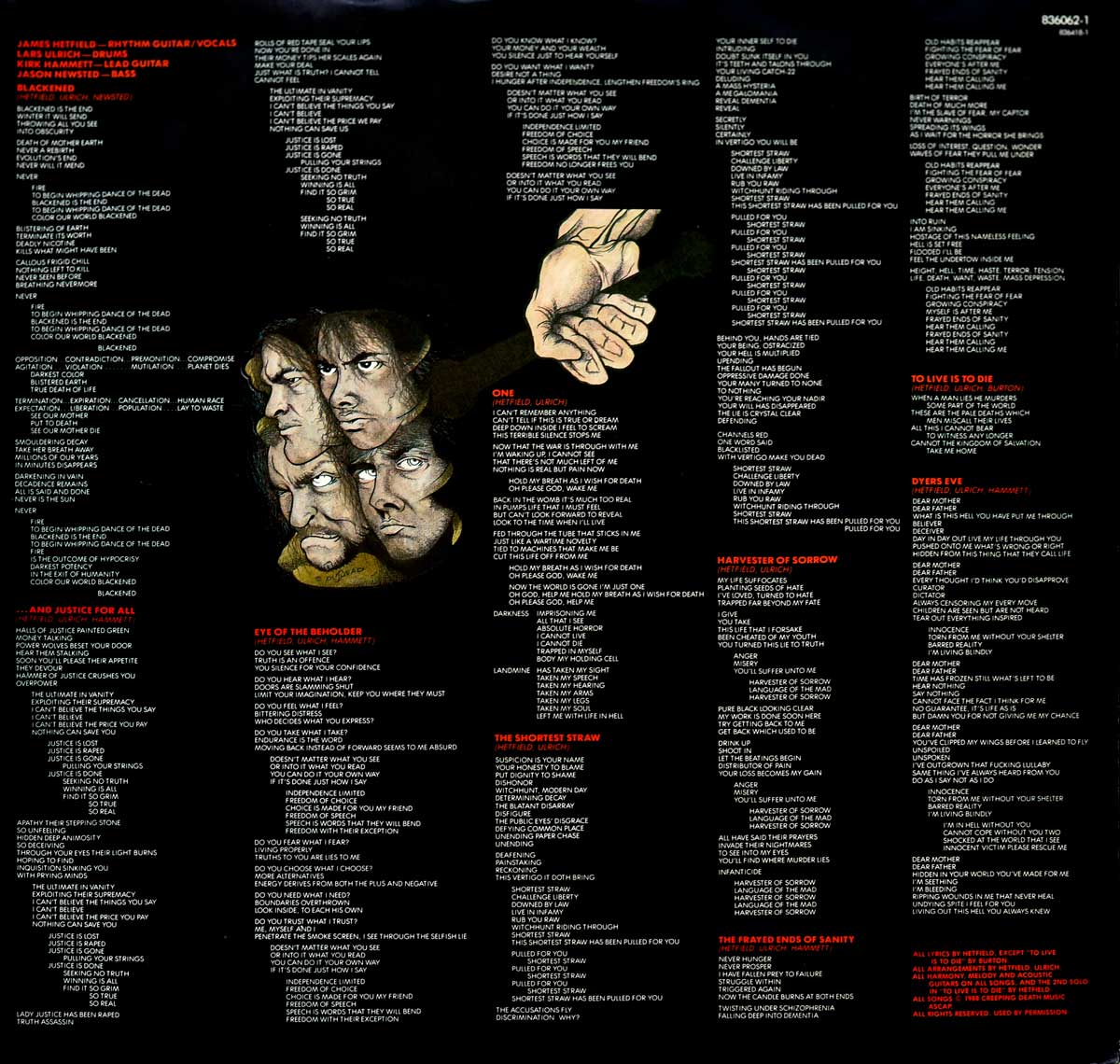
The album features several of the band's classic tracks, including "Blackened", "One", and the title track "And Justice for All". The album's cover artwork, featuring a statue of Lady Justice with her scales removed and her blindfold partially lifted, has become an iconic image for the band and heavy metal culture.
However, the album is also notable for its controversial production, as the bass guitar is barely audible in the final mix. This was a creative decision made by the album's producer, Flemming Rasmussen, but it has been criticized by fans and the band members themselves. Despite this, "And Justice for All" is still regarded as an important and influential album in the heavy metal genre, and continues to be a staple of Metallica's live performances.