Frank Zappa Musical Career:
Frank Zappa wasn’t “unconventional.” That word is what people use when they’re trying not to admit they’re a little intimidated. He wrote like a composer, played guitar like he had a grudge, and ran bands the way a picky film director runs a set: nobody relaxes, everybody delivers.
He could be hilarious, mean, precise, childish, brilliant, and exhausting—sometimes in the same 16 bars. That’s the charm. Also the warning label.
I always picture his music like a cluttered workbench: doo-wop scraps on one side, greasy rhythm & blues on the other, and a stack of 20th-century “serious” composition in the middle, daring you to pretend you don’t hear it. He didn’t “blend genres.” He shoved them into the same cramped van and locked the doors.
The Mothers of Invention weren’t a tidy band so much as a revolving door of overqualified weirdos. When it worked, it sounded like discipline dressed up as chaos. When it didn’t… well, Zappa rarely cared if you were comfortable.
By 27 June 1966, the first big punch lands: "Freak Out!"—a double debut on Verve, produced (on paper) by Tom Wilson. It sat there grinning at pop culture, poking it with a stick, and then setting the stick on fire for good measure. People love saying it nudged the Beatles toward "Sgt. Pepper"—maybe it did, maybe it didn’t, but the bigger point is this: Zappa was already treating rock like a sandbox for high-level misbehavior.
Late 1969 is where the first version of the Mothers basically snaps under money pressure and the daily grind. Zappa breaks it up, then almost immediately builds a new machine for 1970—same name, different faces, different chemistry. With him, the “band” was never the point. The band was the tool.
Then the real-life plot twist: 10 December 1971, London’s Rainbow Theatre—an audience member runs up and pushes him off the stage. Broken bones, crushed voice, long recovery. The kind of moment that doesn’t just interrupt a tour; it rewires a body. After that, you can hear a different edge in him, like the joke now has teeth.
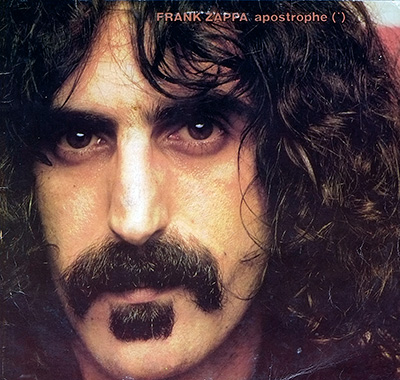
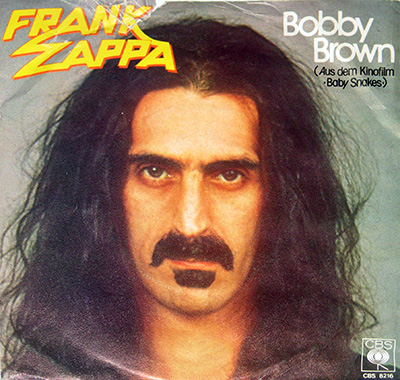
The satire is the part people quote, usually without checking their own fingerprints. "Don’t Eat the Yellow Snow" (the "Apostrophe (')" era) sounds like goofy advice until it’s suddenly a little too vivid. "Bobby Brown (Goes Down)" is pure bait: he dangles it in front of everyone—jocks, moralists, the self-righteous—then watches who bites first. And when he wanted beauty without the lecture, he could just drop an instrumental like "Peaches en Regalia" and let it float there, smugly perfect.
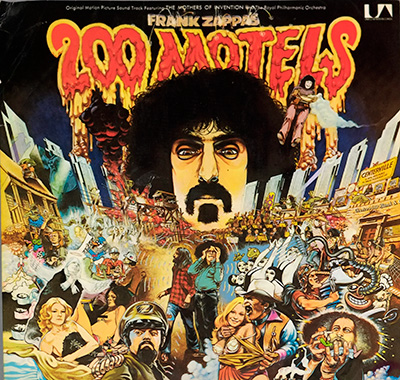
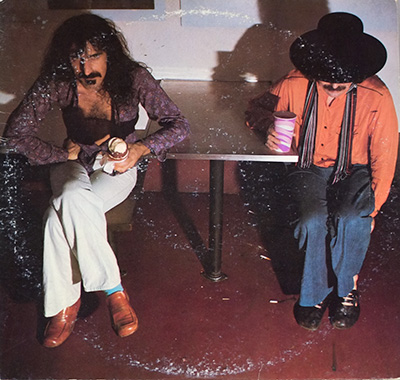
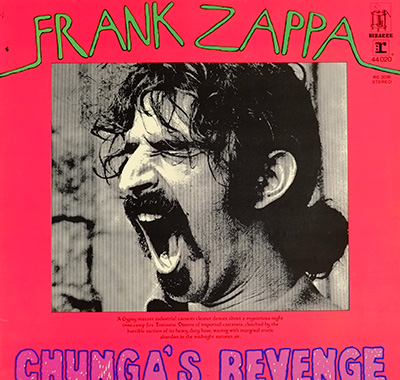
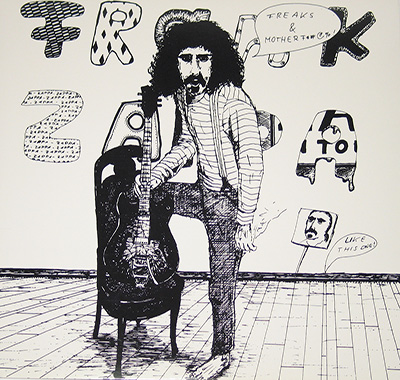
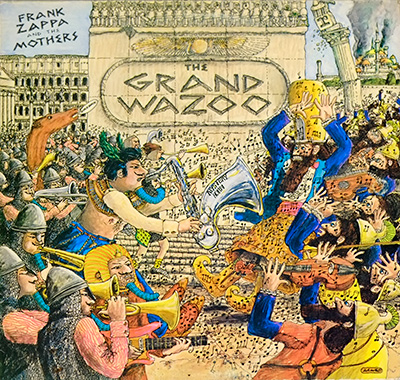
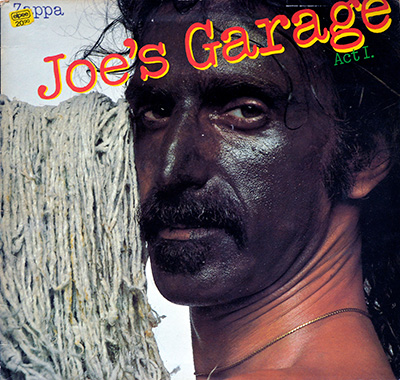
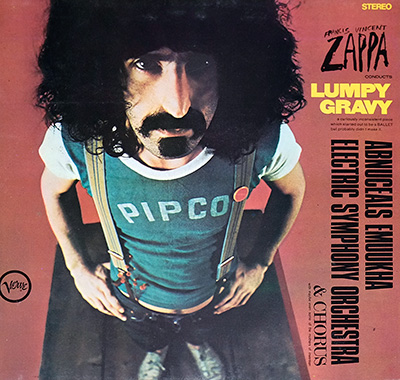
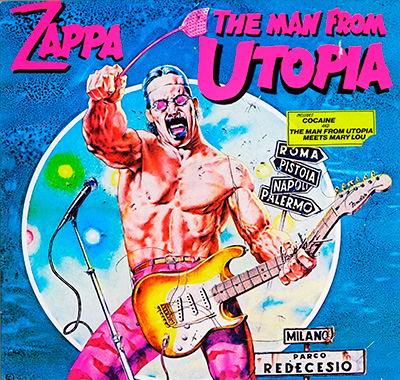
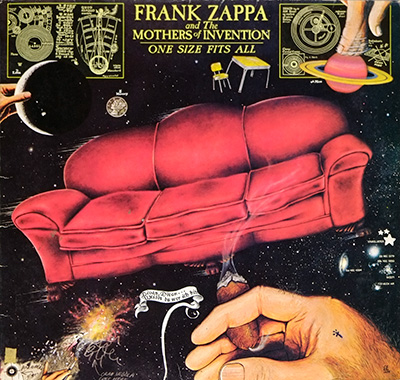
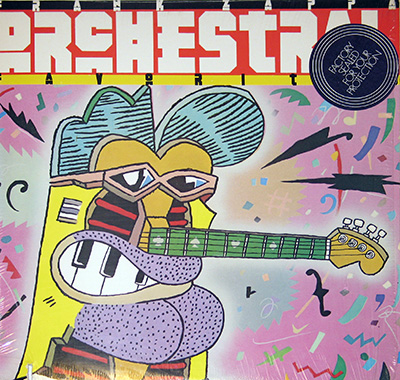
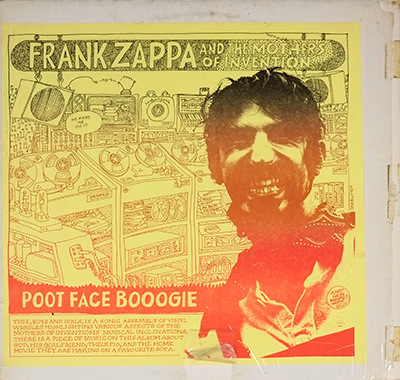
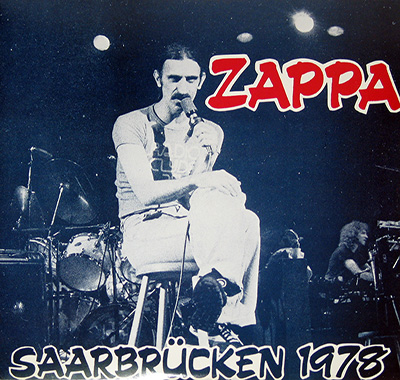
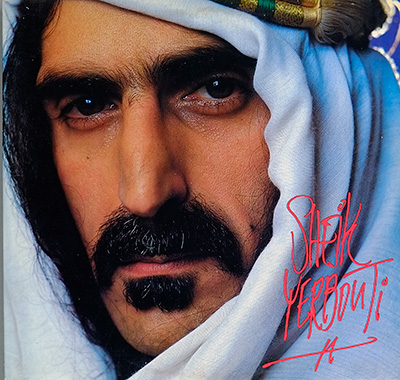
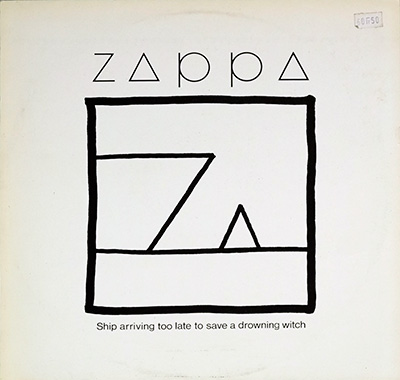
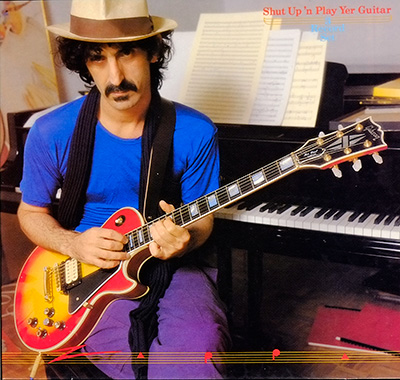
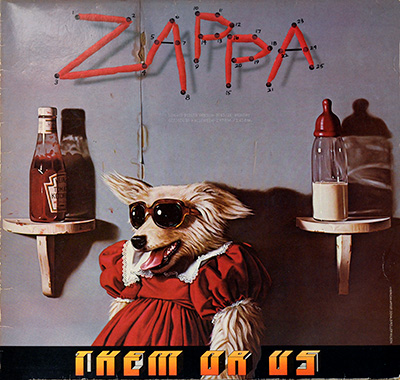
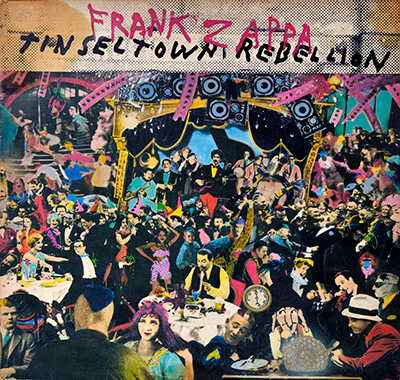
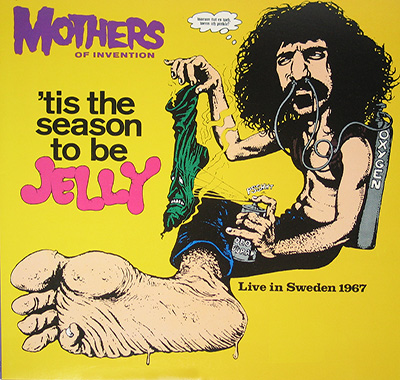
He also had that control-freak streak people whisper about like it’s a scandal. Honestly? Good. The work sounds the way it sounds because somebody was obsessing over edits, takes, timing, and tone. But he didn’t “do everything alone,” either—his visual world leaned hard on collaborators like Cal Schenkel, who helped give the records that warped, unforgettable packaging personality.
If you want a neat hero story, pick someone else. Zappa’s gift was making art that refuses to sit politely in the room—and if it irritates you a little, congratulations: it’s working.
References
- Britannica: Frank Zappa (biography)
- Zappa Official Store: "Freak Out!" release info
- Zappa.com: The Mothers 1970 (official site feature)
- Ultimate Classic Rock: Rainbow Theatre incident (10 Dec 1971)
- uDiscoverMusic: Cal Schenkel & Zappa cover design
- Vinyl Records (vinyl-records.nl): high-resolution album cover photos