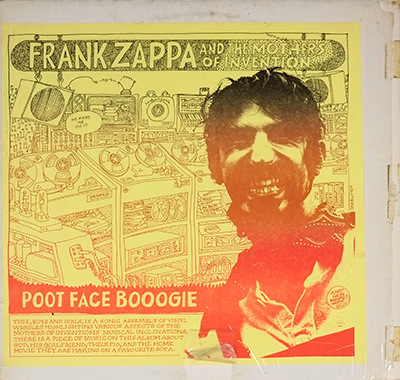
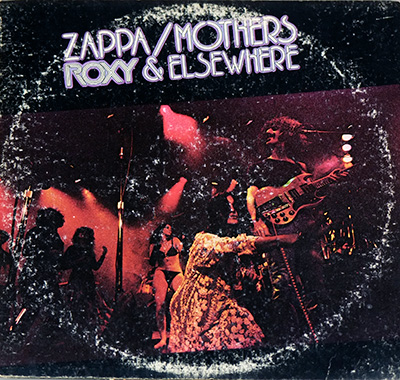
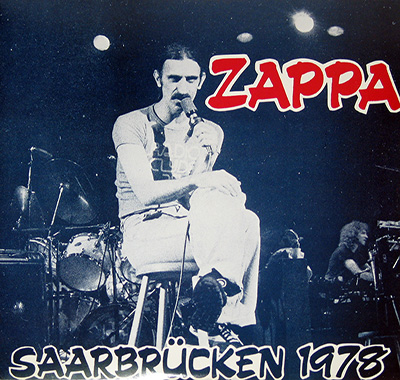
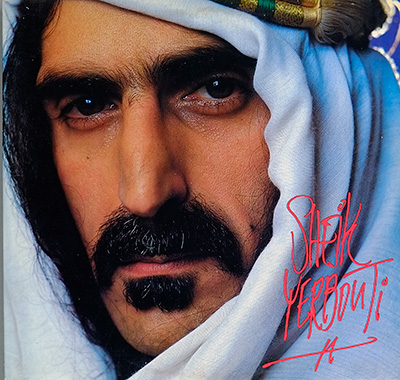
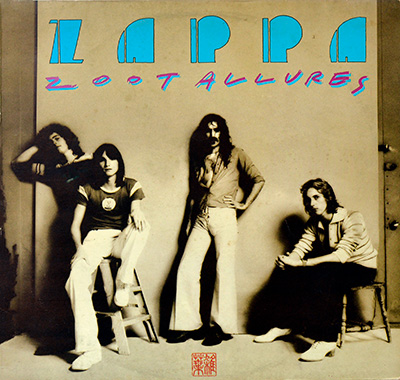
Terry Bozzio is the San Francisco-born drummer who turns a kit into a blueprint without killing the groove. To me, his Frank Zappa years were an obstacle course on the road (Apr 1975–Feb 1978): drummer and vocalist, nailing the parts other mortals use as excuses. He jumped into U.K. in late 1978, driving the trio through Danger Money and Night After Night (1979) before the group wrapped in early 1980. Then he co-founded neon new wave with Missing Persons (1980–1986). Later he surfaced with Jeff Beck on Flash (1985) and Jeff Beck's Guitar Shop (1989), still sounding like one person playing three.
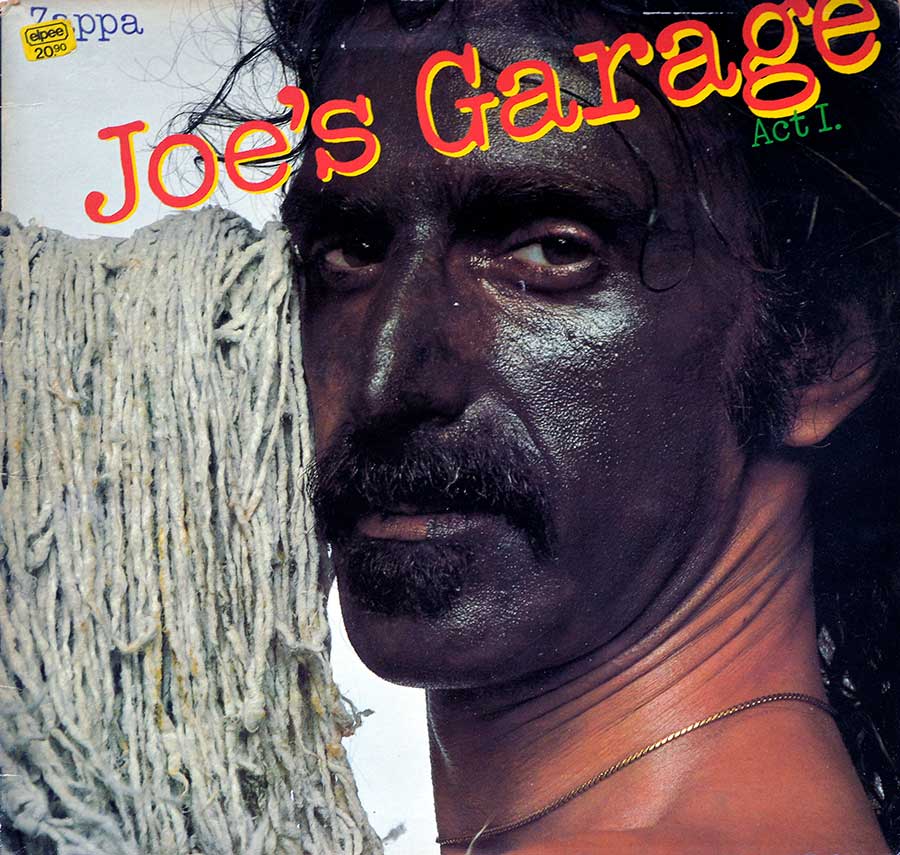
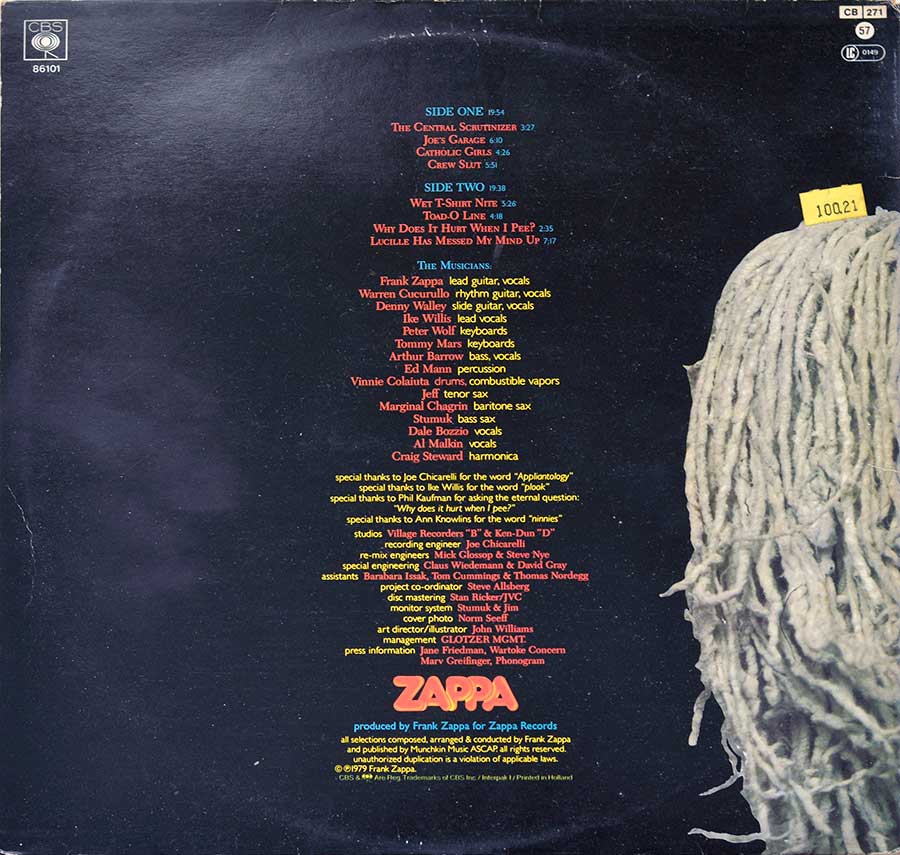
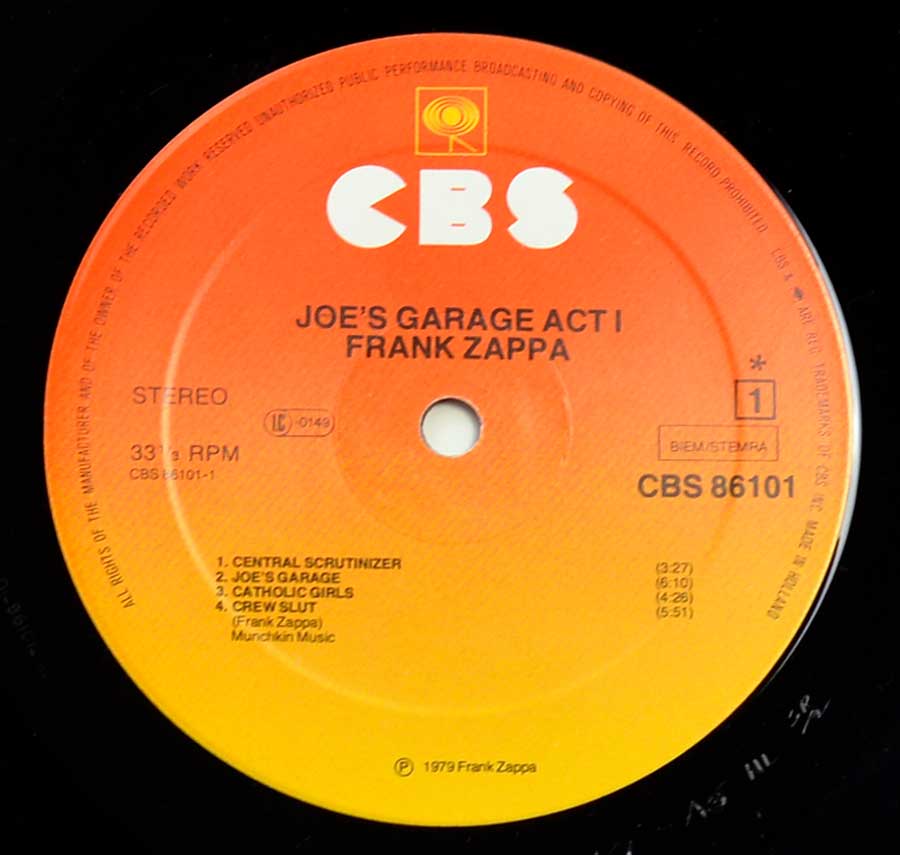
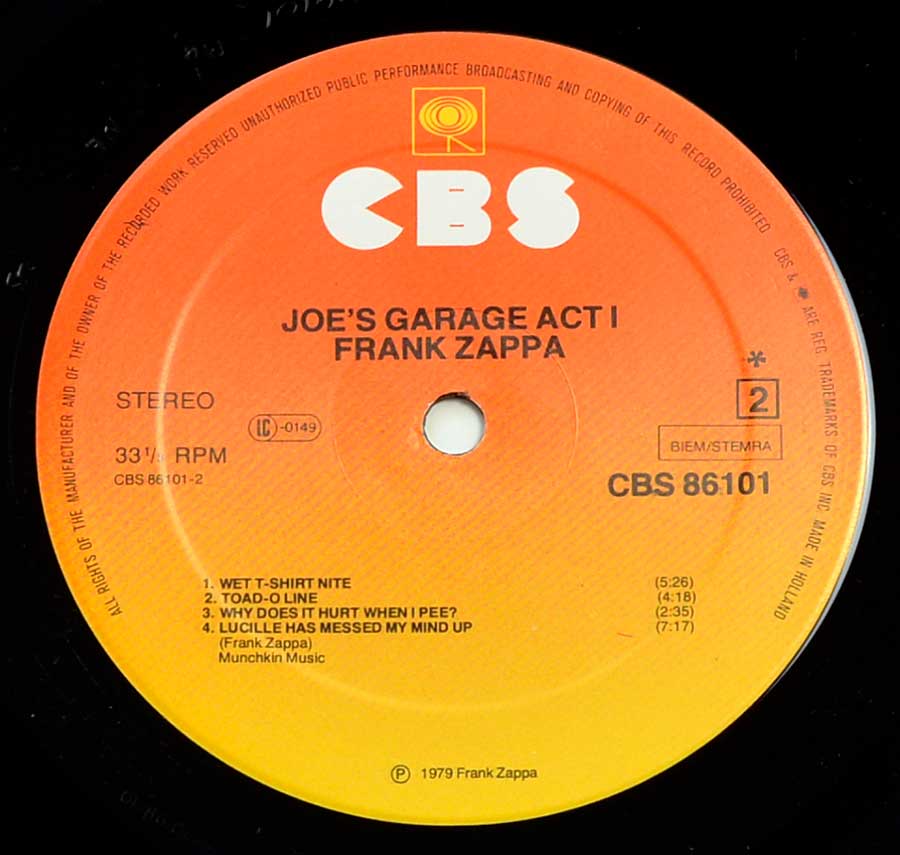
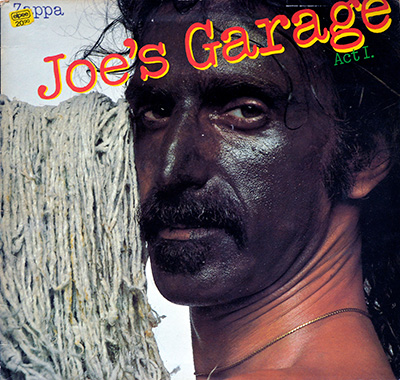
FRANK ZAPPA - JOE'S GARAGE ACT I 12" Vinyl LP Album
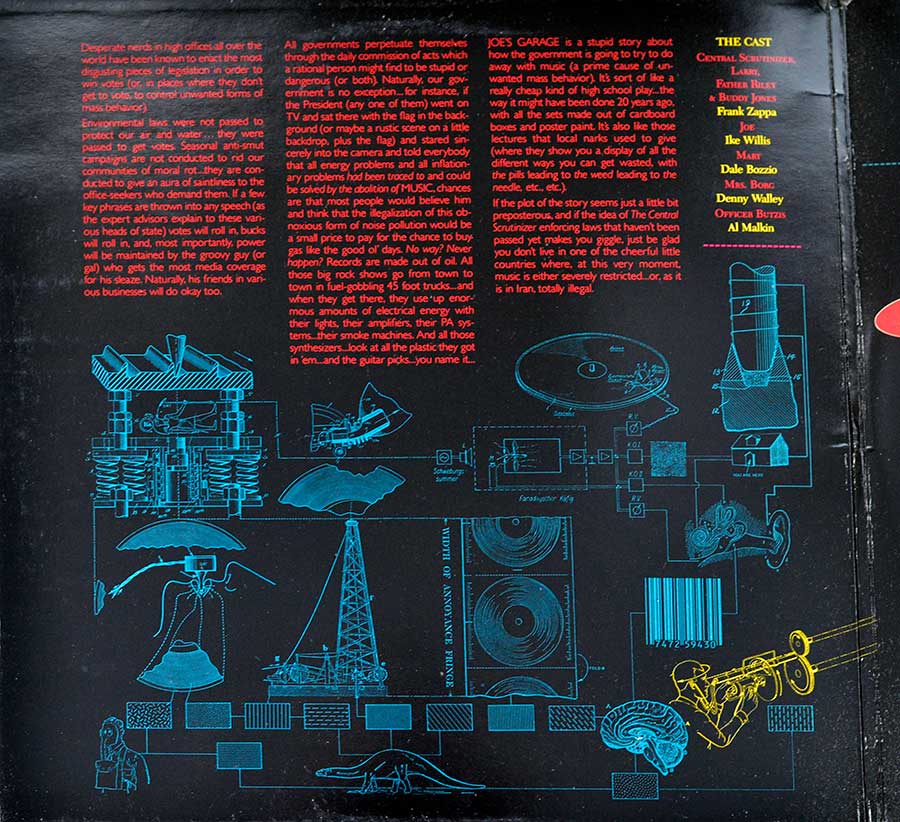
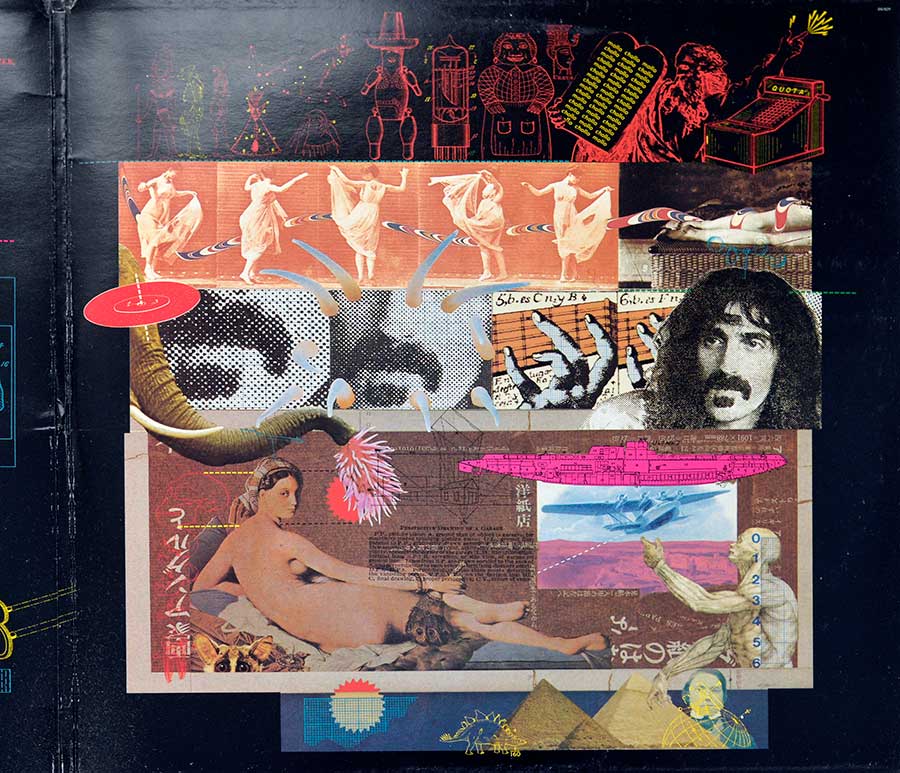
- Gatefold Album Cover
This album "FRANK ZAPPA - Joe's Garage" is the 1979 rock opera by Frank Zappa. Zappa self-deprecatingly describes the album as a stupid little story about how the government is going to do away with music This 12" LP black vinyl music record comes comes in a Fold Open Cover (FOC), which is also also known as a Gatefold cover. The inner pages of this album cover contains photos, artwork, album production details and lyrics of all the songs.