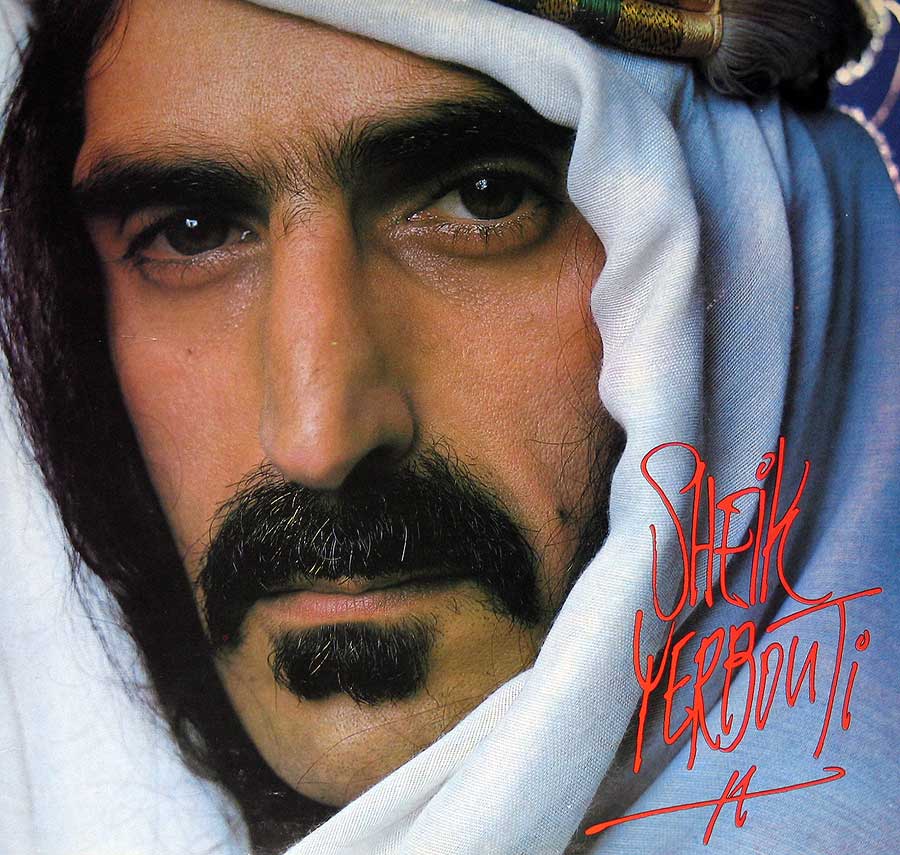
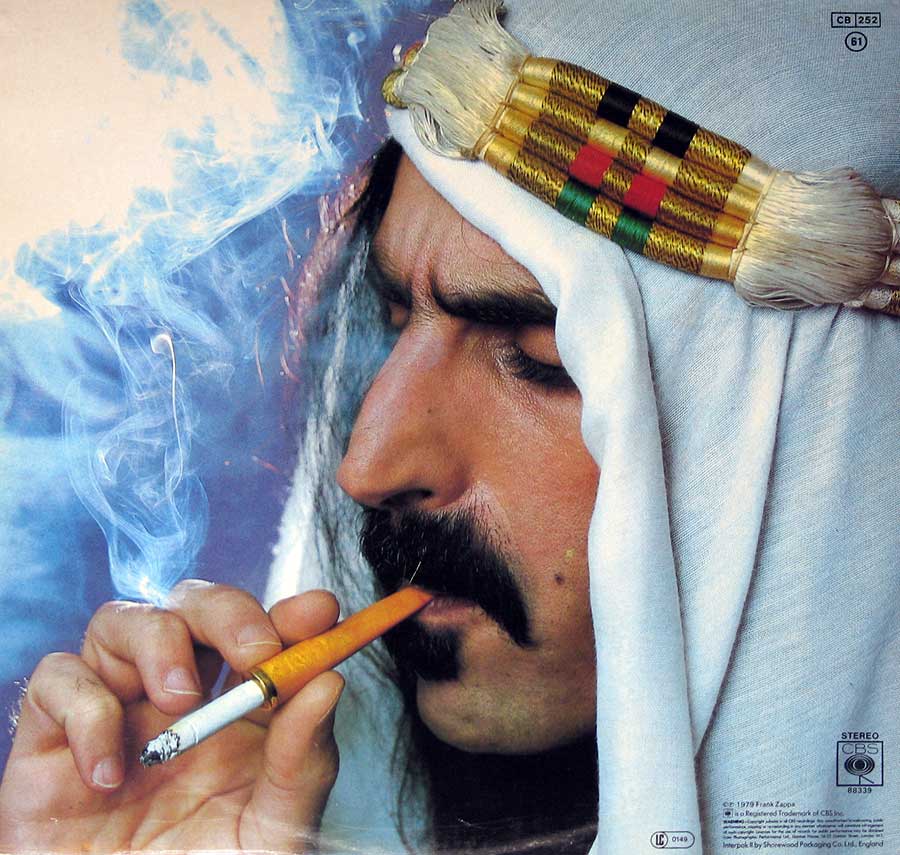
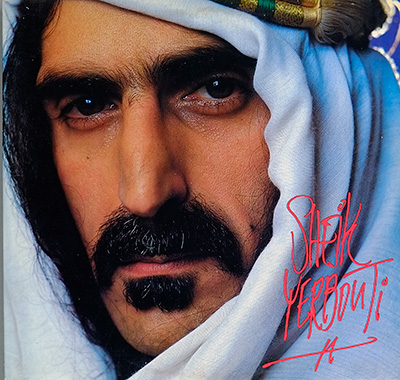
Howdy, music aficionados and Zappaphiles. Frank here, fresh from another dimension of sonic delirium to offer insights into my 1979 double-album opus, "Sheik Yerbouti". You might be wondering, "Frank, why the Middle Eastern moniker?" Well, let's just say it's a sly wink at the music industry's insatiable appetite for exoticism and a poke at the rampant commercialization that was seeping into the cultural landscape.
"Sheik Yerbouti" was a product of its timeÑthe tail end of the '70s, a period of cultural upheaval and musical experimentation. Disco was dying a slow, glittery death, punk was losing its initial snottiness, and a new wave of artists was emerging, eager to push the boundaries of sound and style. I wanted to create an album that captured the zeitgeist of this eraÑa wild, eclectic mix of genres, social commentary, and sonic weirdness that would both challenge and entertain listeners.
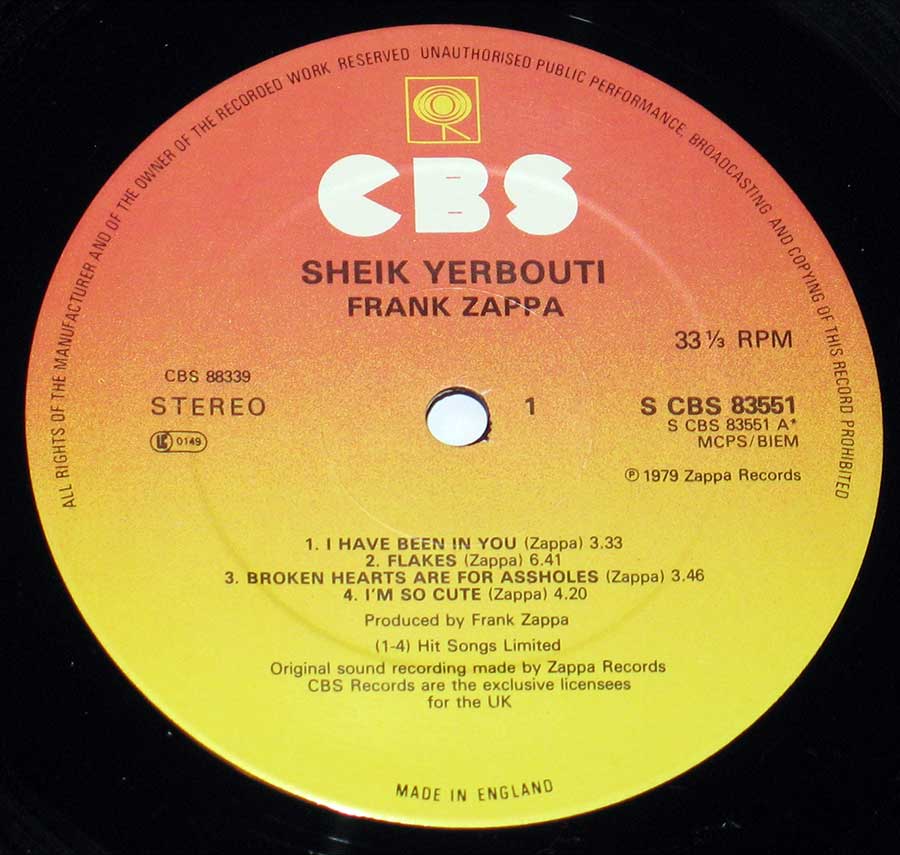
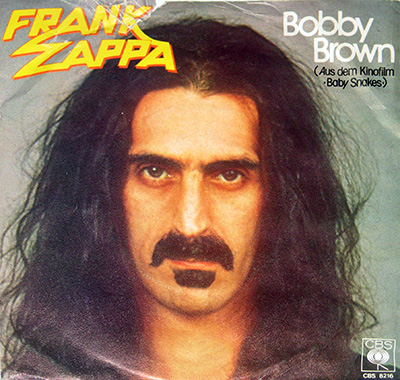
One such song that embodies this spirit is "Dancin' Fool," a satirical disco anthem that pokes fun at the mindless hedonism of the era. "Bobby Brown" takes a humorous yet pointed look at celebrity culture and sexual deviancy, while "Jewish Princess" sparked controversy for its tongue-in-cheek lyrics about stereotypes. On the musical front, "Broken Hearts Are for Assholes" features a blistering guitar solo by Adrian Belew, while "Yo' Mama" is a sprawling epic that showcases the band's improvisational skills.
The album is a hodgepodge of live recordings from my 1977-78 tours, meticulously pieced together and embellished with studio overdubs. It's a testament to the versatility and virtuosity of my band at the time, featuring the likes of Adrian Belew, Tommy Mars, Terry Bozzio, and a host of other talented misfits. We seamlessly blended elements of rock, jazz, funk, and avant-garde, creating a unique sound that defied categorization.
Thematically, "Sheik Yerbouti" tackled a range of topics, from the absurdity of celebrity culture ("Bobby Brown") and the perils of mindless consumerism ("Flakes") to the hypocrisy of religious institutions ("Jewish Princess"). Some of these songs sparked controversy, but hey, I've never been one to shy away from a bit of social commentary. After all, music should provoke thought as well as pleasure, right?
The album was recorded in various locations, including my own Utility Muffin Research Kitchen (UMRK) studio, as well as other studios in New York and Los Angeles. The production team, led by yours truly, put in countless hours meticulously crafting the sound of each track, layering instruments, manipulating recordings, and adding bizarre sound effects to create a truly unique sonic landscape.
The final product was a sprawling, 90-minute musical journey that took listeners on a wild ride through my warped imagination. It was a critical and commercial success, becoming my best-selling album to date. However, "Sheik Yerbouti" is more than just a collection of songs; it's a snapshot of a particular moment in time, a testament to the power of musical experimentation, and a reminder that art should always strive to challenge and surprise.
So, there you have it, folks. "Sheik Yerbouti" in a nutshell, or perhaps a turban shell. I hope this has shed some light on the creative process and cultural context behind this bizarre and beautiful album. Now, go forth and experience it for yourselves. It might just blow your mind.
Over and out.