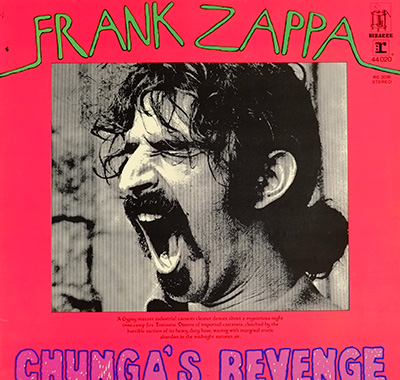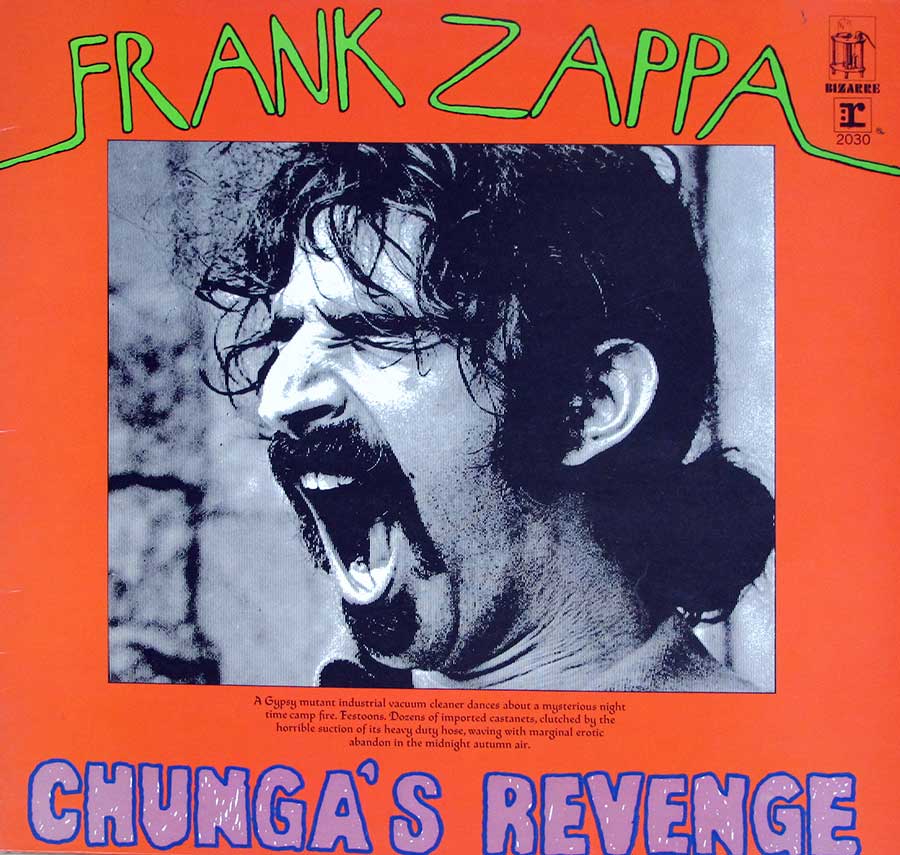
"Chunga's Revenge" (1970) Album Description:
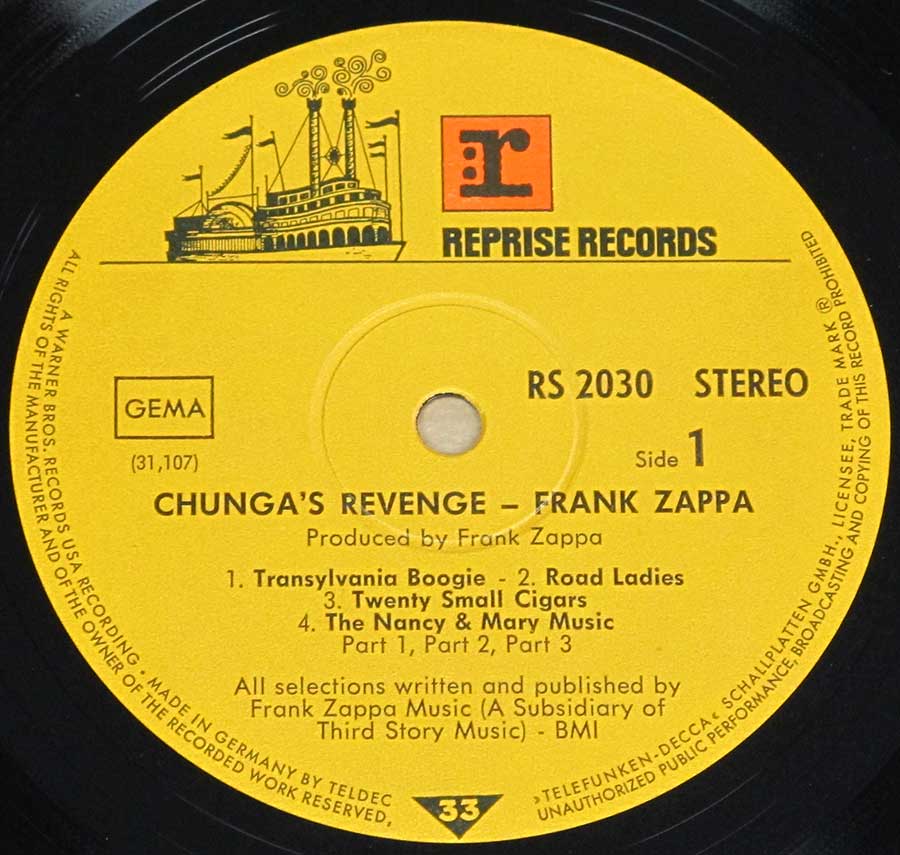
"Chunga's Revenge" did not arrive politely. It slouched in on 23 October 1970 like Frank Zappa had kicked open the studio door, dragged in a sack of bad jokes, guitar grease, and road fatigue, then told everyone to keep rolling tape. This was not the old Mothers in tidy little museum glass. This was the awkward, funny, half-dangerous in-between moment: the original Mothers gone, a new gang forming, Flo & Eddie already turning the room into a vaudeville ambush.
What hits me first is the smell of the thing. Not literally, unless your copy has spent fifty years in a smoker's flat, but the atmosphere is there all the same: hot valves, stale theater air, cheap motel bravado, musicians grinning at jokes that decent society was never going to invite in for coffee. "Transylvania Boogie" lunges instead of introducing itself. "Road Ladies" smirks. "Would You Go All The Way?" practically winks with a black eye. Zappa was not asking to be understood here. He was enjoying the discomfort.
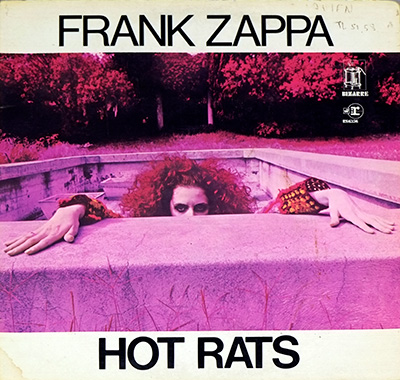
The old lazy summary says this record marked a shift away from the 1960s Mothers and the jazz-heavy pull of "Hot Rats." True enough, but that version is too clean. This album sounds more like Zappa refusing to stand still long enough for critics to pin a specimen tag on his sleeve. One minute he is grinding out riff-heavy guitar on "Tell Me You Love Me," the next he slips into "Twenty Small Cigars," which actually reaches back to the "Hot Rats" period like an elegant little aside dropped into a room full of hecklers.
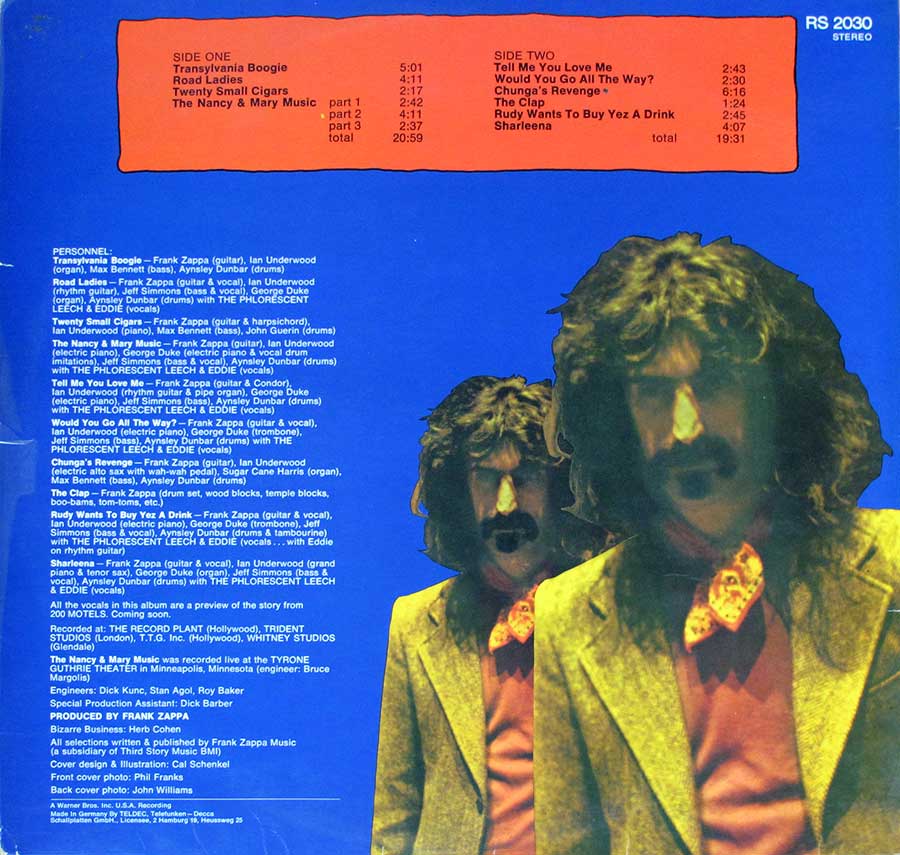
Then there is the lineup mess, which is part of the fun. Flo & Eddie make their first appearance on a Zappa album here, and you can feel the chemistry turning sly almost in real time. They do not decorate the material; they poke it, clown with it, and occasionally make it feel like the stage show has wandered into the control room with lipstick on its collar. That is exactly why some listeners love this era and others act as if they have bitten into a lemon wearing sideburns.
The record was assembled across The Record Plant in Hollywood, Trident in London, T.T.G. in Hollywood, and Whitney Studios in Glendale, and it sounds like it. Not in a fussy audiophile brochure way. In a patched-together, moving-target way. You hear a record built while life was already happening elsewhere. Even the live material slips in crooked: "The Nancy & Mary Music" comes from the Tyrone Guthrie Theater in Minneapolis, and that matters because it keeps the album from ever settling into clean studio behavior. Good. Zappa was rarely improved by behaving.
One correction for the record collectors, trivia hunters, and other proud members of the obsessive clergy: "The Clap" is not some spoken-word stunt. It is a short percussion instrumental, sharp and perverse in the way only Zappa could get away with. And "Twenty Small Cigars" is not the live cut people keep mislabeling after one drink too many; that honor belongs to "The Nancy & Mary Music." Facts matter. Even the weird ones deserve decent shoes.
I like this album most when it stops trying to be lovable. The title track stretches out with that loose, insinuating groove that feels less like a composition than a smirk with rhythm section support. "Sharleena" closes the thing with more warmth than the record has any obligation to give. And somewhere in the middle of all that vulgarity, musicianship, and stage-dust, Zappa manages the old trick again: he makes something clever that still feels grubby enough to touch.
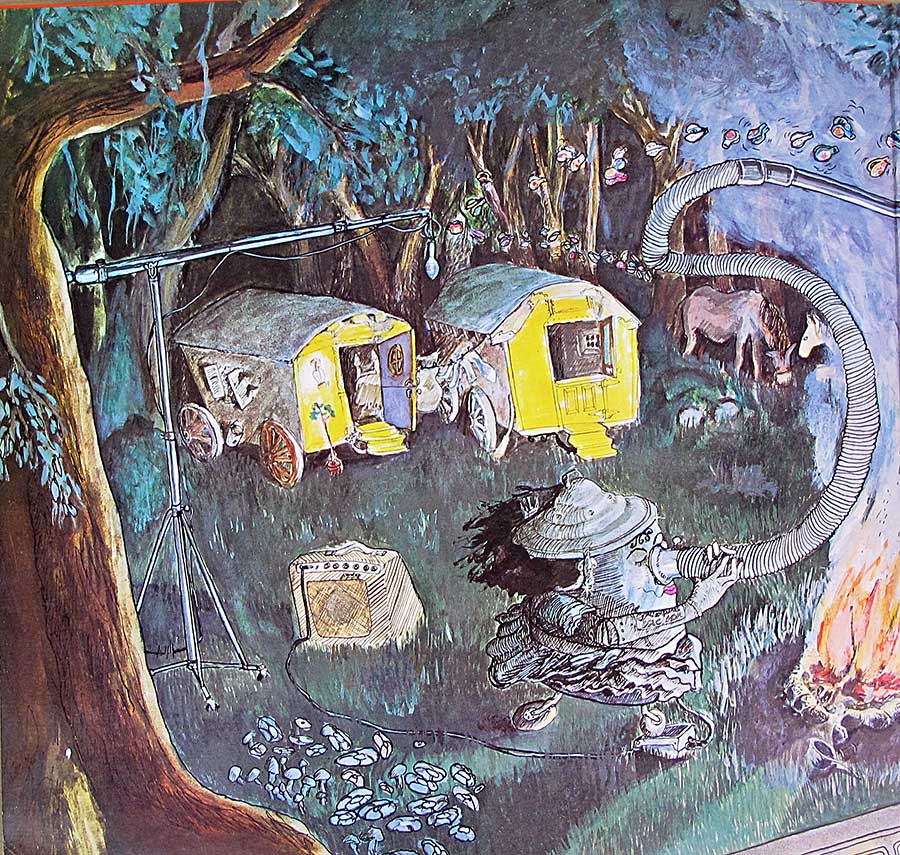
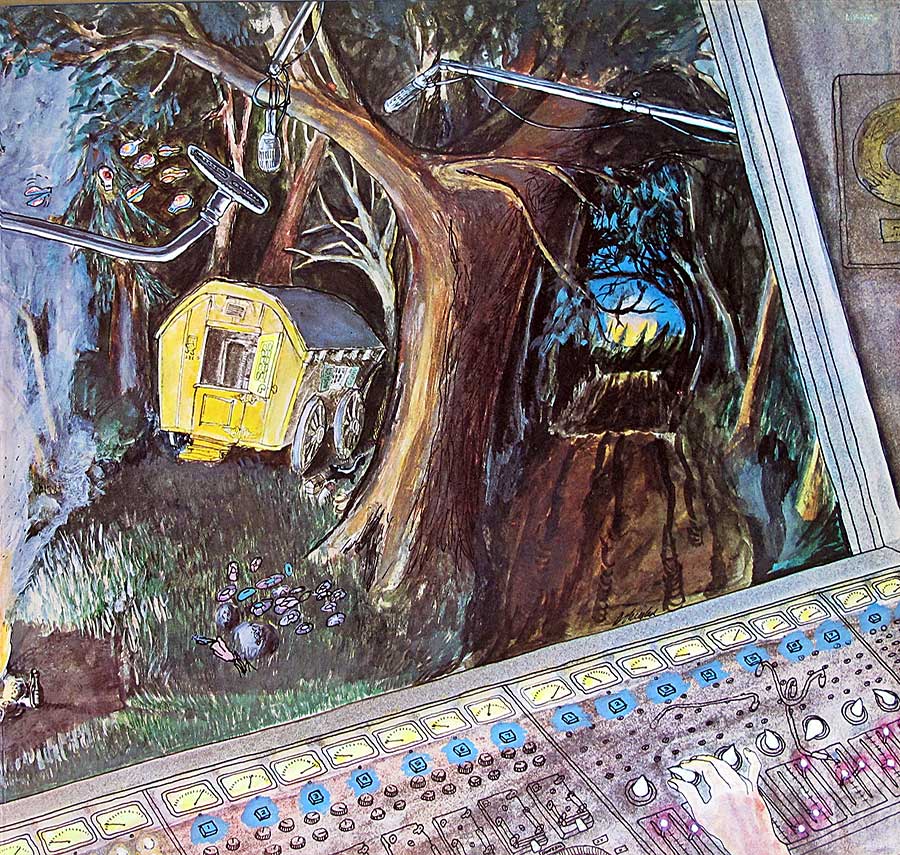
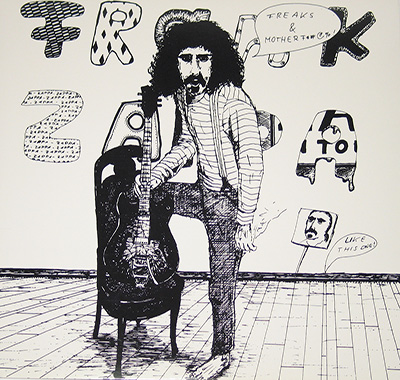
The German gatefold pressing gives the whole circus a particularly handsome frame, and that is part of the collector appeal now. Not because Europe magically turned it into Krautrock. It did not. That idea deserves to be thrown out of the nearest moving van. But because records like this traveled well when listeners wanted something less obedient than standard rock packaging and less respectable than polite critical consensus. "Chunga's Revenge" was never built for consensus anyway. It grins too much when the room goes sour.
Put it on late, not early. This is not a breakfast record unless your breakfast includes sarcasm, nicotine ghosts, and the feeling that someone in the next room is about to say something outrageous and probably funny. Zappa, naturally, knew that tone better than most. He could make satire swing, make ugliness dance, and make a record feel like it was laughing at the furniture. This one still does.