Uriah Heep - Sweet Freedom (1973, Germany) 12" Vinyl LP Album

- Five men rise from a burning horizon like rock’s last honest survivors

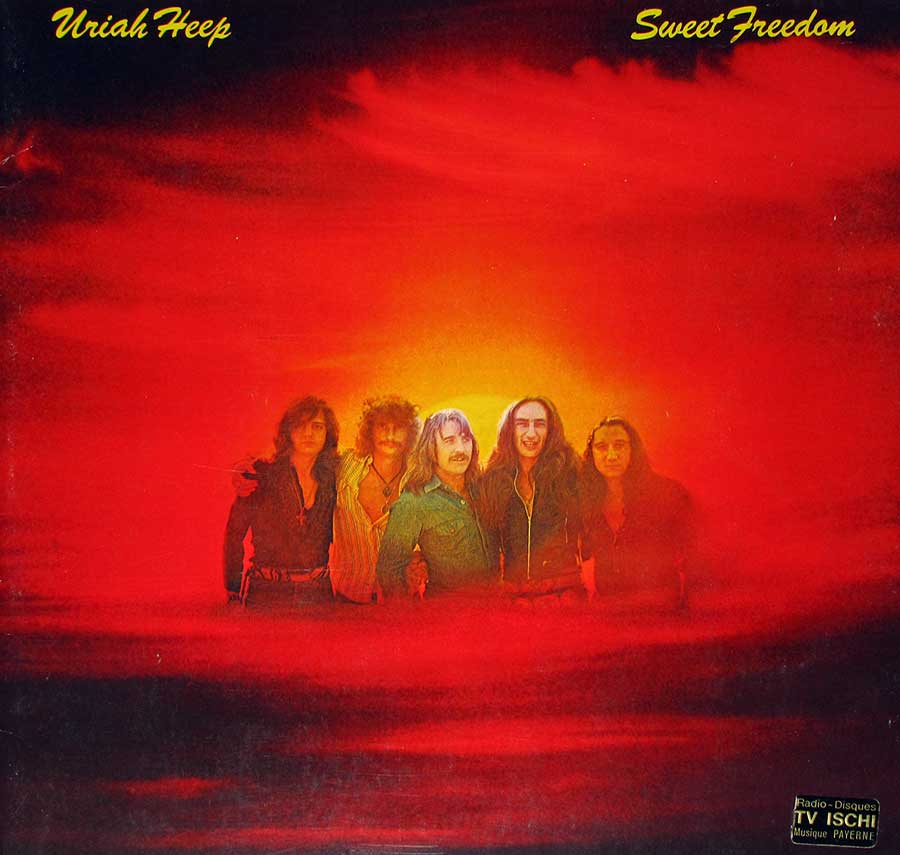
Album Front cover Photo of Uriah Heep - Sweet Freedom (1973, Germany) https://vinyl-records.nl/

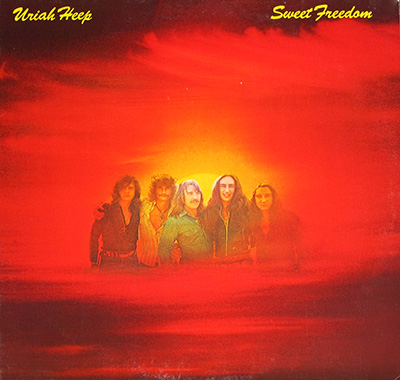
A deep red-orange sky bleeds across the sleeve, with the band standing shoulder to shoulder as if rising out of heat haze or smoke. Their faces catch the last light of a low sun, creating a strange mix of warmth and isolation, like survivors after something burned down behind them.

By 1973, Uriah Heep were no longer scrapping for a place in the hard rock crowd; "Sweet Freedom" landed like proof that the band had grown into one of the era’s real heavyweights, sitting right in that fertile stretch where hard rock, prog, and a bit of blues swagger still rubbed shoulders before everything got tidied up and filed away. I hear this album as warm, bold, and slightly overripe in the best possible way: thick Hammond swells, guitars that bite without turning to mush, and choruses built to hit you square in the chest. "Stealin'" struts in like it owns the room, "Sweet Freedom" stretches out with real muscle, and "Dreamer" has that soaring Heep lift that still works without needing a museum label attached to it. Even this German gatefold pressing has that proper lived-in charm collectors keep circling back to.

"Sweet Freedom" (1973) Album Description:

In 1973, when British rock was split between glitter, grandstanding, and an awful lot of self-importance dressed up as ambition, Uriah Heep came in with "Sweet Freedom" and sounded like a band that still believed songs had to move air, not just posture for the back row. This was their sixth studio album, and you can hear the Byron-Hensley-Box-Kerslake-Thain line-up hitting that rare point where confidence stops sounding theoretical and starts sounding physical. The record pushed up the charts in Britain, Germany, and the United States, which tells you it travelled well, but the real point is simpler: this is one of the Heep albums where the weight, melody, and melodrama finally stop tripping over each other.

What keeps me coming back to it, and what makes this German Island gatefold worth more than a polite glance and a shrug, is the way "Sweet Freedom" hides its discipline under all that Heep-size flourish. On first pass you hear the choruses, the Hammond swell, the big confident stride of "Stealin'", and think you know the job. Open the sleeve, sit with side two, and another story starts creeping in: how Gerry Bron kept the whole thing from bloating into prog wallpaper, why Gary Thain mattered more than casual listeners admit, and how a band with a reputation for excess managed to sound this focused just before the later cracks began to show.

Britain in 1973 was a funny old mess in the best and worst ways. Glam still hogged headlines, prog had grown ornate enough to need dusting, and hard rock bands were learning that "bigger" could either mean dangerous or merely overstuffed. Deep Purple were running hot and precise, Black Sabbath were dragging iron across the floorboards, Wishbone Ash had elegance in their twin leads, Nazareth were rougher and meaner at street level, and Led Zeppelin still loomed over the whole shop like landlords nobody had asked for. Uriah Heep sat in the middle of that traffic jam and chose volume, harmony, and theatrical lift, but on "Sweet Freedom" they do it with more muscle and less flab than the lazy caricature ever admits.

Where the record really lands

The sound is thick, but not clogged. Ken Hensley's keyboards spread a warm, slightly overripe glow across the room, Mick Box keeps the guitar parts biting rather than merely busy, and Lee Kerslake gives the whole album that stubborn forward shove that stops it turning into decorative fog. David Byron, meanwhile, sings like a man who knows the line between drama and ham but enjoys leaning over it when the spotlight hits. That balance is why "Dreamer" lifts instead of floats away, why "Stealin'" struts instead of stomps, and why the title track carries real swing under all that grand wording.

I have always had a soft spot for the way this album handles tension. "Stealin'" comes on with that hard, hooked gait, half street hustle and half stage entrance, while "Sweet Freedom" stretches out with enough room to breathe without wandering off into pointless scenic detours. Then "Pilgrim" closes things with a longer, moodier pull that reminds you Heep could do atmosphere when they felt like it, not only chorus-sized thunder. That matters, because too many people still talk about this band as if they only knew one setting: loud. Nonsense. "Sweet Freedom" has drag, lift, churn, shimmer, and just enough menace to keep the curtains from looking silly.

Why this line-up clicks

By the time this record was cut in France in the summer of 1973, the band had settled into what many collectors still treat as the classic Uriah Heep formation, and for once the phrase is not empty fan-club wallpaper. Gary Thain had joined the year before, and his bass playing changed the centre of gravity. He does not just thicken the bottom end; he gives the songs movement, a rounded swing that lets Hensley and Box push against each other without everything collapsing into a glorious brown blur. Add Kerslake's practical, unfussy drive and suddenly the band's more theatrical instincts have a proper chassis under them.

Gerry Bron deserves mention here for a very practical reason: he understood that Uriah Heep only worked when the excess was steered, not strangled. There is no point hiring this band and then pretending you wanted restraint. What Bron seems to have done is keep the arrangements pointed toward impact instead of indulgence, which is harder than it sounds when you have organ washes, stacked vocals, and enough dramatic instinct in the room to furnish a minor opera. Even Fin Costello's visual touch on the package fits that same idea: not art-school mystery, not fake grit, just a band made to look like a band.

No scandal, just the usual lazy shorthand

There was no grand controversy hanging off "Sweet Freedom" itself, and that is worth saying because later Uriah Heep history has a habit of being dragged backward by people who prefer collapse stories to close listening. The common lazy line was that Heep were all bombast, or some second-rank cousin to Deep Purple with more mirrors and less discipline. This album does a fine job of kicking that notion in the ankle. It is big, yes. It is melodic, dramatic, and occasionally gloriously overcooked. But it is also tight, physical, and very sure of its attack, which is more than can be said for a fair amount of supposedly tasteful early-1970s hard rock.

I still think "Sweet Freedom" makes the most sense late at night, with one lamp on, the sleeve open, and that inside spread staring back at you like a band half exhausted and half ready for another run. The German Island gatefold on this page has exactly the sort of tactile appeal that pulls collectors in: proper heft, proper sprawl, proper evidence that somebody still expected you to sit down and live with the thing for forty minutes instead of skipping to the hit and pretending you had done the work. That is probably my bias talking. Then again, bias is half the point of collecting.

If I had to place it in the Heep run with a bit of taste and a bit of nerve, I would say "Sweet Freedom" stands nearer the front than the middle. Not because it is perfect; perfection is for people who alphabetize their records by emotional safety. It stands there because it catches the band sounding broad, hungry, and coordinated at once, before the wear and tear of the mid-1970s started nibbling away at that balance. You can hear the promise already fulfilled, and you can hear the strain that would later cost them. That tension never hurts a hard rock record. Sometimes it is the thing that keeps it alive.

References

Essential Album Information For: Sweet Freedom (Island Records)

Music Genre:

Progressive Rock

Label & Catalognr:

Island Records 87 232 IT (GEMA)

Media Format:

Record Format: 12" Vinyl Stereo Gramophone Record
Total Album (Cover+Record) weight: 230 gram  

Year & Country:

1973 Germany

Sweet Freedom (Island Records) Production & Recording Information

Album Packaging

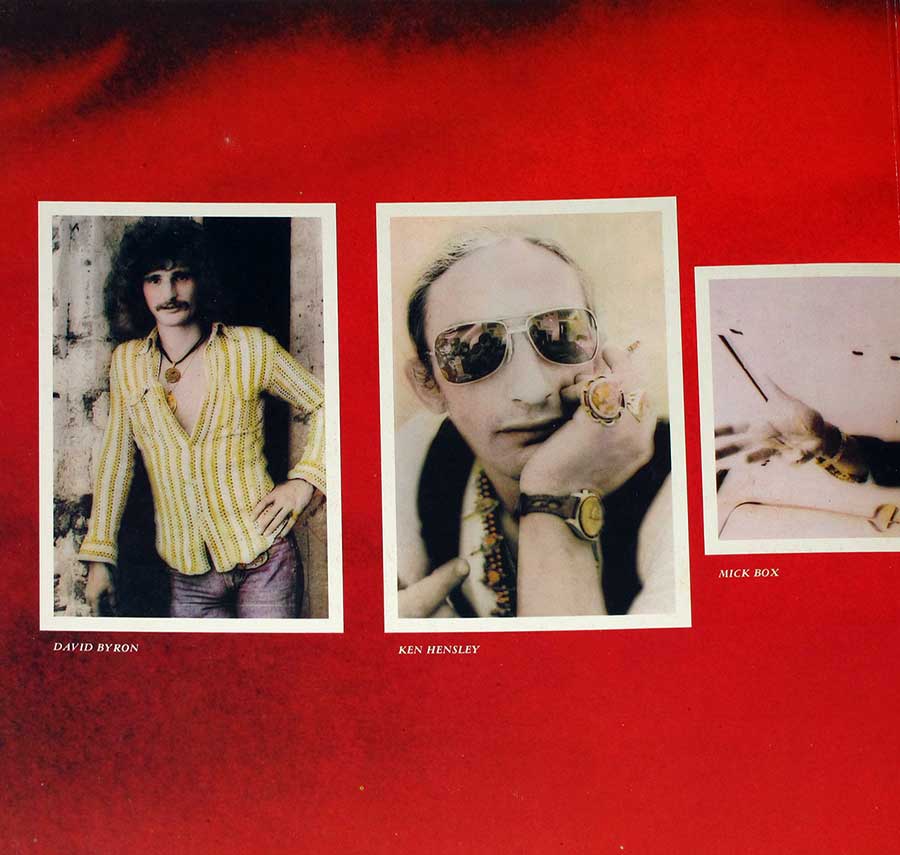
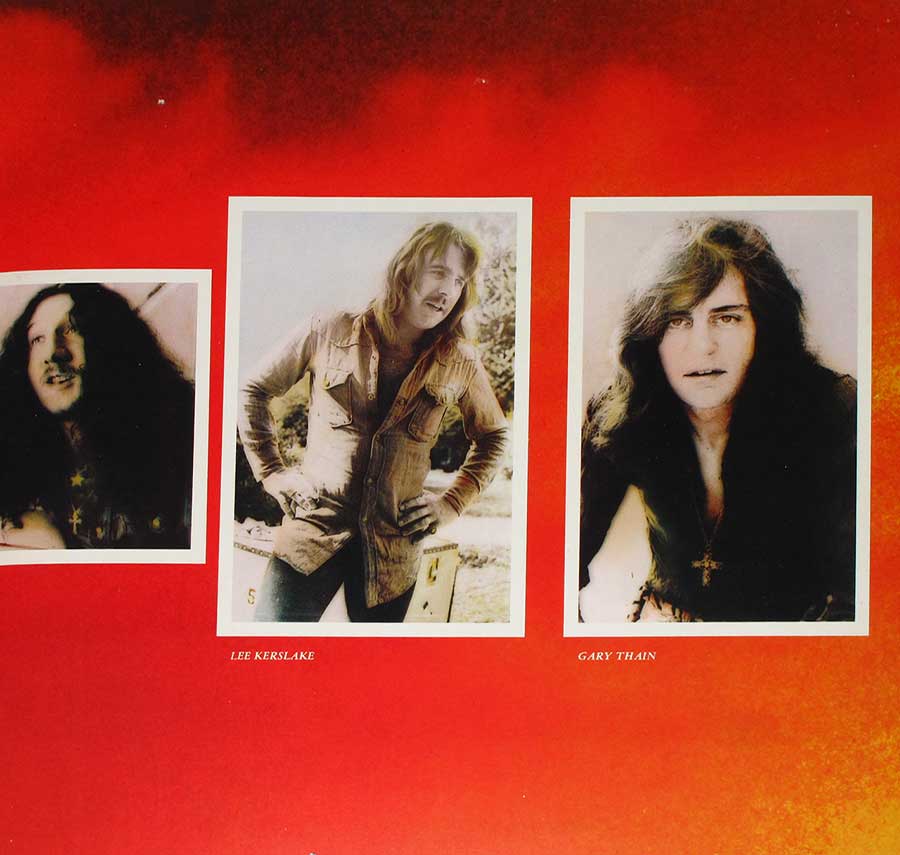
This 12" LP vinyl music record comes comes in a Fold Open Cover (FOC), which is also also known as a Gatefold cover. The inner pages of this album cover contains photos of each of Uriah Heep band-members, artwork.

Producers:

Gerry Bron - Producer

  • Gerry Bron – Record producer, band manager, label owner

    The guy who could run a label, steer a band, and still keep one hand on the faders.

    Gerry Bron is the kind of behind-the-desk mover who could make a band feel like it had a map, not just a van. After joining Bron's Orchestral Service in 1950, he shifted from publishing to shaping careers: producing Manfred Mann hit singles in 1967–68 and guiding early acts like the Bonzo Dog Doo-Dah Band. He then became inseparable from Uriah Heep, producing and managing them from their 1970 debut "...Very 'Eavy ...Very 'Umble" through 1980's "Conquest". In 1971 he founded Bronze Records and, in 1975, Roundhouse Recording Studios, building a base for heavy rock and beyond; his label later housed Motörhead, The Damned, Girlschool, Hawkwind and more, and he treated production as practical management: songs, takes, and momentum.

  • Sound & Recording Engineers:

    Sound/Recording Engineer(s): Peter Gallen

    Recording Location:

    This album was recorded at: Chateau d'Herouville, France, June-July 1973

    Album Cover Design & Artwork:

    Album cover concept and photography: Fin Costello

  • Fin Costello – Art Direction, Photography

    Fin Costello is the guy behind the lens who made loud bands look even louder—caught mid-stride, mid-sweat, mid-myth. I always pay extra attention when his photos are printed on album covers and inner sleeves.

    Fin Costello hit my radar the way the best photographers do: not with a signature, but with a feeling. You’re staring at a sleeve and suddenly you can hear the room. Hot lights. Hair stuck to foreheads. That thin layer of sweat that says the set is only halfway done.

    He comes out of late-1960s London photojournalism—learn the craft fast, get close, don’t ask the moment to repeat itself. And when the rock caravan starts dragging its cables across Europe, he’s already in the right place. Deep Purple (1972–1975) looks like volume you could measure with a broken window. Rainbow (1975–1977) looks sharper, richer, a little more dangerous in the fantasy costume. Then Ozzy Osbourne (1980–1983) arrives like a headline that won’t calm down.

    The thing I like is that Costello doesn’t “capture legends.” He catches people working. There’s a difference. Legends pose. Working musicians forget you’re there—until the flash reminds them, and even then he’s already moved on.

  • Musicians on: Sweet Freedom (Island Records)

    Band-members, Musicians:

    David Byron – vocals

    Mick Box – guitars

    Gary Thain – bass

    Ken Hensley – keyboards, guitars, Vocals

    Lee Kerslake – drums, percussion, vocals

    Track-listing of: Sweet Freedom (Island Records)

    Tracklisting
    1. "Dreamer" (Mick Box, Gary Thain) – 3:41
    2. "Stealin'" – 4:49
    3. "One Day" (Hensley, Thain) – 2:47
    4. "Sweet Freedom" – 6:37
    5. "If I Had the Time" – 5:43
    6. "Seven Stars" – 3:52
    7. "Circus" (Box, Lee Kerslake, Thain) – 2:44
    8. "Pilgrim" (David Byron, Hensley)

    First thing that hits me is that red wash on the front cover — not subtle, not polite, just blasted across the sleeve like the printer leaned too hard on the ink. These German Island copies tend to fade unevenly, especially along the edges where the laminate gives up first. Flip it over and the back cover feels tighter, cleaner typography, less drama, more “get the credits right.” The gatefold is where it gets personal — those band photos printed a bit softer, slightly grainy, like second-generation plates. Paper stock has that mid-weight feel, not flimsy, not luxury either. Then you get to the label — classic Island layout, text packed tight, no wasted space. That’s where the real story usually starts to show.

    Album Front Cover Photo
    Uriah Heep - Sweet Freedom front cover photo

    Heavy red gradient dominates the sleeve, with the band emerging from a hazy horizon. On many copies this red shifts slightly toward orange under light, and you often see minor edge wear where the color breaks first, especially on the spine and opening edge.

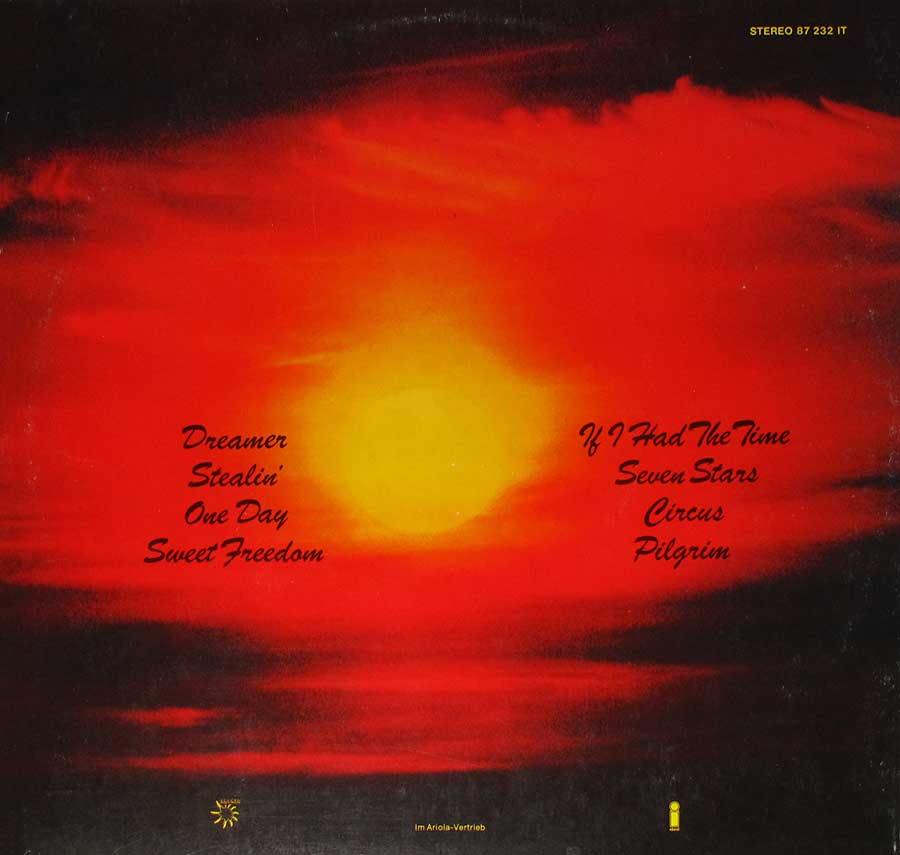
    Album Back Cover Photo
    Uriah Heep - Sweet Freedom back cover photo

    Back cover trades the dramatic front for a more functional layout. Tracklisting and credits are tightly set, typical early-70s Island typography. Look closely and you’ll often spot slight misalignment in the text blocks on German pressings.

    Photo One of Inside Page Gatefold Cover
    Uriah Heep - Sweet Freedom inside gatefold photo one

    Left side of the gatefold carries band imagery printed slightly soft, almost matte in tone. The photos lack sharp contrast, giving them that lived-in, slightly worn look even on cleaner copies.

    Photo Two of Inside Page Gatefold Cover
    Uriah Heep - Sweet Freedom inside gatefold photo two

    Right panel continues the same visual tone, with slightly better contrast but still that faint grain from the original print process. Crease lines tend to show clearly along the fold if the sleeve has been handled often.

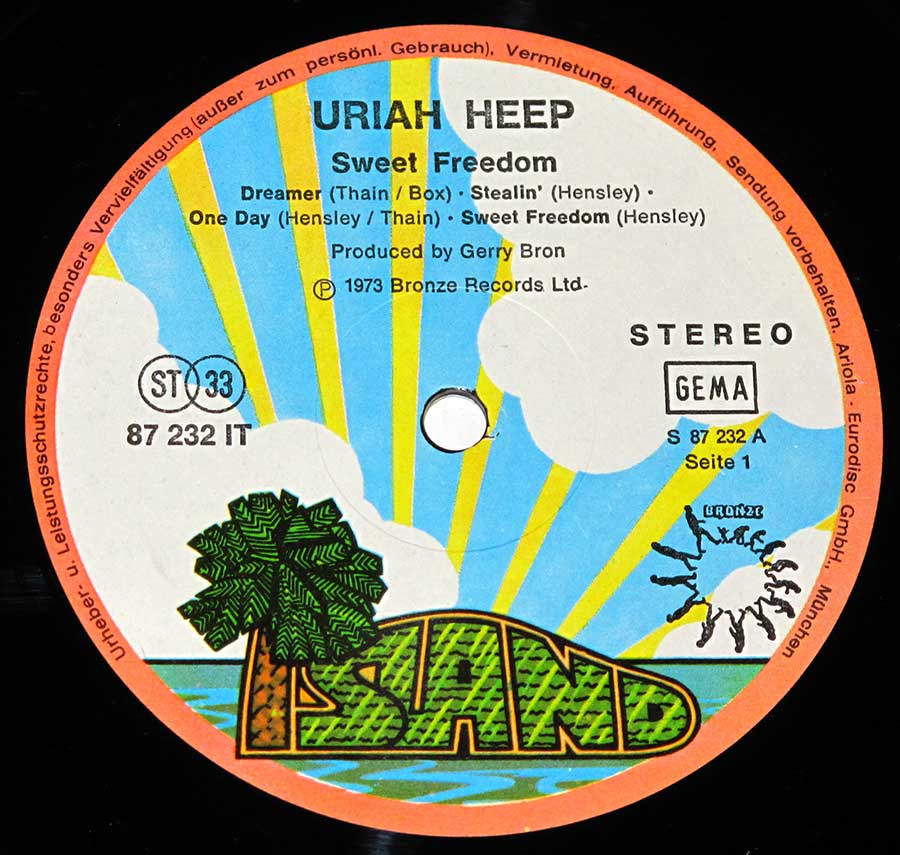
    Close up of Side One record’s label
    Close up of Side One label for Uriah Heep - Sweet Freedom

    Classic Island label design with dense text layout and tight spacing. Matrix and catalog details sit close to the spindle hole. On well-played copies, you’ll often see faint spindle trails cutting into the darker areas of the label.

    All images on this site are photographed directly from the original vinyl LP covers and record labels in my collection. Earlier blank sleeves were not archived due to past storage limits, and Side Two labels are often omitted when they contain no collector-relevant details. Photo quality varies because the images were taken over several decades with different cameras. You may use these images for personal or non-commercial purposes if you include a link to this site; commercial use requires my permission. Text on covers and labels has been transcribed using a free online OCR service.

    Index of URIAH HEEP - 1970-1980s Vinyl Record Discography and Album Covers

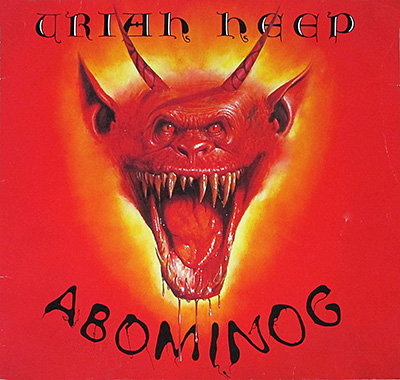
    URIAH HEEP - Abominog
    URIAH HEEP - Abominog album front cover vinyl record

    Bronze S 204 532 , 1982 , Germany

    Abominog is the 14th album for British rock group URIAH HEEP. It was the first album without keyboardist Ken Hensley. The album was critically acclaimed and fairly commercially successful album due, in part, to the band retooling and updating their sound to a contemporary heavy metal style.

    Abominog 12" Vinyl LP
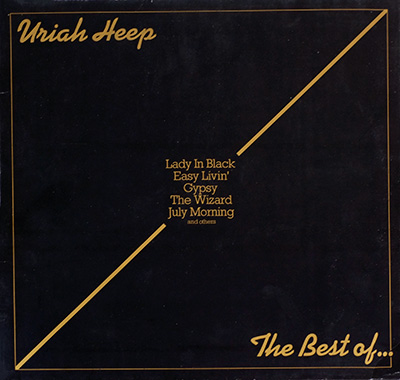
    URIAH HEEP - Best of URIAH HEEP
    URIAH HEEP - Best of URIAH HEEP album front cover vinyl record

    Bronze 28 784 XOT / LC 2313 , 1979 , Germany

    The 1979 release "Best of Uriah Heep" on Bronze Records, catalog number 28 784 XOT, is a compilation spanning 1970-1976. Produced by Gerry Bron, it features the band's pinnacle tracks, showcasing their evolution. Sound engineer Peter Gallen ensures sonic fidelity. Distributed in Germany, the LP captures Uriah Heep's global appeal. LC 2313 highlights Bronze Records' role.

    Best of URIAH HEEP 12" Vinyl LP
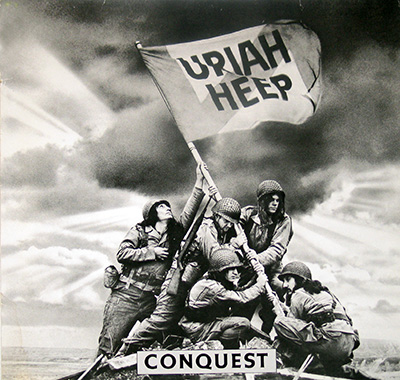
    URIAH HEEP - Conquest
    URIAH HEEP - Conquest album front cover vinyl record

    Bronze 201 655 , 1980 , Germany

    "Conquest" is an album by the English rock band Uriah Heep, released in 1980. It and marked a departure from their earlier, heavier sound towards a more polished and commercial style. The album features a mix of hard rock, progressive rock, and arena rock elements and includes songs such as "Heartless Land," "Imagination," and "Feelings."

    Conquest 12" Vinyl LP
    URIAH HEEP - Demons and Wizards (Austria & France Releases)
    URIAH HEEP - Demons and Wizards (Austria) album front cover vinyl record


    Uriah Heep's 1974 album "Demons and Wizards," released on a 12" LP in Austria with a Roger Dean-designed gatefold cover (Island 86 185 IT), holds significance within the evolving rock music landscape. The collaboration between the iconic band and Dean resulted in a visually striking cover that complemented the album's fantasy themes. This Austrian release contributed to the global accessibility of Uriah Heep's music, marking a notable chapter in 1970s rock history.

    - Demons and Wizards (Austria) - Demons and Wizards (France)
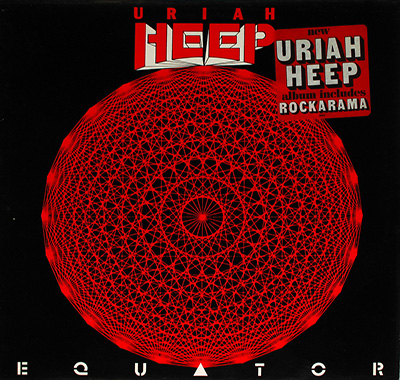
    URIAH HEEP - Equator incl Rockarama album front cover vinyl record
    URIAH HEEP - Equator

    "Equator" is the 1985 album by the English rock band Uriah Heep. . It was recorded during a time of change and transition for the band, as they were exploring new sounds and directions. The album features a mix of hard rock, progressive rock, and arena rock elements, and includes songs such as "Rockarama," "Lonely Nights," and "The Other Side of Midnight."

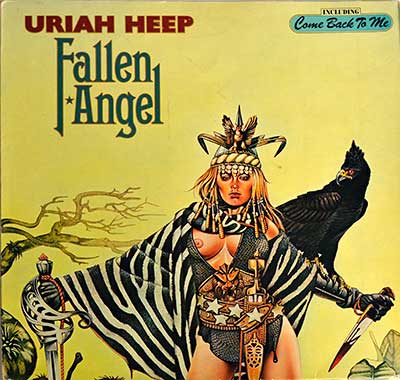
    URIAH HEEP - Fallen Angel album front cover vinyl record
    URIAH HEEP - Fallen Angel

    The album cover for Uriah Heep's 1978 album "Fallen Angel" was designed by artist Chris Achilleos. Chris Achilleos is a Cypriot-British painter and illustrator who has created cover art for many books, albums, and magazines. He is well known for his fantasy and science fiction artwork and his attention to detail, and has created many memorable and iconic images throughout his career.

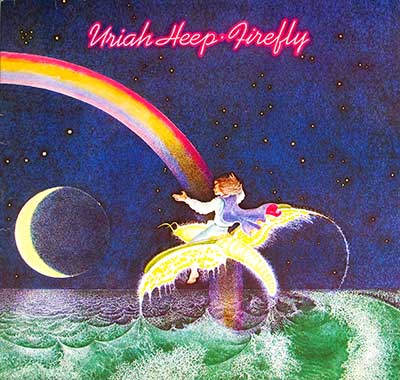
    URIAH HEEP - Firefly (European Releases)
    URIAH HEEP - Firefly (Germany, Bronze 28 791) album front cover vinyl record


    Firefly is the tenth album released by British rock band URIAH HEEP. It was first album without David Byron, lead vocalist and a founder-member of the band, and the first of three albums with John Lawton.

    - Firefly (Germany, Bronze 28 791) - Firefly (Germany) - Firefly (Gt Britain) 12" Vinyl LP
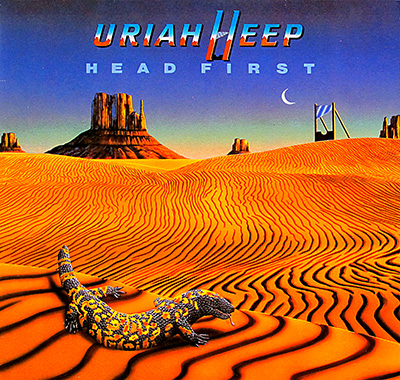
    URIAH HEEP - Head First
    URIAH HEEP - Head First album front cover vinyl record

    Bronze 205 474   , 1983 , EEC

    Uriah Heep's 1983 release, "Head First," marked their 15th studio album under Bronze Records. Produced by Ashley Howe, the album showcased the band's adaptability in the evolving music scene. Recorded at Manor Studios, it blended hard and progressive rock elements. In the context of 1983 Europe, the album reflected the era's musical trends and served as a sonic backdrop to the cultural shifts of the time.

    Head First 12" Vinyl LP
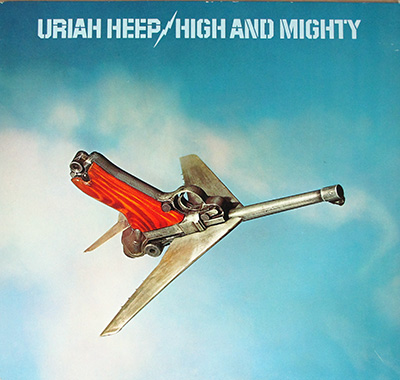
    URIAH HEEP - High and Mighty
    URIAH HEEP - High and Mighty album front cover vinyl record

    Bronze 28 715 XOT , 1976 , Germany

    Released in 1976 on Bronze Records, Uriah Heep's "High and Mighty" 12" LP marked a significant chapter in mid-'70s rock. Produced by the band and recorded at London's Roundhouse Studios, it showcased their distinctive blend of hard and progressive rock.

    High and Mighty 12" Vinyl LP
    URIAH HEEP - Innocent Victim (European Releases)
    URIAH HEEP - Innocent Victim (East-Germany, Amiga Records) album front cover vinyl record


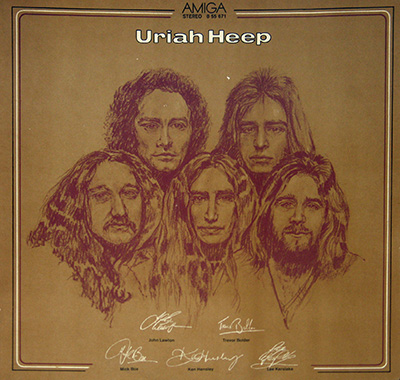
    The 1979 release of Uriah Heep's "Innocent Victim" on Amiga Records, featuring a distinctive band portrait on the cover, adds a captivating layer to the album's narrative. With liner notes by Ulrich Gnoth and the DDR catalog number AWA 8 55 671, it stands as a unique collector's item, providing a glimpse into the cultural and musical dynamics within the German Democratic Republic during that period.

    - Innocent Victim (East-Germany, Amiga Records) - Innocent Victim (Germany) - Innocent Victim (Switzerland)
    URIAH HEEP - Live in Moscow / Cam B Mockbe
    URIAH HEEP - Live in Moscow / Cam B Mockbe  album front cover vinyl record

    INT 148.811 DMM , 1987 , Germany

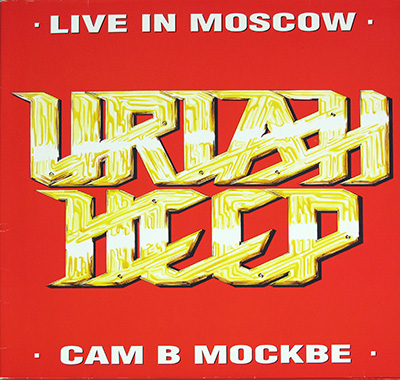
    Uriah Heep's "Live in Moscow," recorded during their historic 1987 concerts in the Soviet Union, marks a pivotal moment in rock diplomacy. Spearheaded by Laszlo Hegedus, the album showcases the band's musical prowess and captures the energy of the era. The gatefold cover and meticulous engineering by Janos Mihaly and Gabor Hegedus contribute to a sonic masterpiece.

    Live in Moscow / Cam B Mockbe 12" Vinyl LP
    URIAH HEEP - Live 1973 (German & USA Versions)
    URIAH HEEP - Live 1973 (Germany) album front cover vinyl record


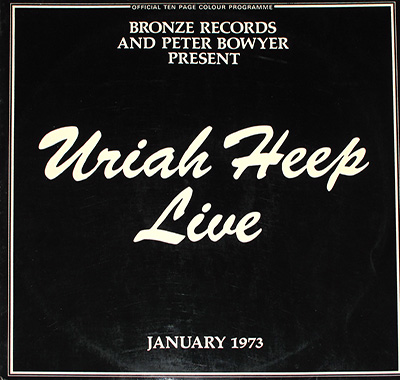
    "Uriah Heep's 'Live 1973' 2LP Album, subtitled 'Bronze Records and Peter Bowyer Present,' captures the essence of the band's musical prowess during its release period. Released on vinyl, the record reflects a moment in music history, showcasing Uriah Heep's live performances. Bronze Records and Peter Bowyer's collaboration contributes to preserving and presenting this iconic era of rock music for enthusiasts and collectors alike."

    - Live 1973 (Germany) - Live 1973 (USA)
    URIAH HEEP - Look at Yourself (European Releases)
    URIAH HEEP - Look at Yourself (Germany) album front cover vinyl record


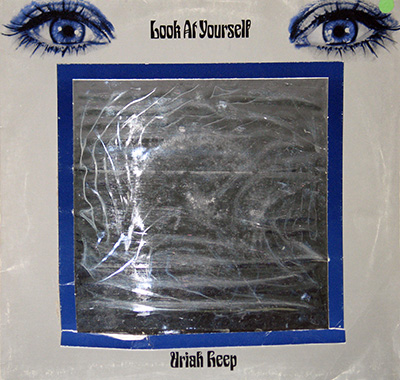
    Uriah Heep's "Look At Yourself," released on Bronze Records in Germany, adds a distinctive chapter to the band's musical narrative. Produced by Gerry Bron and recorded at Lansdown Studios in 1971, this release encapsulates the essence of British hard rock. With a unique imprint on the German music scene, it stands as a testament to Uriah Heep's international resonance and diverse influence.

    - Look at Yourself (Germany) - Look at Yourself incl Large Poster (Germany) - Look at Yourself (Gt Britain) - Look at Yourself (Netherlands)
    URIAH HEEP - Magician's Birthday
    URIAH HEEP - Magician's Birthday (Gt Britain) album front cover vinyl record


    Uriah Heep's "The Magician's Birthday," a 1972 12" LP vinyl release, stands as a quintessential piece in the British rock scene. Featuring a gatefold sleeve designed by Roger Dean, the album combines Ken Hensley's storytelling with the band's musical prowess. Recorded at Landsdowne Studios, London, it presents a cohesive narrative with detailed liner notes. Produced by Gerry Bron, this timeless artifact encapsulates the essence of progressive rock during its release period.

    - Magician's Birthday (Gt Britain) - Magician's Birthday (Italy) - Magician's Birthday (Netherlands & Germany)
    URIAH HEEP - Return to Fantasy
    URIAH HEEP - Return to Fantasy (Germany, Bronze 28 783) album front cover vinyl record


    Uriah Heep's 1975 release, "Return to Fantasy," showcased a harmonious blend of production mastery by Gerry Bron and recording finesse at London's Lansdowne and Morgan Studios. The visual allure, courtesy of Dave Field's design and Joe Gaffney's photography, complemented the musical journey. Released on Bronze Records as a 12" vinyl LP, the album's inner sleeve with complete lyrics added a personal touch, contributing to its significance in the diverse musical landscape of 1975.

    - Return to Fantasy (Germany, Bronze 28 783) Return to Fantasy (Germany, Bronze 89 065 XOT)
    URIAH HEEP - Salisbury (France & Germany Release)
    URIAH HEEP - Salisbury (France) album front cover vinyl record


    Released in 1970, URIAH HEEP's "Salisbury" 12" LP Vinyl Album, stands as a musical gem. With its distinctive gatefold album cover, this French edition adds a touch of elegance to the band's iconic sound. A testament to the era, the release encapsulates the spirit of the '70s music scene, making it a prized collector's item for enthusiasts of the period.

    - Salisbury (France) - Salisbury (Germany)
    URIAH HEEP - Sweet Freedom (European Releases)
    URIAH HEEP - Sweet Freedom (Bronze Records) album front cover vinyl record


    Released in 1973 by Bronze Records, Uriah Heep's "Sweet Freedom" marked the band's sixth studio album. The 12" LP, cataloged as Bronze 28 777 XOT, showcased the British rock band's musical prowess during a dynamic period in the music industry. With its blend of rock and progressive elements, the album contributed significantly to the band's artistic evolution, leaving an indelible mark on the music scene of 1970s Germany.

    - Sweet Freedom (Bronze Records) - Sweet Freedom (Island Records)
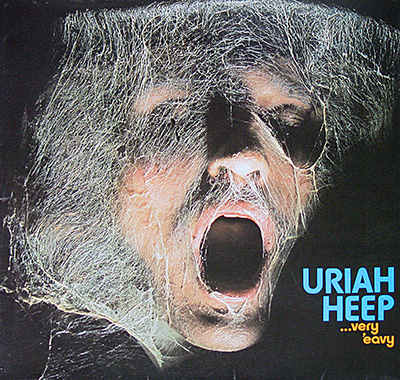
    URIAH HEEP - Very 'Eavy Very 'Umble (European Versions)
    URIAH HEEP - Very 'Eavy Very 'Umble (Austria) album front cover vinyl record


    The Austrian release of Uriah Heep's debut album, "Very 'eavy... Very 'umble," on Island C 85 690/Bronze/Austro Mechana, offers a regional perspective on the band's impact. With a distinct catalog number, this version maintains the album's original charm, featuring a gatefold-sleeve and insert with band photos. The Austrian release contributes to the broader European dissemination of Uriah Heep's influential hard rock sound during the early 1970s.

    - Very 'Eavy Very 'Umble (Austria) - Very 'Eavy Very 'Umble (Germany, Bronze Records) - Very 'Eavy Very 'Umble (Germany, Vertigo Records)
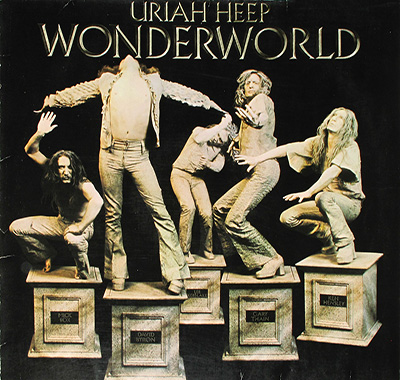
    URIAH HEEP - Wonderworld 12" Vinyl LP
    URIAH HEEP - Wonderworld album front cover vinyl record

    Bronze 87 931 IT , 1974 , Germany

    "Wonderworld," the 1974 studio album by English rock band Uriah Heep, showcases a blend of hard rock, progressive rock, and blues-inspired elements. Featuring tracks like "The Wizard," "Suicidal Man," and "So Tired," the album marked a shift towards a more straightforward and commercial style, departing from the band's experimental sound. Despite mixed reviews, it proved commercially successful, solidifying Uriah Heep as a prominent hard rock band in the 1970s, with its tight production and memorable performances earning it a lasting place in the band's live repertoire.

    Learn more