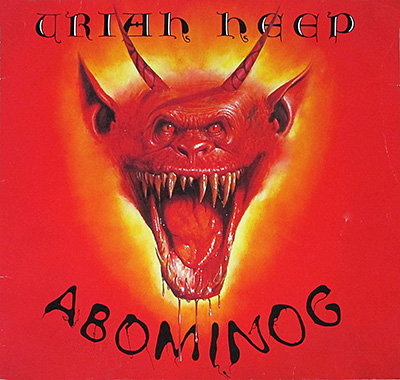
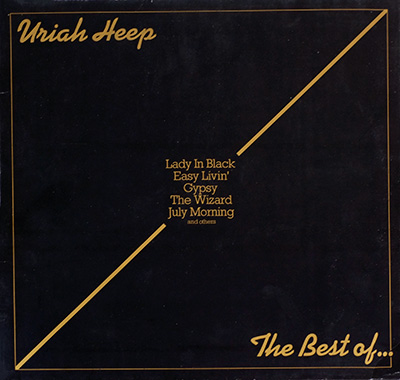
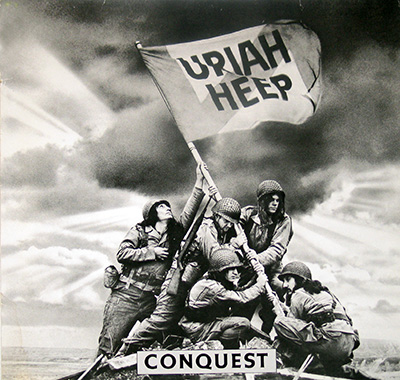
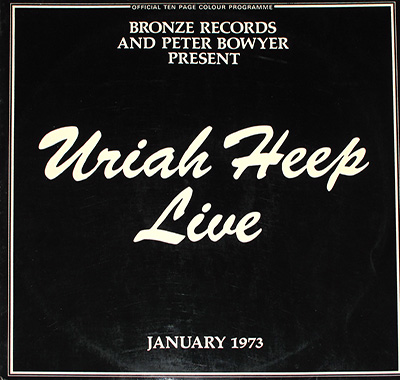
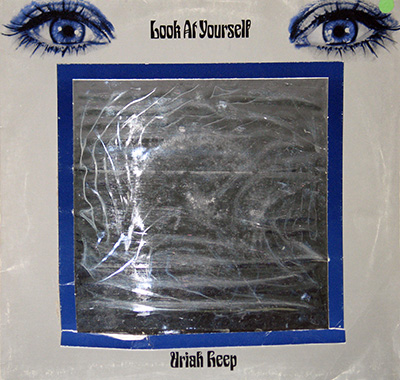
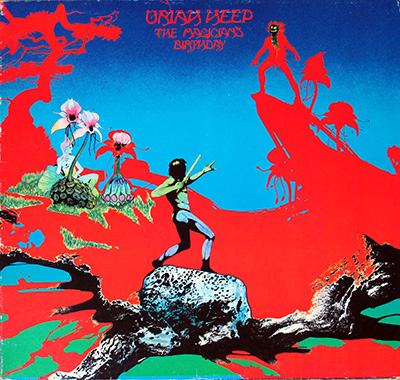
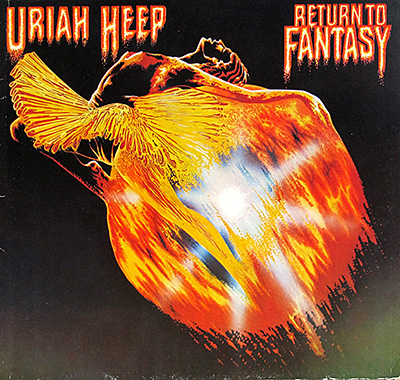
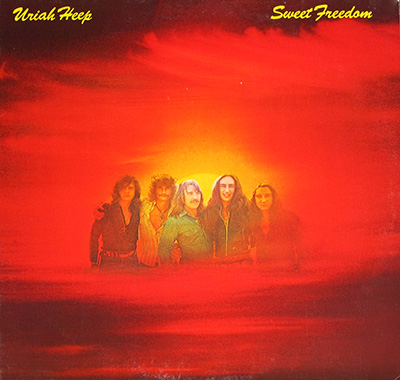
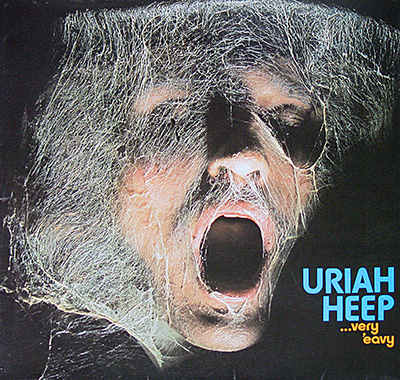
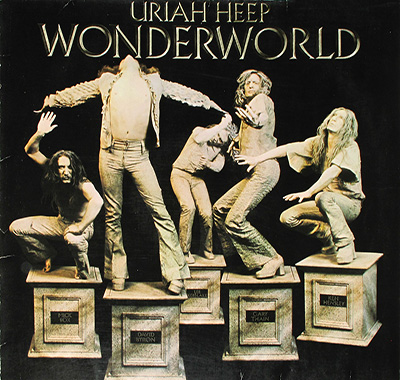
Gerry Bron is the kind of behind-the-desk mover who could make a band feel like it had a map, not just a van. After joining Bron's Orchestral Service in 1950, he shifted from publishing to shaping careers: producing Manfred Mann hit singles in 1967–68 and guiding early acts like the Bonzo Dog Doo-Dah Band. He then became inseparable from Uriah Heep, producing and managing them from their 1970 debut "...Very 'Eavy ...Very 'Umble" through 1980's "Conquest". In 1971 he founded Bronze Records and, in 1975, Roundhouse Recording Studios, building a base for heavy rock and beyond; his label later housed Motörhead, The Damned, Girlschool, Hawkwind and more, and he treated production as practical management: songs, takes, and momentum.
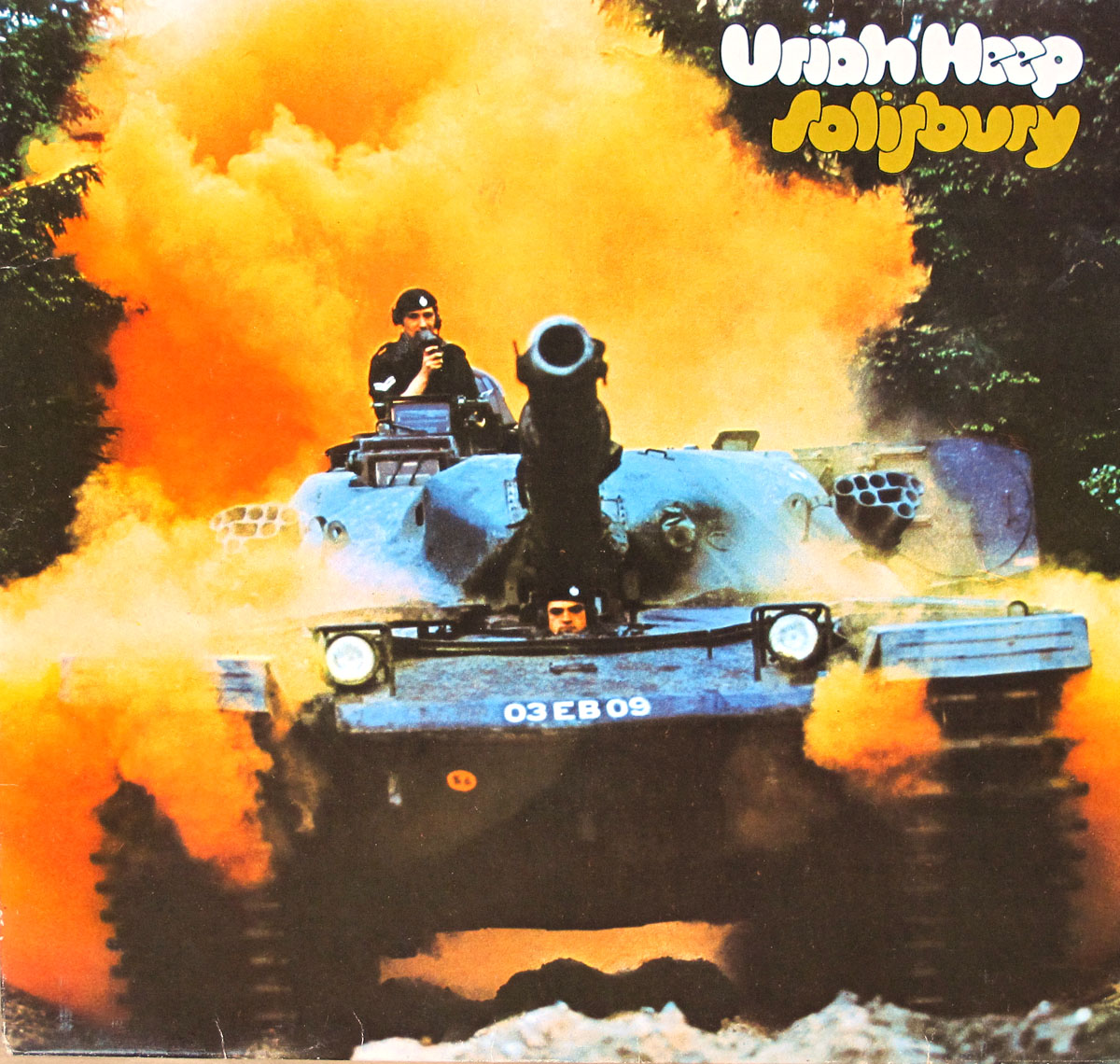
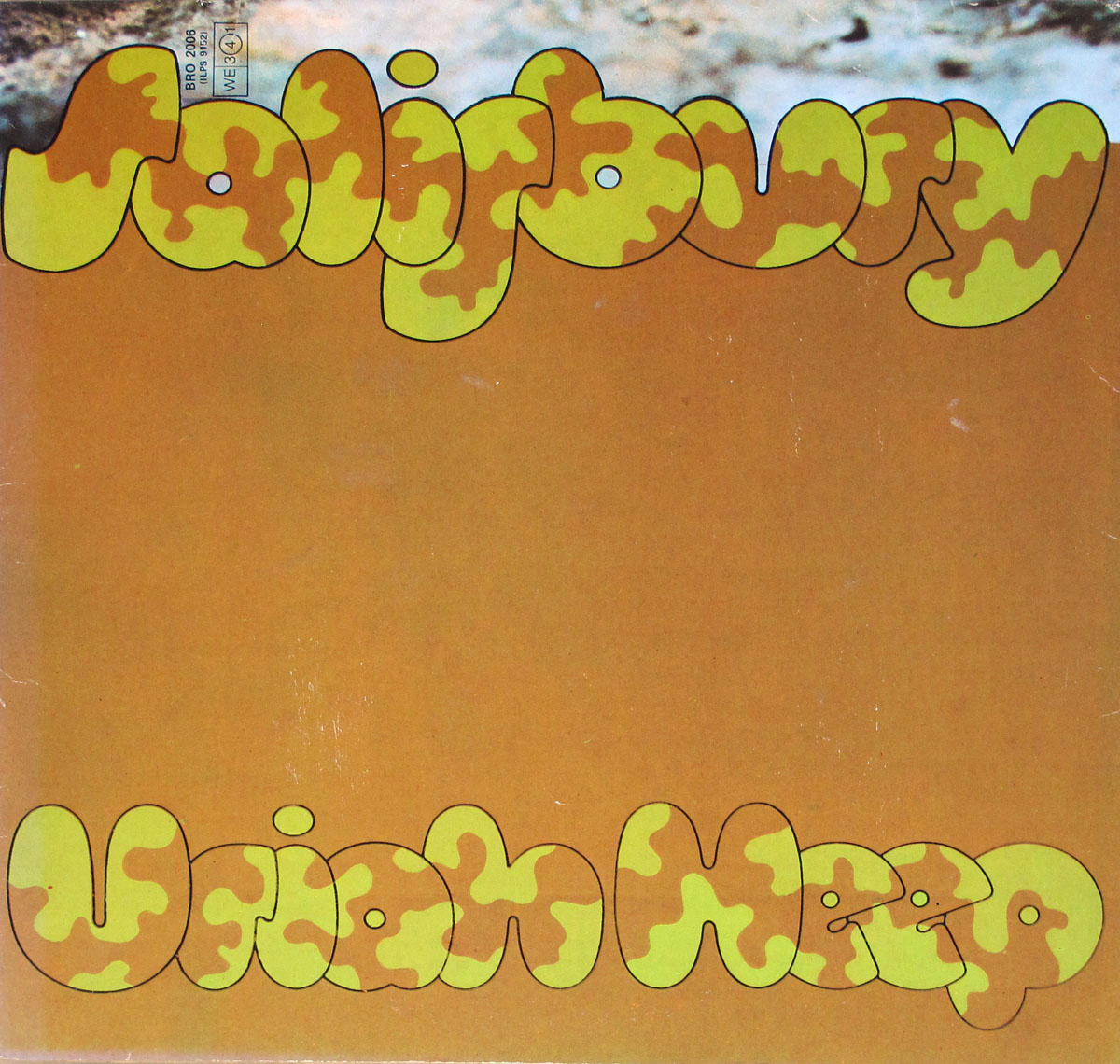
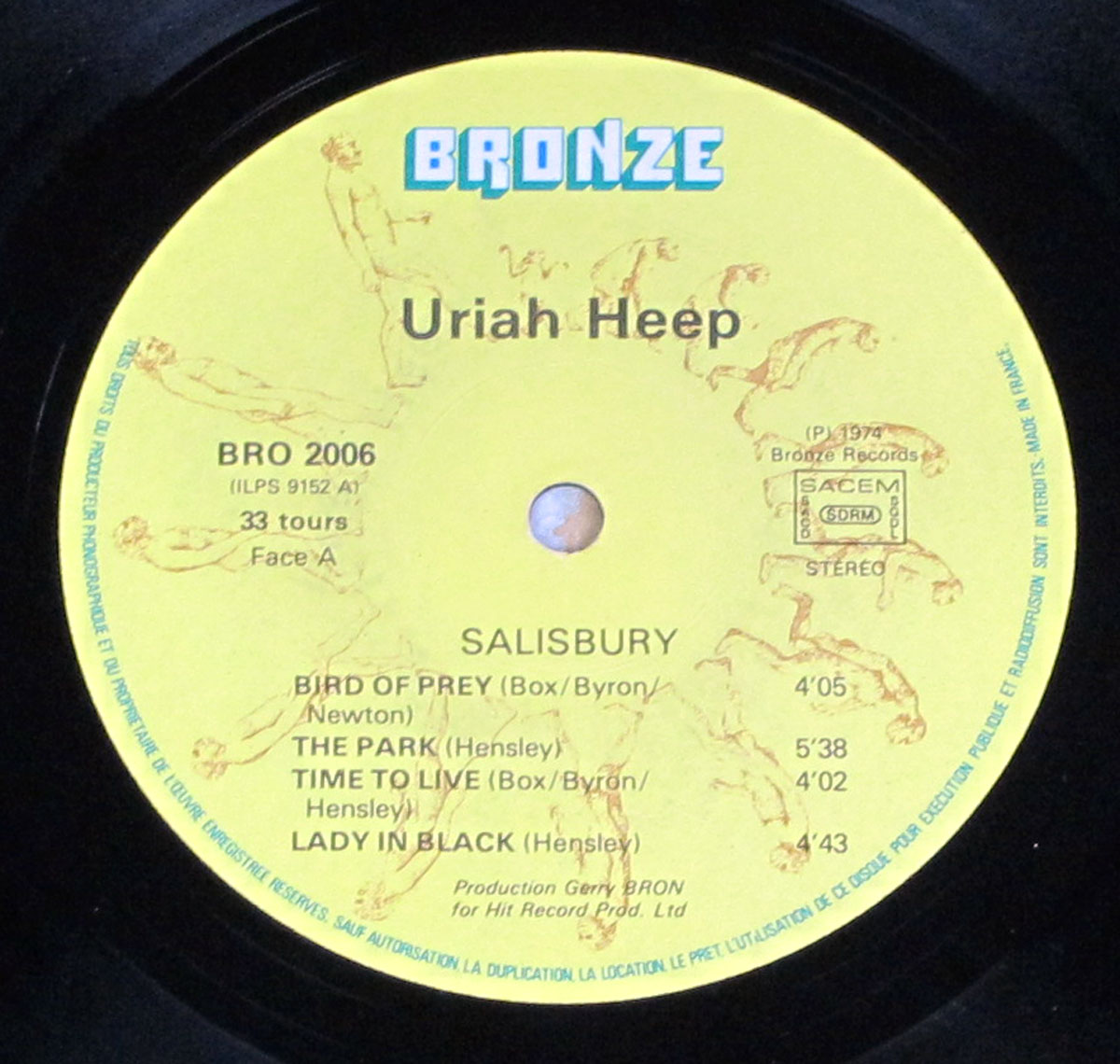
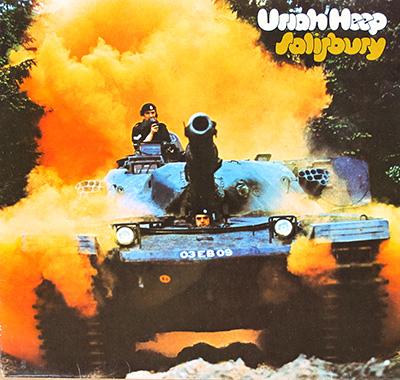
URIAH HEEP - SALISBURY 12" Vinyl LP Album
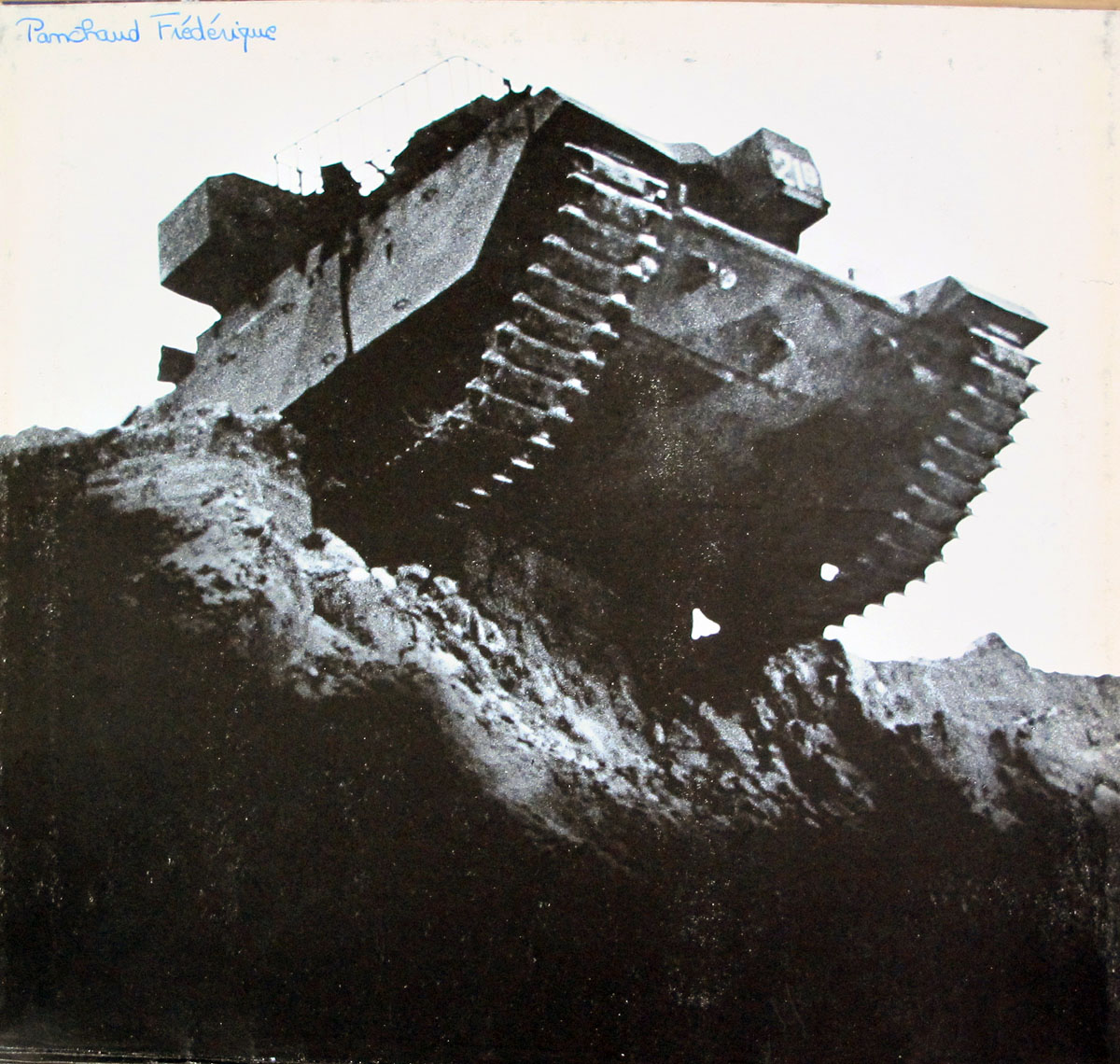
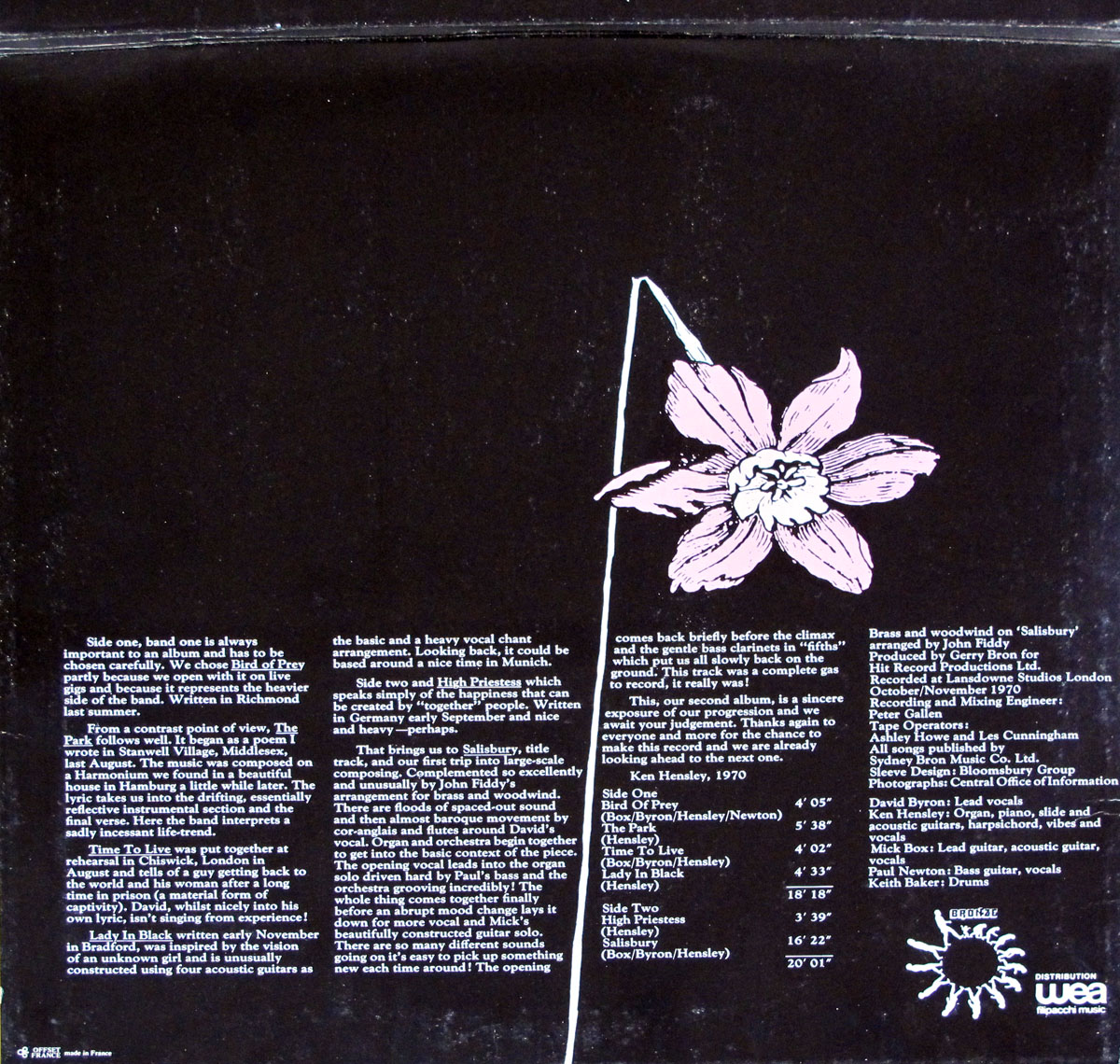
- French Release with Gatefold Album Cover
This album "Salisbury (French Release)" is the second studio album by the English rock band Uriah Heep, released in 1971. The album is considered one of the band's classic works and a landmark of the progressive rock genre.
"Salisbury" features a musical style that combines elements of hard rock, progressive rock, and heavy metal, and showcases the band's strong musicianship and powerful vocal harmonies. The album's title track, which is over 15 minutes long, is a standout piece that showcases the band's complex songwriting and adventurous spirit.
Other highlights from "Salisbury" include the tracks "Bird of Prey", "Lady in Black", and "The Park". These songs demonstrate the band's ability to balance progressive rock experimentation with catchy songwriting and memorable hooks.
Uriah Heep's lineup on "Salisbury" features vocalist David Byron, guitarist Mick Box, keyboardist Ken Hensley, drummer Lee Kerslake, and bassist Gary Thain. This album solidified their place as one of the leading bands of the progressive rock genre and cemented their status as one of the most important and influential hard rock bands of the 1970s.