In the smoldering embers of the mid-70s rock scene, Uriah Heep, once a titan of bombast and excess, found themselves at a crossroads. The departure of their iconic frontman, David Byron, left a void that seemed impossible to fill. Yet, in 1977, amidst the uncertainty, they released 'Firefly', a record that, while not a return to their former glory, offered a glimpse of resilience and artistic exploration.
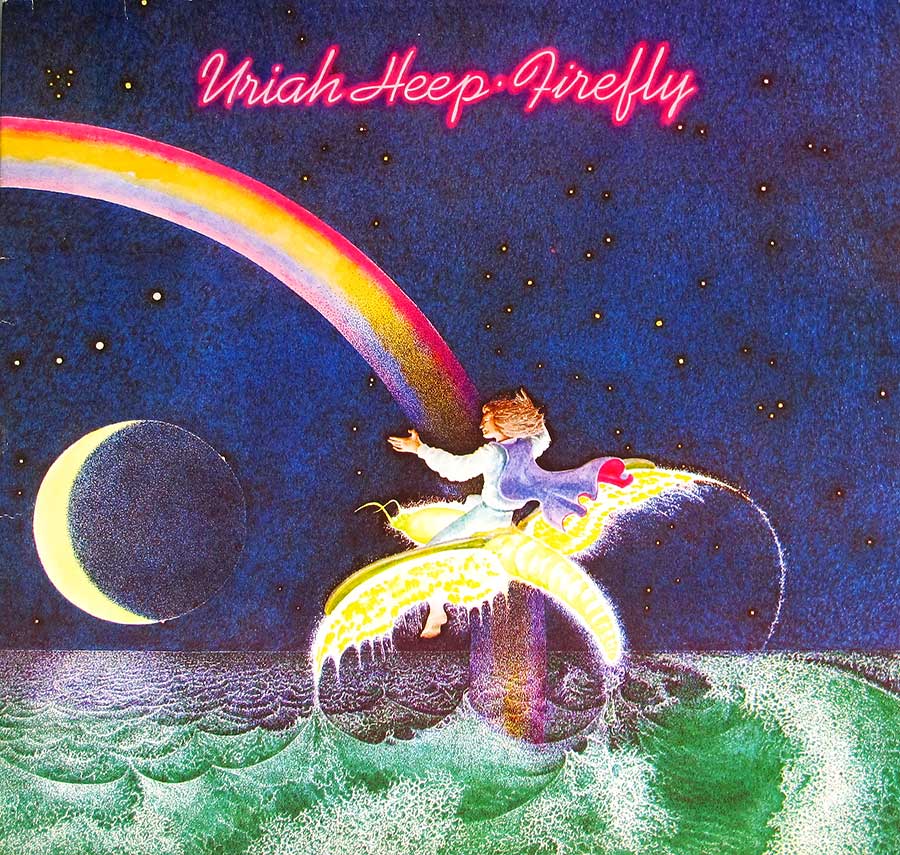
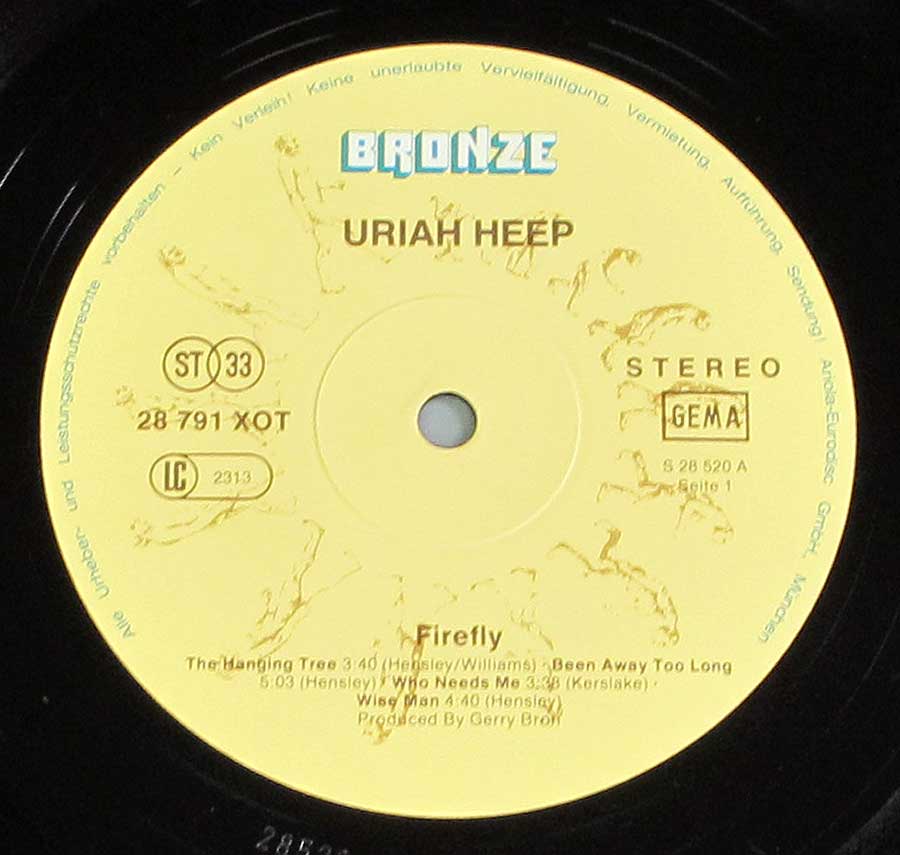
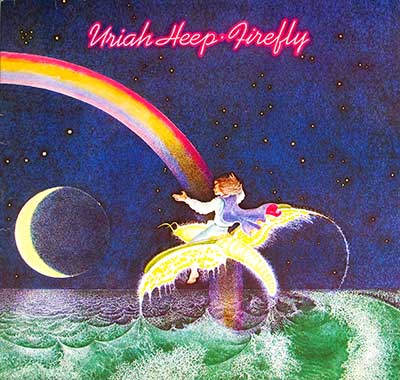
This German pressing of 'Firefly', with its gatefold sleeve and BRONZE label, is a snapshot of a band in transition. The cover, featuring a lone firefly against a dark backdrop, speaks volumes about Heep's state at the time - a flicker of light amidst the encroaching darkness.
The 70s had not been kind to Uriah Heep. The excesses of the early years had taken their toll, and the music scene was rapidly changing. Punk and New Wave were on the rise, and Heep's brand of grandiose, keyboard-driven hard rock seemed increasingly out of step. Byron's departure only exacerbated the sense of decline.
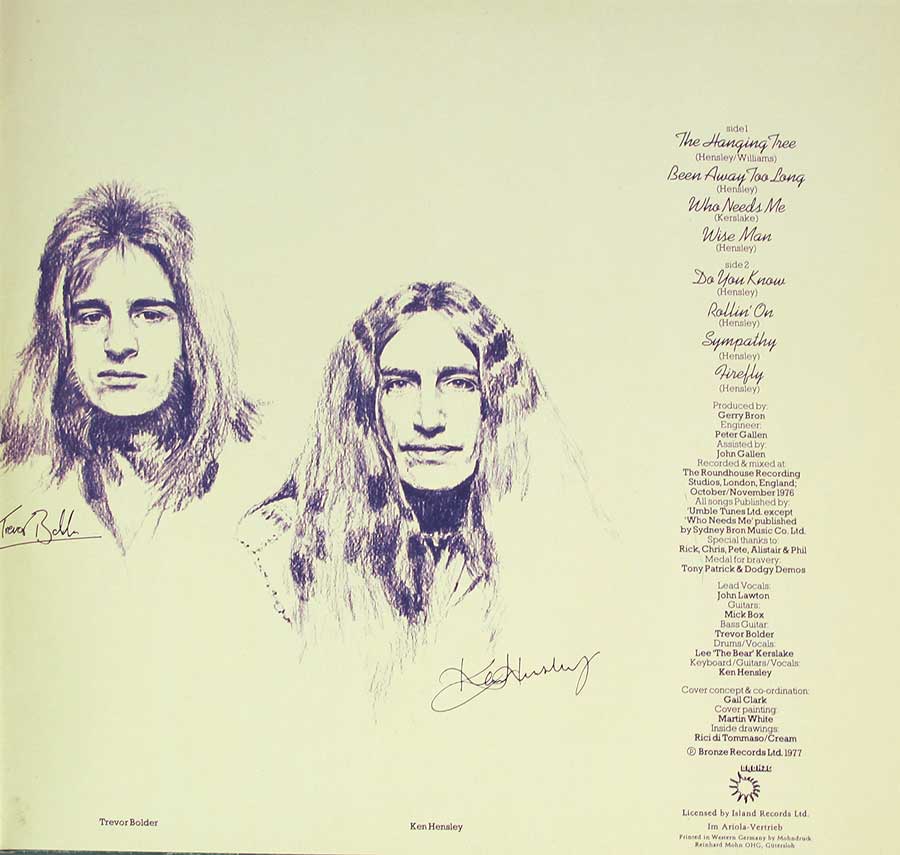
'Firefly', then, was a gamble. New vocalist John Lawton, formerly of Lucifer's Friend, brought a smoother, more soulful edge to the band's sound. The production, helmed by Gerry Bron, was cleaner and less bombastic than previous efforts. The songwriting, while still rooted in Heep's signature style, showed a willingness to experiment.
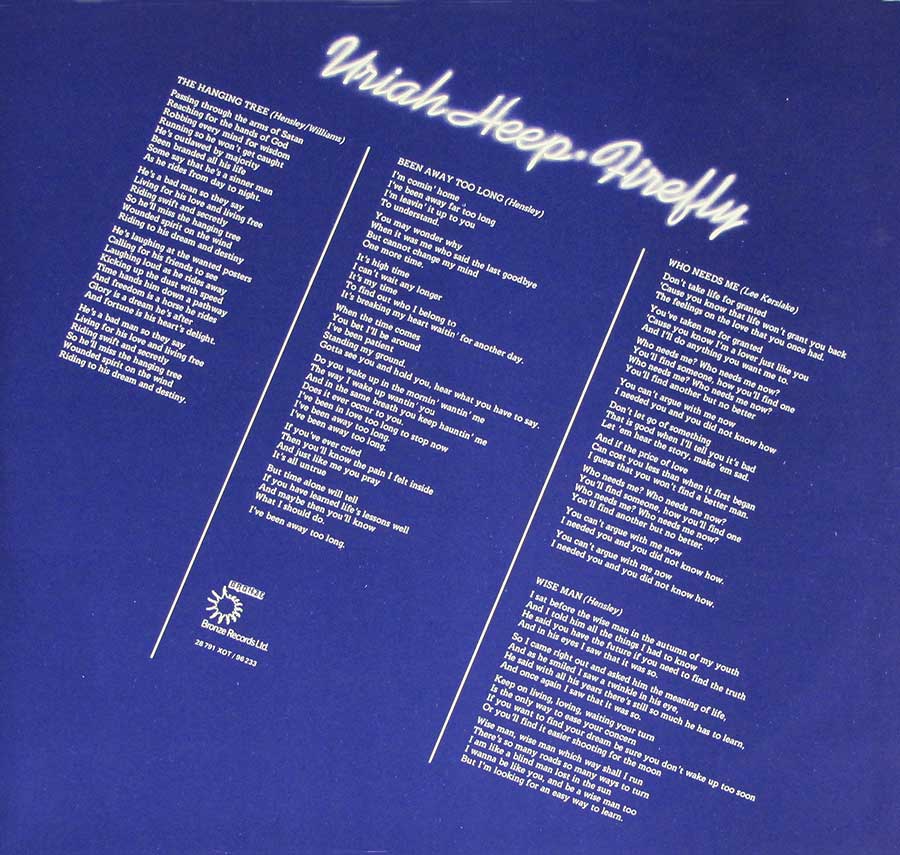
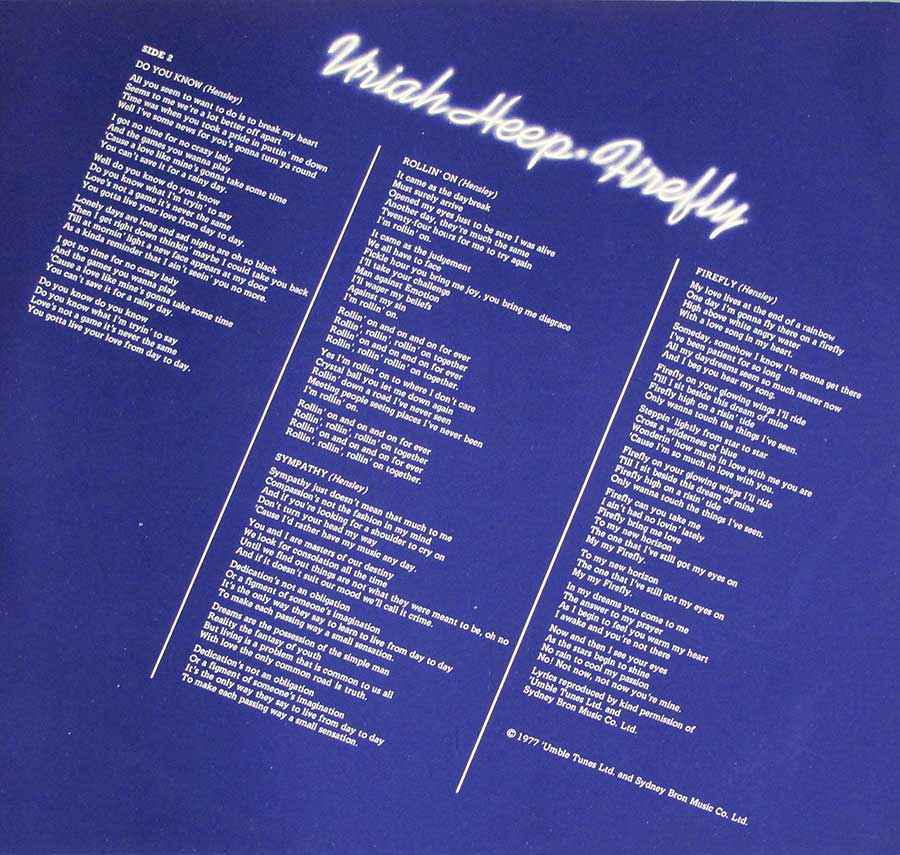
The album opens with 'The Hanging Tree', a driving rocker that showcases Lawton's powerful vocals and remains a fan favorite to this day. 'Sympathy', a ballad with lush harmonies and a soaring chorus, is often cited as a highlight of the album, showcasing the band's ability to create emotionally resonant music. 'Firefly' itself is a mid-tempo number with a catchy melody and introspective lyrics that capture the band's spirit during this transitional period. 'Who Needs Me' is a bluesy rocker with a gritty edge that harkens back to the band's earlier, heavier sound.
One topic that often arises in discussions of 'Firefly' is the contrast between Lawton's vocal style and Byron's. While some fans missed Byron's operatic delivery, others appreciated Lawton's more grounded and soulful approach. Another point of interest is the album's production. Bron's cleaner, less bombastic approach divided fans, with some praising its clarity and others missing the wall-of-sound approach of earlier albums.
While 'Firefly' is not without its flaws, it's a testament to Heep's resilience and refusal to fade away quietly. The album may not have set the charts on fire, but it garnered critical acclaim and proved that Heep still had something to offer.
The German pressing of 'Firefly' is a reminder of a band that, despite facing adversity, continued to create music on their terms. It's a symbol of their enduring legacy and their refusal to be extinguished.
In the grand narrative of rock and roll, 'Firefly' may be a minor footnote, but it's a footnote worth exploring. It's a reminder that even in the darkest of times, there's always a chance for a flicker of brilliance. And Uriah Heep, even in their twilight years, proved that they were still capable of creating music that mattered.